Hello, I’m Taka, the creator of this blog.
I completed the Shikoku 88 Temple Pilgrimage on foot, doing two full circuits—one in the traditional order and one in reverse.
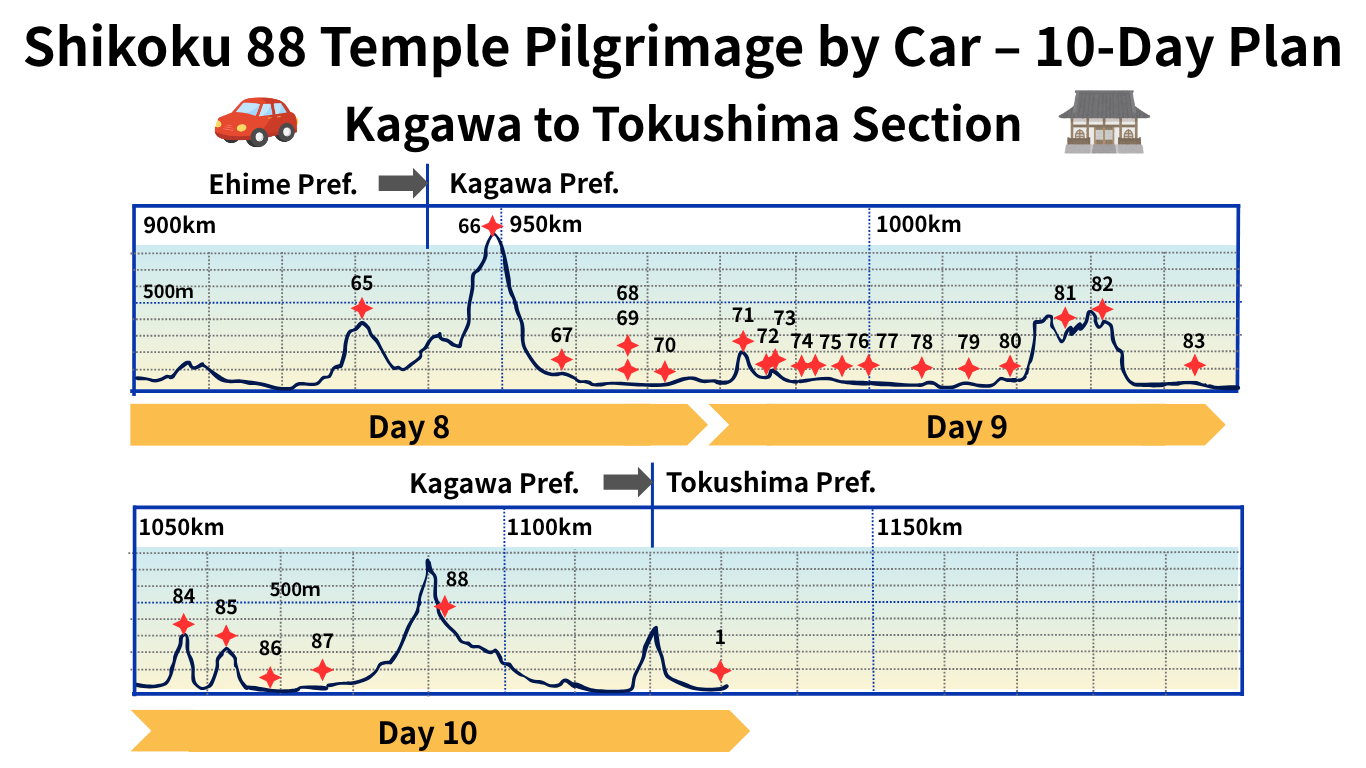
Day 9 of the pilgrimage by car covers the route from Temple No. 71, Iyadaniji, to Temple No. 83, Ichinomiyaji in Kagawa. Although the total distance is about 60 km, you will visit as many as 13 temples, making time management especially important. There are many highlights along the way, including Zentsuji and Iyadaniji, so take your time and proceed at a steady, unhurried pace.
In this article, I’ll clearly explain the route, key points to watch out for, and useful stopover information.
- Best Day 9 Schedule (Time Allocation)
- Day 9 of the Shikoku Pilgrimage by Car: Kagawa City Area
- Highlights of Day 9: The Appeal of Kagawa’s History and Food Culture
- Roadside Station Information: Kagawa City Area
- Common Mistakes on the Kagawa Pilgrimage
- Recommended accommodations: Kagawa city center
- FAQ
- Summary
- Related Article
Best Day 9 Schedule (Time Allocation)
As a guideline, allocate about 30 minutes per temple for the visit. This is intentionally generous, so you can adjust flexibly depending on the situation.
- 7:30Breakfast & Departure
30 min travel
- 8:00Temple 71: Iyadaniji
30 min worship + 10 min travel
- 8:40Temple 72: Mandaraji
30 min worship + 1 min travel
- 9:10Temple 73: Shusshakaji
30 min worship + 5 min travel
- 9:45Temple 74: Kōyama-ji
30 min worship + 5 min travel
- 10:20Temple 75: Zentsuji
30 min worship + 10 min travel
- 11:00Temple 76: Konkōji
30 min worship + 10 min travel
- 11:40Temple 77: Dōryūji
30 min worship + 15 min travel
- 12:10Lunch
- 12:30Temple 78: Gōshōji
30 min worship + 15 min travel
- 13:15Temple 79: Tennōji
30 min worship + 15 min travel
- 14:00Temple 80: Kokubunji
30 min worship + 30 min travel
- 15:00Temple 81: Shiromineji
30 min worship + 15 min travel
- 15:45Temple 82: Negoroji
30 min worship + 30 min travel
- 16:45Temple 83: Ichinomiyaji
30 min worship
- 17:15Finish
Day 9 of the Shikoku Pilgrimage by Car: Kagawa City Area
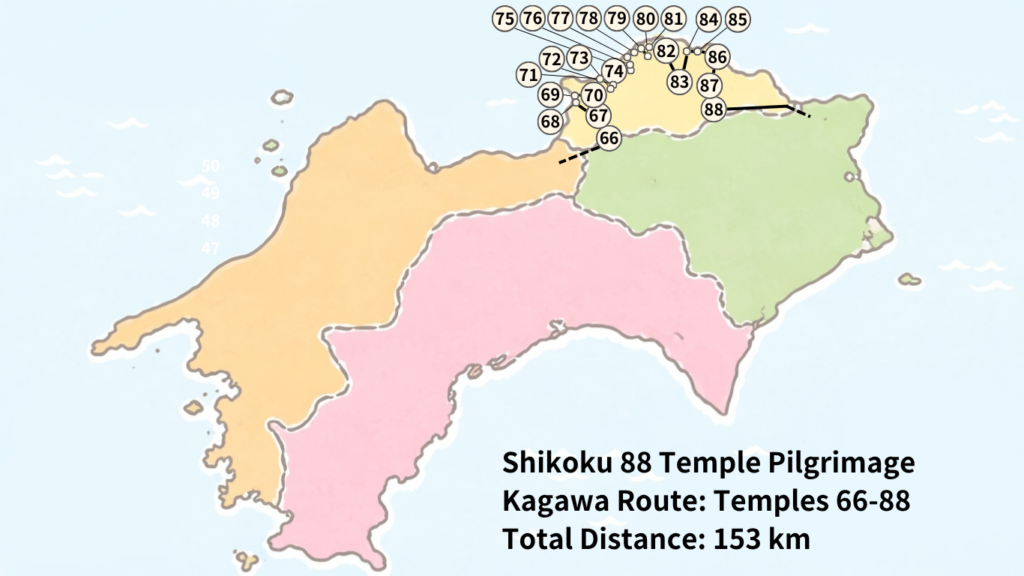
On Day 9, the plan is to visit temples No. 71 through No. 83. The total travel distance is about 60 km.
The most distinctive feature of the Kagawa section is the short distance between temples.
Because many temples are clustered close together, it’s an area where you can travel efficiently.
However, if you try to visit too many in one day, your temple visits may become rushed and less meaningful.
Rather than focusing on the number, it’s best to take your time, keep the key points in mind, and visit each temple carefully.
Information on Temples No. 71 to No. 83
Detailed guides for each temple include route maps, history, goshuin, and highlights.
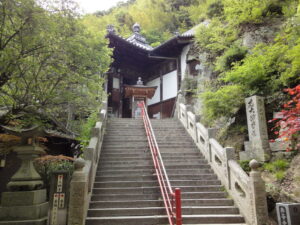
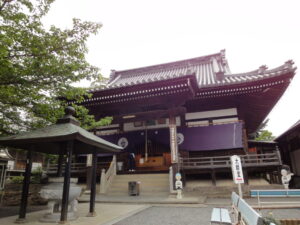
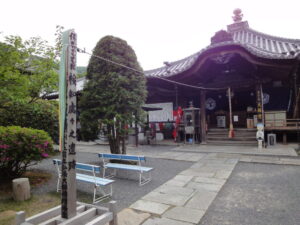
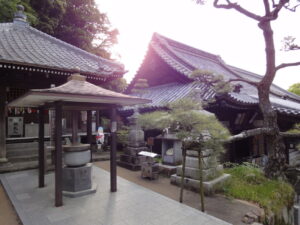
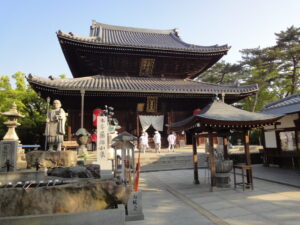
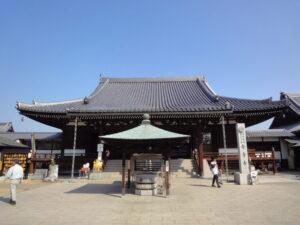
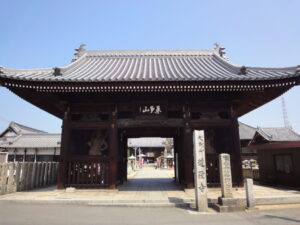
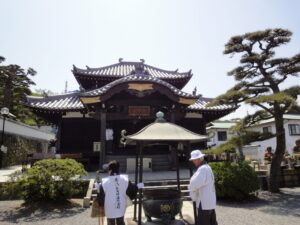
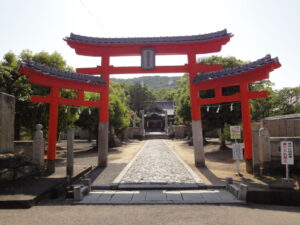
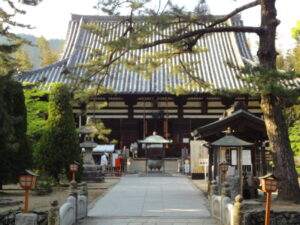
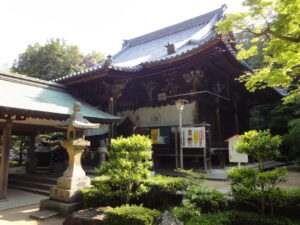
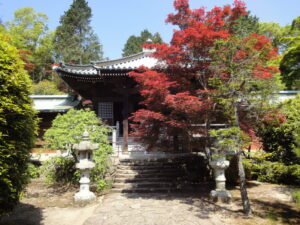
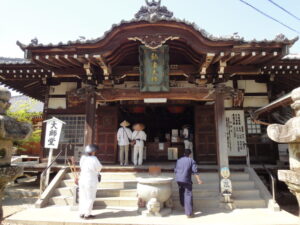
A complete list of all temples up to No. 88 is available in the article below.
Temple List and Full Route
Key Points for Day 9
Although the travel distance is relatively short, this day involves visiting a large number of temples.
The total distance is about 60 km, which is fairly modest, but you will be visiting 13 temples—the highest number so far.
By this point in your journey, you’ve likely developed a sense of how much time it takes you to visit each temple.
Estimate how many temples you can comfortably visit in a day, and proceed with a realistic, well-paced plan.
The 540 Steps of Temple No. 71, Iyadaniji
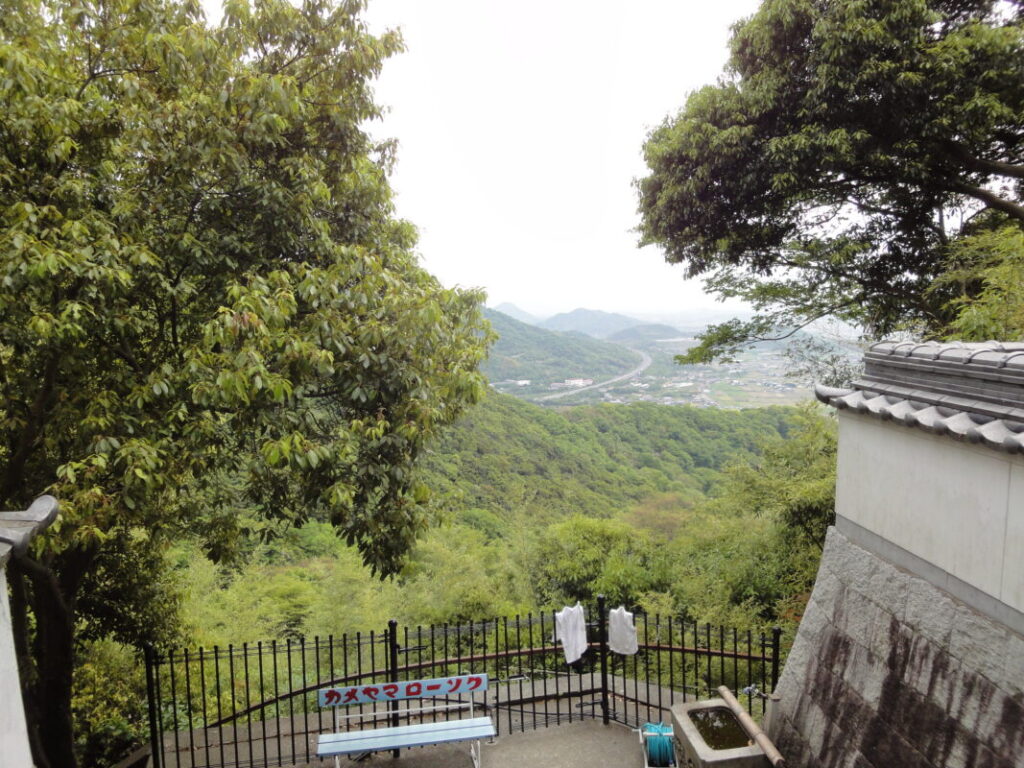
Iyadaniji is a sacred mountain temple located at an elevation of about 200 meters.
There are two main ways to access the temple grounds:
One option is to use the free parking lot at the base.
In this case, you’ll need to climb approximately 540 steps to reach the temple.
The other option is to use the paid parking lot halfway up the mountain.
From there, the climb is reduced to about 270 steps—roughly half the distance.
However, a fee of 500 yen is required for access and parking.
Choose the option that best suits your physical condition.
Highlights of Day 9: The Appeal of Kagawa’s History and Food Culture
Kagawa Prefecture is famously the birthplace of Kobo Daishi, the founder of the Shikoku Pilgrimage.
Many legends related to his childhood still remain across the region.
Because this area is easy to navigate with short distances between temples, it’s worth taking the time to explore these historical stories and traditions as you go.
The Temple Complex of No. 71 Iyadaniji
In addition to the Main Hall and Daishi Hall, Temple No. 71 Iyadaniji offers several other highlights.
These include three Buddha statues carved into a sheer cliff and water mysteriously springing from the rock face, creating a truly mystical atmosphere.
It is a temple where you can deeply feel the spirit of sacred mountain worship.
Rock-carved Three Buddha Statues
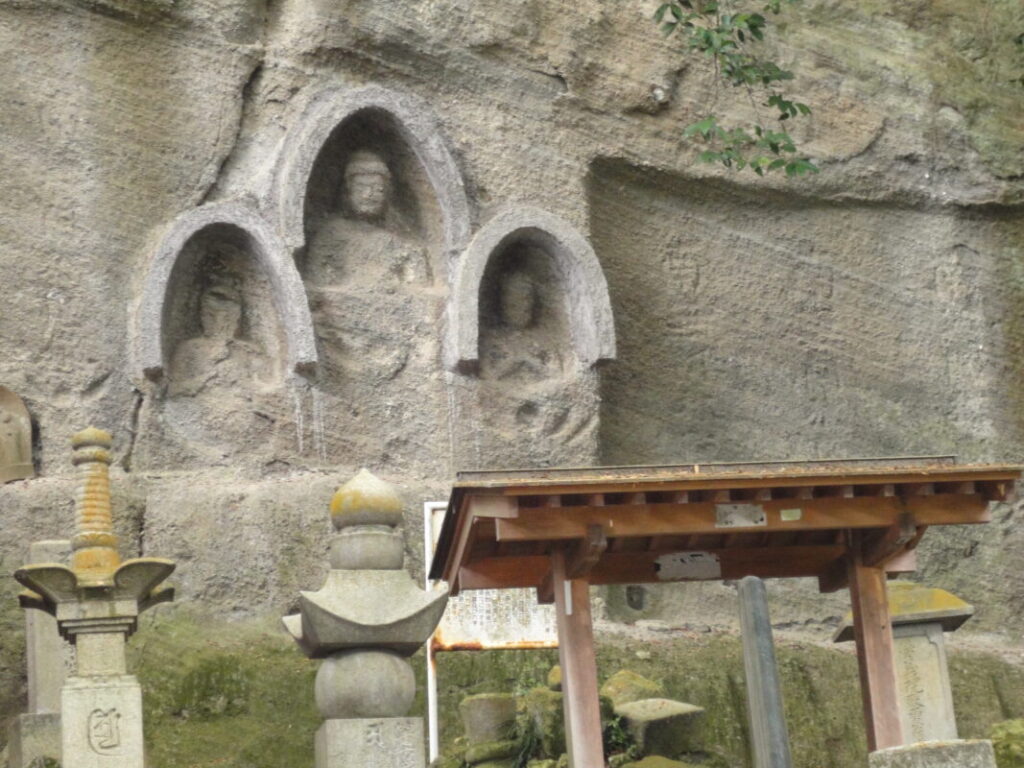
Three Buddha statues carved into a rock face approximately 12 meters high, with the inscription “Namu Amida Butsu” engraved on both sides.
Cave with a spring water source
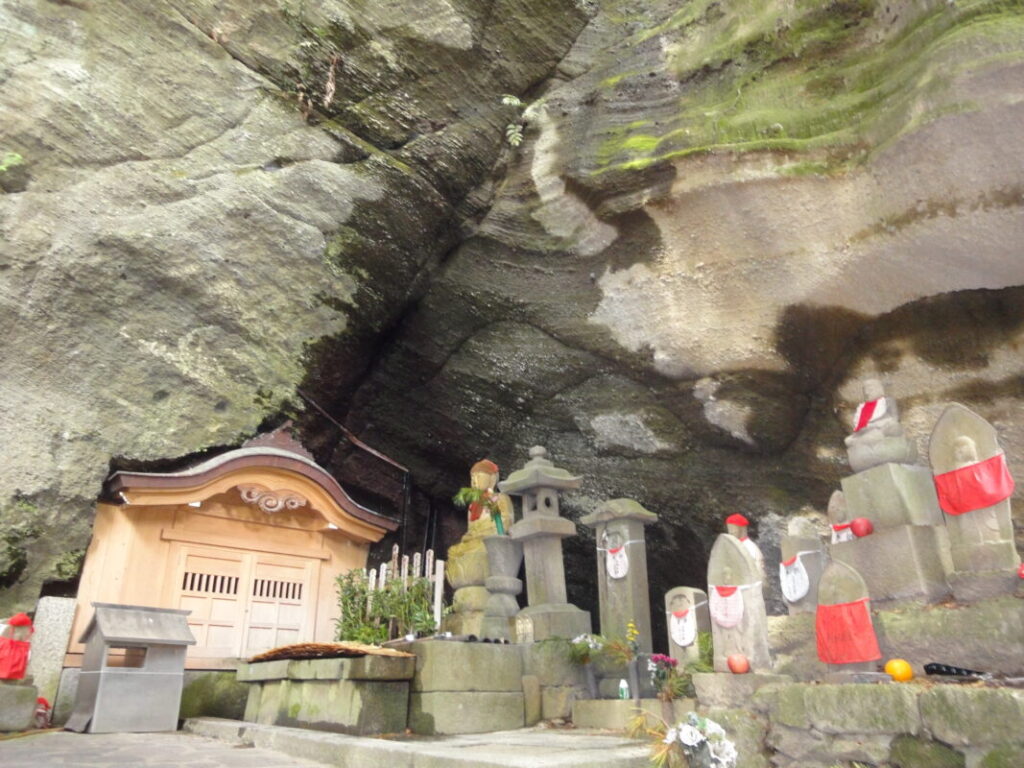
An ever-flowing spring, regarded as a symbol of sacred mountain worship and believed to mark the entrance to the Pure Land.
Shashin-ga-dake of Temple No. 73, Shusshakaji
Shashin-ga-dake is the inner sanctuary (Okunoin) of Temple No. 73, Shusshakaji. It is a sacred site said to be where Kobo Daishi trained in his youth.
According to legend, when Kukai was seven years old, he threw himself from this cliff, praying, “If my aspiration is true, save me.” He is said to have been rescued by a celestial maiden.
Shusshakaji Temple and its inner sanctuary, Shashin-ga-dake
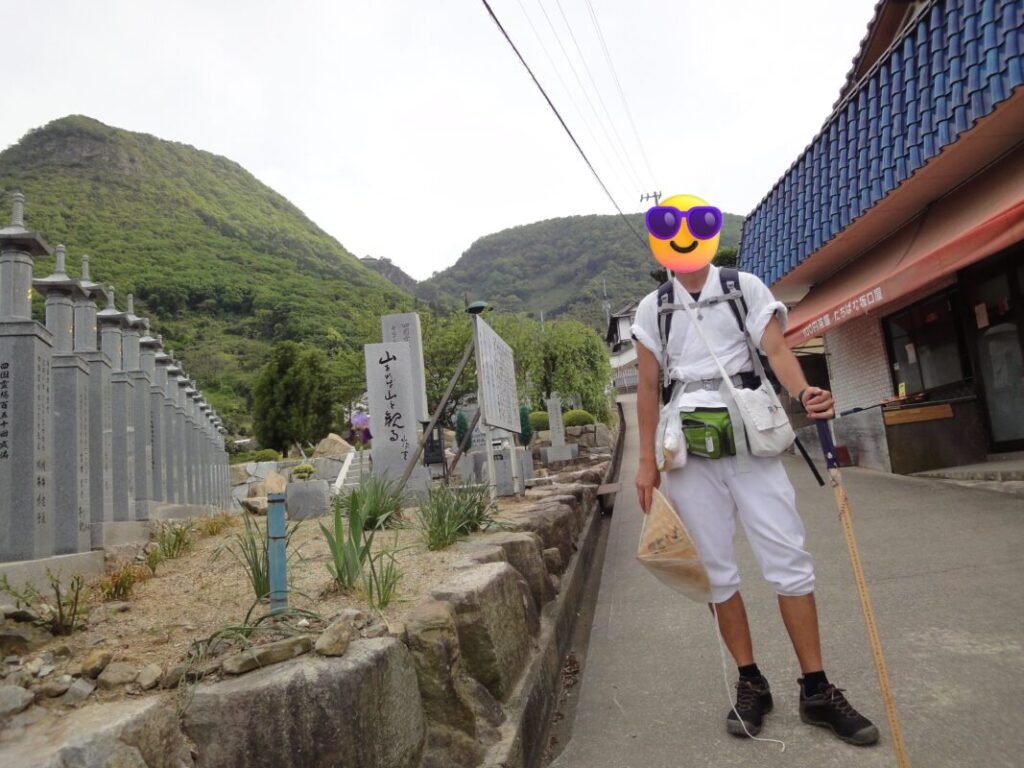
Shashin-ga-dake can be visited, but it is a challenging section that includes chain-assisted climbing.
Statue of Kokūzō (Gumonji) Daishi
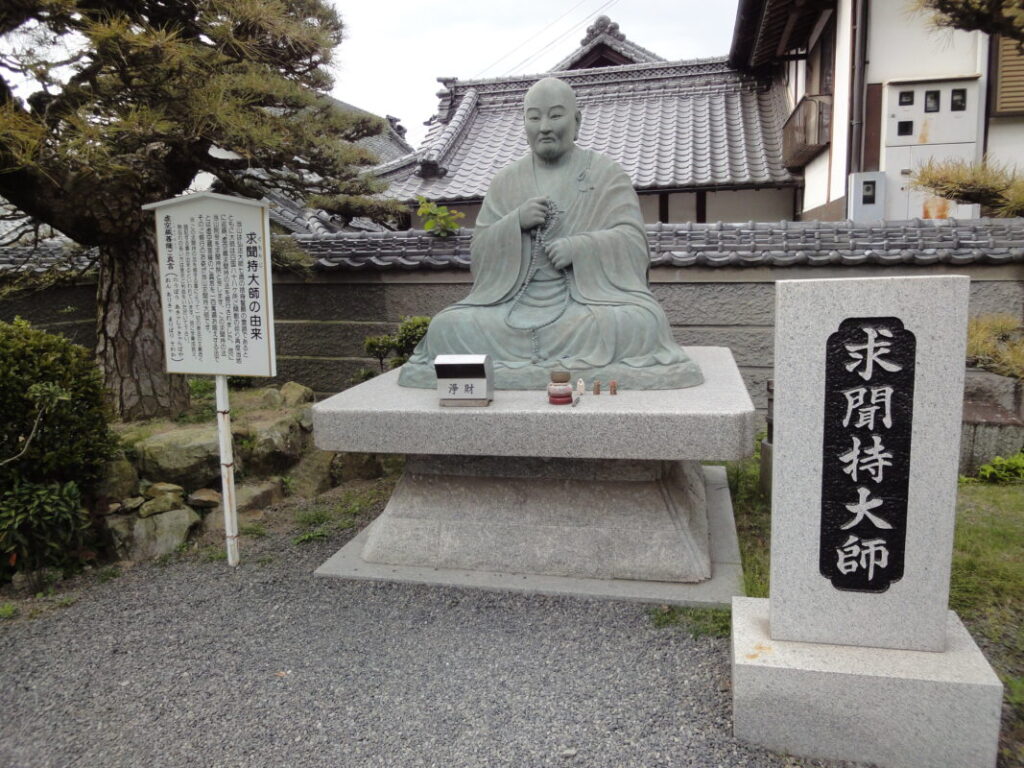
Depiction of Kobo Daishi training at this site. The Gumonji practice is an ascetic discipline in which the mantra of Kokūzō Bosatsu is chanted one million times.
Temple No. 75, Zentsuji: Birthplace of Kobo Daishi
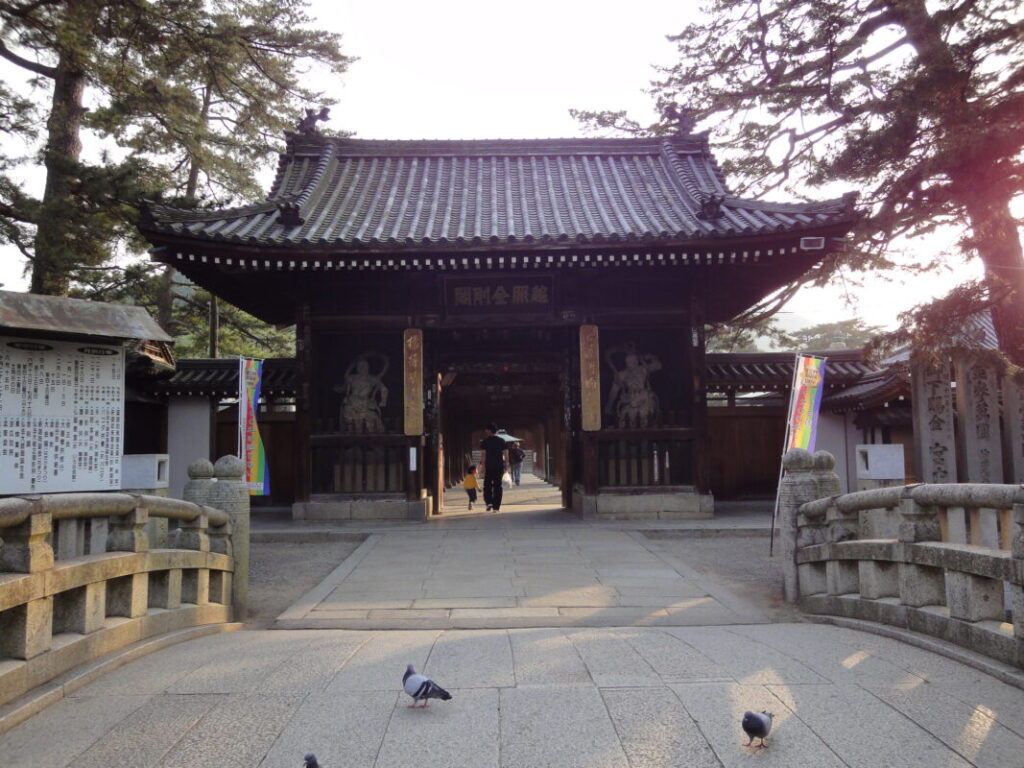
Temple No. 75, Zentsuji is a special sacred site known as the birthplace of Kobo Daishi.
It is one of the most prestigious temples among the 88, with a vast precinct of about 45,000 square meters filled with many points of interest.
The temple also offers lodging (shukubo), where you can take part in the morning prayers—an experience that makes your visit even more meaningful.
As a place rich in history and significance, it is well worth setting aside extra time to explore and worship at a relaxed pace.
Five-story pagoda
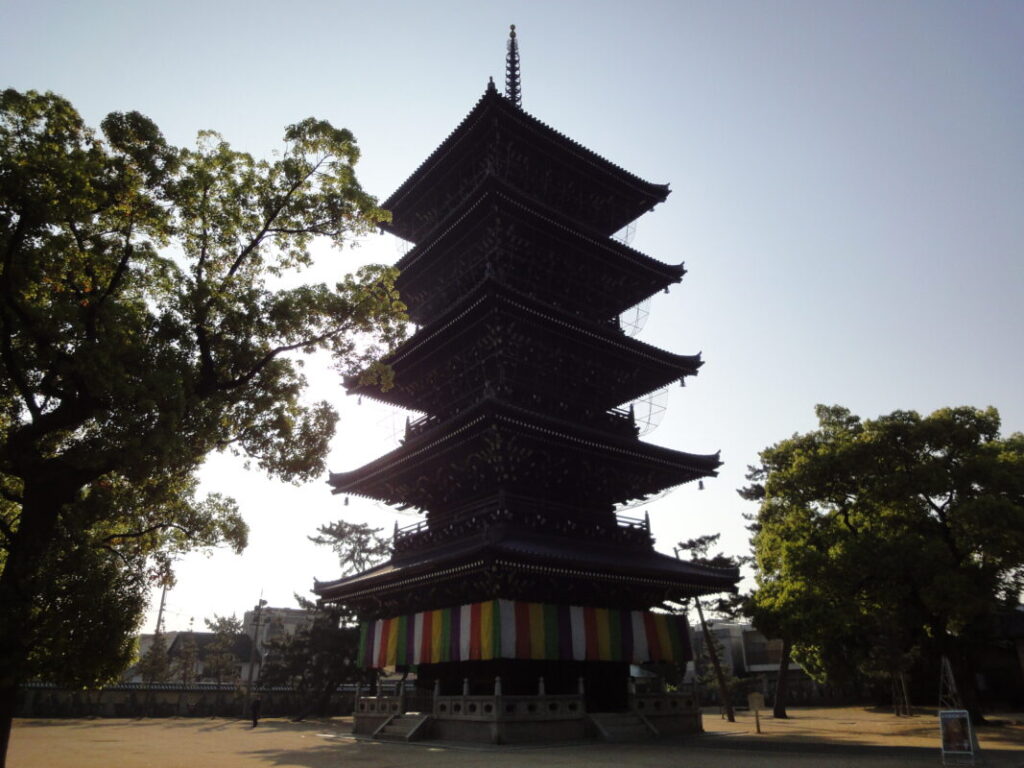
With a height of approximately 43 meters, it is the third tallest wooden pagoda in Japan and is designated as an Important Cultural Property of Japan.
The precincts of the Eastern Temple
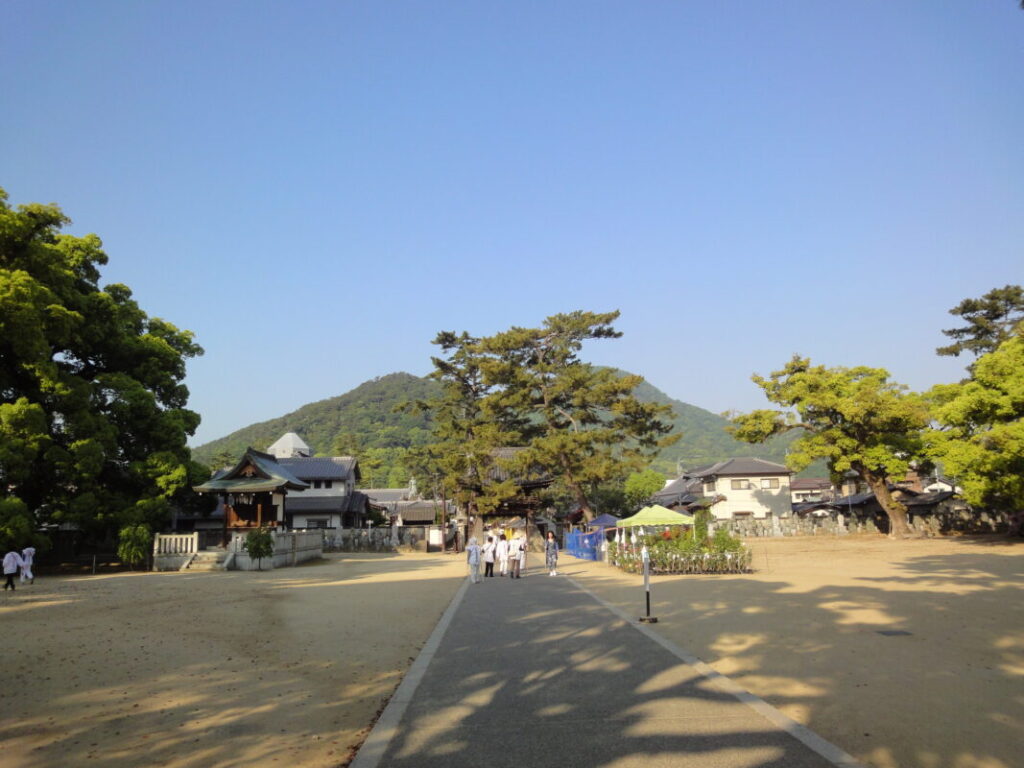
The spacious grounds of the Eastern Temple precinct, with Mount Kōshoku visible in the distance.
Kagawa Specialty: Sanuki Udon
When visiting Kagawa, trying Sanuki udon is a must.
It is said that there are around 570 udon restaurants across Kagawa Prefecture.
You’ll also find many udon shops along the pilgrimage route, but one recommendation is the udon served at Ushishina Shrine (Ubushina Jinja).
It is a rather unique shop located within the shrine grounds.
It is conveniently located right near Temple No. 78, Goshoji, making it an easy stop even for those walking the pilgrimage route.
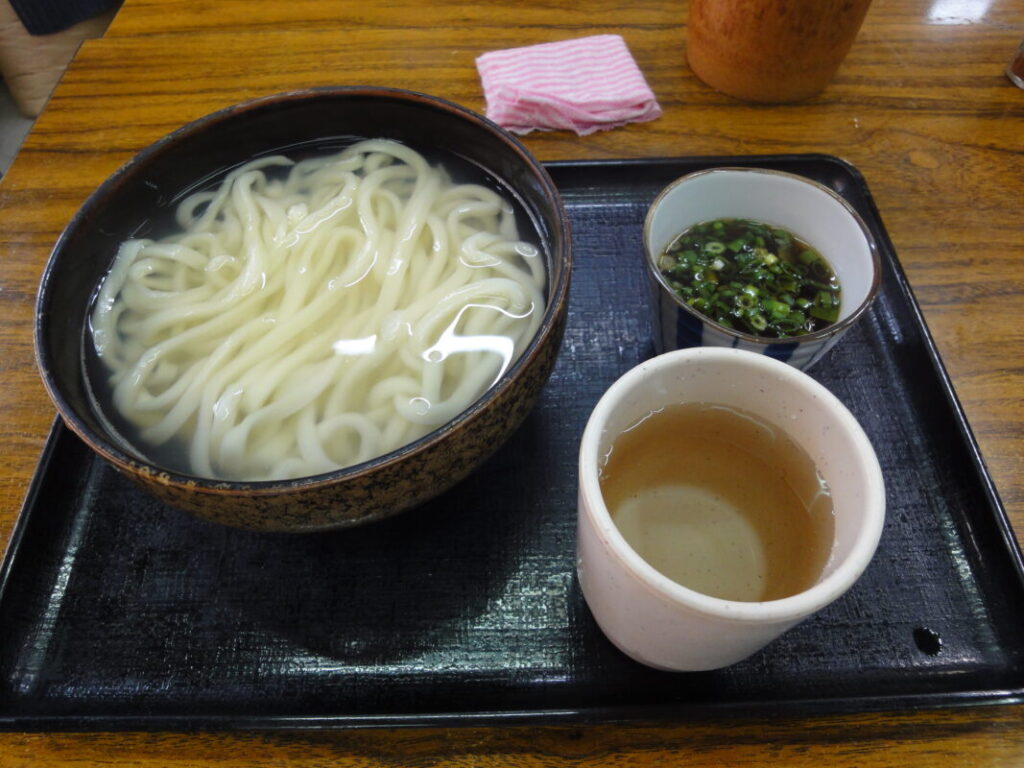
A bowl of kake udon costs just 300 yen, an exceptionally reasonable price.
Roadside Station Information: Kagawa City Area
Here is a list of roadside stations that are easily accessible from the pilgrimage route.
Fureai Park Mino

| Parking | 200 |
| Nearest Temple | No. 71 |
| Facilities | Hot spring |
| Google Maps | MAP |
| Rating | ★★★★☆ (4/5) |
It is located at the base of Temple 71 and offers hot spring facilities as well as accommodation. It is a convenient base for a pilgrimage journey in Kagawa Prefecture.
Utazu Rinkai Park

| Parking | 50 |
| Nearest Temple | No. 78 |
| Facilities | Wi-Fi |
| Google Maps | MAP |
| Rating | ★★★★☆ (4/5) |
It is located near Temple 78 and features a scenic location facing the Seto Inland Sea.
Seto Ohashi Kinen Park
| Parking | 400 |
| Nearest Temple | No. 78 |
| Facilities | Wi-Fi |
| Google Maps | MAP |
| Rating | ★★★★☆ (4/5) |
Although it is slightly off the pilgrimage route, it is a large-scale facility. It is located near the area where the Seto Ohashi Bridge spans, and also offers enjoyable scenic views.
Konan Rakuyu
| Parking | 100 |
| Nearest Temple | No. 83 |
| Facilities | Hot spring |
| Google Maps | MAP |
| Rating | ★★★★☆ (4/5) |
It is located about 5 km south of Temple 83. Although it is slightly off the pilgrimage route, its main attraction is a hot spring bath available for 700 yen. Please note that overnight stays in vehicles are not permitted.
Here is a list of roadside stations (Michi-no-Eki) convenient for the Shikoku Pilgrimage.
Best roadside stations for Shikoku pilgrims
Common Mistakes on the Kagawa Pilgrimage
Trying to visit too many temples in a single day can lead to rushed and superficial worship.
While the desire to make progress is understandable, simply ticking off numbers after coming this far would be a missed opportunity.
If, when looking back later at your stamp book or pilgrimage records, you cannot recall any memories, it becomes difficult for the journey to leave a lasting impression.
It is recommended to slow down, visit each temple carefully, and experience the history and local atmosphere of each place with intention and awareness.
Recommended accommodations: Kagawa city center
Natural Iyadani Onsen Fureai Park Mino
Located at the base of Temple 71, Iyadani-ji, this roadside station combines hot springs, dining, and shopping in one convenient location. It offers Japanese-style rooms and a natural onsen with a large bath, open-air bath, and sauna, making it ideal for relaxing after pilgrimage or travel.
Ritsurinsanso
Located in Takamatsu City, Kagawa Prefecture, this ryokan offers both traditional Japanese-style rooms and modern hotel convenience. It features hot spring baths, a garden, a bar, and a relaxing communal atmosphere. The property also provides free parking and is conveniently situated about 15 minutes from Takamatsu Station. Some rooms offer city or mountain views, making it a good-value base for sightseeing in the area.
Other Recommended Accommodation List
Other recommended accommodations are explained in detail in this article.
Recommended Accommodation: Temples 70–77 in Kagawa
Recommended Accommodation: Temples 77–80 in Kagawa
Recommended Accommodation: Temples 82–83 in Kagawa
FAQ
- QCan you complete Kagawa pilgrimage temples 71–83 in one day?
- A
Yes, it is possible to visit all 13 temples in one day if you travel by car. The total driving distance is relatively short at around 60 km, but since there are 13 stops, an early start is highly recommended.
- QWhich temple takes the most time on Day 9?
- A
Temple 71, Iyadani-ji, tends to take the most time due to its many stone steps. It is recommended to choose a parking area that suits your physical condition and schedule.
- QWhat are the highlights of Zentsū-ji?
- A
Temple 75, Zentsū-ji, is known as the birthplace of Kōbō Daishi (Kūkai). It features a large temple complex and attractions such as a five-story pagoda, making it worth allowing plenty of time for your visit.
- QWhere is the best place to have lunch?
- A
Kagawa is famous for Sanuki udon. There are many udon restaurants around temples 71–83, making them an ideal choice for lunch during your pilgrimage.
- QWhich area is convenient for accommodation?
- A
If you are staying near temple 71, the Mitoyo or Zentsūji area is convenient. If you plan to continue toward temple 83 and beyond, staying in Takamatsu city is recommended, as it also provides easy access to temples 84–88 on the following day.
Summary
The Kagawa pilgrimage route covering temples 71–83 is relatively short in distance, but involves a large number of stops, making careful planning essential for the day.
It is also a route rich in highlights, including notable sites such as Iyadani-ji and Zentsū-ji, offering many of the unique charms of the Shikoku pilgrimage in Kagawa.
Rather than rushing, it is recommended to visit each temple at a steady pace, taking time to enjoy local Sanuki udon and hot springs along the way for a fulfilling and rewarding pilgrimage experience.
Related Article
Shikoku Pilgrimage by Car Day 10: Temples 84–88 Route, Map & Final Tips.
Day 10: Kagawa Temples 84–88
Shikoku 88 Temple Pilgrimage by Car Day 8: Temples 60–70 Route, Distance (110km), and Mountain Challenges.
Day 8: Ehime & Kagawa Temples 60–70
Shikoku Pilgrimage by Car: 10-Day Route, Cost & Essential Tips.
Shikoku Pilgrimage by Car