Hello. I’m Taka, the author of this blog.
I have completed the Shikoku 88 Temple Pilgrimage on foot, walking both the standard (clockwise) route and the reverse route, making two full circuits in total.
It is possible to visit temples 60 to 70 in a single day by car.
However, this section includes mountain temples such as Yokomine-ji, Sankaku-ji, and Unpen-ji, making it one of the most challenging parts of this 10-day plan.
In this article, I will explain an efficient route, important points to be aware of, and recommended lodging locations.
- Best Day 8 Schedule (Time Allocation)
- Shikoku Pilgrimage by Car – Day 8: Ehime (Imabari) to Kagawa (Kan’onji)
- Highlights of Day 8
- Roadside Station Information: Imabari to Kan’onji
- Common Mistake: Unpen-ji (Temple 66)
- Recommended Accommodation: Zentsuji Area
- Frequently Asked Questions (FAQ)
- Summary
- Related Article
Best Day 8 Schedule (Time Allocation)
As a guideline, allocate about 30 minutes per temple for the visit. This is intentionally generous, so you can adjust flexibly depending on the situation.
- 7:00Breakfast & Departure
1 hr travel
- 8:00Temple 60: Yokomineji
30 min worship + 35 min travel
- 9:05Temple 61: Koenji
30 min worship + 5 min travel
- 9:40Temple 62: Hojyuji
30 min worship + 5 min travel
- 10:15Temple 63: Kichijoji
30 min worship + 10 min travel
- 10:55Temple 64: Maegamiji
30 min worship + 1 hr travel
- 12:00Lunch
- 13:00Temple 65: Sankakuji
30 min worship + 30 min travel
- 14:00Temple 66: Unpenji
30 min worship + 50 min travel
- 15:20Temple 67: Daikōji
30 min worship +20 min travel
- 16:10Temple 68: Jinnein & Temple 69: Kannonji
30 min worship + 10 min travel
- 16:50Temple 70: Motoyamaji
30 min worship
- 17:20Finish
Shikoku Pilgrimage by Car – Day 8: Ehime (Imabari) to Kagawa (Kan’onji)
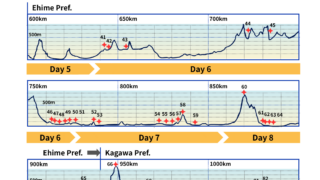
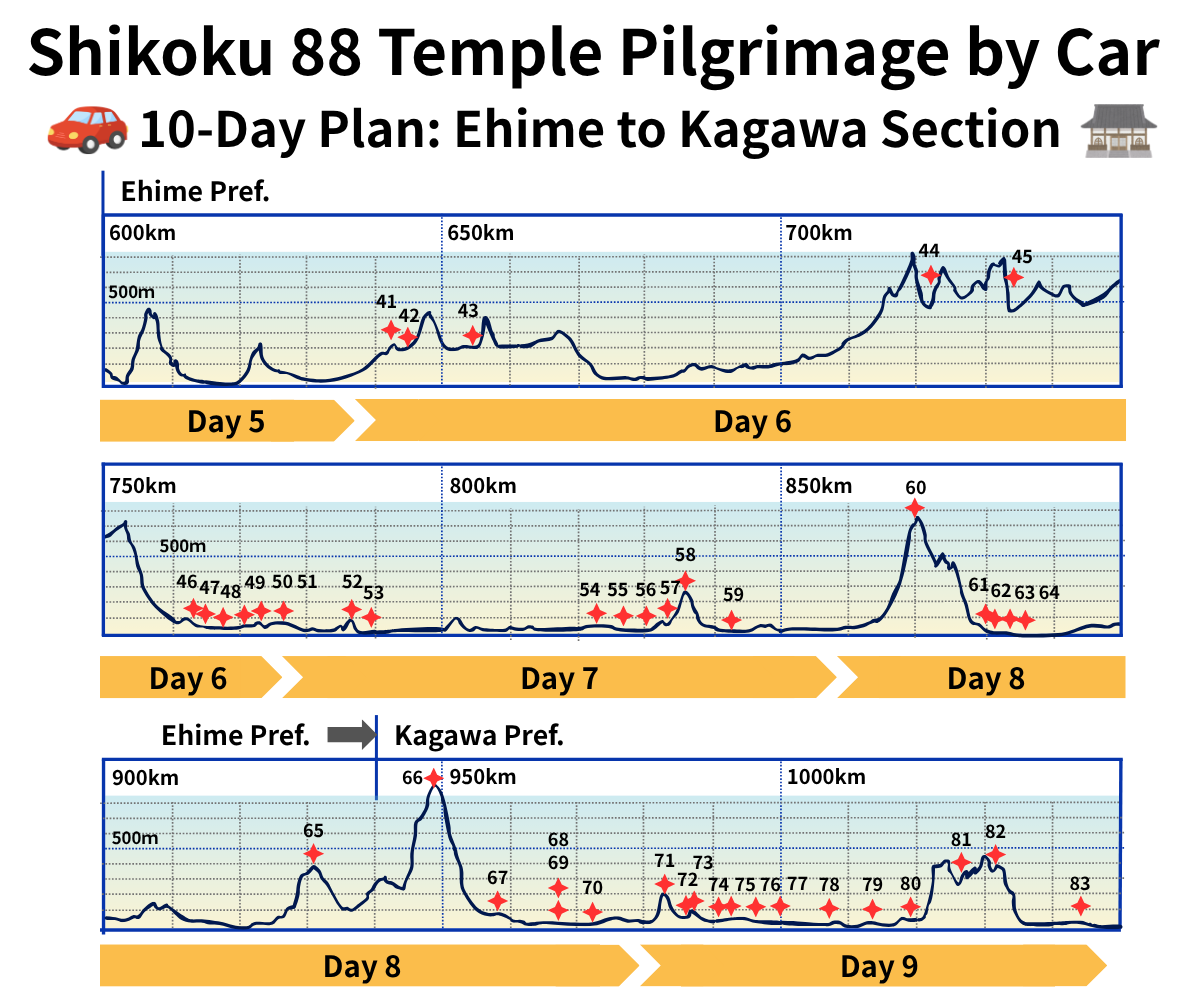
On Day 8, you will visit temples 60 to 70, covering a total travel distance of approximately 110 km.
The key point of Day 8 is the significant elevation differences at each temple.
- Temple 60, Yokomine-ji, is a challenging site located at an elevation of about 750 meters.
- Temple 65, Sankaku-ji, requires a steep ascent of about 500 meters from the coastal area.
- Temple 66, Unpen-ji, is the highest point on the pilgrimage route, at approximately 900 meters above sea level.
After passing these three mountain temples, you will enter the urban areas of Kagawa Prefecture, where the route becomes relatively easier to navigate.
Although it is a very demanding day, once you get through it, the rest of the journey becomes much smoother—so stay strong and push through this section.
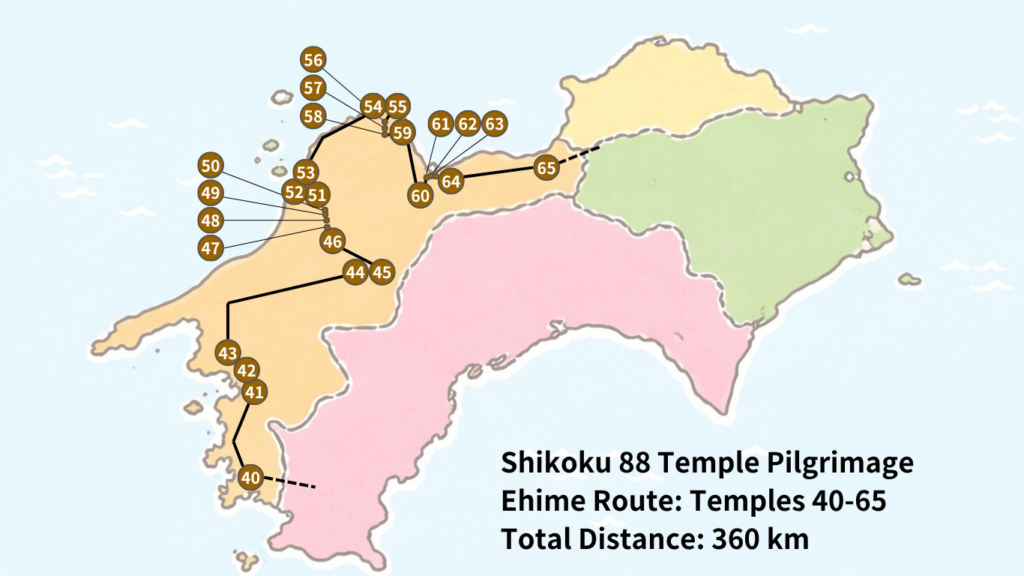
Information on Temples No. 60 to No. 70
Detailed guides for each temple include route maps, history, goshuin, and highlights.
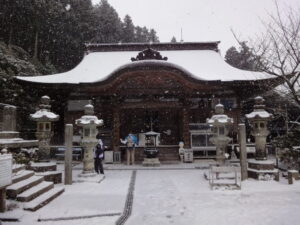
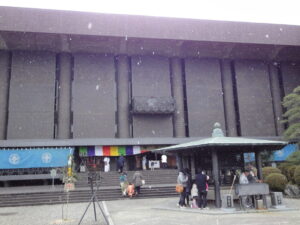
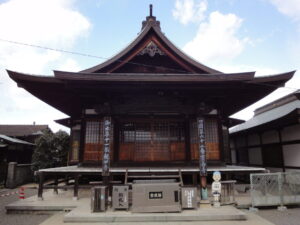
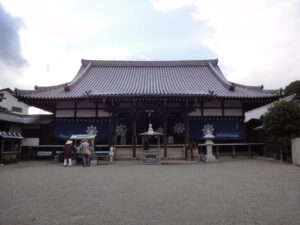
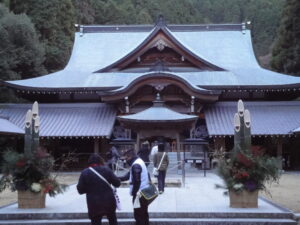
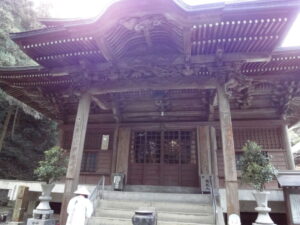
In Ehime Prefecture, the pilgrimage temples continue up to Temple 65. From Temple 66 onward, the route enters Kagawa Prefecture.
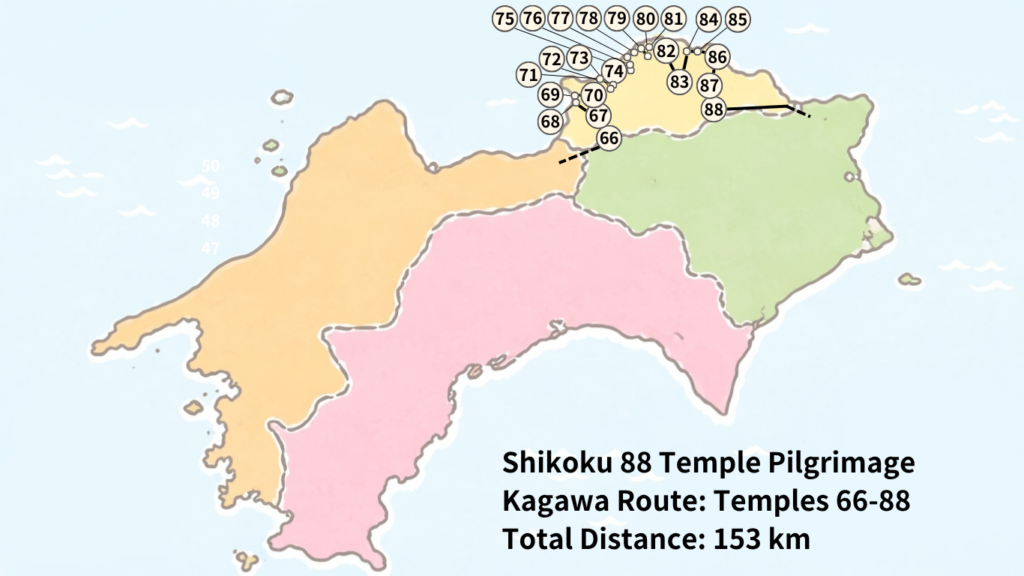
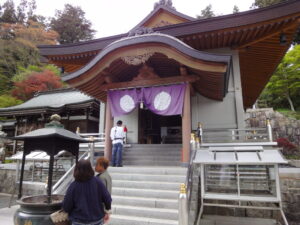
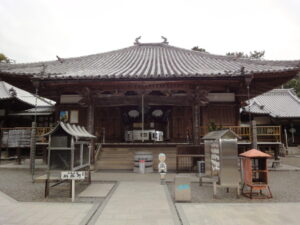
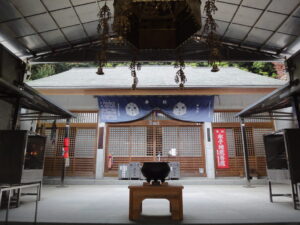
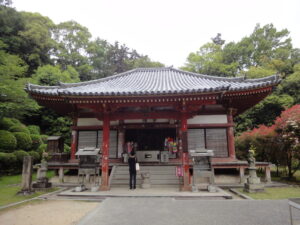
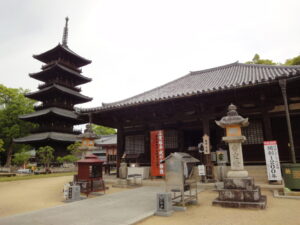
A complete list of all temples up to No. 88 is available in the article below.
Temple List and Full Route
Key Points for Day 8
Temple 60: Yokomine-ji – A Challenging Mountain Temple on the Pilgrimage Route
Temple 60, Yokomine-ji, is known as one of the most difficult sections of the pilgrimage, often referred to as a “henro korogashi” (a path that challenges and tests pilgrims).
- It is located at an elevation of approximately 750 meters.
- From the parking area, it takes about a 10-minute walk to reach the main hall.
- If traveling by car, you must pass through the Hirano Forest Road toll gate (2,000 yen for standard vehicles).
If you visit up to Temple 59 the day before, you can dedicate the following morning to this section, allowing for a more relaxed and manageable schedule.
For details regarding the use of the Hirano Forest Road, please refer to the official website of the Ishizuchi Forestry Association.
There are two main ways to access Temple 66, Unpen-ji.
The first option is to take the ropeway.
The Unpen-ji Ropeway is one of the largest in Japan, stretching approximately 2,594 meters and connecting the base station to the summit station with an elevation difference of 657 meters.
The ropeway station is located on the northern side of Unpen-ji, accessible from the Seto Inland Sea side.
The round-trip fare is 2,200 yen, and it is also recommended for those who want to enjoy the scenic views along the way.
The second option is to travel by car directly to the temple.
This route approaches from the southern side via National Route 192.
Compared to other mountain temples on the pilgrimage, the road is relatively easy to drive, and those who have already been traveling the pilgrimage by car should have no major difficulties. Access from the parking area to the temple grounds is also convenient, and the parking fee is 500 yen.
After passing Temple 66, Unpen-ji, you will finally enter the urban area of Kagawa Prefecture.
From this point onward, travel between temples becomes much easier, and the overall pilgrimage route is significantly more accessible. Once you have overcome the mountain temples, the journey becomes considerably smoother, so this is the moment to push through and keep going.
Highlights of Day 8
From Sea to Mountains: The Changing Landscape from Industrial Areas to Nature
Day 8 features a striking shift in scenery as you travel from the sea toward the mountains. After passing through the industrial zones along the Seto Inland Sea, the landscape gradually transforms into lush, mountainous countryside.
The journey offers a unique experience of contrast—moving from modern industrial scenery to deeply green mountain roads—making this section one of the distinctive highlights of the pilgrimage by car.
The pilgrimage route to Temple 65, Sankaku-ji.
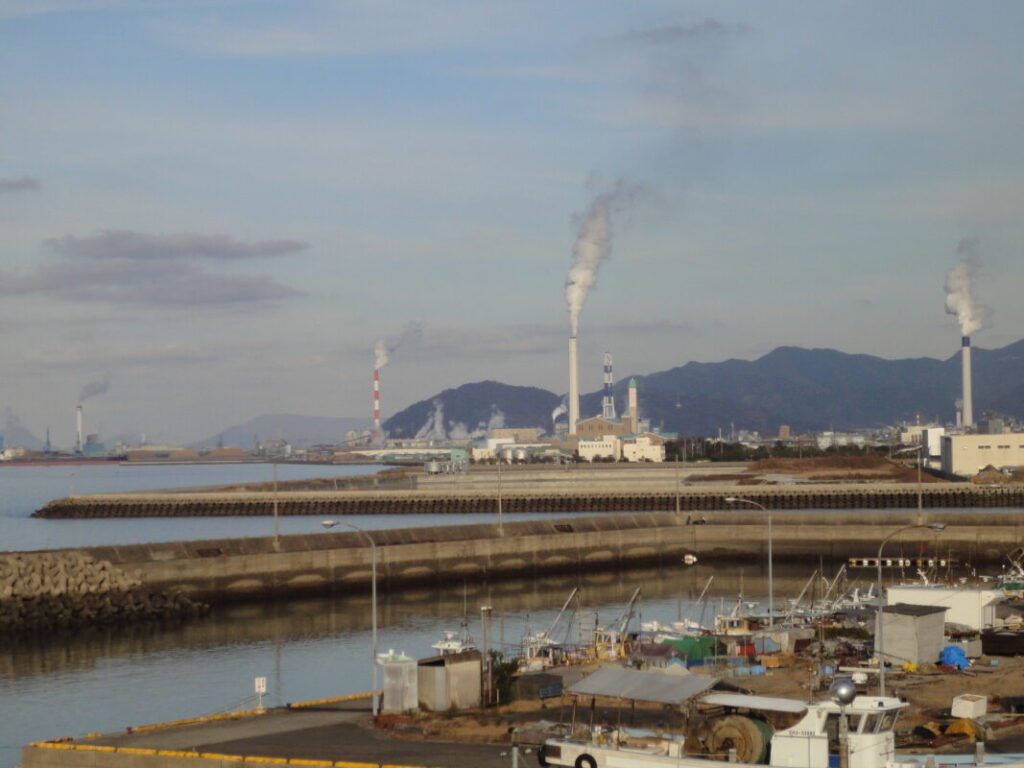
Passing through the modern industrial area of Shikokuchuo City.
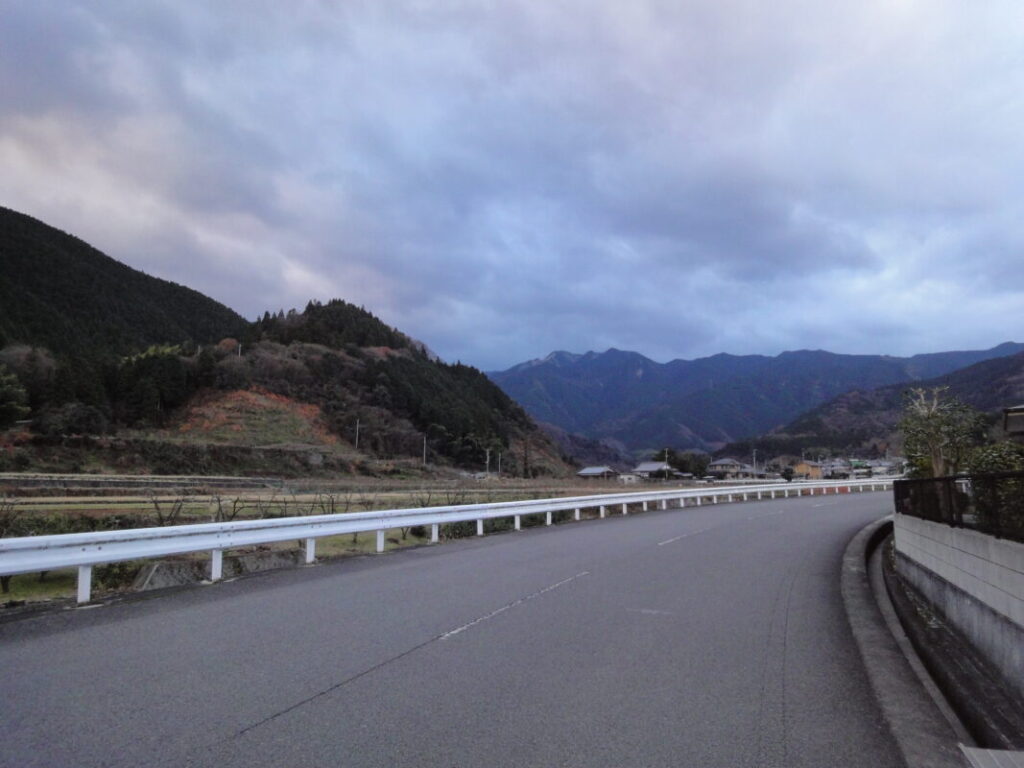
The pilgrimage route to Temple 66, Unpen-ji.
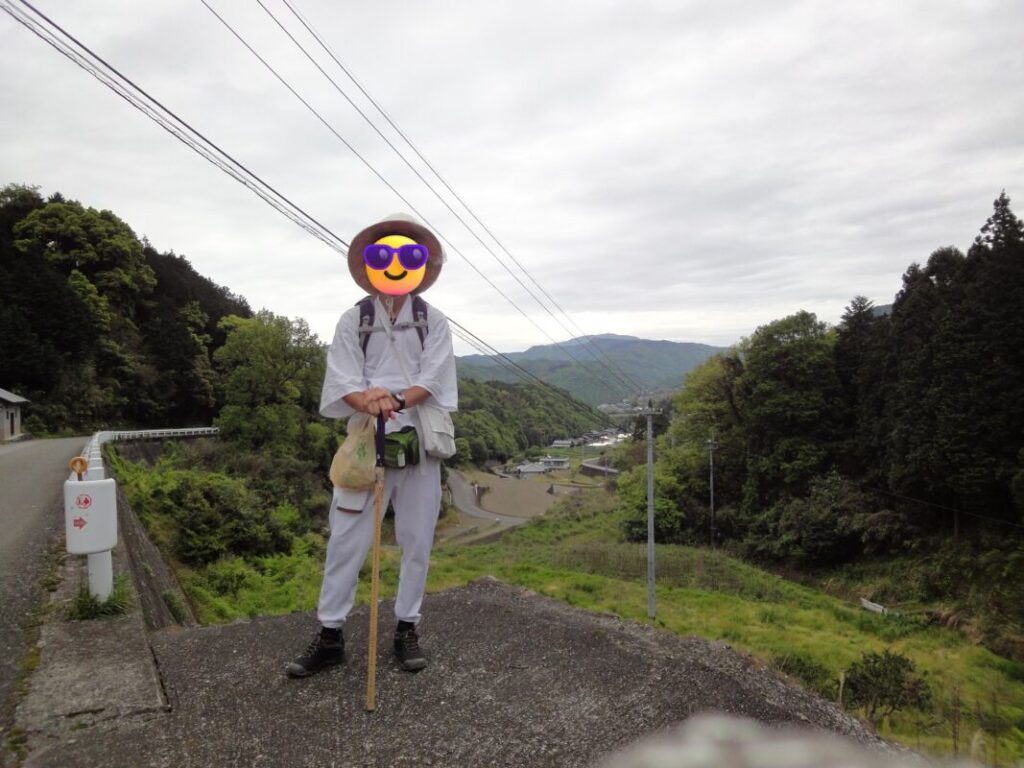
The scenery quickly shifts to a mountainous landscape.
Kotohiki Park
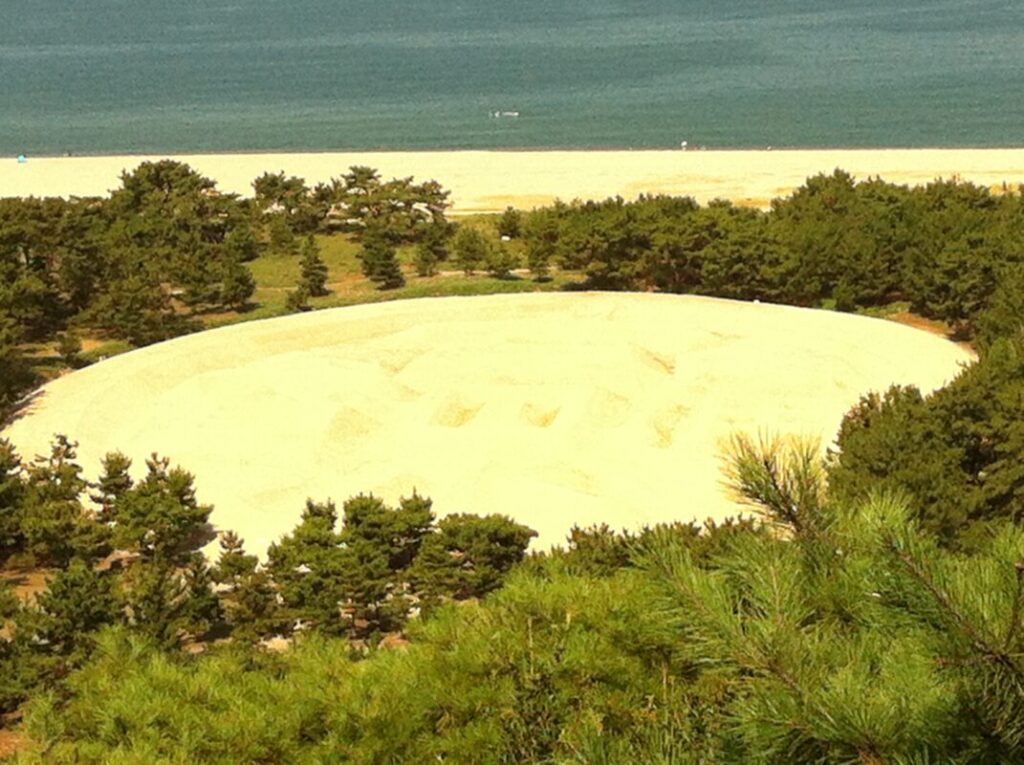
Kotohiki Park is famous for its “Kanei Tsuho” sand drawing and is located near Temples 68 and 69. Since the route within Kagawa Prefecture is relatively easy to travel, this is a recommended spot to visit during breaks between temple visits or when the temple office is closed.
It is said that clearly viewing the entire sand artwork from the observation deck brings good fortune. Unfortunately, when I visited, I was unable to capture it well in photographs, but seeing it in person was still an impressive and powerful experience.
Roadside Station Information: Imabari to Kan’onji
Here is a list of roadside stations (Michi-no-Eki) that are easily accessible along the pilgrimage route.
Komatsu Oasis

| Parking | 100 |
| Nearest Temple | No. 60 |
| Facilities | Campground |
| Google Maps | MAP |
| Rating | ★★★★☆ (4/5) |
It is located on elevated ground in a quiet and peaceful setting. It is well-suited as a car camping spot the night before visiting Temple 60, Yokomine-ji.
Toyohama
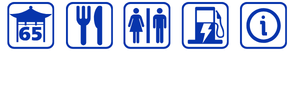
| Parking | 50 |
| Nearest Temple | No. 65 |
| Facilities | – |
| Google Maps | MAP |
| Rating | ★★★★☆ (4/5) |
It is located about 10 km north of Temple 65, along National Route 11. Facing the Seto Inland Sea, it offers an open and refreshing coastal view in a relaxing setting.
Highway Oasis Yoshinogawa
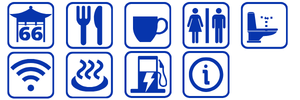
| Parking | 100 |
| Nearest Temple | No. 66 |
| Facilities | Wi-Fi, Hot spring |
| Google Maps | MAP |
| Rating | ★★★★☆ (4/5) |
It is located along National Route 192, eastbound on the way from Temple 65 to Temple 66. Although slightly off the main pilgrimage route, it is a well-equipped facility with hot spring baths available. It can also be accessed easily via public roads.
Takarada no Sato
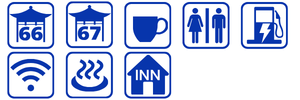
| Parking | 120 |
| Nearest Temple | No. 66, 67 |
| Facilities | Wi-Fi, Hot spring |
| Google Maps | MAP |
| Rating | ★★★★☆ (4/5) |
It is located along National Route 32, roughly midway between Temples 66 and 67. With hot spring facilities and accommodation available on-site, it serves as a convenient stop for both rest and overnight stays during the pilgrimage.
Kotohiki
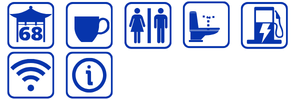
| Parking | 100 |
| Nearest Temple | No. 68 |
| Facilities | Wi-Fi |
| Google Maps | MAP |
| Rating | ★★★★☆ (4/5) |
It is located very close to Temples 68 and 69. It is also adjacent to Kotohiki Park, famous for the “Kanei Tsuho” sand drawing, making it a convenient base where visitors can easily combine temple visits with sightseeing.
Here is a list of roadside stations (Michi-no-Eki) convenient for the Shikoku Pilgrimage.
Best roadside stations for Shikoku pilgrims
Common Mistake: Unpen-ji (Temple 66)
Missing the operating hours of the Unpen-ji Ropeway.
The operating hours of the Unpen-ji Ropeway vary depending on the season.
- From March to November, the first departure is at 7:40 AM.
- From December to February, the first departure is at 8:00 AM.
- The last downward service is 5:20 PM in both periods.
The ropeway runs every 20 minutes (at 00, 20, and 40 minutes past each hour).
Please note that schedules may change depending on weather conditions, so it is recommended to check the official website in advance.
Mistake: Taking the Wrong Route to Unpen-ji
If you enter the wrong route to Temple 66, Unpen-ji, you may end up on narrow mountain roads.
The correct route is the southern approach, using National Route 192 and then taking Prefectural Route 268.
If you realize you have taken a wrong turn, turn back immediately.
Continuing forward may leave you with no space to turn around, potentially causing you to become stuck on a difficult mountain road.
Recommended Accommodation: Zentsuji Area
Suzume no Yado
Zentsuji area’s Suzume no Yado is a small, pilgrim-friendly guesthouse offering simple rooms, warm hospitality, and easy access to Temple 75 and nearby pilgrimage routes. A quiet, budget-friendly stay ideal for rest during the Shikoku pilgrimage and a good base for Day 8 pilgrimage travel.
Other Recommended Accommodation List
Other recommended accommodations are explained in detail in this article.
Recommended Accommodation: Temples 56–64 in Ehime
Recommended Accommodation: Temples 64–65 in Ehime
Recommended Accommodation: Temples 66–68 in Kagawa
Frequently Asked Questions (FAQ)
- QCan temples 60 to 70 be visited in one day by car?
- A
Yes, it is possible if you start early in the morning. The total driving distance is about 110 km, but since the route includes mountain temples such as Temple 60 Yokomine-ji, Temple 65 Sankaku-ji, and Temple 66 Unpen-ji, it is important to allow plenty of time for the journey.
- QWhich temple is the most difficult on Day 8?
- A
Many pilgrims consider Temple 60 Yokomine-ji and Temple 66 Unpen-ji to be the most challenging. Yokomine-ji is located at about 750 meters above sea level, while Unpen-ji is at about 900 meters, so both driving conditions and travel time need to be carefully considered.
- QCan Yokomine-ji be reached by car?
- A
Yes, it is accessible by car. The most common route is via the Hirano Forest Road, and a toll fee applies for standard vehicles. Road conditions and possible restrictions may vary depending on weather, so checking in advance is recommended.
- QWhich is better for Unpen-ji, the ropeway or driving?
- A
The ropeway is recommended for those who want to enjoy the scenery, while driving is better for those who want to save time and cost.
- QAre Temples 68 (Jinnein) and 69 (Kannon-ji) close to each other?
- A
Yes, they are very close and are located within the same temple complex, which is quite rare. The walking distance between them is minimal, making it efficient to visit both.
- QAre there any recommended stops on Day 8?
- A
Kotohiki Park near Temples 68 and 69 is highly recommended. It is famous for the “Kanei Tsuho” sand drawing and is an easy and worthwhile stop alongside temple visits.
- QWhere is the best place to stay on Day 8?
- A
For the next day’s pilgrimage, staying in the Zentsuji area of Kagawa Prefecture is recommended. It provides good access to Temples 71 and beyond and improves overall travel efficiency.
- QWhere is convenient for car camping?
- A
Convenient roadside stations include Michi-no-Eki Komatsu Oasis, Michi-no-Eki Takarada no Sato Saijo, and Michi-no-Eki Kotohiki. Some of them also offer hot springs and well-equipped parking facilities.
Summary
Day 8 is the most demanding mountain section of this 10-day plan.
Once you pass Yokomine-ji, Sankaku-ji, and Unpen-ji, the route enters the plains of Kagawa Prefecture, where temple visits become significantly easier.
It is recommended to start early in the morning while carefully managing both time and physical stamina throughout the day.
Related Article
Shikoku 88 Temple Pilgrimage by Car – Day 9: Kagawa Route (Temples 71–83) Guide.
Day 9: Kagawa Temples 71–83
Shikoku Pilgrimage by Car Day 7: Complete Route Guide (Temples 51–59, Ehime)
Day 7: Ehime Temples 51–59
Shikoku Pilgrimage by Car: 10-Day Route, Cost & Essential Tips.
Shikoku Pilgrimage by Car