Hello. My name is “Taka,” and I run this blog.
I have walked the Shikoku Pilgrimage twice, completing both the clockwise and counterclockwise routes.
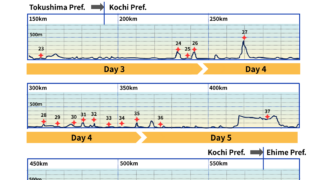
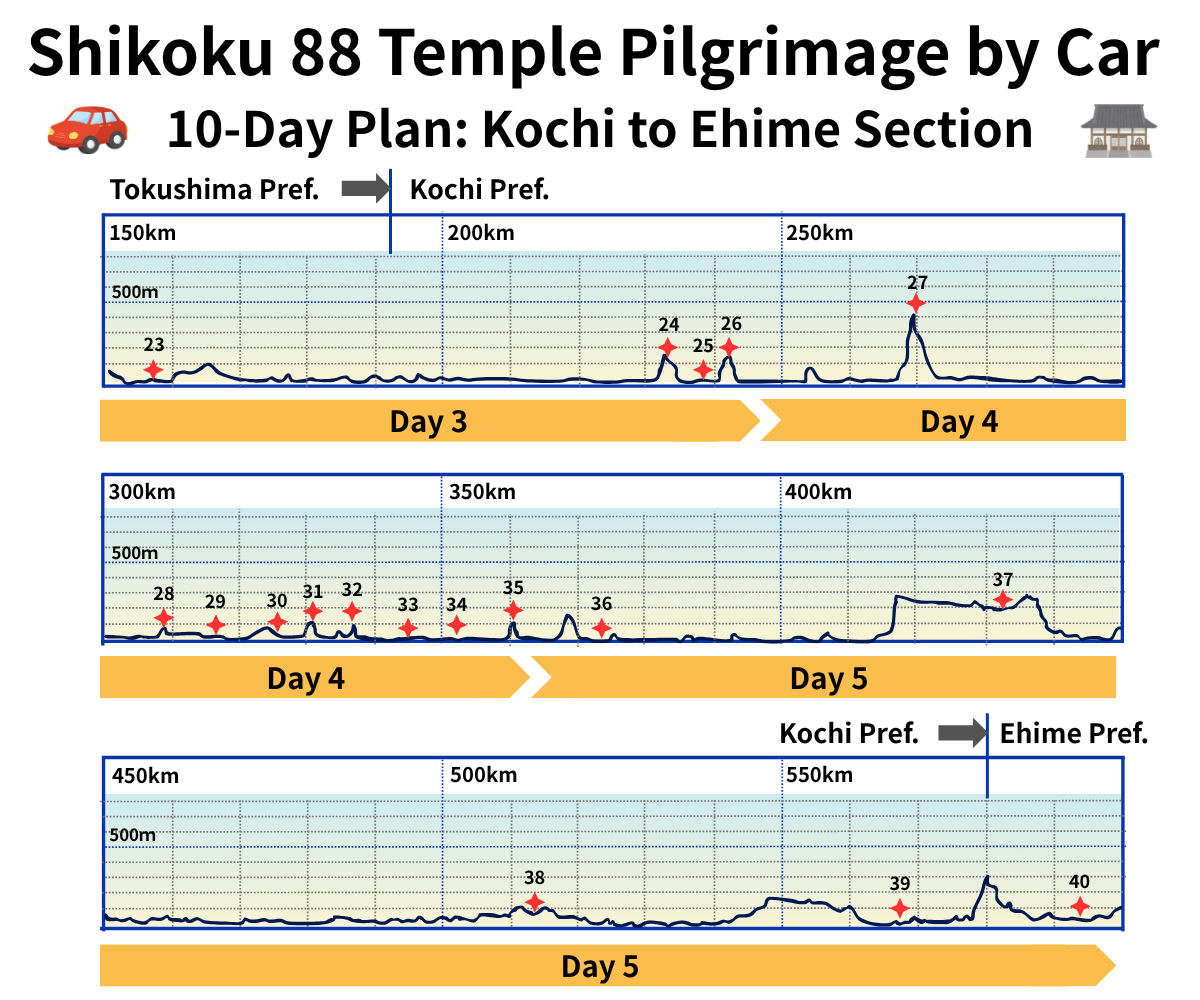
Day 5 of the Shikoku Pilgrimage by car is a long-distance route of approximately 300 km, traveling from Kochi Prefecture toward the Uwajima area of Ehime Prefecture. On this day, you will visit six temples, from Temple 35 through Temple 40. However, the distances between temples are considerable, and the section from Temple 37, Iwamoto-ji, to Temple 38, Kongōfuku-ji, is one of the longest drives in the entire pilgrimage.
In this article, I will explain in detail—based on my own experience—the distances and travel times between each temple, key long-distance sections that require caution, roadside stations and rest stops, as well as how to choose the best place to stay overnight.
Because Day 5 requires a smart travel strategy unique to car pilgrims, this guide will help you plan ahead and travel more smoothly.
What you will learn in this article
- The overall route and travel distances for Day 5 of the pilgrimage by car (Kochi to Ehime)
- Approximate travel times and locations of Temples 35 through 40
- Important tips for the long-distance section from Temple 37, Iwamoto-ji, to Temple 38, Kongōfuku-ji
- Highlights around Cape Ashizuri (the Seven Mysteries, Shinnen-an, and more)
- How to make use of roadside stations and rest stops
- How to choose lodging or car-camping spots, and the characteristics of each area
- Best Day 5 Schedule (Time Allocation)
- Day 5 of the car pilgrimage: From Cape Ashizuri to Uwajima, Ehime
- Highlights of Day 5
- Roadside Station Information: From Cape Ashizuri to Uwajima, Ehime
- Common mistakes in the Ashizuri area
- Recommended accommodation: Shimanto, Ashizuri, and Uwajima areas
- Frequently Asked Questions (FAQ)
- Summary
- Related Article
Best Day 5 Schedule (Time Allocation)
As a guideline, allocate about 30 minutes per temple for the visit. This is intentionally generous, so you can adjust flexibly depending on the situation.
- 7:30Breakfast & Departure
30 min travel
- 8:00Temple 35: Kiyotakiji
30 min worship + 50 min travel
- 9:20Temple 36: Shoryuji
30 min worship + 1 hr 30 min travel
- 11:20Temple 37: Iwamotoji
30 min worship + 2 hr travel
- 12:00Lunch
- 13:50Temple 38: Kongofukuji
30 min worship + 1 hr 30 min travel
- 15:50Temple 39: Enkoji
30 min worship + 40 min travel
- 17:00Temple 40: Kanjizaiji
30 min worship
- 17:30Finish
Day 5 of the car pilgrimage: From Cape Ashizuri to Uwajima, Ehime
Day 5 covers an approximately 300 km route, making it the longest section in the entire 10-day itinerary.
On the other hand, there are only six temples to visit, so most of the day is spent traveling rather than temple hopping.
It is important to maintain a comfortable pace and make good use of roadside stations and rest stops along the way to avoid fatigue.
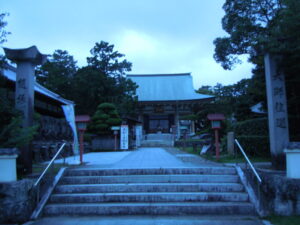
Information on Temples No. 35 to No. 40
Detailed guides for each temple include route maps, history, goshuin, and highlights.
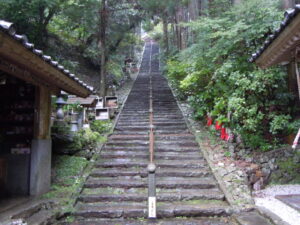
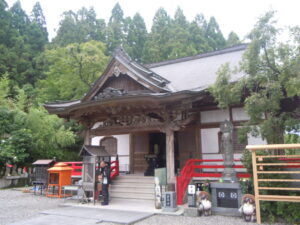
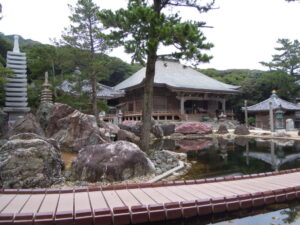
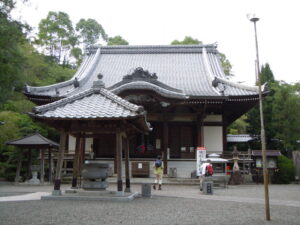
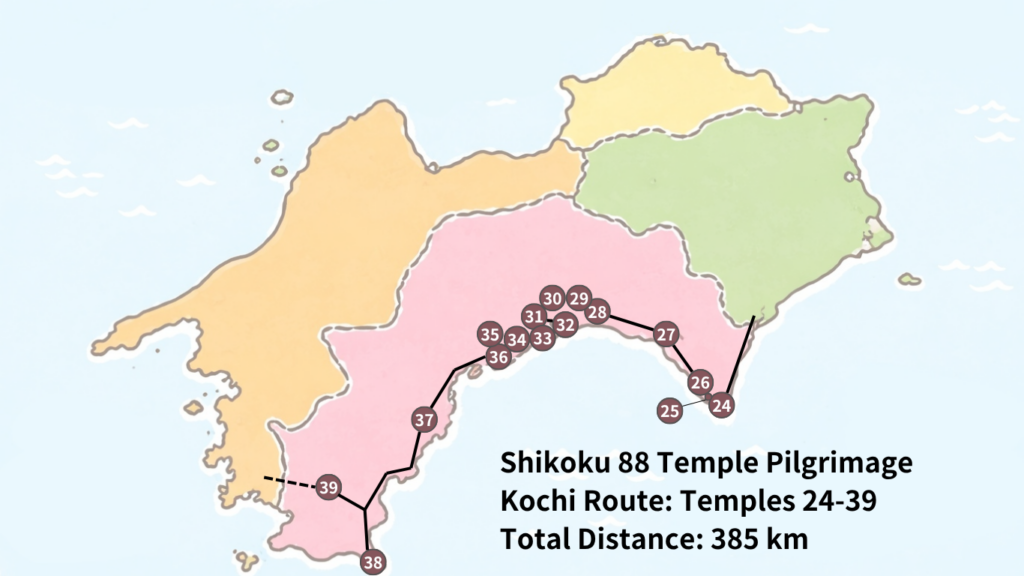
Temples in Kochi Prefecture go up to Temple 39, and from Temple 40 onward, the route enters Ehime Prefecture.
A complete list of all temples up to No. 88 is available in the article below.
Temple List and Full Route
Key point of Day 5: long-distance travel
The biggest feature of this day is the extensive driving distance.
The average distance between the six temples is about 47 km, making it one of the longest travel sections in the entire pilgrimage route.
In particular, the stretch from Temple 37, Iwamoto-ji, to Temple 38, Kongōfuku-ji, is approximately 80 km, and is considered the longest section along the pilgrimage.
However, once you complete the temples up to Temple 40 and leave Kochi Prefecture, you will enter Ehime Prefecture and can stay overnight in Uwajima. Doing so will significantly reduce travel time for the following day and make the next stage of temple visits much easier.
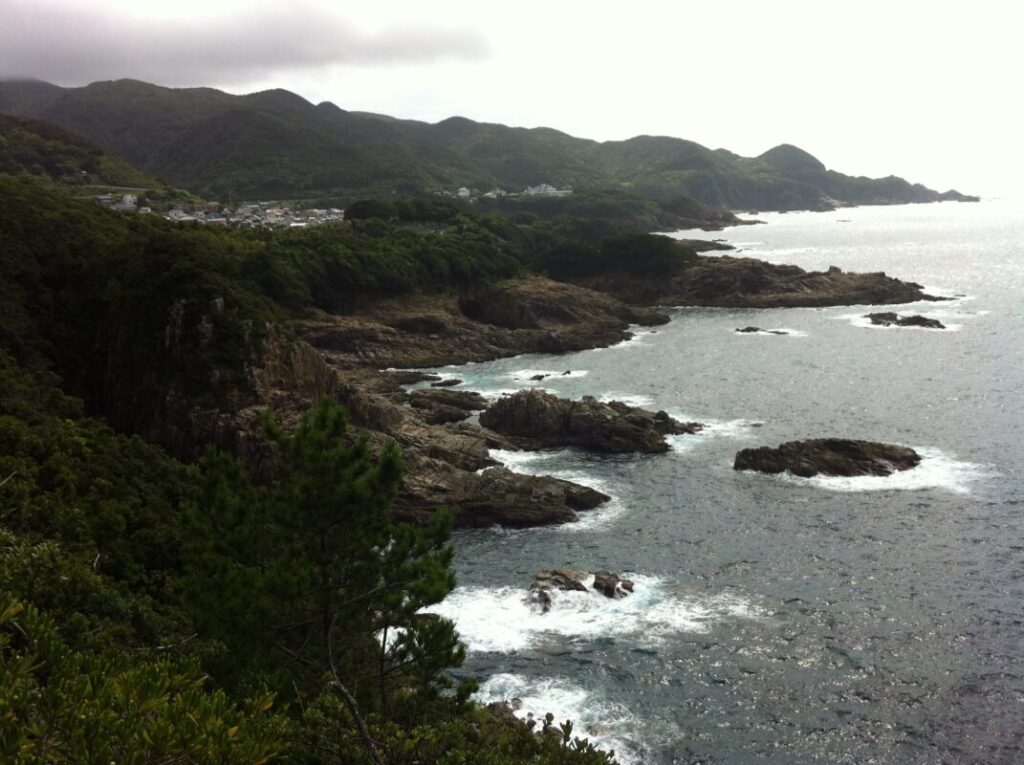
There is no need to worry even if you are unable to make it all the way to Cape Ashizuri.
The surrounding areas—such as Shimanto, Sukumo, and Tosashimizu—have plenty of accommodation options available.
Rather than pushing forward, staying overnight in one of these areas is more than sufficient.
In addition, roadside stations are scattered throughout the region, so car camping is also a viable option.
Highlights of Day 5
Ceiling paintings at Iwamoto-ji
Temple 37, Iwamoto-ji, is famous for the 575 colorful paintings that cover the entire ceiling of its main hall.
The subjects range widely, including even depictions of figures such as Marilyn Monroe and the Virgin Mary.
These works were intentionally collected without limiting themes, based on the idea of welcoming people beyond differences in race and religion, and encouraging all visitors to come and pray.
Some pilgrims even lie down on the tatami mats to look up at the ceiling, allowing them to fully appreciate the meaning and atmosphere behind each individual artwork in this truly unique space.
Shinnen-an
Shinnen was a Kōyasan monk active in the early Edo period and is often referred to as the “father of the pilgrimage.”
Shinnen-an is a Daishi hall built by Shinnen during the Tenna era (1681–1683).
- He completed the Shikoku pilgrimage on foot more than 20 times
- He published the oldest existing guidebook to the Shikoku pilgrimage
- He helped spread awareness of the pilgrimage among ordinary people
Through these activities, he played a key role in popularizing the Shikoku pilgrimage and laying the foundation of the pilgrimage culture that continues today.
Shinnen-an is located along National Route 321, on the way from the Shimanto area toward Temple 38, Kongōfuku-ji. If you have extra time, it is a worthwhile place to stop and visit.
Check the location on Google Maps.
Cape Ashizuri, the southernmost point of Shikoku, and Kongōfuku-ji Temple
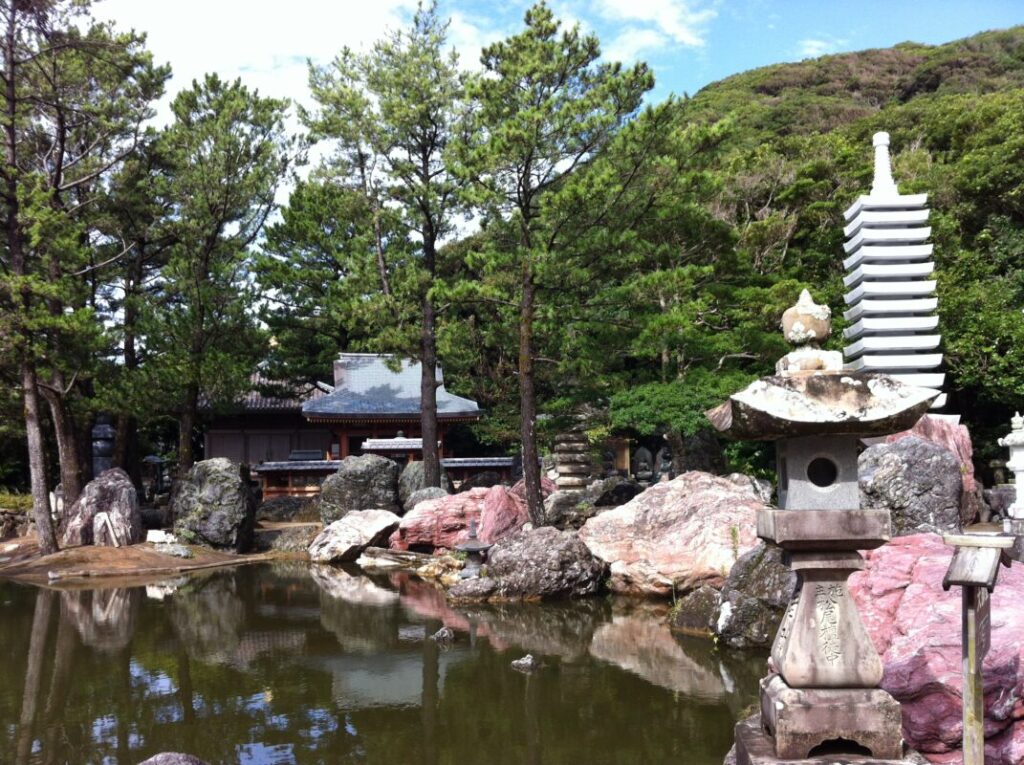
Temple 38, Kongōfuku-ji, is located at the southernmost tip of Shikoku and is a vast sacred site covering approximately 120,000 square meters.
The temple grounds feature a striking landscape composed of rocks of various sizes and a large pond at its center. The harmony of these natural elements creates a scenery that feels like an expression of the Pure Land of Kannon, known as Potalaka.
In addition, Cape Ashizuri is home to several mysterious legends related to the temple, scattered along the walking paths. These are collectively known as the “Seven Wonders of Ashizuri.”
If you have time, it is highly recommended to walk around and discover them along the way.
One of the “Seven Wonders of Ashizuri,” the Turtle Stone (Kameishi)
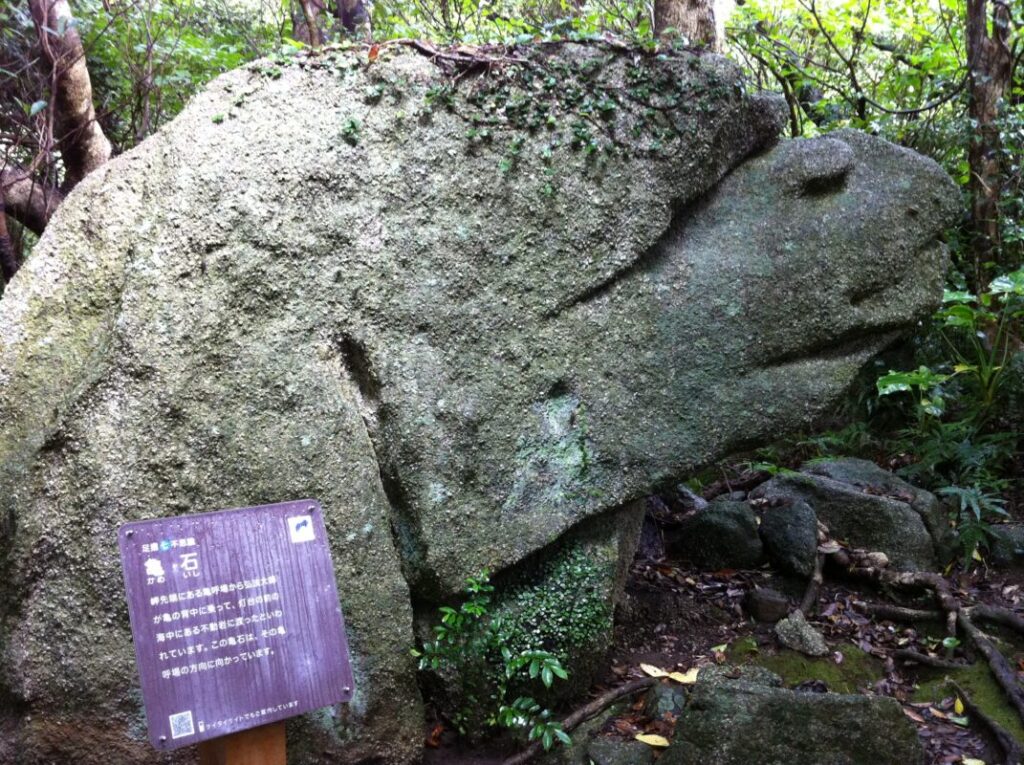
It is said that Kūkai crossed over to Fudō-iwa rock in front of the lighthouse while riding on a turtle. This “Kameishi” (Turtle Stone) is believed to be gazing in that direction.
Statue of Nakahama Manjirō
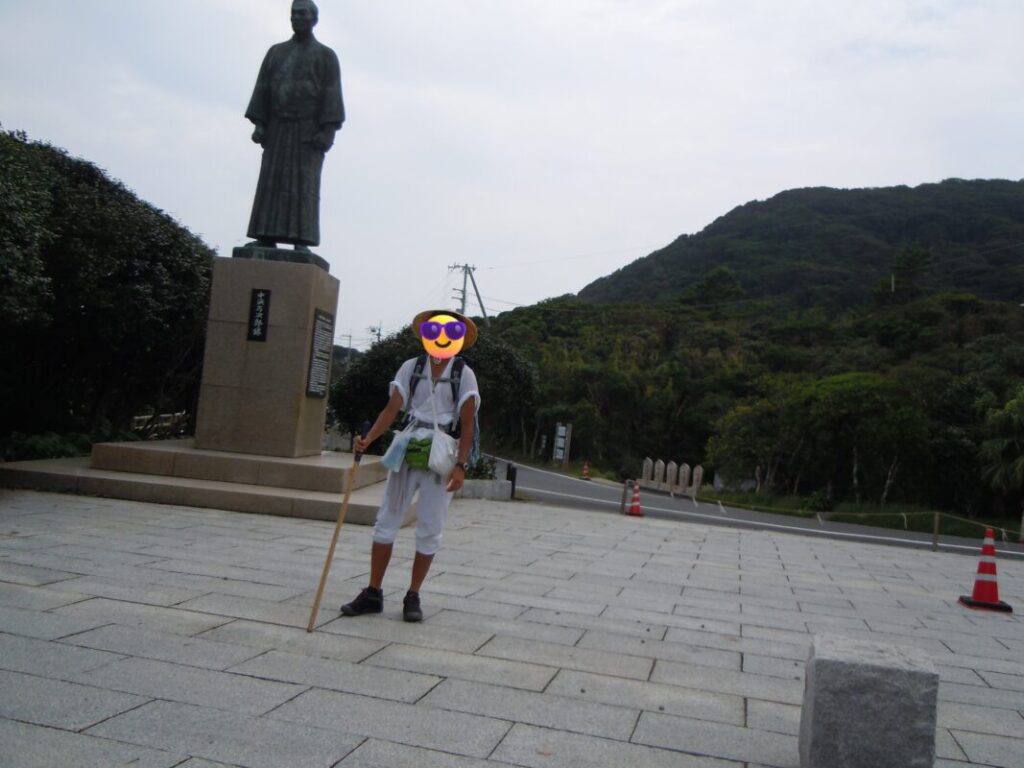
A Tosashimizu fisherman who drifted to the United States, later returned to Japan and contributed to Japan–U.S. exchange and modernization in the late Bakumatsu period.
Roadside Station Information: From Cape Ashizuri to Uwajima, Ehime
Here is a summary of roadside stations that are easily accessible along the pilgrimage route.
Susaki

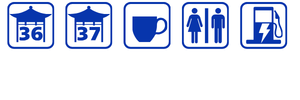
| Parking | 100 |
| Nearest Temple | No. 36, 37 |
| Facilities | – |
| Google Maps | MAP |
| Rating | ★★☆☆☆ (2/5) |
It is located along National Route 56, but those traveling the Shikoku pilgrimage by car may often pass it by without noticing.
Nakatosa
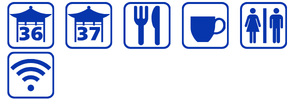
| Parking | 70 |
| Nearest Temple | No. 36, 37 |
| Facilities | Wi-Fi |
| Google Maps | MAP |
| Rating | ★★★☆☆ (3/5) |
It is located roughly halfway between Temple 36 and Temple 37, making it a convenient rest stop during travel.
Aguri Kubokawa

| Parking | 80 |
| Nearest Temple | No. 37 |
| Facilities | Wi-Fi |
| Google Maps | MAP |
| Rating | ★★★★★ (5/5) |
It is located near Temple 37, Iwamoto-ji, and depending on the time of day, it can also be conveniently used as a base for car camping.
Nabura Tosasaga
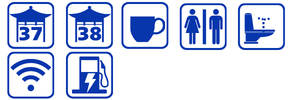
| Parking | 70 |
| Nearest Temple | No. 37, 38 |
| Facilities | Wi-Fi |
| Google Maps | MAP |
| Rating | ★★★★☆ (4/5) |
It is located along the route between Temple 37 and Temple 38. If you also make use of the nearby hot spring facility (Tosa Saga Onsen), it is well suited as a car camping spot.
Biosu Ogata

| Parking | 25 |
| Nearest Temple | No. 37, 38 |
| Facilities | Wi-Fi |
| Google Maps | MAP |
| Rating | ★★★☆☆ (3/5) |
It is located roughly halfway between Temple 37 and Temple 38, making it a convenient rest stop during transit.
Tosashimizu

| Parking | 30 |
| Nearest Temple | No. 38, 39 |
| Facilities | Wi-Fi |
| Google Maps | MAP |
| Rating | ★★★★☆ (4/5) |
It is located along National Route 321, between Temple 38 and Temple 39, and is also a convenient place to use as a base for car camping.
Otsuki

| Parking | 100 |
| Nearest Temple | No. 38, 39 |
| Facilities | Wi-Fi |
| Google Maps | MAP |
| Rating | ★★★☆☆ (3/5) |
It is located along National Route 321, roughly halfway between Temple 38 and Temple 39.
Sukumo

| Parking | 60 |
| Nearest Temple | No. 39 |
| Facilities | Wi-Fi |
| Google Maps | MAP |
| Rating | ★★★★★ (5/5) |
This facility was renovated in 2023.
It also offers good access to Temple 39, and its seaside location is another attractive feature.
Misho MIC

| Parking | 30 |
| Nearest Temple | No. 40 |
| Facilities | – |
| Google Maps | MAP |
| Rating | ★★★★☆ (4/5) |
It is located along National Route 56, near Temple 40, Kanjizaiji. It is a convenient place to use as an accommodation base in the Ainan area.
Here is a list of roadside stations (Michi-no-Eki) convenient for the Shikoku Pilgrimage.
Best roadside stations for Shikoku pilgrims
Common mistakes in the Ashizuri area
Delays in visiting due to traffic restrictions
Around the tip of Cape Ashizuri, parking areas are limited, and some sections of the road are narrow.
Because of this, traffic restrictions may be implemented during busy seasons.
For up-to-date information on traffic regulations, please check the official website of Tosashimizu City.
Recommended accommodation: Shimanto, Ashizuri, and Uwajima areas
Recommended Stay: Minshuku Suzu (Shimanto)
Minshuku Suzu is a budget-friendly stay in the Shimanto area of Kochi, offering convenient access to pilgrimage routes toward Shimanto, Sukumo, and Ashizuri.
It provides a simple, homely atmosphere with warm family-style hospitality, making it a comfortable and reliable rest stop for pilgrims after long driving days.
Recommended Stay: Guesthouse Albergue (Sukumo)
Guesthouse Albergue in Sukumo is a simple, traveler-friendly stay ideal for Shikoku pilgrims, with convenient access toward Temple 40, Kanjizaiji, making it a practical stop between Kochi and Ehime.
It offers a clean, quiet, and relaxed atmosphere, popular with pilgrims and backpackers looking for an affordable place to rest during long driving sections.
Other recommended accommodations are explained in detail in this article.
Recommended Accommodation: Temples 36–37 in Kochi
Recommended Accommodation: Temples 37–38 Part 1
Recommended Accommodation: Temples 37–38 Part 2
Recommended Accommodation: Temple 38 – Cape Ashizuri Part 3
Recommended Accommodation: Temples 38–39 Route 1
Frequently Asked Questions (FAQ)
- QWhich area is recommended for accommodation?
- A
The areas around Cape Ashizuri, Shimanto, Sukumo, and Uwajima are good options. It is best to choose flexibly depending on your travel schedule.
- QIs car camping possible?
- A
Yes, it is possible. There are many roadside stations along the route, which can be used as rest stops or overnight bases for car pilgrims.
- QWhen are traffic restrictions in the Ashizuri area implemented?
- A
Restrictions are mainly introduced during peak seasons such as Obon (around August 13–15), Golden Week, and the New Year holidays. During busy times, parking restrictions or shuttle bus services may also be in place.
- QAre there restrictions during normal periods?
- A
Outside of peak holiday periods, there are generally no restrictions, and access by car to Kongōfuku-ji is normally possible.
- QIs it okay to use temple parking lots for sightseeing?
- A
No. Temple parking lots are intended for worshippers. Using them for sightseeing or long-term parking is considered improper. It is recommended to move your vehicle promptly after visiting the temple.
Summary
Day 5 of the car pilgrimage is one of the longest routes, covering approximately 300 km from Kochi to the Uwajima area in Ehime. Although there are only six temples to visit, this day is heavily focused on travel time, making careful planning essential. In particular, the approximately 80 km stretch between Temple 37, Iwamoto-ji, and Temple 38, Kongōfuku-ji, requires special attention due to the long distance involved.
On the other hand, the route is rich in cultural, historical, and scenic highlights, including the ceiling paintings at Iwamoto-ji, Shinnen-an, and the Seven Wonders of Cape Ashizuri. Rather than being just a transit day, it offers a deeply engaging travel experience.
Accommodation options are available in multiple areas such as Ashizuri, Shimanto, Sukumo, and Uwajima, allowing flexibility without needing to push forward too far in a single day. This flexibility contributes to a safer and more comfortable pilgrimage.
Overall, this section is a strategically important day where distance, sights, and lodging balance each other, requiring thoughtful planning and route management.
Related Article
Shikoku Pilgrimage by Car Day 6: Temples 41–50 Route Map, Time & Tips.
Day 6: Ehime Temples 41–50
Shikoku Pilgrimage by Car Day 4: Kochi Temples 27–34 Route, Map, Distance & Hotel Guide.
Day 4: Kochi Temples 27–34
Shikoku Pilgrimage by Car: 10-Day Route, Cost & Essential Tips.
Shikoku Pilgrimage by Car