
Now that you understand the basics of the Shikoku Pilgrimage, it’s time to start planning your journey.
The time, cost, and preparations required for the Shikoku 88 Temple Pilgrimage can vary greatly depending on how you choose to travel.
Will you walk the route or travel by car? Will you visit all 88 temples in one trip or divide the journey into several shorter trips?
It’s important to make a plan that suits your fitness level, budget, and available time.
In this guide, we’ll cover everything you need to know before setting out, from choosing your pilgrimage style to planning your schedule, budget, accommodation, and route.
Create a plan that works for you and take the next step toward your Shikoku Pilgrimage!
- 1. Find the Pilgrimage Style That Suits You
- 2. How Many Days Do You Need for the Shikoku Pilgrimage?
- 3. How Much Does the Shikoku Pilgrimage Cost?
- 4. Choose the Best Time and Season for Your Pilgrimage
- 5. Choose Your Accommodation
- 6. Check Your Route and Transportation Options
- Make a Realistic and Flexible Plan
- Related Articles
1. Find the Pilgrimage Style That Suits You
There are several ways to complete the Shikoku Pilgrimage.
From the traditional walking pilgrimage to traveling by car, bus, or bicycle, your experience can vary greatly depending on how you choose to travel.
Walking Pilgrimage
Walking the route on your own two feet is the traditional way to experience the Shikoku Pilgrimage.
You can enjoy Shikoku’s natural beauty and meet local people as you walk along mountain trails, coastal roads, and historic pilgrimage paths.
It requires considerable time and physical stamina, but it’s a wonderful choice for those who want to fully experience the spirit of the pilgrimage.
Pilgrimage by Car
You can visit the temples using your own car or a rental car.
Compared with walking, traveling by car allows you to complete the pilgrimage in a shorter time and with less physical effort.
However, some mountain roads are narrow and steep, so drive carefully, especially in mountainous areas.
Pilgrimage by Bus
You can join an organized pilgrimage tour or use sightseeing buses to visit the temples.
Some tours arrange transportation and accommodation, making this a good option for those who prefer not to plan every detail themselves.
Another advantage is the opportunity to travel with a tour guide or an experienced pilgrimage guide known as a Sendatsu.
Pilgrimage by Bicycle
Cycling is another way to visit the 88 temples.
You can cover more distance than on foot while enjoying the scenery and feeling the breeze in a way that you might miss when traveling by car.
However, Shikoku has many mountain roads and long uphill climbs, so you should consider your fitness level, bicycle equipment, and route carefully.
Completing the Pilgrimage in One Trip or in Sections
There are also different ways to divide the pilgrimage, regardless of your means of transportation.
- Tooshi-uchi: Visiting all 88 temples in one continuous journey.
- Kugiri-uchi: Dividing the pilgrimage into several shorter trips.
If taking a long break from work or daily life is difficult, completing the pilgrimage in sections may be a good option.
Choose a style that suits your fitness level, budget, and available time, and make sure your plan is manageable.
Which Pilgrimage Style Is Right for You?
If you’re not sure which way to travel, try our Ohenro Style Quiz.
By answering a few simple questions, you can discover which pilgrimage style might suit you best.

2. How Many Days Do You Need for the Shikoku Pilgrimage?
The time needed to complete the Shikoku 88 Temple Pilgrimage varies greatly depending on your mode of transportation and travel style.
The entire route covers approximately 1,200–1,400 km, so the time required is very different for those traveling on foot and those traveling by car.
Estimated Time Required for Each Travel Style
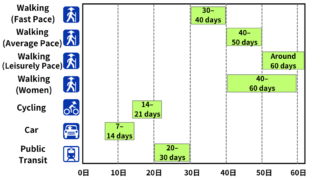
Here are some general estimates for completing the pilgrimage using different methods of transportation.
| Travel Style | Estimated Time |
|---|---|
| Walking | 30–60 days |
| By car | 10–14 days |
| By bus | 20–40 days |
| By bicycle | 15–30 days |
These are general estimates. The actual time required depends on rest days, sightseeing, physical fitness, and the route you choose.
For walking pilgrims, the time needed depends on how far you walk each day and how many mountain trails you encounter. Even when traveling by car, it’s important to allow enough time for visiting each temple and traveling between locations.
Complete the Pilgrimage in One Trip or in Sections?
You don’t have to visit all 88 temples in one trip. You can either complete the entire pilgrimage in one continuous journey, known as Tooshi-uchi, or divide it into several shorter trips, known as Kugiri-uchi.
If taking an extended break from work or daily life is difficult, completing the pilgrimage in sections may be a good option.
For example, you can visit some of the temples during long weekends or extended holidays and continue your journey on another occasion.
Plan a Schedule That Suits You
There is no fixed number of days in which you must complete the Shikoku Pilgrimage.
Make a plan that suits your fitness level, budget, and available time, and travel at your own pace.
Avoid packing too much into your schedule. Allowing extra time for rest and unexpected delays will help you deal with changes in the weather or your physical condition.
If you’d like to plan your itinerary in more detail, try our Shikoku Pilgrimage Schedule Simulator.
3. How Much Does the Shikoku Pilgrimage Cost?
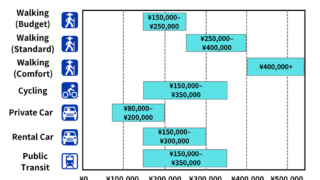
The cost of the Shikoku Pilgrimage varies greatly depending on your travel style, accommodation, and the number of days you spend on the journey.
You can keep expenses low by choosing budget-friendly accommodation, or enjoy a more comfortable trip by staying at hotels and traditional inns.
First, let’s look at the main expenses you should include in your budget.
Main Expenses of the Shikoku Pilgrimage
Transportation
This includes the cost of traveling to and from Shikoku, as well as transportation during your pilgrimage. If you’re driving, you’ll need to budget for fuel, expressway tolls, and parking fees. If you use public transportation, consider train and bus fares.
Accommodation
Accommodation costs depend on where you stay, such as hotels, traditional inns, guesthouses, and pilgrim lodgings. You can also reduce expenses by staying at campgrounds or sleeping in your vehicle where permitted.
Food
This includes the cost of breakfast, lunch, and dinner throughout your journey. Your food expenses will vary depending on whether you eat at restaurants or buy meals from convenience stores and supermarkets.
Temple Stamp Fees and Offerings
If you receive temple stamps and calligraphy in a Nokyo-cho (pilgrimage stamp book) or on a Nokyo-jiku (pilgrimage scroll), you will need to pay a fee at each temple.
You should also prepare small monetary offerings (Osaisen) when praying at the Main Hall and Daishi Hall.
Clothing and Equipment
You may need traditional pilgrimage items such as a white vest (Byakue), walking staff (Kongozue), sedge hat (Sugegasa), and pilgrimage stamp book (Nokyo-cho).
For walking pilgrims, comfortable shoes, a backpack, rain gear, and other hiking equipment are also important.
Costs Vary Depending on Your Travel Style
Walking pilgrims can often save on transportation costs, but accommodation and food expenses can add up because the journey takes longer.
Traveling by car reduces the time needed to visit the temples, but you’ll need to account for fuel, expressway tolls, and parking fees.
Your overall budget will also depend on whether you stay at hotels and inns or choose more affordable options such as campgrounds and permitted overnight stays in your vehicle.
Estimate Your Pilgrimage Budget
The cost of the Shikoku Pilgrimage is different for everyone, depending on their travel style and itinerary.
Before setting out, estimate how much money you’ll need based on your own plans.
Use our Pilgrimage Cost Calculator to estimate the expenses of your journey and help you prepare your budget.
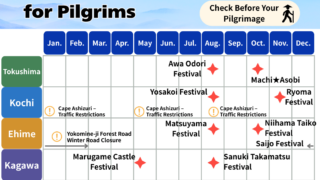
4. Choose the Best Time and Season for Your Pilgrimage
The Shikoku Pilgrimage can be undertaken throughout the year, but the weather, scenery, and walking conditions vary greatly depending on the season.
For those traveling on foot in particular, heat, cold, and rain can affect your physical condition, so choosing the right time to begin your journey is important.
Spring (March–May)
Spring is one of the best seasons for walking the pilgrimage, with generally mild temperatures.
You can enjoy the natural beauty of Shikoku, including cherry blossoms and fresh green landscapes. However, mornings and evenings can still be chilly, especially in mountainous areas.
Summer (June–August)
Summer offers beautiful scenery, from blue coastlines to lush green mountains.
However, summers in Shikoku can be very hot, and the risk of heatstroke is particularly high in July and August. Drink plenty of water, take regular breaks, and avoid pushing yourself too hard.
June is also part of the rainy season, so bringing suitable rain gear is essential.
Autumn (September–November)
As the summer heat fades, autumn is generally a comfortable season for walking.
You can enjoy autumn colors and beautiful natural scenery, while experiencing less physical strain from the heat than in summer. It is another excellent season for walking pilgrims.
However, typhoons can affect Shikoku around September, and mornings and evenings become colder as November approaches.
Winter (December–February)
Winter offers a quieter pilgrimage experience, with generally fewer tourists along the route.
However, snow and icy roads can occur in mountainous areas of Shikoku. Take particular care on high-altitude roads and mountain trails.
Daylight hours are also shorter, so walking pilgrims should plan to finish their daily journey earlier.
Choose the Season That Suits You
Each season has its own appeal, but spring and autumn are generally recommended for first-time walking pilgrims because of their relatively mild weather.
Even when traveling by car, weather conditions and road conditions can affect your journey.
Learn about the characteristics of each season and choose a departure time that suits your fitness level and schedule.
5. Choose Your Accommodation
When planning your Shikoku Pilgrimage, you’ll need to choose accommodation based on the length of your journey and how you plan to travel.
Shikoku offers a wide range of options, including hotels, traditional inns, pilgrim lodgings, and campgrounds.
Choose the type of accommodation that best suits your budget and travel style.
Hotels and Traditional Inns
Hotels and traditional Japanese inns are good options if you prefer a comfortable stay.
Many offer facilities such as meals and baths, allowing you to relax and recover after a long day of walking.
However, accommodation costs can be relatively high, so choose a place that fits your budget.
Guesthouses and Pilgrim Lodgings
Shikoku has many guesthouses and lodgings that welcome pilgrims.
Many offer a warm, homely atmosphere, and meeting the hosts and other pilgrims can be one of the highlights of your journey.
Some are conveniently located along walking pilgrimage routes, making it easier to plan your accommodation around the next day’s journey.
Hostels and Accommodation Without Meals
Guesthouses, hostels, and other accommodation without meals are also good options if you want to keep costs down.
Although meals may not be included, these places can offer more affordable stays.
Some also have shared kitchens and common areas where you can meet and interact with other travelers.
Campgrounds
If you’re carrying a tent, campgrounds are another accommodation option.
They can help reduce your lodging expenses while allowing you to enjoy Shikoku’s natural surroundings.
However, operating seasons, facilities, and reservation requirements vary by campground. Be sure to check the details before your visit.
Sleeping in Your Vehicle
If you’re traveling by car, you may also choose to sleep in your vehicle.
Use facilities where overnight stays in vehicles are permitted, such as RV parks and campgrounds.
Not all parking areas allow overnight stays. Always check the facility’s rules and be considerate of other visitors and local residents.
Find Accommodation Along the Pilgrimage Route
Your choice of accommodation can affect your daily travel distance and overall itinerary.
For walking pilgrims in particular, it’s important to consider not only the distance between temples but also how far your accommodation is from the route.
Our website provides location information for accommodation, campgrounds, and facilities suitable for overnight stays in vehicles along the pilgrimage route.
Explore the available options and find accommodation that suits your travel style.

6. Check Your Route and Transportation Options
When planning your Shikoku Pilgrimage, it’s important to check the locations of the temples and plan your routes in advance.
The 88 temples are spread across all four prefectures of Shikoku, and the distances and travel times between them vary.
Walking pilgrims, in particular, may encounter routes that differ from ordinary roads, including mountain trails and historic pilgrimage paths.
Check Temple Locations and Routes
It’s important to understand not only the order of the temples but also the distance and route to each next temple.
If you’re walking, check in advance for challenging sections such as mountain trails and mountain passes.
Even if you’re traveling by car, some roads in mountainous areas are narrow or steep, so it’s a good idea to check your route beforehand.

Explore the Pilgrimage Routes with Google Maps
Our website offers a custom Google Maps app designed to help you navigate between the 88 temples of Shikoku.
It includes both walking and driving routes, which you can easily view on your smartphone.
We’ve also added custom routes for mountain trails and historic pilgrimage paths that are not recognized by standard Google Maps.
In addition to challenging traditional pilgrimage paths, the app includes alternative routes using national roads and other easier roads that may be more suitable for beginners.
You can use the app not only when planning your pilgrimage but also for navigation while traveling between temples.
Using Public Transportation
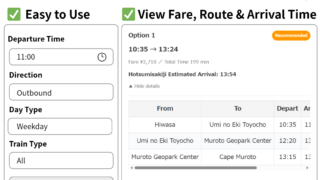
If you don’t drive, you can also visit the temples by train, bus, and other forms of public transportation.
However, some temples are a considerable distance from the nearest train station or bus stop, and buses may run infrequently in certain areas.
Be sure to check timetables, transfers, and how to get from the nearest station or bus stop to each temple before setting out.
Make a Realistic and Flexible Plan
The Shikoku Pilgrimage is a long journey. Things may not always go according to plan, and unexpected problems can arise along the way.
Make sure your schedule allows enough flexibility to adjust your plans depending on your health, the weather, and other circumstances.
Taking your time and traveling at your own pace is one of the keys to enjoying the pilgrimage all the way to the end.
Once you’re ready, it’s time to begin your Shikoku Pilgrimage!

Related Articles


Comments