
Are you interested in the Shikoku Pilgrimage but unsure what it actually involves or what you need to do? You’re not alone!
The Shikoku Pilgrimage is a spiritual journey to visit 88 Buddhist temples spread across the island of Shikoku, Japan.
For first-time pilgrims, there is a lot to learn, including its history and culture, different ways to travel the route, temple etiquette, clothing, and what to bring.
In this guide, we’ll explain the basics of the pilgrimage, along with useful knowledge and manners to help you prepare for your journey.
Let’s start by learning what the Shikoku Pilgrimage is all about!
1. What Is the Shikoku Pilgrimage?
The Shikoku Pilgrimage is a spiritual journey to visit 88 Buddhist temples located across the four prefectures of Shikoku, Japan.
It is a journey of prayer and self-reflection, visiting temples scattered throughout the island. Depending on the route and travel style, the entire journey covers approximately 1,200–1,400 km. People who undertake this pilgrimage are called Ohenro-san, a name also used affectionately by local residents.
The pilgrimage has a deep connection with Kobo Daishi (Kukai), a Buddhist monk who founded the Shingon school of Buddhism.
Kukai was born in 774 in what is now Kagawa Prefecture, Shikoku. From an early age, he showed an interest in Buddhism. He later traveled to Tang Dynasty China (present-day China), where he studied esoteric Buddhism. After returning to Japan, he established the Shingon school and spread Buddhist teachings from important centers such as Mount Koya and Toji Temple in Kyoto.
Kukai is also said to have practiced Buddhist asceticism in various places throughout Shikoku. Many of the 88 temples visited today have historical connections with him.
Over many centuries, faith in Kukai and the tradition of visiting places associated with him developed into what we now know as the Shikoku Pilgrimage.
An important concept in the pilgrimage is Dōgyō Ninin, meaning “two traveling together.” It expresses the belief that pilgrims are accompanied by Kobo Daishi as they make their journey.
Some people complete the pilgrimage on foot, while others travel by car or public transportation. The purpose and style of the journey vary from person to person.
More than just a sightseeing trip, the Shikoku Pilgrimage is an opportunity to experience the island’s natural beauty, culture, and warm encounters with local people while reflecting on yourself. That is the essence of the Shikoku Pilgrimage.

2. Understanding the Basics of the Shikoku Pilgrimage
There are several ways to complete the Shikoku Pilgrimage.
You can visit the temples in numerical order, starting from Temple 1, known as Jun-uchi, or travel in reverse order, known as Gyaku-uchi. You can also choose to walk the entire route or travel by car. The best approach depends on your preferences, fitness level, and available time.
You don’t have to visit all 88 temples in one trip. You can divide the journey into several shorter trips, a style known as Kugiri-uchi (pilgrimage in sections).
Let’s explore the different ways to travel the route and learn some essential pilgrimage terms before you begin.

3. Temple Etiquette and Pilgrimage Manners
During the Shikoku Pilgrimage, you visit and pray at each temple along the route.
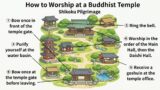
There are basic customs to follow, such as bowing at the temple gate, offering prayers at the Main Hall and Daishi Hall, and receiving a temple stamp and calligraphy at the Nokyo-sho (temple office).
Another unique aspect of the Shikoku Pilgrimage is Osettai, a local tradition in which people offer pilgrims gifts such as food, drinks, or other forms of assistance. It is a wonderful expression of the kindness and hospitality of the people of Shikoku.
To make your pilgrimage a pleasant experience, take some time to learn about temple etiquette, traditional customs, and good manners along the way.

4. What to Wear and Bring on the Shikoku Pilgrimage
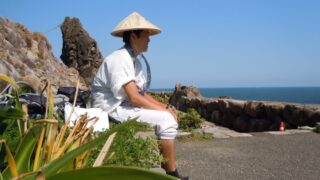
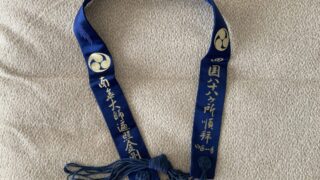
When people think of the Shikoku Pilgrimage, they often picture pilgrims wearing a white vest (Byakue), a traditional sedge hat (Sugegasa), and carrying a walking staff (Kongozue).
These are traditional pilgrim garments and items, but you don’t have to wear or carry all of them.
Especially if you plan to walk the pilgrimage, it is important to prepare comfortable walking shoes, suitable clothing, rain gear, and carefully packed luggage.
Check the clothing and equipment you’ll need based on your chosen travel style and the season of your journey.
5. My Shikoku Pilgrimage Experience
There are many things about the Shikoku Pilgrimage that you can only truly understand by experiencing it yourself.
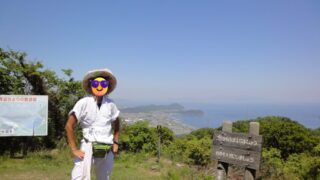
I completed the walking pilgrimage over five separate trips, taking advantage of long holidays in spring, summer, and winter. In total, it took me 38 days, and I completed the pilgrimage the following spring.
Experiencing Shikoku’s changing landscapes through the seasons, the heat and cold, and the challenging mountain trails gave me unforgettable memories of both the hardships and beauty of the journey.
In my personal accounts, I share the scenery along the way, encounters with local people, unexpected events, and what I learned and felt throughout the pilgrimage.
I hope my experiences will be helpful to those who are planning to begin their own journey.
Next, Let’s Plan Your Shikoku Pilgrimage
Now that you understand the basics of the Shikoku Pilgrimage, it’s time to start planning your journey.
Will you walk the route or travel by car? How much time and money will you need?
Find the pilgrimage style that suits you best and take your first step toward visiting the 88 sacred temples of Shikoku.
Related Articles


Comments