
Shikoku Pilgrimage Transit Routes
Choose by Pilgrimage Site
You can check the distance from the temple to the nearest train station or bus stop, as well as timetables and transfer information.
- Tokushima
- Kochi
- Ehime
- Kagawa
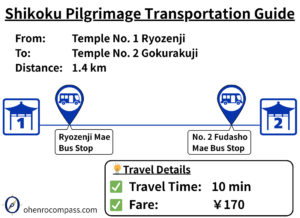
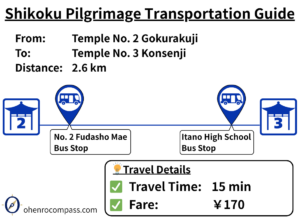
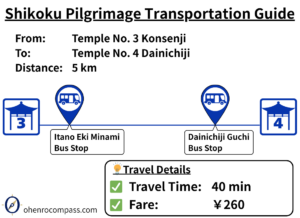
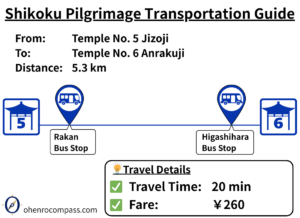
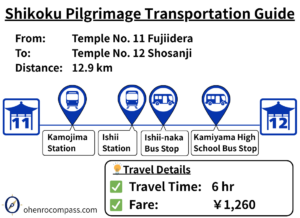
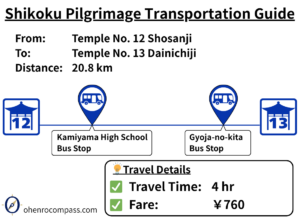
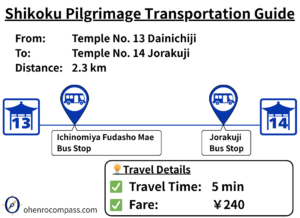
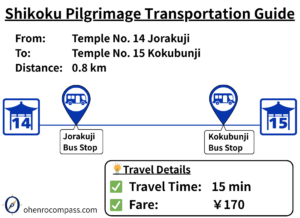
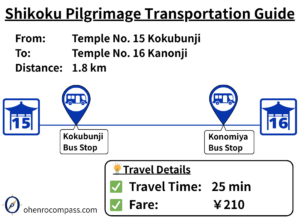
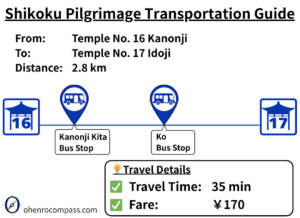
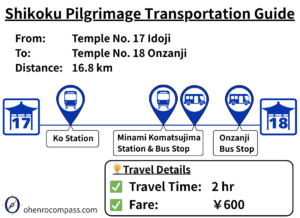
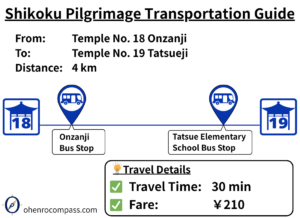
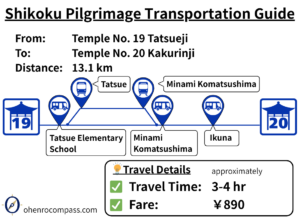
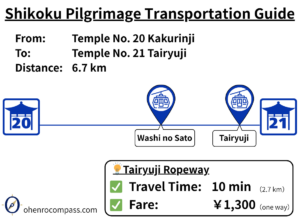
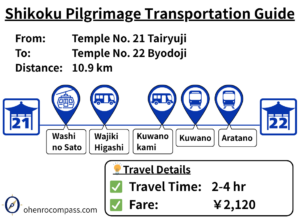
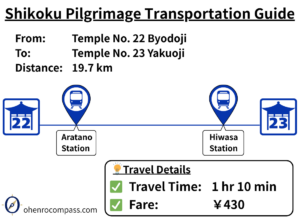
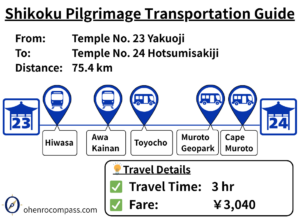
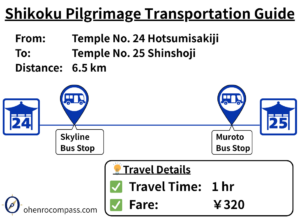
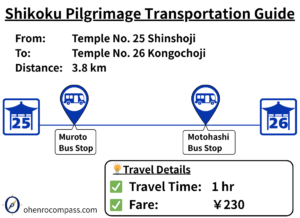
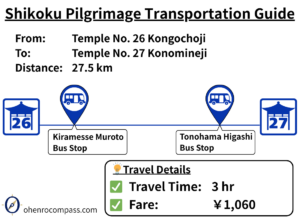
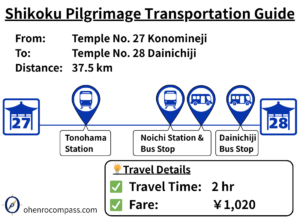
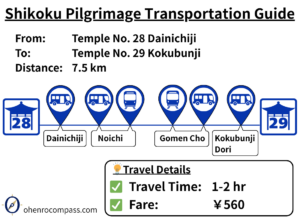
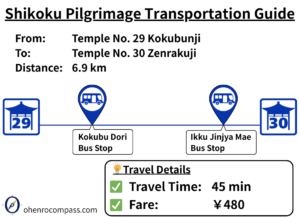
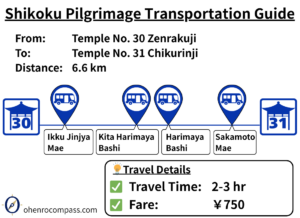
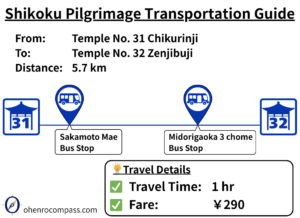
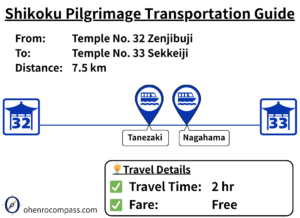
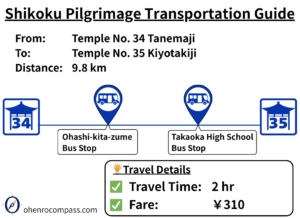
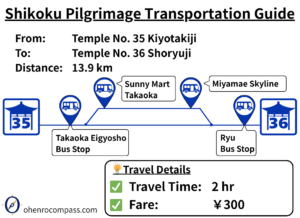
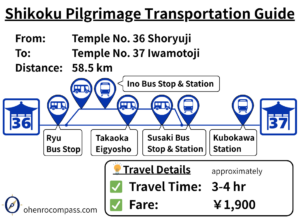
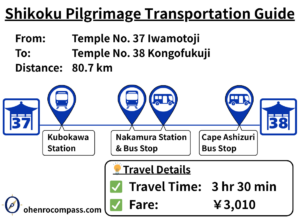
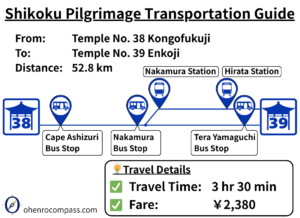
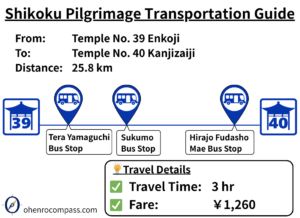
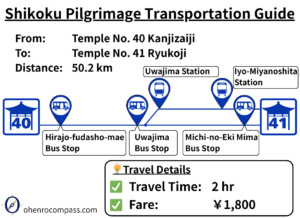
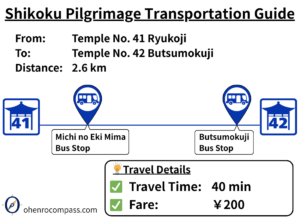
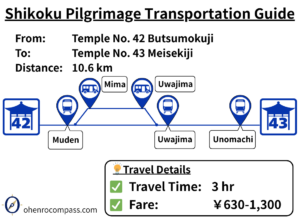
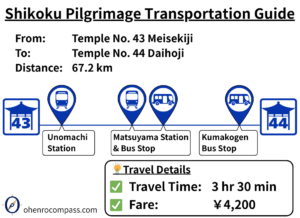
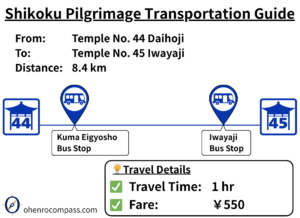
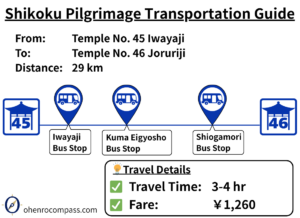
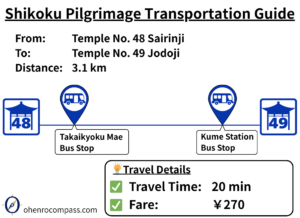
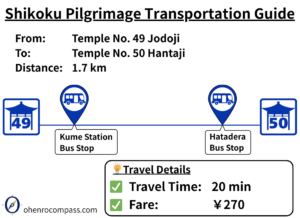
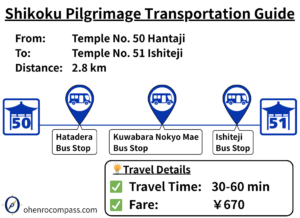
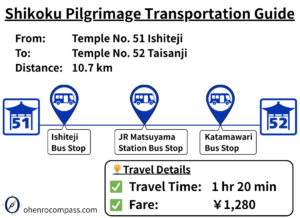
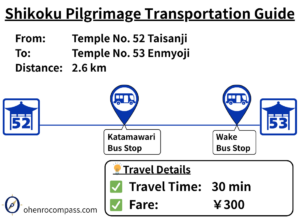
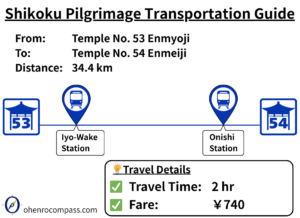
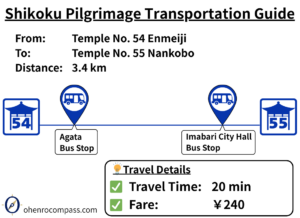
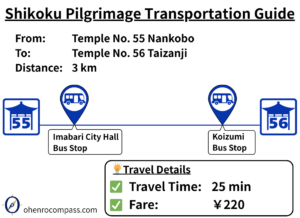
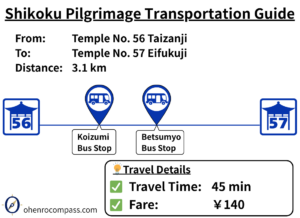
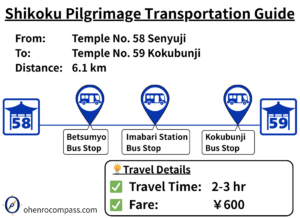
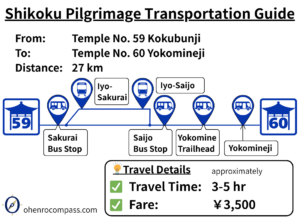
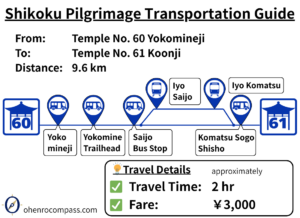
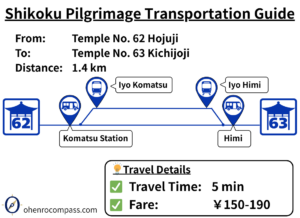
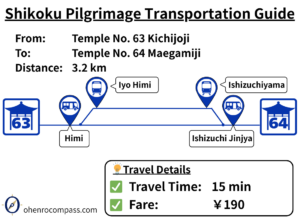
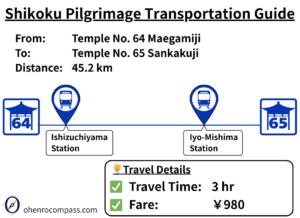
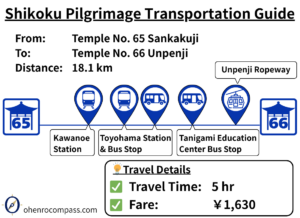
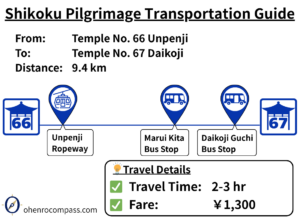
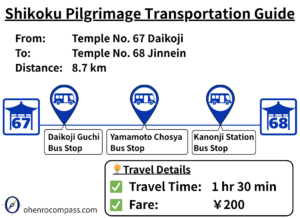
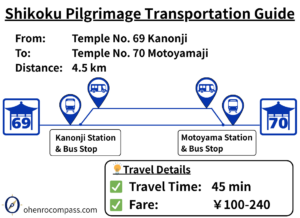
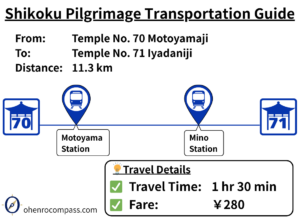
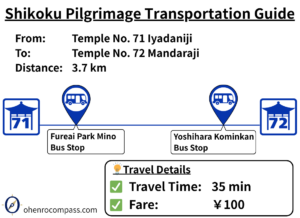
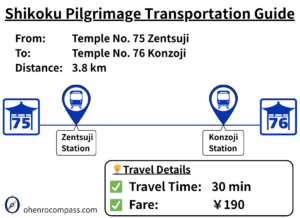
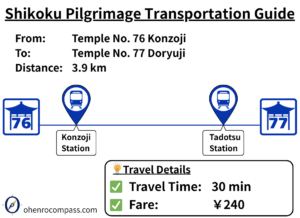
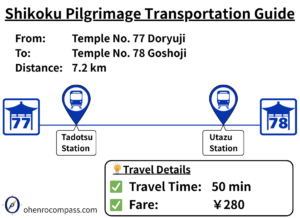
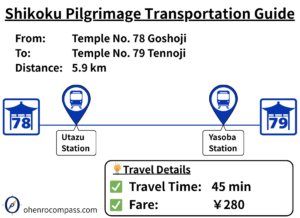
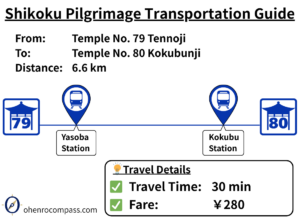
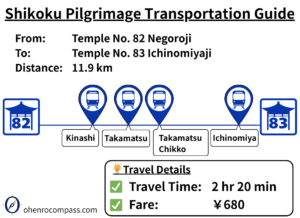
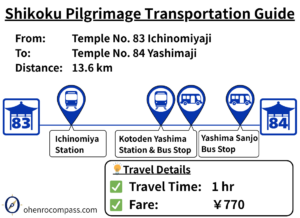
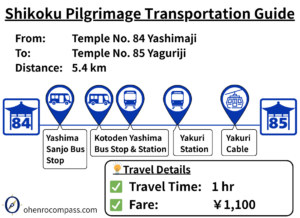
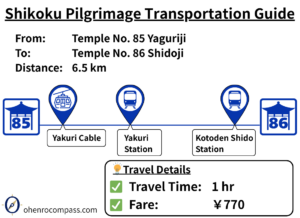
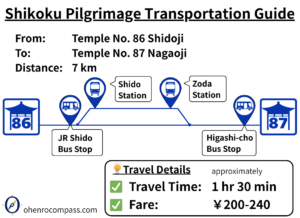
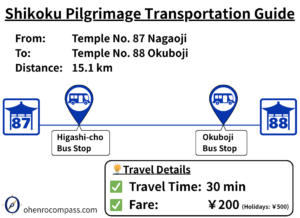
Shikoku 88 Temple Pilgrimage Transportation Guide
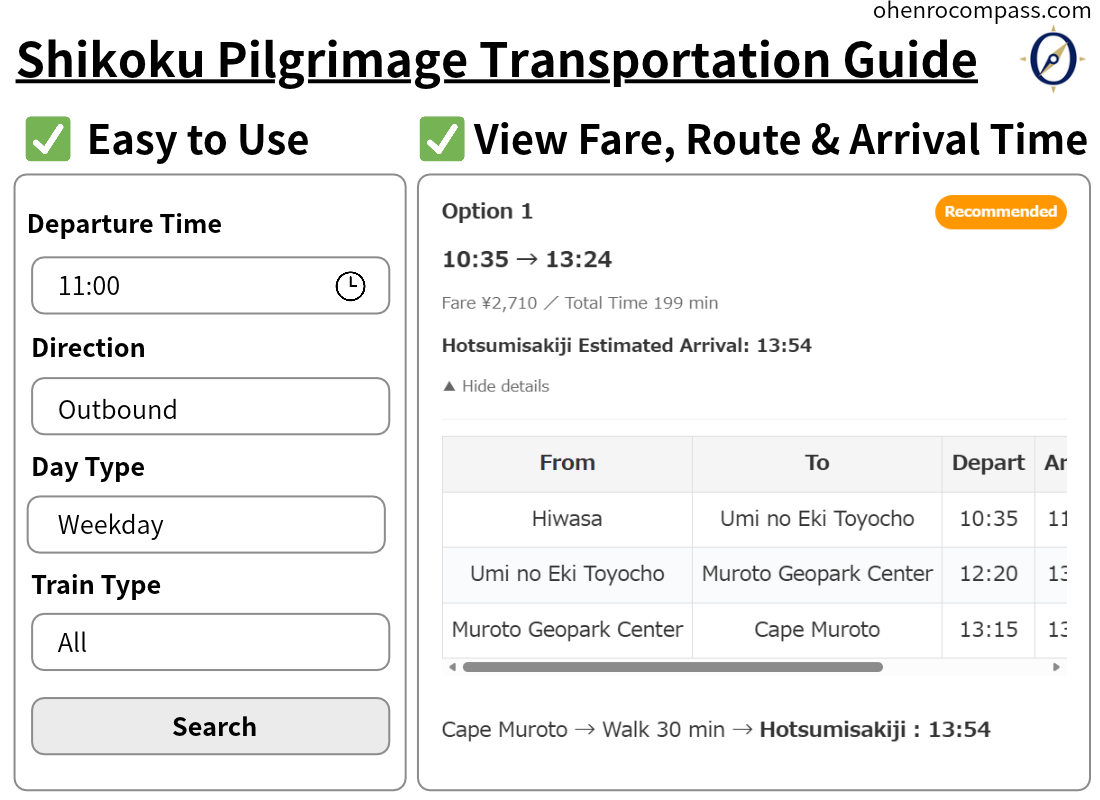
This is a transportation guide and web app designed specifically for the Shikoku 88 Temple Pilgrimage.
It provides public transportation routes and timetables for traveling between the 88 pilgrimage temples by bus and train.
Simply enter your desired departure time, and the guide will suggest three possible routes to the next temple.
For each route, you can check:
- Departure time
- Bus and train services
- Transfers
- Fare
- Travel time
- Arrival time at the next temple
The web app is designed to be easy to use on a smartphone, making it convenient to check your transportation options while you are on the pilgrimage.
Easy Transportation Planning for the Shikoku Pilgrimage
Traveling between the 88 temples by public transportation can sometimes be challenging.
Some buses and trains run only a few times a day, and missing one service may mean a long wait for the next one. Transfers can also be difficult to plan when several different services are involved.
This transportation guide brings together the information you need to travel between the pilgrimage temples.
Enter Your Departure Time
Select your departure temple and your destination temple, then enter the time you would like to leave.
The guide will find available transportation and show three route options.
You can compare the routes and see:
Which bus or train to take,
where to transfer,
how much the journey costs,
and what time you will arrive at the next temple.
This makes it easier to choose the route that best fits your pilgrimage schedule.
Timetables for Each Section
Timetables for buses and trains are also provided for each section between the pilgrimage temples.
You can use the timetables to plan your day, check alternative departures, and adjust your pilgrimage schedule.
For example:
“If I leave this temple at 2:00 PM, what time can I reach the next temple?”
The transportation guide can help you find an answer.
Designed for Pilgrims on the Go
When walking the Shikoku Pilgrimage, you will often need to check transportation information while you are on the road.
That is why this guide is designed to work well on smartphones.
You can check your next bus or train at a temple, at a bus stop, or while planning the next part of your journey.
Public Transportation for the Shikoku 88 Temple Pilgrimage
Public transportation can be an important option for pilgrims who do not want to travel the entire pilgrimage by car or on foot.
Some sections of the pilgrimage are easy to reach by bus or train, while others require careful planning because services are limited.
Checking your transportation options in advance can help you plan your pilgrimage more comfortably and make the most of your time at each temple.
This website provides public transportation information for the different sections of the Shikoku 88 Temple Pilgrimage.
Choose a section below to find transportation routes, timetables, fares, and arrival times for your journey to the next temple.
FAQ: Using Trains and Buses in Rural Japan
- QCan I use an IC card on local trains and buses in rural Japan?
- A
Some rural train lines and buses accept IC cards such as Suica, ICOCA, or PASMO, but not all stations support them. In some areas of Tokushima and along the Shikoku pilgrimage route, cash may still be required.
- QShould I carry cash when traveling in rural Japan?
- A
Yes. Many small stations, local buses, and countryside shops may not accept credit cards or IC cards. Carrying enough cash is strongly recommended.
- QHow do I ride a local bus in Japan?
- A
For most local buses, enter through the rear door and take a numbered ticket if required. Pay the fare when exiting through the front door.
- QHow do I know when to get off the bus?
- A
Press the stop button near your seat before your stop. The next stop is usually displayed on a screen and announced in Japanese.
- QAre train stations staffed in rural areas?
- A
Many countryside stations in Japan are unmanned. Some stations do not have ticket gates or station staff.
- QCan I buy train tickets with a credit card?
- A
Major stations usually accept credit cards, but smaller rural stations often only accept cash.
- QIs Google Maps reliable for rural train and bus routes?
- A
Google Maps is generally useful, but schedules in rural areas may change. Always check the latest timetable when possible.
- QHow often do trains run in rural Japan?
- A
In rural areas, trains may only run once every one or two hours. Missing a train can significantly delay your journey.
- QWhat should pilgrims know before using public transportation in Shikoku?
- A
Pilgrims should check train and bus schedules carefully, especially in the evening. Some routes have limited service after sunset.
- QAre English signs available at stations?
- A
Major stations usually have English signs, but smaller stations may have limited English information.