
Hello. My name is Taka, and I run this blog.
I have completed the Shikoku 88-temple pilgrimage on foot, walking both the standard route and the reverse route, completing it twice in total.
When talking about the pilgrimage, I am often asked the following questions:
“What is the purpose of the pilgrimage?”
“Why did you start it?”
“What are you seeking by walking it?”
To answer briefly, the purpose of the Shikoku pilgrimage is a form of pilgrimage in which people travel to the 88 sacred temples in Shikoku while following the footsteps of Kōbō Daishi (Kūkai), and undertake the journey based on personal intentions such as faith, spiritual practice, life renewal, or tourism.
Some people walk it to make wishes or pray for the repose of the deceased, while others do so to reflect on themselves.
There are also those who participate for health reasons, as a milestone in life, or simply because they have always wanted to try it.
Along the way, I also met pilgrims who continued their journey despite physical disabilities.
In this article, I will categorize the purposes of the Shikoku pilgrimage based on my personal experience and explain its essence in an easy-to-understand way.
- The background behind the purpose of the pilgrimage
- The purpose of the pilgrimage varies from person to person (examples from the field)
- Purpose of the pilgrimage (1): Faith and spiritual practice
- Purpose of the pilgrimage (2): Life reset and self-reflection
- Purpose of the pilgrimage (3): Challenge, health, and achievement records
- Purpose of the pilgrimage (4): Pilgrims from overseas
- Purpose of the pilgrimage (5): A pilgrimage that overcomes hardship
- Shikoku Pilgrimage and Its Connection to History and Notable Figures
- Notes on the pilgrimage and examples of trouble
- Summary of the pilgrimage’s purpose (a shared destination: ketsugan)
- Related Articles
The background behind the purpose of the pilgrimage
I began the Shikoku pilgrimage in my twenties.
There were several reasons that led me to start, and I would like to share them step by step.
Trigger for starting the pilgrimage (1): A chance encounter
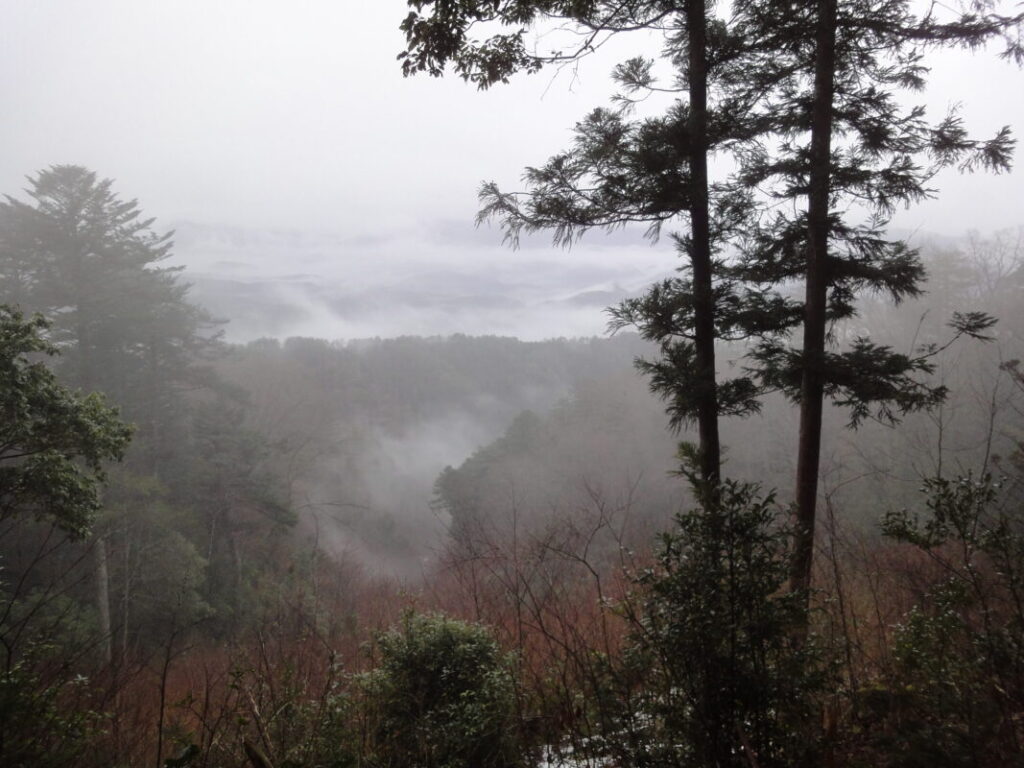
While traveling around Shikoku by car, I once came across a pilgrim dressed in white robes, walking with a staff along a mountain road.
It was a remote area where it took about an hour by car just to reach the next town, and I was struck by the sight of someone walking there on foot.
I remember being deeply impressed, thinking, “Are there really people who make a pilgrimage through such deep mountain roads?”
That moment left a strong impression on me and became the first time I became aware of the Shikoku pilgrimage.
Trigger for starting the pilgrimage (2): Curiosity and a desire to explore
The image of the pilgrim I saw that day stayed with me for a long time.
Gradually, I became increasingly curious about what the Shikoku pilgrimage actually was.
Of course, I could have looked it up in books or on the internet, but I felt that the only way to truly understand it was to experience it by walking it myself.
With that thought, I decided to actually begin the pilgrimage.
To avoid interfering with my work, I planned to complete it in sections, taking advantage of long holidays and time off.
My plan was to walk it in stages over the course of a year—spring, summer, winter, and then the following spring—visiting all of the temples step by step.
Trigger for starting the pilgrimage (3): Challenge and a backpacker’s mindset
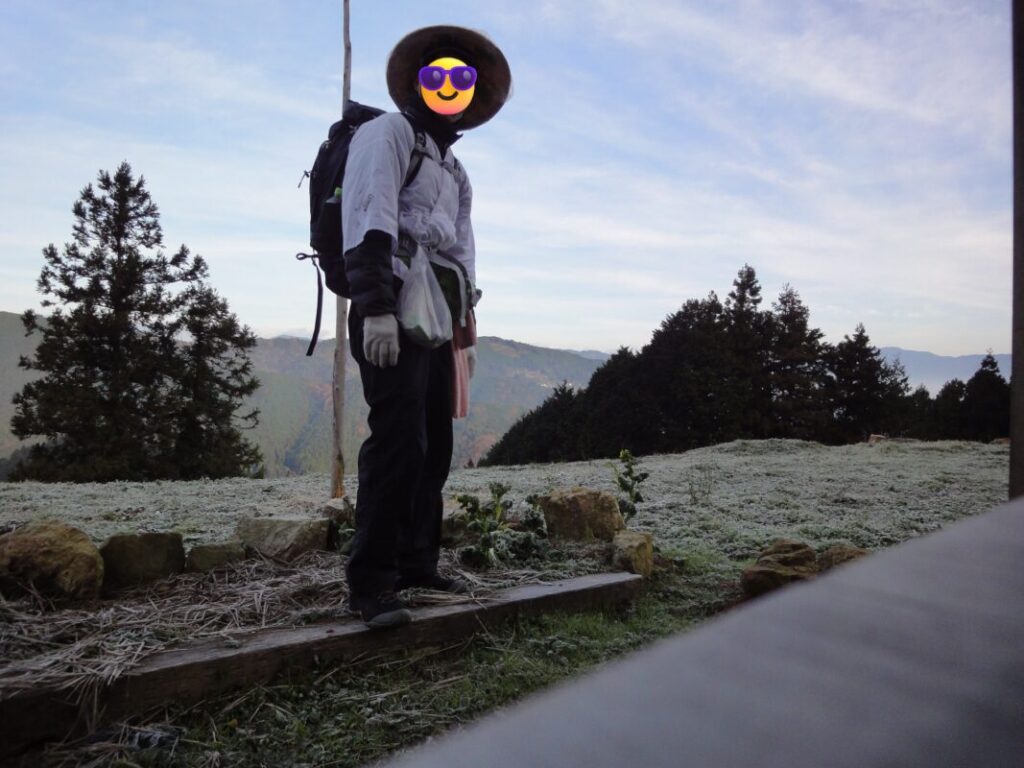
I also had a slight admiration for backpacker-style travel.
I wanted to carry a tent and sleeping bag, walk entirely on my own, and challenge myself through hardship.
There was also a desire to test myself while spending time in nature.
Since Shikoku has very few large wild animals such as bears, it is relatively safe for wild camping, making it possible to begin this kind of journey with a lower level of risk.
The meaning of the pilgrimage and changes in mindset gained through walking it
There were various reasons for starting the pilgrimage, but if I had to put it simply, in my case it was closest to “curiosity.”
However, once I actually began walking, my way of thinking and feeling gradually changed throughout the journey.
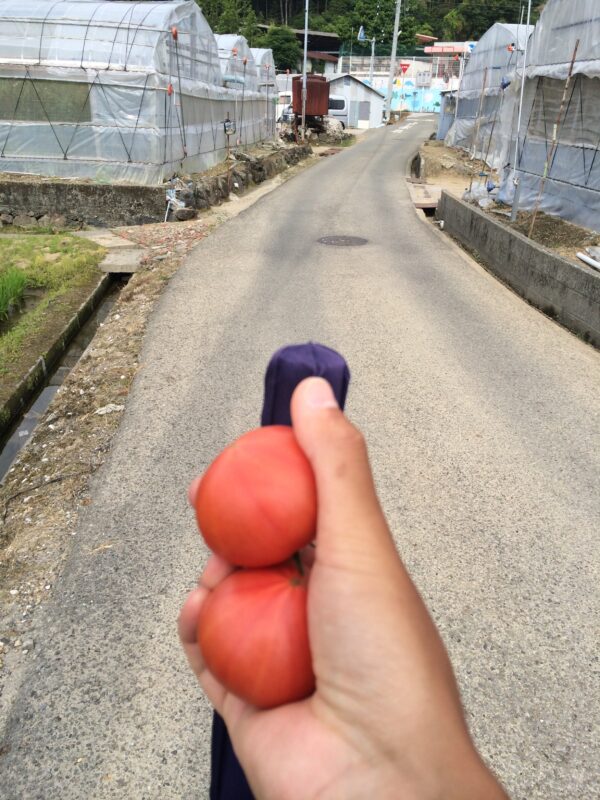
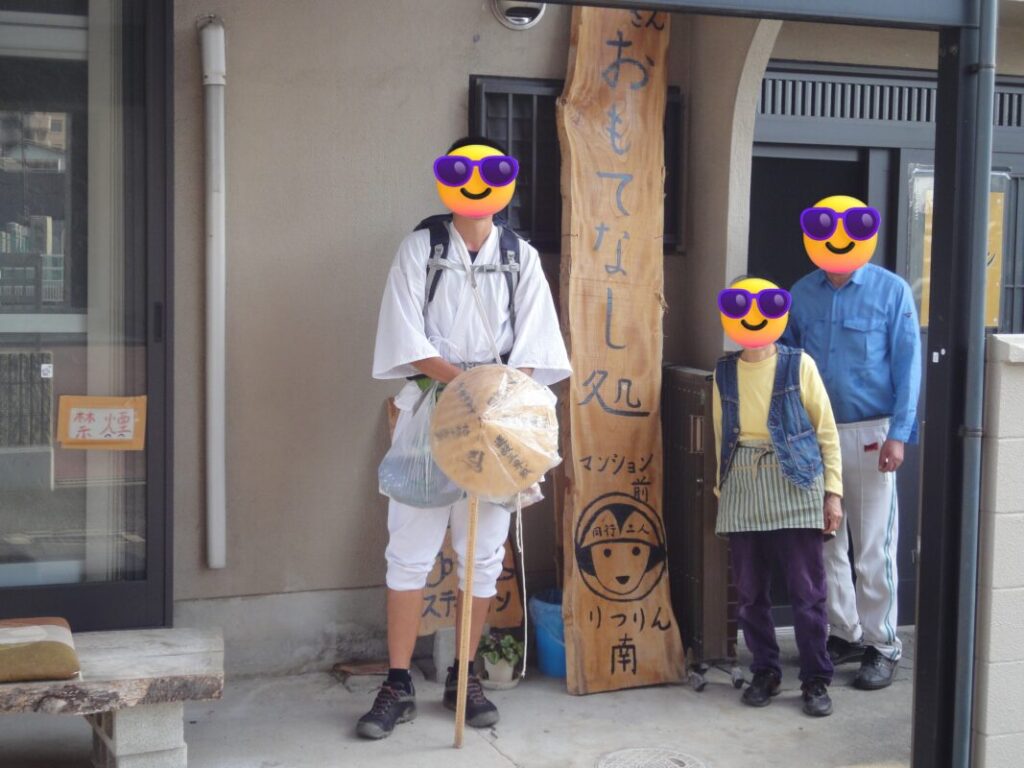
I was given o-settai (acts of hospitality from locals), and received help from people I met along the way, which allowed me to experience human kindness many times.
At the same time, walking through heavy rain and crossing steep mountain paths made me feel the harshness of nature, while also deepening my sense of awe toward its vastness.
Through these experiences, I also became aware of my own weaknesses, and more broadly, human vulnerability.
I also came to feel strongly the presence of Kōbō Daishi, who is believed to continue connecting people through these encounters and relationships.
This pilgrimage was never something I could have completed on my own strength alone.
The purpose of the pilgrimage varies from person to person (examples from the field)
In this section, I would like to introduce the different purposes of fellow pilgrims I met along the way during my walking pilgrimage. It is impossible to cover every case, but I will share some of the most memorable individuals I encountered.
Purpose of the pilgrimage (1): Faith and spiritual practice
This is the most traditional form of the pilgrimage, often regarded as its origin. Many people walk the Shikoku pilgrimage as an expression of faith in Kōbō Daishi and in search of religious merit and spiritual benefit.
Pilgrims aiming to become certified Sendatsu (guides)
These are pilgrims who continue the pilgrimage with the goal of becoming certified Sendatsu (pilgrimage guides). Since the rank of Sendatsu increases with each completed pilgrimage, some people walk the route as a way to pursue this progression and achieve that milestone.
The expanding circle of o-settai through group pilgrimages
This was a group pilgrimage consisting of a temple priest from Okayama and about 30 parishioners.
After the priest offered ice cream as o-settai, the parishioners also began offering sweets one after another.
Through this experience, I strongly felt how human energy and kindness can spread and amplify within a group setting.
A family of four pilgrims from Vietnam
This was a family of four pilgrims from Vietnam.
They consisted of a married couple and their two young children. They were traveling with a large handcart loaded with their belongings, continuing their pilgrimage with deep faith in their hearts.
A student pilgrim studying Buddhism
This was a pilgrim in their early twenties who was studying Buddhism at university.
With a shaved head and a serious expression, they walked the pilgrimage route, and their appearance conveyed not only academic study but also a strong sense of faith and determination.
An elderly woman being supported on both sides during worship
At a temple in Tokushima, I saw an elderly woman being supported on both sides as she offered her prayers.
I cannot know her personal thoughts, but her appearance was deeply striking and left a strong impression on me.
A pilgrim traveling by car due to a family funeral
This pilgrim had suddenly begun the Shikoku pilgrimage by car in order to attend a relative’s funeral in time.
Although it was a difficult situation, they said they were able to arrive in time without issue.
Purpose of the pilgrimage (2): Life reset and self-reflection
This is a more contemporary purpose of the pilgrimage. Many people walk the Shikoku pilgrimage during major life transitions or while facing personal struggles, seeking to organize their thoughts and confront themselves through the journey.
A woman in her 70s struggling with her relationship with her child
At a lodging, I met a woman in her 70s who shared that she was struggling with her relationship with her child and reflecting on how she had raised them.
She was walking the pilgrimage while pulling a cart filled with her belongings, and her appearance—moving forward as if confronting herself—left a strong impression on me.
A young pilgrim rethinking life
At a lodging, I met a man in his twenties whom I saw two days in a row. He had previously worked as a hairdresser overseas.
He returned to Japan due to personal circumstances and told me that he had started the Shikoku pilgrimage in order to think seriously about his future and the direction of his life.
Seeing him walk the pilgrimage at such a crossroads in his life left a strong impression on me.
A pilgrim who continues forward despite losing their hearing
I also met an experienced pilgrim who had lost their hearing due to corporal punishment in elementary school.
Despite this, they had discovered a new outlook on life through the Shikoku pilgrimage. I was deeply impressed by the calm way they spoke about the successes they had built in their professional life, and how they had continued to move forward with a renewed sense of purpose.
A pilgrim searching for direction in life
At a ryokan in Shikoku, I met a fellow pilgrim who had previously worked there but left the job after a conflict with the proprietress.
As we talked, what stood out was their quiet and reflective attitude, as they seemed to be carefully reexamining the direction of their life.
Purpose of the pilgrimage (3): Challenge, health, and achievement records
This purpose of the pilgrimage is more performance-oriented, involving physical challenge, health maintenance, and personal records. In this sense, the Shikoku pilgrimage can also be seen as a form of sport or self-improvement activity, where people walk to test their endurance and achieve a sense of accomplishment.
A man in his 70s traveling the pilgrimage by road bike
At a zenkon-yado (free pilgrim lodging), I met a man in his 70s who was traveling the Shikoku pilgrimage by road bike. He had previously completed the pilgrimage on foot and was now taking on the challenge again by bicycle.
Wearing a helmet together with traditional white pilgrimage robes, he continued his journey with remarkable energy, and his appearance left a strong impression on me.
A 75-year-old man walking 50 km a day
At a lodging, I met a 75-year-old man who was capable of walking up to about 50 kilometers in a single day.
He continued the pilgrimage every year during favorable seasons, and this time was said to be around his tenth journey.
His well-toned calves, tightly defined and almost gleaming, were reminiscent of a thoroughbred.
A friendly pilgrim working in the gaming industry
At a lodge, I met a 45-year-old man who said he worked in the gaming industry.
He mentioned with a laugh that he often looked quite tired while walking, so people frequently stopped to talk to him and even offered him rides in their cars.
His humorous and approachable personality left a strong impression on me as a very personable pilgrim.
A pilgrim like a mountaineer
At a place where I was camping outdoors, I met a man in his thirties who carried a large backpack that looked to weigh around 20 kilograms. His well-trained legs left a strong impression on me.
He said that his hobby was mountaineering, and casually mentioned, “I do the pilgrimage from time to time as well.”
His natural, unpretentious attitude is something I still remember clearly. In the end, we completed the pilgrimage together at Ōkuboji, the final temple of the Shikoku pilgrimage.
A pilgrim I met several times at temples in Ehime
He was a man in his thirties who was completing the pilgrimage in sections, taking advantage of long holidays.
When I asked him why he was doing the pilgrimage, he said, “I want to earn a sense of dignity and respect so I can set a good example for my young child.”
Two female university students on pilgrimage
They were two female university students, both neatly dressed in traditional white pilgrimage attire.
Their style of traveling together as friends was also part of the pilgrimage experience, and I was impressed by how they were able to enjoy the journey while still sincerely engaging with the practice of the pilgrimage.
Purpose of the pilgrimage (4): Pilgrims from overseas
This refers to the diverse styles of pilgrimage undertaken by people visiting from abroad, with the aim of experiencing Japan’s pilgrimage culture beyond cultural and religious boundaries.
A married couple of pilgrims supporting each other while walking
At a lodging, I met a married couple from the United States who were continuing their pilgrimage at a slow, steady pace.
The wife did not seem to be in very good condition with her legs, but they supported each other as they continued their journey together.
Their way of walking the pilgrimage as a couple left a strong impression on me.
A French pilgrim I met on a rainy day
On a day of heavy downpour, I met a male French pilgrim at a lodging.
I helped translate a brief conversation between him and the proprietress, and since there was no meal provided, I also went with him to a supermarket and introduced him to onigiri.
A European pilgrim walking at their own pace
I also met a European pilgrim who enjoyed trekking.
They were good at mountain trails, but said they struggled with long stretches of asphalt roads. At times, they used buses as well, continuing the pilgrimage in their own way and at their own pace.
A woman in her twenties from Australia
She was a woman in her twenties from Australia, walking the Shikoku pilgrimage alone with just a backpack.
Her presence—walking alone through a foreign country—naturally inspired a sense of respect.
Purpose of the pilgrimage (5): A pilgrimage that overcomes hardship
This type of pilgrimage involves people who continue walking step by step while facing physical disabilities or other difficulties, using the journey as a way to confront life and their own beliefs.
A pilgrim walking beyond disability
In Kochi, I met a pilgrim who had suffered from polio in early childhood.
Despite having difficulty walking, they quietly told me, “I have completed every section of the journey on my own feet.”
Their words and presence left a deep impression on me.
A blind pilgrim walking the route
I also met a blind pilgrim walking the route with a white cane.
As we passed each other, we exchanged a bow, and when I looked back a short while later, they were also looking back in my direction.
It was a moment that made me feel as if, even without sight, they were sensing their surroundings through something deeper—an awareness felt with the heart.
Shikoku Pilgrimage and Its Connection to History and Notable Figures
In this section, I will introduce notable figures who are said to have undertaken the Shikoku pilgrimage.
Kūkai
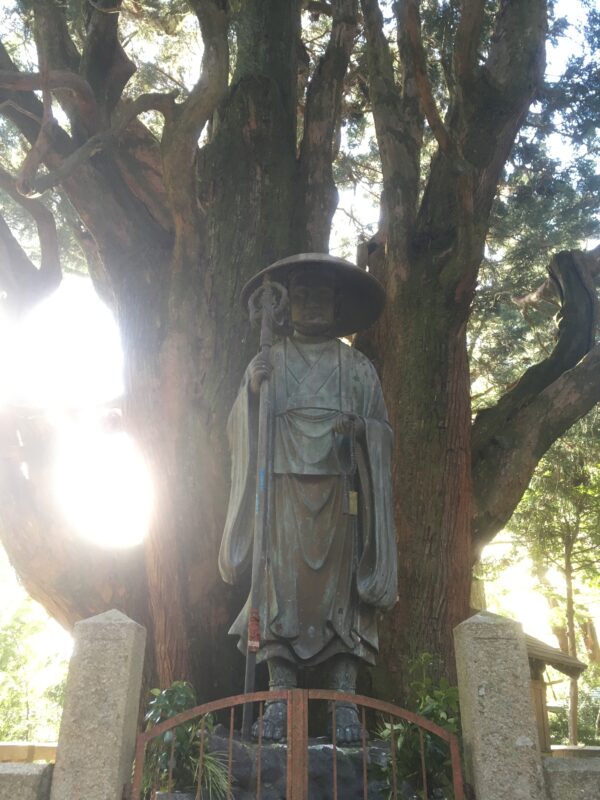
Kūkai is widely known as the founder of the Shikoku pilgrimage, and retracing the paths of his ascetic practice is itself one of the major purposes of the pilgrimage.
Some people walk the route with the intention of following the path he once walked and sensing a spiritual presence. Even when it is not consciously recognized, I feel that this sentiment exists implicitly within many pilgrims.
Kūkai’s pilgrimage is best described by the word “ascetic practice.”
Emon Saburō
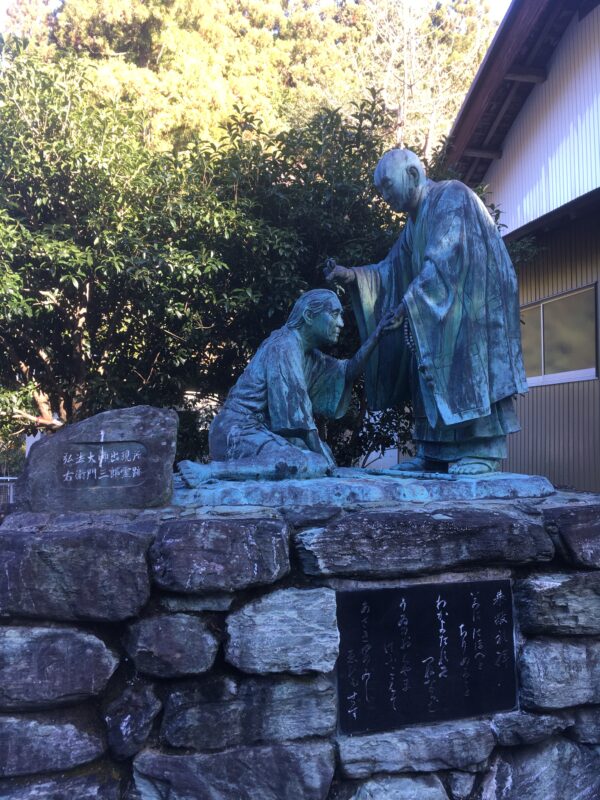
Emon Saburō is a figure who is said to have regretted having once acted rudely toward Kūkai, and to have continued traveling across Shikoku as an act of repentance.
His journey is also sometimes regarded as one of the origins of the Shikoku pilgrimage.
The most fitting word to describe the purpose of his pilgrimage may be “repentance.”
Shinnen
Shinnen was a Buddhist monk in the Edo period, known as a key figure in spreading the Shikoku pilgrimage.
He is believed to have compiled guides to the pilgrimage routes and temples, helping to lay the foundation of today’s pilgrimage culture. By organizing the route into a more accessible form for pilgrims, he played a major role in the development of the pilgrimage tradition.
His purpose in undertaking the pilgrimage may be best described as “propagation” or “missionary work.”
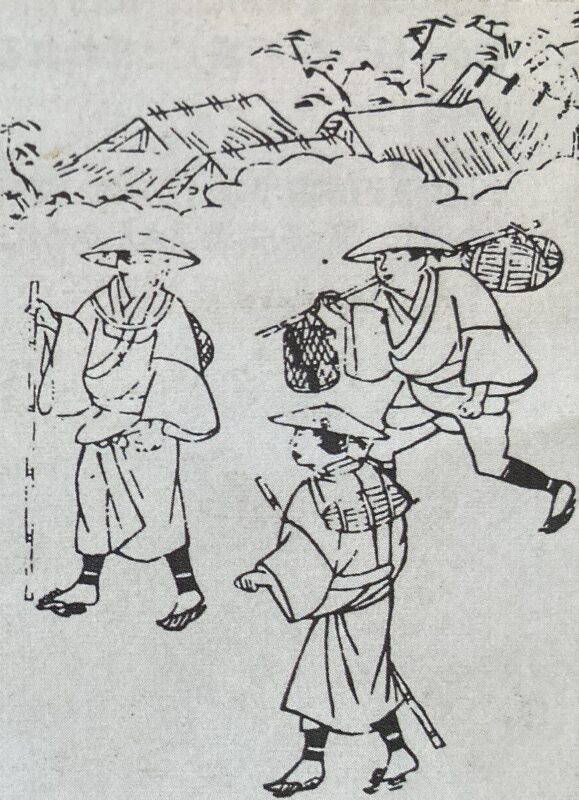
Illustration from Shinnen’s “Shikoku Pilgrimage Route Guide”
Santōka Taneda
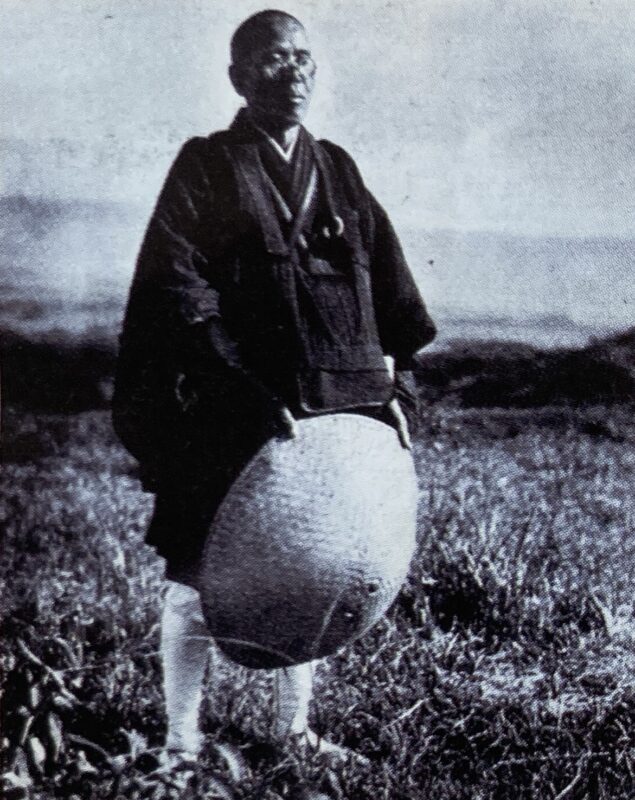
Santōka Taneda, a poet known for his free-style haiku, is also known to have walked the Shikoku pilgrimage during his wanderings across Japan.
Although he lived an unstable life and struggled with alcohol dependence, it is said that behind his journey lay a desire to come to terms with his past.
For Santōka, the pilgrimage was not merely a journey, but an act that reflected his very life itself.
Other notable figures who have completed the pilgrimage
In recent years, several well-known figures have also been reported to have experienced the Shikoku pilgrimage, including former Prime Minister Naoto Kan and former professional baseball player Kazuhiro Kiyohara.
Naoto Kan is said to have undertaken the pilgrimage after a period of intense public scrutiny, including issues related to unpaid pension contributions, and his journey is sometimes described as a “pilgrimage of repentance” in that context.
Notes on the pilgrimage and examples of trouble
Unfortunately, there are also a very small number of cases in which the Shikoku pilgrimage is misused in ways that differ from its original purpose. Here, I will introduce some examples I have personally heard about.
Resale purposes
It is said that some people collect items such as pilgrimage notebooks (nōkyōchō) and gold-colored pilgrimage slips (nishiki-fuda) for the purpose of resale.
These items are originally received as proof of faith and pilgrimage, but problems can arise when people collect a large number of temple stamps at once or take gold slips from offering boxes.
In response, many temples have strengthened security measures, including the installation of surveillance cameras. Since nōsatsu (offering slips) contain personal information such as names and addresses, they are originally intended to be handled with care and respect.
Theft and misuse of pilgrimage identity
I have also heard from operators of zenkon-yado (free pilgrim lodgings) about cases of theft committed by individuals disguising themselves as pilgrims.
Such acts are deeply regrettable and are completely incompatible with the spirit of the Shikoku pilgrimage.
Summary of the pilgrimage’s purpose (a shared destination: ketsugan)
The purpose of the Shikoku pilgrimage cannot be defined by a single meaning; it varies greatly from person to person. Some begin the journey through faith or prayers for the deceased, others for life reflection, health, challenge, or even simple curiosity.
In reality, as I walked the route myself, I encountered a wide variety of pilgrims, each continuing their journey for their own reasons. Their stories reflected diverse lives that transcended age, nationality, and physical condition.
However, what they all share in common is that everyone ultimately aims for the same destination: ketsugan—the completion of visiting all 88 temples.
Although their purposes differ, they walk the same path and offer prayers at the same sacred sites. Within that shared experience, the natural bonds and mutual support that emerge can be seen as one of the essential appeals of the Shikoku pilgrimage.
Related Articles
I have compiled a detailed guide to the Shikoku Pilgrimage for beginners.
What is the Shikoku Pilgrimage? Beginner’s Guide to Your First Sacred Journey in Japan
This article summarizes things you should not do on the Shikoku Pilgrimage.
Shikoku Pilgrimage Rules & Prohibited Actions: Essential Etiquette for Beginners
If you would like to learn how to worship at a Japanese temple, please see this page.
How to Worship at Japanese Temples : Shikoku Pilgrimage Guide
This article provides a complete list of the Shikoku 88 Temple pilgrimage route, including distances, travel times, and temple lodging (shukubo).
Temple List and Full Route