
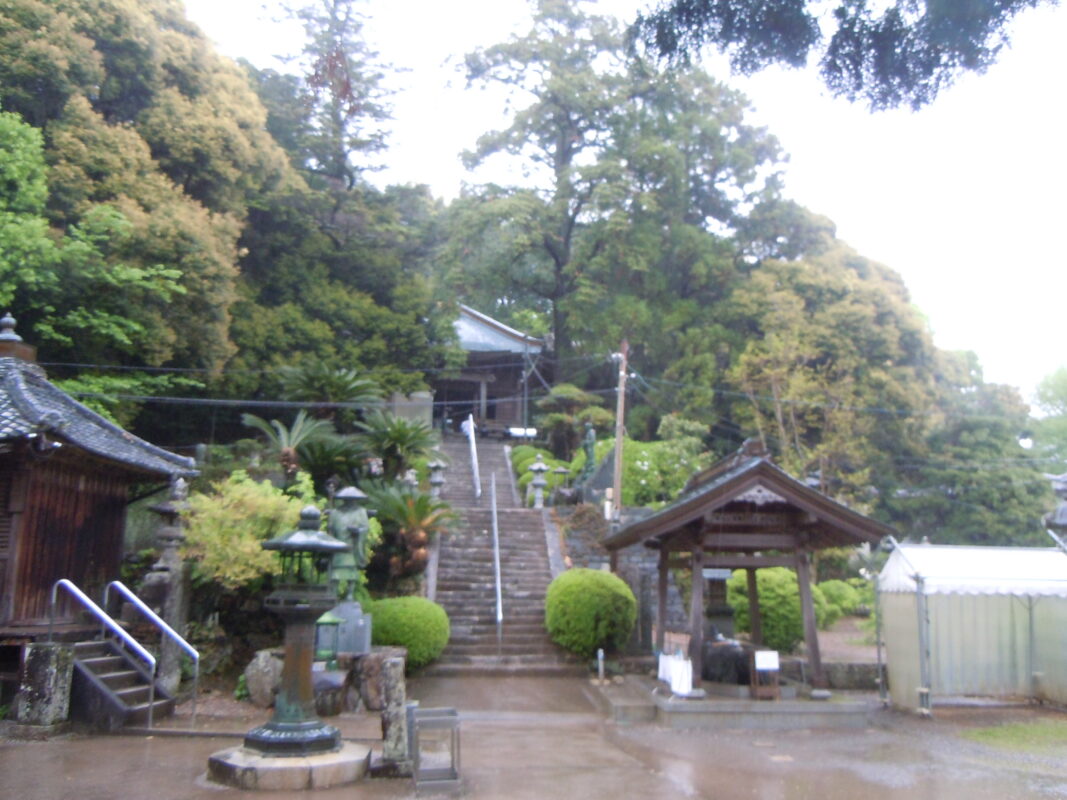
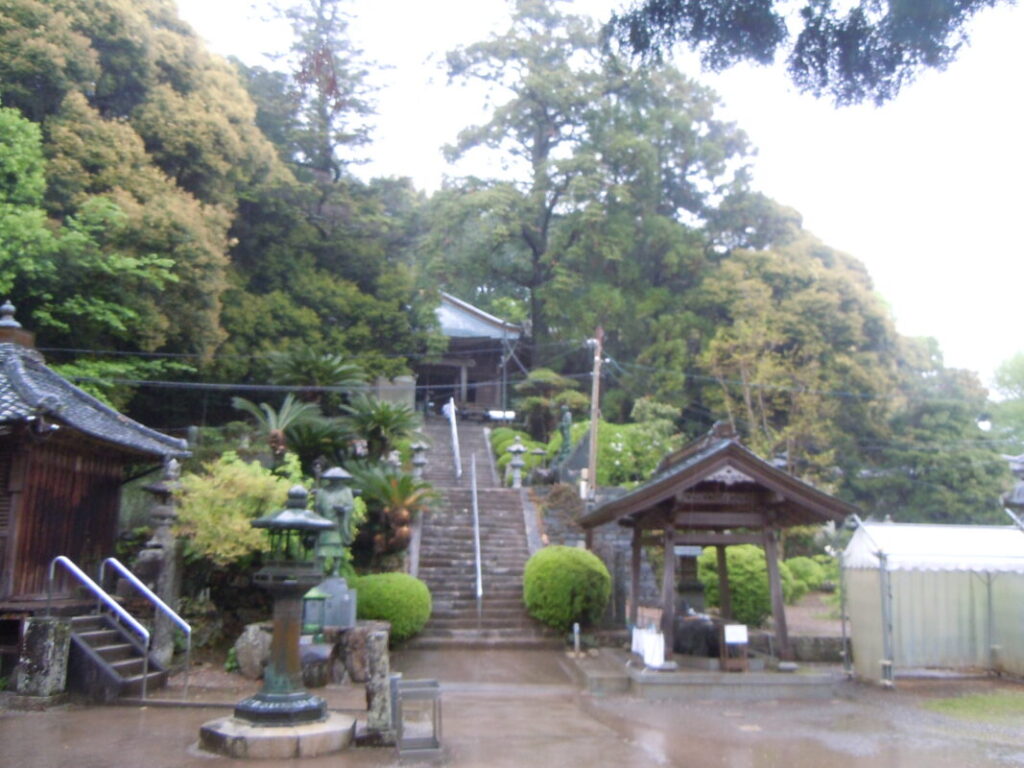
Onzanji Temple Information
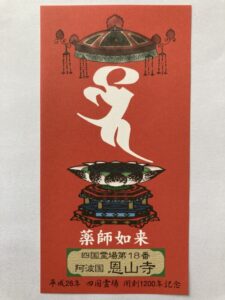
Goshuin
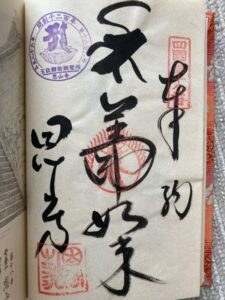
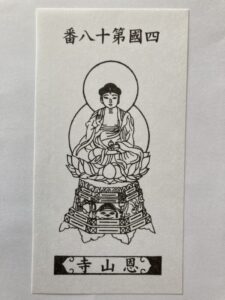
- Omie
- 1,200th Anniversary Edition
Basic Information
| Principal Deity | Yakushi Nyorai |
| Elevation | 80 m |
| Google Maps | MAP |
Accommodation
| Shukubo (Temple Lodging) | Not Available |
| Tsuyado (Free Pilgrim Shelter) | Not Available |
History & Highlights
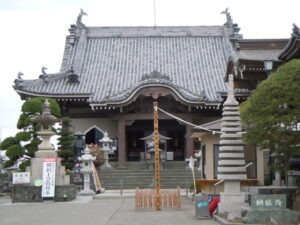
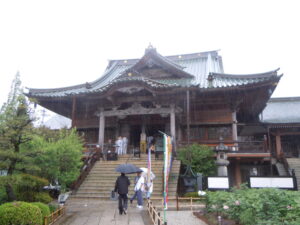
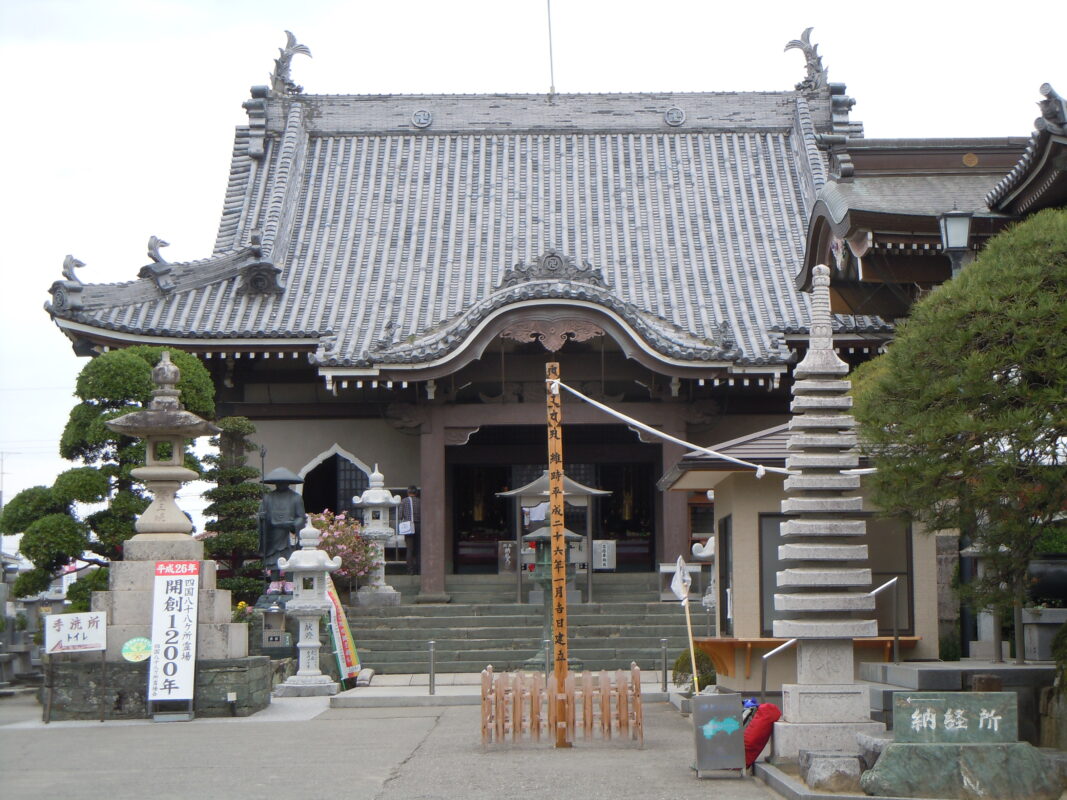
Onzanji is an ancient temple said to have been founded by Gyōki. According to tradition, Kōbō Daishi lifted the temple’s prohibition against women so that he could welcome his mother, Tamayori Gozen, to worship there. The temple’s name, meaning “Temple of Gratitude,” reflects his deep gratitude toward his mother. After being destroyed during a period of war, Onzanji was rebuilt and remains a temple rich in history and tradition.
Notes
From the Niō Gate, there is a steep uphill walk to the temple grounds.
Route Map, Distance & Travel Time
You can switch between the tabs to view the routes to the previous and next temples.
Select “Driving Route” from the map’s upper-left menu to display the driving route.
Click the Full Screen icon in the upper-right corner of the map to open it in Google Maps for a larger, easier-to-view map.
- From Previous Temple
- To Next Temple
Previous Temple: Idoji
| Distance | 16.8 km |
| Walking | 5 hr |
| Driving | 1 hr |
Next Temple: Tatsueji
| Distance | 4 km |
| Walking | 1 hr 10 min |
| Driving | 15 min |
Transportation Guide
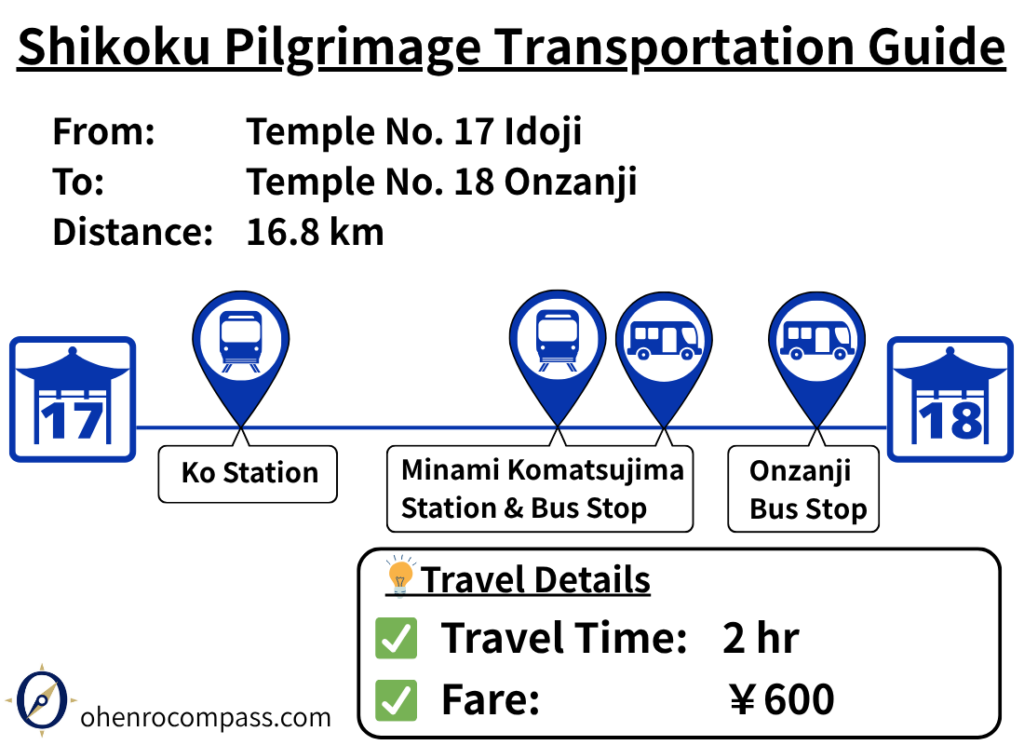
Find the best train and bus route from Temple 17, Idoji, to Temple 18, Onzanji. Travel in about 2 hours for around ¥600, with route details, fares, timetables, and transfer information.
My Walking Experience
Two Routes to Onzanji
There are two routes from Idoji to Onzanji. The distance is almost the same for both, so the best choice depends on your travel style and preferences. Both routes are shown on the route map in this article for your reference.
| Feature | Tokushima Station Route | Jizōgoe Pilgrimage Trail Route |
|---|---|---|
| Distance | About the same | About the same |
| Walking Conditions | Excellent – Paved roads and mostly flat | Good – Includes mountain trails and sections of the historic pilgrimage route |
| Accommodation | Excellent – Plenty of options | Limited – Few options available |
| Scenery | Urban streets | Traditional pilgrimage trail |
| Recommended For | Beginners and those prioritizing accommodation | Pilgrims who want to experience the historic walking route |
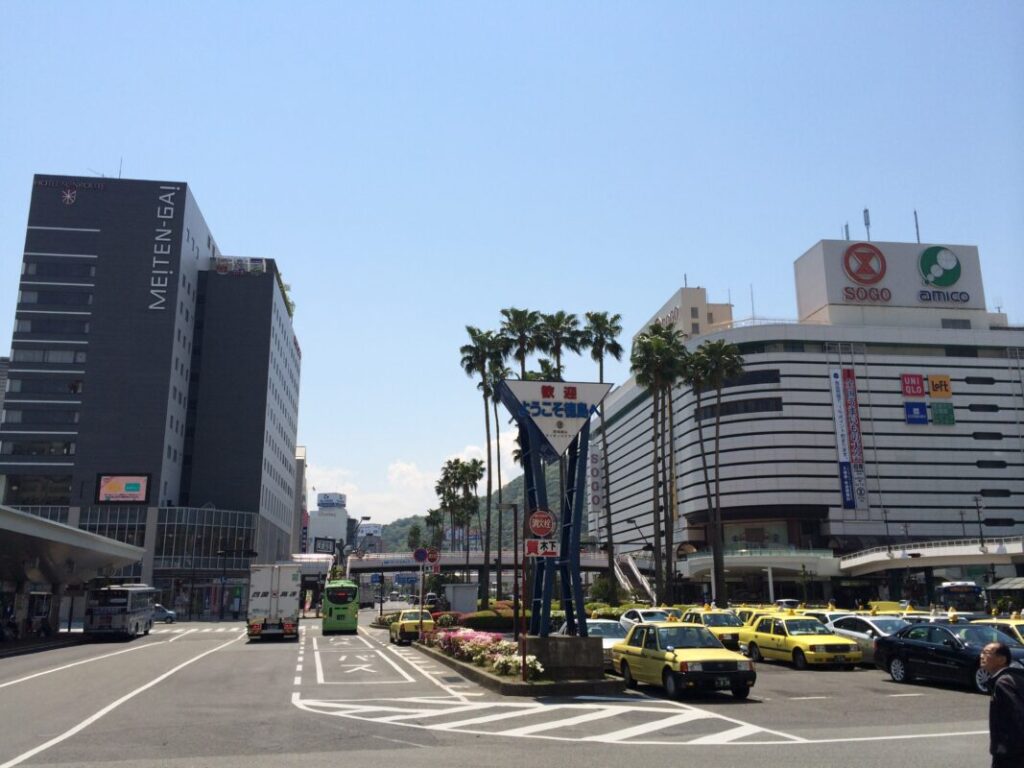
Tokushima Station Route
The route via Tokushima Station passes through the city’s downtown area, where you’ll find a wide selection of restaurants, convenience stores, and hotels. It is the best choice for pilgrims who want easy access to meals, resupply points, and accommodation.
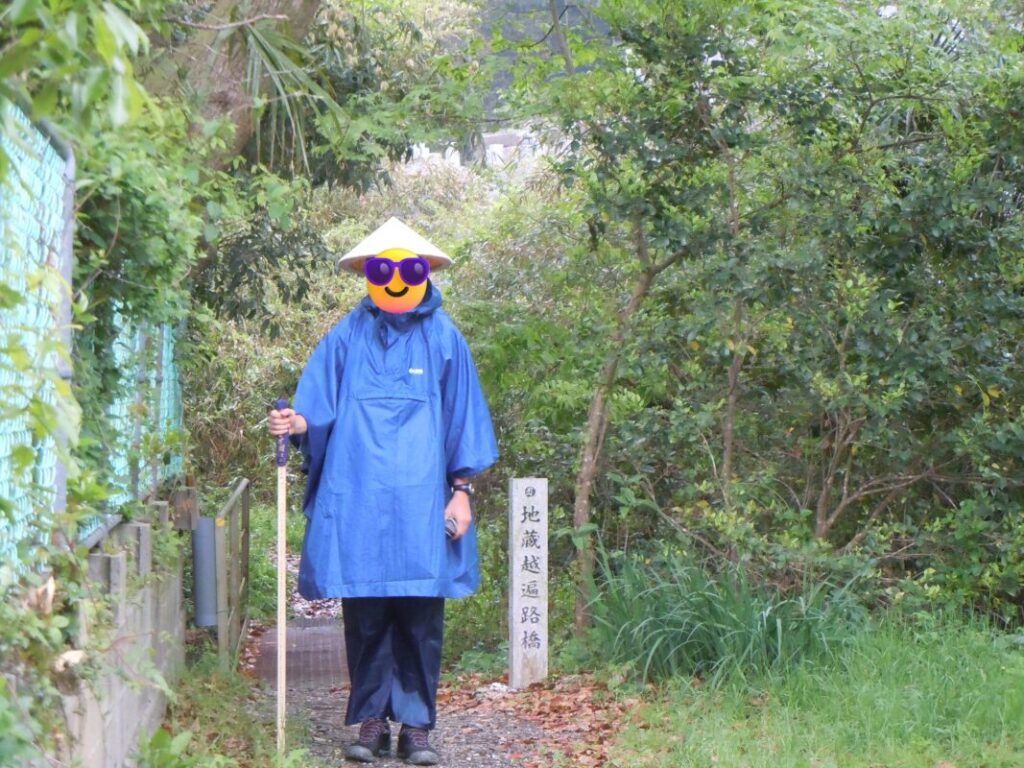
Walking the Jizōgoe Pilgrimage Trail
The other option is the Jizōgoe Pilgrimage Trail, a traditional route that still preserves the atmosphere of the old pilgrimage path. The trail reaches an elevation of around 100 meters, offering peaceful scenery and a sense of the historic pilgrimage experience. However, during seasons when fewer pilgrims are on the trail, such as summer, the path may become overgrown with vegetation.
I walked this route on a rainy day in spring, but I was able to pass through without any problems.
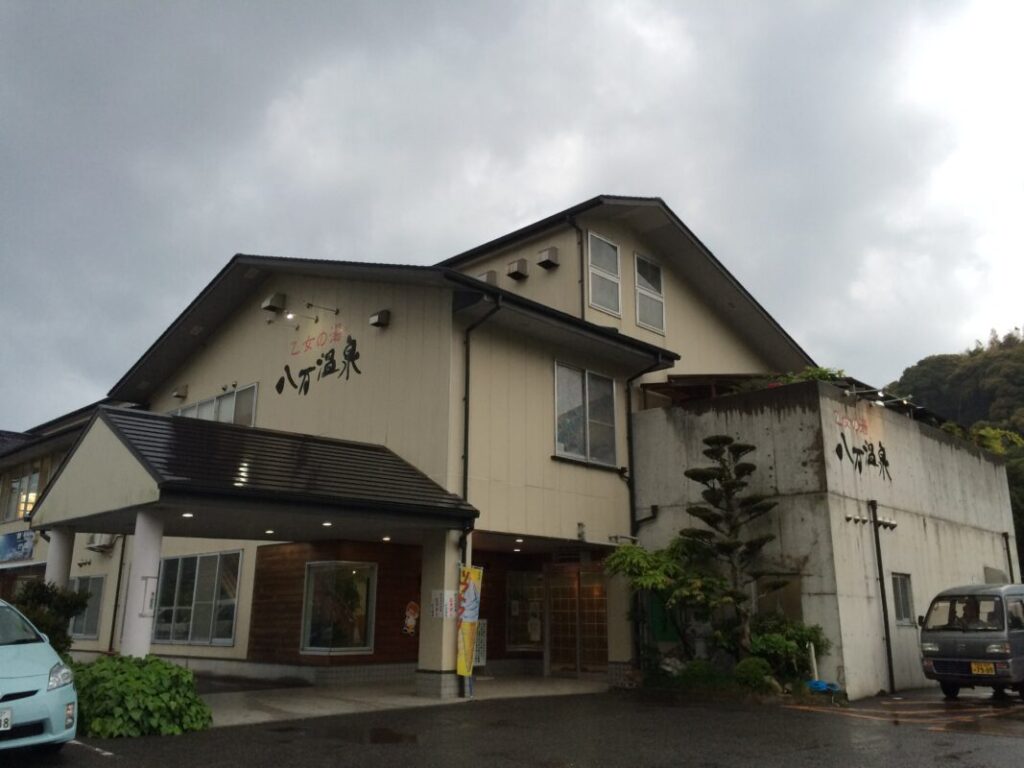
Camping at Hachiman Onsen
I stopped at Hachiman Onsen, located beyond the Jizōgoe Pilgrimage Trail. This day-use hot spring facility offers a restaurant and a relaxing lounge area, making it a great place to soothe tired muscles after a long day of walking.
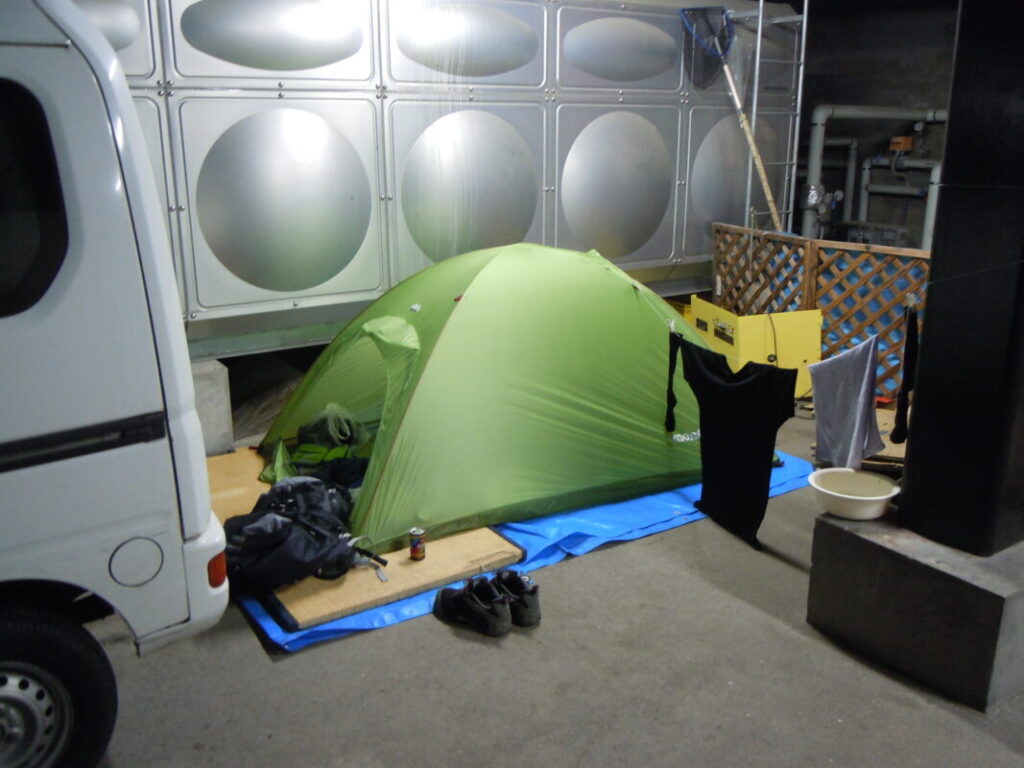
With the kind permission of the facility, bathhouse visitors were allowed to camp overnight on the premises. This thoughtful hospitality provided a safe and comfortable place for walking pilgrims to rest.
Notes for Staying Overnight
The camping area is located near the boiler equipment, so some people may find the noise and vibrations distracting. If you prefer a quiet place to sleep, this location may not be the best option.
When I stayed there, it was raining, so having a sheltered place to rest was a great help. The kindness and generosity of the local community left a lasting impression on me.
Pilgrim Hut Beyond the Katsuura River
The Tokushima Station Route and the Jizōgoe Pilgrimage Trail Route merge near the Katsuura River, approximately 12 km into the journey.
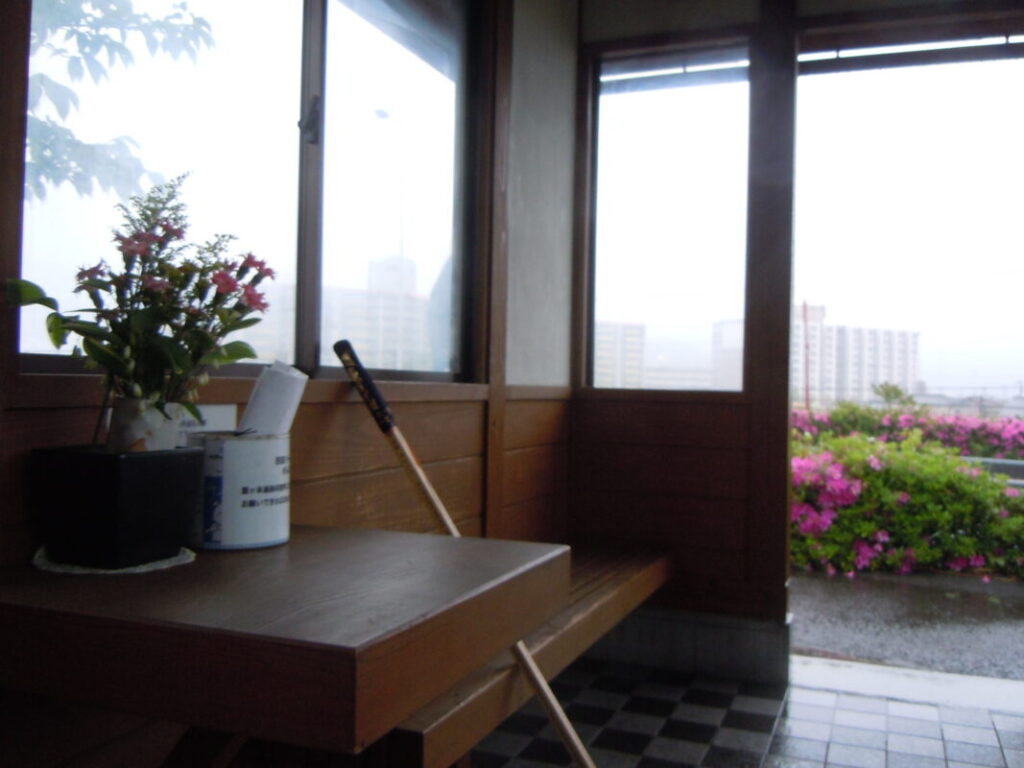
Further ahead, along the elevated tracks of the JR Mugi Line, there is a pilgrim hut with a spacious rest area that provides shelter from rain and wind. When I stopped there, it was raining, but I was able to take a break and wait out the weather in a comfortable place.
The Final Climb to Onzanji
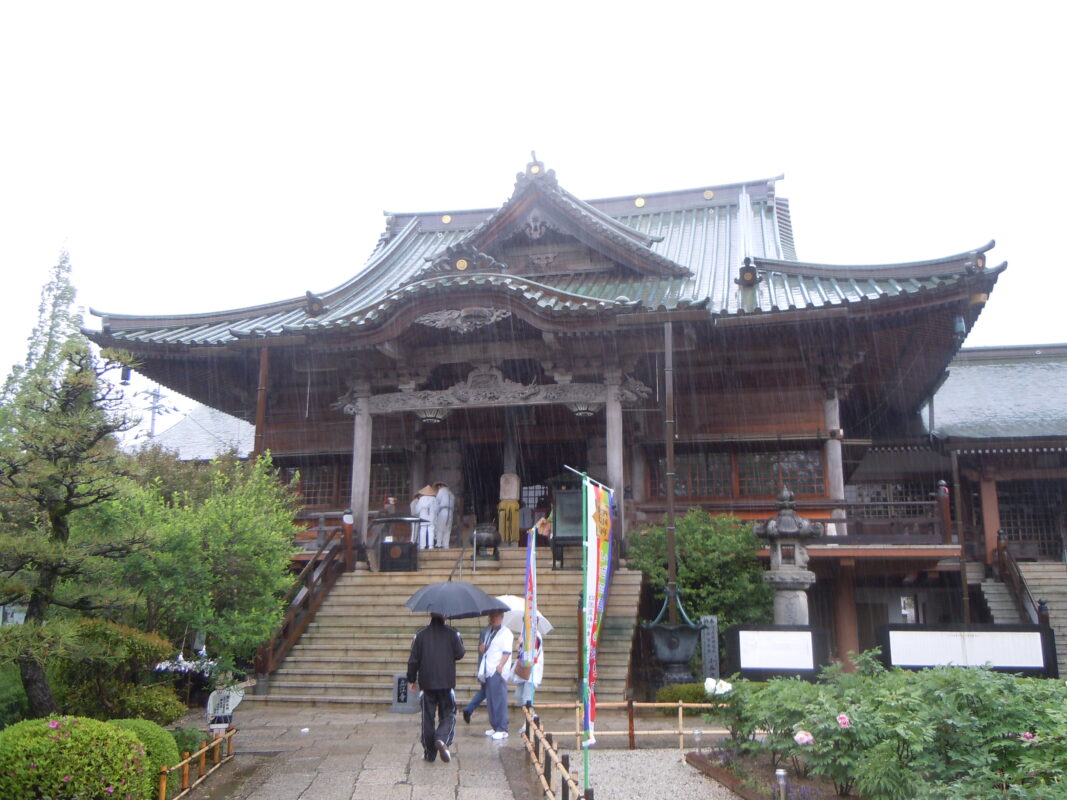
Onzanji is located halfway up a mountain at an elevation of approximately 80 meters. From the Niō Gate, the path climbs steeply to the temple grounds, and this final ascent can feel surprisingly challenging after a long day of walking.
I also found myself more tired than expected during this last climb, so I took a longer break on a bench at the temple. If you have enough time, it is worth taking a moment to rest before visiting the temple rather than pushing yourself too hard.
Nearby Accommodation
If you plan to stay near Onzanji or between the surrounding pilgrimage temples, see the article below.
Related Articles
Shikoku 88 Temple Pilgrimage Route: Full List, Distance & Walking Time Guide.
Temple List and Full Route
Comments