
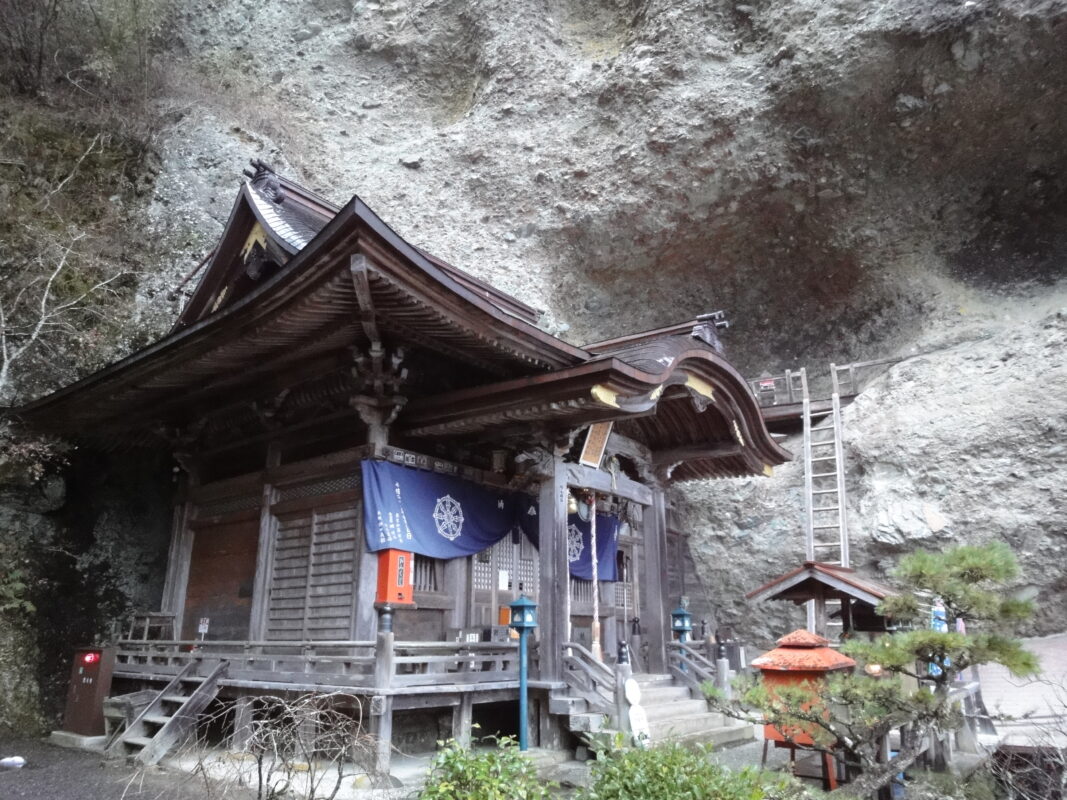
Iwayaji Temple Information
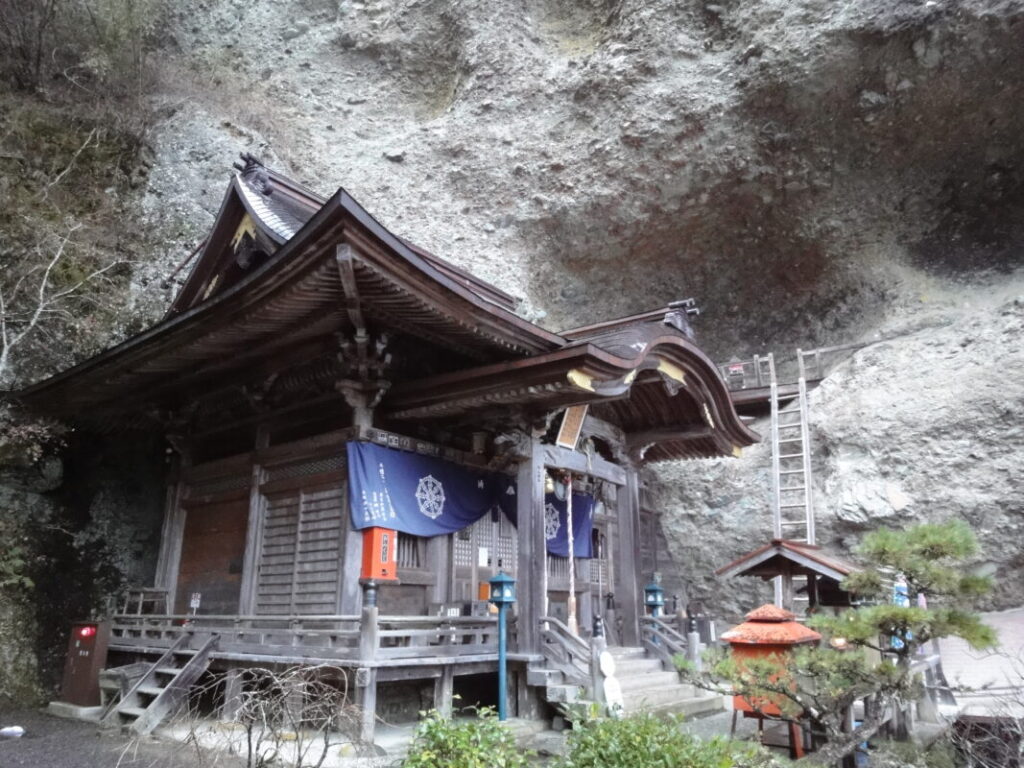
Goshuin
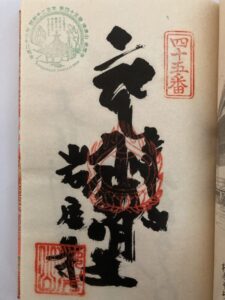
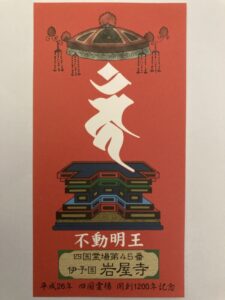
- Omie
- 1,200th Anniversary Edition

Basic Information
| Principal Deity | Fudo Myoo |
| Elevation | 670 m |
| Google Maps | MAP |
Accommodation
| Shukubo (Temple Lodging) | Not Available |
| Tsuyado (Free Pilgrim Shelter) | Not Available |
History & Highlights
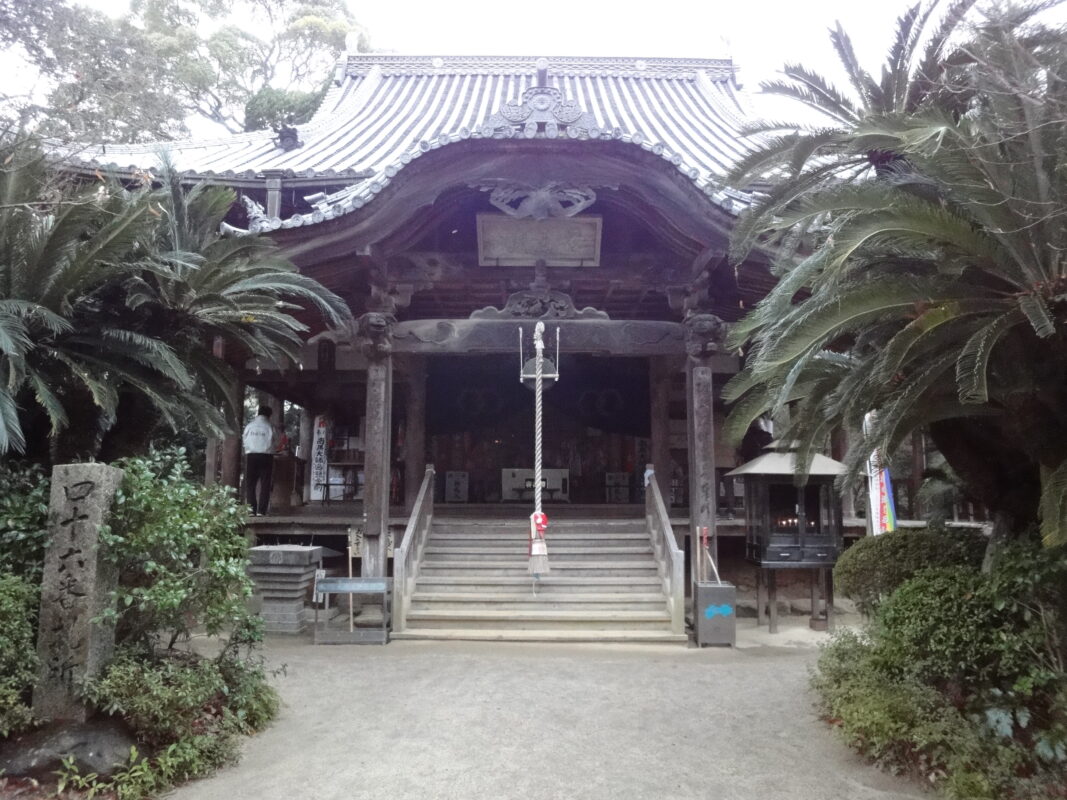
Iwayaji is a mountain temple said to have been founded by Kūkai (Kōbō Daishi), who enshrined Fudo Myoo here. Surrounded by massive rock formations, the mysterious temple grounds have long been a place of ascetic practice and have attracted the faith of many pilgrims. The beautiful natural scenery surrounding the temple is also one of its highlights.
Notes
• The walk from the parking area to the Main Hall involves an elevation gain of approximately 120 m (394 ft) and takes about 20 minutes on foot.
• Parking fee: ¥300
Route Map, Distance & Travel Time
You can switch between the tabs to view the routes to the previous and next temples.
Select “Driving Route” from the map’s upper-left menu to display the driving route.
Click the Full Screen icon in the upper-right corner of the map to open it in Google Maps for a larger, easier-to-view map.
- From Previous Temple
- To Next Temple
Previous Temple: Daihoji
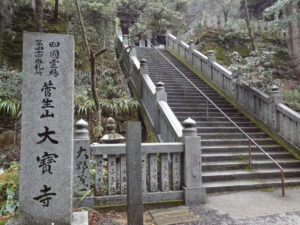
| Distance | 8.4 km |
| Walking | 4 hr |
| Driving | 20 min |
Next Temple: Joruriji
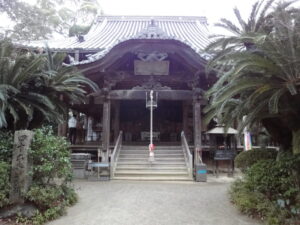
| Distance | 29 km |
| Walking | 9 hr 40 min |
| Driving | 1 hr |
Transportation Guide
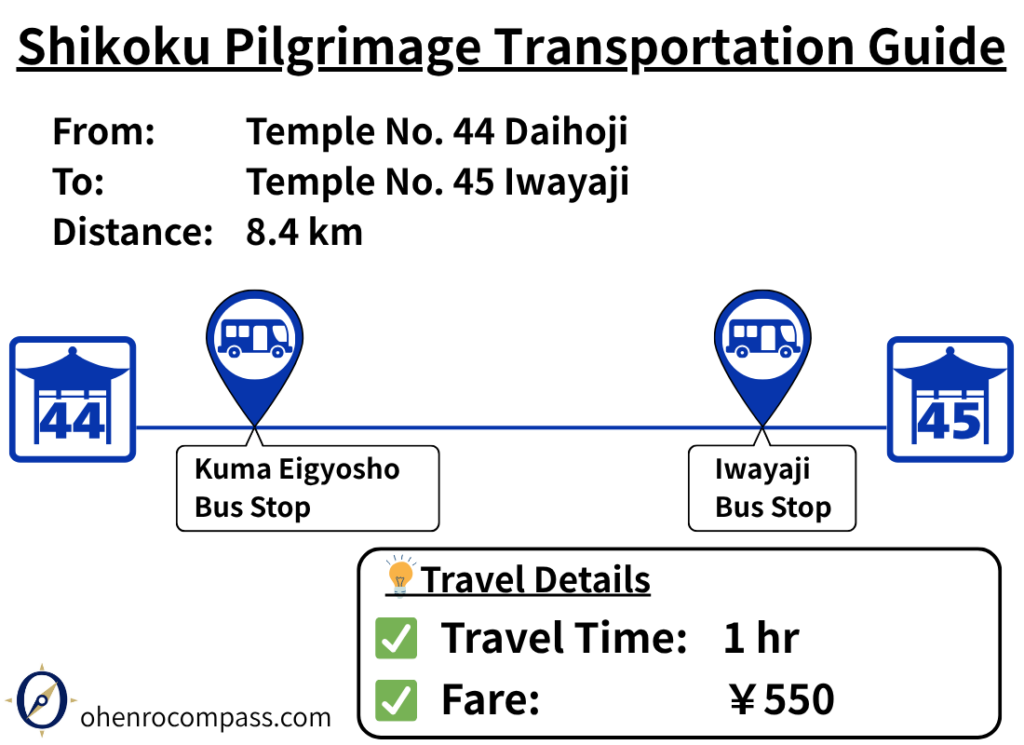
Guide to the bus route from Temple 44 Daihoji to Temple 45 Iwayaji, including fare, travel time, bus schedules, seasonal services, and walking information.
My Walking Experience
Iwayaji is located about 8 km (5 miles) east of Daihoji. Although the distance is relatively short, the route includes several climbs and descents, so it usually takes longer to walk than the distance might suggest.
After visiting Iwayaji, walking pilgrims return toward Daihoji before continuing to Joruriji (Temple 46). For this reason, many pilgrims staying in Kumakōgen leave their backpacks at their accommodation and make a round trip to Iwayaji with only a small daypack.
Walking the Hatchōzaka Pilgrimage Trail
There are two main routes between Daihoji and Iwayaji. One is the historic Hatchōzaka Pilgrimage Trail, which has been used by pilgrims and ascetics for centuries. The other follows the road route, bypassing the mountain trail.
I chose the Hatchōzaka Trail. Although it is only about 600 m (0.4 miles) long, it climbs approximately 160 m (525 ft) in a very short distance. The steep ascent truly lives up to its reputation as a training path for ascetic practice.
As I climbed, I couldn’t help imagining the generations of pilgrims and mountain ascetics who had struggled up this same slope on their way to Iwayaji. I walked the trail in midwinter, yet the climb was so strenuous that I began to sweat and even took off my gloves before reaching the top.
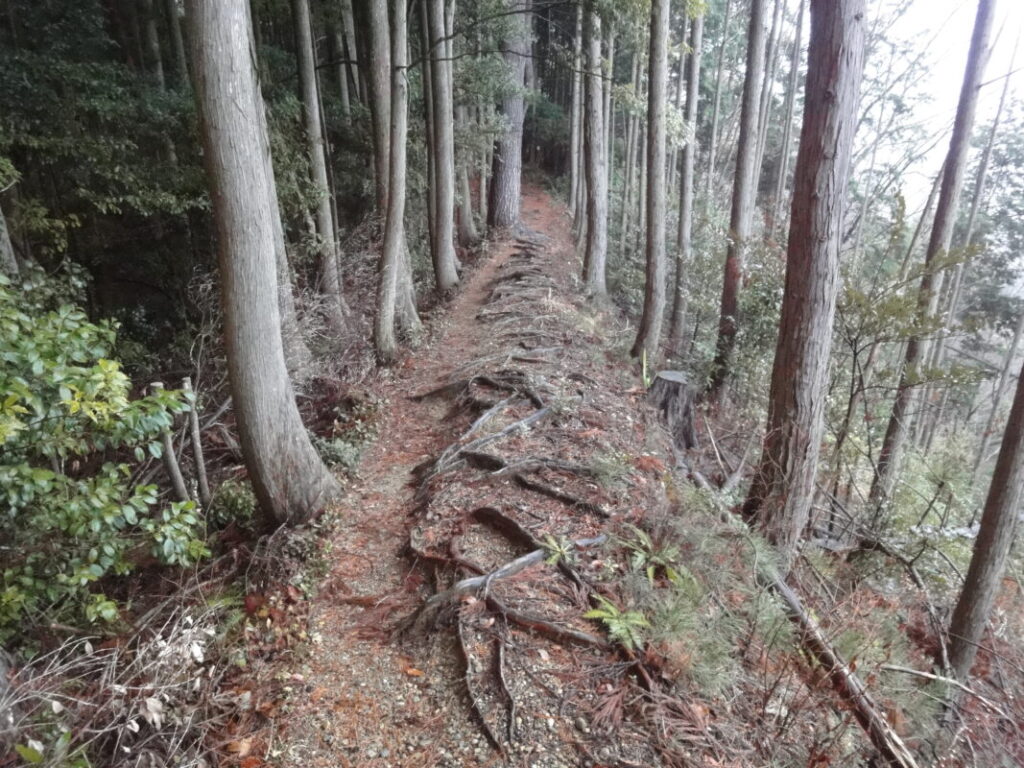
After climbing Hatchōzaka, the trail follows a ridgeline before descending gently through the forest, eventually leading you into the rear of the Iwayaji temple grounds.
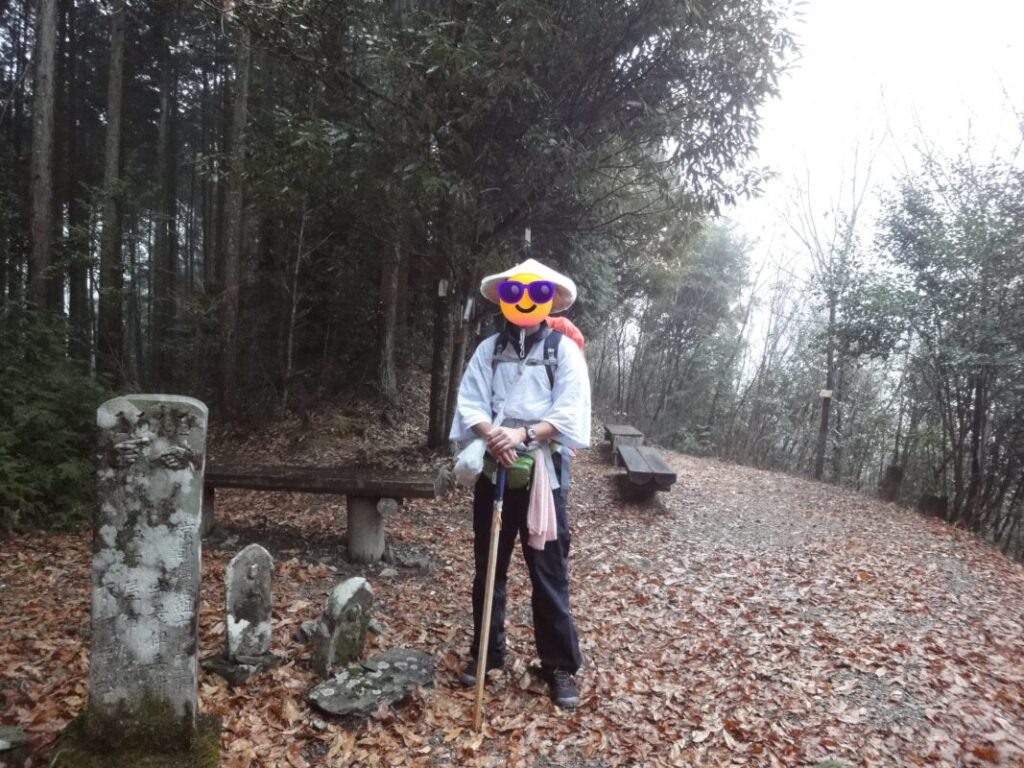
Path to the Hatchōzaka Pilgrimage Trail
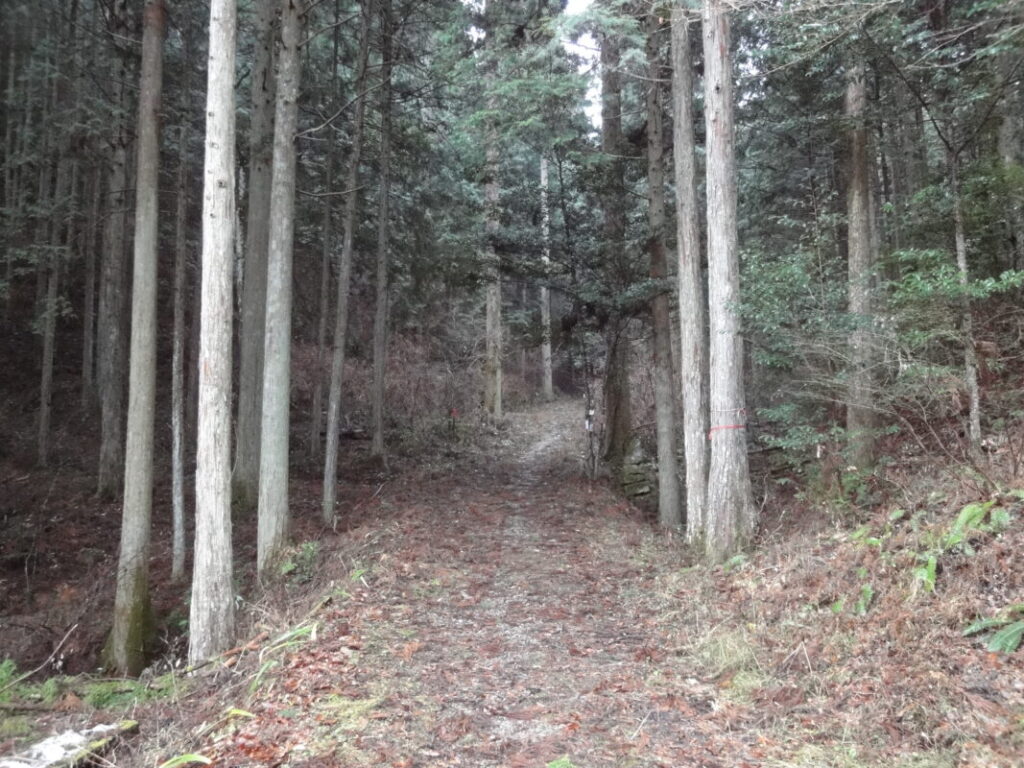
Stone monument at Hatchōzaka
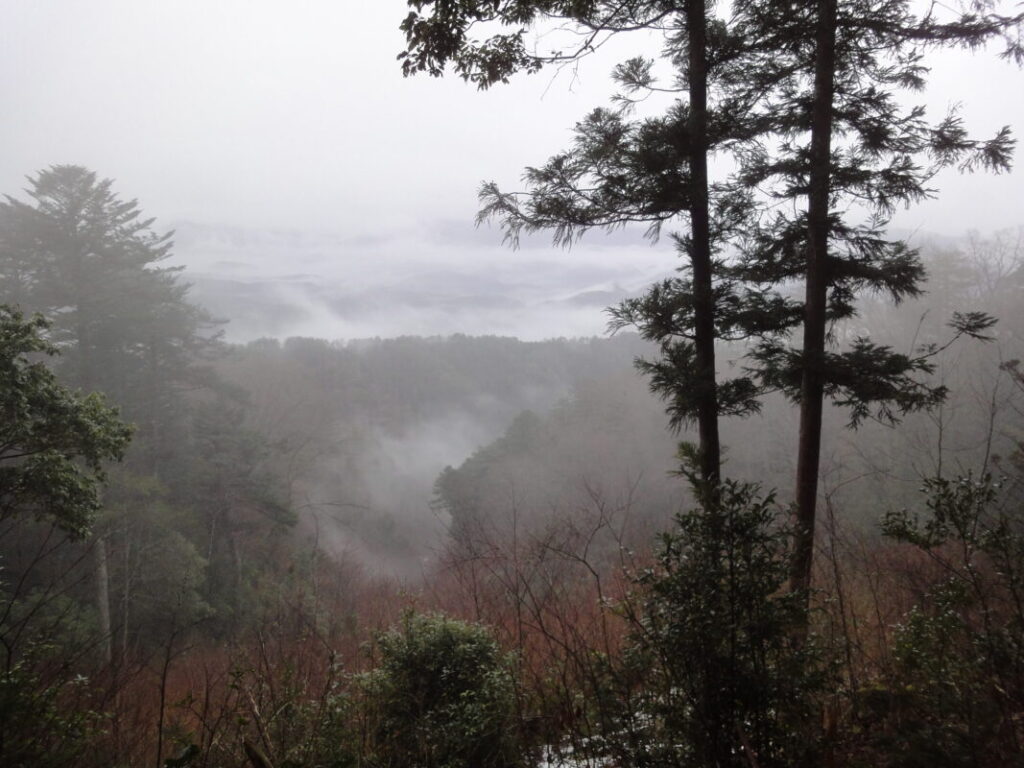
View from Hatchōzaka
Ridgeline trail leading to Iwayaji
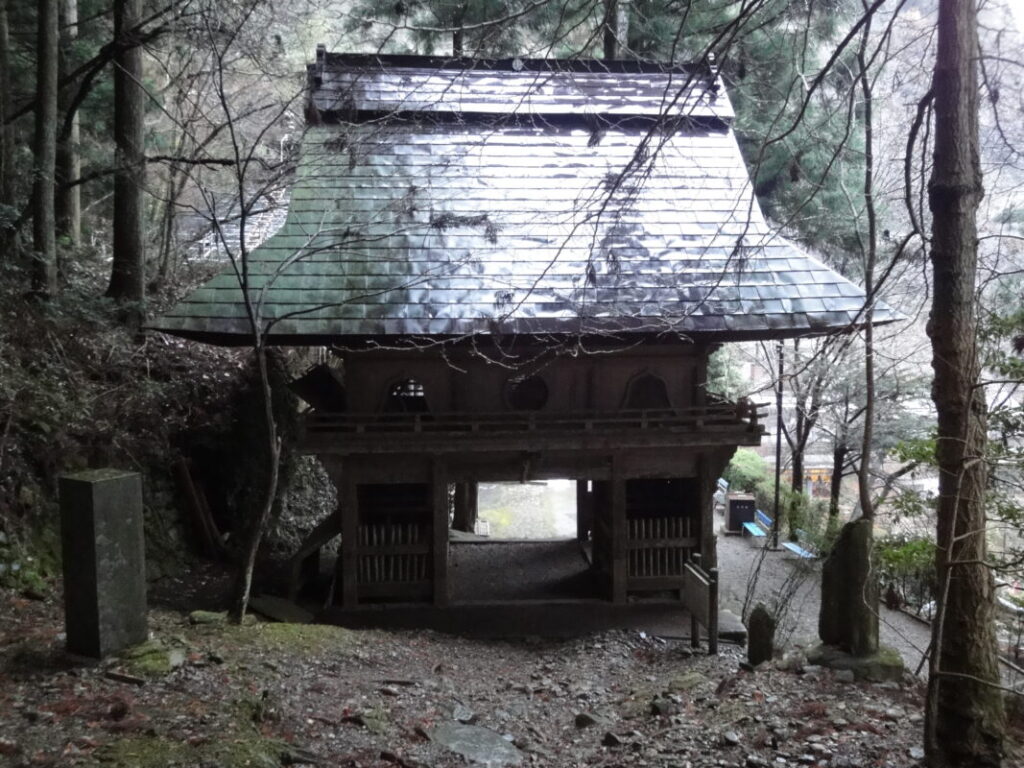
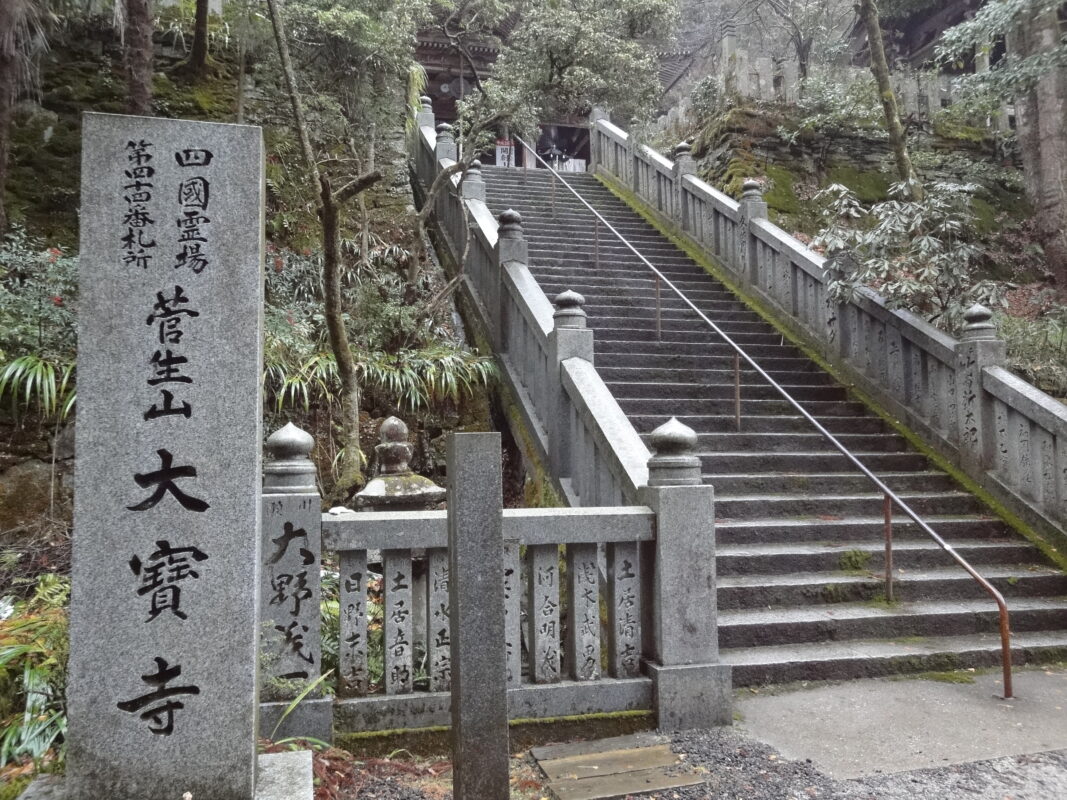
Gate of Iwayaji viewed from the Hatchōzaka Trail
The Dramatic Scenery of Iwayaji and Furuiwaya
Iwayaji is one of the most unforgettable temples on the Shikoku Pilgrimage.
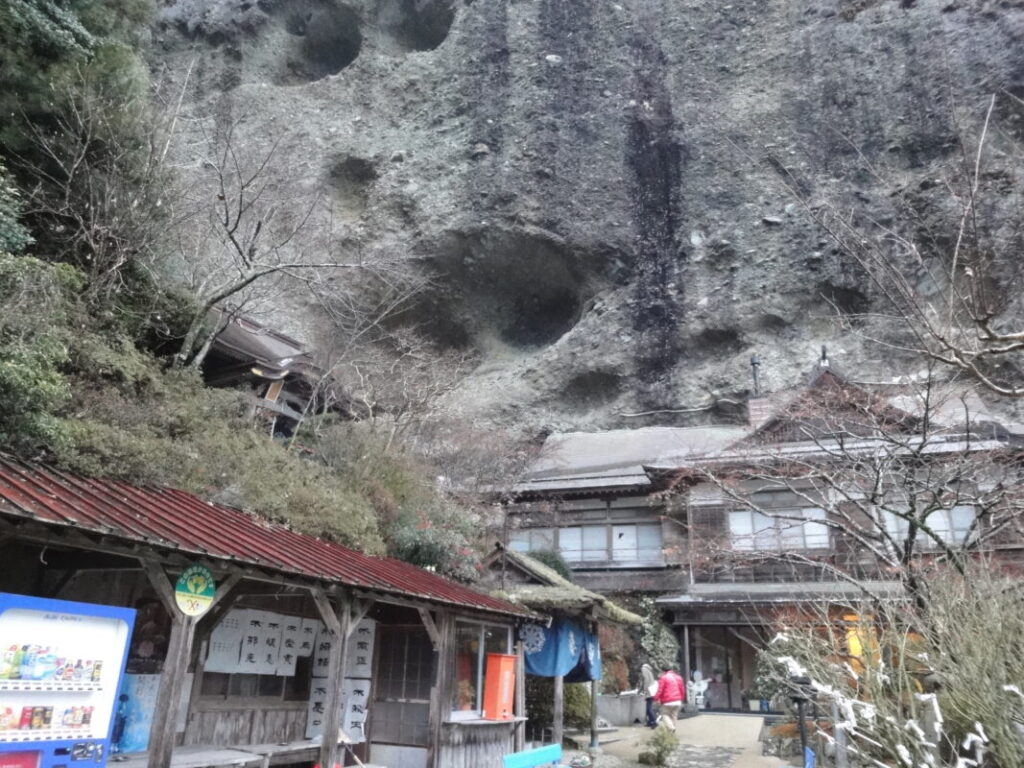
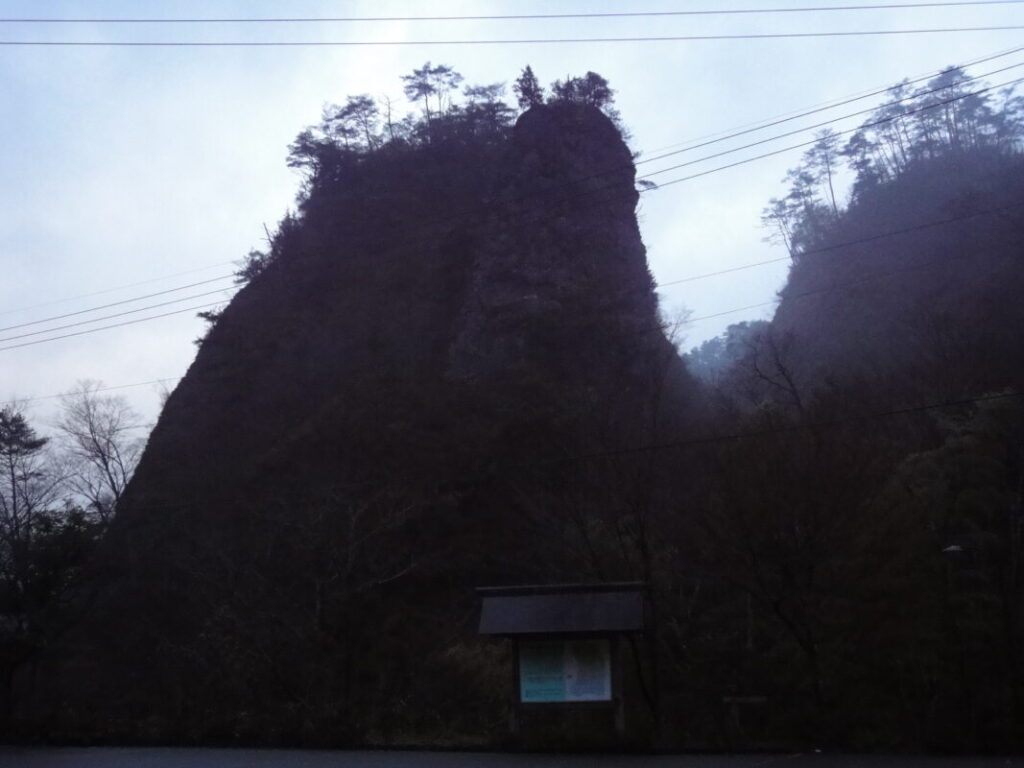
Behind the Main Hall, a sheer cliff of towering rock rises almost vertically, creating a breathtaking scene that immediately draws your attention.
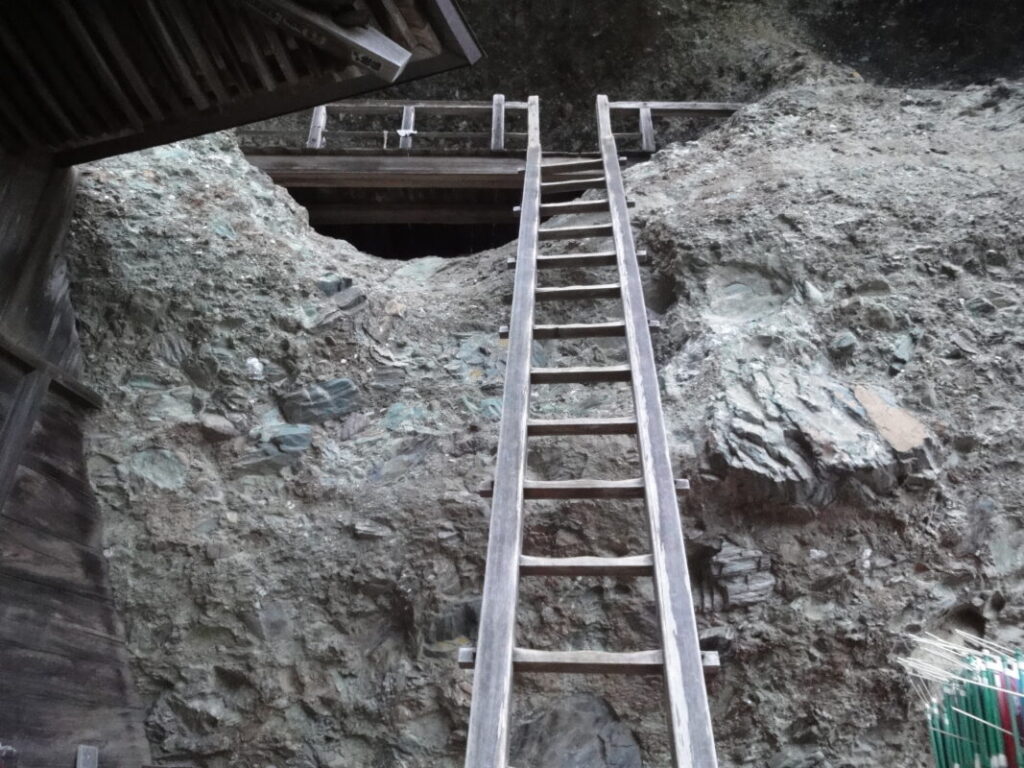
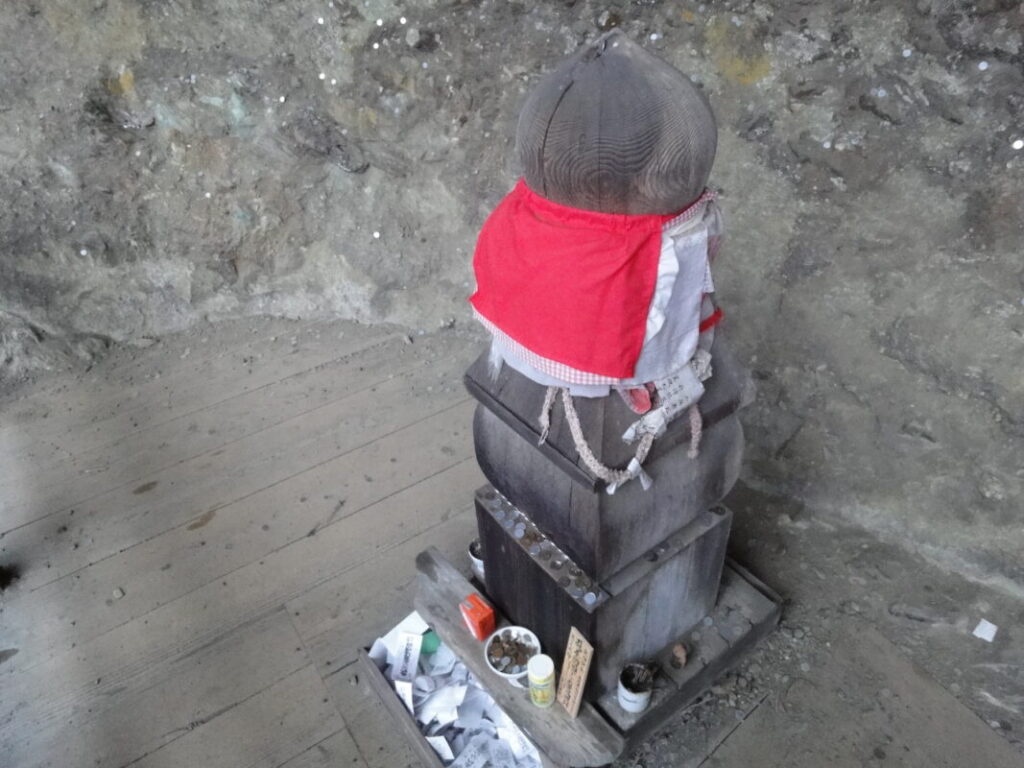
On the right side of the Main Hall, a ladder leads up the cliff to the remains of the Hokke Sennindō, a small hall built in a natural rock alcove. Traditionally regarded as a place where mountain ascetics practiced, it offers a glimpse into Iwayaji’s long history as a mountain training temple.
The surrounding area is part of Furuiwaya, a National Place of Scenic Beauty known for its massive rock formations and unusual cliffs. The landscape here is unlike anywhere else along the pilgrimage route.
As a walking pilgrim, I often found myself thinking about the long road to the next temple. But here, I remember being completely captivated by the dramatic scenery around me, forgetting the distance still ahead.
Iwayaji is also famous for its autumn foliage, when vibrant fall colors attract many visitors in addition to pilgrims.
Cliffs behind Iwayaji Temple
Ladder beside the Main Hall of Iwayaji
Hokke Sennindō
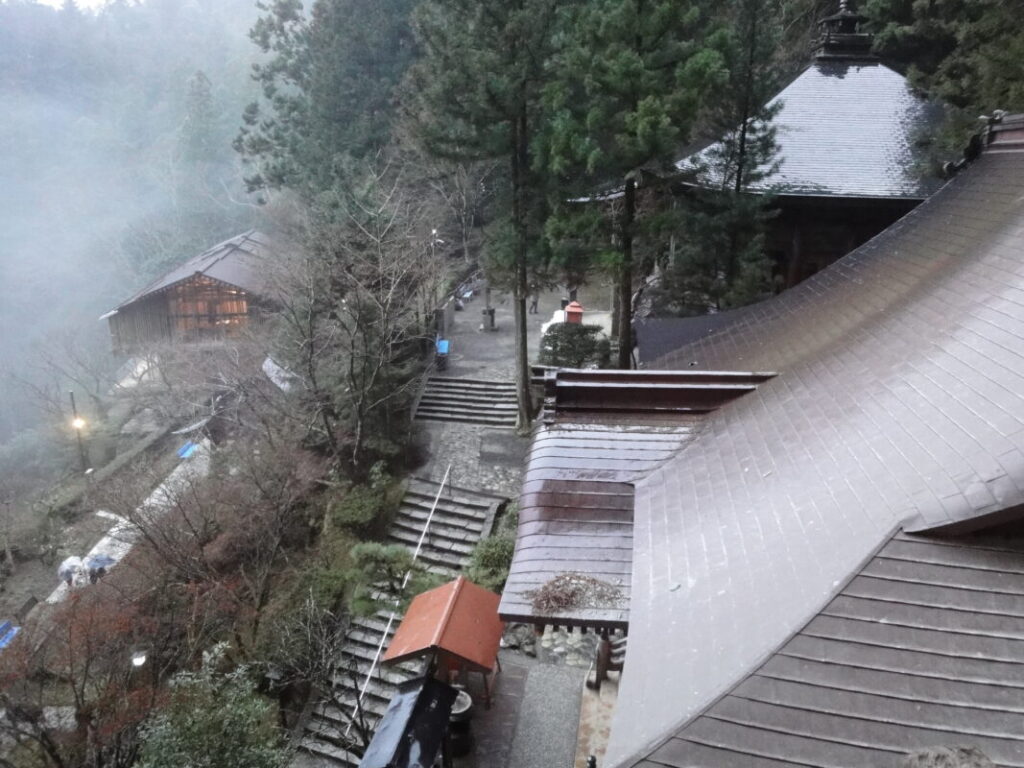
View from the Hokke Sennindō
Staying at Kokumin Shukusha Furuiwayasō
I stayed at Kokumin Shukusha Furuiwayasō (National Resort Inn), located about 3 km (1.9 miles) from Iwayaji. It is a convenient accommodation option for pilgrims after completing their visit to the temple.
The inn has a natural hot spring, where I was able to relax and soothe my tired body after walking through the mountain trails.
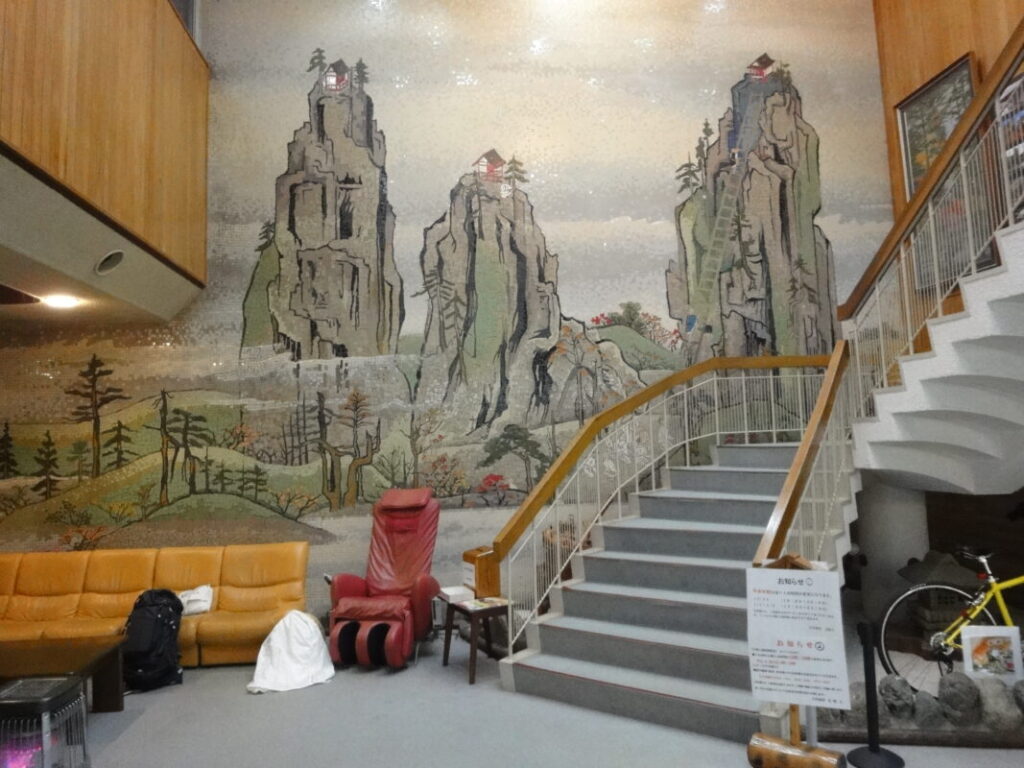
The open atrium lobby features a mosaic artwork based on the National Treasure “Ippen Shōnin Eden”, a picture scroll created around the late 13th century. The scenes of the Iwayaji area depicted on the walls remain remarkably similar to the present-day landscape, making it a fascinating artwork that preserves a view of the region from about 700 years ago.
Mosaic artwork at Furuiwayasō
Scenery of Furuiwaya, a National Place of Scenic Beauty
Nearby Accommodation
If you plan to stay near Iwayaji or between the surrounding pilgrimage temples, see the article below.
Related Articles
Shikoku 88 Temple Pilgrimage Route: Full List, Distance & Walking Time Guide.
Temple List and Full Route
Comments