
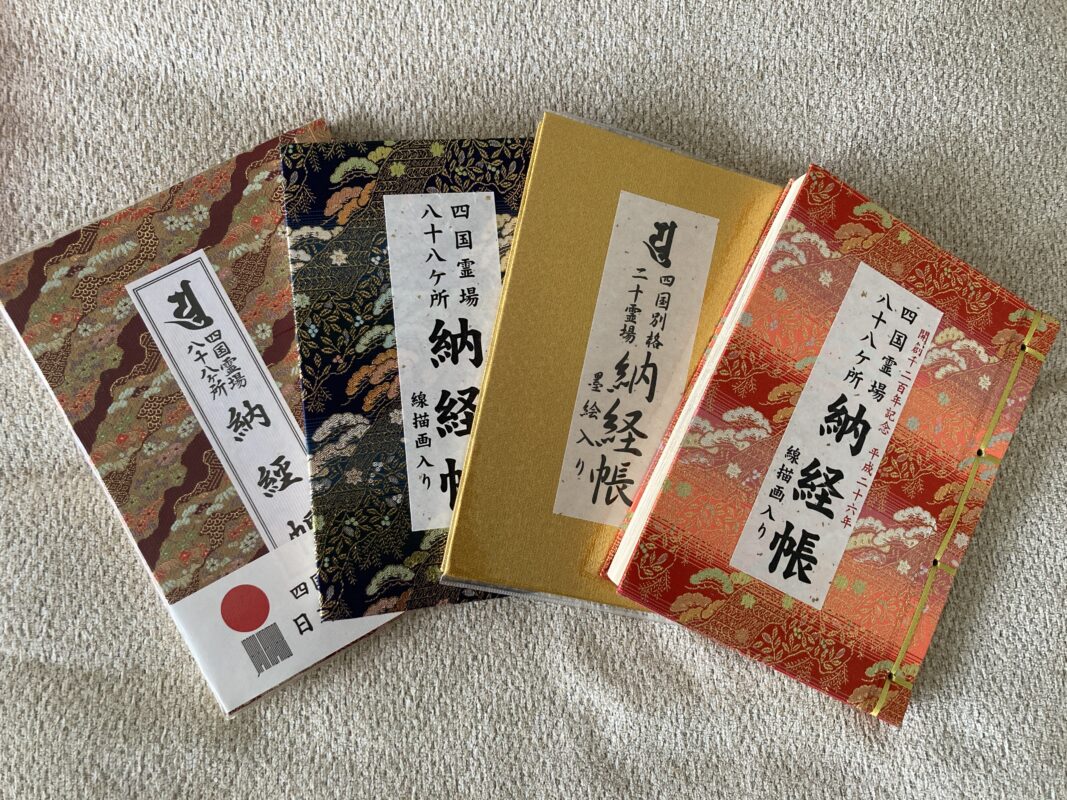
What Is a Nōkyōchō? The Stamp and Record Book of the Shikoku Pilgrimage
A Nōkyōchō is a special pilgrimage book used at Buddhist temples to record proof of worship. Temple names, the principal Buddhist deity enshrined at each temple, the date of visit, and other details are handwritten in ink and stamped with a vermilion seal as a record of having completed nōkyō.
On the Shikoku Pilgrimage (Ohenro), pilgrims can receive a unique temple stamp for each sacred site by paying the nōkyō fee at the nōkyō office of each temple. By collecting stamps from Temple No. 1 to Temple No. 88, the Nōkyōchō becomes an important record of completing the pilgrimage around Shikoku.
A Nōkyōchō is a record of pilgrimage and temple visits
Originally, the term “nōkyō” meant offering Buddhist sutras to a temple. Today, even without physically presenting copied sutras, it is common to receive handwritten inscriptions and vermilion seals in a Nōkyōchō as proof of prayer, chanting, and worship at a temple.
Since the temple names, principal deities, and other details are handwritten one by one in each book, every Nōkyōchō becomes a unique pilgrimage record found nowhere else in the world.
During the Shikoku Pilgrimage, many pilgrims travel while collecting nōkyō at all 88 sacred sites. After completing the pilgrimage (ketsugan), the Nōkyōchō is often treasured as a meaningful keepsake filled with memories of the journey.
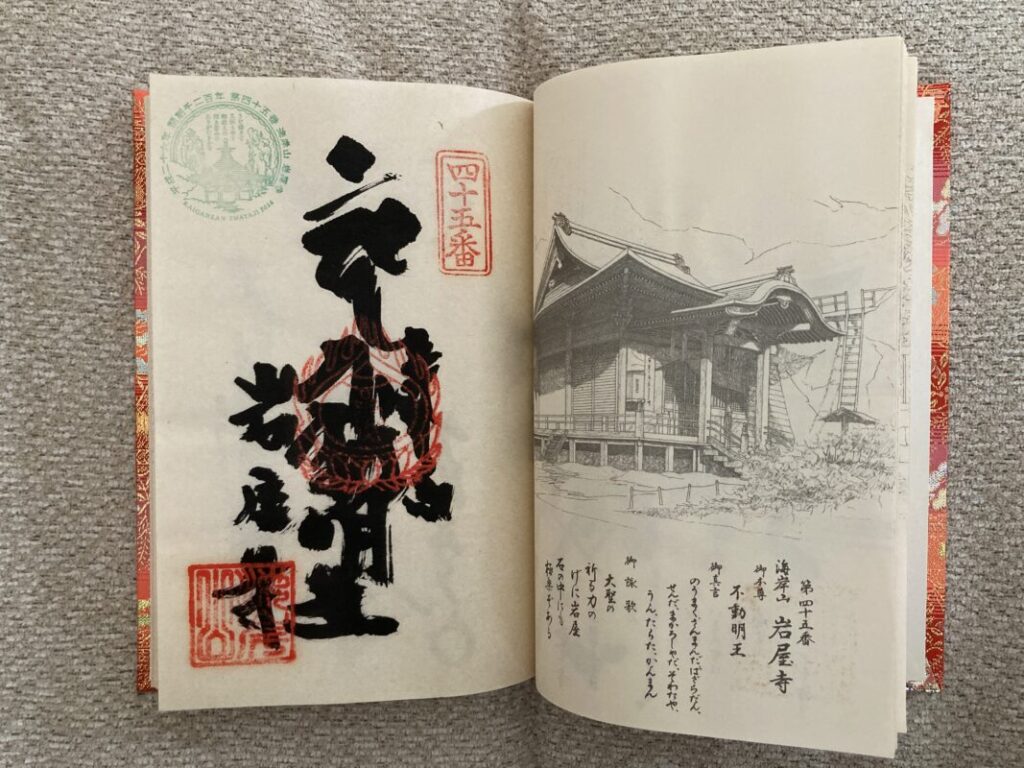
Difference between a Nōkyōchō and a Goshuinchō
Although a Nōkyōchō and a Goshuinchō may look similar, they differ in purpose and design.
A typical Goshuinchō is a book used to collect goshuin from shrines and temples. In contrast, a Nōkyōchō designed for the Shikoku Pilgrimage is specifically made for receiving nōkyō from the 88 temples of the Shikoku Henro, with enough pages to record all 88 sacred sites.
Many Shikoku Pilgrimage Nōkyōchō are also designed so that the large, beautifully handwritten inscriptions received at each temple can fit neatly on each page, making them especially suitable for pilgrimage use.
Related Articles
Is a Nōkyōchō Necessary for the Shikoku Pilgrimage?
A common question from people starting the Shikoku Pilgrimage is, “Do I have to buy a Nōkyōchō?”
The answer is: No, a Nōkyōchō is not required.
However, there are reasons why many pilgrims choose to use one. This section explains whether a Nōkyōchō is necessary and what other options are available.
A Nōkyōchō is not required
On the Shikoku Pilgrimage, you can visit all 88 temples even if you do not have a Nōkyōchō.
Even when receiving nōkyō, it is possible to have the inscriptions and seals recorded on items other than a Nōkyōchō.
That said, many pilgrims on the Shikoku Pilgrimage bring a Nōkyōchō with them. This is because it allows all 88 temple records to be collected in one book and preserved as a lasting record of the pilgrimage.
The Meaning of Carrying a Nōkyōchō on the Shikoku Pilgrimage
A Nōkyōchō filled with different handwritten inscriptions and vermilion seals from each temple becomes a precious keepsake that allows pilgrims to look back on the paths they walked and the encounters they experienced along the way.
I personally completed the Shikoku Pilgrimage on foot and received nōkyō at all 88 temples in my Nōkyōchō.
During the pilgrimage, watching my Nōkyōchō gradually fill up each time I visited a sacred site gave me a strong sense of accomplishment.
Other Items That Can Receive Nōkyō (Hanging Scrolls and White Robes)
Nōkyō can be received on various pilgrimage items besides a Nōkyōchō.
The three most common options are:
Hanging scroll (Kakejiku):
Receiving nōkyō from all 88 temples creates a beautiful finished piece resembling a work of art. Some pilgrims have it professionally mounted after completing the pilgrimage and display it in their homes.
White robe (Byakue):
This is a method of receiving nōkyō on the white robe worn during the pilgrimage. After completion, some pilgrims preserve it as a memento or treasure it as proof of having completed the pilgrimage.
Nōkyōchō:
This is the most common method. It is easy to carry and store, allowing memories of the journey to be collected together in one book.
For first-time pilgrims, many people choose a Nōkyōchō because it is convenient to handle and easy to carry throughout the journey.
My Thoughts After Collecting All 88 Temple Stamps on Foot
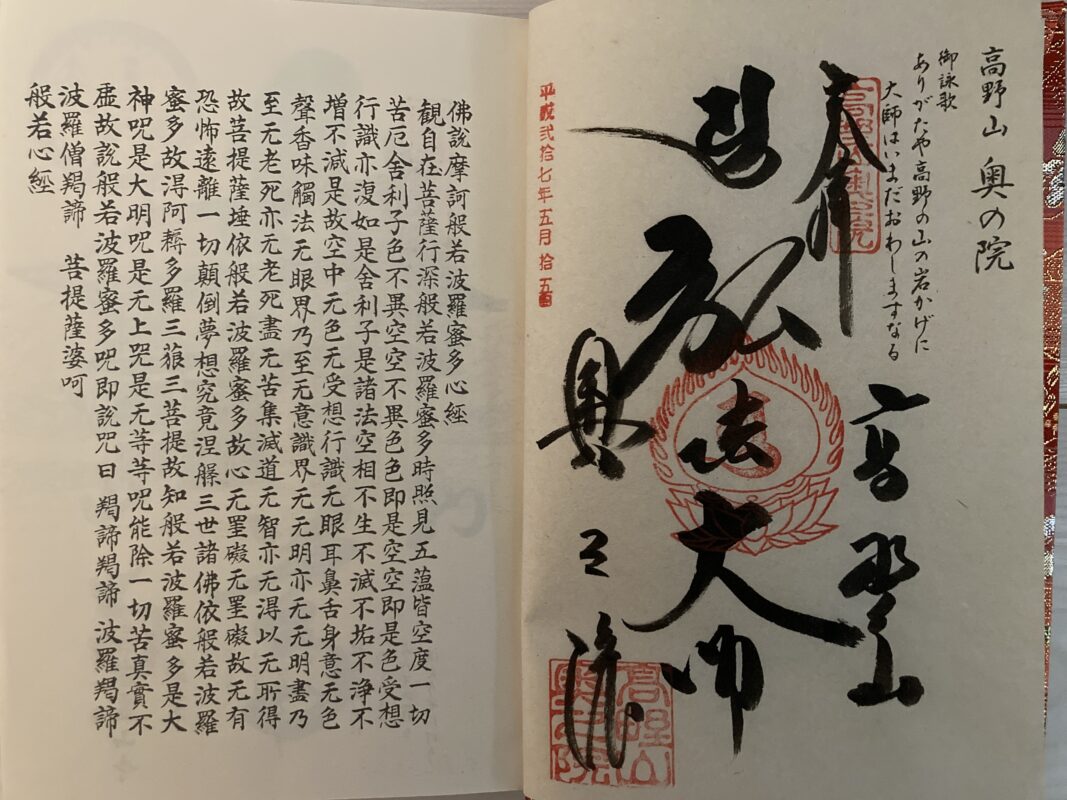
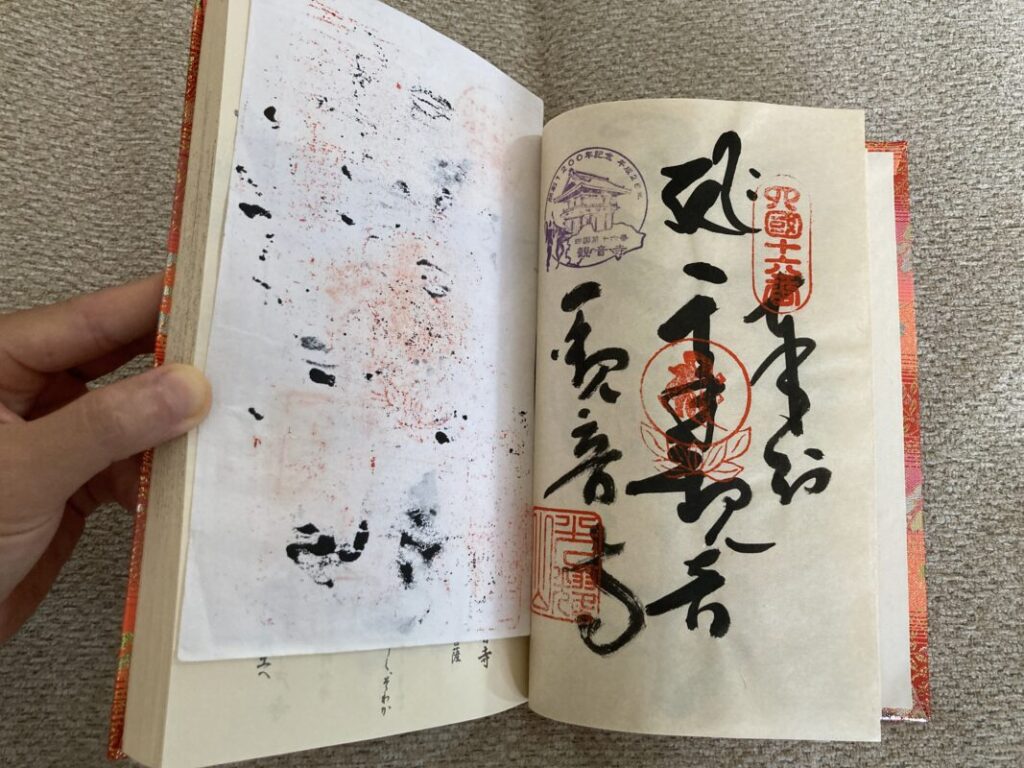
At the nōkyō office, when you hand over your Nōkyōchō, the temple staff write the inscriptions directly in front of you.
I was always fascinated by the flowing yet powerful and bold brush strokes.
After completing the pilgrimage, when I looked back through the Nōkyōchō from the first page to the last, the book itself had become a collection of memories from the entire Shikoku Pilgrimage. Simply seeing the handwritten inscriptions brought back vivid memories of the roads I walked, the scenery I saw, and the experiences I had at each temple.
Another joy of a Nōkyōchō is appreciating the different brush styles and vermilion seals from each sacred site. Even though it is the same Shikoku Pilgrimage, every temple has its own character, and simply turning the pages allows you to revisit the journey.
A Nōkyōchō is not essential, but if you want to preserve the memories of your Shikoku Pilgrimage in a tangible form, I believe it is well worth bringing one with you.
For a complete list of temple stamps from all 88 temples of the Shikoku Pilgrimage, see this article.
A complete list of Goshuin from the Shikoku 88 Temple Pilgrimage. Discover temple stamps from Temples 1–88, with photos, temple information, history, highlights, and walking pilgrimage experiences.
How to Choose a Nōkyōchō
Nōkyōchō come in a variety of designs and prices, but for first-time Shikoku Pilgrimage pilgrims, the points that often cause the most confusion are size and price.
Here, I will explain the differences between each option and share my recommendations based on my own experience as a walking pilgrim.
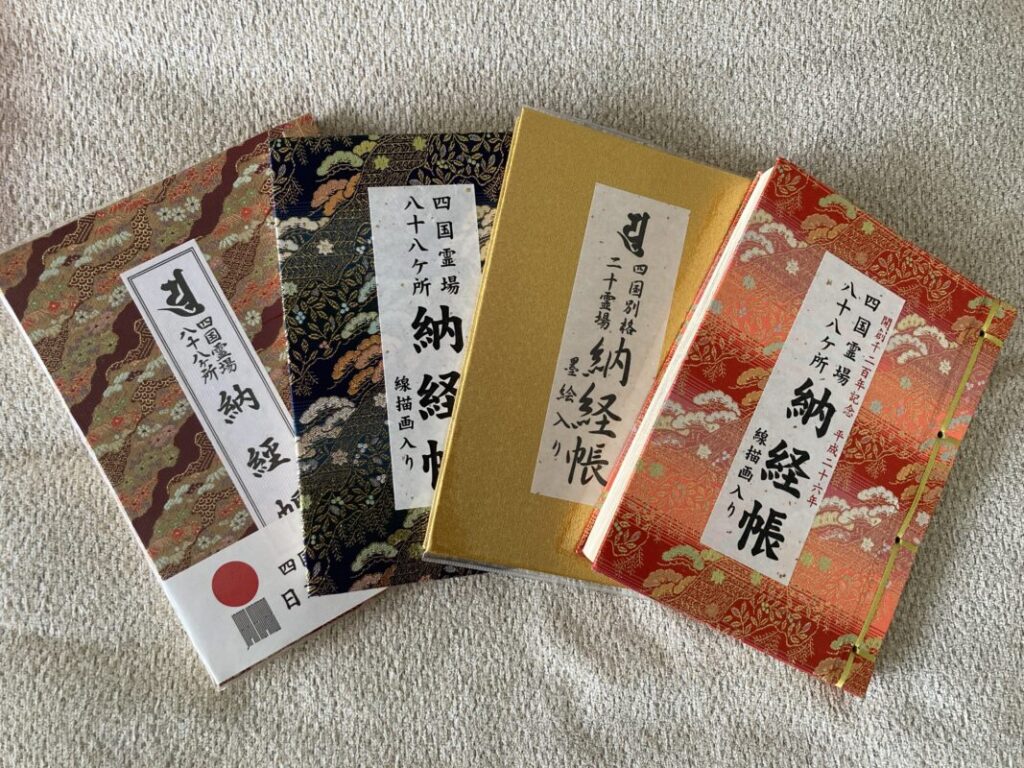
Differences Between Standard and Mini Sizes
Nōkyōchō made for the Shikoku Pilgrimage are generally available in two main sizes: standard size and mini size.
Standard size
The standard size has larger pages, allowing the handwritten inscriptions to be displayed beautifully and prominently. When completed, it has a more impressive appearance.
Approximately 25 cm high × 18 cm wide. The handwritten inscriptions are larger, creating a more impressive finished appearance.
Mini size
On the other hand, the mini size fits easily into a backpack and is popular among walking pilgrims who want to reduce the weight of their luggage as much as possible.
Approximately 20 cm high × 15 cm wide. Compact and lightweight, making it easier to carry.
Differences in Price (Paper Quality, Cover, and Finish)
The typical price of a Nōkyōchō is around 3,000 yen.
More expensive Nōkyōchō often use higher-quality Japanese paper and carefully selected cover materials. They tend to prevent ink from bleeding and produce a more beautiful final result.
For use on the Shikoku Pilgrimage, however, an affordable Nōkyōchō is perfectly sufficient. There is no difference in the meaning of the nōkyō received or the spiritual benefits, so you can choose based on your budget and preferred design.
Recommended Size for Walking Pilgrims
For those walking the Shikoku Pilgrimage, a mini size may seem like the best choice simply because it is easier to carry and helps reduce luggage weight.
However, I personally recommend the standard size.
Although the standard size takes up slightly more space, the handwritten inscriptions are larger and more powerful, and the difference in appearance after collecting all 88 temple records is significant.
The price difference between the standard and mini sizes is also not very large.
There is no guarantee that you will have many opportunities to complete the Shikoku Pilgrimage multiple times. Therefore, if you consider it as a book that will remain with you for many years, I recommend the standard size because of the greater satisfaction you will feel when it is finally completed.
Where Can You Buy a Nōkyōchō?
Nōkyōchō designed for the Shikoku Pilgrimage can mainly be purchased at the sacred temples along the pilgrimage route or through online stores. Each option has its own advantages, so choose the method that best suits your needs.
Buying One at Temple No. 1
For first-time Shikoku Pilgrimage pilgrims, it is common to purchase a Nōkyōchō at Temple No. 1, Ryōzenji Temple.
By preparing your Nōkyōchō at the very beginning of your pilgrimage, you can collect all your nōkyō records in a single book from Temple No. 1 through Temple No. 88.
I also purchased my Nōkyōchō at Temple No. 1 and received all 88 temple inscriptions in that one book. Even now, after completing the pilgrimage, I continue to treasure it as a special collection of memories from my journey.
Buying One at Other Temples
Nōkyōchō are also sold at many temples other than Temple No. 1.
However, not every temple sells Nōkyōchō. Some temples may not carry them or may be temporarily out of stock. Therefore, if you are planning to “buy one at one of the first few temples,” it is important to keep this in mind.
If you want to make sure you can purchase one, it is safest to prepare your Nōkyōchō early, such as at Temple No. 1 or another temple known to sell them.
Buying One Online
Nōkyōchō can also be purchased through online stores.
Preparing one in advance allows you to use it from the first day of your pilgrimage. Another advantage is that you can choose from a wide variety of designs.
However, Nōkyōchō differ in paper quality, cover texture, weight, and overall feel depending on the product. These details can be difficult to judge from photos alone.
For this reason, I recommend choosing one by actually holding it at a temple shop and checking the texture, design, and feel before making a purchase.
How to Use a Nōkyōchō
A Nōkyōchō is used to receive nōkyō at the temple office after completing your prayers and worship. By learning the proper way to use and store your Nōkyōchō, you can keep this important record in good condition throughout your journey to all 88 temples.
How to Hand Over Your Nōkyōchō at the Temple Office
After completing your visit and chanting prayers, open your Nōkyōchō and hand it to the staff at the nōkyō office.
In general, it is best to open the book to the next available page before handing it over, as this makes the process smoother. The temple staff will write the temple name, principal deity, and other details by hand in ink in front of you, and then apply the vermilion seal.
How Much Does Nōkyō Cost?
When receiving nōkyō, you pay the designated nōkyō fee at each temple.
The current fees for the Shikoku 88 Temple Pilgrimage are as follows:
- Hanging scroll (Kakejiku): 700 yen
- Nōkyōchō: 500 yen
- Nōkyōchō (additional seal / repeated stamping): 300 yen
- White robe (Byakue): 300 yen
Note: Nōkyō fees may change. Please check with each temple for the latest information.
Let the Ink and Seals Dry Before Closing the Book
Immediately after receiving nōkyō, the handwritten ink and vermilion seals may not be completely dry. If you close the Nōkyōchō right away, the ink or seals may transfer onto the opposite page, so care is needed.
Usually, the temple office will provide a sheet of paper to place between the pages, or you can use a thin piece of paper or newspaper to protect the pages while they dry.
Many temple offices also have hair dryers available. Using a hair dryer to dry hanging scrolls and white robes is common practice.
How to Store Your Nōkyōchō Without Damaging It
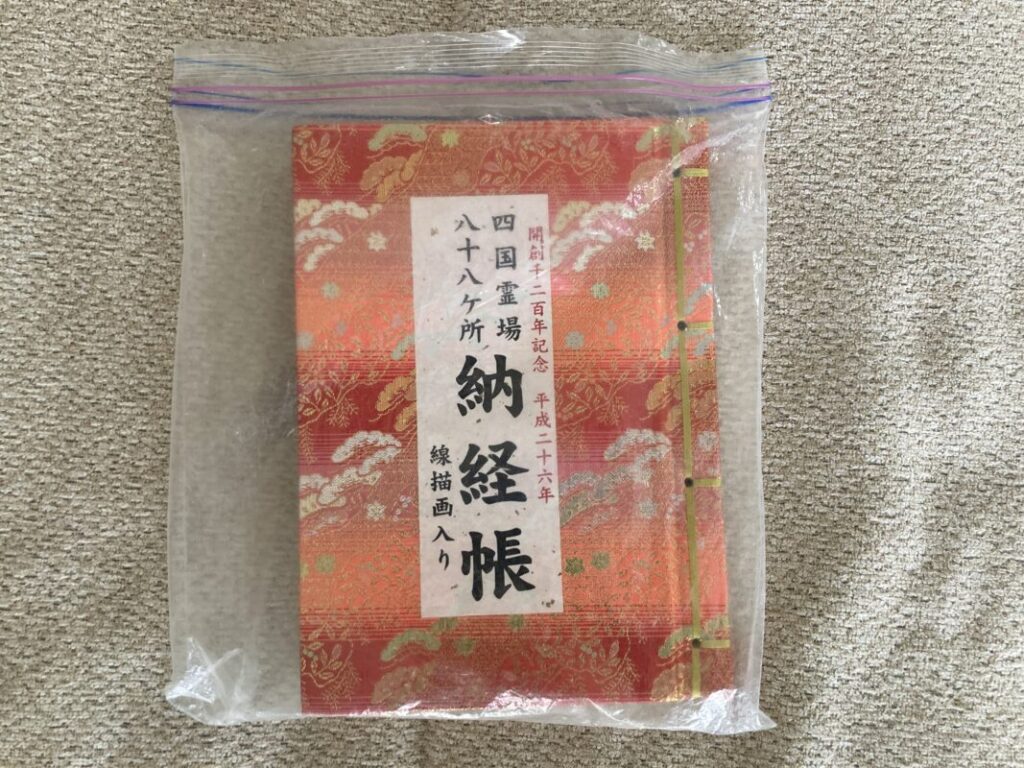
For walking pilgrims, continuing the journey regardless of weather conditions means encountering rain is not uncommon. Therefore, protecting your Nōkyōchō from water is essential.
A recommended method is to carry it inside a zippered storage bag, such as a Ziploc bag, that is large enough to fit the Nōkyōchō. This protects it from rainwater and sweat inside your backpack and provides peace of mind in case of bad weather.
During my own walking pilgrimage, I encountered heavy rain several times. However, because I kept my Nōkyōchō in a zippered storage bag, I was able to receive all 88 temple records without getting it wet even once.
Conclusion
A Nōkyōchō is not essential for the Shikoku Pilgrimage.
However, many pilgrims choose to carry one because it allows them to preserve proof of visiting all 88 temples in a single book.
I also completed the pilgrimage on foot, and even now, whenever I open my Nōkyōchō, the scenery I saw and the experiences I had along the way come vividly back to mind.
The Shikoku Pilgrimage is not something most people experience many times in their lives.
Choose a Nōkyōchō that you truly like, and use it to preserve the memories of your journey through all 88 sacred sites.