
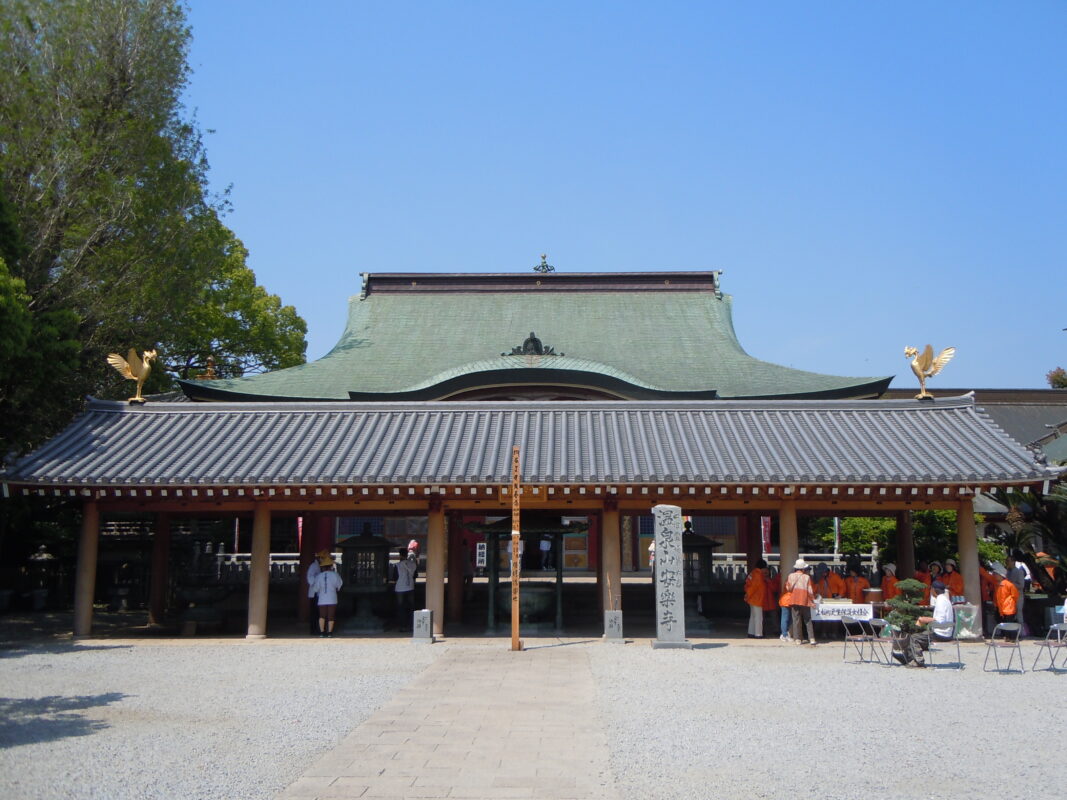
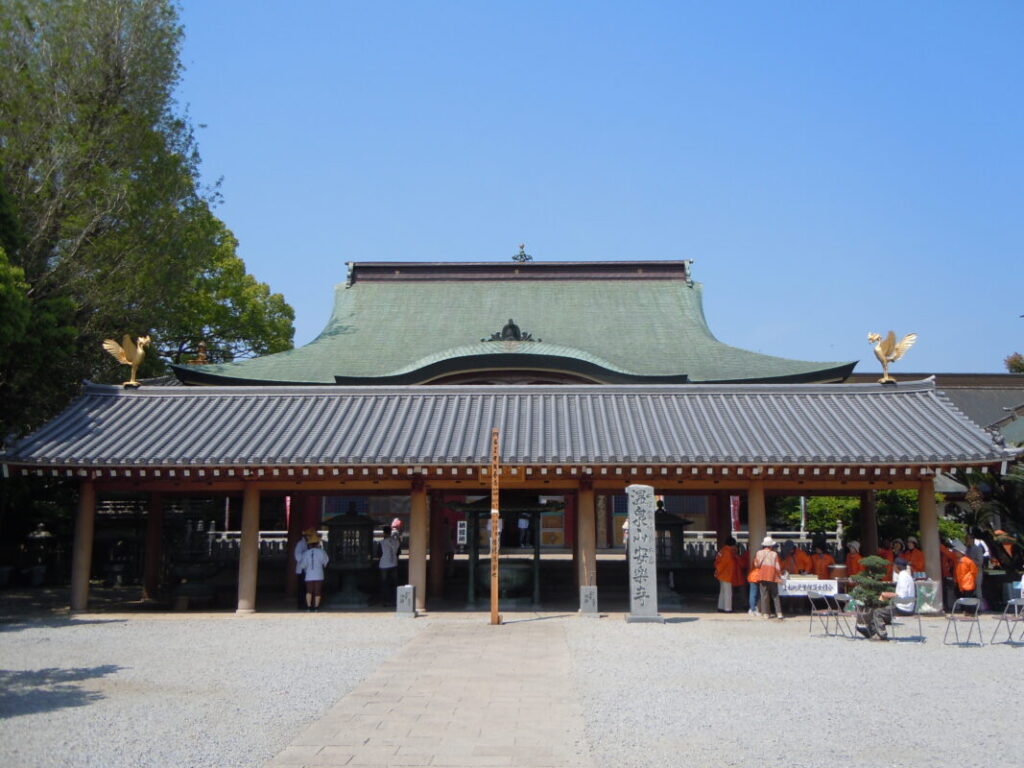
Anrakuji Temple Information
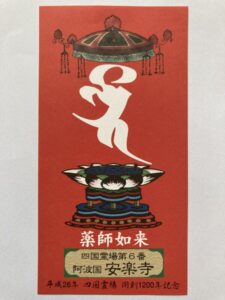
Goshuin
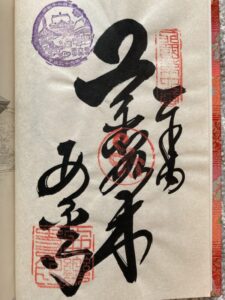
- Omie
- 1,200th Anniversary Edition
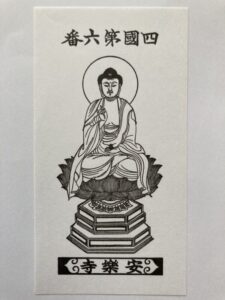
Basic Information
| Principal Deity | Yakushi Nyorai |
| Elevation | 20 m |
| Google Maps | MAP |
Accommodation
| Shukubo (Temple Lodging) | Available |
| Tsuyado (Free Pilgrim Shelter) | Available |
History & Highlights
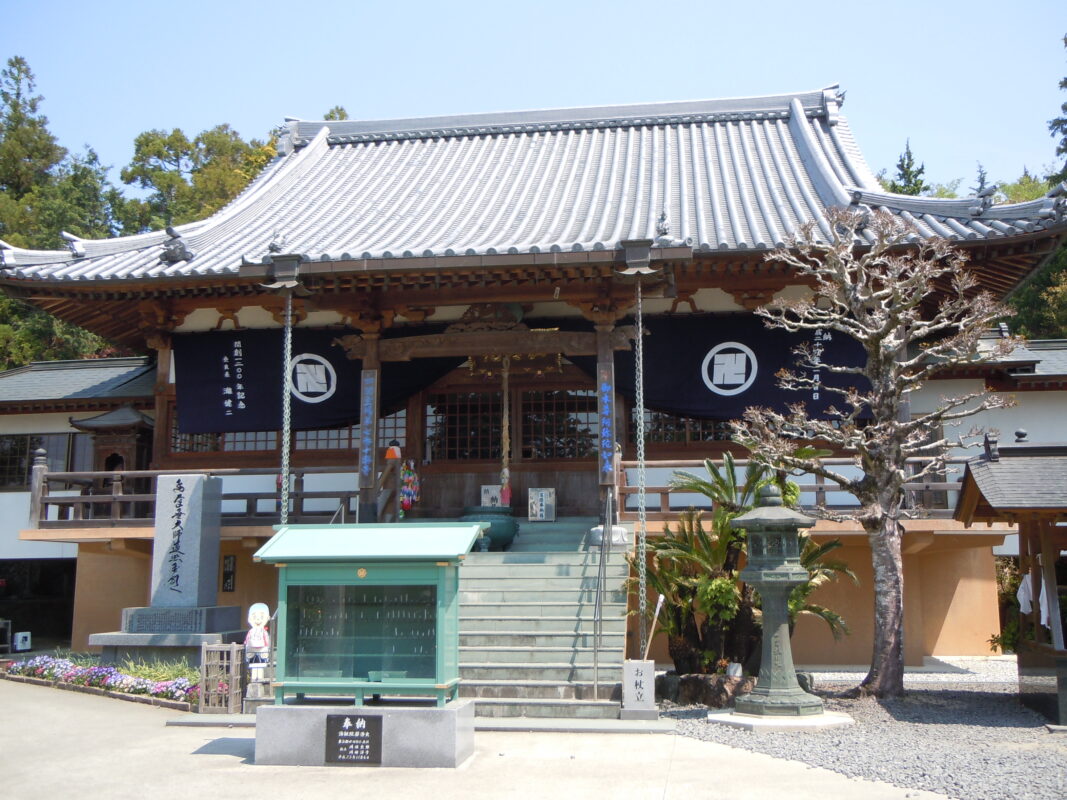
Anrakuji is an ancient temple closely associated with Kōbō Daishi, renowned for its natural hot springs. For centuries, it has served as both a place for therapeutic bathing and a lodging for pilgrims. The temple features a shukubō (temple lodging) with a history of more than 400 years, as well as natural hot springs, and is widely visited by worshippers praying for recovery from illness.
Route Map, Distance & Travel Time
You can switch between the tabs to view the routes to the previous and next temples.
Select “Driving Route” from the map’s upper-left menu to display the driving route.
Click the Full Screen icon in the upper-right corner of the map to open it in Google Maps for a larger, easier-to-view map.
- From Previous Temple
- To Next Temple
Previous Temple: Jizoji
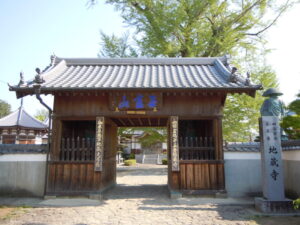
| Distance | 5.3 km |
| Walking | 1 hr 30 min |
| Driving | 15 min |
Next Temple: Jurakuji
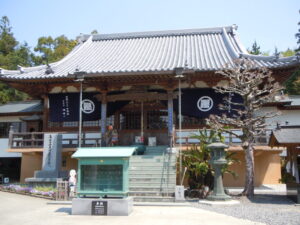
| Distance | 1.2 km |
| Walking | 20 min |
| Driving | 5 min |
Transportation Guide
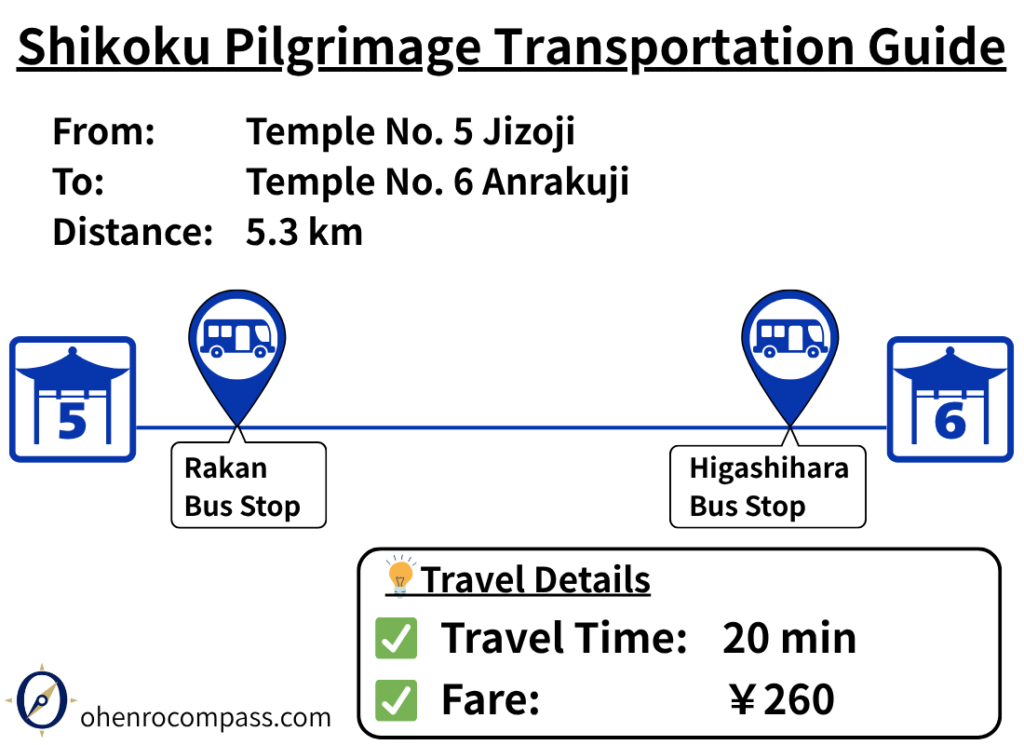
Find the bus route from 5th Temple Jizoji to 6th Temple Anrakuji on the Shikoku Pilgrimage. Travel takes about 20 minutes and costs ¥260. Includes bus stops, travel time, timetable, and a comparison with the walking route.
My Walking Experience
The route from Jizōji to Anrakuji is straightforward—simply head west, with little chance of losing your way. If you follow the pilgrimage signs, you can walk along the old route through quiet residential streets. Alternatively, you can take Prefectural Route 12, where you’ll find convenience stores and restaurants along the way, making it a good option if you’d like to stop for a meal or stock up on supplies.
Receiving Osettai at Anrakuji
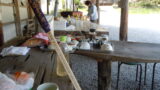
When I visited Anrakuji, local volunteers were offering osettai to pilgrims within the temple grounds. I was treated to a cup of amazake, a traditional sweet rice drink, which was a welcome comfort after hours of walking.
Osettai is one of the unique traditions of the Shikoku Pilgrimage, reflecting the warmth and generosity of the local community. While it is not available every day, if your timing is right, it can become one of the most memorable experiences of your pilgrimage.
Related Articles
Temple Lodging
Anrakuji offers a shukubō (temple lodging) equipped with convenient facilities such as Wi-Fi, coin-operated laundry machines, and even natural hot springs.
Because it is located at an ideal distance from Temple No. 1, Ryōzen-ji, it is a popular overnight stop for many walking pilgrims on the first day of their journey.
Nearby Accommodation
If you plan to stay near Anrakuji or between the surrounding pilgrimage temples, see the article below.
Related Articles
Shikoku 88 Temple Pilgrimage Route: Full List, Distance & Walking Time Guide.
Temple List and Full Route
Comments