
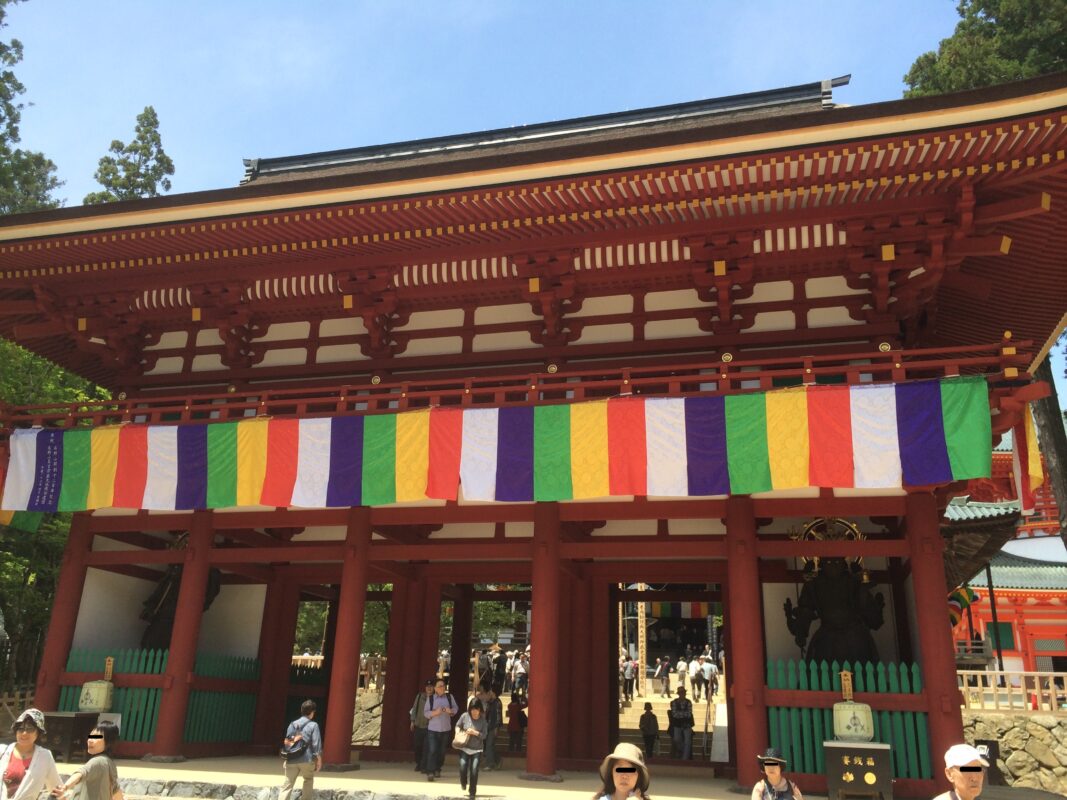
When visiting a Buddhist temple in Japan, you may notice colorful curtains hanging at the entrance or in front of the main hall. These curtains often feature five colors, such as green, dark blue, white, red, and yellow.
Have you ever wondered why these five colors are used and what they represent?
These curtains are generally known as goshiki-maku, or five-colored Buddhist curtains. In Buddhist tradition, the five colors are associated with the body and teachings of the Buddha.
In this article, we explain the meaning of these colorful temple curtains and the symbolism behind each color.
What Are the Five-Colored Curtains at Japanese Temples?
The colorful curtains displayed at Buddhist temples in Japan are commonly called goshiki-maku, meaning “five-colored curtains.”
They are used to decorate temple buildings and create a solemn atmosphere for Buddhist ceremonies and special occasions. They may be displayed during events such as the dedication of a newly completed temple building or Hanamatsuri, the celebration of the Buddha’s birth.
The traditional five colors are generally blue, yellow, red, white, and black. However, some temples use green instead of blue or purple instead of black.
For this reason, the exact combination of colors may differ from one temple to another.
What Do the Five Colors Represent?
In Buddhist tradition, the five colors are associated with the body and teachings of the Buddha. Each color has a symbolic meaning.
The following are representative interpretations of these colors. Their explanations may vary depending on the Buddhist tradition or temple.
Blue or Green: Calmness and Meditation
Blue is traditionally associated with the Buddha’s hair and symbolizes calmness and meditation, known as zenjo in Japanese Buddhism.
Green may be used in place of blue in some temple curtains.
Yellow: Stability and Strength
Yellow is associated with the Buddha’s body and symbolizes firmness and an unshakable nature, often expressed through the concept of kongō, meaning something as strong and indestructible as a diamond.
Red: Compassion and Diligence
Red is associated with the Buddha’s blood and symbolizes compassion, dedication, and diligent effort in Buddhist practice.
White: Purity
White is associated with the Buddha’s teeth and represents purity of mind and conduct.
Black or Purple: Patience and Endurance
Black is traditionally associated with the Buddha’s robes and symbolizes ninniku, the Buddhist practice of patience and forbearance in the face of hardship.
Some temples use purple or other colors instead of black.
Why Do Temple Curtains Have Different Colors?
Not all Buddhist temples in Japan use exactly the same combination of colors.
Although blue, yellow, red, white, and black are commonly regarded as the traditional five colors, some temples use green for blue or purple for black.
The colors and their interpretations may also vary according to the temple’s Buddhist tradition, local customs, or the occasion for which the curtains are displayed.
Therefore, if you see curtains in green, dark blue, white, red, and yellow, it is best not to assume that every color has exactly the same meaning at every temple. Checking the temple’s own explanation can provide a more accurate understanding.
Examples of Temple Curtains
Temple No. 22, Byodo-ji
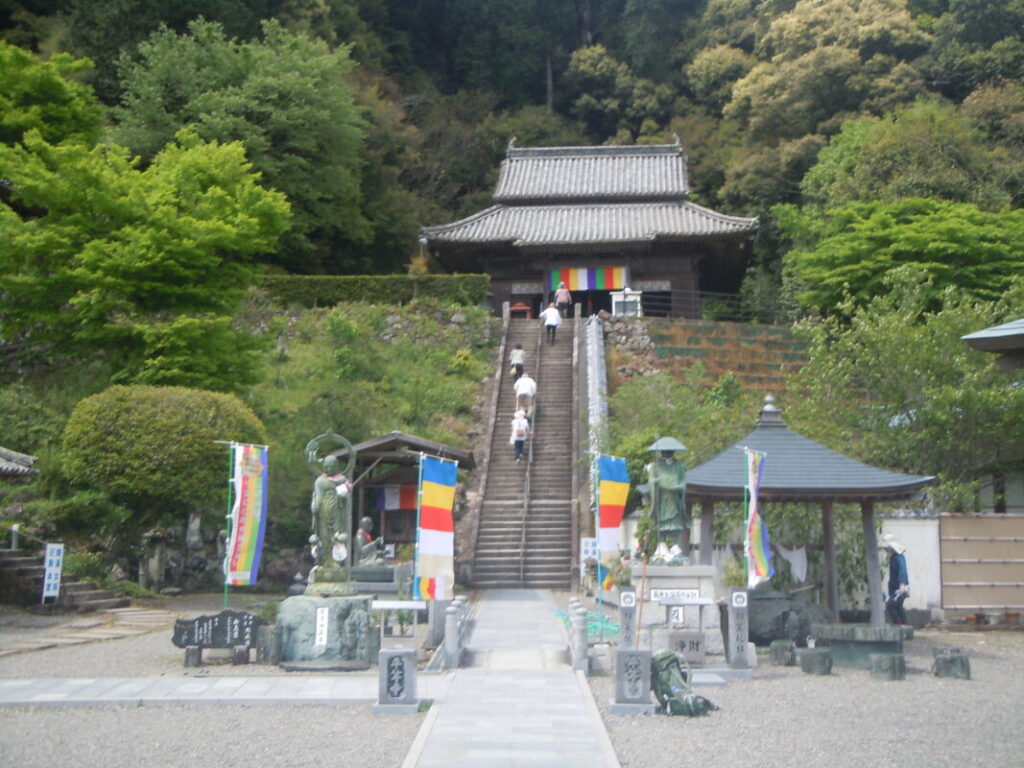
Temple No. 31, Chikurin-ji
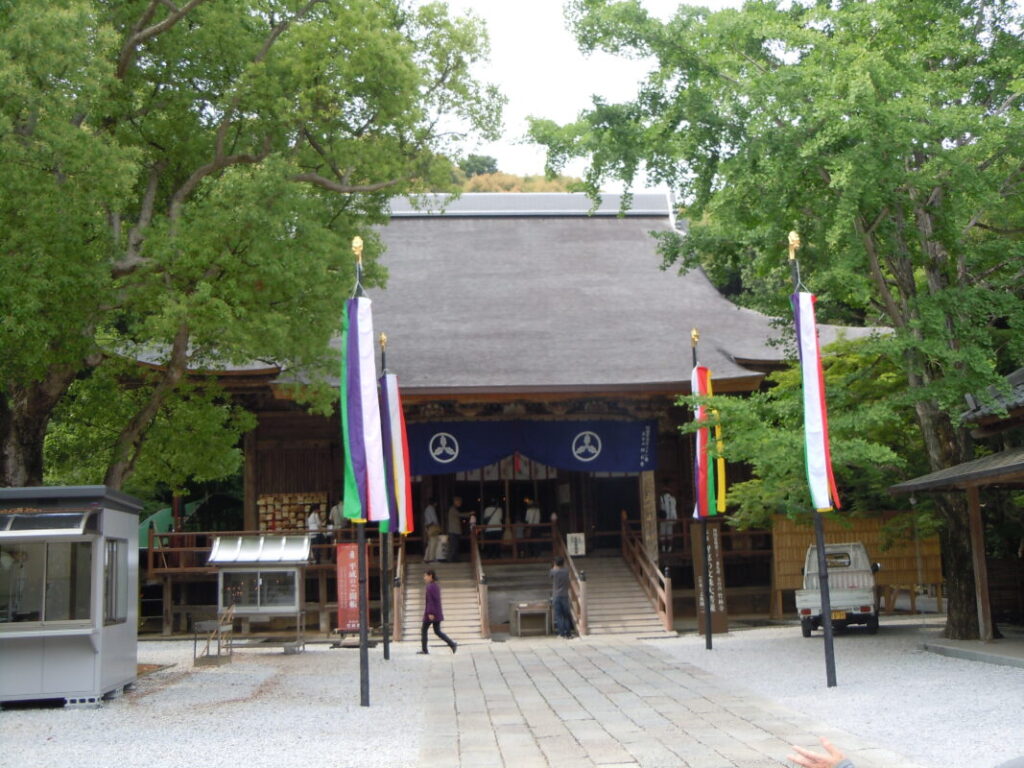
Temple No. 36, Shoryu-ji
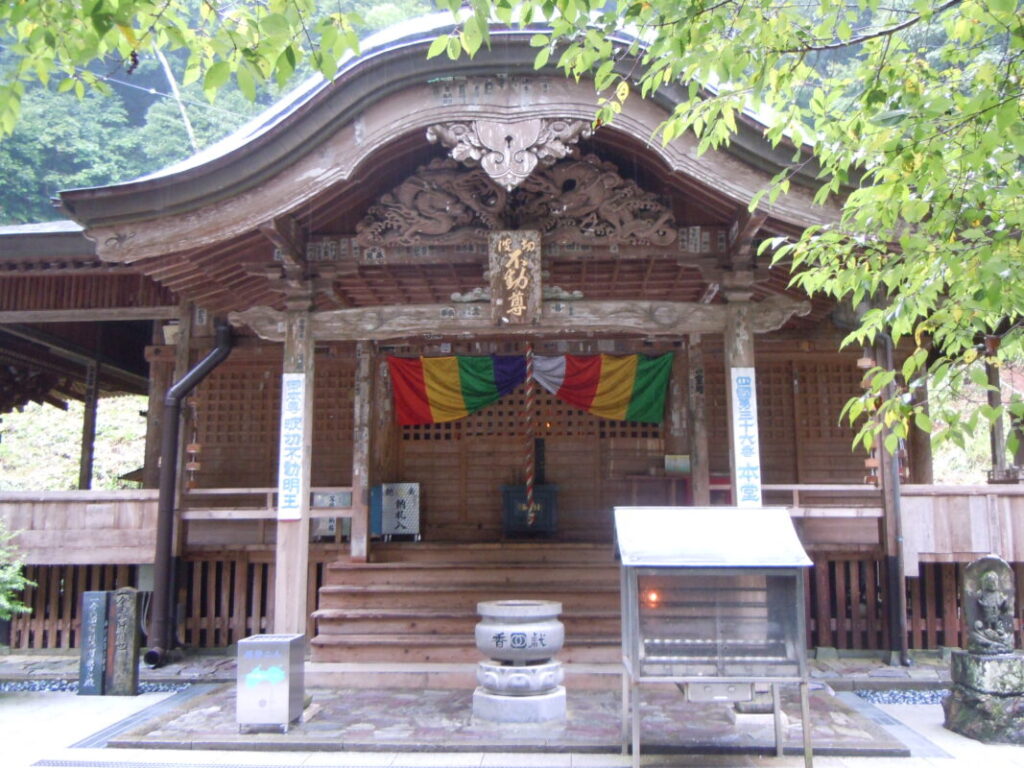
Temple No. 47, Yasaka-ji
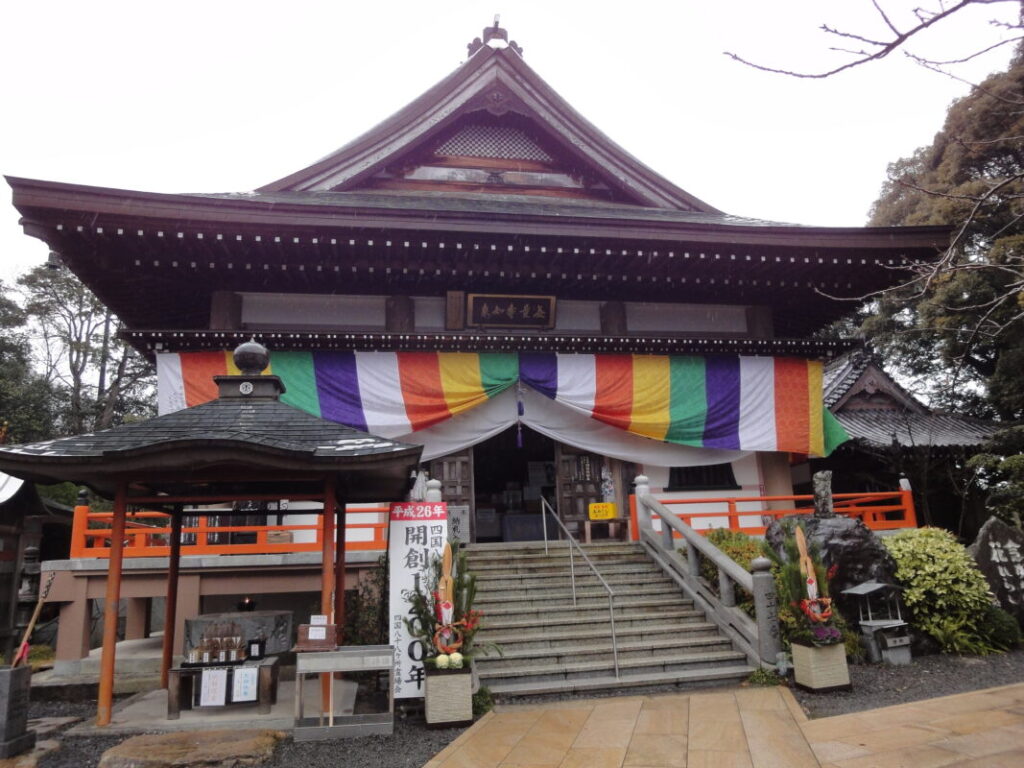
Temple No. 70, Motoyama-ji
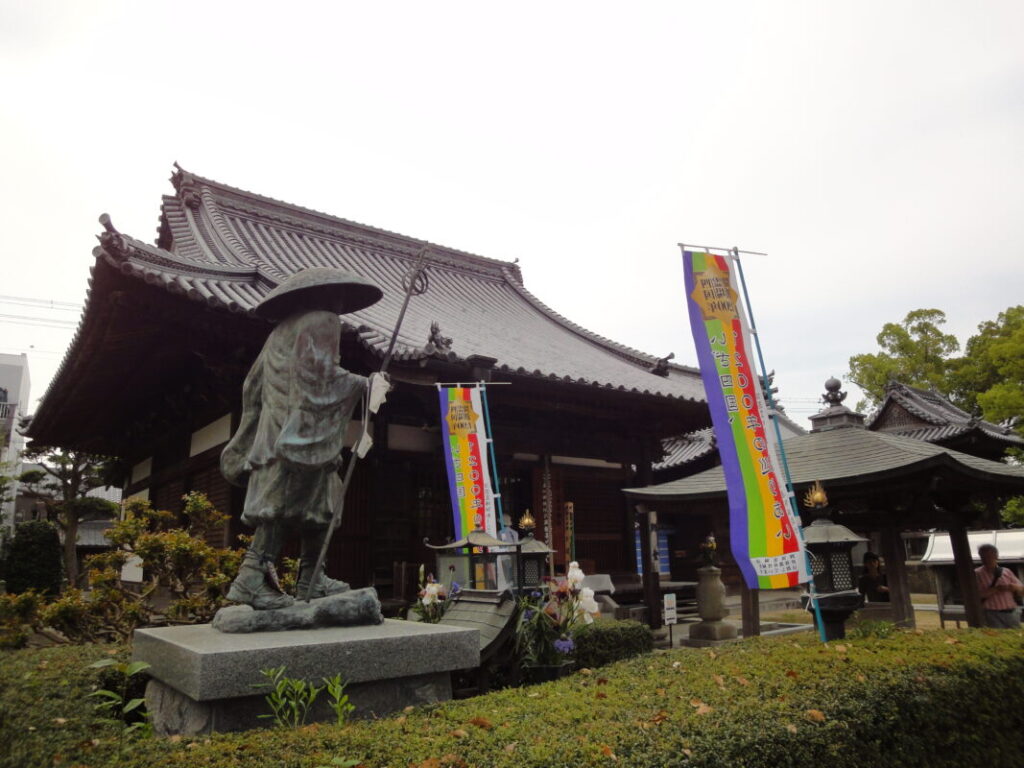
Koyasan
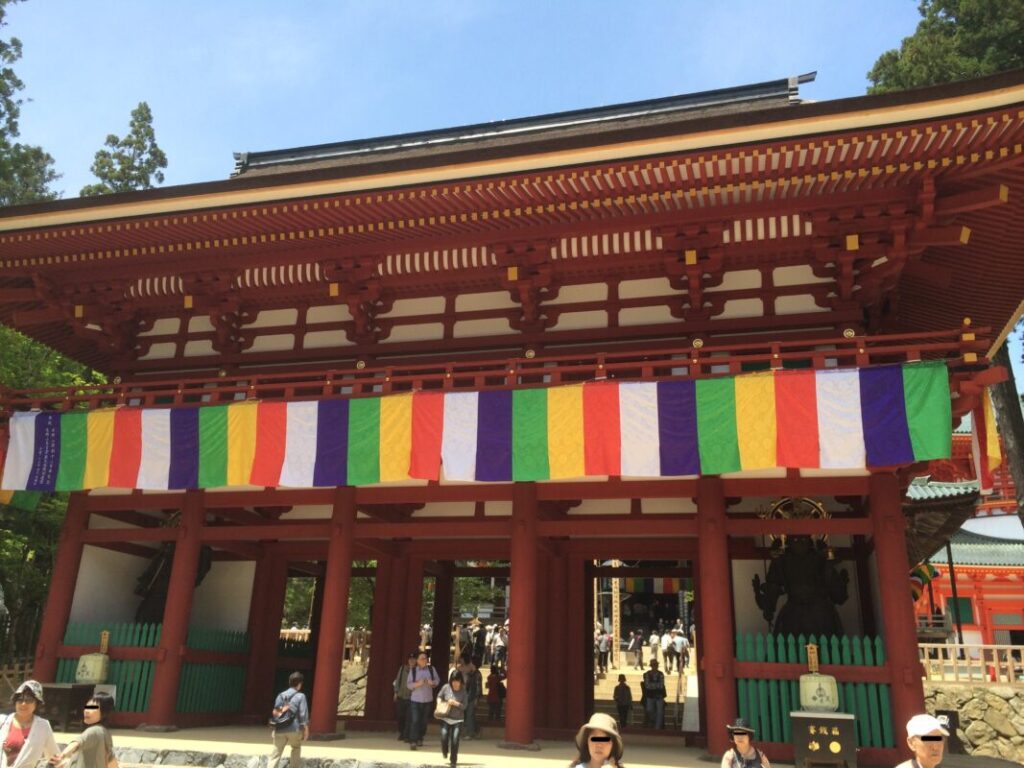
Look for the Meaning of Temple Curtains During the Shikoku 88 Temple Pilgrimage
During the Shikoku 88 Temple Pilgrimage, you may encounter colorful curtains hanging in front of temple halls or gateways.
It is easy to walk past them without giving them much thought, but these decorations can reflect Buddhist teachings and the traditions of each temple.
When you see five-colored curtains, take a moment to notice their colors and arrangement. You may also wish to find out whether they have been put up for a special ceremony or festival.
Learning about these details can add another layer of meaning to your pilgrimage, helping you appreciate not only the temple buildings and Buddhist statues but also the symbolism of their decorations.
Conclusion
The colorful curtains displayed at Japanese Buddhist temples are commonly known as goshiki-maku, or five-colored curtains.
The traditional colors are blue, yellow, red, white, and black, and they are associated with the body and teachings of the Buddha. Some temples use variations such as green or purple, and the symbolism may differ depending on the temple or Buddhist tradition.
The next time you visit a temple in Japan or travel along the Shikoku 88 Temple Pilgrimage, take a closer look at these colorful curtains. Understanding their symbolism can help you appreciate the rich traditions of Japanese Buddhism.
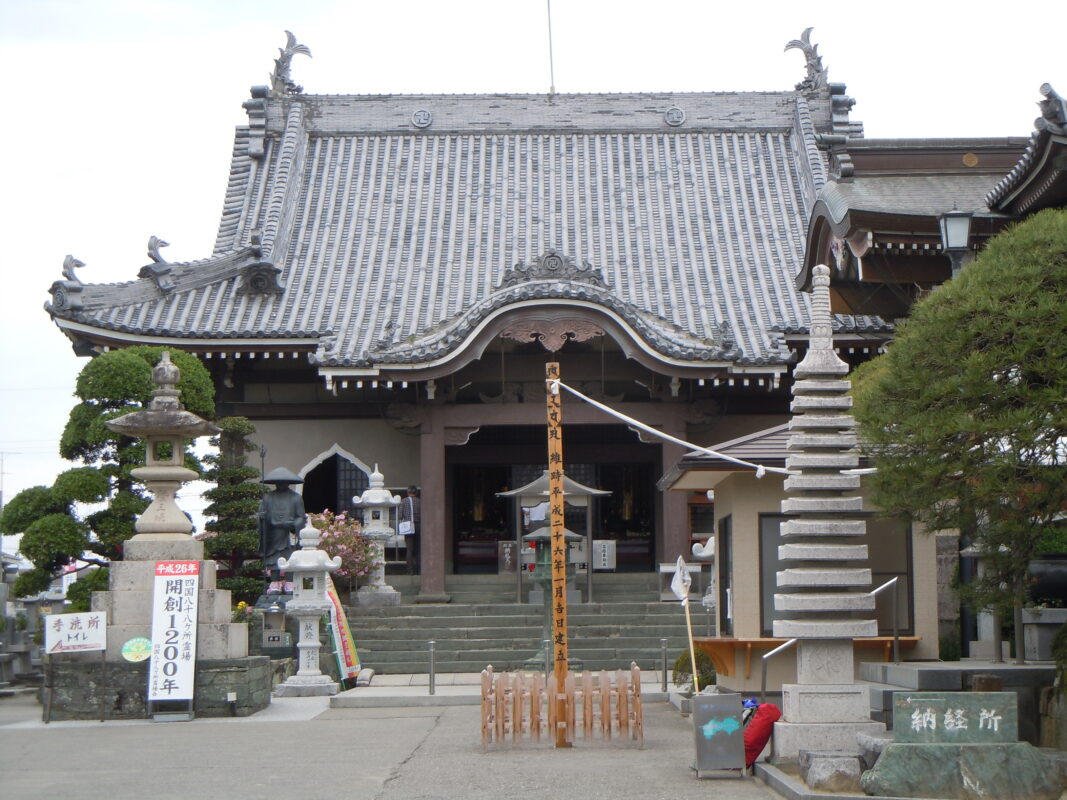


Comments