
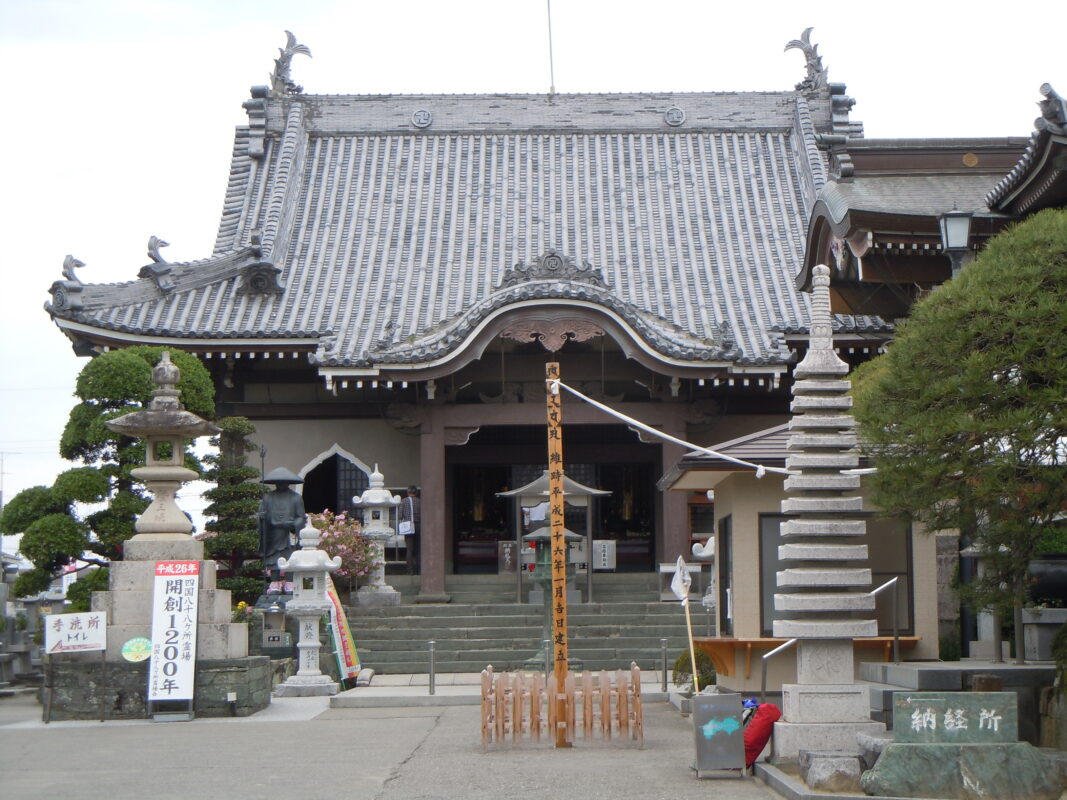
When visiting a Buddhist temple in Japan, you may notice a long rope extending from the main hall toward the outside.
Have you ever wondered what the rope is for, or whether you are allowed to touch it?
At some temples, the rope connects to the hand or finger of the principal Buddhist image and symbolizes a spiritual connection between the Buddha and worshippers.
In this article, we explain the meaning of these ropes, their role in Buddhist worship, and what to do when you encounter one during the Shikoku 88 Temple Pilgrimage.
What Is the Rope Extending from a Temple’s Main Hall?
At some Buddhist temples, a rope extends from the main hall and is connected to the hand or finger of the principal Buddhist image, known as the honzon.
Such ropes may be called Zen no Tsuna or Kechien-zuna, depending on the temple and its traditions. They symbolize a connection with the Buddha and the opportunity to form a spiritual bond through worship.
By touching or holding the rope, visitors can express their devotion and feel connected to the principal deity, even when the Buddhist image itself cannot be approached directly.
However, the name, purpose, and arrangement of the rope vary from temple to temple.
Zen no Tsuna: A Rope Connecting Worshippers with the Buddha
Zen no Tsuna is associated with the idea of forming a spiritual connection with the Buddha.
One well-known example can be seen at Zenkoji Temple in Nagano during its special unveiling ceremonies. A sacred rope connects the principal Buddhist image to a wooden pillar called an eko-bashira erected in the temple grounds.
Visitors touch the pillar as a way of establishing a spiritual connection with the Buddha.
This tradition illustrates how a rope or pillar can serve as a physical link through which worshippers express their faith and feel connected to the Buddha.
If You See a Rope Extending from a Temple Hall, Touch It and Form a Spiritual Connection
If you encounter a rope extending from the main hall during your pilgrimage, you may be able to touch it and form a spiritual connection with the principal deity.
However, these ropes are not found at every temple, and they are not necessarily available throughout the year. Some are installed only during special ceremonies or Buddhist image unveiling events.
When I visited the 88 temples of Shikoku, I saw ropes connecting to sacred pillars or principal Buddhist images at many temples during the commemorative events marking the 1,200th anniversary of the pilgrimage.
Such occasions can offer a special opportunity to feel connected to Buddhist images that are not normally accessible to the public.
If you see a rope extending from a temple hall during your Shikoku pilgrimage, check the temple’s instructions. If visitors are permitted to touch it, gently place your hand on the rope and offer your prayers with gratitude.
List of Zen no Tsuna (Sacred Ropes)
Temple No. 8, Kumadani-ji
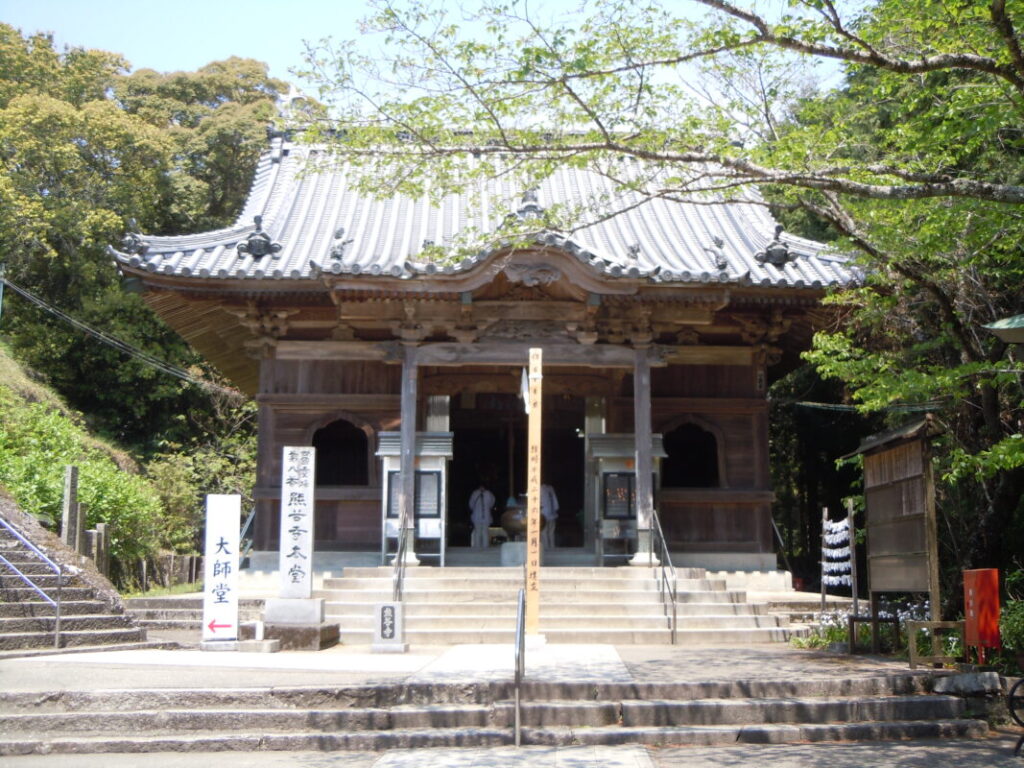
Temple No. 14, Joraku-ji
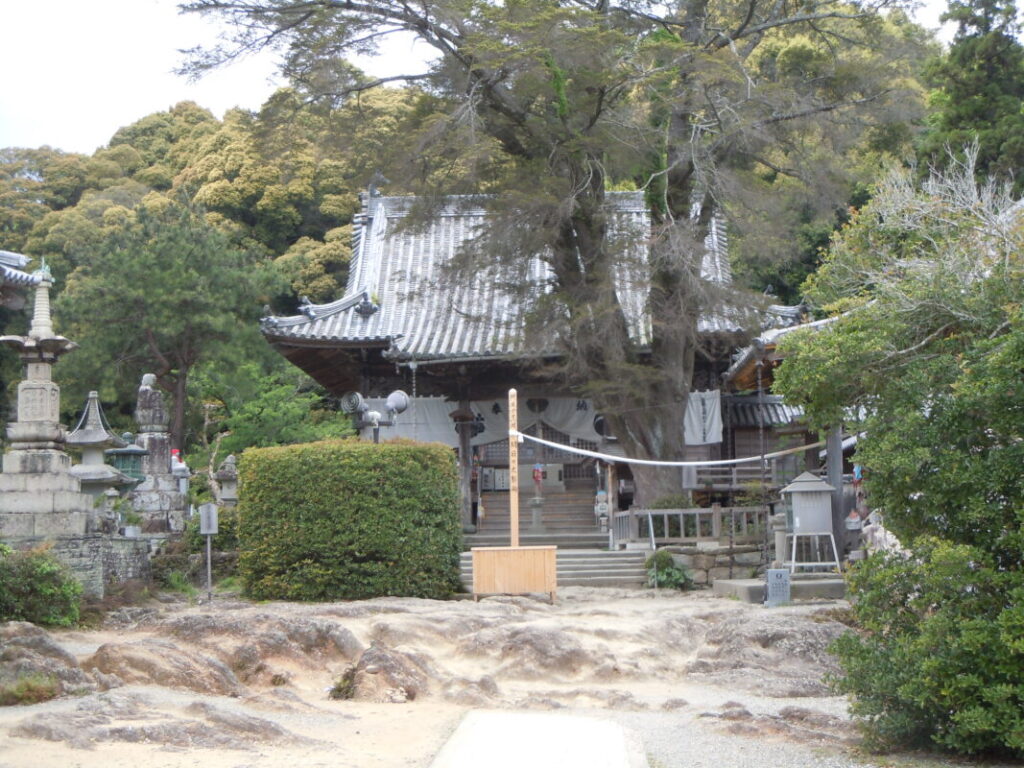
Temple No. 17, Ido-ji
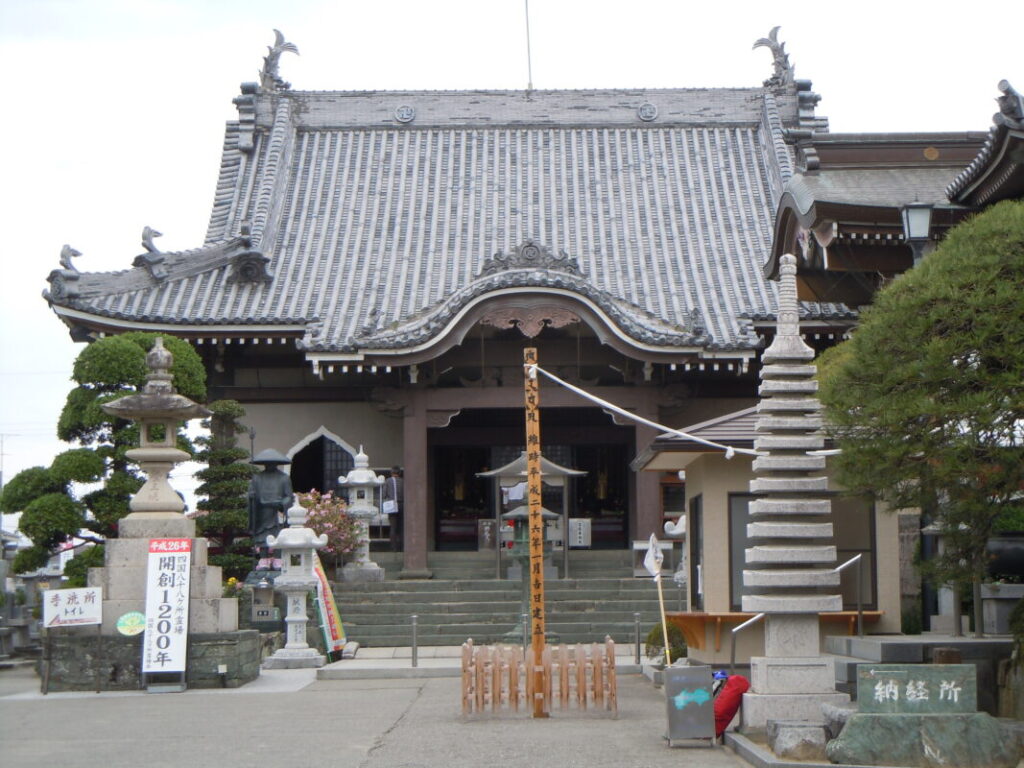
Temple No. 52, Taisan-ji
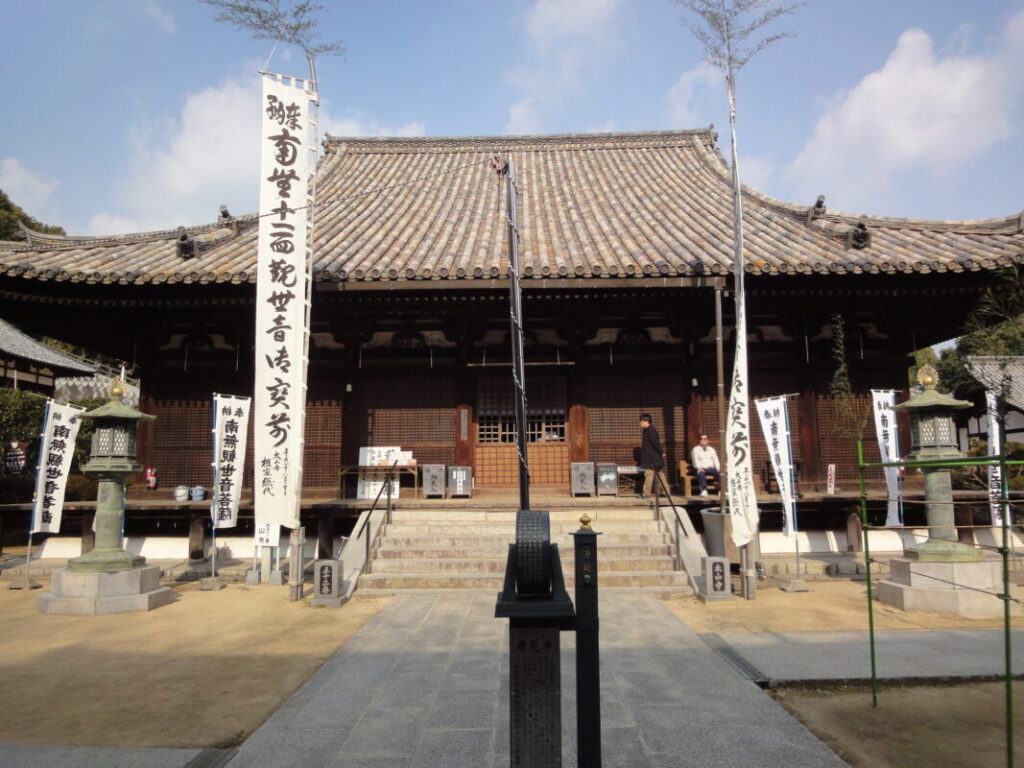
Temple No. 75, Zentsu-ji
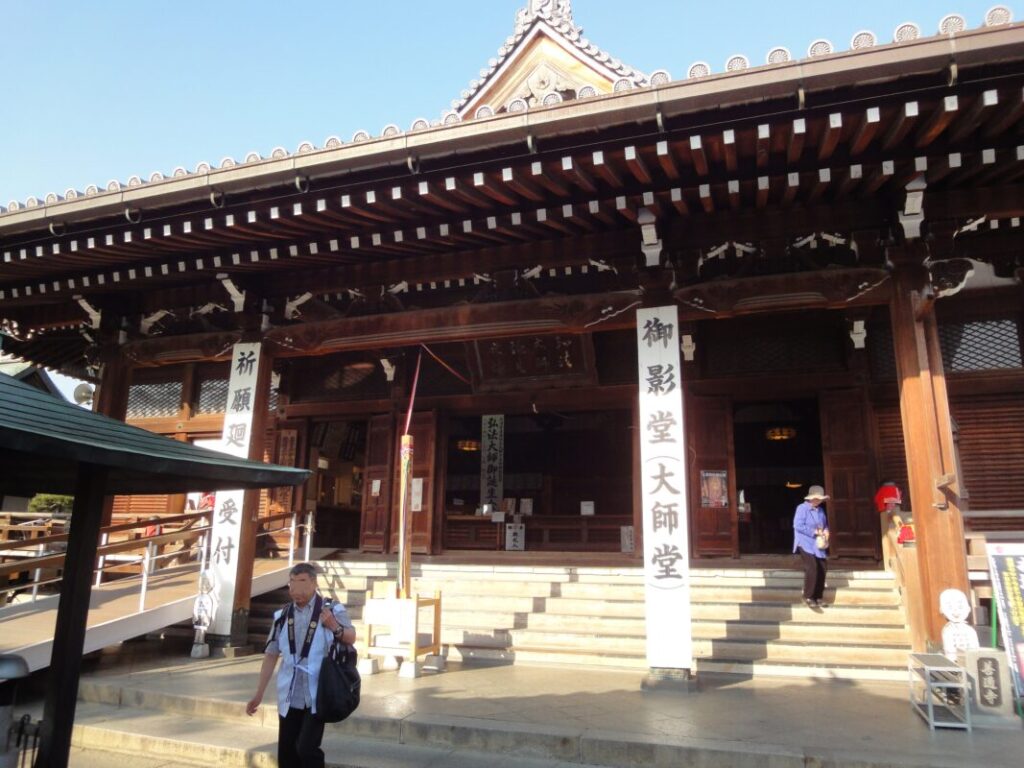
Temple No. 79, Tenno-ji
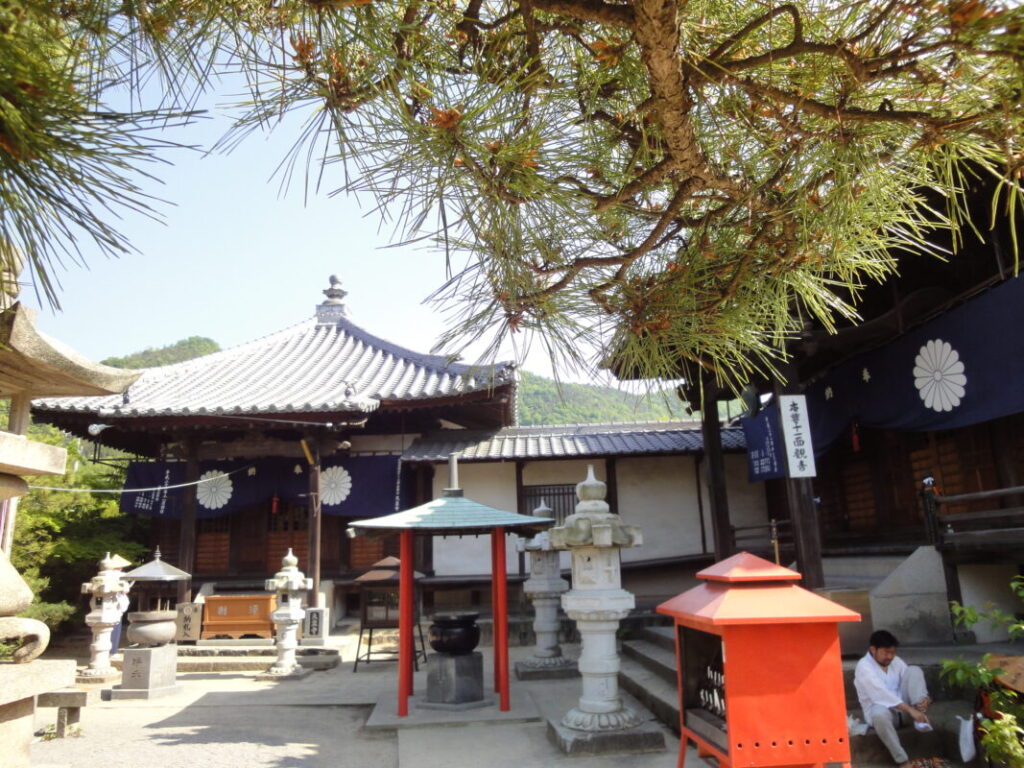
Conclusion
Ropes extending from Buddhist temple halls can symbolize a spiritual connection with the principal Buddhist deity. The Zen no Tsuna at Zenkoji Temple is one well-known example.
However, the names, meanings, and arrangements of these ropes vary depending on the temple and the occasion.
When you encounter one during the Shikoku 88 Temple Pilgrimage, take a moment to learn about its significance and use the opportunity to deepen your connection with the temple’s Buddhist traditions.


Comments