
- How Challenging Is a Summer Pilgrimage?
- Tips for Dealing with the Heat and Walking During a Summer Pilgrimage
- A Strategy of Waking Up at 4:30 a.m. and Starting at 5:00 a.m. to Cover More Distance
- Why You Should Shift Your Focus to Rest During the Day
- A Practical Rule: Hydrate Every 15 Minutes and Carry More Than 1 Liter of Water
- Heat Protection with Hats, Clothing, and Traditional White Pilgrimage Wear (Ways to Keep Your Body Cool)
- The Best Way to Deal with Backpack Heat: Take It Off Frequently
- Useful Supplies, Practical Tips, and Gear for a Summer Pilgrimage
- Accommodation During a Summer Pilgrimage: Camping, Free Lodging, and Tsuyado Shelters
- Real Problems You May Face While Camping During Summer Pilgrimages — and How to Deal with Them
- Items I Was Glad I Brought on a Summer Pilgrimage
- Items I Personally Felt Were Unnecessary
- Summer Pilgrimages During Typhoon Season Can Be the Most Dangerous
- What I Actually Learned from Walking a Summer Pilgrimage
- Frequently Asked Questions
- Conclusion | Heat Management and Good Judgment Are Key During a Summer Pilgrimage
- Related Article
How Challenging Is a Summer Pilgrimage?
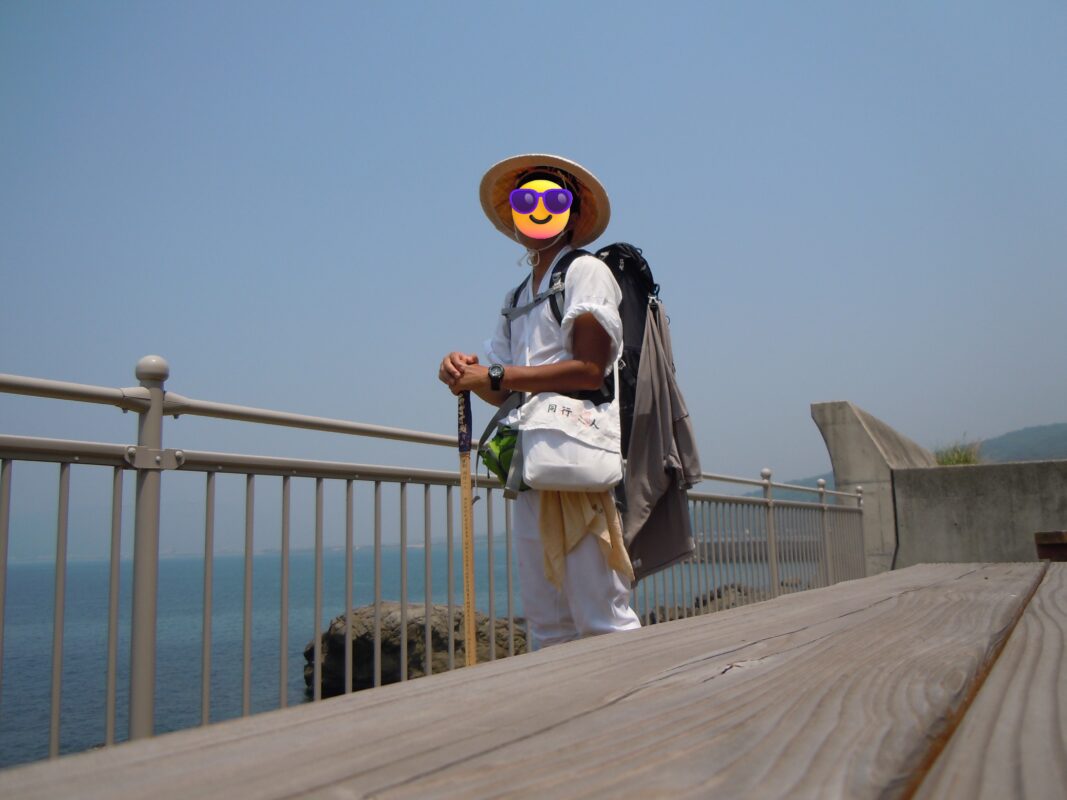
A summer pilgrimage is considered one of the most challenging seasons for walking the route. However, with proper planning—such as choosing the right walking hours and managing hydration—it is still entirely possible to complete. During the Obon holiday period, I personally walked about 280 km from Temple No. 34, Tanema-ji in Kochi, to Uwajima in seven days. In this article, I’ll share my real experiences, including heat-countermeasures, accommodation, and even camping outdoors during the journey.
Route I Walked | 7 Days, About 280 km from Kochi to Uwajima
This journey was a section pilgrimage completed during the Obon holiday period.
The route started from Temple No. 34, Tanema-ji, located in Kochi City, and continued to Uwajima, just before Temple No. 41, Ryuko-ji, in Ehime Prefecture—a distance of approximately 280 km covered over seven days.
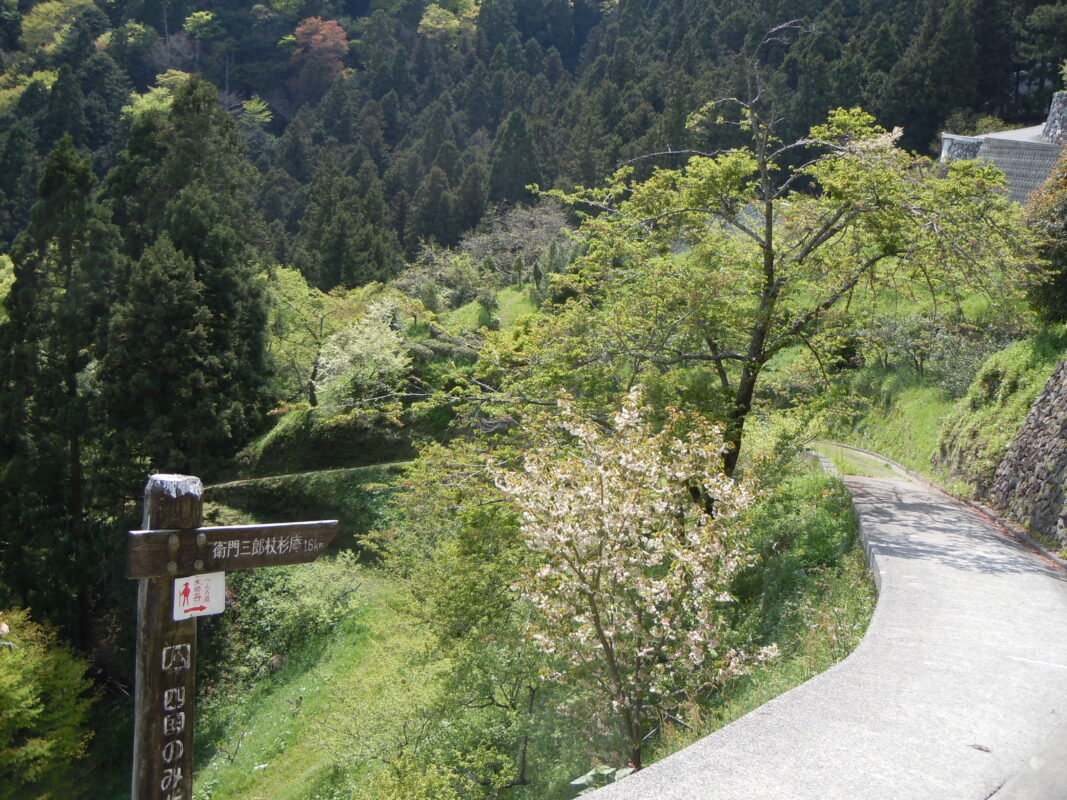
Since much of the route followed the coastal areas of Kochi Prefecture, there were many stretches with very little shade from the sun, making the summer heat especially intense at times.
Tips for Dealing with the Heat and Walking During a Summer Pilgrimage
During a summer pilgrimage, your experience is influenced less by the distance itself and more by how well you manage the heat.
Rather than being purely a test of physical endurance, the key is how effectively you can avoid overheating and keep walking without putting too much stress on your body.
A Strategy of Waking Up at 4:30 a.m. and Starting at 5:00 a.m. to Cover More Distance
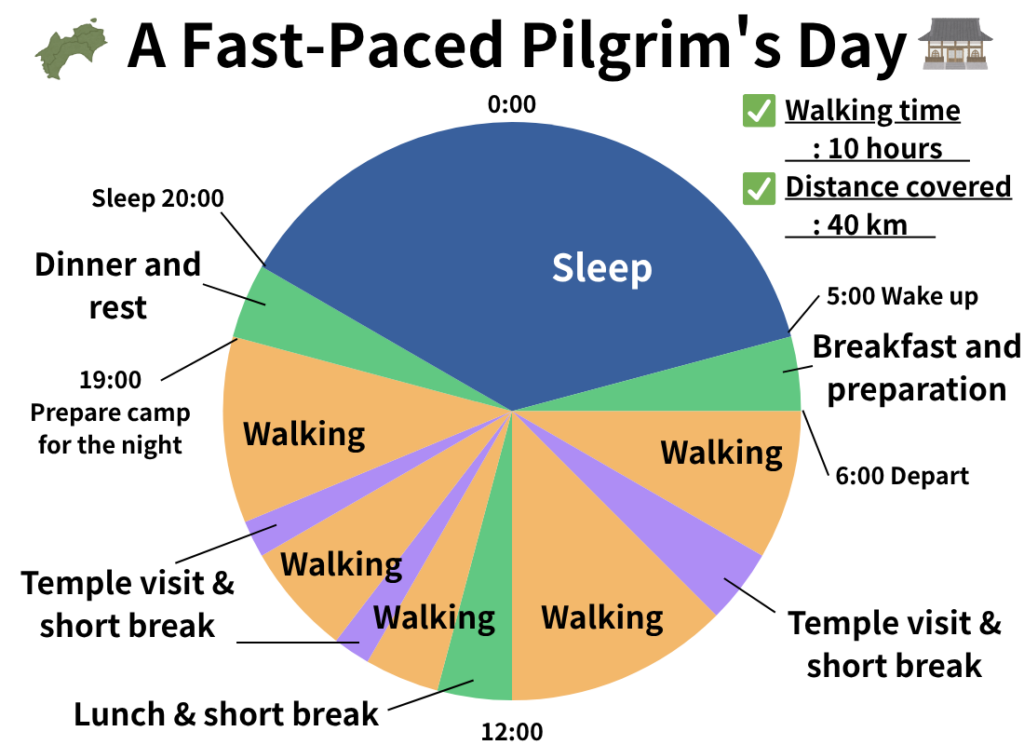
During a summer pilgrimage, one of the basic strategies is to make the most of the cooler early morning hours in order to reduce the amount of walking during the hottest part of the day.
When I walked during the Obon holiday period, I woke up at 4:30 a.m. every morning and started walking by 5:00 a.m. At that time of day, temperatures are relatively lower and the sunlight is less intense, making it easier on the body.
On the other hand, if you fail to cover enough distance during those early hours, you may end up walking through the harsh midday heat, which can quickly drain your energy.
For that reason, using the morning hours efficiently becomes extremely important.
Why You Should Shift Your Focus to Rest During the Day
During a summer pilgrimage, forcing yourself to keep walking throughout the day is not always the best approach. Treating the hottest hours as time for rest can greatly improve safety.
Especially after noon, the heat reflected from asphalt and the effects of radiant heat become much stronger, making the temperature feel significantly hotter than it actually is.
Continuing to walk under these conditions can lead not only to physical exhaustion but also to reduced concentration and impaired judgment.
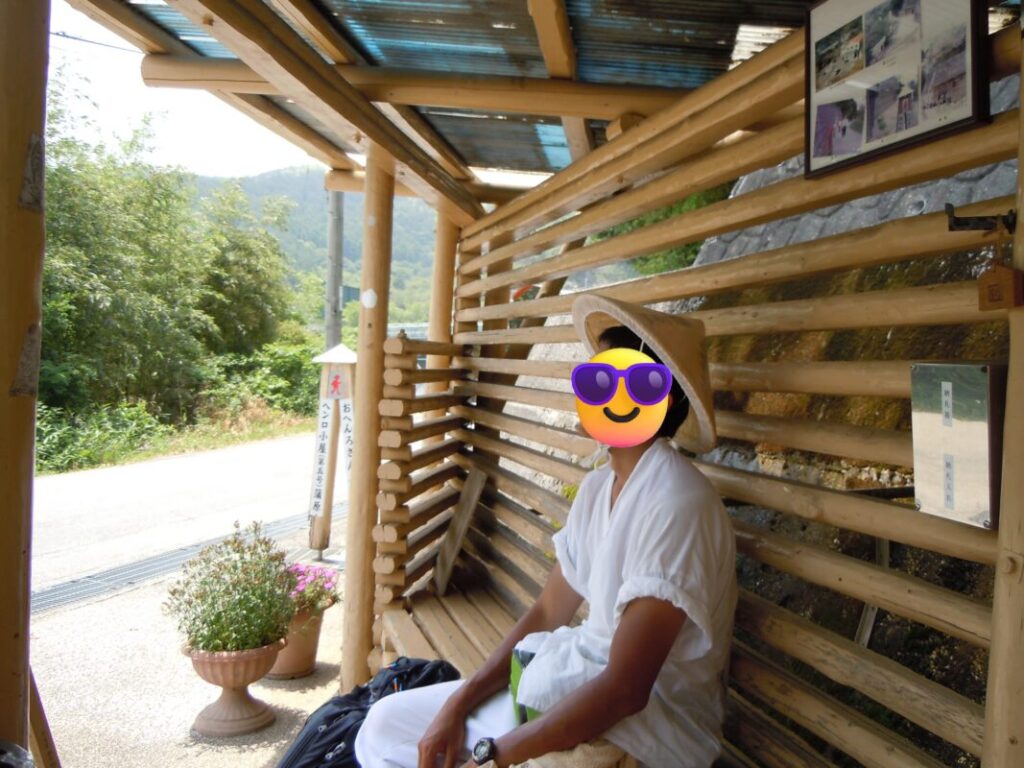
For that reason, whenever I found a pilgrims’ shelter, shaded area, or convenience store, I made a point of taking breaks whenever possible.
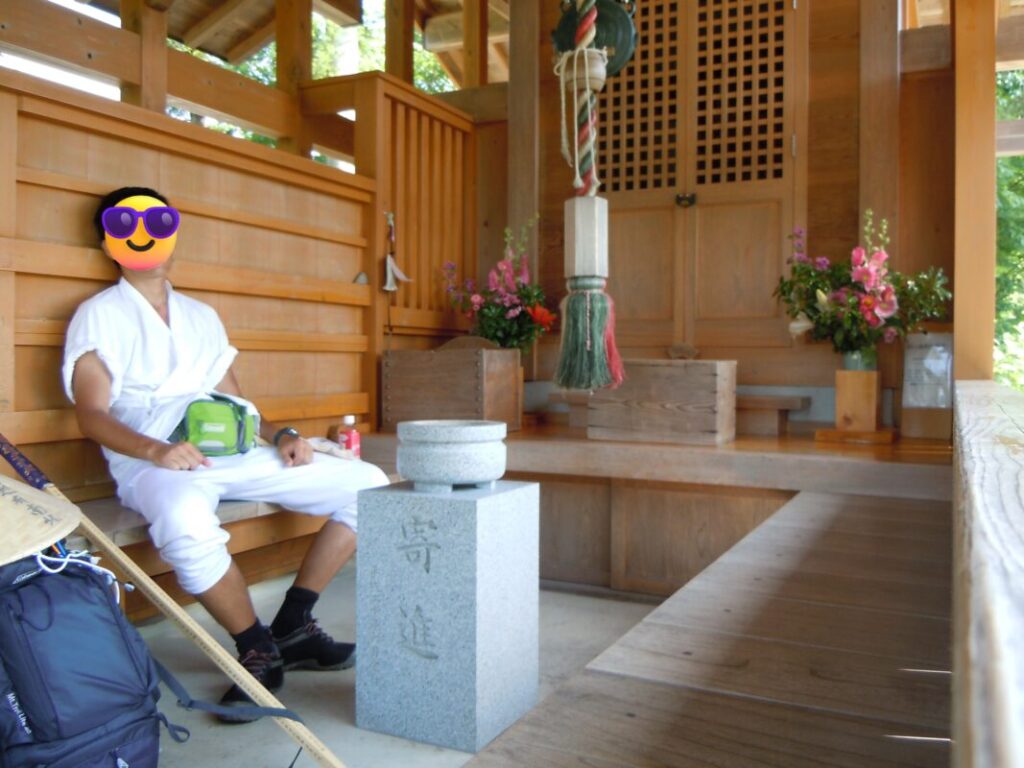
Even short breaks made a noticeable difference. Simply taking off my backpack allowed the heat trapped on my back to escape, and I could feel my energy recovering.
A Practical Rule: Hydrate Every 15 Minutes and Carry More Than 1 Liter of Water
One of the most important aspects of a summer pilgrimage is managing your hydration properly.
I always carried more than 1 liter of water and made a conscious effort to drink small amounts before I actually felt thirsty.
The key is not to drink a large amount all at once, but instead to take small sips every 15 minutes.
This approach helps reduce the risk of dehydration and allows you to conserve your energy more effectively throughout the journey.
In addition, during a walking pilgrimage, you may not always know where the next place to refill your water will be. For that reason, drinking small amounts regularly is a practical and recommended strategy.
Heat Protection with Hats, Clothing, and Traditional White Pilgrimage Wear (Ways to Keep Your Body Cool)
A hat is essential equipment during a summer pilgrimage because it helps protect you from direct sunlight. Even this simple measure can make a significant difference in reducing physical fatigue.
Traditional white pilgrimage clothing also provided some benefits for dealing with the heat. By wetting the fabric with water, evaporative cooling occurs, helping you stay cool for a period of time.
The following combination was especially effective:
- Wear a hat to block direct sunlight
- Wet your white pilgrimage clothing with water
- Walk while allowing airflow to cool your body
Using these methods together helped reduce the rise in body temperature to some extent.
The Best Way to Deal with Backpack Heat: Take It Off Frequently
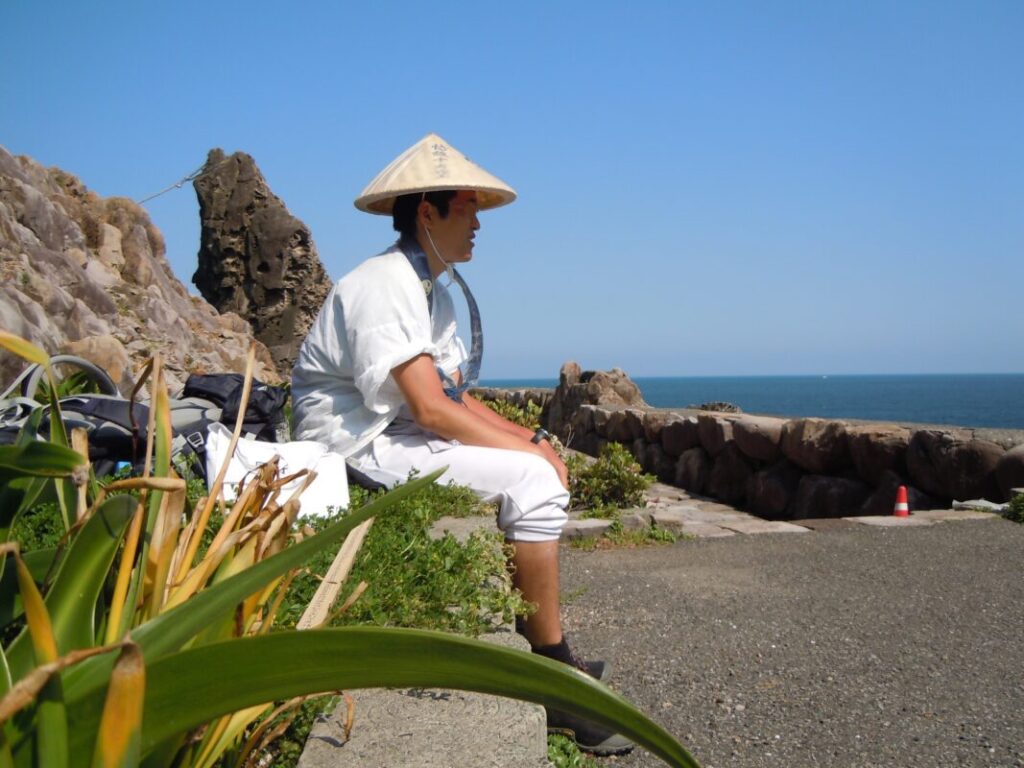
During a summer pilgrimage, the heat trapped by your backpack can drain your energy more than you might expect.
Because your back remains covered and poorly ventilated for long periods, heat builds up easily, and you can noticeably feel your body temperature rising.
For that reason, whenever I found a pilgrims’ shelter or a shaded spot, I made it a habit to take off my backpack and rest for a while.
The important point is not taking long breaks, but rather taking your backpack off regularly, even for short periods.
Even this simple habit can significantly reduce the strain on your body.
Useful Supplies, Practical Tips, and Gear for a Summer Pilgrimage
During a summer pilgrimage, comfort and endurance are influenced not only by your equipment itself, but also by where and how you replenish your supplies.
In particular, making smart choices about hydration and rest can significantly reduce physical fatigue and help you maintain your energy throughout the journey.
Relying on Vending Machines and Managing Coins (Using a Waist Pouch)
During a summer pilgrimage, you will likely use vending machines very frequently. Because of this, it is important to keep your coins easily accessible.
I used a waist pouch so that I could quickly take out coins whenever needed.
This allowed me to buy drinks and stay hydrated without having to take off my large backpack every time, making the process much more convenient and efficient.
A Helpful Summer Pilgrimage Treat: Kochi’s “Ice Kurin”
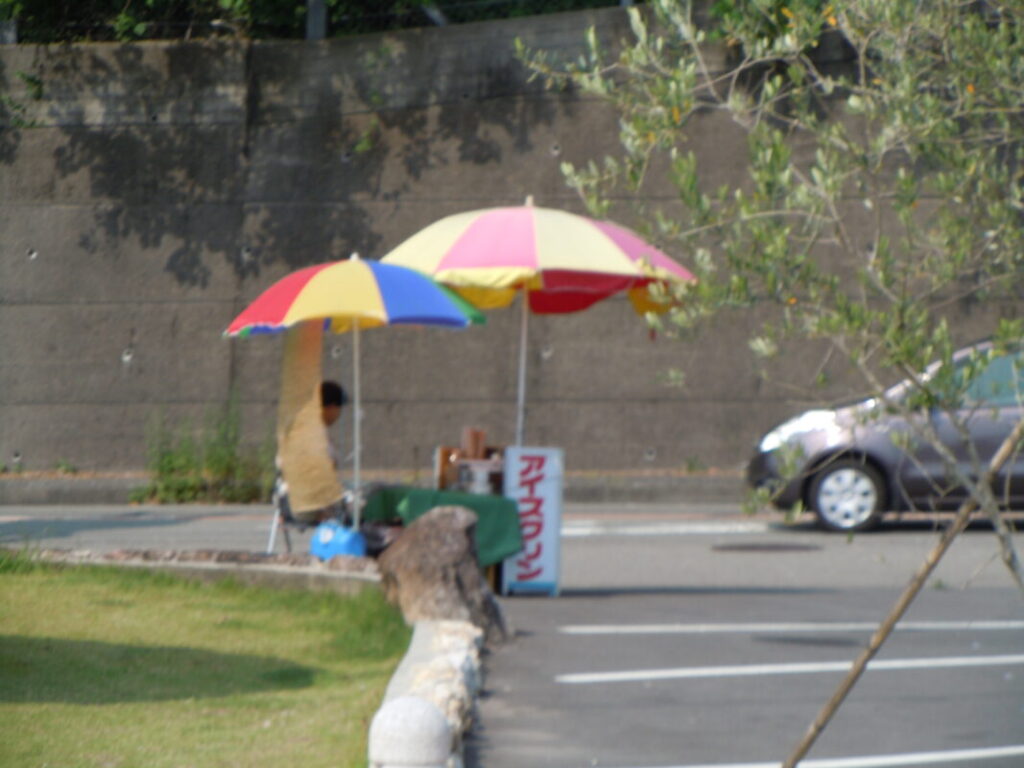
Along the pilgrimage route, especially on roadsides along national highways, you may come across small stands selling a local frozen treat called Ice Kurin.
These stands are commonly found in Kochi Prefecture and can become valuable refreshment stops during a summer pilgrimage.
I also stopped and bought some during my journey. Eating something cold temporarily lowered my body temperature and made me feel noticeably more refreshed.
It was more than just a way to replenish energy—it also served as a small source of enjoyment and motivation while walking in the intense summer heat.
How to Use Water Fountains and Parks (Cooling Yourself Down and Staying Hydrated)
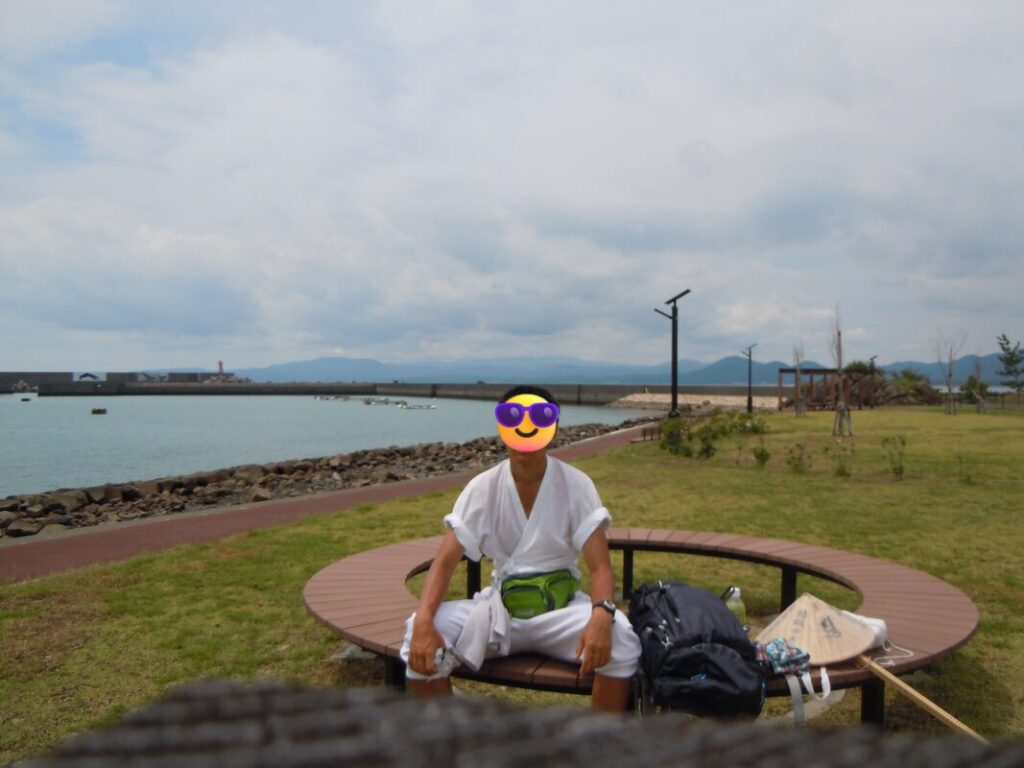
During a summer pilgrimage, knowing how to make use of parks and public water fountains can also make a big difference.
I used them not only for drinking water but also as a way to actively cool my body down.
One method that worked especially well was pouring water over my head to lower my body temperature.
Although the effect was temporary, it helped release built-up body heat and made walking much more comfortable afterward.
I also found that wetting my white pilgrimage clothing or other clothes provided an evaporative cooling effect, helping me stay cooler for a while.
From my experience, whether or not you take even a short moment to cool your body when you find a water source can have a significant impact on your fatigue level later on.
No Sleeping Bag Needed in Summer — Making Your Pack Lighter
One advantage of doing a pilgrimage during the summer is that a sleeping bag is often unnecessary, allowing you to reduce the weight of your gear.
For walking pilgrims, carrying a lighter load always reduces physical strain regardless of the season, making this an important factor. During summer, this becomes even more important.
The sleeping bag I normally used weighed around 500 grams, but during the summer I needed to carry extra water instead. As a result, some of the weight savings were ultimately offset by the additional water I had to bring.
Accommodation During a Summer Pilgrimage: Camping, Free Lodging, and Tsuyado Shelters
During a summer pilgrimage, the type of accommodation you choose can greatly affect your overall comfort.
Pilgrims can often make use of free lodging options such as Zenkonyado (lodgings offered through local hospitality) and Tsuyado (overnight temple shelters). However, considering the unique conditions of summer, I felt that each option had its own advantages and disadvantages.
Free Lodging and Temple Shelters Can Actually Feel Hotter in Summer | Accommodation Tips for Pilgrims
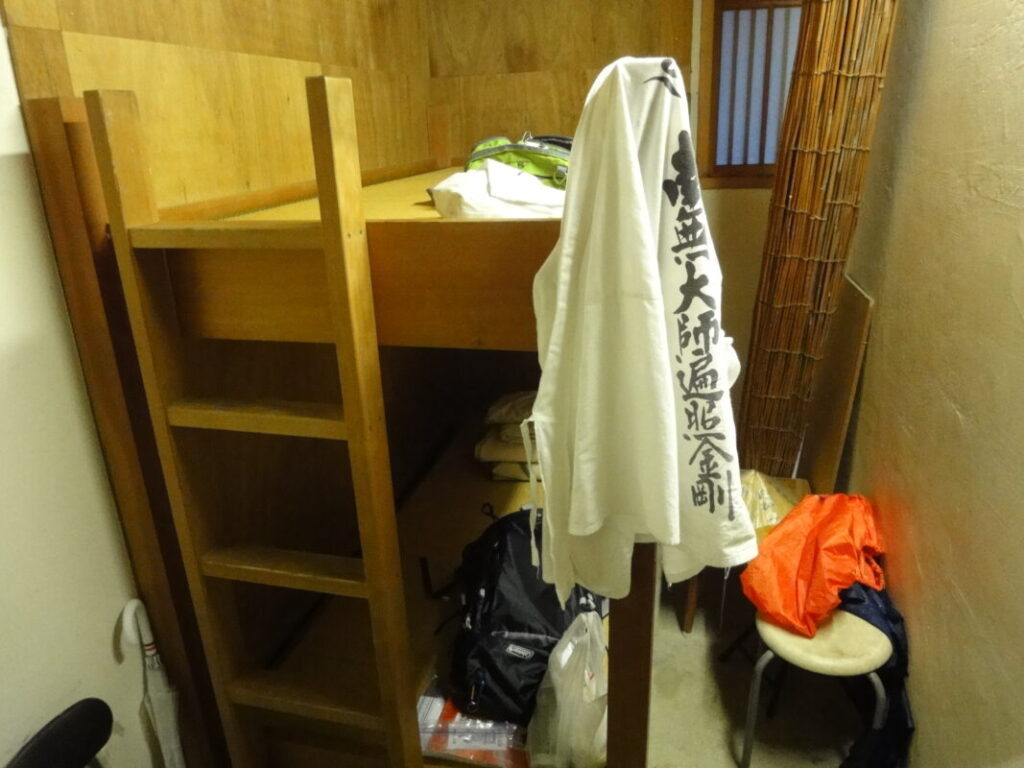
Zenkonyado (free lodgings offered through local hospitality) and Tsuyado (overnight temple shelters) are convenient accommodation options because they can be used free of charge. However, they are not always comfortable.
Especially during the summer, many of these places do not have air conditioning, and buildings with poor ventilation can sometimes feel even hotter than being outside.
As a result, even though you may use them with the intention of resting your body, you may not always recover from your fatigue as much as expected.
From my experience, depending on the environment, these types of accommodation require extra consideration during the summer months.
Why Camping Can Sometimes Be More Comfortable During a Summer Pilgrimage: My Experience
On the other hand, during the summer there were situations where camping outdoors actually felt more comfortable.
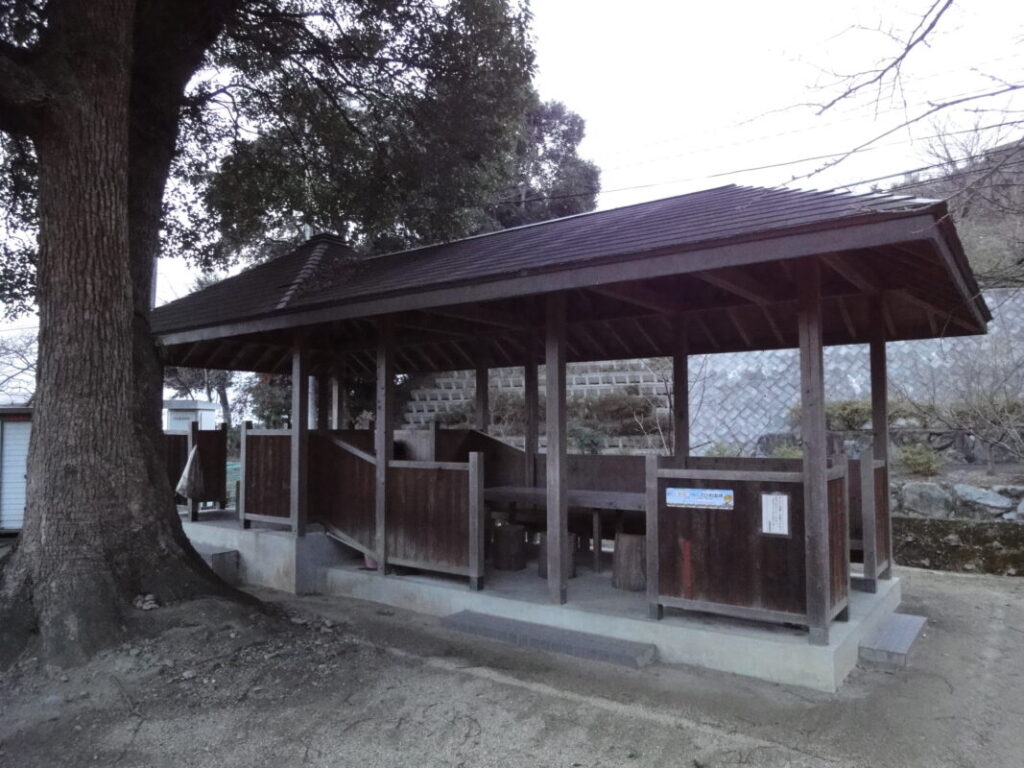
During a summer pilgrimage, staying inside a building is not always the best option. In some cases, using covered pilgrims’ shelters or park pavilions (azumaya) can be more comfortable.
Especially in places with good airflow, the outside air can sometimes feel cooler than staying indoors.
Of course, safety considerations and weather conditions should always be taken seriously. From my experience, being flexible and adjusting your choices according to the situation is very important.
The Importance of Day-Use Hot Springs: Recovery Stops During a Summer Pilgrimage
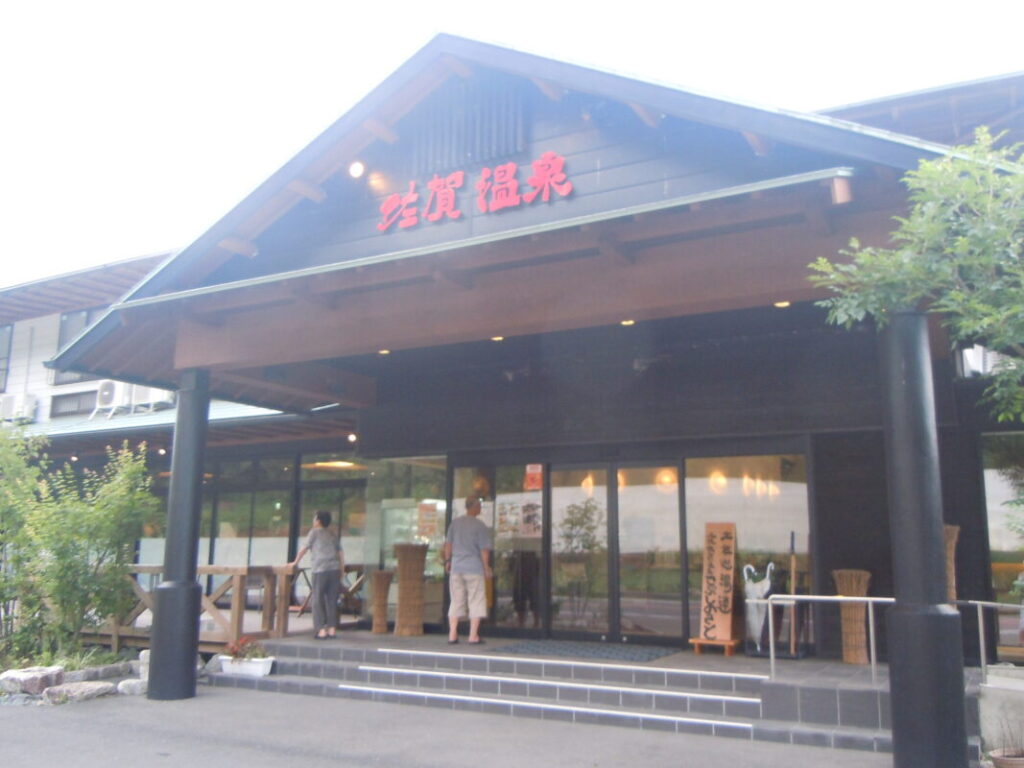
During a summer pilgrimage, day-use hot springs can serve as extremely important places for rest and recovery.
They provide an opportunity to cool down a body that has built up heat after hours of walking and help reset accumulated fatigue.
During my own journey, I made a point of using day-use bathing facilities whenever I found them.
For example, places such as the Tosa Saga Onsen area in Kochi, where a pilgrims’ shelter is available nearby, were especially helpful because they allowed me to combine bathing and rest in one place.
Even when such convenient facilities were not available, I felt that day-use hot springs played an important role as a valuable way to recover and prepare for the next stage of the journey.
Real Problems You May Face While Camping During Summer Pilgrimages — and How to Deal with Them
While summer camping reduces the need to worry about staying warm, it introduces other challenges such as heat and insects.
For walking pilgrims in particular, daytime fatigue can be significant, so getting proper rest at night has a major impact on your condition and performance the following day.
From my own experience on the route, I encountered many situations where I felt that specific precautions for summer conditions were necessary.
Heat and Insect Problems Inside a Tent
When camping during the summer, it is important to pay attention not only to the daytime heat but also to the heat you experience at night.
One issue that affected me more than I expected was the heat rising from the ground.
Since the ground absorbs and stores heat during the day, it can continue releasing that heat even after sunset. Because of this, the inside of a tent can still feel hot and humid at night.
To deal with this, I found that bringing an insulating mat or thermal sheet is a good idea.
It helps reduce the heat coming from the ground and can make a noticeable difference in overall comfort.
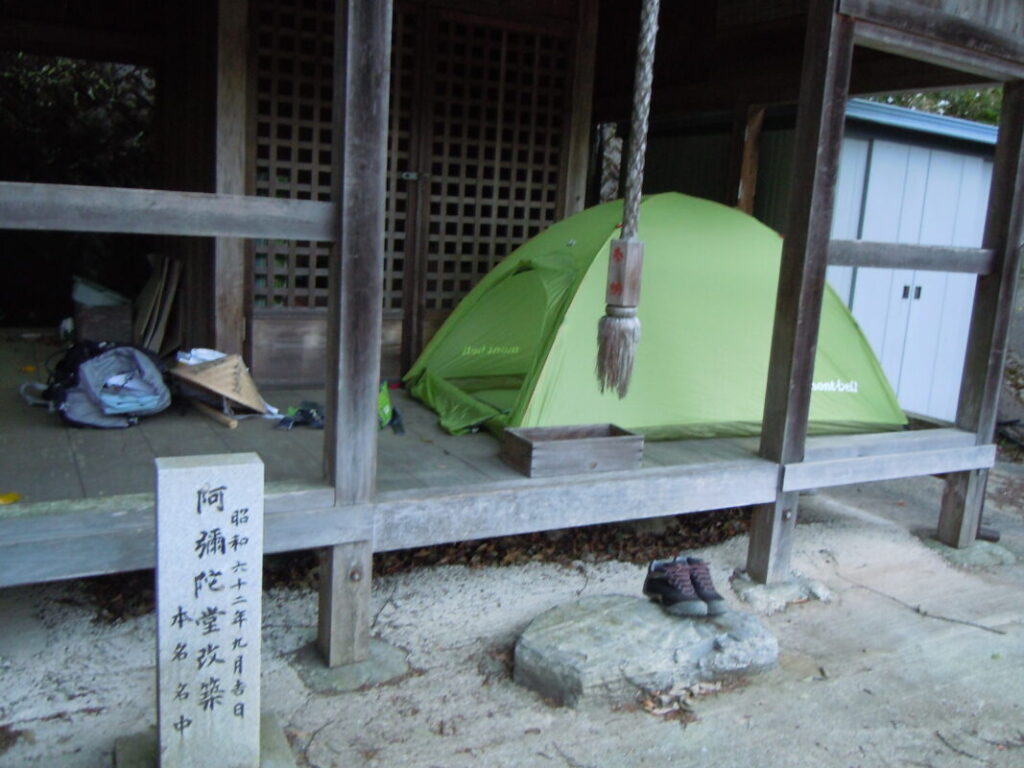
I also noticed that places slightly elevated from the ground, such as areas under the eaves of a temple building, sometimes felt cooler.
These spots often allow better airflow and are less affected by heat retained in the ground, which made me realize that choosing the right place to set up can be more important than expected.
The Practical Value of Insect Repellent and Earplugs
When camping during the summer, insect control is also essential.
In my case, insects occasionally made their way into my tent, so I used insect repellent spray lightly as a preventive measure.
Even if the insects are not particularly harmful, simply being bothered by them during the night can reduce the quality of your sleep.
Another item that turned out to be surprisingly useful was earplugs.
The sound of mosquitoes, in particular, can be irritating even when it is very quiet, and once you start noticing it, falling asleep can become difficult.
After actually using them, I found that earplugs improved my comfort far more than I had expected.
The Reality of Laundry and Drying Clothes (Public Water Fountains, Hand Washing, and Air Drying)
During a summer pilgrimage, managing your laundry becomes important because of the large amount of sweat you accumulate while walking.
In my case, I used public water fountains in places such as parks and washed my clothes by hand with soap.
This helped reduce the time, effort, and cost of searching for and using coin laundries.
However, there were times when washed clothes did not completely dry on the same day.
Especially for smaller items such as underwear, I sometimes attached them to my backpack and let them dry while walking the next day.
Because of the strong summer sunlight, they usually dried completely by the morning.
Items I Was Glad I Brought on a Summer Pilgrimage
During a summer pilgrimage, keeping your pack lightweight is important, but I felt that items directly related to heat protection and comfort should be prioritized.
Based on my own experience walking the route, here are some items that I was especially glad to have with me.
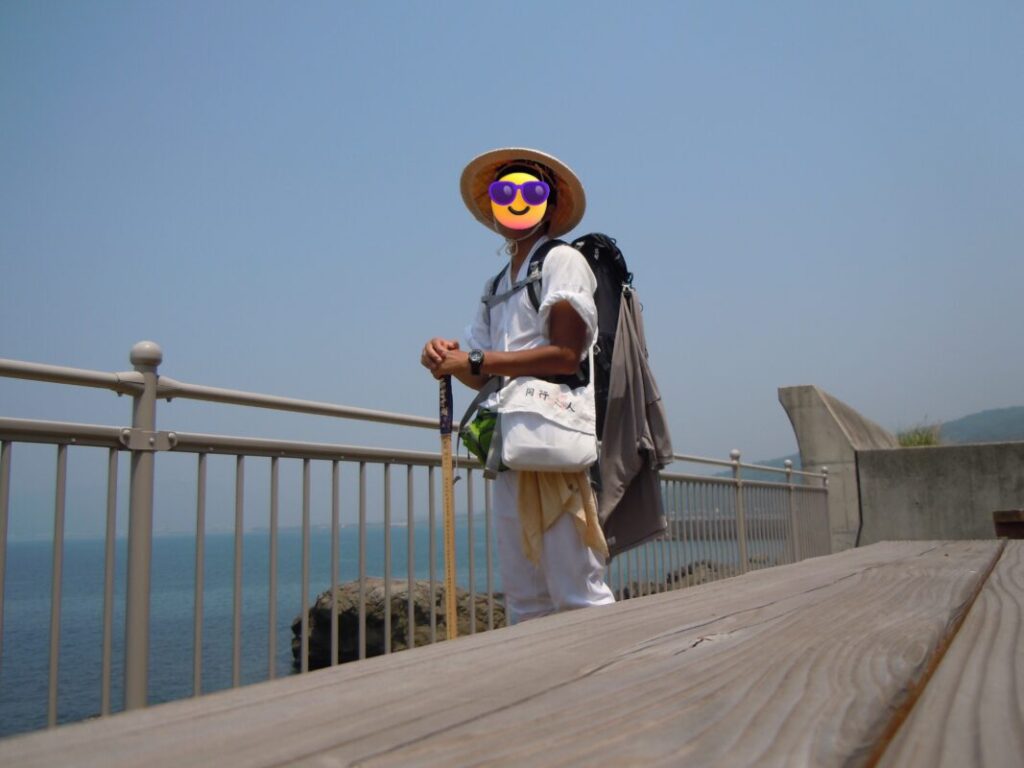
Hat / Traditional Sedge Hat (Sugasa)
A hat was almost essential equipment during my summer pilgrimage.
Simply avoiding direct sunlight made a significant difference in reducing physical exhaustion. I especially noticed the importance of a hat while walking along Kochi’s coastal areas, where shaded sections were limited.
Waist Pouch
During a summer pilgrimage, you are likely to use vending machines frequently.
Keeping coins and frequently used items in a waist pouch made things much more convenient. I did not have to take off my large backpack every time, which also made staying hydrated much easier.
Earplugs
One item that turned out to be surprisingly useful was earplugs.
During summer camping, sounds such as insects or surrounding noise can become distracting. Mosquitoes in particular can be difficult to ignore, and even a small buzzing sound can make falling asleep harder.
Since earplugs are small and lightweight, they add almost no extra burden while greatly improving comfort.
Insulating Mat or Thermal Sheet
When camping during the summer, dealing with heat from the ground is also important.
The ground can retain heat from the daytime and continue releasing it even at night. Using an insulating mat helped reduce heat transfer from the ground and made sleeping noticeably more comfortable.
Insect Repellent Spray
Insect control is essential for summer camping.
Since insects occasionally entered my tent, having insect repellent spray provided a much greater sense of comfort and reassurance.
Sunscreen
During a summer pilgrimage, you are exposed to direct sunlight for long periods of time.
Sunburn is not only stressful for your skin but can also contribute to physical fatigue, so reapplying sunscreen regularly is a good idea.
Sunglasses
Although I did not personally use them, I felt that sunglasses would have been helpful.
The summer sunlight can be extremely strong, and walking for long hours may cause eye fatigue. This is especially true on coastal roads where reflected sunlight can be intense, making sunglasses useful for reducing strain on your eyes.
Items I Personally Felt Were Unnecessary
During a walking pilgrimage, deciding what not to bring can be just as important as deciding what to pack.
Water Bottle
Personally, I felt that a reusable water bottle was unnecessary.
In many situations, plastic bottles were more than sufficient and had the advantage of being lightweight. I also found them practical because they could easily be replaced if they became dirty, and refilling or buying new drinks at convenience stores and vending machines was simple.
Portable Fan
I did not find a portable fan particularly necessary.
In addition to the weight of the device itself, it also requires charging. I also felt that under intense summer sunlight, the cooling effect was limited, while the disadvantages of carrying extra weight and managing battery life were more noticeable.
During a walking pilgrimage, I felt that even items that seem convenient at first should be evaluated not only for usefulness, but also for their weight and the effort required to manage them.
Summer Pilgrimages During Typhoon Season Can Be the Most Dangerous
One of the most important things to be aware of during a summer pilgrimage is typhoon season.
In Shikoku, typhoons often affect the region around August to September, and extra caution is needed along routes in Kochi Prefecture on the Pacific coast, where weather conditions can change quickly.
If you are planning a summer pilgrimage, I recommend checking weather updates regularly—not only before starting your journey but also throughout the trip itself.
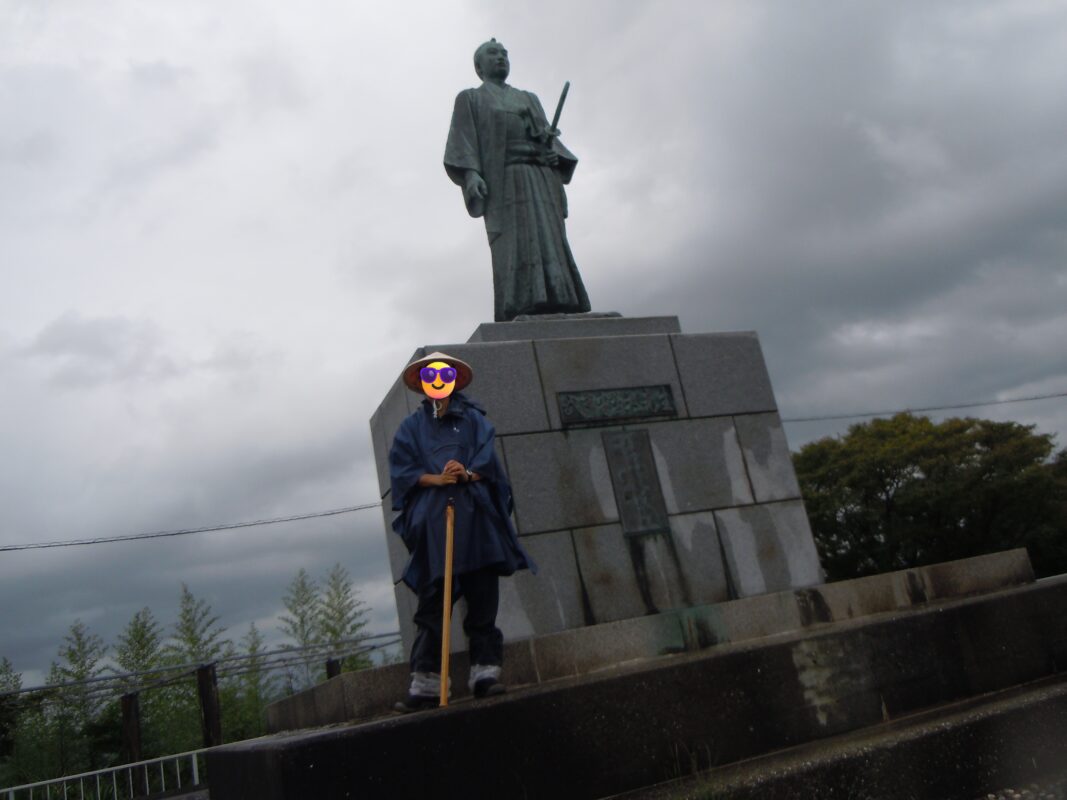
I personally encountered a typhoon while walking the route.
When weather conditions worsen, it may become impossible to continue according to your original schedule. In some situations, you may suddenly need to find accommodation or wait in a sheltered place until conditions improve.
It is also important to be cautious even after a typhoon has passed.
After a large typhoon, extra care is necessary when using mountain trails. Fallen trees, rockfalls, or damaged paths may create dangerous conditions. Depending on the situation, it can sometimes be safer to take a longer route on paved public roads instead of using mountain paths.
During a summer pilgrimage, regularly checking weather forecasts and being willing to adjust your plans—such as staying overnight earlier than planned or remaining in the same location for an additional day—can be extremely important.
Related Article
Shikoku Pilgrimage During Typhoon Season: Risks, Safety Tips & Real Experience
What I Actually Learned from Walking a Summer Pilgrimage
Although a summer pilgrimage can be physically demanding because of the intense heat, it can also be a season where long distances are achievable with the right approach.
What I realized from my own experience was that success depends not only on physical strength or determination, but also on your ability to make decisions based on the situation around you.
Why I Was Able to Walk 46 km in One Day | Longer Daylight Hours in Summer
One reason I was able to walk a maximum of 46 km in a single day during my summer pilgrimage was the longer daylight hours.
During summer in Shikoku, the sun rises early and sets late, allowing you to make use of a longer active period each day.
Although it varies depending on the season, around the Obon period sunrise is often around 5:00 a.m. and sunset around 7:00 p.m., giving approximately 14 hours of daylight.
During my trip, I usually woke up around 4:30 a.m. and started walking by 5:00 a.m.
My routine was to cover more distance during the cooler morning hours, increase the number of breaks during the hottest part of the day, and then continue walking again in the evening thanks to the longer daylight.
However, just because you have more available time does not mean you should push yourself too hard. Overexertion can quickly lead to accumulated fatigue.
I felt that making good use of the longer daylight while maintaining your own pace was very important.
For Summer Pilgrimages, Judgment Matters More Than Preparation
Preparing the right equipment is certainly important for a summer pilgrimage, but after actually walking the route, I felt that decision-making on the spot was even more important.
There are many situations that require flexibility, such as deciding when to drink water, choosing where to rest, shortening your planned distance for the day, or changing accommodation plans when a typhoon approaches.
No matter how much preparation you do before departure, daily conditions such as temperature, physical condition, and weather can always change.
Rather than forcing yourself to follow a schedule, being able to make decisions such as “I’ll rest today” or “I’ll stop early and head to accommodation” can be essential for walking safely.
Many people imagine that a summer pilgrimage is simply a test of physical endurance, but from my experience, I believe it is actually a season where the ability to assess situations and make good decisions has an even greater impact.
Frequently Asked Questions
- QCan beginners do a summer pilgrimage?
- A
A summer pilgrimage can be especially demanding because of the intense heat, making it one of the more challenging seasons to walk. For beginners, it is important to create a realistic schedule and avoid pushing too hard. Planning to walk mainly during the cooler morning hours and taking more breaks during the day is recommended.
- QHow many kilometers can you walk in one day during a summer pilgrimage?
- A
The distance varies greatly depending on your physical condition and the route. One advantage of summer is the longer daylight hours, which allow more time for walking.
However, summer heat can also cause significant fatigue, so prioritizing your own pace is generally safer than trying to cover longer distances.
- QHow much water should I carry during a summer pilgrimage?
- A
The amount depends on the temperature and daily walking distance, but I felt more comfortable always carrying at least 1 liter of water.
I also found that drinking small amounts regularly worked better than consuming a large amount all at once, as it reduced stress on the body.
- QAre there any essential items for a summer pilgrimage?
- A
In my experience, heat-related items such as a hat, drinking water, insect repellent, and sunscreen should be given high priority.
A hat was especially important because simply avoiding direct sunlight significantly reduced physical fatigue.
- QIs it possible to camp during a summer pilgrimage?
- A
Yes, it is possible, but proper preparation for heat and insects is necessary.
During summer, heat inside a tent and heat rising from the ground can become issues, so choosing an appropriate campsite and resting environment is very important.
- QWhat is the most important thing to be careful about during a summer pilgrimage?
- A
Heat management is important, but personally, I felt that paying attention to typhoons was especially critical.
Even after a typhoon passes, mountain trails can still be dangerous because of fallen trees, rockfalls, or damaged paths. Monitoring weather conditions and being willing to change plans when necessary are essential for staying safe.
Conclusion | Heat Management and Good Judgment Are Key During a Summer Pilgrimage
A summer pilgrimage is one of the most demanding seasons for walking, with many factors requiring extra attention, including intense daytime heat, hydration management, accommodation conditions, and typhoons.
However, after actually walking the route myself, I felt that it is entirely manageable with proper heat precautions and smart planning. Covering more distance during the cooler morning hours and taking regular breaks without pushing too hard can greatly reduce physical fatigue.
Most importantly, I realized that preparation alone is not enough. The ability to make flexible decisions based on the situation at hand is equally important.
Rather than forcing yourself to follow your original schedule, prioritizing safety and maintaining your own pace is, in my experience, the best approach to completing a summer pilgrimage successfully.
List of Temples Along the Route I Walked (From Temple No. 34 Tanema-ji to Temple No. 41 Ryuko-ji)
Temple 34: Tanemaji
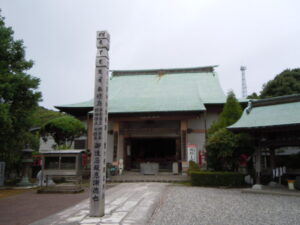
| ◀ Prev Temple | Next Temple ▶ |
| 6.3 km | 9.8 km |
| Google Maps | MAP |
| Transport | – |
| Accommodation | Places to Stay |
Temple 35: Kiyotakiji
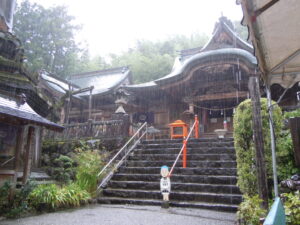
| ◀ Prev Temple | Next Temple ▶ |
| 9.8 km | 13.9 km |
| Google Maps | MAP |
| Transport | – |
| Accommodation | Places to Stay |
Temple 36: Shoryuji
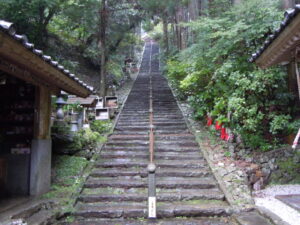
| ◀ Prev Temple | Next Temple ▶ |
| 13.9 km | 58.5 km |
| Google Maps | MAP |
| Transport | – |
| Accommodation | Places to Stay |
Temple 37: Iwamotoji
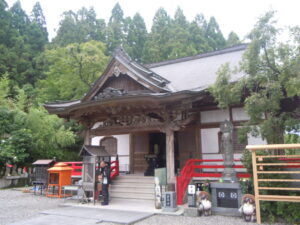
| ◀ Prev Temple | Next Temple ▶ |
| 58.5 km | 80.7 km |
| Google Maps | MAP |
| Transport | – |
| Accommodation | Places to Stay |
Temple 38: Kongofukuji
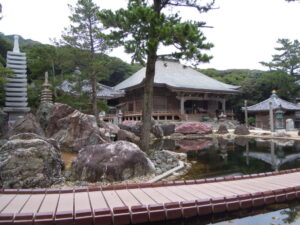
| ◀ Prev Temple | Next Temple ▶ |
| 80.7 km | 52.8 km |
| Google Maps | MAP |
| Transport | Check Timetable |
| Accommodation | Places to Stay |
Temple 39: Enkoji
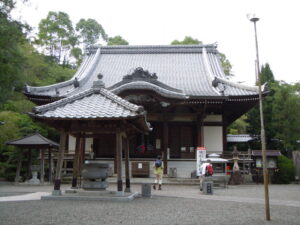
| ◀ Prev Temple | Next Temple ▶ |
| 52.8 km | 25.8 km |
| Google Maps | MAP |
| Transport | Check Timetable |
| Accommodation | Places to Stay |
Temple 40: Kanjizaiji
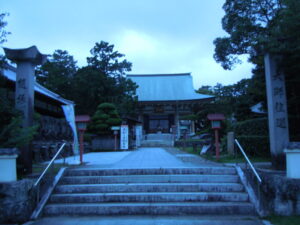
| ◀ Prev Temple | Next Temple ▶ |
| 25.8 km | 50.2 km |
| Google Maps | MAP |
| Transport | – |
| Accommodation | Places to Stay |
Temple 41: Ryukoji
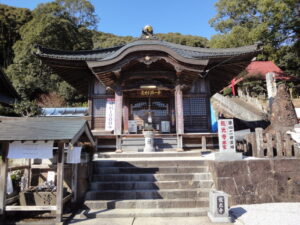
| ◀ Prev Temple | Next Temple ▶ |
| 50.2 km | 2.6 km |
| Google Maps | MAP |
| Transport | – |
| Accommodation | Places to Stay |
Related Article
Best Time to Walk the Shikoku Pilgrimage: Seasons Explained for Beginners.
Best Seasons for the Shikoku Pilgrimage
Shikoku Ohenro in the Rain: How Often It Rains, What to Expect, and What Gear You Need.
Rain gear and tips for the Shikoku Pilgrimage
This article provides a complete overview of the Shikoku 88 Temple pilgrimage routes, including distances, travel times, and temple lodging (shukubō).
Temple List and Full Route
Comments