

Why Do Several Temples in the Shikoku Pilgrimage Have the Same Name?
As you walk the Shikoku Pilgrimage, you may find yourself thinking, “Another Kokubunji?” or “Haven’t I already seen a temple called Dainichiji?”
In fact, several temples on the 88-temple pilgrimage route share the same name.
| Temple Name | Number of Temples |
|---|---|
| Kokubunji | 4 |
| Dainichiji | 3 |
| Kannonji | 2 |
Why do several temples have the same name?
In this article, I’ll explain the differences between these temples and the origins of their names, based on my own experience of walking the entire Shikoku Pilgrimage.
Why Are There Four Temples Called Kokubunji?
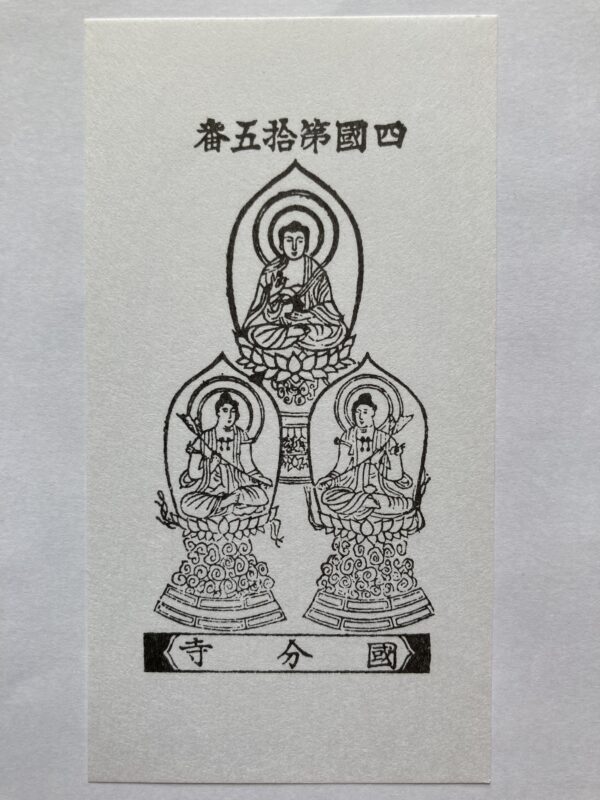
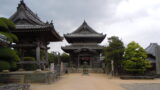
Temple No. 15
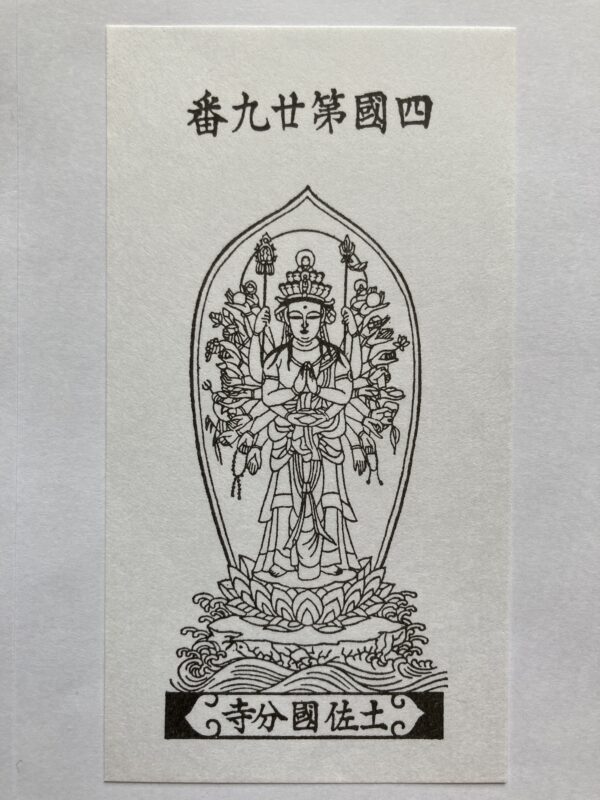
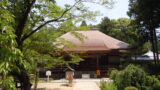
Temple No. 29
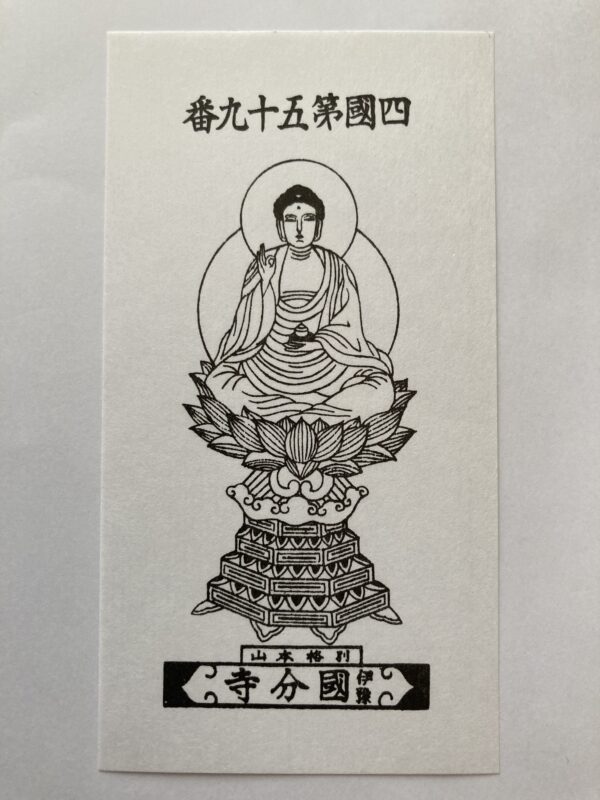
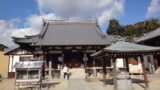
Temple No. 59
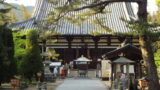
Temple No. 80
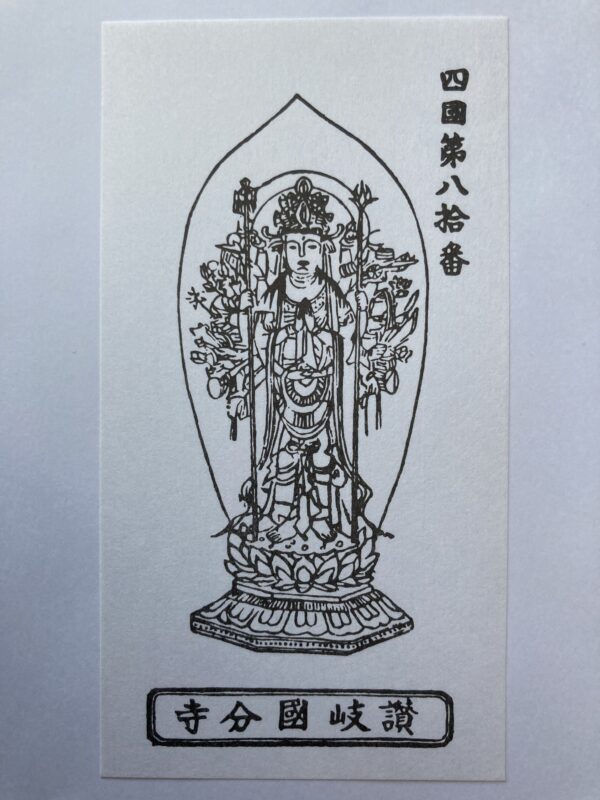
There are four temples named Kokubunji among the 88 temples of the Shikoku Pilgrimage.
| Temple | Location | Buddhist School | Principal Deity |
|---|---|---|---|
| No. 15 Kokubunji | Tokushima | Soto Zen | Yakushi Nyorai |
| No. 29 Kokubunji | Kochi | Shingon Buddhism | Senju Kannon |
| No. 59 Kokubunji | Ehime | Shingon Risshu | Yakushi Ruriko Nyorai |
| No. 80 Kokubunji | Kagawa | Shingon Buddhism | Senju Kannon |
The name Kokubunji comes from the network of provincial temples that Emperor Shomu ordered to be built throughout Japan during the Nara period (710–794).
At that time, Japan was not divided into prefectures like it is today. Instead, the country was divided into administrative provinces known as kuni. Each province was ordered to establish a Kokubunji temple.
The four provinces that correspond to modern-day Shikoku—Awa, Tosa, Iyo, and Sanuki—each had their own Kokubunji.
Those temples have survived to the present day and are now part of the Shikoku Pilgrimage.
That is why there are four Kokunbunji temples among the 88 pilgrimage temples—one in each of the four ancient provinces of Shikoku.
Related Articles
Why Are There Three Temples Called Dainichiji?
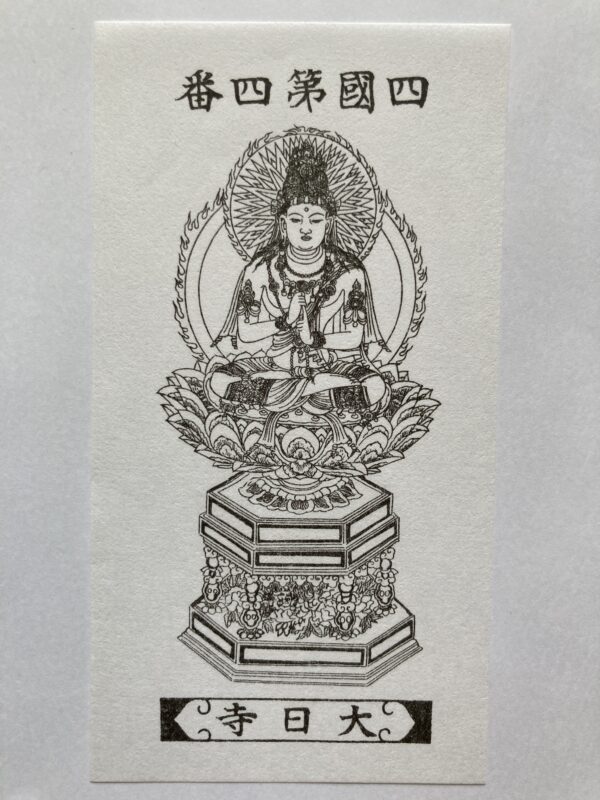
Temple No. 4
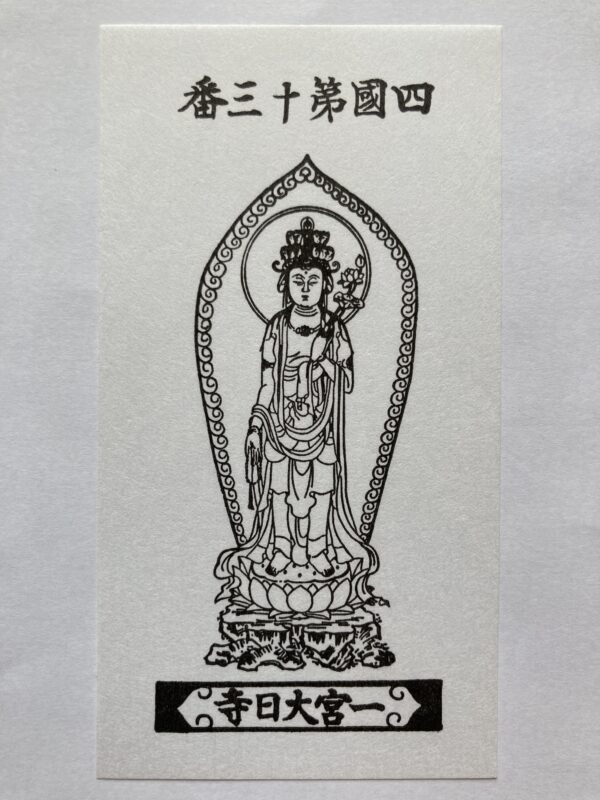
Temple No. 13
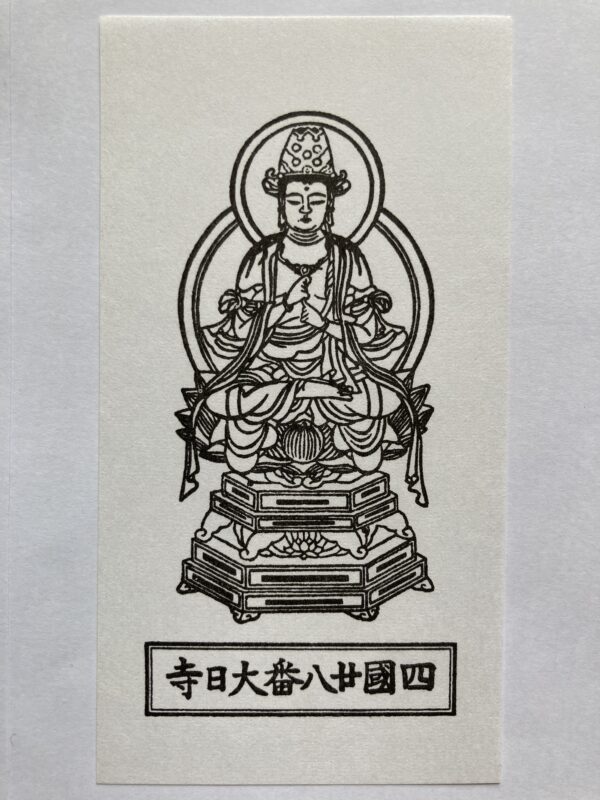
Temple No. 28
There are three temples named Dainichiji among the 88 temples of the Shikoku Pilgrimage.
| Temple | Location | Buddhist School | Principal Deity |
|---|---|---|---|
| No. 4 Dainichiji | Tokushima | Shingon Buddhism | Dainichi Nyorai |
| No. 13 Dainichiji | Tokushima | Shingon Buddhism | Eleven-Headed Kannon |
| No. 28 Dainichiji | Kochi | Shingon Buddhism | Dainichi Nyorai |
The name Dainichiji refers to Dainichi Nyorai, the Cosmic Buddha who holds a central position in Shingon Buddhism.
Dainichi Nyorai is particularly important in Shingon Buddhism and has a deep connection with Kobo Daishi Kukai, the founder of the Shingon tradition in Japan. As a result, temples dedicated to Dainichi Nyorai, as well as temples associated with the worship of Dainichi Nyorai, were established throughout Japan.
Why Is the Principal Deity at Dainichiji No. 13 Kannon Instead?
Of the three Dainichiji temples, Dainichiji No. 13 is particularly interesting.
Judging from its name, you might expect Dainichi Nyorai to be the principal deity. However, the temple’s principal deity today is Eleven-Headed Kannon.
So why is a temple called Dainichiji dedicated to Kannon rather than Dainichi Nyorai?
To understand this, we need to look at the temple’s long history and its close connection with Ichinomiya Shrine.
According to tradition, when Kobo Daishi was practicing Buddhist rituals in this area, he carved an image of Dainichi Nyorai and built a temple to enshrine it. This is said to be the origin of the temple’s name, Dainichiji.
Later, Dainichiji became the bettōji, or temple responsible for the religious affairs of Ichinomiya Shrine, and the temple came to share the same grounds with the shrine.
At Ichinomiya Shrine, an image of Eleven-Headed Kannon, traditionally attributed to the Buddhist monk Gyoki, was worshipped as the shrine’s honjibutsu, the Buddhist manifestation of the shrine’s deity.
During the Edo period, Ichinomiya Shrine itself was visited as part of the pilgrimage, and pilgrims also received pilgrimage stamps and inscriptions there.
However, during the Meiji period, the government introduced the policy of shinbutsu bunri, which separated Shinto and Buddhism. This brought an end to the close relationship between the shrine and the temple.
At that time, Dainichiji returned to its original temple name, while the Eleven-Headed Kannon that had previously been enshrined at Ichinomiya Shrine became the principal deity of Dainichiji.
The Dainichi Nyorai image that gave the temple its name is now enshrined as a side image alongside the principal deity.
This history is a fascinating example of Japan’s religious culture, in which Shinto kami and Buddhist figures were worshipped together for centuries before their separation during the Meiji period.
Related Articles
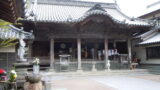
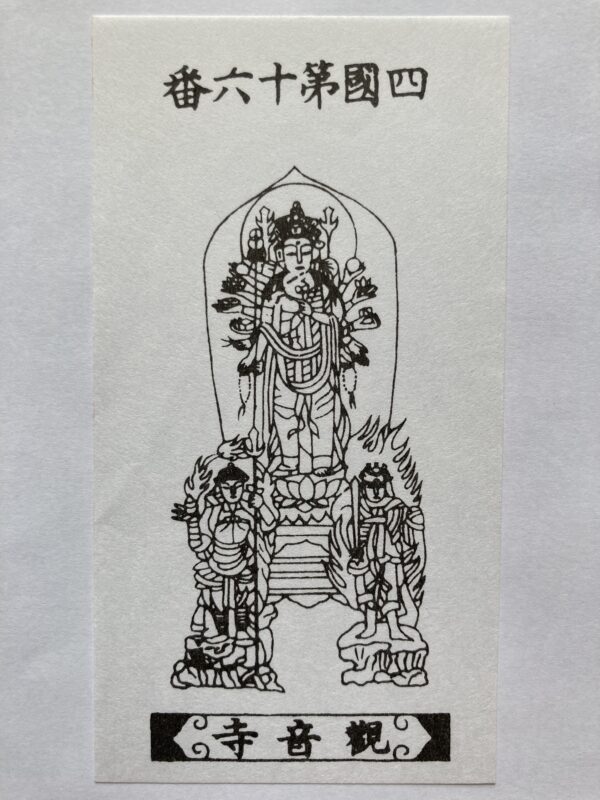
Why Are There Two Temples Called Kannonji?
Temple No. 16
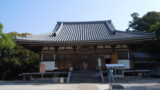
Temple No. 69
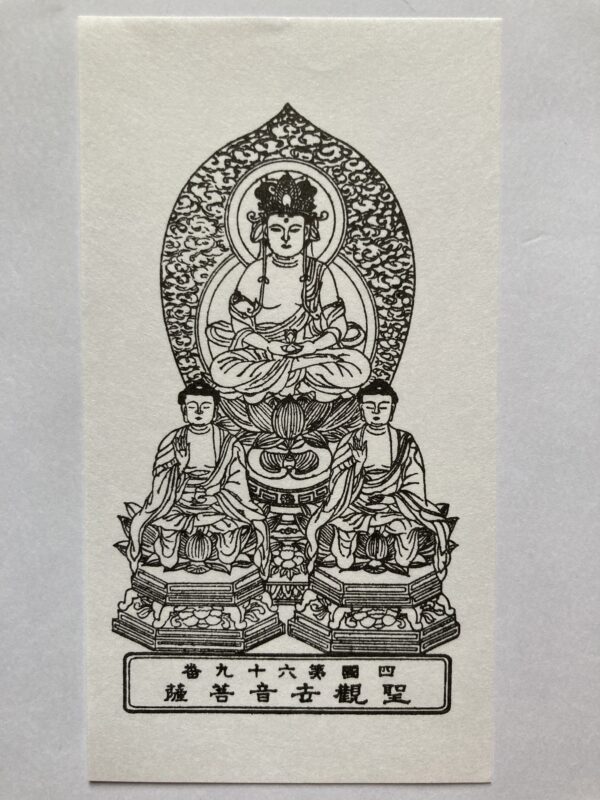
There are two temples named Kannonji among the 88 temples of the Shikoku Pilgrimage.
| Temple | Location | Buddhist School | Principal Deity |
|---|---|---|---|
| No. 16 Kannonji | Tokushima | Shingon Buddhism | Senju Kannon |
| No. 69 Kannonji | Kagawa | Shingon Buddhism | Sho Kannon |
The name Kannonji comes from the worship of Kannon, the bodhisattva of compassion.
Kannon has been widely worshipped in Japan for centuries, and temples dedicated to Kannon can be found throughout the country. As a result, many temples came to be known as Kannonji.
The two Kannonji temples on the Shikoku Pilgrimage are therefore not the same temple or branches of a single temple. They are separate temples that share a name derived from their connection with Kannon worship.
Their principal deities are also slightly different: Kannonji No. 16 enshrines Senju Kannon (Thousand-Armed Kannon), while Kannonji No. 69 enshrines Sho Kannon (Sacred Kannon).
Related Articles
Same Name, Different Temples
Although Kokubunji, Dainichiji, and Kannonji share the same names, each temple has its own history, Buddhist tradition, principal deity, and origins.
When walking the Shikoku Pilgrimage, you may sometimes think, “Another temple with the same name?”
But once you look into their histories, you discover that these temples often have completely different backgrounds.
Conclusion
The fact that several temples on the Shikoku Pilgrimage share the same name is not simply a coincidence.
- Kokubunji is connected to the network of provincial temples established by Emperor Shomu.
- Dainichiji is associated with the worship of Dainichi Nyorai.
- Kannonji is associated with the worship of Kannon.
- Due to historical developments such as the syncretism of Shinto and Buddhism, some temples have names or principal deities that differ from their original forms.
The existence of multiple temples with the same name is one of the fascinating aspects of the Shikoku Pilgrimage. It reflects the long history of the pilgrimage and the spread of different forms of Buddhist faith across Shikoku.
So, the next time you are walking the pilgrimage and think, “Another Kokubunji?”, take a moment to look into the history of that particular temple.
You may find that, despite sharing the same name, it has a completely different story to tell.
Comments