
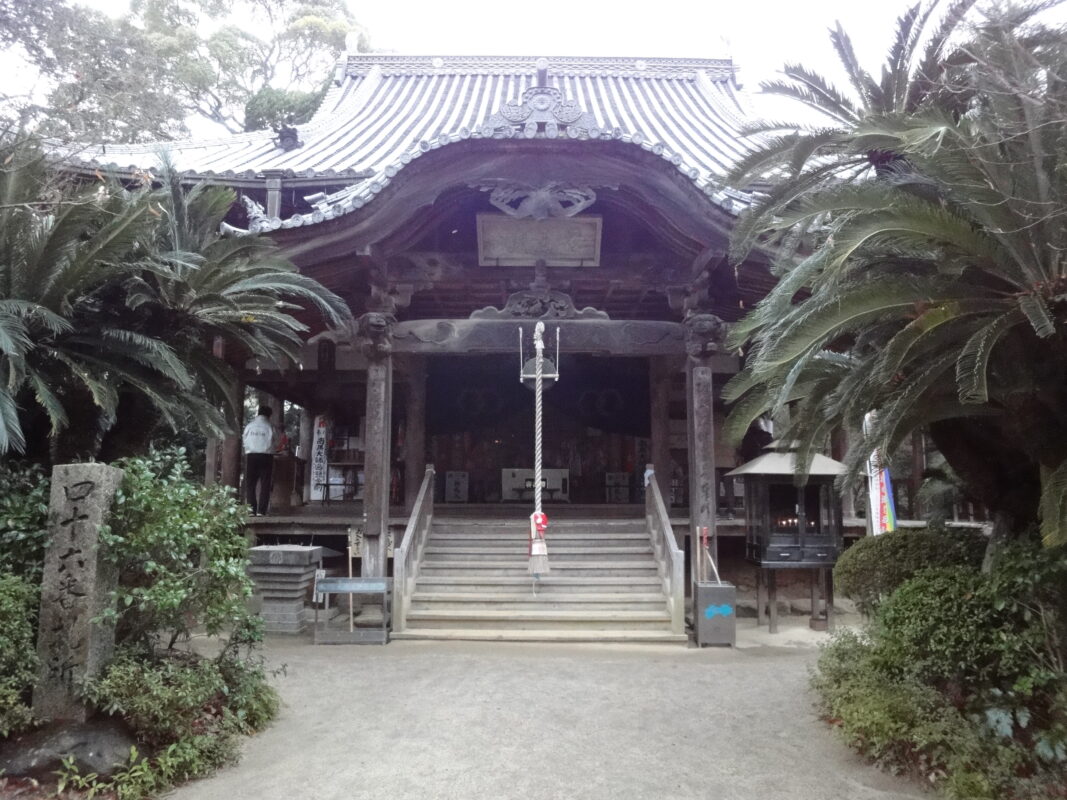
Discover Temple 46 Joruriji on the Shikoku 88 Temple Pilgrimage. Learn about the historic Misaka Pilgrimage Trail, Sakamotoya, Kumakogen, the ancient Japanese juniper, and walking pilgrim tips based on personal experience.
Joruriji Temple Information
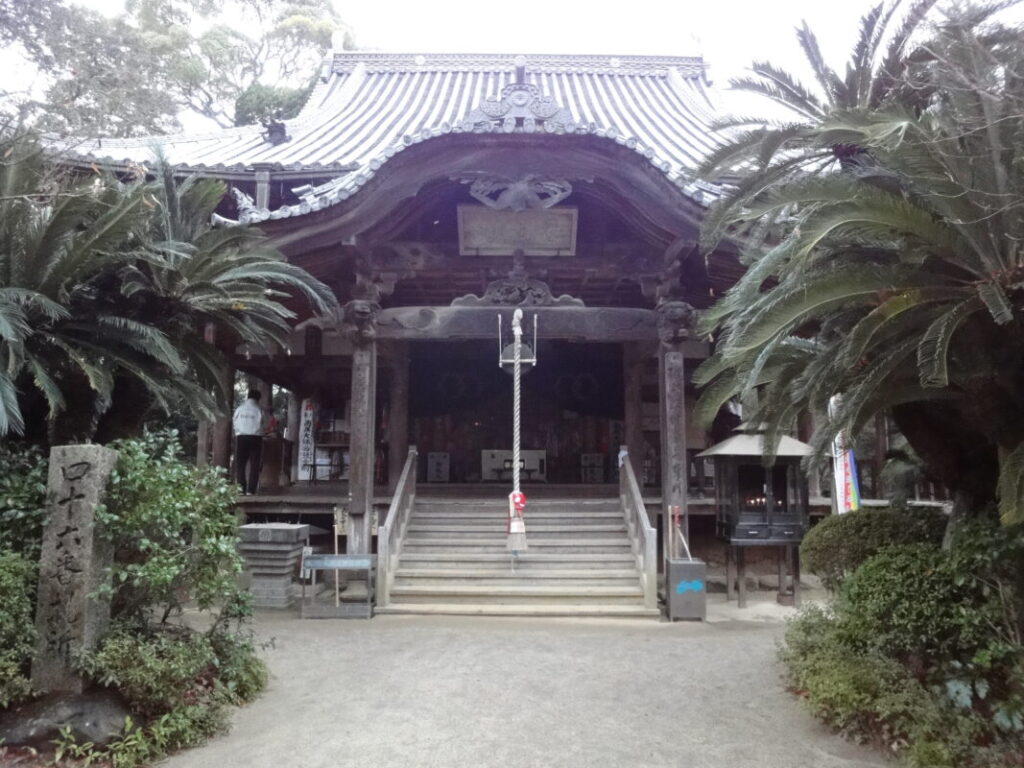
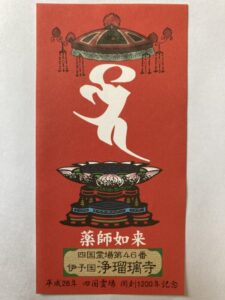
Goshuin
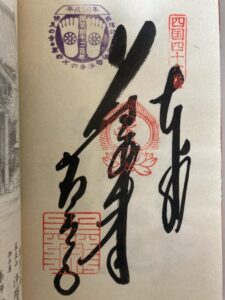
- Omie
- 1,200th Anniversary Edition
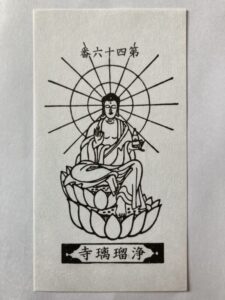
Basic Information
| Principal Deity Yakushi Nyorai | Elevation 85 m |
| Location Ehime Pref. Matsuyama City | Google Maps MAP |
Accommodation
| Shukubo (Temple Lodging) | Not Available |
| Tsuyado (Free Pilgrim Shelter) | Not Available |
History & Highlights
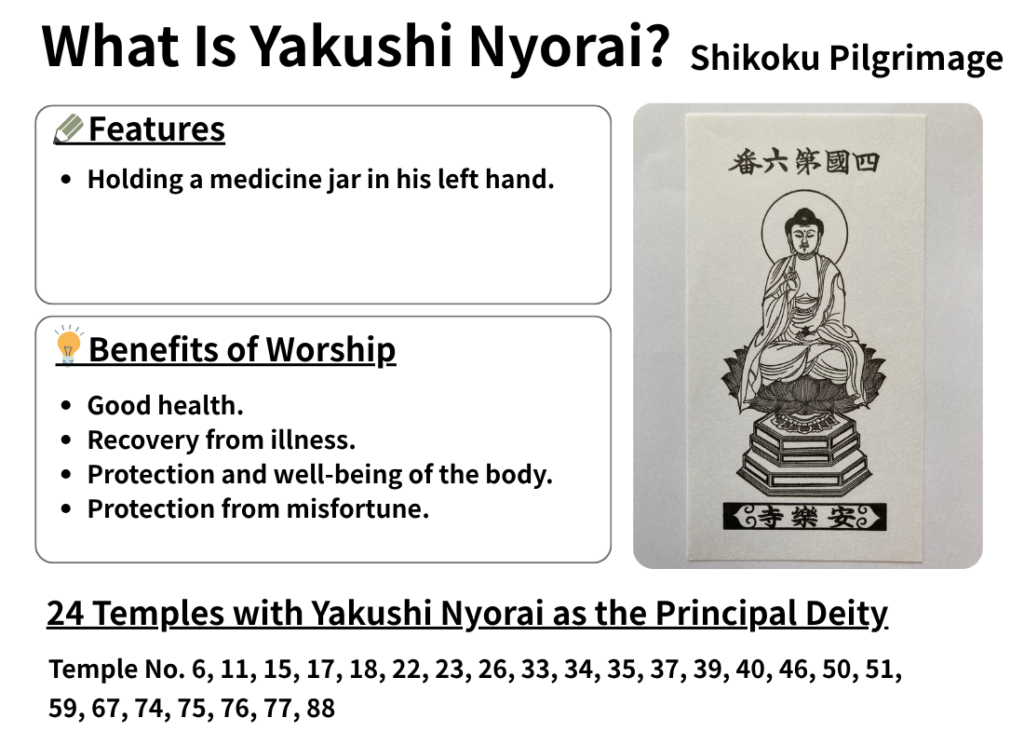
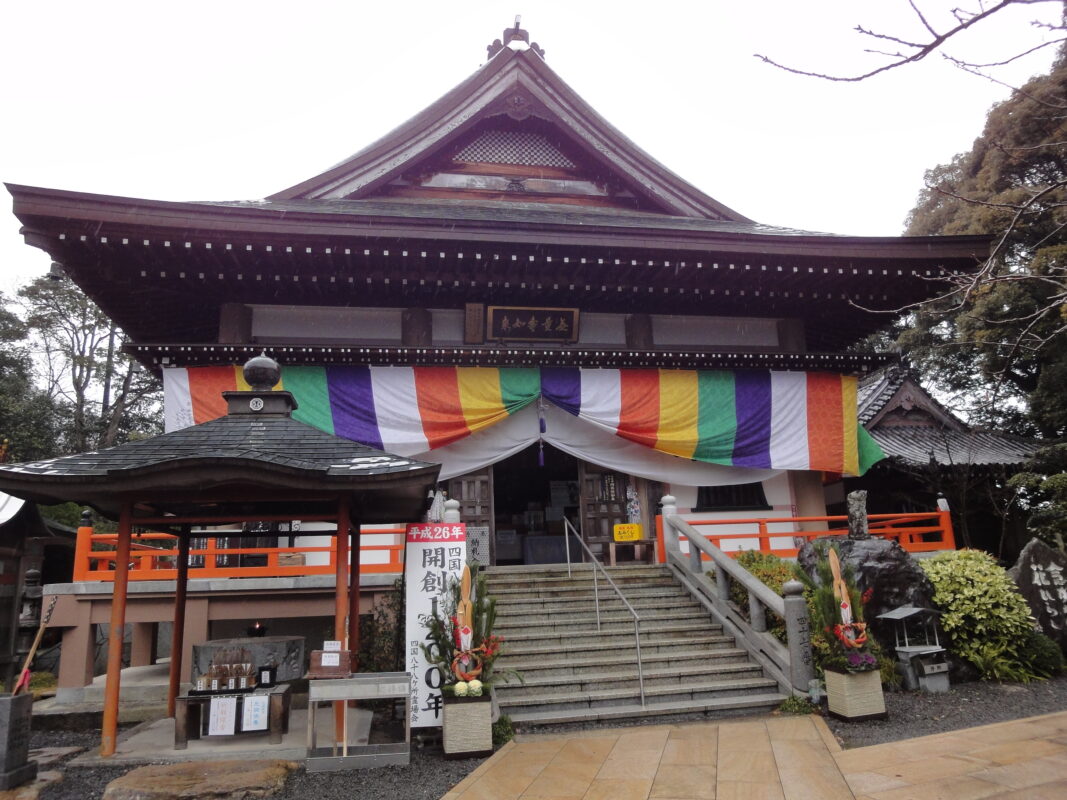
Joruriji is said to have been founded by Gyōki and later restored by Kūkai (Kōbō Daishi). The temple’s principal image, Yakushi Nyorai (the Medicine Buddha), has long been revered for healing and good health. Within the peaceful temple grounds stands an ancient Japanese juniper believed to be over 1,000 years old.
Route Map, Distance & Travel Time
You can switch between the tabs to view the routes to the previous and next temples.
Select “Driving Route” from the map’s upper-left menu to display the driving route.
Click the Full Screen icon in the upper-right corner of the map to open it in Google Maps for a larger, easier-to-view map.
Transportation Guide
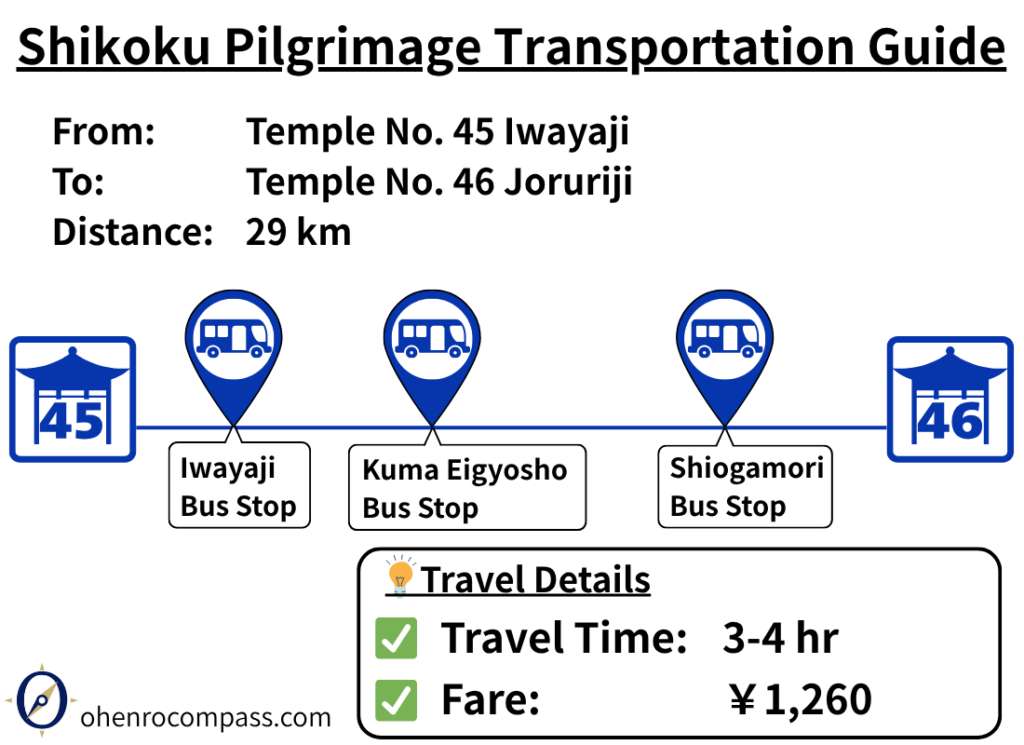
Find the best bus route from Temple 45 Iwayaji to Temple 46 Joruriji on the Shikoku Pilgrimage. Includes travel time, fare, bus transfers, timetables, and a comparison with walking.
My Walking Experience
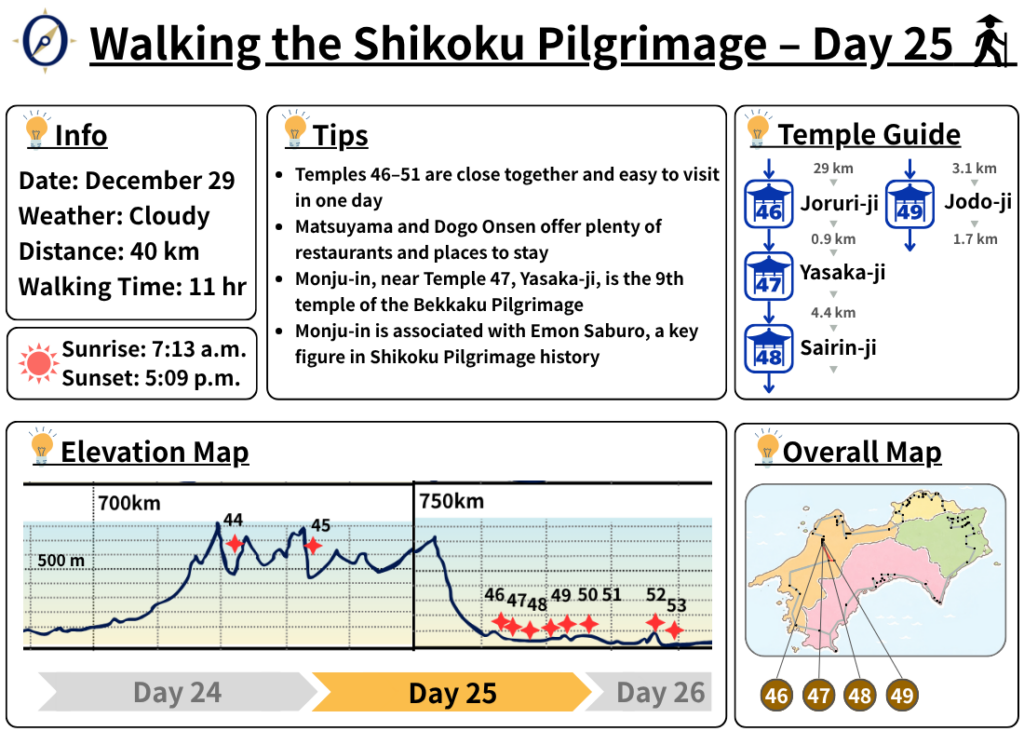
The walk from Iwayaji to Joruriji is approximately 30 km (19 miles). The route climbs from Kumakōgen at an elevation of about 500 m (1,640 ft) to Misaka Pass at 720 m (2,360 ft), before descending the historic Misaka Pilgrimage Trail toward Matsuyama.
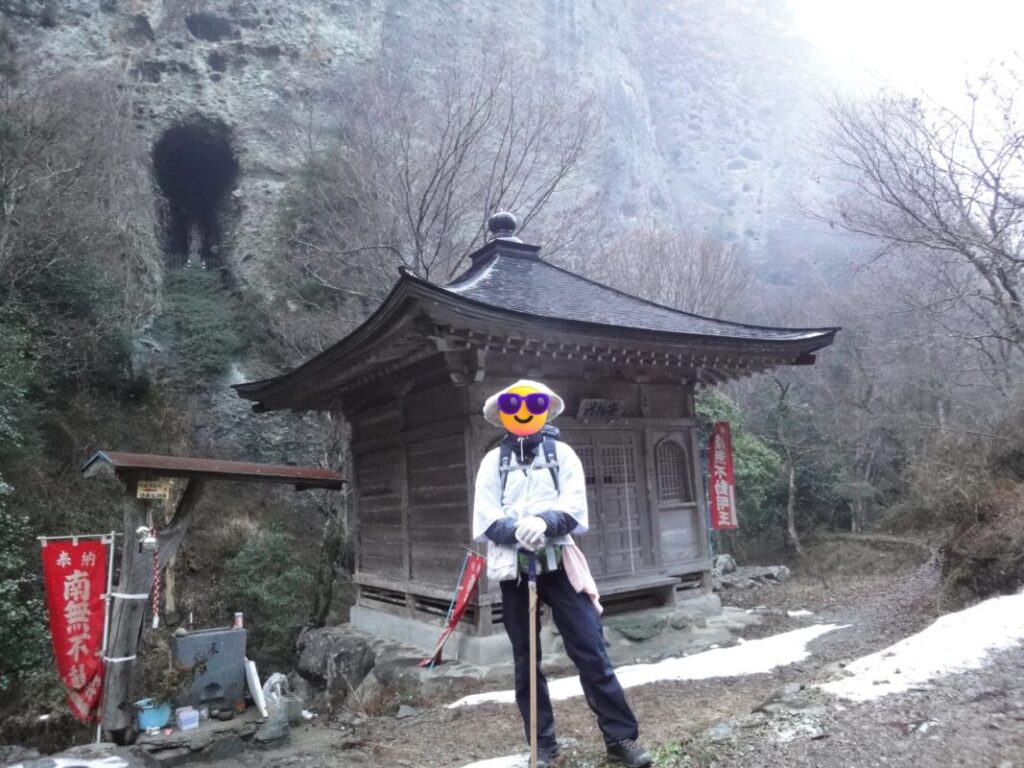
Through Furuiwaya to Kumakōgen
After leaving Iwayaji, retrace your steps toward Daihōji.
Just beyond Kokumin Shukusha Furuiwayasō (National Resort Inn), a bridge leads down to a riverside path where you can visit Furuiwaya Fudōson and admire the area’s dramatic rock formations. The statue of Fudō Myōō, standing against the towering cliffs behind the temple, blends beautifully with the surrounding landscape and creates a solemn atmosphere. This riverside path is also a shortcut compared with the road, making it the recommended route for walking pilgrims.
After about 10 km (6.2 miles), you will reach the town center of Kumakōgen. From this point until Joruriji in Matsuyama, there are relatively few places to buy food or drinks, so it is a good idea to stock up on supplies here.
Crossing the Misaka Pilgrimage Trail
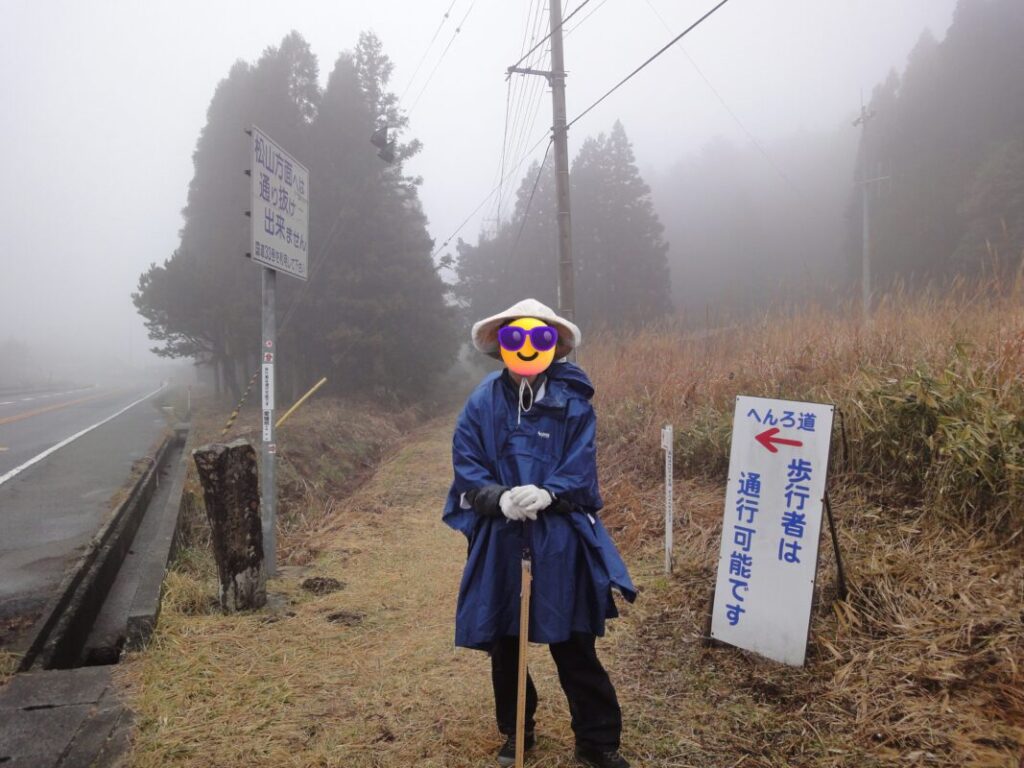
About 17 km (10.6 miles) from Iwayaji, you will reach the entrance to the Misaka Pilgrimage Trail. A stone marker stands beside National Route 33, so keep an eye out to avoid missing the trailhead.
After crossing Misaka Pass, the pilgrimage trail descends steadily toward Matsuyama.
There is a pilgrims’ shelter along the Misaka Pilgrimage Trail where overnight stays are possible. When I stayed there, two other walking pilgrims were also spending the night, making it a memorable stop along the journey.
Roadside rest area along National Route 33 (15 km point)
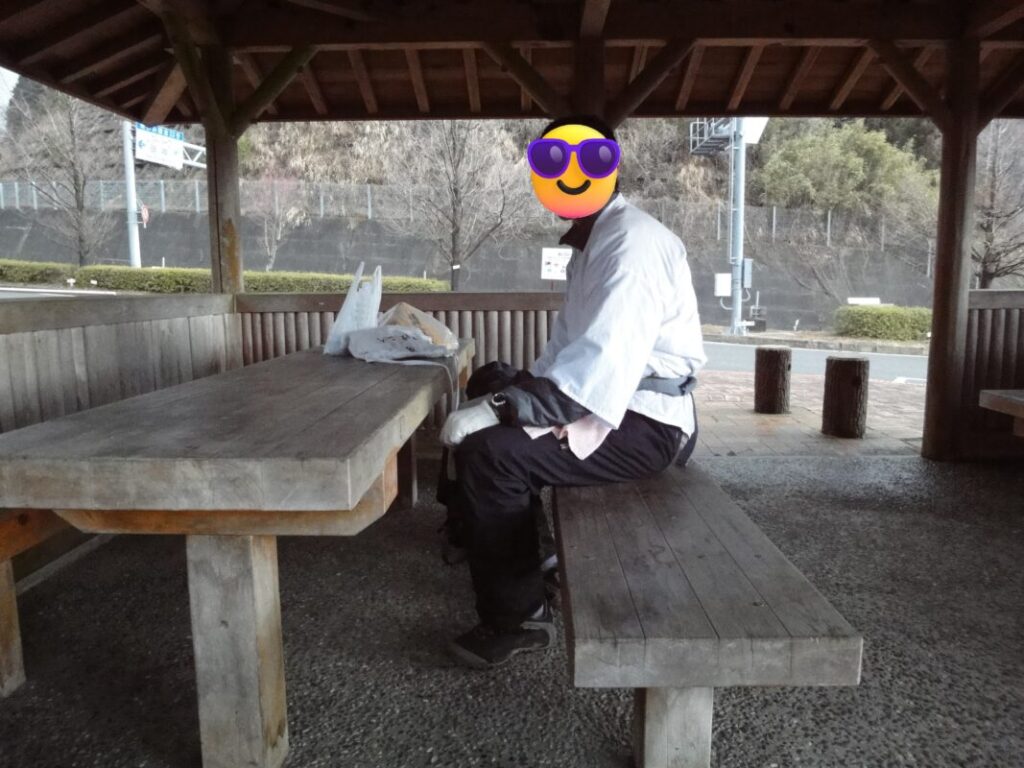
Restrooms and vending machines available.
Entrance to the Misaka Pilgrimage Trail (17 km point)
Pilgrims’ shelter on the Misaka Pilgrimage Trail
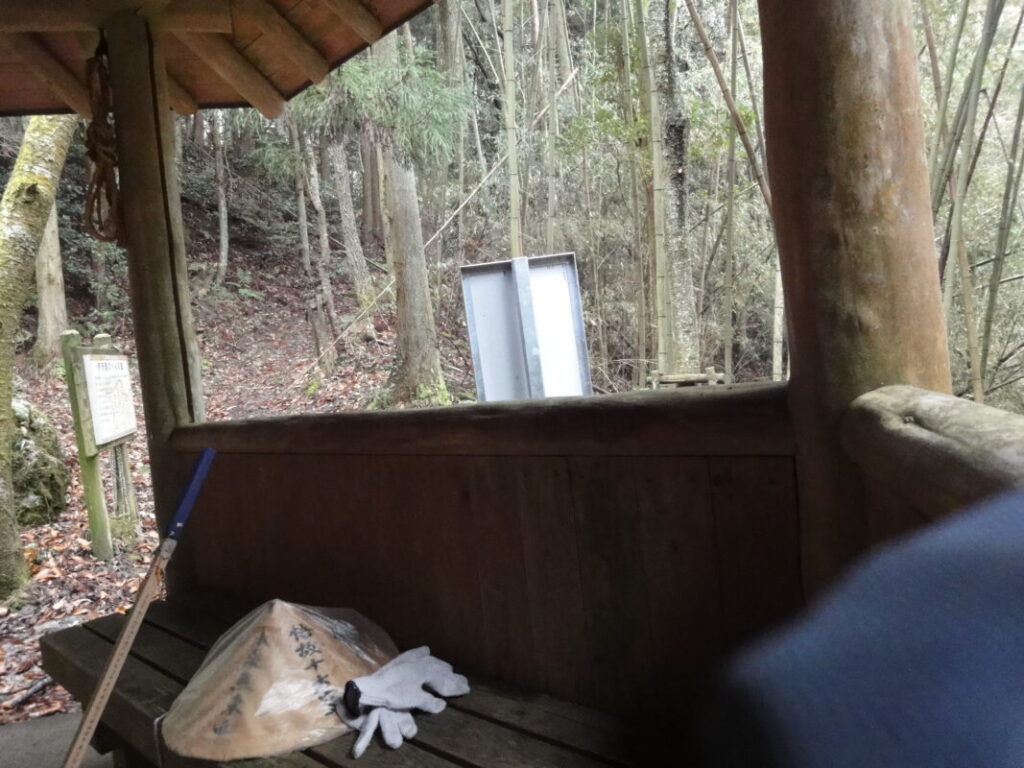
No restrooms available.
Sakamotoya – A Traditional Pilgrims’ Rest House
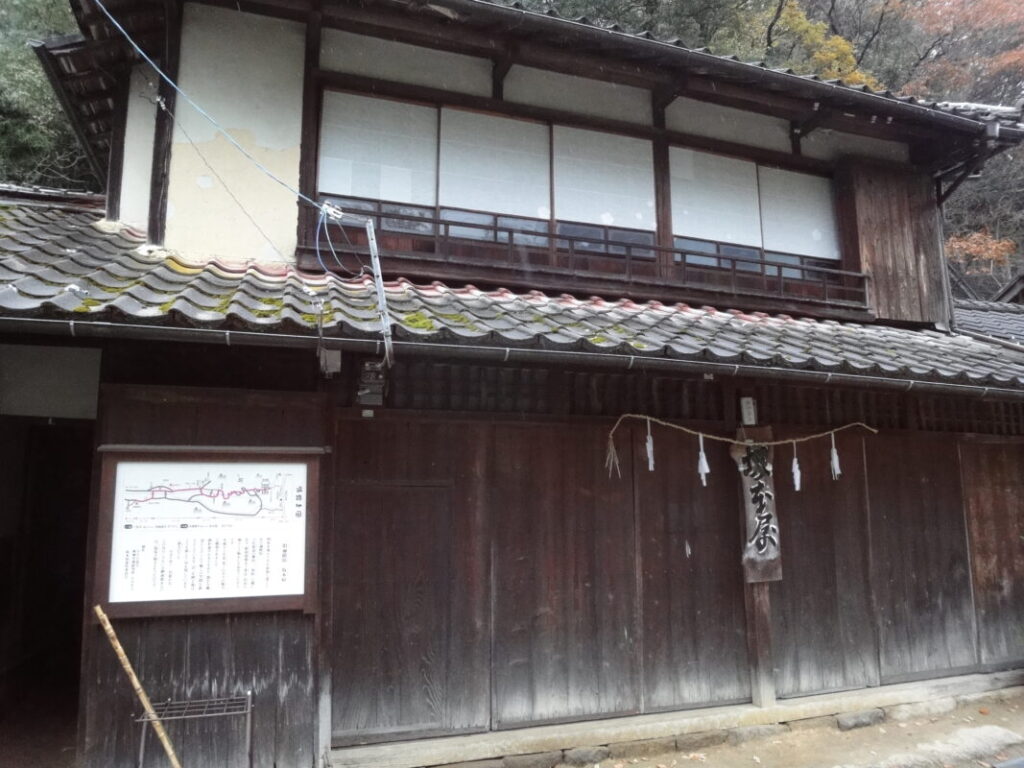
After descending the mountain trail, you will rejoin the road and, at around the 20 km (12.4-mile) mark, arrive at Sakamotoya, a well-known osettai (pilgrim hospitality) rest house.
Sakamotoya is a traditional wooden building dating from the early 1900s. Although it was once abandoned, it has been carefully restored by local volunteers and now serves as a welcoming place where pilgrims can rest and experience the tradition of osettai.
Unfortunately, it was closed when I visited. However, it is usually open on weekends and public holidays (except during the winter season). If your timing is right, it is well worth stopping by to experience the warm hospitality that has long been a part of the Shikoku Pilgrimage.
Highlights of Joruriji
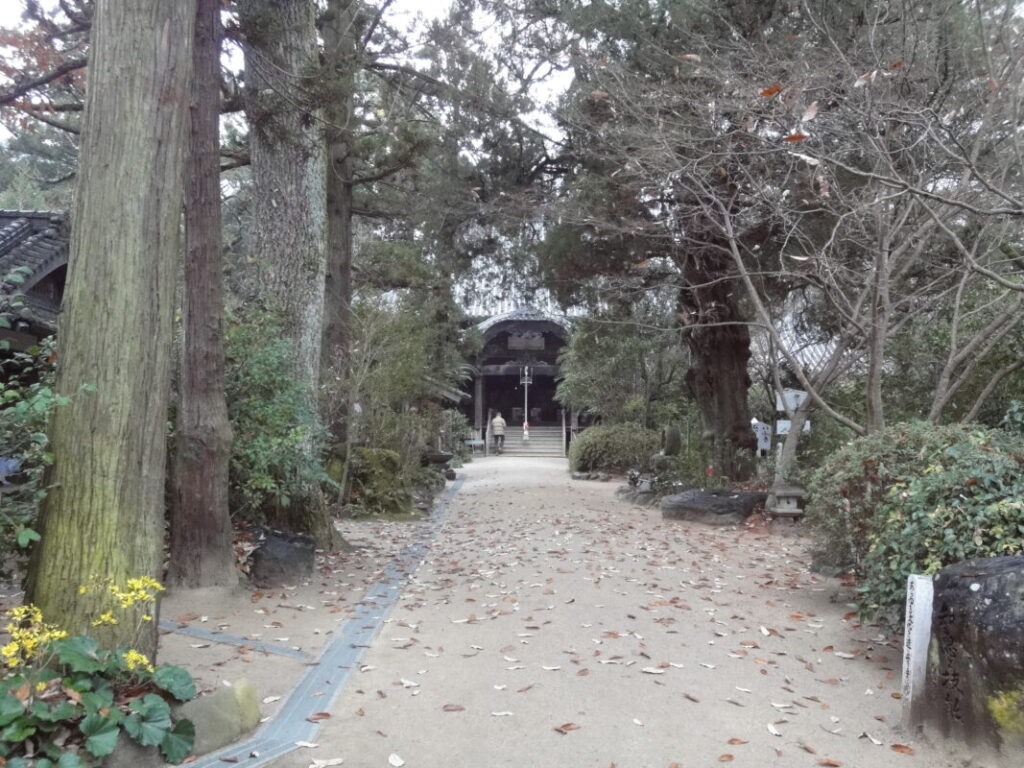
One of the first things you’ll notice at Joruriji is the Japanese juniper (Ibuki-byakushin), which is believed to be over 1,000 years old. Although the temple grounds are home to many large trees, this ancient juniper, with its rugged, twisted trunk, stands out as a powerful reminder of the temple’s long history.
In front of the Main Hall is a large sago palm, another distinctive feature of the temple grounds.
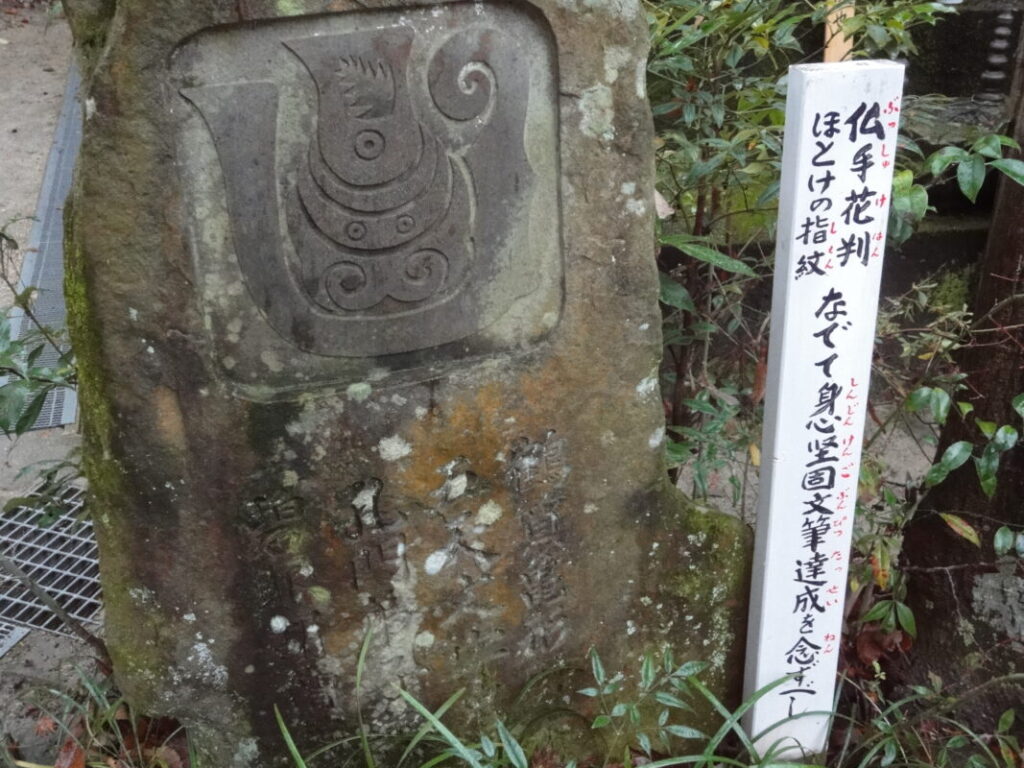
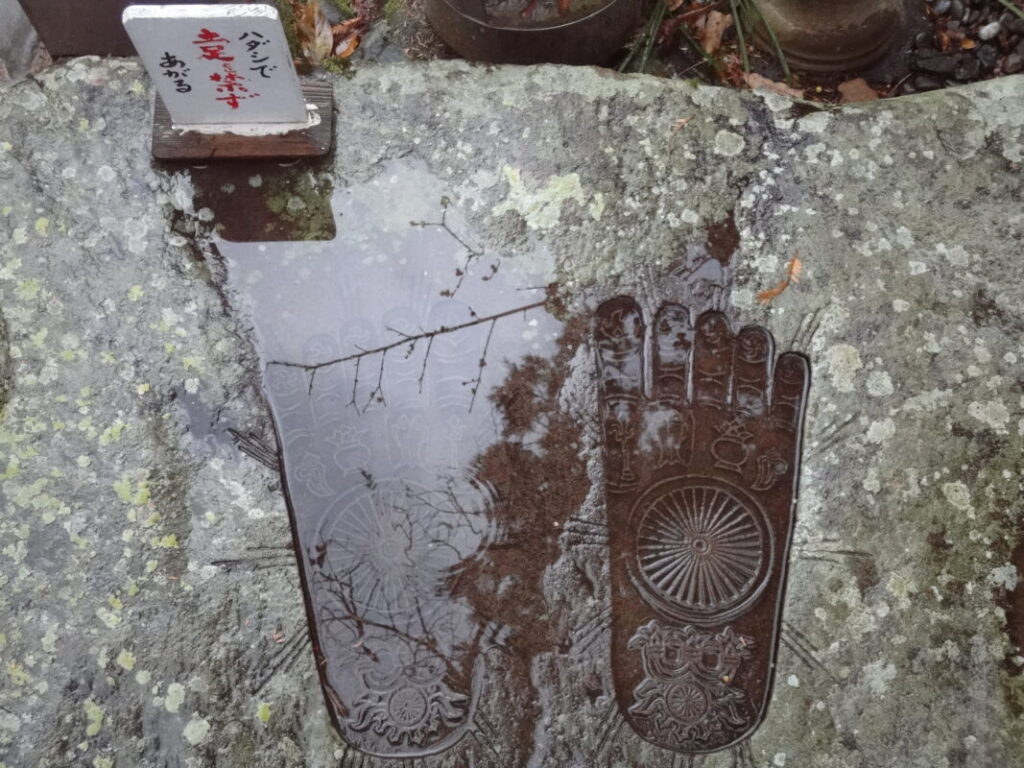
You will also find stone carvings said to represent the footprints and fingerprints of the Buddha. According to tradition, touching these carvings is believed to bring blessings, making them a popular stop for visitors and pilgrims alike. Be sure to take a closer look during your visit.
Temple grounds of Joruriji
Stone carving of the Buddha’s fingerprints
Stone carving of the Buddha’s footprints
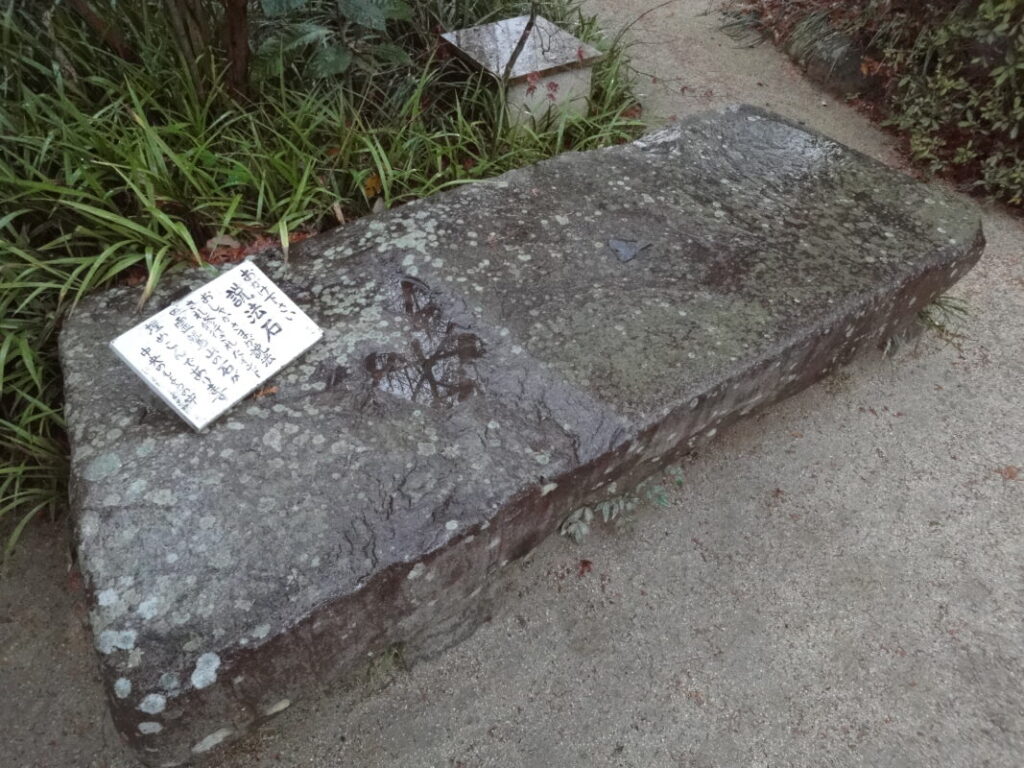
Containing a stone from Vulture Peak in India
Useful Facilities Between Pilgrimage Temples
Find useful facilities along the pilgrimage route, including toilets and rest areas.
Loading rest spots...
Looking for More Places to Take a Break?
Explore our guide to rest stops, hot springs, campsites, and other useful places for pilgrims walking the Shikoku Pilgrimage.

Nearby Accommodation
Here are some accommodation options near this temple that may be convenient for pilgrims. If you are planning to stay overnight, we hope you find this list helpful.
Looking for more accommodation options?
Visit our Pilgrim Accommodation Guide to explore more places to stay along the Shikoku Pilgrimage. You can search by location, accommodation type, price range, facilities, and more.

Additional Information
Related Articles
Shikoku 88 Temple Pilgrimage Route: Full List, Distance & Walking Time Guide.
Temple List and Full Route


Comments