
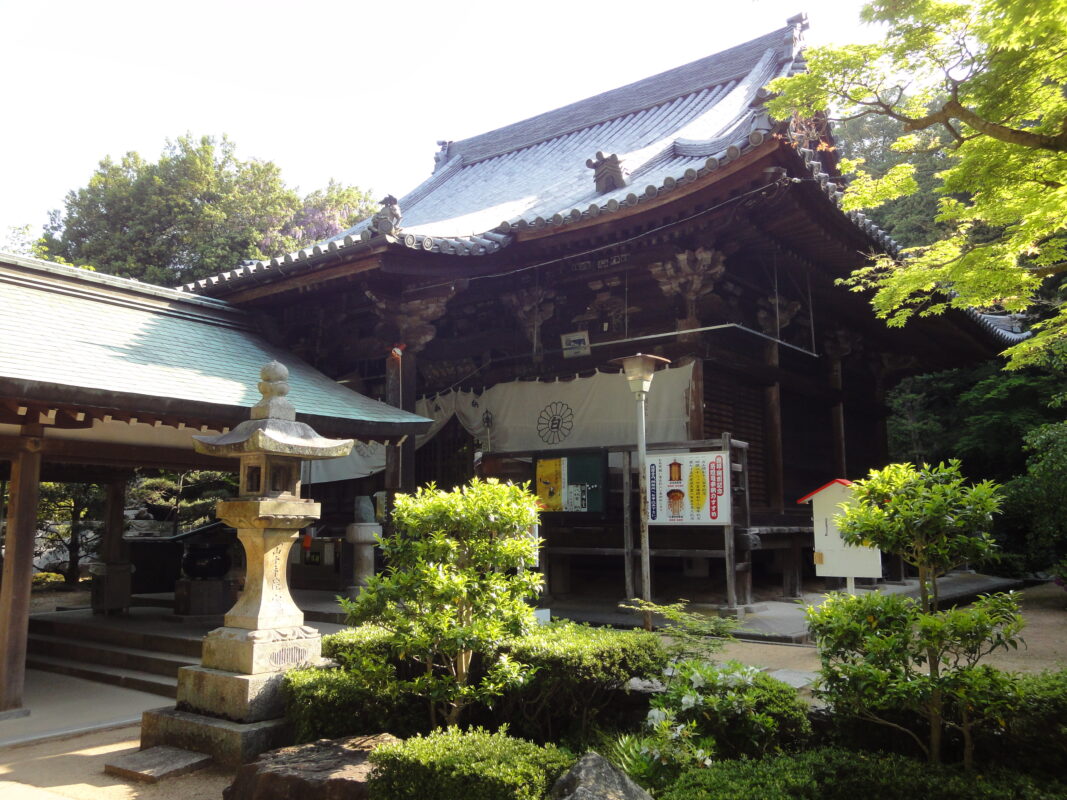
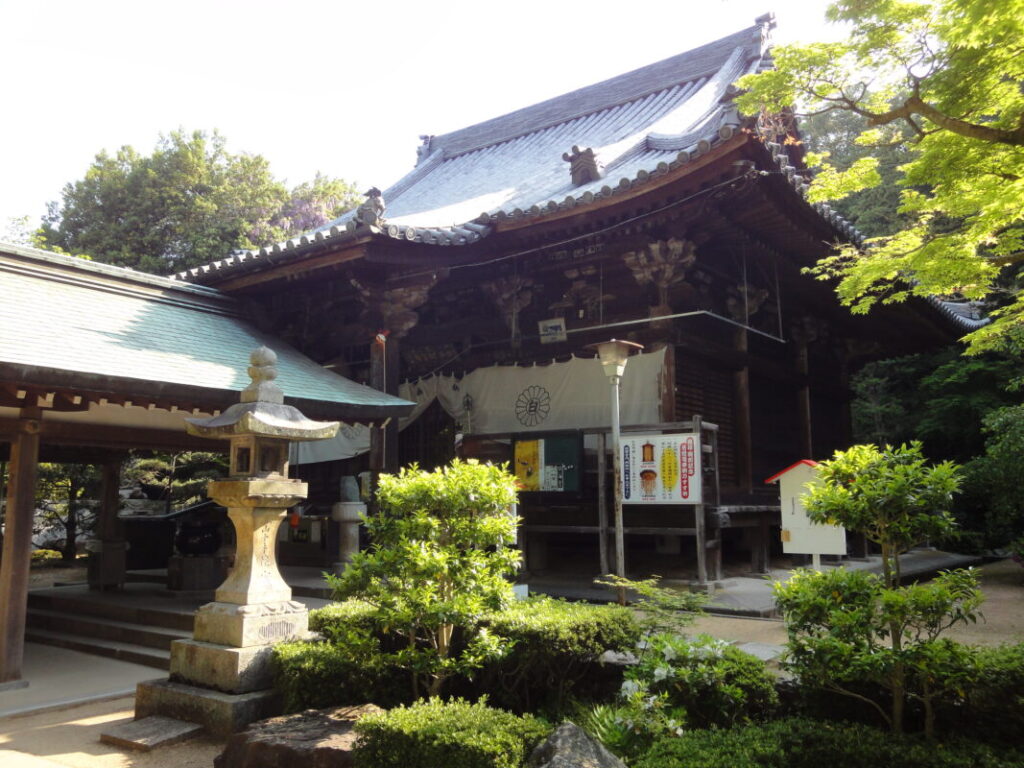
Shiromineji Temple Information
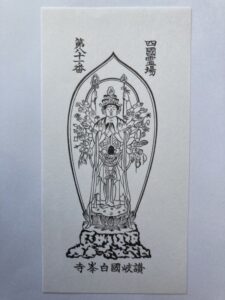
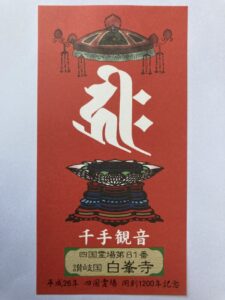
Goshuin

- Omie
- 1,200th Anniversary Edition
Basic Information
| Principal Deity | Thousand-Armed Kannon |
| Elevation | 280 m |
| Google Maps | MAP |
Accommodation
| Shukubo (Temple Lodging) | Not Available |
| Tsuyado (Free Pilgrim Shelter) | Not Available |
History & Highlights
Shiromineji Temple is an ancient temple located on Mount Shiromine in the Goshikidai mountain range. It is closely associated with both Kobo Daishi and Chisho Daishi and stands beside the mausoleum of Emperor Sutoku.
The temple is also known for legends involving the poet-monk Saigyo and for traditions connected to Sagamibo Tengu. In addition to its rich history, visitors can enjoy numerous cultural treasures and beautiful seasonal scenery throughout the year.
Route Map, Distance & Travel Time
You can switch between the tabs to view the routes to the previous and next temples.
Select “Driving Route” from the map’s upper-left menu to display the driving route.
Click the Full Screen icon in the upper-right corner of the map to open it in Google Maps for a larger, easier-to-view map.
- From Previous Temple
- To Next Temple
Previous Temple: Kokubunji
| Distance | 6.5 km |
| Walking | 2 hr |
| Driving | 30 min |
Next Temple: Negoroji
| Distance | 5 km |
| Walking | 1 hr 40 min |
| Driving | 15 min |
My Walking Experience
Shiromineji Temple is a mountain temple located at an elevation of approximately 280 meters on Mount Goshikidai. For pilgrims traveling on foot, the route from Kokubunji Temple involves an elevation gain of up to 400 meters, making it one of the more demanding mountain sections in Kagawa Prefecture. It is a good idea to stock up on drinks and snacks around Kokubunji before beginning the climb.
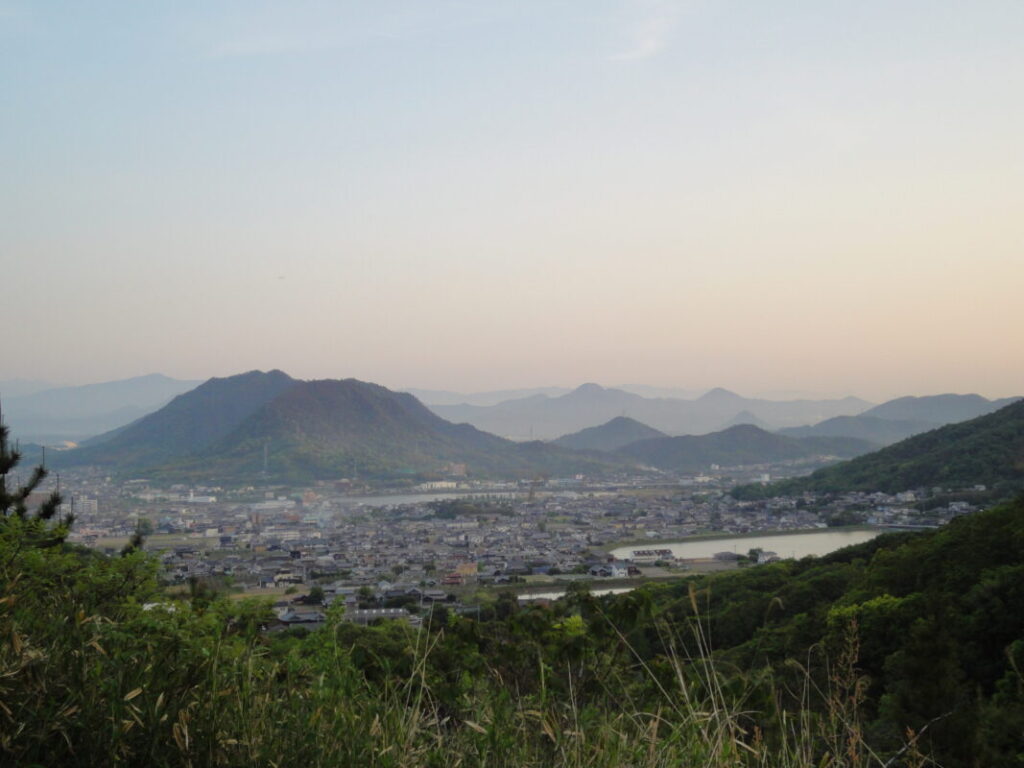
After leaving Kokubunji, head north toward Mount Goshikidai. As you gradually gain elevation, the climb can be challenging, but each time you look back, you are rewarded with views of terraced fields, Sanuki Fuji, and the vast Sanuki Plain. The scenery makes it easy to appreciate how far you have climbed.
After passing a cemetery, take the left branch at the fork in the road, where the true mountain trail begins. The hiking path continues for about 4 km and includes several steep sections, providing a rewarding challenge for walkers.
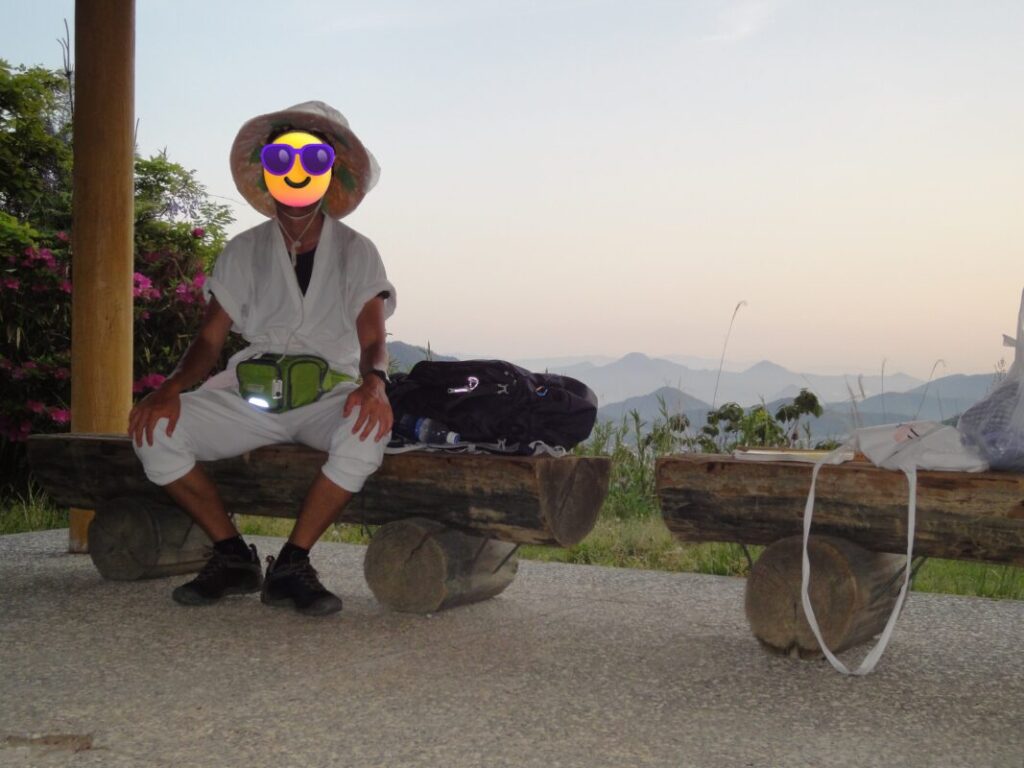
Along the way, there is a covered rest area offering panoramic views over the towns and countryside of Sanuki. I spent a night there while walking the pilgrimage, and the scenery at sunset and sunrise was particularly memorable. With very few artificial lights nearby, the area also offers excellent stargazing on clear nights.
After leaving the mountain trail, you will reach a paved road. Turn left and continue until you see another sign marking a shortcut trail to Shiromineji Temple. Be careful not to miss it, as it provides a more direct route to the temple.
History and Highlights of Shiromineji Temple
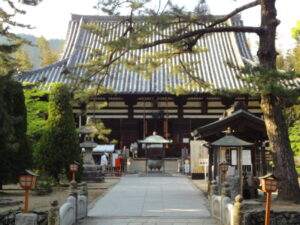
Shiromineji Temple is best known for its connection to Emperor Sutoku, who was exiled to Sanuki following the Hogen Rebellion. Near the temple grounds stands the Shiromine Imperial Mausoleum, and many visitors come to pay their respects to the former emperor.
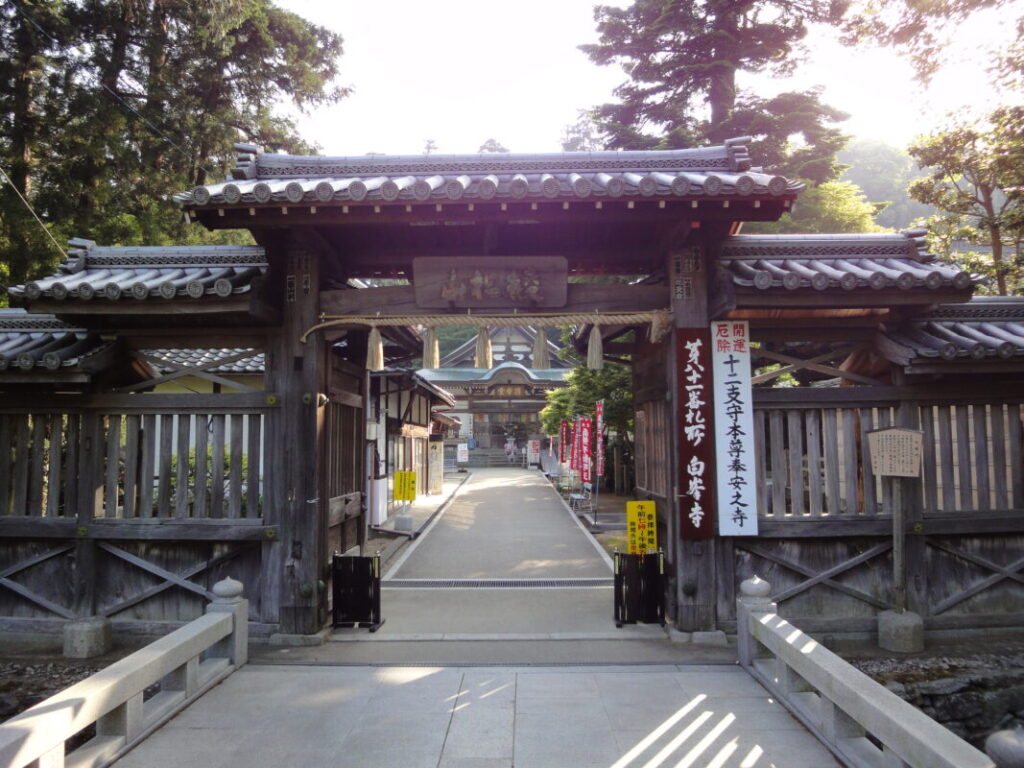
In front of the temple gate is a small stone bridge crossing an irrigation channel, creating the quiet and peaceful atmosphere typical of a mountain temple.
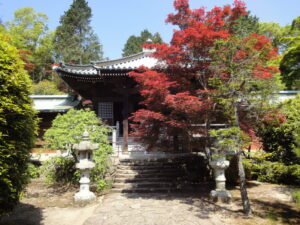
Because the temple grounds extend along a mountainside slope, there are many stairways throughout the complex. However, handrails have been installed, making it relatively easy to explore. Surrounded by trees, the grounds provide pleasant shade and refreshing mountain breezes, especially during warmer seasons.
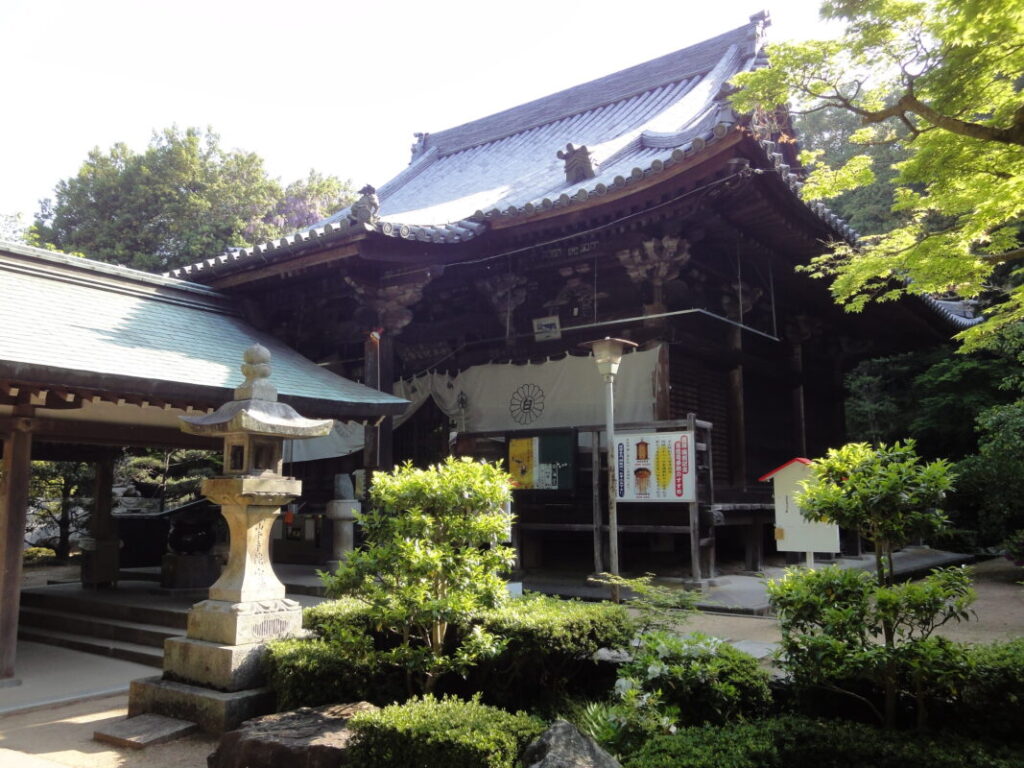
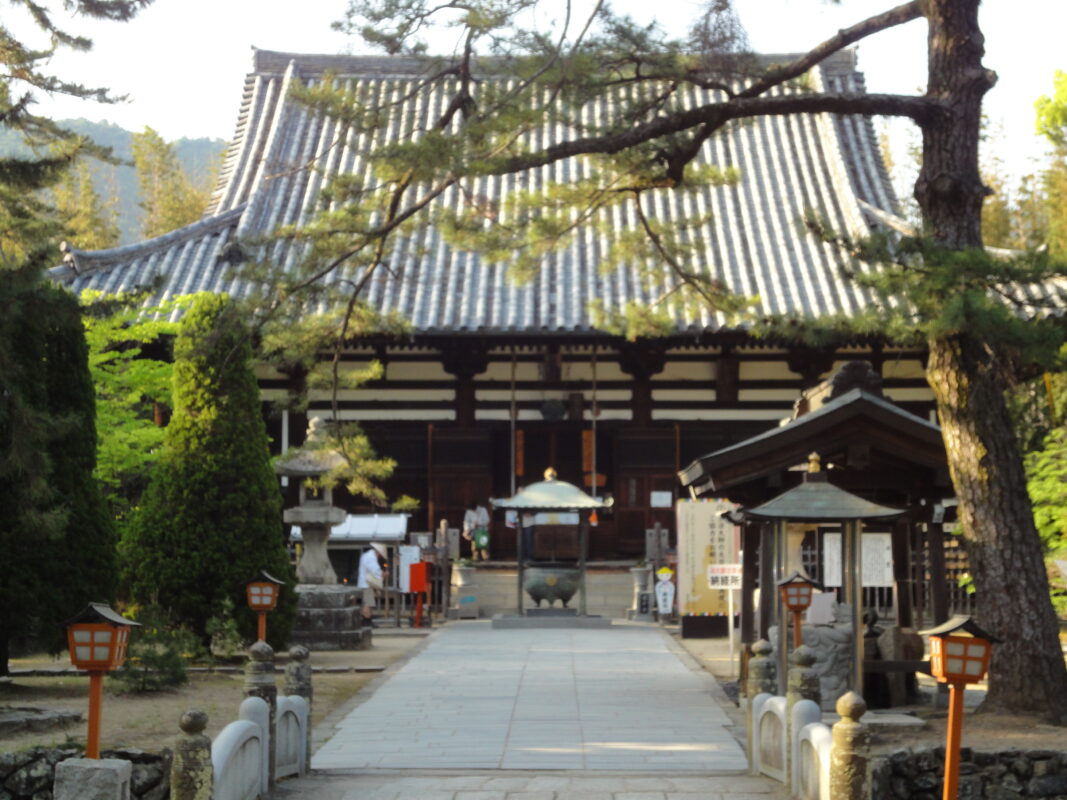
The Main Hall and Daishi Hall stand side by side, allowing visitors to worship at both with ease. Although located deep in the mountains, the temple is well maintained, and its tranquil atmosphere blends beautifully with the natural surroundings of Mount Goshikidai. The harmony between the historic buildings and the mountain landscape leaves a lasting impression on visitors.
Nearby Accommodation
If you plan to stay near Shiromineji or between the surrounding pilgrimage temples, see the article below.

Related Articles
Shikoku 88 Temple Pilgrimage Route: Full List, Distance & Walking Time Guide.
Temple List and Full Route
Comments