
When people decide they want to start the Shikoku Pilgrimage, many wonder: “What season is best?”, “Is there an easier time for walking?”, or “Are summer and winter difficult?”
In short, spring and autumn are the best seasons for first-time pilgrims. The weather is generally more stable and comfortable, making these seasons easier and more beginner-friendly.
However, the ideal timing for a pilgrimage can vary depending on your purpose. Those who want to walk long distances, enjoy autumn colors and scenery, or travel during quieter periods with fewer people may each find different seasons more suitable.
Personally, I have experienced the pilgrimage during different periods through sectional trips: Golden Week in spring, the Obon holiday in summer, and the year-end/New Year holiday in winter. There were times when I struggled with the heat, and other times when I could not sleep because of the cold.
In this article, based on my own experiences, I will explain the characteristics and points to keep in mind for each season—spring, summer, autumn, and winter—and recommend the best times for beginners.
- When Is the Best Season for the Shikoku Pilgrimage? — Conclusion
- Overview of the Characteristics of Each Pilgrimage Season
- Spring Pilgrimage | Why It’s Recommended for Beginners, Temperature, and Important Points
- Summer Pilgrimage | Heat Protection and Staying Hydrated Are Essential
- Autumn Pilgrimage | A Popular Season with Comfortable Weather and Beautiful Autumn Colors
- Winter Pilgrimage | Pay Attention to Cold Weather, Snowy Roads, and Shorter Daylight Hours
- Who Is a Spring Pilgrimage Best Suited For? | Ideal for Beginners and First-Time Section Pilgrimages
- Who Is a Summer Pilgrimage Best Suited For? | Ideal for People Who Want to Walk Long Distances
- Who Is an Autumn Pilgrimage Best Suited For? | Ideal for Those Who Want to Enjoy Scenery and Autumn Colors
- Who Is a Winter Pilgrimage Best Suited For? | Ideal for Those Who Want a Quiet Walking Experience
- Are There Times You Should Avoid for the Shikoku Pilgrimage?
- When Is the Best Time for Your First Shikoku Pilgrimage?
- Frequently Asked Questions (FAQ)
- Conclusion | Spring Is Best for Beginners, but the Ideal Season Depends on Your Purpose
- Related Article
When Is the Best Season for the Shikoku Pilgrimage? — Conclusion
In conclusion, if this is your first time doing the Shikoku Pilgrimage, spring is the most recommended season.
Spring is neither too hot nor too cold, and many people also choose to walk the pilgrimage during this season, making it easier and more comfortable for beginners.
Here is a quick summary of the characteristics of each season:
| Season | Recommendation | Features |
|---|---|---|
| Spring | ★★★★★ | The easiest season for walking and ideal for beginners |
| Summer | ★★☆☆☆ | Very hot; heatstroke prevention is essential |
| Autumn | ★★★★☆ | Comfortable for walking and great for enjoying autumn colors |
| Winter | ★★★☆☆ | Cold, but offers beautiful scenery and a quieter atmosphere |
Personally, I have walked sections of the pilgrimage during Golden Week in spring, the Obon holiday in summer, and the year-end/New Year holiday in winter. Each season had its own advantages and challenges.
If it is your first pilgrimage, spring is the best choice. If comfort is your priority, autumn is a great option. If you want a more unique seasonal experience, summer and winter can also be worthwhile choices.
Overview of the Characteristics of Each Pilgrimage Season
Spring Pilgrimage | Why It’s Recommended for Beginners, Temperature, and Important Points
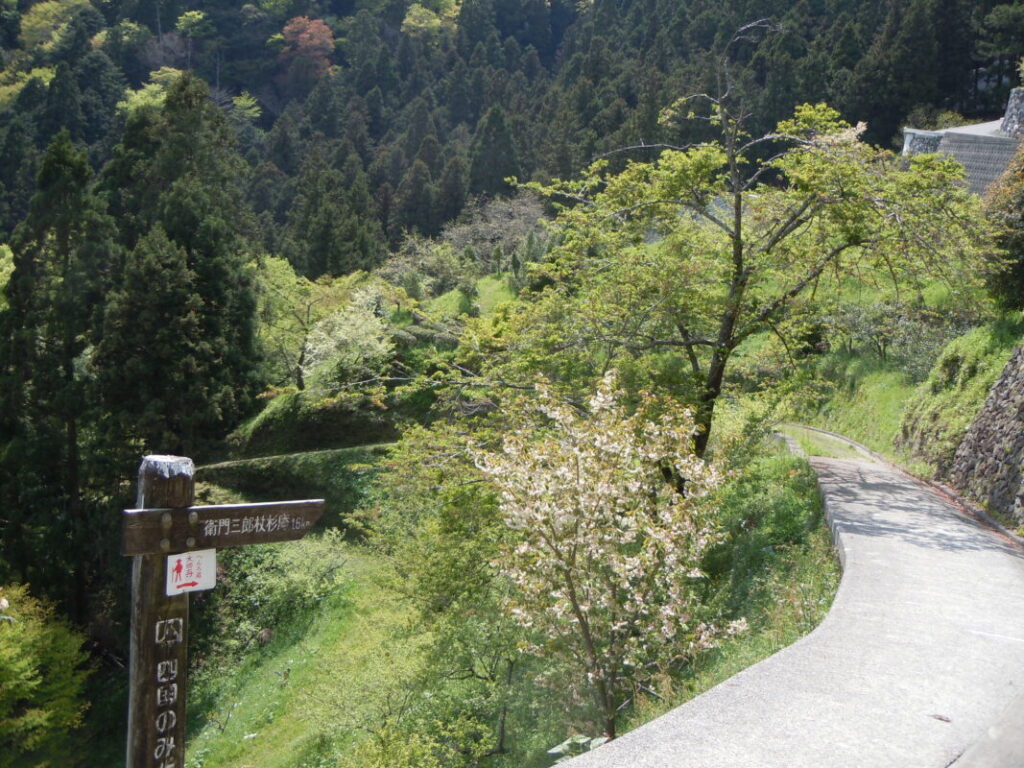
Temperature: Warm and comfortable for walking, although mornings and evenings can still be chilly
Crowds: More walking pilgrims, driving pilgrims, and group tours
Things to watch out for: Be careful of bees and venomous snakes on mountain trails
Best suited for: First-time pilgrims, beginners, and those doing section-by-section pilgrimages
Summer Pilgrimage | Heat Protection and Staying Hydrated Are Essential
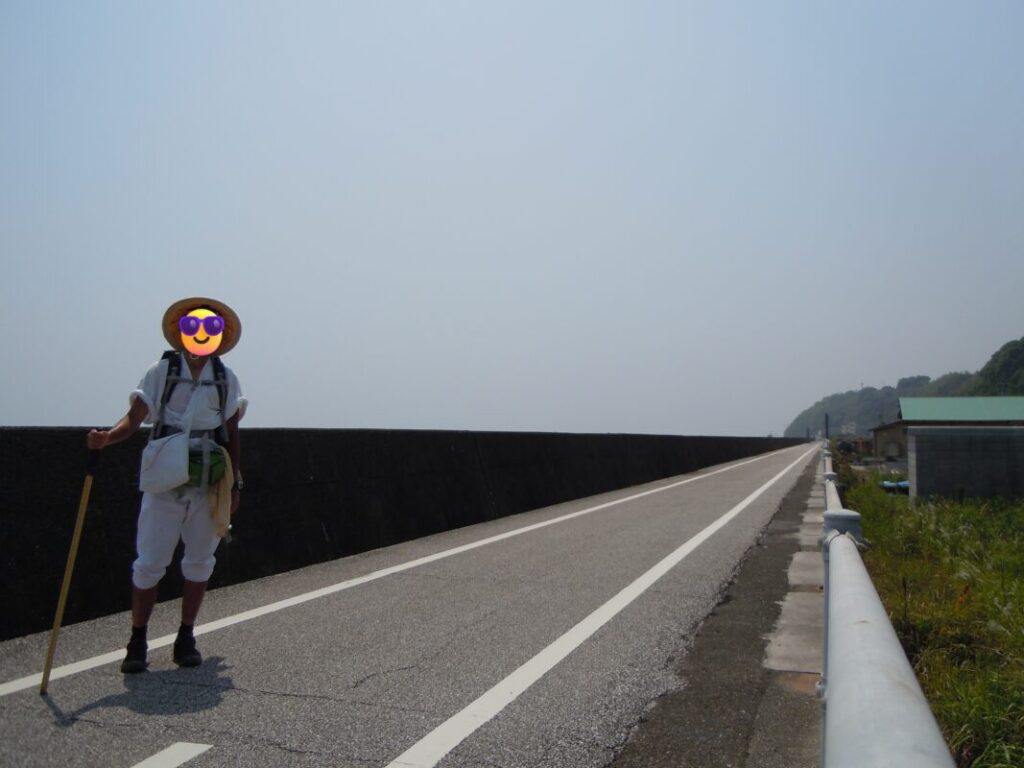
Temperature: Very hot, with especially strong sunlight along coastal areas
Crowds: Generally fewer people than in spring, but numbers increase during the Obon holiday period
Things to watch out for: Heatstroke, dehydration, and planning water supplies carefully
Best suited for: People confident in their physical stamina and those who want to walk long distances
Autumn Pilgrimage | A Popular Season with Comfortable Weather and Beautiful Autumn Colors
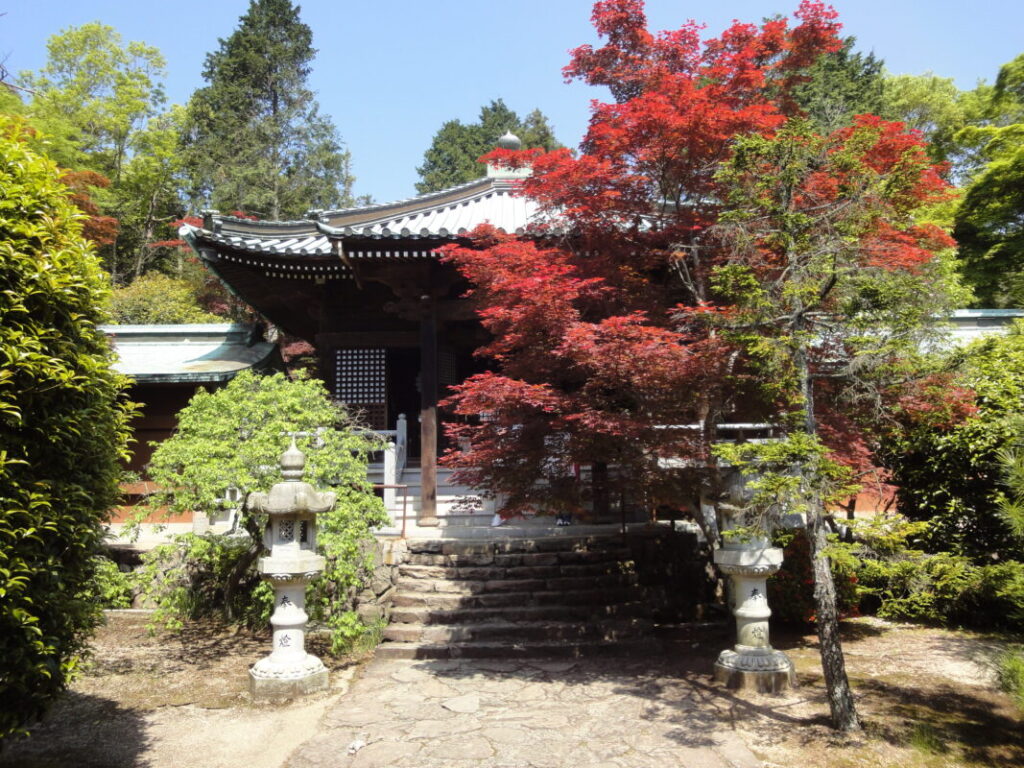
Temperature: Cooler and more comfortable after the summer heat
Crowds: Not as crowded as spring, but still relatively busy
Things to watch out for: Typhoons around September and colder mornings and evenings from November onward
Best suited for: Beginners and those who want a more comfortable walking experience
Winter Pilgrimage | Pay Attention to Cold Weather, Snowy Roads, and Shorter Daylight Hours
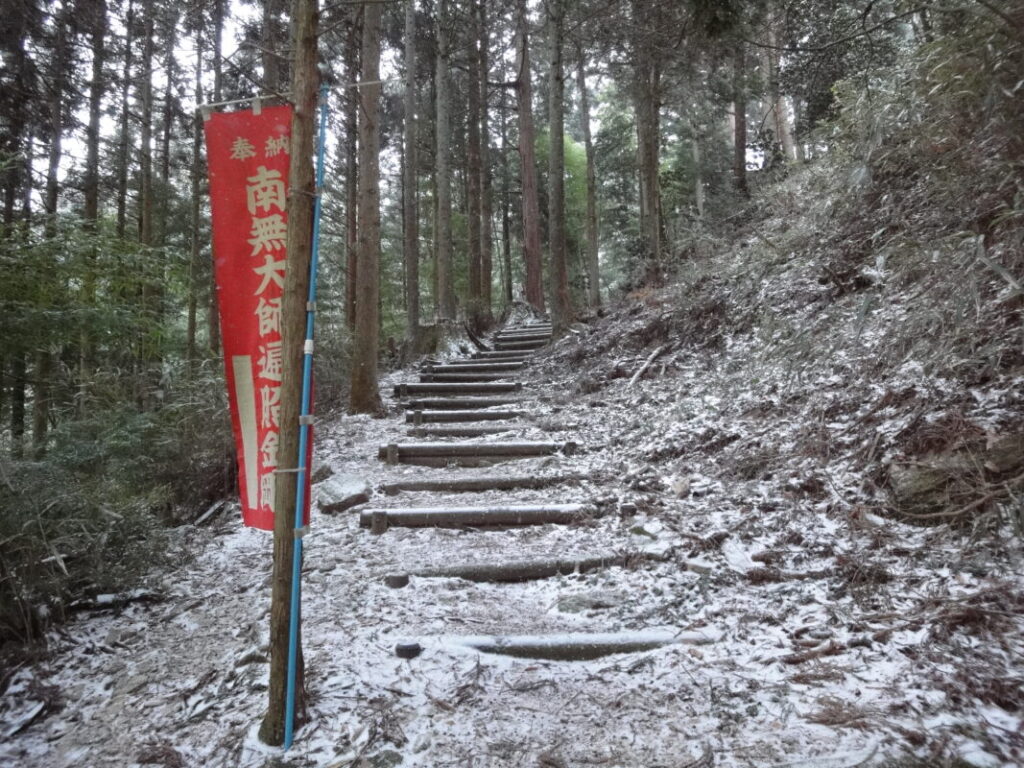
Temperature: Cold, with snow and icy conditions possible in mountainous areas
Crowds: May seem quieter, but there are often more walking pilgrims than expected
Things to watch out for: Cold-weather preparation, sunset times, and accommodation planning
Best suited for: People who prefer a quieter pilgrimage experience and those who dislike hot weather
Who Is a Spring Pilgrimage Best Suited For? | Ideal for Beginners and First-Time Section Pilgrimages
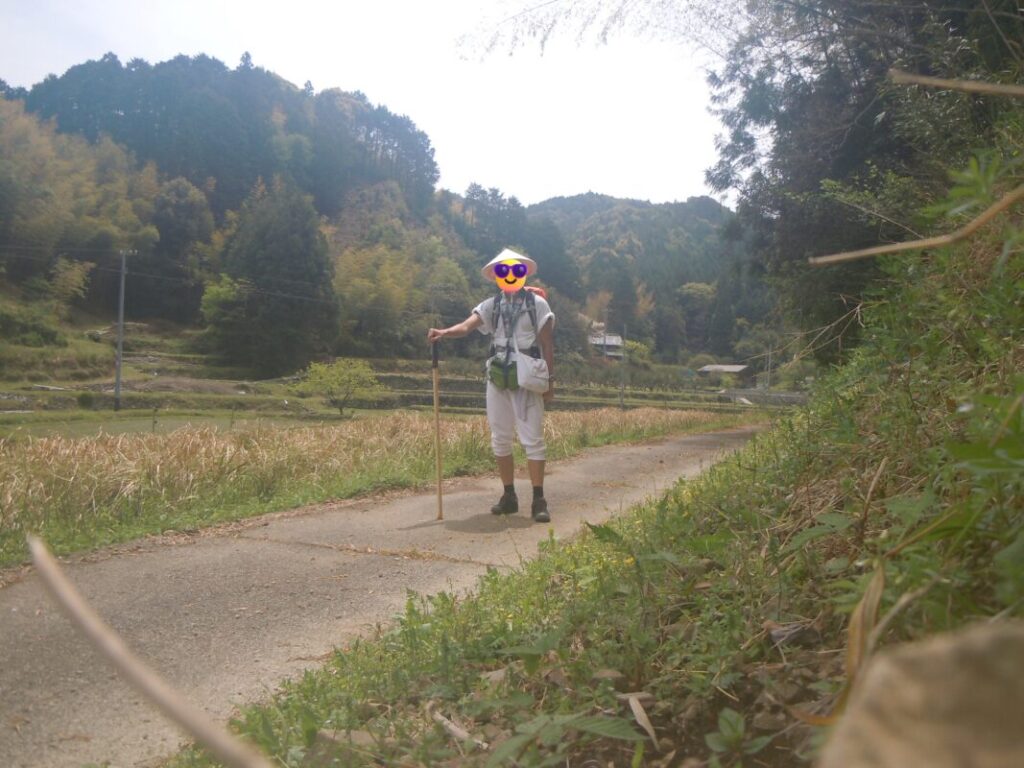
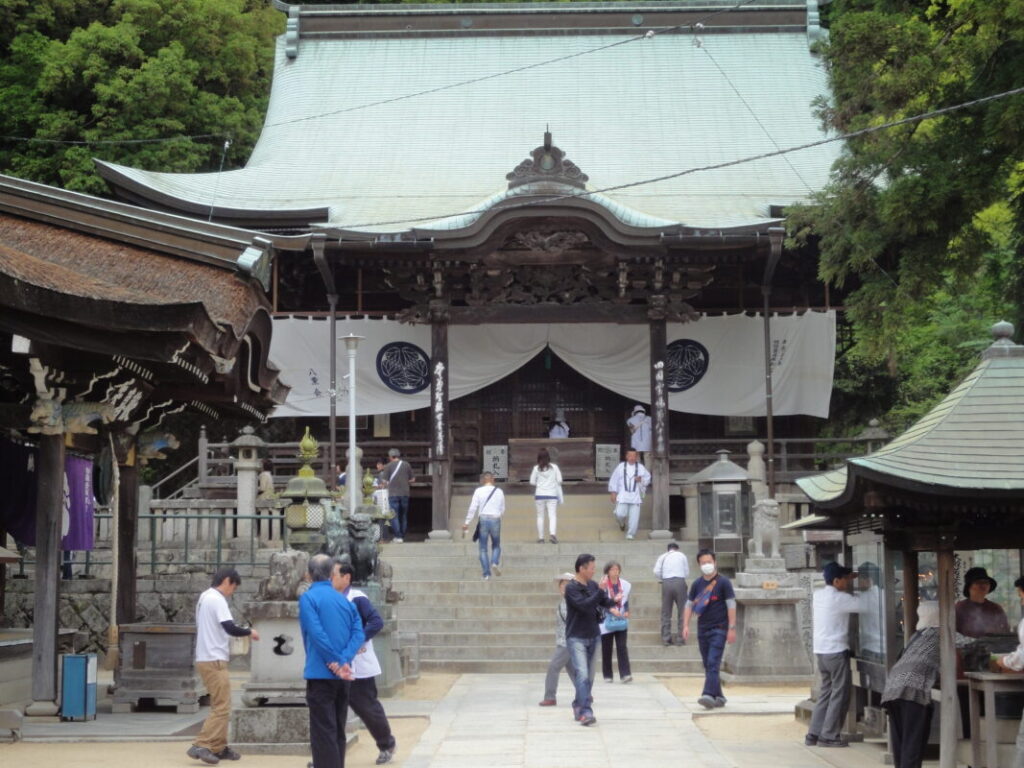
A spring pilgrimage is the season I would most strongly recommend to people walking for the first time. The weather is generally stable and comfortable for walking, and there are many other walking pilgrims on the route, which creates a reassuring atmosphere for beginners.
Personally, I did my first section pilgrimage in spring. I walked from Temple No. 1 to Temple No. 24, and looking back, I truly feel that choosing spring for my first pilgrimage was the right decision.
Spring is neither too hot nor too cold, making it a comfortable season for long-distance walking. I also saw many other pilgrims on foot, as well as people traveling by car and organized tour groups. Since more people are on the pilgrimage routes during this period, it can be easier to confirm directions and feel less anxious as a first-time pilgrim.
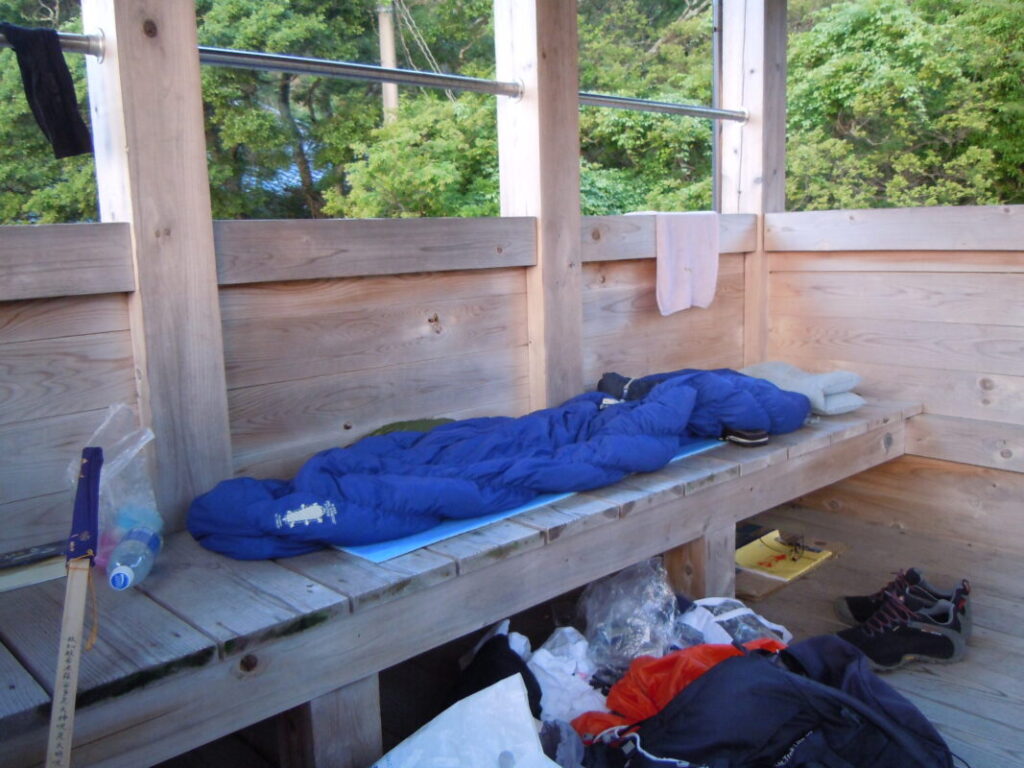
However, even in spring, mornings and evenings can be colder than expected. If you plan to stay at accommodations, this usually is not a major issue, but those considering camping or sleeping outdoors should be careful. Bringing proper cold-weather gear, such as a sleeping bag, is essential.
In particular, the Kuma Kogen area around Temples No. 44–45 in Ehime has a higher elevation and is also known for its ski resorts. Even if the weather feels warm in lower areas, temperatures in the mountains can become much colder than expected.
However, there are also some precautions that are unique to spring pilgrimages.
On mountain trails, I occasionally saw beehives and even venomous snakes during spring. As temperatures rise, wildlife becomes more active as well. It is better to avoid clothing that exposes too much skin, such as short sleeves and shorts. Wearing long sleeves and long pants is generally a safer choice.
Another point to keep in mind is congestion at the stamp and calligraphy offices (Nokyo-sho). Since many people begin their pilgrimage journey in spring, waiting times can occur at some temples. This is especially true during long holiday periods, when the number of visitors can be much higher than expected. Planning with extra time in your schedule is recommended.
Who Is a Summer Pilgrimage Best Suited For? | Ideal for People Who Want to Walk Long Distances
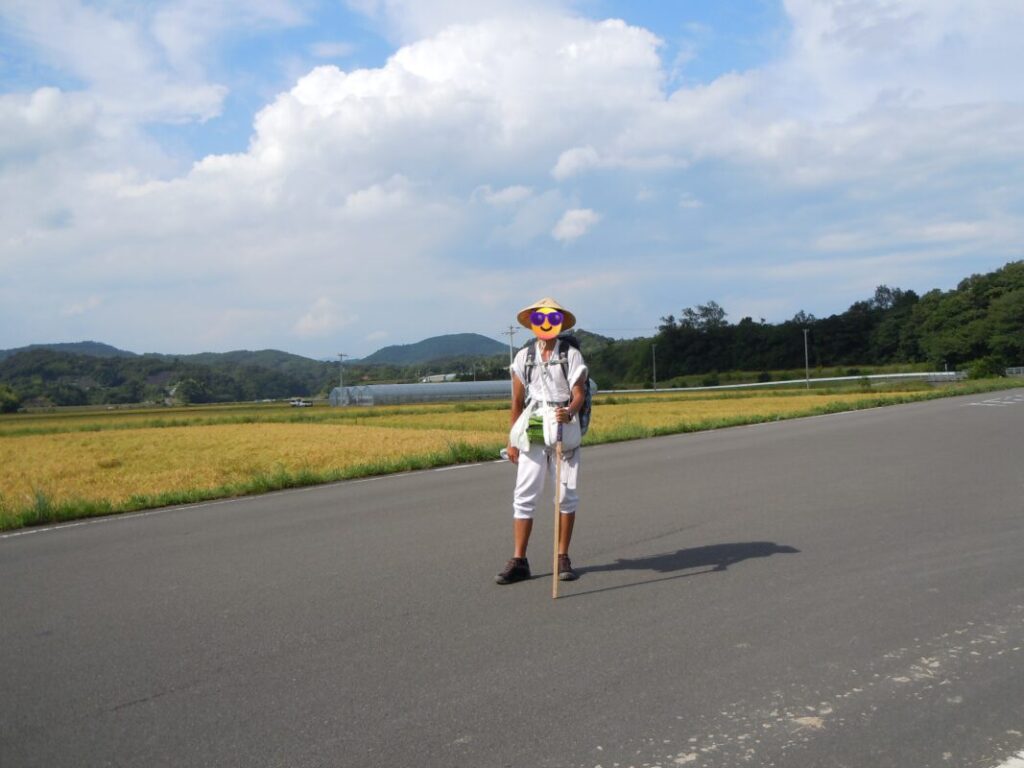
A summer pilgrimage is, above all, a battle against the heat. There are generally fewer walking pilgrims compared to spring, but you will still encounter a steady number of fellow pilgrims along the route.
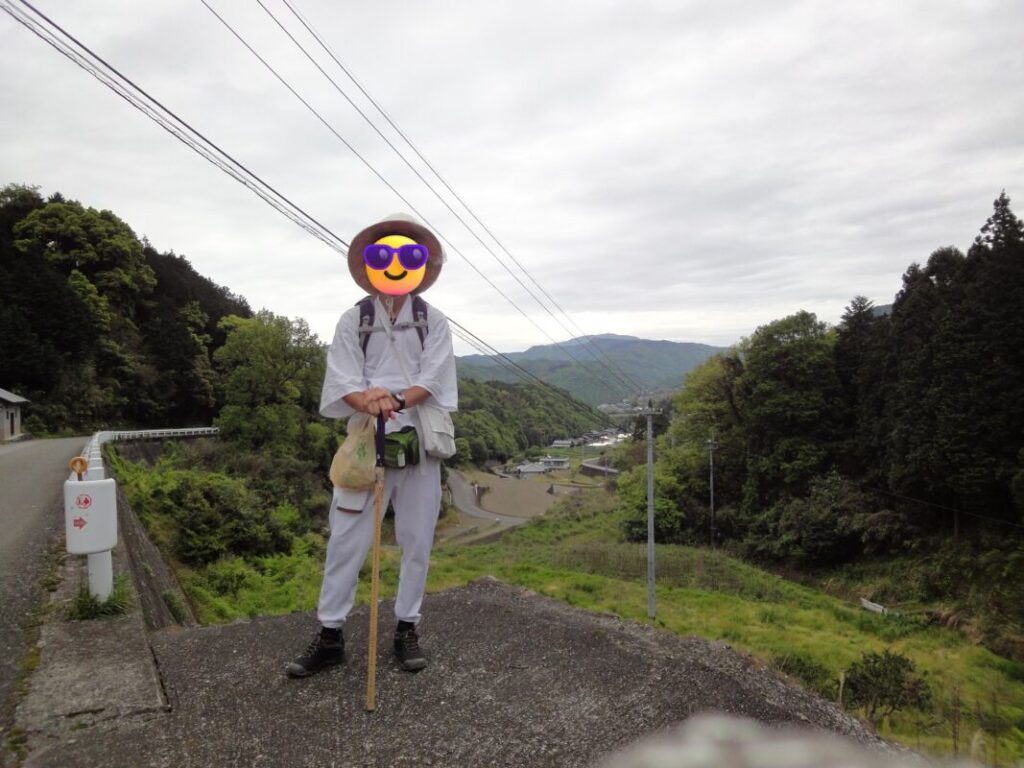
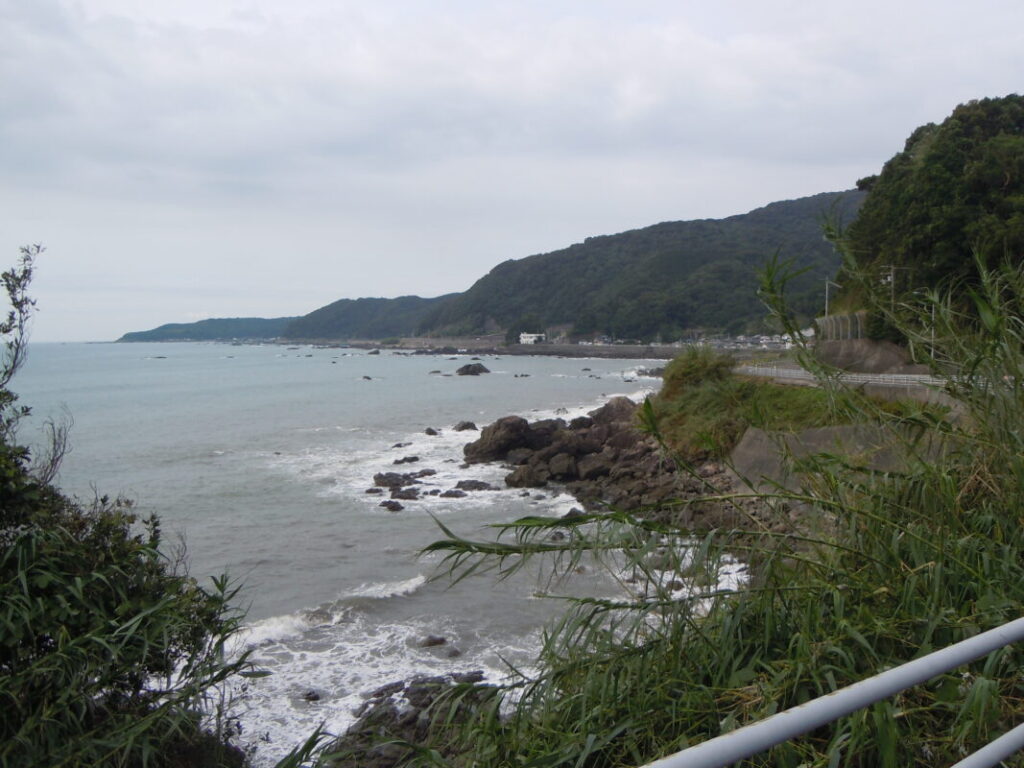
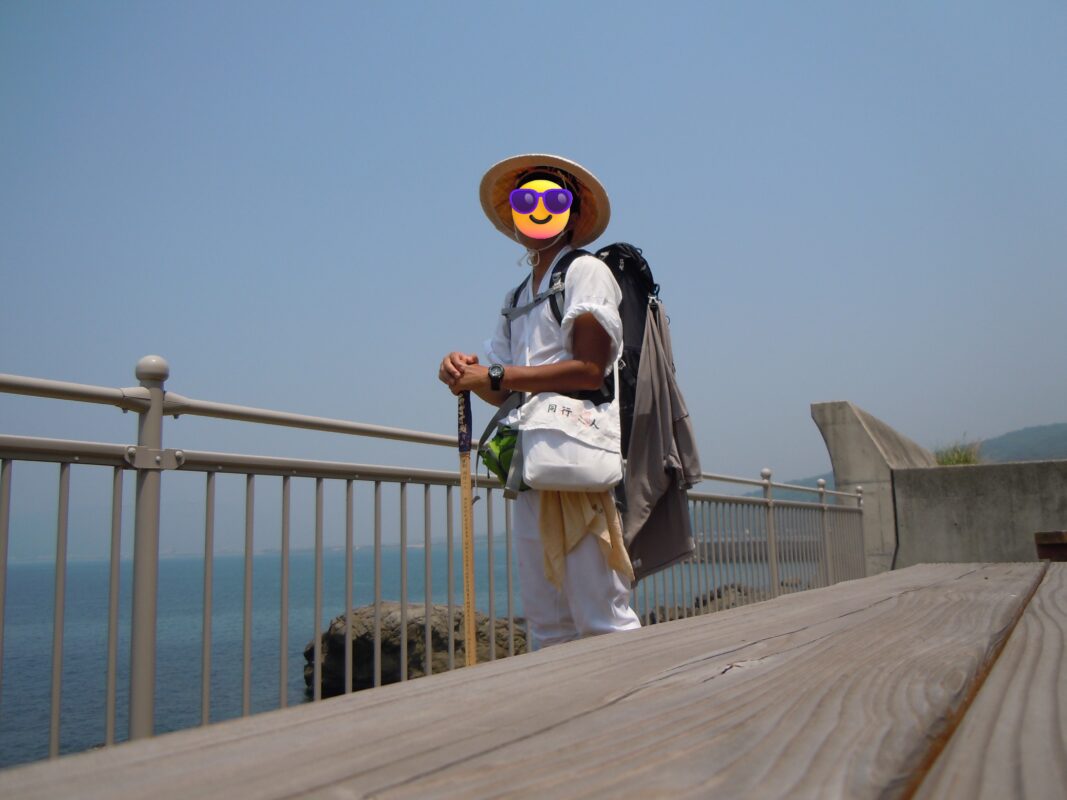
Personally, I have experience walking along the coastal areas of Kochi during summer. In particular, the areas around Temple No. 24 in the Muroto region and Temple No. 38 in the Ashizuri region had very little shade from the sun, and I found them physically exhausting.
For summer gear, a hat was absolutely essential. A traditional pilgrim hat (sugegasa) was also very useful for protecting against the sun. In addition, sunglasses made a noticeable difference by reducing eye strain from the strong sunlight.
Another thing to consider is that some sections of Kochi’s coastal route have relatively few convenience stores or vending machines. Because of this, I always tried to carry around one liter of water with me. However, carrying more water also means carrying more weight, which can increase the strain on your legs and overall fatigue. Balancing hydration needs with pack weight is important.
It is recommended to check the locations of convenience stores in advance.
You can find our article on a convenience store map for the pilgrimage route here.
One advantage of doing the pilgrimage in summer is the longer daylight hours. Since you have more time available for walking, it becomes easier to cover greater distances in a single day. I personally managed to walk approximately 46 km on the section between Temple No. 37 and Temple No. 38. The distance between these temples is relatively long, but because the elevation changes are not too severe, I found it suitable for long-distance walking.
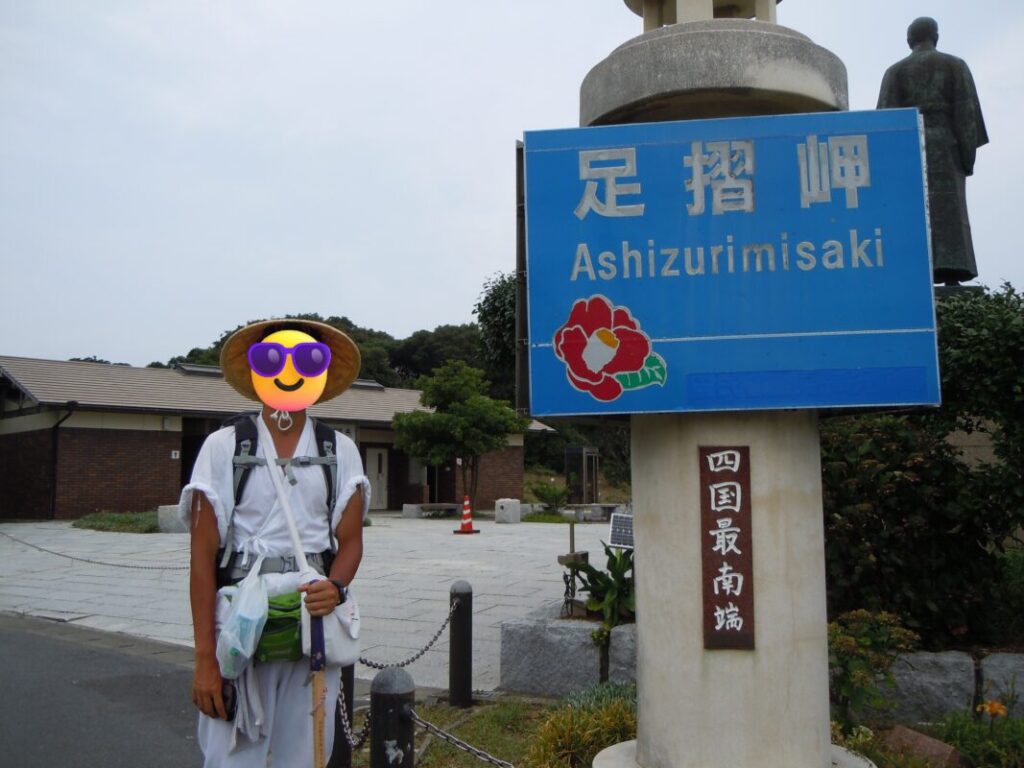
However, summer also requires extra caution regarding typhoons. The peak typhoon season is generally around August to September. I personally experienced getting caught during a typhoon, and I was unable to continue walking. I ended up stranded in a place where I could shelter from the rain and had to spend the night there outdoors.
Checking weather information in advance is extremely important. Even after a typhoon has passed, conditions may still be unsafe. Mountain paths can become damaged, partially collapsed, or blocked by fallen trees, making some routes difficult to pass. Information about these conditions may not always become available immediately, so I found that talking with other pilgrims on the route was often very helpful.
On the other hand, unlike colder seasons, summer usually does not require heavy cold-weather equipment. In some cases, items such as sleeping bags may not be necessary, allowing you to reduce your pack weight, which can be a significant advantage.
Who Is an Autumn Pilgrimage Best Suited For? | Ideal for Those Who Want to Enjoy Scenery and Autumn Colors
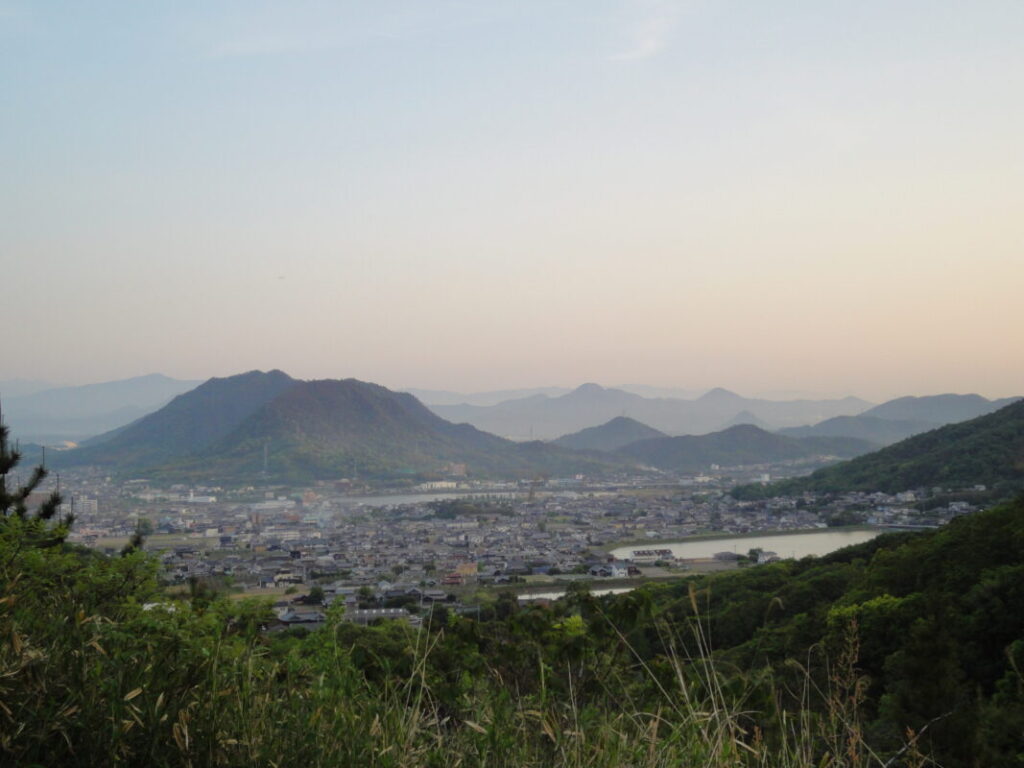
An autumn pilgrimage is one of the most popular seasons, alongside spring, because of its comfortable walking conditions. The intense heat of summer has passed, while the cold of winter has not yet arrived, making it easier to walk long distances.
One of the main attractions of an autumn pilgrimage is the opportunity to enjoy the autumn foliage. There are several famous spots for fall colors around the pilgrimage temples. For example, Koiwaya, located near Temple No. 45, is well known as a place where visitors can enjoy beautiful autumn scenery. Autumn is especially recommended for people who want to appreciate not only the pilgrimage itself but also the surrounding landscapes.
In particular, from around October to November, temperatures are usually more stable, and many people begin their walking pilgrimages during this period. Daytime conditions are often comfortable for walking, and the temperature differences are generally less extreme than in spring.
Another advantage of autumn is the lower risk of heat-related issues compared with summer. Even when walking for long periods, physical exhaustion tends to be less severe, making autumn a suitable season for beginners as well.
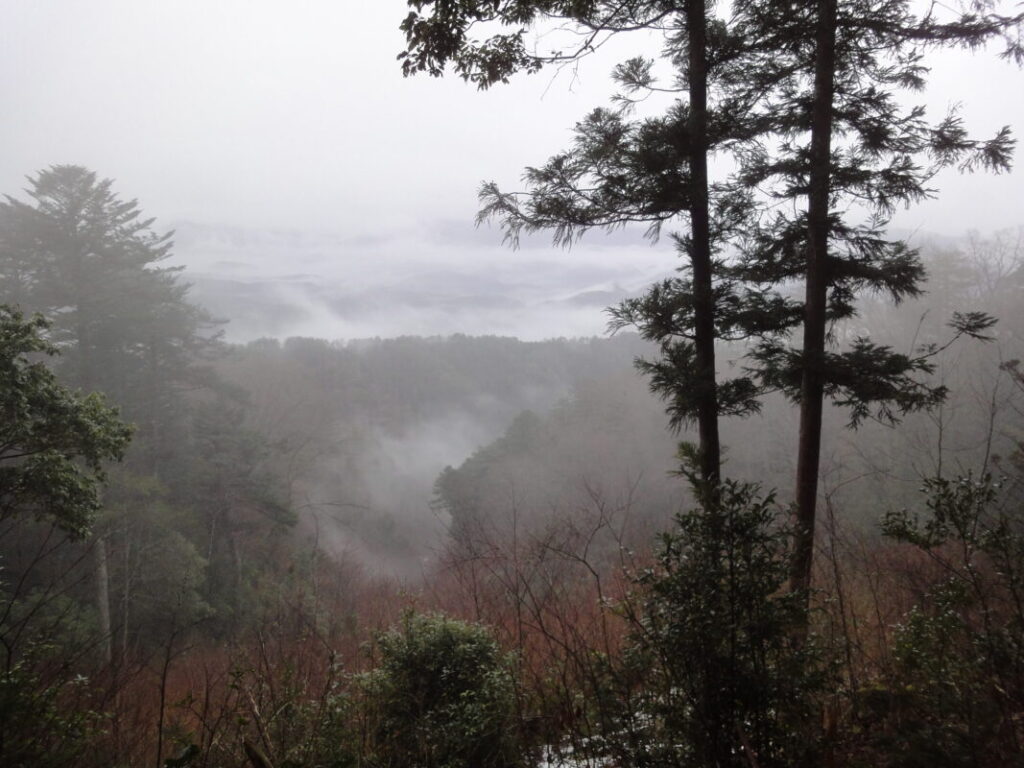
However, from the second half of November onward, mornings and evenings can become noticeably colder, so bringing warm clothing is recommended.
Autumn is generally less crowded than spring, while also offering relief from the summer heat. For people thinking, “I want to try a walking pilgrimage for the first time” or “I want to walk as comfortably as possible,” autumn is a highly recommended season.
Who Is a Winter Pilgrimage Best Suited For? | Ideal for Those Who Want a Quiet Walking Experience
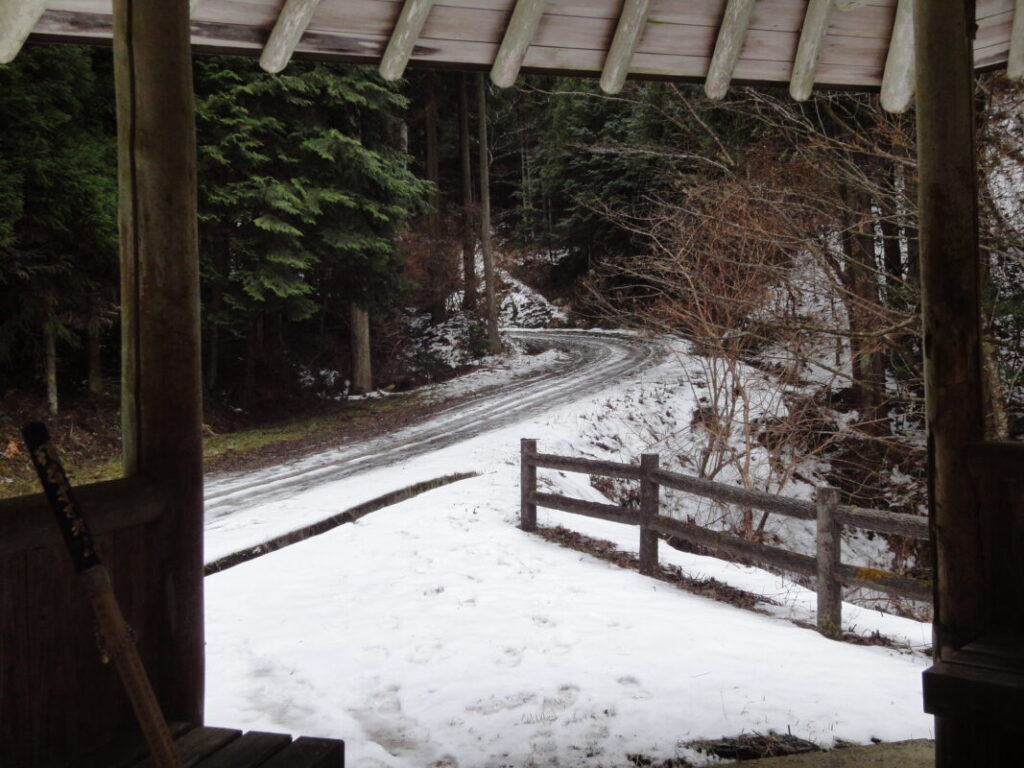
A winter pilgrimage requires serious preparation for cold weather.
When I walked during winter, I personally wore multiple layers of winter thermal clothing, a light down jacket on top, and then my white pilgrim clothing over that. Gloves were also extremely helpful. Once you start walking, your body gradually warms up, but mornings and evenings can feel much colder than expected.
In addition, special attention is needed in mountainous areas because of snow and icy conditions. I personally encountered snow while visiting Temple No. 45, Iwayaji, and Temple No. 60, Yokomineji. Even when conditions are comfortable in lower areas, the situation can be very different at higher elevations.
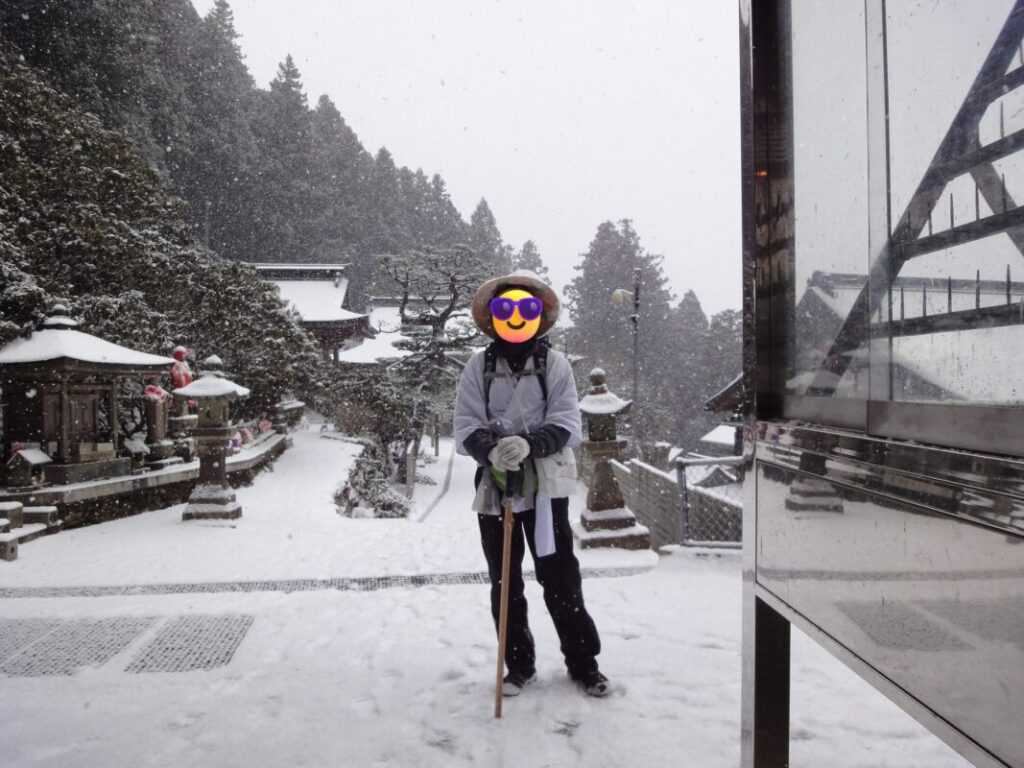
If you are considering sleeping outdoors, I believe a sleeping bag is essential. I personally used a sleeping bag designed for spring conditions. In lower areas, I was able to manage by layering clothes, but in mountainous regions it became too cold for me to sleep comfortably. If you are planning to camp or sleep outdoors in mountain areas during winter, choosing a sleeping bag with strong cold-weather protection is highly recommended.
One thing that surprised me was that there were more walking pilgrims in winter than I had expected. I even saw some pilgrims sleeping outdoors in park shelters with their sleeping bags set up.
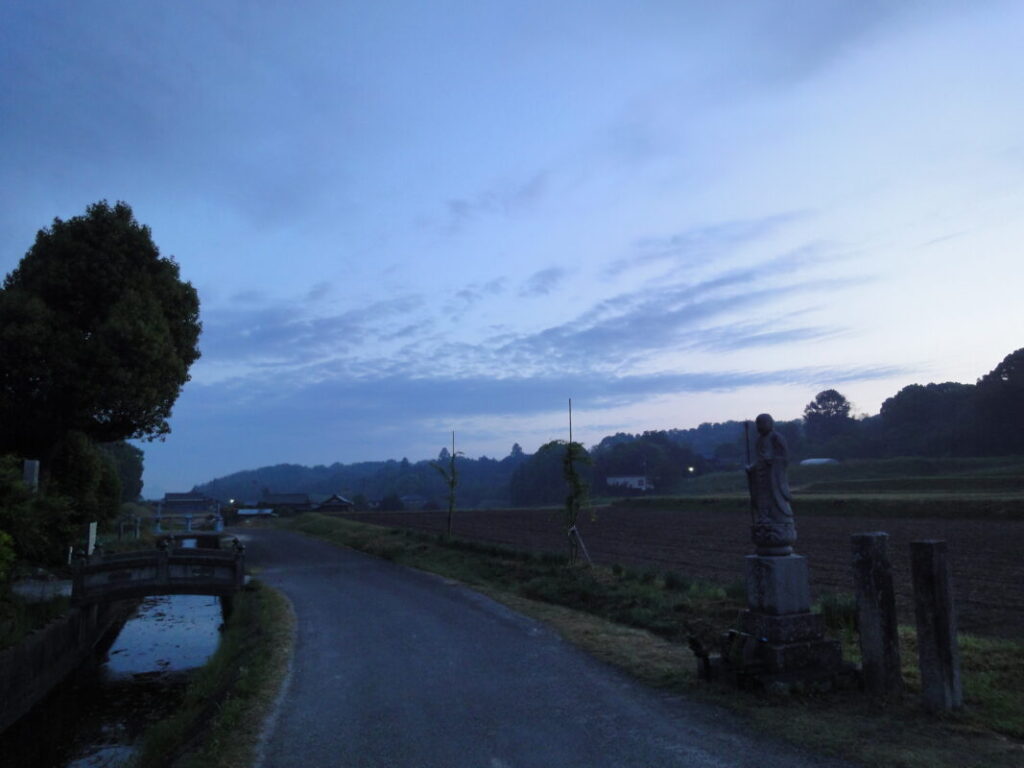
One of the most important things to keep in mind during a winter pilgrimage is the shorter daylight hours. It can already become dark around 5:00 p.m., which may prevent you from covering the distance you originally planned. If you intend to stay at accommodations, it is a good idea to decide on your lodging and plan your schedule in advance.
Are There Times You Should Avoid for the Shikoku Pilgrimage?
The Shikoku Pilgrimage can be done throughout the year, but depending on the conditions, some periods can be more difficult and may be better avoided.
Walking During the Hottest Part of Summer
Walking during the daytime in midsummer can be physically exhausting for walking pilgrims. Coastal areas in Kochi, in particular, often have very little shade, increasing the risk of heatstroke.
If you plan to walk during summer, it is safer to adjust your schedule—for example, starting early in the morning and taking longer breaks during the hottest hours of the day.
Typhoon Season
It is best to avoid walking when a typhoon is approaching. In Japan, typhoons are especially common around August and September.
Even after a typhoon has passed, conditions may still be unsafe. During my own pilgrimage, I saw fallen trees and damaged sections along mountain paths.
Mountain trails can take time to recover, and the latest information is not always immediately available. Gathering information from local pilgrims or accommodation staff can be very helpful.
Accommodation During Long Holidays and Festival Periods
During long holiday periods and local events, accommodations can become fully booked much earlier than usual.
For example, in Tokushima, many visitors gather during the Awa Odori in mid-August. In Kochi, the Yosakoi Festival held around August 9–12 also attracts large crowds. Areas around Dogo Onsen can also become busy with tourists, making accommodation harder to secure.
If you plan to stay at accommodations during these periods, making reservations well in advance is strongly recommended.
When Is the Best Time for Your First Shikoku Pilgrimage?
For a first-time pilgrimage, the best season can vary slightly depending on how you plan to complete it.
Walking Pilgrimage | Spring Is Recommended
For those doing a walking pilgrimage, spring is generally the best choice for beginners. The weather is neither extremely hot nor particularly cold, making it easier to walk long distances comfortably. There are also many other walking pilgrims during this season, which can provide a sense of reassurance for first-time travelers.
Pilgrimage by Car | Spring and Autumn Are Recommended
A pilgrimage by car is generally less affected by seasonal conditions than a walking pilgrimage, but spring and autumn still tend to be the most comfortable times.
In summer, frequent air-conditioner use can reduce fuel efficiency. In winter, snow and icy roads may occur in mountainous areas. Some temples located in higher elevations may require preparation such as winter tires or other cold-weather driving measures.
Section Pilgrimage | Spring Is Recommended, but Every Season Has Its Appeal
For a section pilgrimage, spring is usually the easiest choice for beginners because of the comfortable walking conditions.
However, one of the major advantages of Kugiri-uchi is that you can complete the pilgrimage over multiple trips. By walking in different seasons—spring, summer, autumn, and winter—you can enjoy changing scenery and different atmospheres throughout the year. Experiencing these seasonal differences is one of the unique attractions of a section pilgrimage.
Continuous Pilgrimage | Spring Is Recommended for Beginners
A continuous pilgrimage involves walking for an extended period, which means weather conditions have a greater impact on the overall experience. For first-time pilgrims, starting in spring is recommended because of the more comfortable climate.
In particular, midsummer heat can cause significant physical fatigue, while winter can bring challenges such as cold temperatures and shorter daylight hours. For long-term walking journeys, choosing a season with relatively stable weather conditions can make the pilgrimage much easier and more enjoyable.
Frequently Asked Questions (FAQ)
- QWhich month is best for the Shikoku Pilgrimage?
- A
For first-time pilgrims, spring (around March to May) and autumn (around October to November) are generally recommended. The weather tends to be relatively stable and comfortable, making these periods easier and more beginner-friendly.
- QIs a summer pilgrimage dangerous?
- A
Walking during midsummer, especially during the daytime, can increase the risk of heatstroke. Some areas, particularly along Kochi’s coastline, have limited shade from the sun. Starting early in the morning and staying well hydrated are strongly recommended.
- QDoes it snow during winter pilgrimages?
- A
Snow is usually not a major issue in lower areas, but snowfall and icy roads can occur in mountainous regions. I personally experienced snow around Temple No. 45, Iwayaji, and Temple No. 60, Yokomineji.
- QShould pilgrimage clothing change depending on the season?
- A
Yes. Adjusting your clothing according to the season makes the pilgrimage much more comfortable. Layered clothing works well in spring and autumn, heat protection is important in summer, and proper cold-weather gear is essential during winter.
- QCan beginners do a walking pilgrimage?
- A
Yes, beginners can definitely complete a walking pilgrimage. If it is your first experience, spring is usually recommended because temperatures are more moderate. It is important not to push yourself too hard and to find a comfortable pace.
- QHow long does the Shikoku Pilgrimage take?
- A
A walking pilgrimage generally takes around 40–50 days, while a pilgrimage by car typically takes about 10–14 days. With a section pilgrimage (Kugiri-uchi), you can divide the journey into shorter trips over several days.
- QWhich is better: a section pilgrimage (Kugiri-uchi) or a continuous pilgrimage (Tooshi-uchi)?
- A
For beginners, a section pilgrimage is generally recommended. It places less physical and scheduling pressure on you because you can progress at your own pace, while also allowing you to experience the pilgrimage in different seasons.
Conclusion | Spring Is Best for Beginners, but the Ideal Season Depends on Your Purpose
The Shikoku Pilgrimage can be undertaken throughout the year, but for first-time pilgrims, spring or autumn is generally the best choice.
- Spring: Best for beginners and the easiest season for walking
- Summer: Very hot, but suitable for covering long distances
- Autumn: Comfortable weather with the added beauty of autumn colors
- Winter: Cold, but offers a quieter and more peaceful atmosphere
Personally, I walked during Golden Week in spring, the Obon holiday in summer, and the year-end/New Year period in winter. Even though it was the same pilgrimage, each season felt very different and offered its own unique experience.
With a section pilgrimage (Kugiri-uchi), you also have the opportunity to enjoy and experience these seasonal differences over multiple trips. Choose the season that best matches your goals, plan at a comfortable pace, and enjoy your pilgrimage journey.
Related Article
Walking the Shikoku Pilgrimage in Summer: 280km Real Experience Guide.
Summer Shikoku Pilgrimage
Shikoku Ohenro in the Rain: How Often It Rains, What to Expect, and What Gear You Need.
Rain gear and tips for the Shikoku Pilgrimage
Comments