
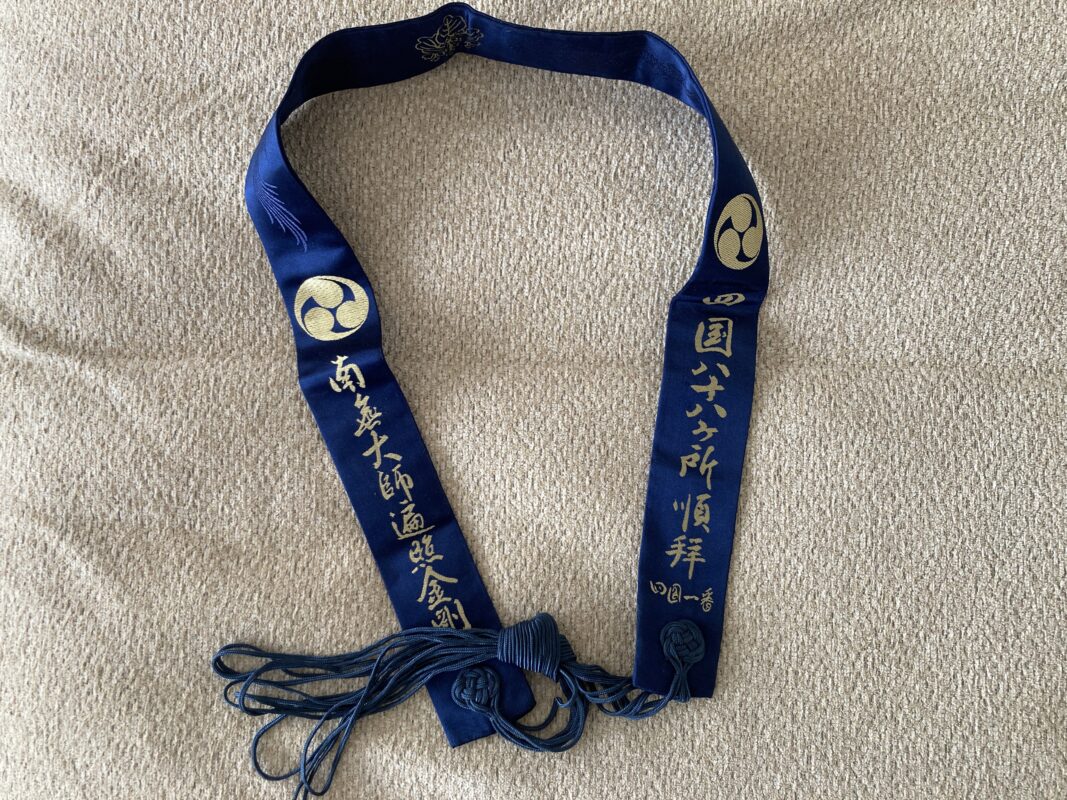
What is a Wagesa? The Meaning of Wearing It During the Shikoku Pilgrimage
A wagesa is a type of Buddhist stole worn around the neck when visiting temples during the Shikoku Pilgrimage. It is a simplified version of the kesa robe worn by Buddhist monks and is widely used by pilgrims as a symbol of respect toward the Buddha and Kobo Daishi.
To put it simply, wearing a wagesa is not mandatory on the Shikoku Pilgrimage. However, many pilgrims wear one as part of proper pilgrimage attire and as a way to show respect when visiting temples. I personally completed the Shikoku Pilgrimage on foot and carried a wagesa with me. Through that experience, I felt that it was not something you would “be unable to manage without,” but rather something that “helps you prepare your mind and spirit.”
On the Shikoku Pilgrimage, wagesa are sold as one of the essential pilgrimage items, alongside the white pilgrim robe (hakue), name slips (osamefuda), and pilgrim staff (kongozue). Many pilgrims wear them when entering temple grounds and during prayers.
The Role of a Wagesa
The purpose of a wagesa is not simply a matter of clothing.
Originally, it was worn as ceremonial attire when praying before Buddhist images. Wearing a wagesa expresses the feeling of:
“I am visiting this temple as a pilgrim.”
Therefore, wearing a wagesa is not a requirement for receiving a temple stamp (nokyo). However, at many temple sites, wearing one is encouraged as a sign of proper etiquette during worship, and many first-time pilgrims choose to prepare one before starting their journey.
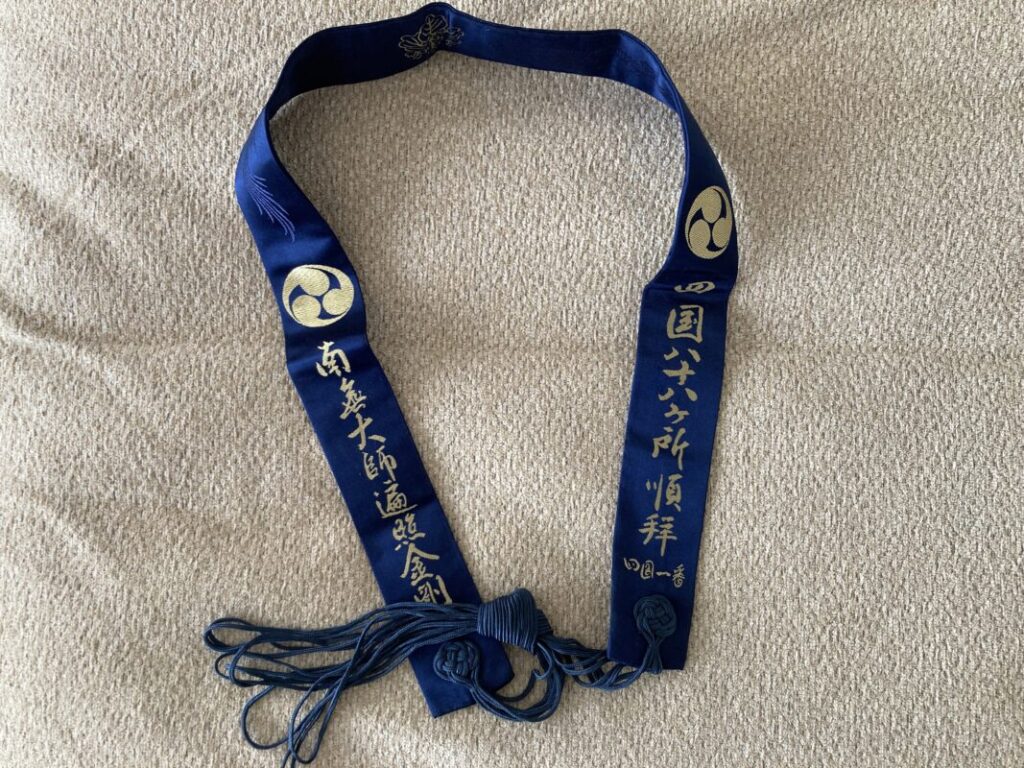
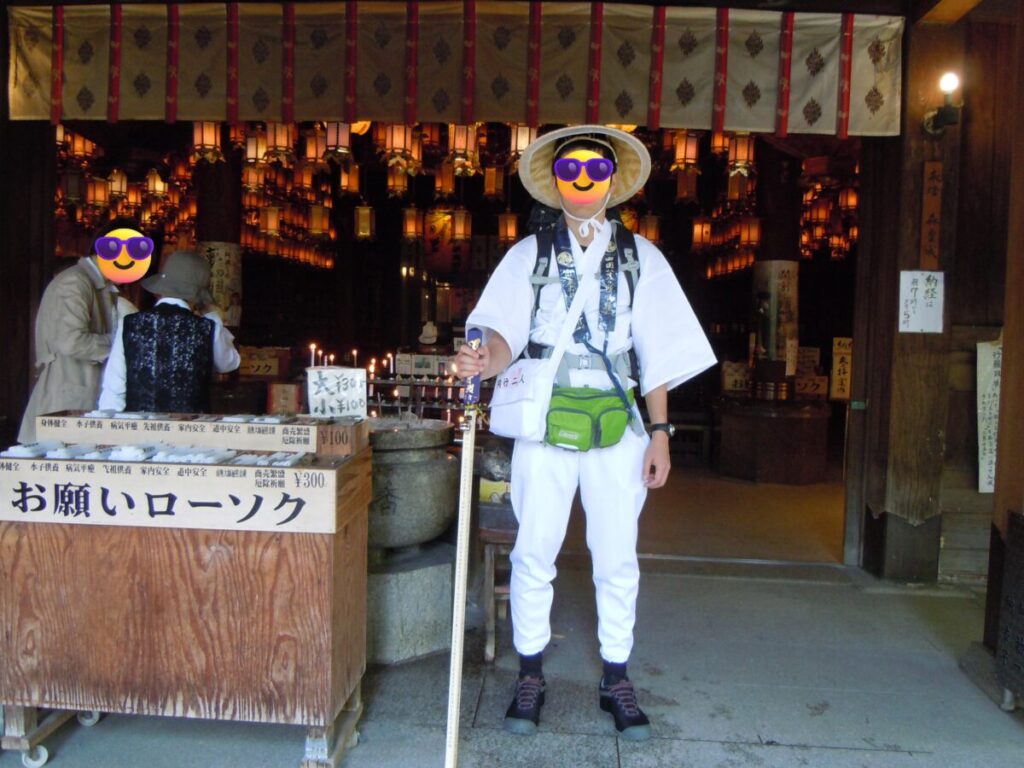
Difference Between a Hakue and a Wagesa
Both the hakue and wagesa are pilgrimage items, but they serve different purposes.
The hakue is the clothing of a pilgrim. For those walking the pilgrimage route, it also has a practical function by protecting the body from sunlight and dirt.
In contrast, the wagesa is an item worn to show respect before Buddhist images. It is placed around the neck and worn mainly during temple visits and prayers.
In other words:
- Hakue: Clothing that represents you as a pilgrim
- Wagesa: Attire that represents respect and proper etiquette during worship
This distinction makes it easier to understand their different roles.
Related Articles
Why Do Pilgrims Wear a Wagesa When Visiting Temples?
As an Expression of Temple Etiquette
The temples visited on the Shikoku Pilgrimage are not simply tourist attractions. They are sacred places where Buddhist figures are enshrined.
For this reason, pilgrims are encouraged to pay attention not only to their prayers but also to their clothing and behavior when visiting. A wagesa is considered a way to express respect toward the Buddha and Kobo Daishi, and it is part of proper pilgrimage etiquette.
As Formal Attire for Pilgrims
A wagesa is one of the traditional items worn by pilgrims, along with the hakue, kongozue, and osamefuda.
Wearing a wagesa naturally helps pilgrims become more mindful of the act of worship and serves as a way to mentally shift into a respectful state before entering a temple.
Especially for first-time pilgrims, even if they are unsure about temple etiquette, wearing a wagesa can help them develop the mindset of:
“I am about to visit and pray at a temple.”
Religious Meaning
A wagesa is a simplified form of the kesa worn by Buddhist monks and is considered an important garment symbolizing a Buddhist disciple.
The Shikoku Pilgrimage is traditionally regarded as a journey made together with Kobo Daishi, known as “Dogyo Ninin, meaning ‘two traveling together.’”
Therefore, wearing a wagesa during temple visits represents respect toward Kobo Daishi and symbolizes the pilgrim’s own journey along the Buddhist path.
Can You Visit the Temples Without a Wagesa?
Some people may wonder:
“Can I do the Shikoku Pilgrimage without owning a wagesa?”
“Will I be refused a temple stamp if I am not wearing one?”
The answer is: yes, you can complete the Shikoku Pilgrimage without a wagesa.
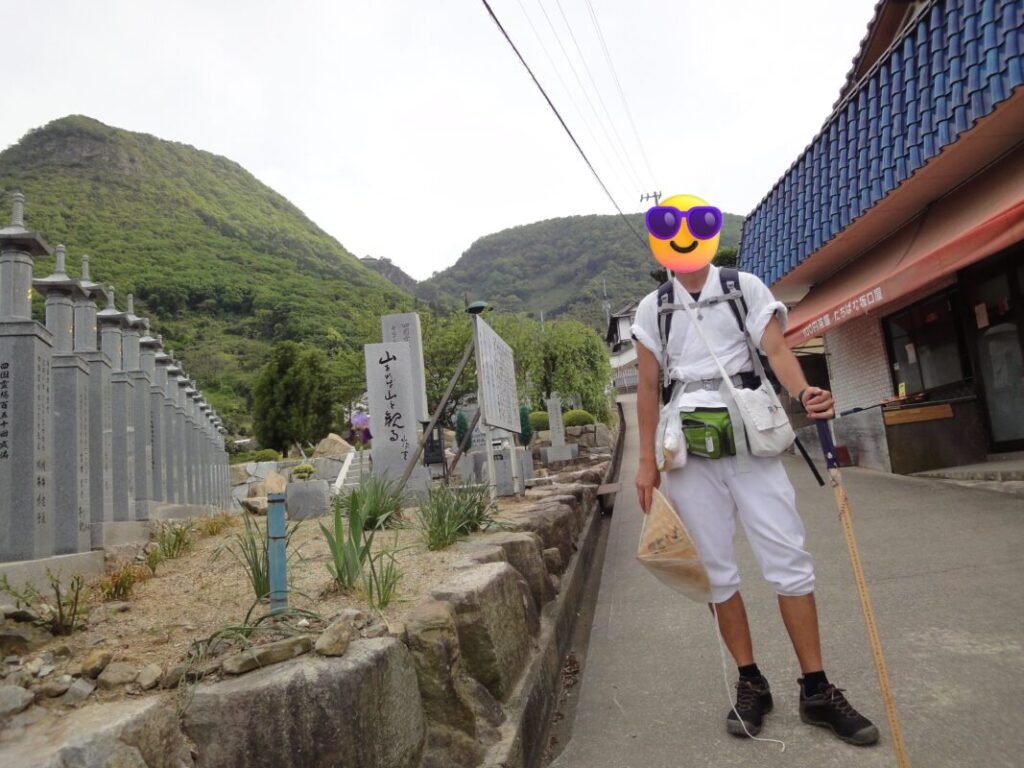
I personally completed the entire Shikoku 88 Temple Pilgrimage on foot, and it was not unusual to see pilgrims visiting temples without wearing a wagesa.
Is It Okay to Wear Only a Hakue?
If you are wearing a hakue (white pilgrim robe), your appearance as a pilgrim is already considered appropriate.
However, the roles of the hakue and wagesa are different:
- Hakue: Clothing that represents you as a pilgrim
- Wagesa: Ceremonial attire worn to show respect toward the Buddha and Kobo Daishi during worship
Therefore, you can visit temples wearing only a hakue. However, if you want to show greater respect and follow traditional pilgrimage etiquette, wearing a wagesa is recommended.
I completed the pilgrimage on foot myself, and there were very few situations where I felt that I needed a wagesa.
Although it is not an essential item, pilgrims who want to place importance on traditional etiquette and respect during their journey may find it worthwhile to prepare one.
How to Properly Wear a Wagesa
A wagesa is worn around the neck when visiting temples during the Shikoku Pilgrimage.
Here is a basic guide on how to wear it properly.
Basic Wearing Method
A wagesa is placed over the head and worn around the neck, allowing it to naturally hang down in front of the chest.
When wearing a wagesa, keep the following points in mind:
- Check the front and back before putting it on
- Straighten any twists and adjust it so that it hangs neatly
- If it has tassels or decorations, make sure they are positioned at the front
- Put it on before entering the main hall (hondo) or Kobo Daishi Hall (Daishido)
After finishing your prayers, you may remove it if you wish. However, some pilgrims continue wearing their wagesa while walking to the next temple.
Wearing a Wagesa with a Hakue
If you are wearing a hakue (white pilgrim robe), place the wagesa over the hakue.
Since the hakue serves as the clothing of a pilgrim and the wagesa serves as ceremonial attire for worship, this combination is the most common style among pilgrims.
The wagesa can easily become caught under backpack shoulder straps or become twisted, which can make it look untidy. When arriving at a temple, it is a good idea to adjust it before beginning your prayers.
Visiting Temples in Everyday Clothes
You can also wear a wagesa over regular clothing even if you are not wearing a hakue.
In recent years, more pilgrims—especially those traveling by car or making short pilgrimage visits—choose comfortable everyday clothing instead of traditional pilgrimage attire.
Even in this case, wearing a wagesa when visiting the main hall or Kobo Daishi Hall allows you to show proper respect as a pilgrim.
Wagesa Etiquette
A wagesa is a garment worn to express respect toward the Buddha and Kobo Daishi.
While there are no strict rules that must be followed, understanding basic etiquette can help you feel more comfortable and respectful when visiting temples.
When Should You Wear a Wagesa?
A wagesa is generally worn when visiting the Main Hall (Hondo) or Kobo Daishi Hall (Daishido).
After arriving at a temple, put on your wagesa and wear it until you have finished your prayers.
In practice, some pilgrims continue wearing their wagesa while walking to the next temple, while others put it on and take it off at each temple. There is no single correct way, so you can choose the method that feels most comfortable for your pilgrimage.
When Should You Remove It?
You may remove your wagesa after completing your visit to the temple.
It is generally considered appropriate to take it off during situations that are unrelated to temple worship.
Why You Should Avoid Placing It on the Ground
Since a wagesa is ceremonial attire used for worship, it is best to avoid placing it directly on the ground.
This is not only because it may become dirty, but also because treating it carefully is a way of showing respect toward the Buddha.
When taking a break, consider putting it inside your bag or placing it on a bench or chair rather than on the ground.
Remove Your Wagesa in Restrooms and Other Impure Places
It is customary to remove your wagesa before using a restroom.
In Buddhist tradition, restrooms and similar places have historically been regarded as impure spaces. Removing the wagesa before entering is a way of showing respect toward the Buddha and Kobo Daishi.
Washing and Storage
A wagesa may become dirty from sweat or rain during the pilgrimage, so proper care is recommended when necessary.
If there is a washing label, follow the instructions provided. Some wagesa with embroidery or gold thread are delicate, so it is safer to avoid harsh washing methods or tumble drying.
When storing your wagesa, make sure it is completely dry before folding it. Keep it away from direct sunlight and moisture to help preserve it.
Related Articles
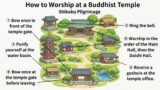

Where Can You Buy a Wagesa?
There are several ways to purchase a wagesa, but for first-time pilgrims, it is recommended to buy one at a place where you can see and choose the item in person.
The typical price is around 2,000 yen.
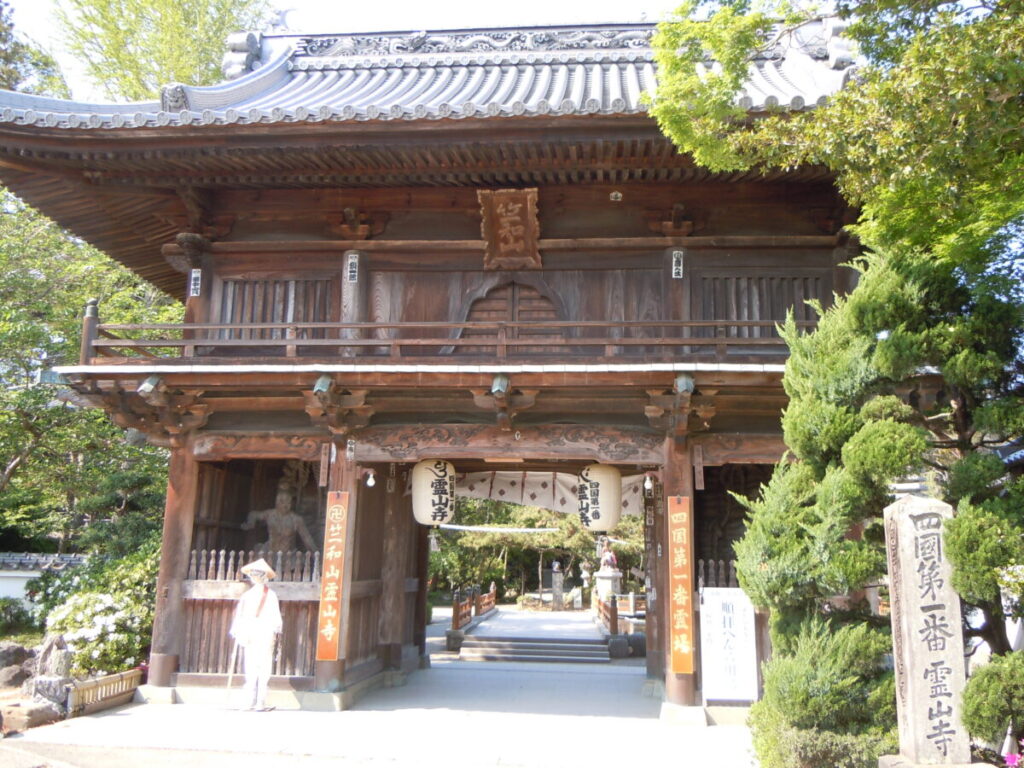
When I started my own walking pilgrimage, I purchased a complete set of pilgrimage items, including a wagesa, at Temple No. 1, Ryozenji. Being able to check each item in person and choose what I needed made the process much easier and gave me peace of mind. For those preparing for their first pilgrimage, this is a reliable option.
Buying One at a Temple
The most recommended place to purchase a wagesa is a temple.
Many of the 88 temples of the Shikoku Pilgrimage sell pilgrimage items such as wagesa at their temple offices or shops.
In particular, Temple No. 1, Ryozenji, is visited by many pilgrims as the starting point of the pilgrimage. There, you can purchase a full range of essential items, including a wagesa, white pilgrim robe (hakue), pilgrim staff (kongozue), and pilgrimage book (nokyocho).
For first-time pilgrims, it is common to wonder, “Which design should I choose?” One of the biggest advantages of buying at a temple is that you can actually hold the items and check them before making a decision.
Buying One at a Pilgrimage Supply Store
You can also purchase a wagesa at specialty stores that sell pilgrimage supplies.
These stores usually offer a wide selection, allowing you to choose not only a wagesa but also other items needed for a walking pilgrimage, such as a hakue, kongozue, pilgrim hat, and name slips (osamefuda).
This option is suitable for experienced pilgrims or those who want to carefully choose their equipment.
Buying One Online
Today, wagesa can also be purchased through online stores.
This is convenient because you can choose one from home and complete your preparations before departure.
However, for first-time buyers, it can be difficult to judge the actual texture, size, and quality of the item without seeing it in person.
Since a wagesa is not something that needs to be replaced frequently, it is recommended to check one in person before purchasing if possible.
For First-Time Pilgrims, Buying at Temple No. 1 Is Recommended
For those walking the Shikoku Pilgrimage for the first time, purchasing the necessary items at Temple No. 1, Ryozenji is a great option.
When I began my own walking pilgrimage, I purchased a wagesa, pilgrimage book, and other essential items at Ryozenji.
Of course, you can also buy a wagesa at temples along the route or through online stores. However, for first-time pilgrims, choosing your pilgrimage gear at Ryozenji—the starting point of the journey—can be a meaningful experience that marks the true beginning of your Shikoku Pilgrimage.
Summary: A Wagesa Is Not Required, but It Helps Prepare Your Mind for the Pilgrimage
A wagesa is not an essential item for completing the Shikoku Pilgrimage.
I personally completed the 88 Temple Pilgrimage on foot, and there were very few situations where I felt that I could not manage without one.
However, a wagesa carries the meaning of showing respect toward the Buddha and Kobo Daishi. Wearing it during temple visits helps create a sense of mindfulness and allows pilgrims to approach their prayers with a more focused attitude.
For first-time pilgrims, preparing one in advance is recommended for peace of mind. I also purchased my wagesa at Temple No. 1, Ryozenji, and it became one of the items that marked the beginning of my pilgrimage journey.
Related Articles
What Is a Kongozue? The Sacred Walking Staff of the Shikoku Pilgrimage.
Pilgrimage Staff
What Is Osamefuda? Meaning, Colors, Usage & Guide for Shikoku Pilgrimage.
Osamefuda