
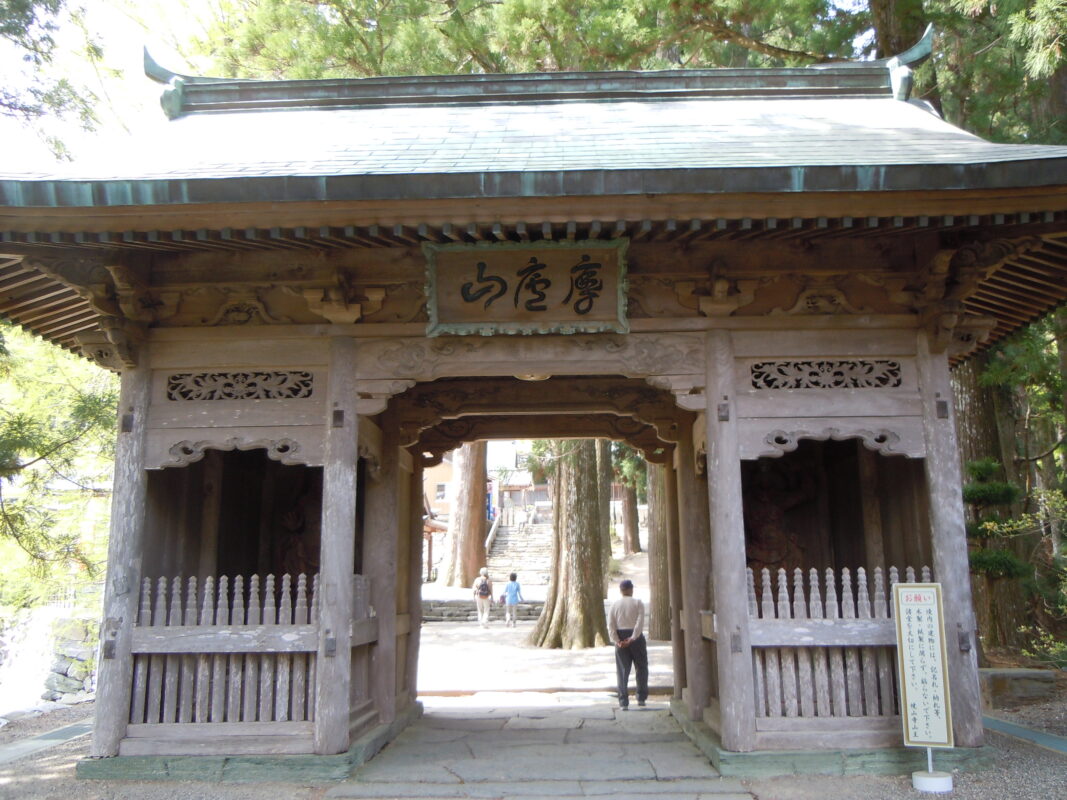
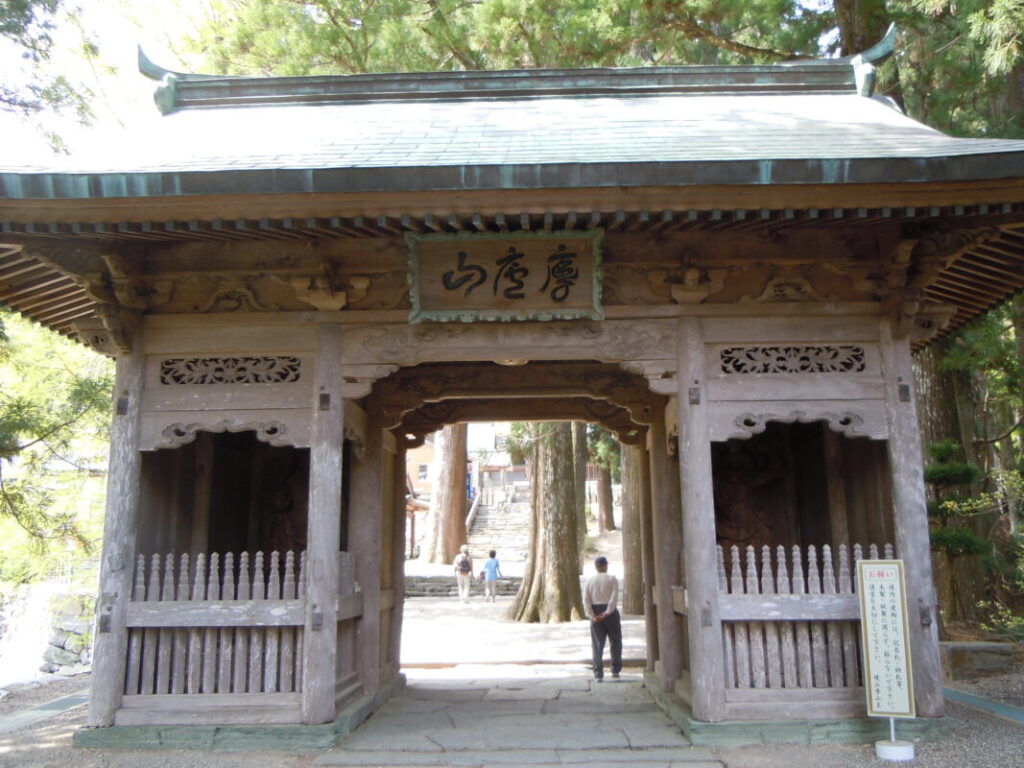
Shosanji Temple Information
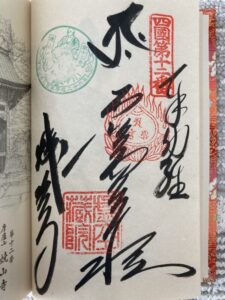
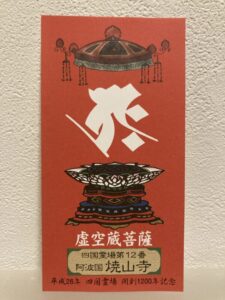
Goshuin
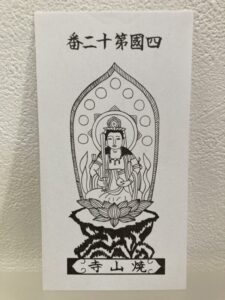
- Omie
- 1,200th Anniversary Edition
Basic Information
| Principal Deity | Kokuzo Bosatsu |
| Elevation | 700 m |
| Google Maps | MAP |
Accommodation
| Shukubo (Temple Lodging) | Available |
| Tsuyado (Free Pilgrim Shelter) | Not Available |
History & Highlights
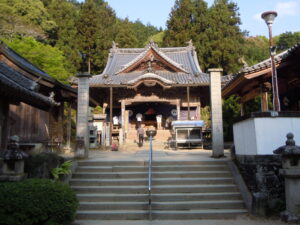
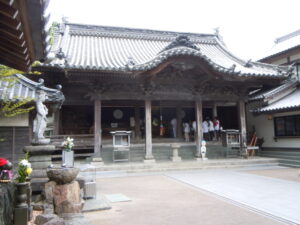
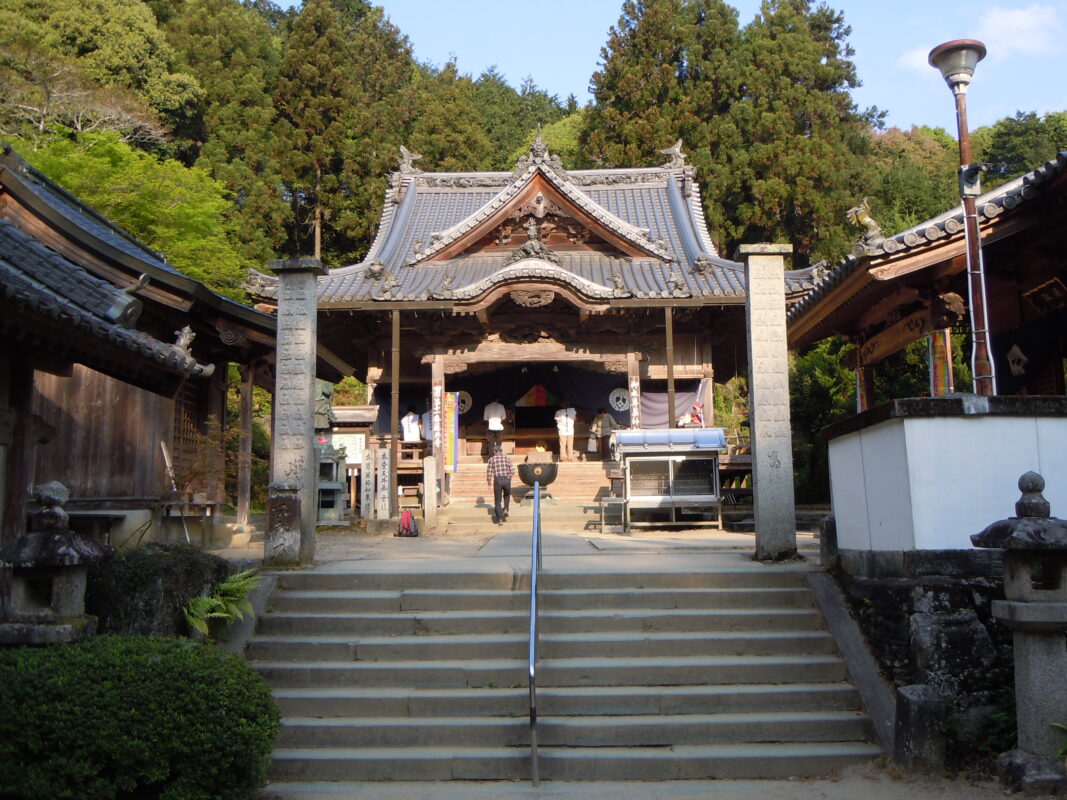
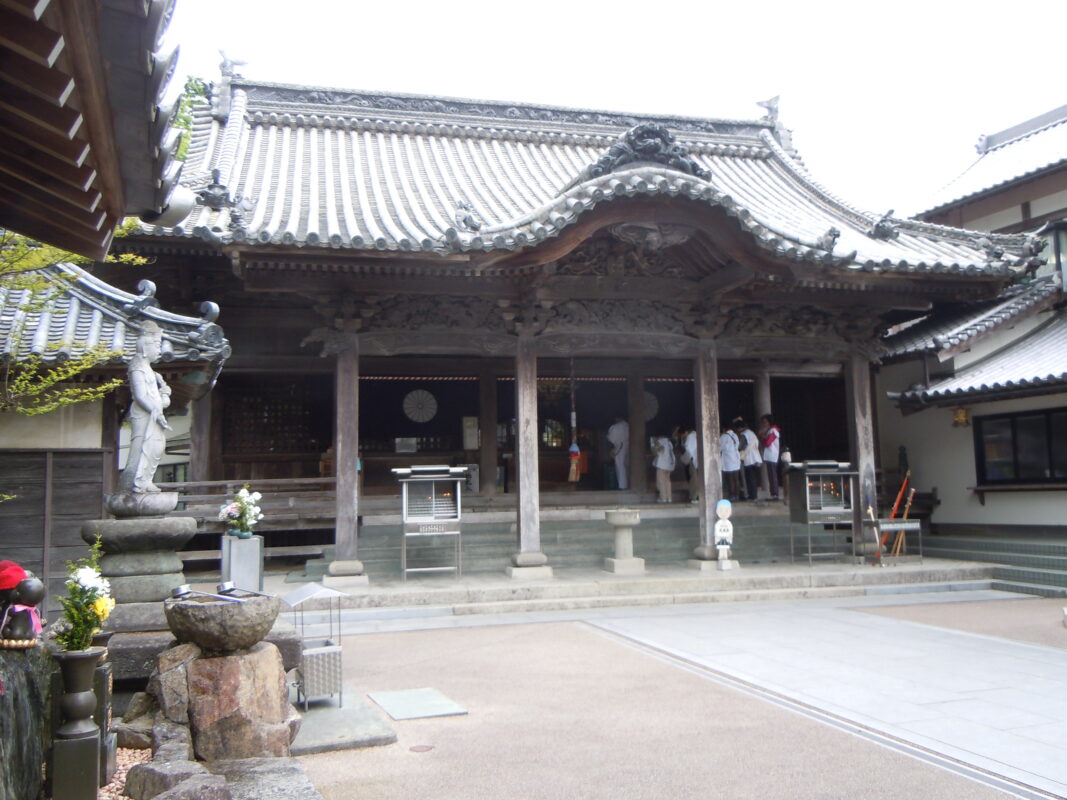
Shozanji is one of the most mountainous temples on the Shikoku Pilgrimage and is best known for the challenging Henro Korogashi (“Pilgrim’s Roll”), a notoriously steep section of the route. According to temple tradition, Kobo Daishi subdued a fire-breathing serpent by sealing it inside a cave, then founded the temple to pray for the people’s well-being and abundant harvests. Surrounded by towering ancient cedar trees, Shozanji remains a sacred place of ascetic practice today.
Notes
Nokyo (stamp office) hours: 8:00 AM–4:30 PM (closes 30 minutes earlier than most Shikoku pilgrimage temples).
Parking: ¥500 for standard passenger cars.
Route Map, Distance & Travel Time
You can switch between the tabs to view the routes to the previous and next temples.
Select “Driving Route” from the map’s upper-left menu to display the driving route.
Click the Full Screen icon in the upper-right corner of the map to open it in Google Maps for a larger, easier-to-view map.
- From Previous Temple
- To Next Temple
Previous Temple: Fujii-dera
| Distance | 12.9 km |
| Walking | 7 hr |
| Driving | 1 hr 30 min |
Next Temple: Dainichiji
| Distance | 20.8 km |
| Walking | 6 hr |
| Driving | 1 hr |
Transportation Guide
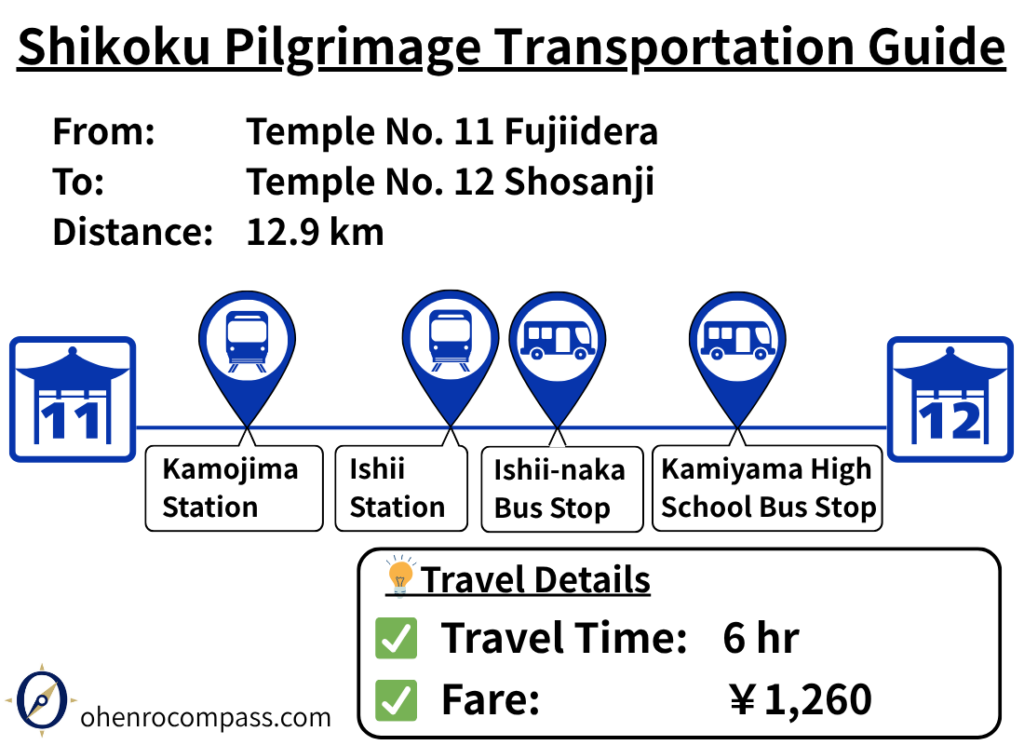
Travel from Temple 11, Fujiidera, to Temple 12, Shosanji, by train and bus. Find travel times, fares, timetables, transfers, and tips for choosing between public transportation and walking.
My Walking Experience
When I Walked This Section
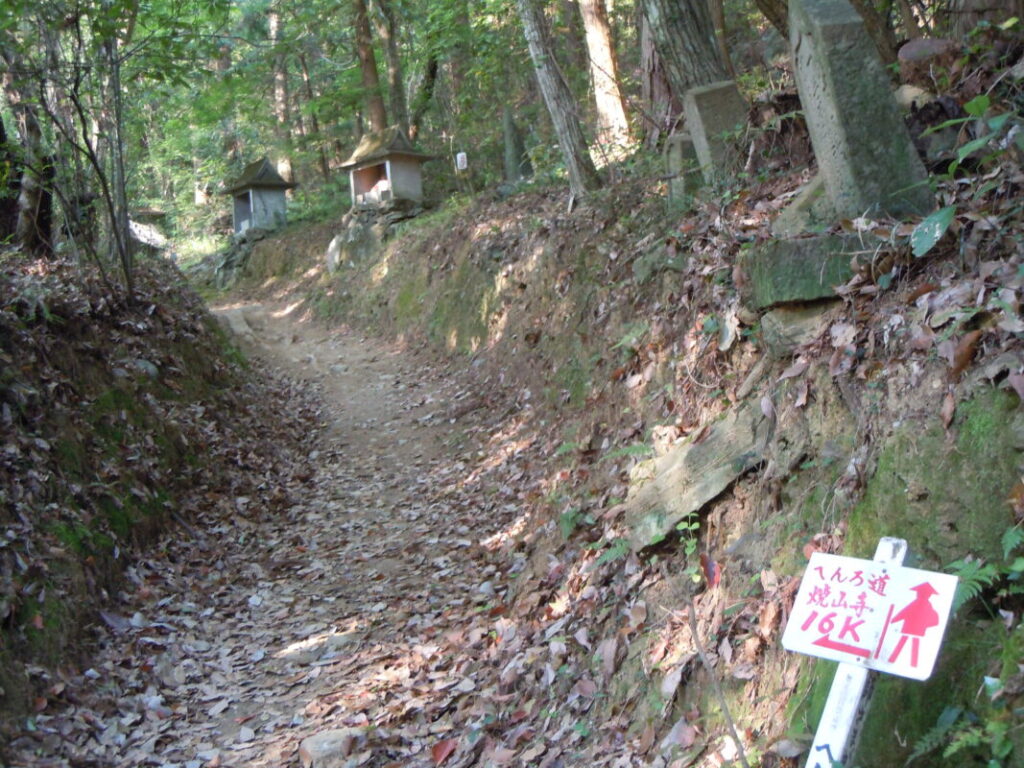
I walked this section on a clear spring day. It was my third day on the Shikoku Pilgrimage, so my feet were already sore. However, much of the Shozanji mountain trail is unpaved, which I found gentler on my feet than walking on asphalt roads.
Walking Time
This section typically takes 6–9 hours to complete, but I finished it in about 6 hours. Although the route involves plenty of steep climbs and descents, I found it quite manageable by taking regular breaks along the way.
Water and Food
There is a natural spring along the trail where you can refill your water, which is especially helpful during the summer. If you’re walking this section, I recommend staying near Fujii-dera the night before and setting out early in the morning. It’s also a good idea to buy snacks and drinks at one of the convenience stores near Kamojima Station before you begin, as there are no shops on the mountain trail.
Places to Rest
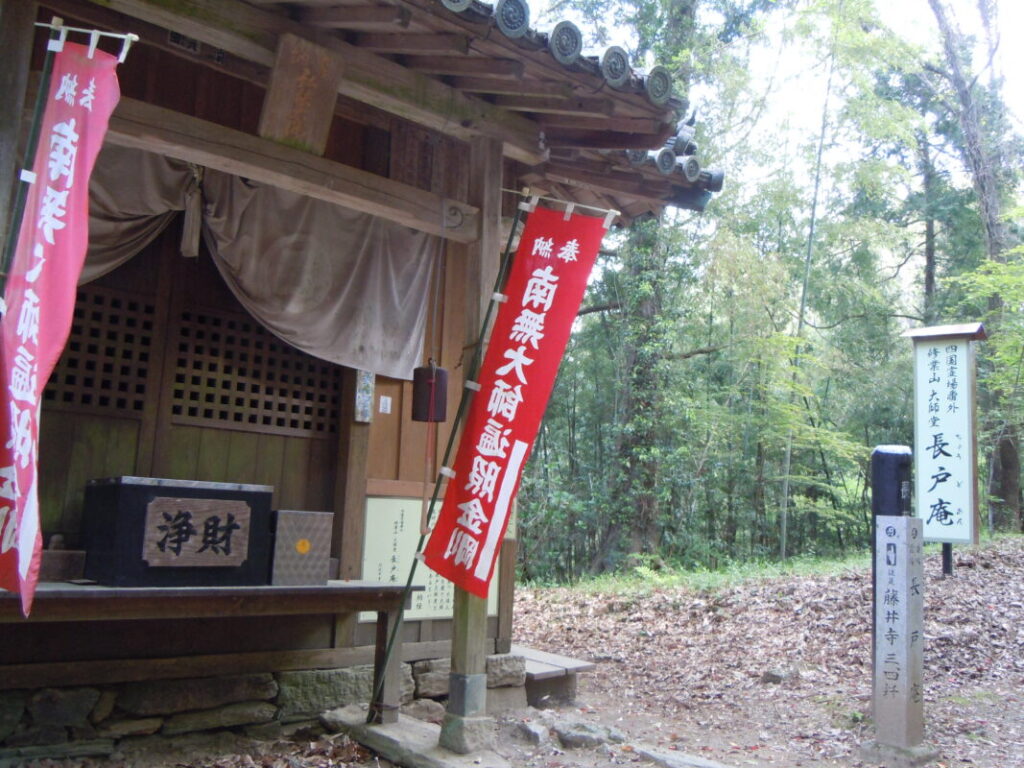
Along the trail are three small hermitages associated with Kobo Daishi: Chodo-an, Ryusui-an, and Joren-an, where he is said to have rested during his journey.
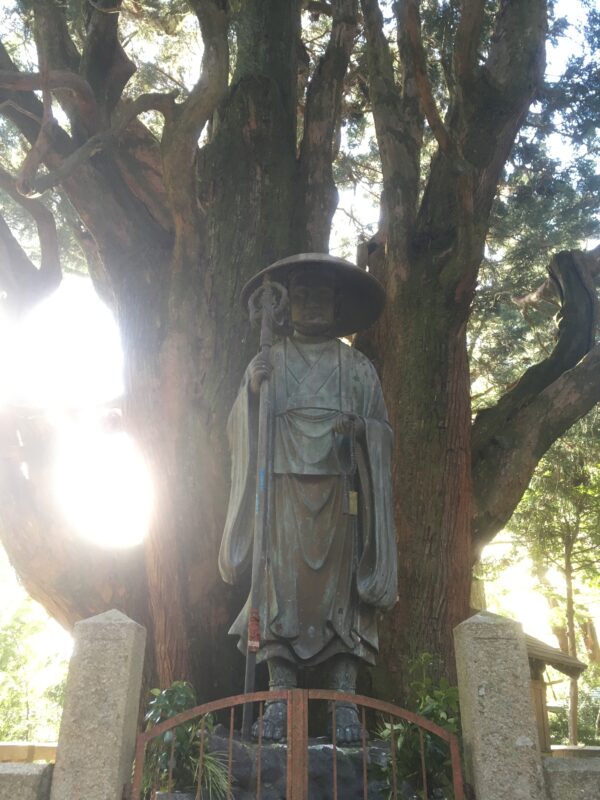
Today, Ryusui-an has toilets and a covered rest area, making it a convenient place to take a break. At Joren-an, you’ll find a giant cedar tree believed to have been planted by Kobo Daishi, along with a quiet statue of the great monk standing before it. It’s a peaceful place to rest your tired legs while experiencing the history and spiritual atmosphere that make the Shikoku Pilgrimage so unique.
Shosanji Mountain Trail Entrance
Chodo-an (3 km Point)
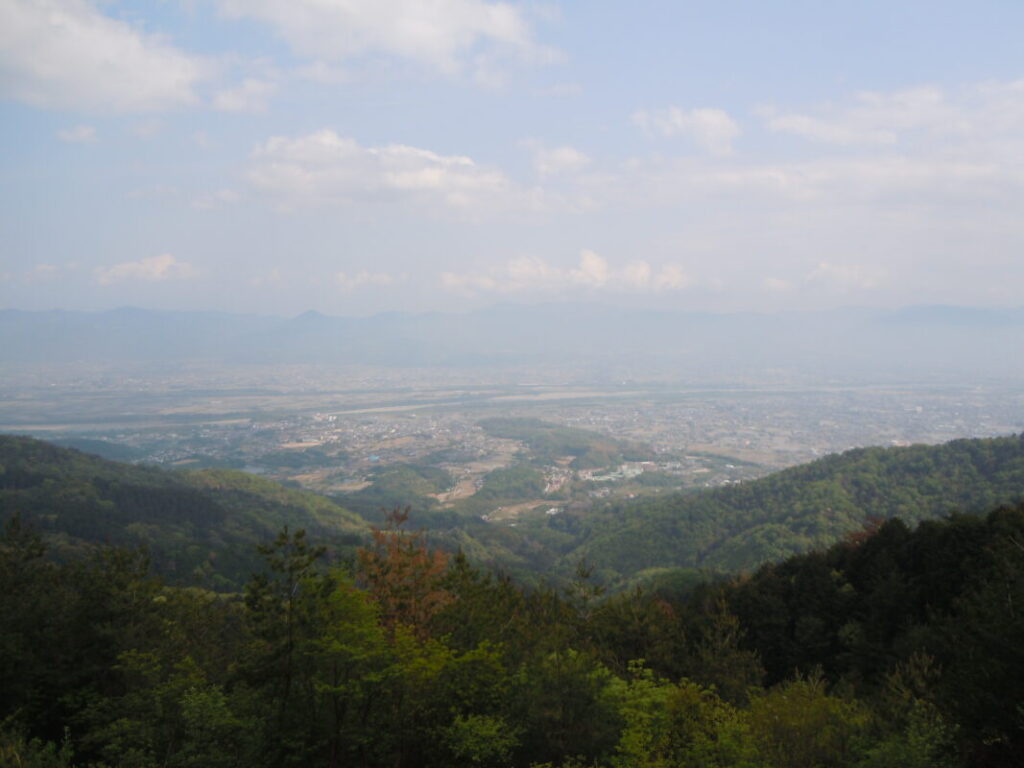
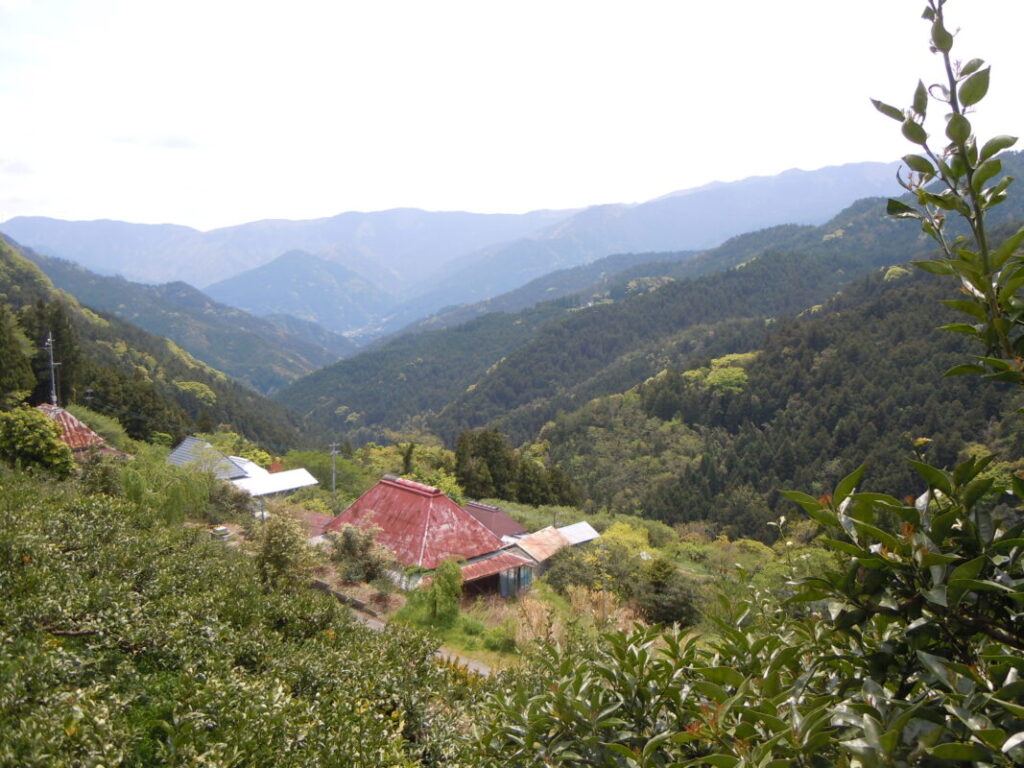
View of Yoshinogawa City (4 km Point)
Sudachi Orchards in the Sōchi Area (10 km Point)
Nearby Accommodation
If you plan to stay near Shozanji or between the surrounding pilgrimage temples, see the article below.
Related Articles
Shikoku 88 Temple Pilgrimage Route: Full List, Distance & Walking Time Guide.
Temple List and Full Route
Comments