
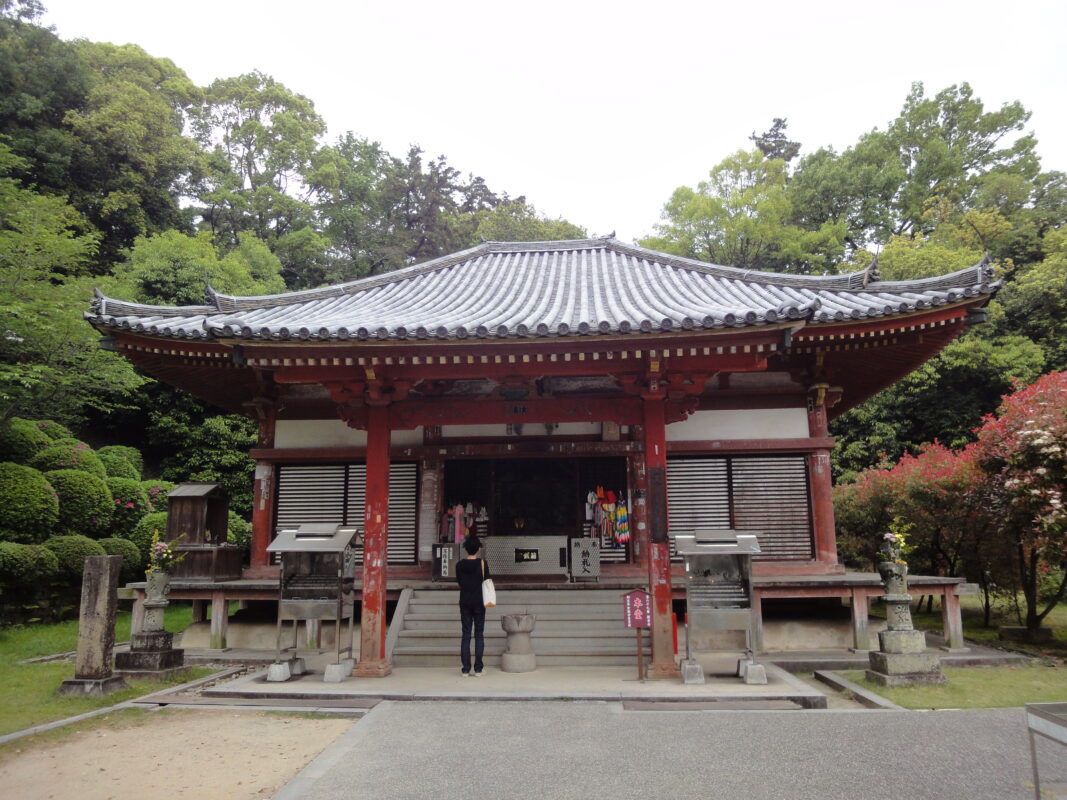
Discover Kanonji Temple (Temple 69) on the Shikoku Pilgrimage. Learn about its shared grounds with Jinnein Temple, historic Main Hall, goshuin, and nearby Kotohiki Park with the famous Kan’ei Tsuho sand picture.
Kanonji Temple Information
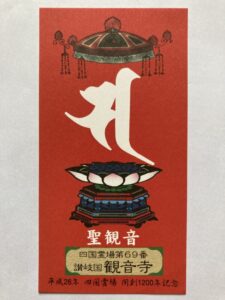
Goshuin

- Omie
- 1,200th Anniversary Edition

Basic Information
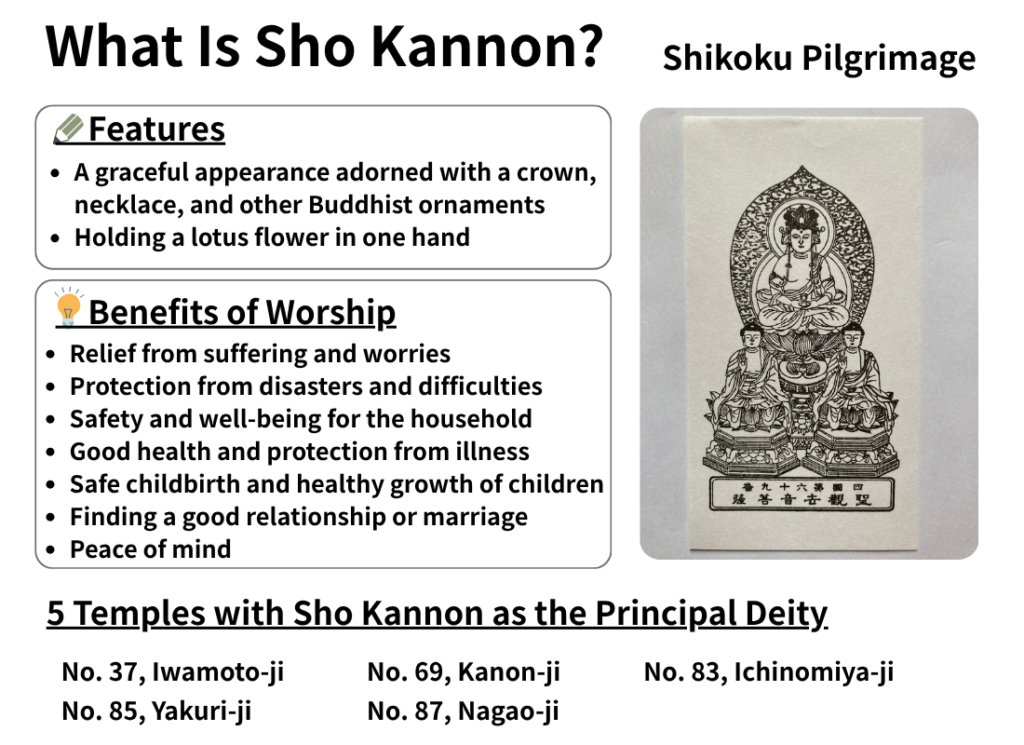
| Principal Deity Sho Kannon Bosatsu | Elevation 20 m |
| Location Kagawa Pref. Kanonji City | Google Maps MAP |
Accommodation
| Shukubo (Temple Lodging) | Not Available |
| Tsuyado (Free Pilgrim Shelter) | Not Available |
History & Highlights
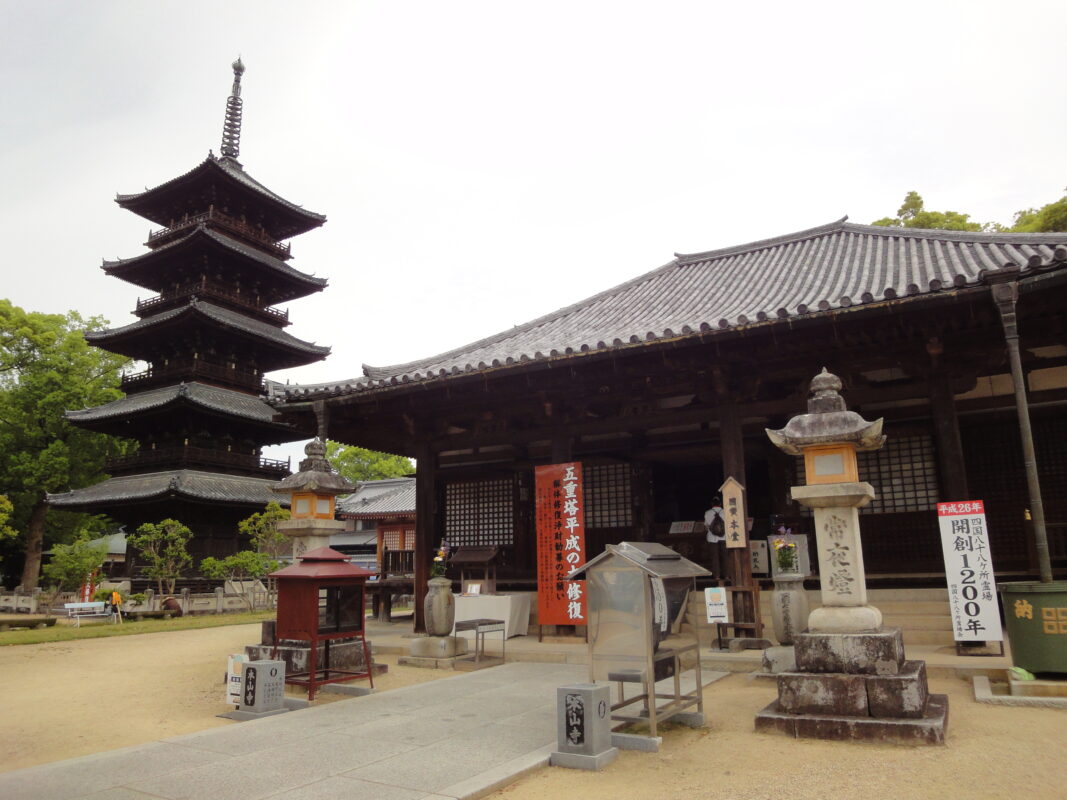
Kanonji Temple is a rare pilgrimage temple that shares the same grounds as Jinnein Temple. Its origins can be traced back to a shrine-temple complex founded in 703.
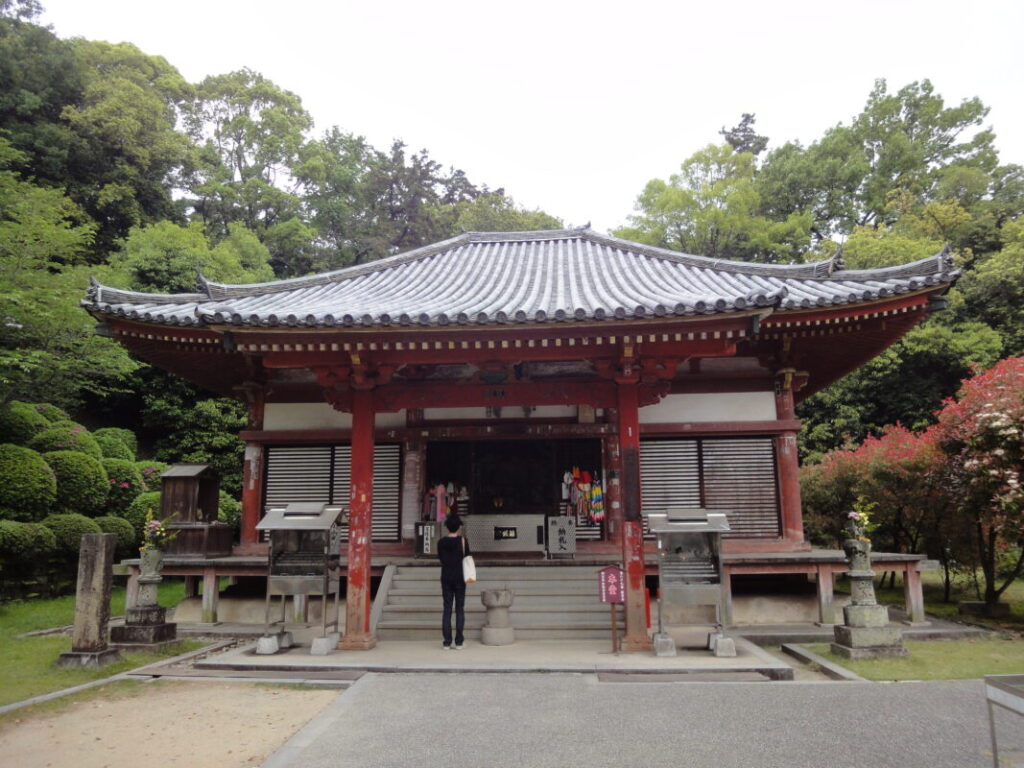
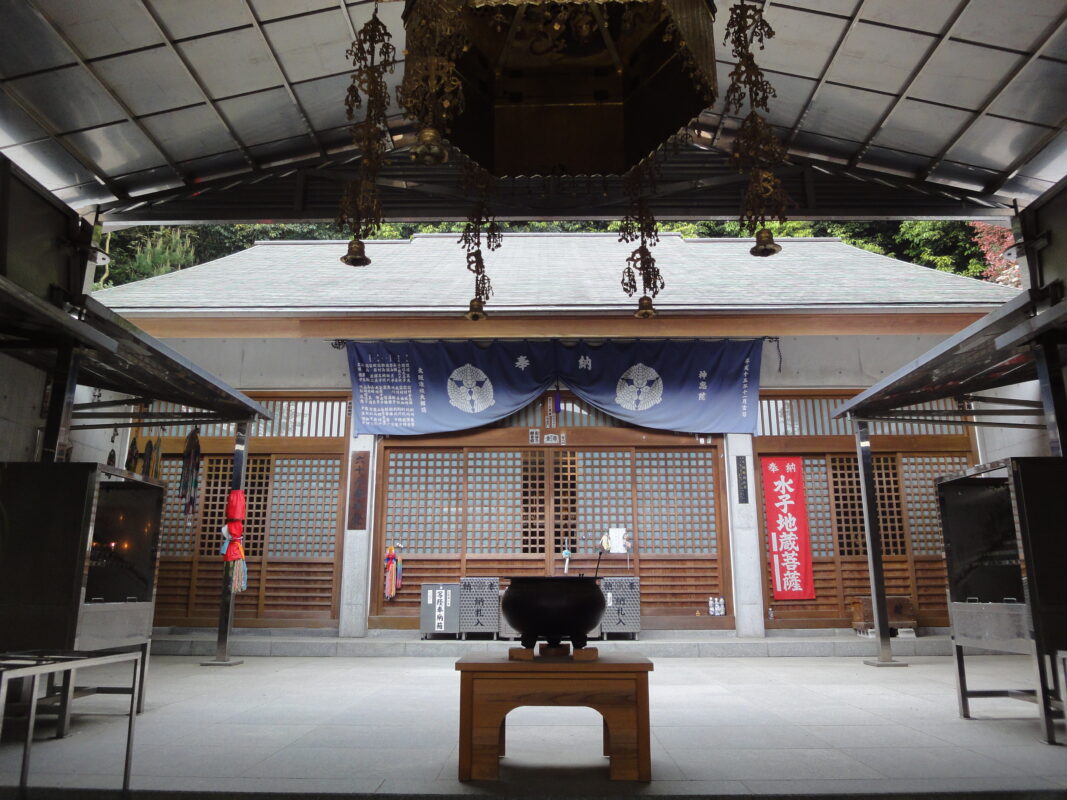
According to tradition, Kobo Daishi enshrined Sho Kannon Bosatsu (Holy Avalokitesvara) here and renamed the temple “Shichihoszan Kanonji.” The Main Hall, built during the Muromachi period, is designated as an Important Cultural Property.
Route Map, Distance & Travel Time
You can switch between the tabs to view the routes to the previous and next temples.
Select “Driving Route” from the map’s upper-left menu to display the driving route.
Click the Full Screen icon in the upper-right corner of the map to open it in Google Maps for a larger, easier-to-view map.
My Walking Experience
A Unique Temple Sharing Its Grounds with Jinnein Temple
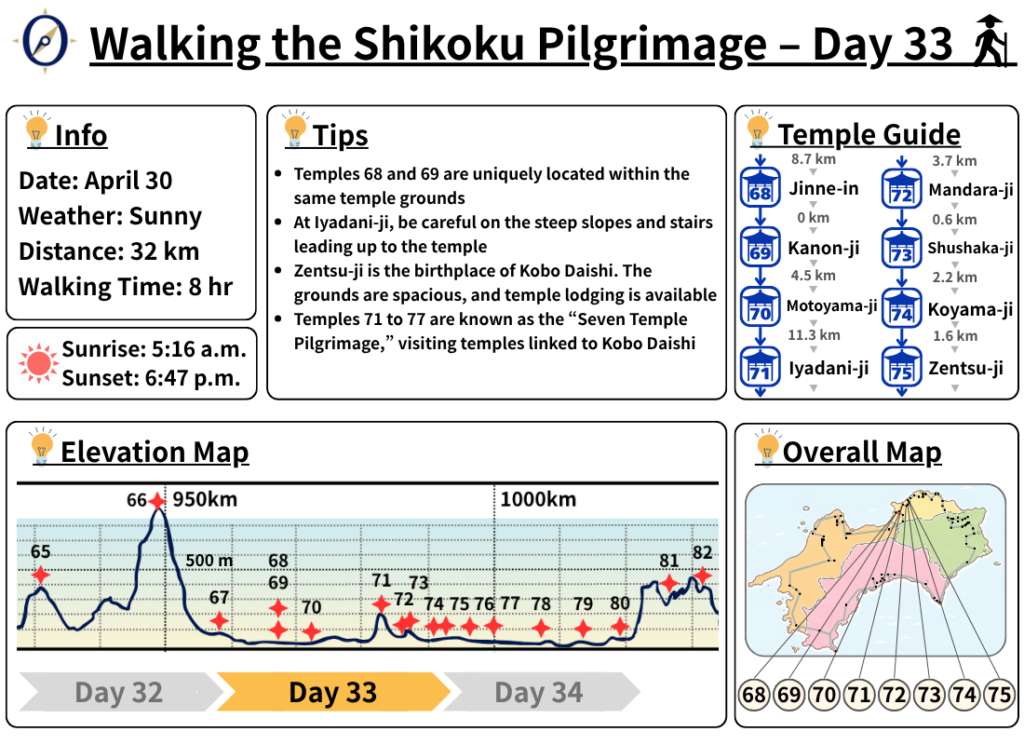
Kanonji Temple is one of the few pilgrimage temples in Japan that shares its grounds with another temple. Temple 68, Jinnein, and Temple 69, Kanonji, stand within the same precincts.
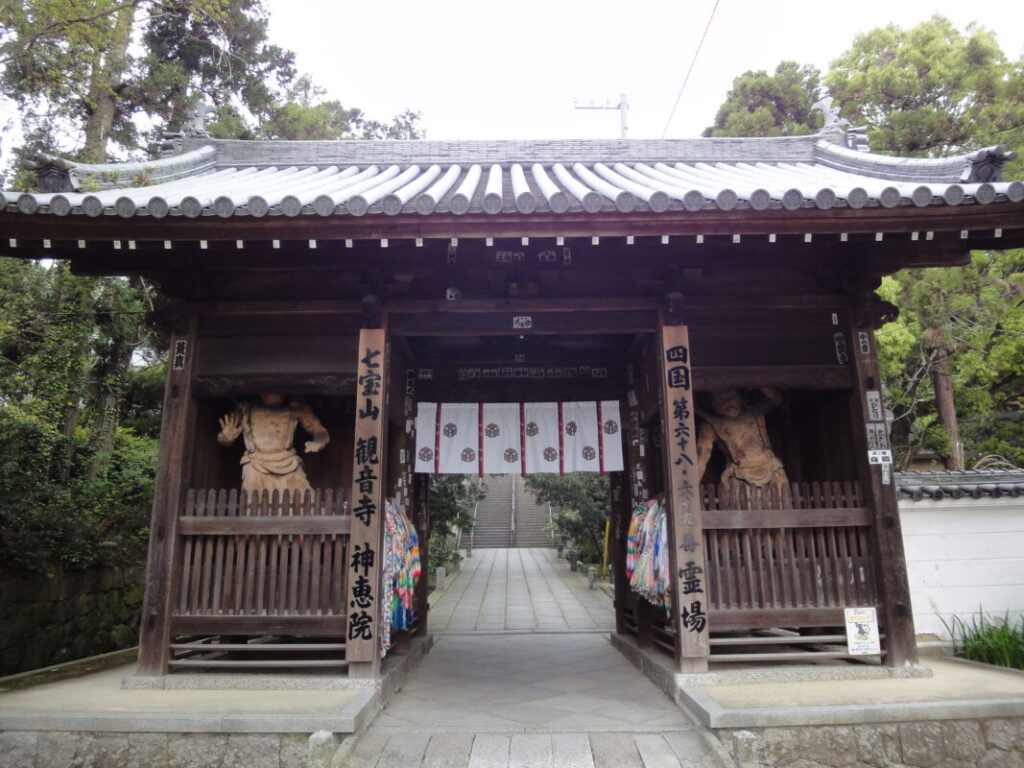
At the temple gate, plaques bearing the names “Temple 68 Jinnein” and “Temple 69 Kanonji” are displayed side by side. Seeing two pilgrimage temples within a single temple complex is a rare sight unique to this location.
Since the Nokyo Office is shared, pilgrims usually visit both temples first and then receive the goshuin of Jinnein and Kanonji together.
The temple grounds also attract many visitors who come to explore nearby Kotohiki Park, making it a place frequented by both pilgrims and sightseers.
Convenient Area for Accommodation and Dining
Kanonji Temple is located about 1 km from JR Kanonji Station, making it one of the more accessible temples on the pilgrimage route.
The surrounding area offers a variety of hotels, restaurants, and shops. For walking pilgrims who have recently crossed the mountainous section between Sankakuji and Unpenji, it is an ideal place to rest, resupply, and enjoy a comfortable stay.
Kotohiki Park and the Kan’ei Tsuho Sand Picture
Behind the temple grounds lies Kotohiki Park.
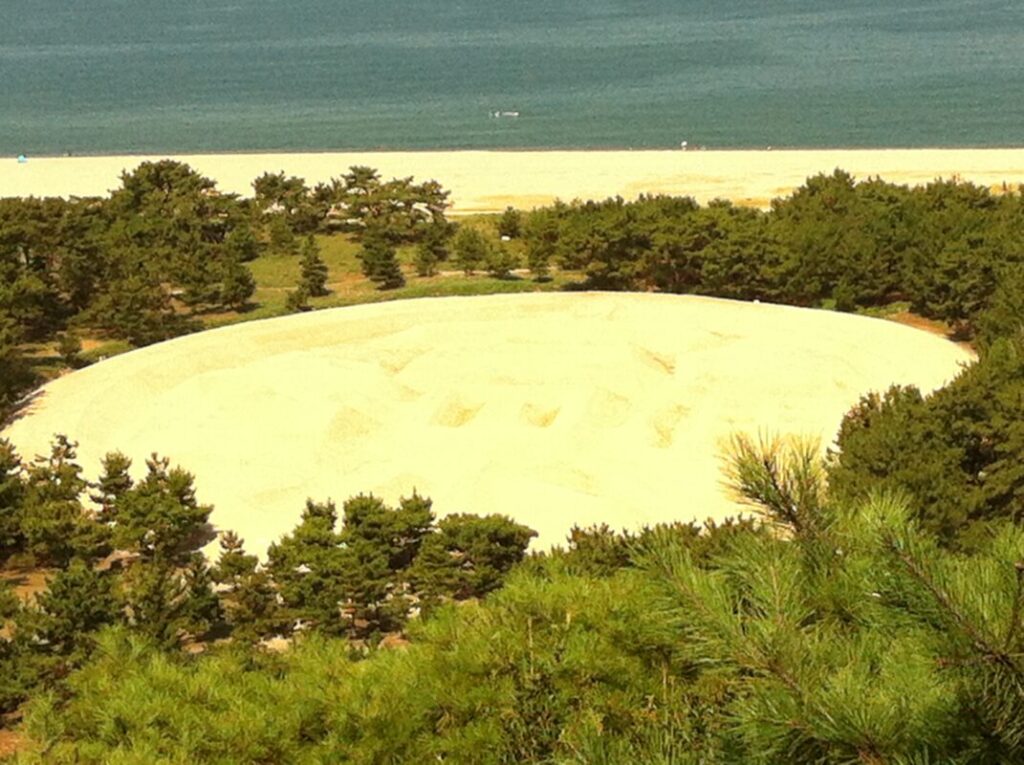
The park is famous for its enormous sand sculpture depicting the Kan’ei Tsuho coin, one of the best-known landmarks in Kagawa Prefecture. Viewed from the observation deck, the design resembles a gigantic coin drawn across the sandy landscape.
I visited the park myself, but unfortunately the timing was not ideal, and I was unable to see the Kan’ei Tsuho inscription clearly. Even so, the views of the Seto Inland Sea from Kotohiki Park were memorable and well worth the visit.
Differences Between Jinnein Temple and Kanonji Temple
Although the two temples originated from the same shrine-temple complex, they are now registered as separate temples on the Shikoku Pilgrimage.
| Item | Temple 68: Jinnein | Temple 69: Kanonji |
|---|---|---|
| Principal Deity | Amida Nyorai | Sho Kannon Bosatsu |
| Temple Number | No. 68 | No. 69 |
| Distinctive Feature | Relocated to the present grounds following the separation of Shinto and Buddhism during the Meiji era | A historic temple with a Main Hall dating back to the Muromachi period |
| Highlights | Unique concrete-built Main Hall | Important Cultural Property Main Hall and a tranquil temple atmosphere |
While the two temples share the same grounds and Nokyo Office, each has its own history, principal deity, and character, making it worthwhile to visit both individually.
Useful Facilities Between Pilgrimage Temples
Find useful facilities along the pilgrimage route, including toilets and rest areas.
Loading rest spots...
Looking for More Places to Take a Break?
Explore our guide to rest stops, hot springs, campsites, and other useful places for pilgrims walking the Shikoku Pilgrimage.

Nearby Accommodation
Here are some accommodation options near this temple that may be convenient for pilgrims. If you are planning to stay overnight, we hope you find this list helpful.
Looking for more accommodation options?
Visit our Pilgrim Accommodation Guide to explore more places to stay along the Shikoku Pilgrimage. You can search by location, accommodation type, price range, facilities, and more.

Additional Information
Related Articles
Shikoku 88 Temple Pilgrimage Route: Full List, Distance & Walking Time Guide.
Temple List and Full Route
Why Do Some Temples Have the Same Name on the Shikoku Pilgrimage?
Why Do Temples Have the Same Name?


Comments