
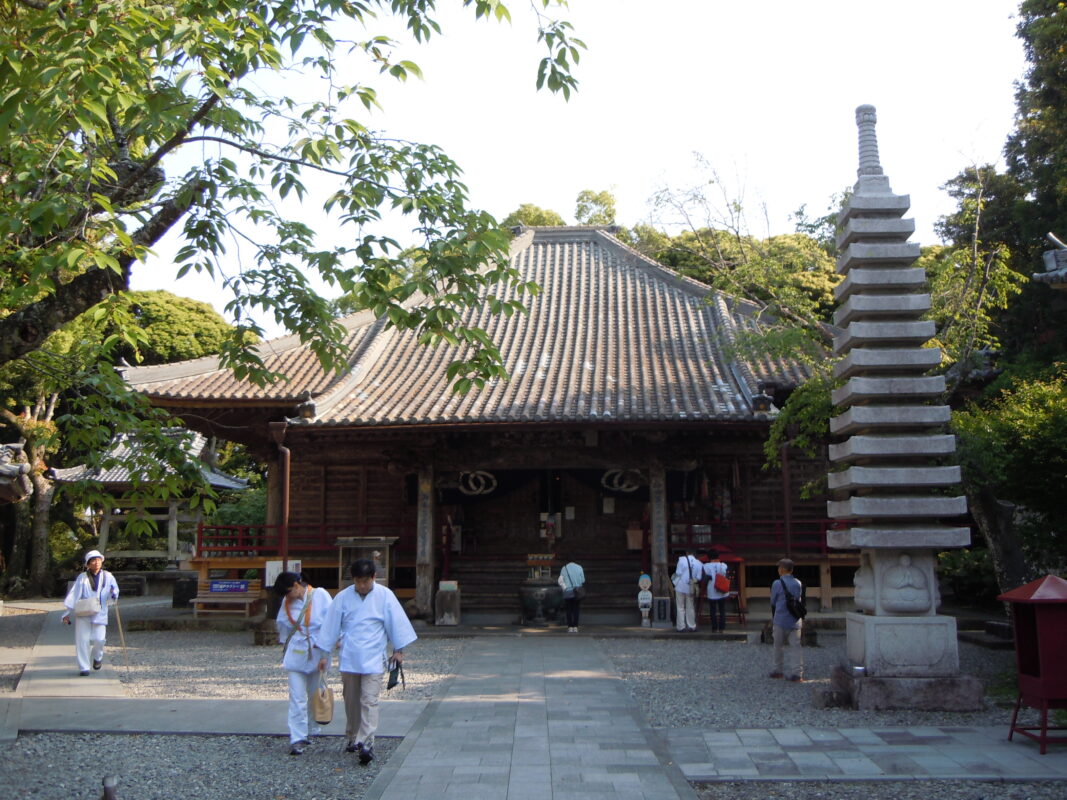
Hotsumisakiji Temple Information
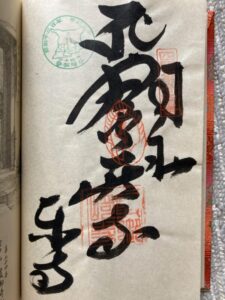
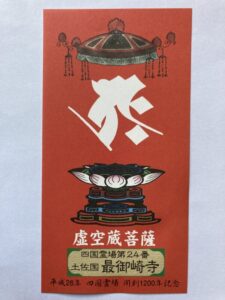
Goshuin
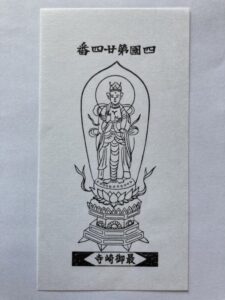
- Omie
- 1,200th Anniversary Edition
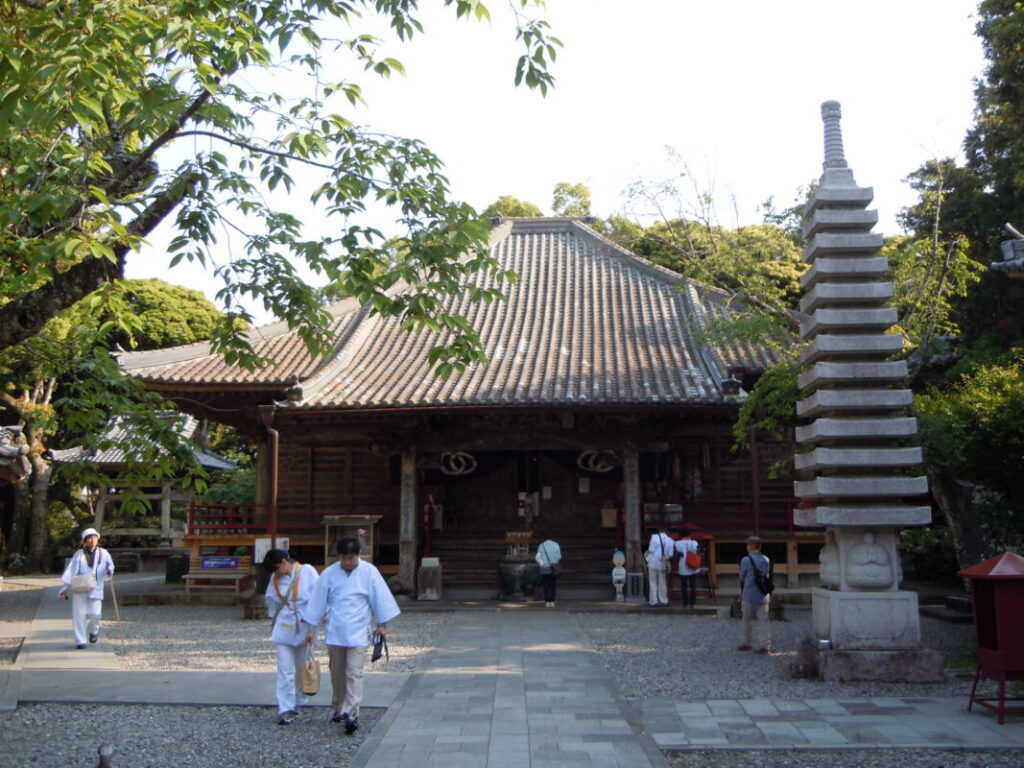
Basic Information
| Principal Deity | Kokuzo Bosatsu |
| Elevation | 160 m |
| Google Maps | MAP |
Accommodation
| Shukubo (Temple Lodging) | Available |
| Tsuyado (Free Pilgrim Shelter) | Not Available |
History & Highlights
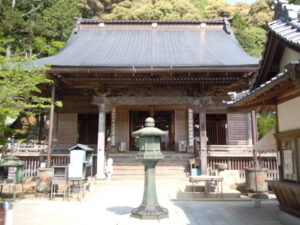
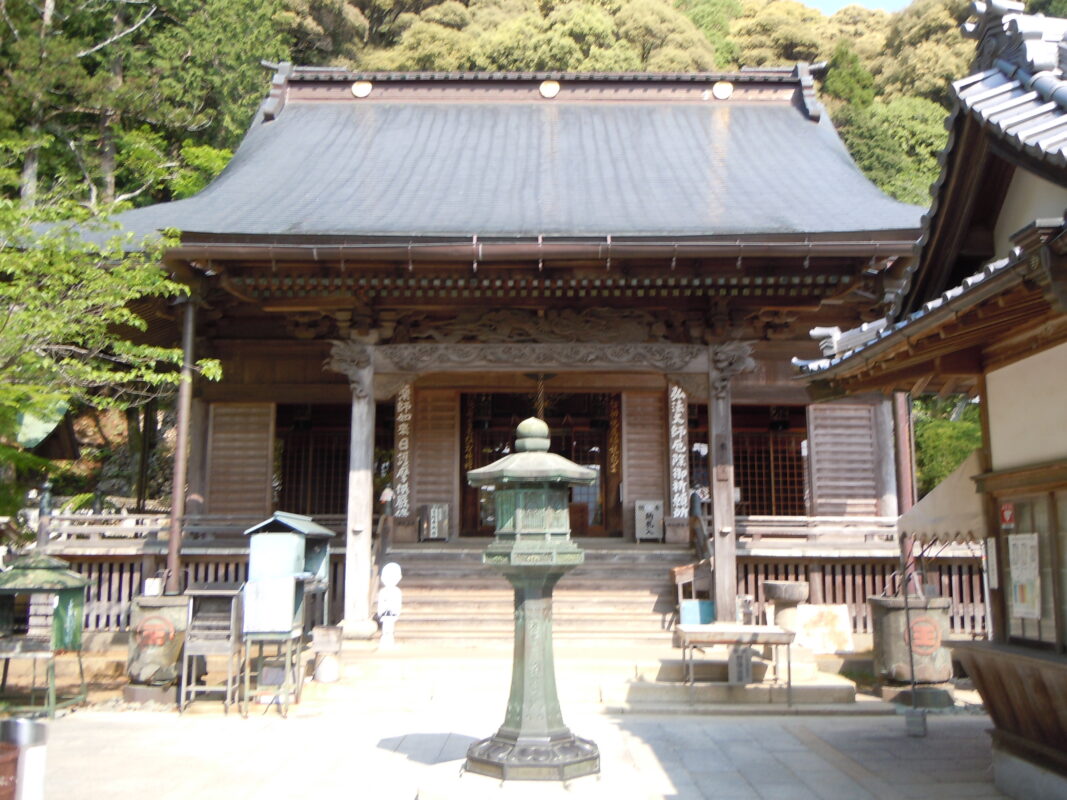
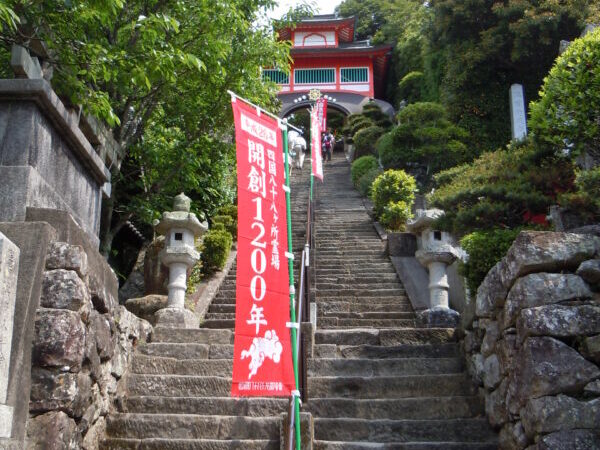
Hotsumisakiji is the first sacred temple in Tosa Province on the Shikoku Pilgrimage. It is said to have been founded by Kōbō Daishi after his return from China, on the site where he practiced the Kokūzō Gumonjihō (Ākāśagarbha Memory and Wisdom Ritual) in his youth. Standing on Cape Muroto opposite Kongōchōji to the west, the temple is also known as the “Eastern Temple” and is regarded as the place where Kūkai’s path to enlightenment began.
Notes
・The distance from Yakuōji to Hotsumisakiji is approximately 75 km (46.6 miles), requiring at least three days on foot for most walking pilgrims.
・From Cape Muroto to Hotsumisakiji, there is an uphill climb of about 150 meters (490 ft) in elevation.
Route Map, Distance & Travel Time
You can switch between the tabs to view the routes to the previous and next temples.
Select “Driving Route” from the map’s upper-left menu to display the driving route.
Click the Full Screen icon in the upper-right corner of the map to open it in Google Maps for a larger, easier-to-view map.
- From Previous Temple
- To Next Temple
Previous Temple: Yakuoji
| Distance | 75.4 km |
| Walking | 22 hr |
| Driving | 2 hr |
Next Temple: Shinshoji
| Distance | 6.5 km |
| Walking | 1 hr 50 min |
| Driving | 15 min |
My Walking Experience
One of the Longest Walking Sections of the Shikoku Pilgrimage
The route from Yakuōji to Hotsumisakiji is approximately 75 km (46.6 miles), making it one of the longest sections for walking pilgrims. Although the trail offers beautiful coastal scenery, it is also a physically and mentally demanding stretch due to the limited resupply points and the long distances between them.
Many pilgrims wonder, “Can I really walk this entire section?” I felt exactly the same before setting out. However, by planning your resupply stops and overnight accommodations in advance, you can complete this route at a comfortable pace without pushing yourself too hard.
My Walking Schedule
Below is the itinerary I followed during my own walk from Yakuōji to Hotsumisakiji. I hope it serves as a useful reference when planning your own daily stages, overnight stops, and rest breaks.
- 5:30 AMShirahama Henro Hut
Breakfast and departure
Section Distance: 5 km - 8:30 AMTemple 23: Yakuoji
Visit the temple
Section Distance: 15 km - 12:30 PMMugi
Lunch
Section Distance: 19 km - 6:00 PMShishikui
Hot spring, dinner, and overnight camping
- 5:30 AMShishikui
Breakfast and departure
Section Distance: 23 km - 1:30 PMSakihama
Lunch and resupply
Section Distance: 18 km - 6:00 PMCape Muroto
Visit historic sites (Mikurodo Cave), camping overnight
- Next day, 8:00 AMTemple 24: Hotsumisakiji
Visit the temple
0–15 km: Mugi Town
After leaving Yakuōji, follow National Route 55 south. Since you will remain on this road for most of the journey to Hotsumisakiji, there is very little chance of getting lost.
After walking about 15 km (9.3 miles), you will reach Mugi. The town has convenience stores, restaurants, and accommodations, making it an ideal place for your first resupply stop and rest break on this long section of the pilgrimage.
15–38 km: Kaiyō, Shishikui, and Tōyō Town
Continuing south, you will reach Kaiyō at around the 27 km (16.8 miles) mark. The town has convenience stores and accommodations, making it a popular overnight stop for walking pilgrims on the first day of this long journey.
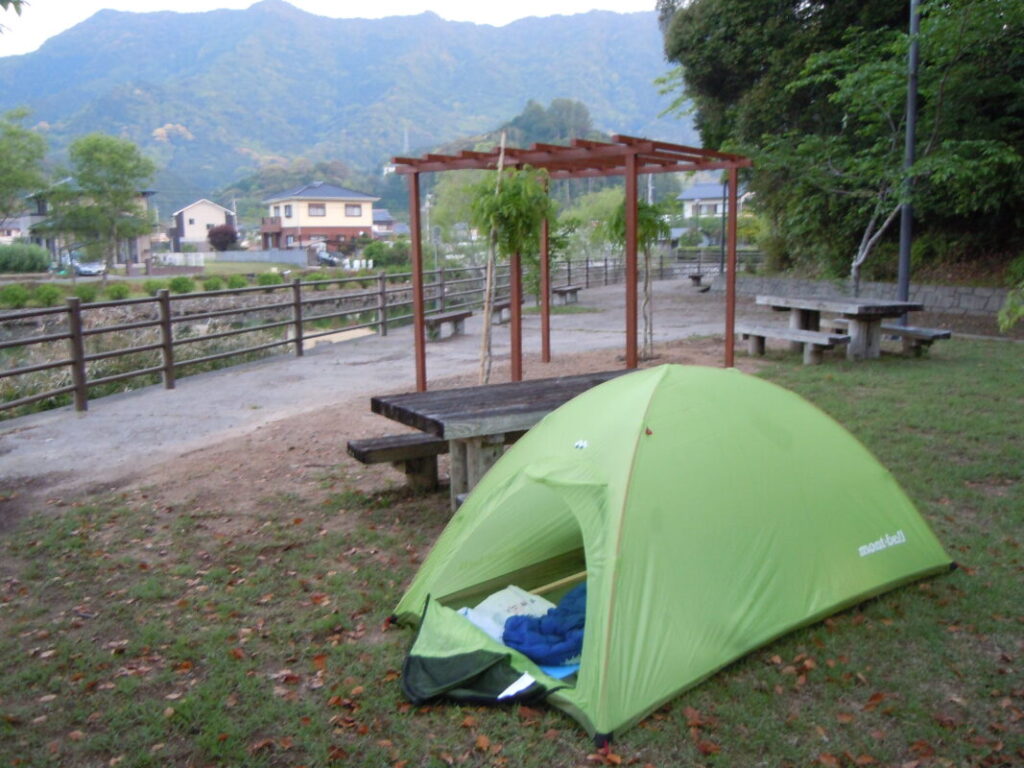
At approximately 34 km (21.1 miles), you will arrive in Shishikui, where you can enjoy a hot spring bath at Roadside Station Shishikui Onsen. I stopped here to soak in the natural hot spring, which was a welcome relief after many hours of walking. There is also a henro hut nearby where overnight camping is possible. I chose to camp in a nearby park instead.
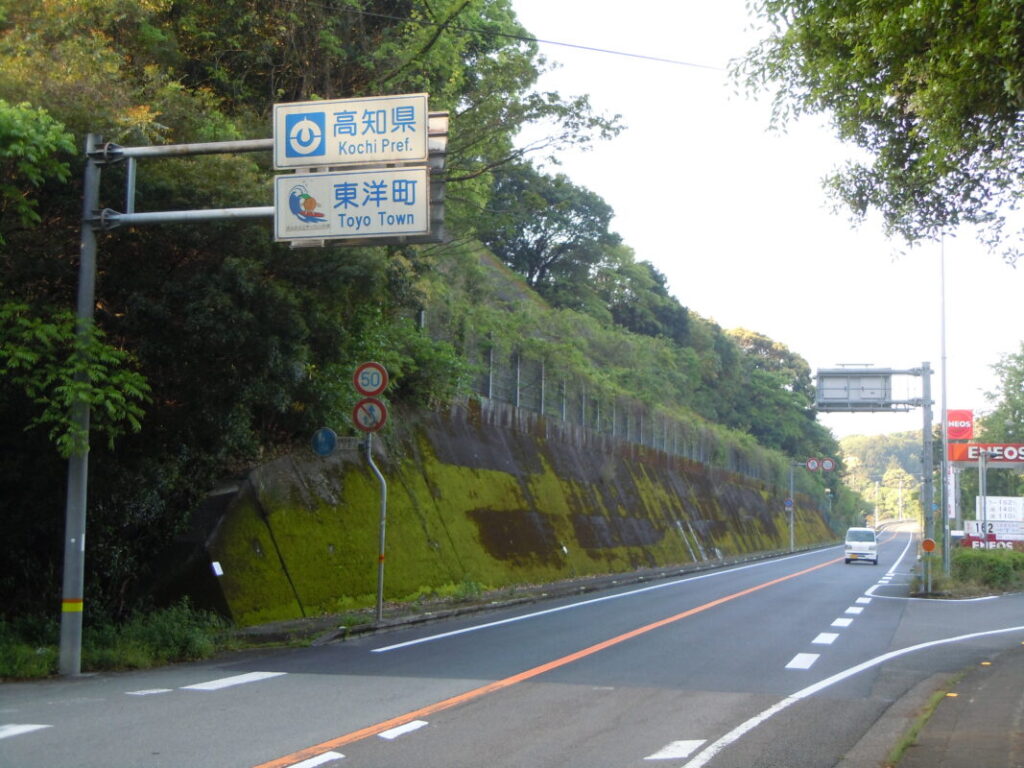
Beyond Shishikui, you leave Tokushima Prefecture and enter Kōchi Prefecture. This is also the halfway point between Yakuōji and Hotsumisakiji.
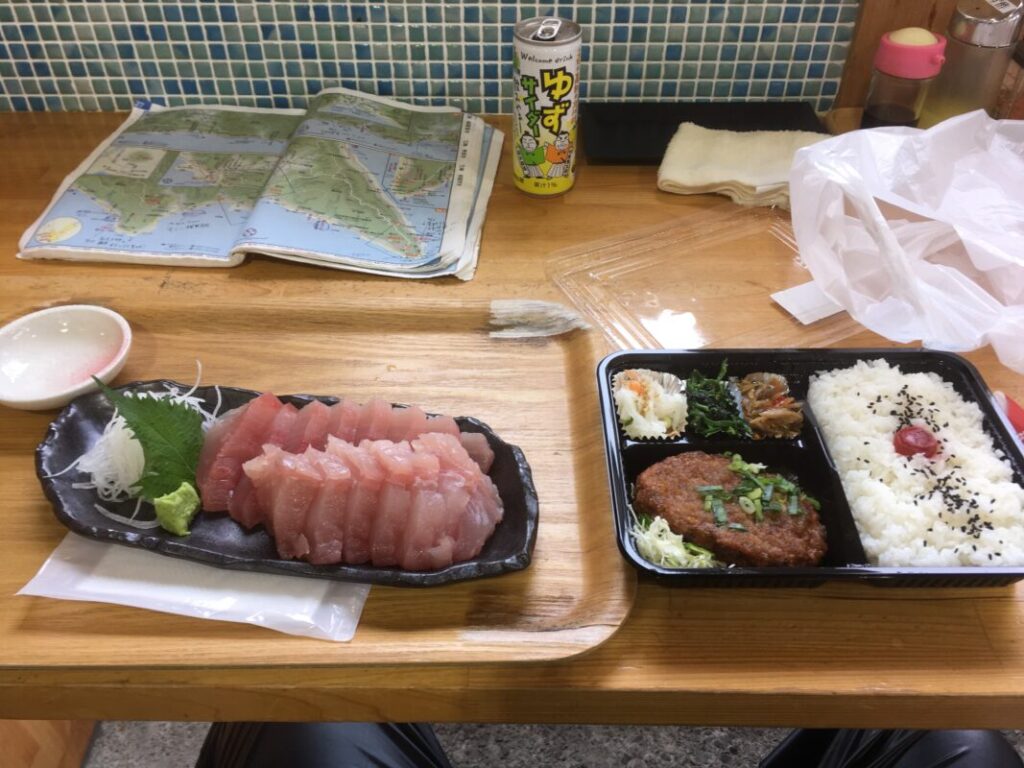
At around the 38 km (23.6 miles) mark, you will reach Roadside Station Tōyō. Located directly along the pilgrimage route, it is a convenient place to stop for a meal or a rest. I enjoyed a generous serving of fresh tuna sashimi here, which provided the perfect energy boost for the long walk ahead.
Camping overnight in a park at Shishikui
Prefectural border at the halfway point
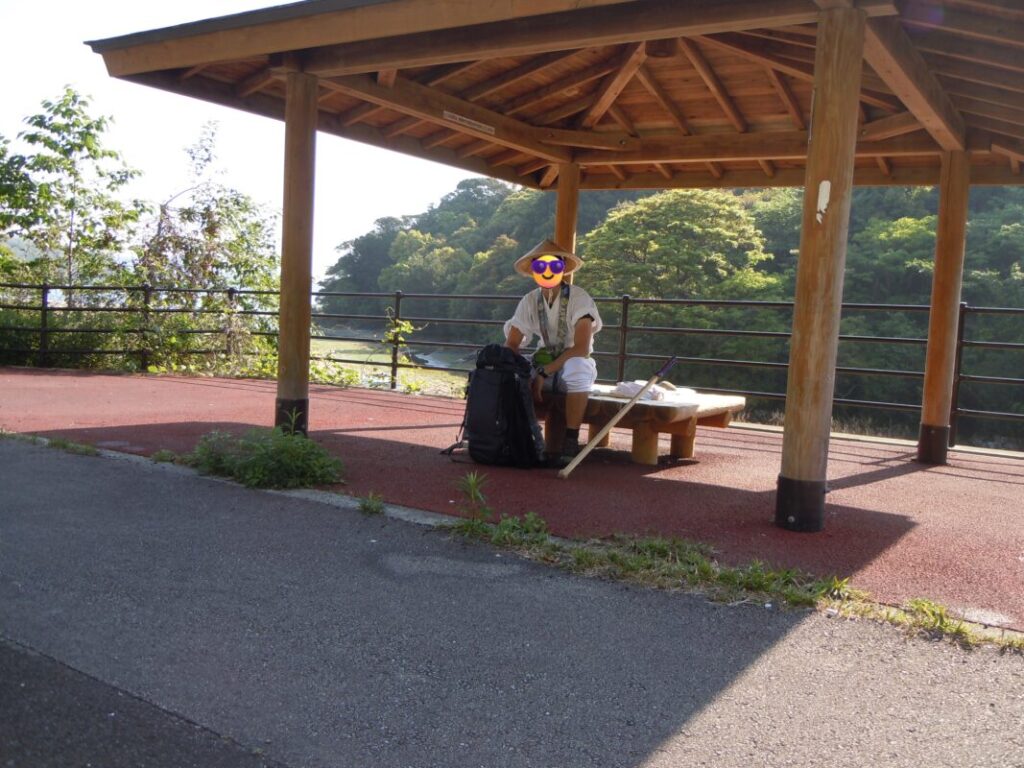
Taking a break at Roadside Station Tōyō
38–57 km: Sakihama Town
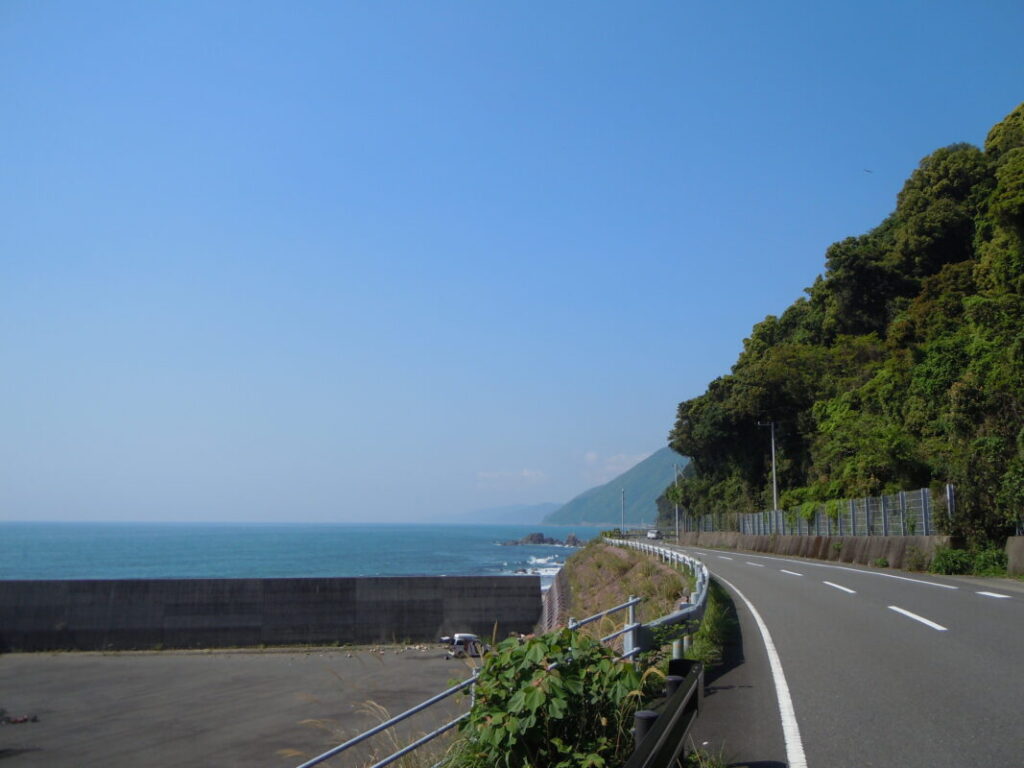
Sakihama, located about 57 km (35.4 miles) from Yakuōji, is one of the most important resupply points for walking pilgrims.
After passing the convenience store Monmart Muroto, there are no convenience stores or supermarkets for approximately 30 km (18.6 miles) until you reach Muroto City, home to Temple 25, Shinshoji.
If you plan to camp overnight near Cape Muroto, it is highly recommended to buy enough food for two or three meals before leaving Sakihama.
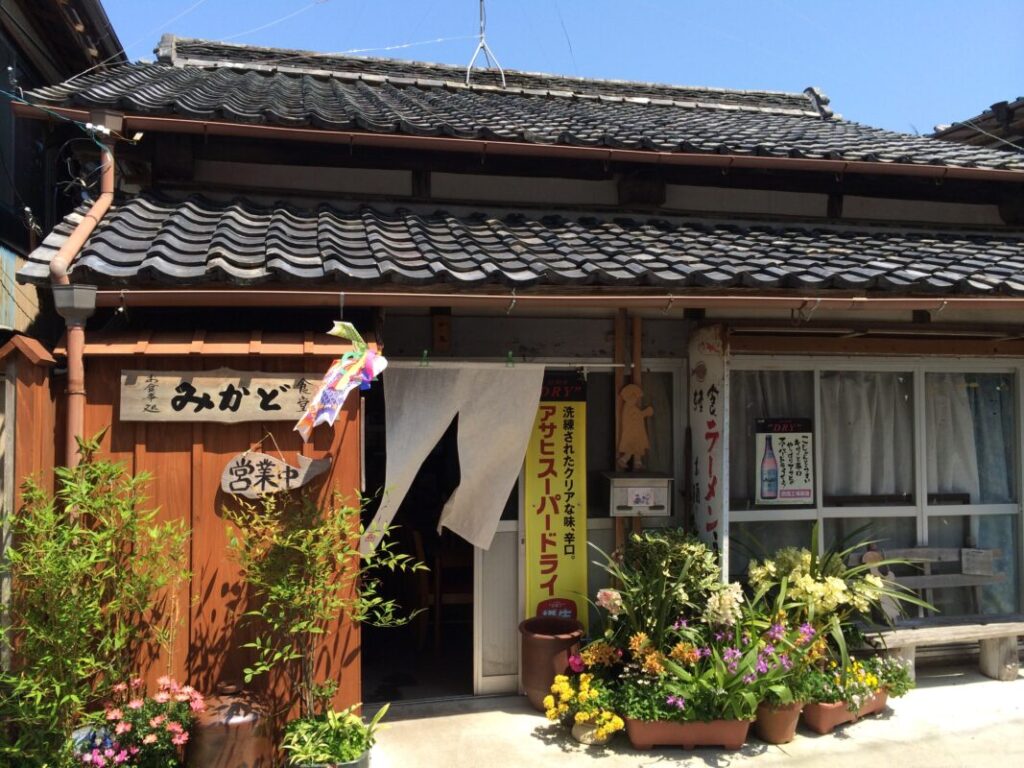
I arrived in Sakihama at around 1:00 p.m. After stocking up on supplies, I had lunch at Mikado, a popular restaurant located along the pilgrimage route where many walking pilgrims stop for a meal.
Rest stop at Higashizume Rest Area (40 km mark)
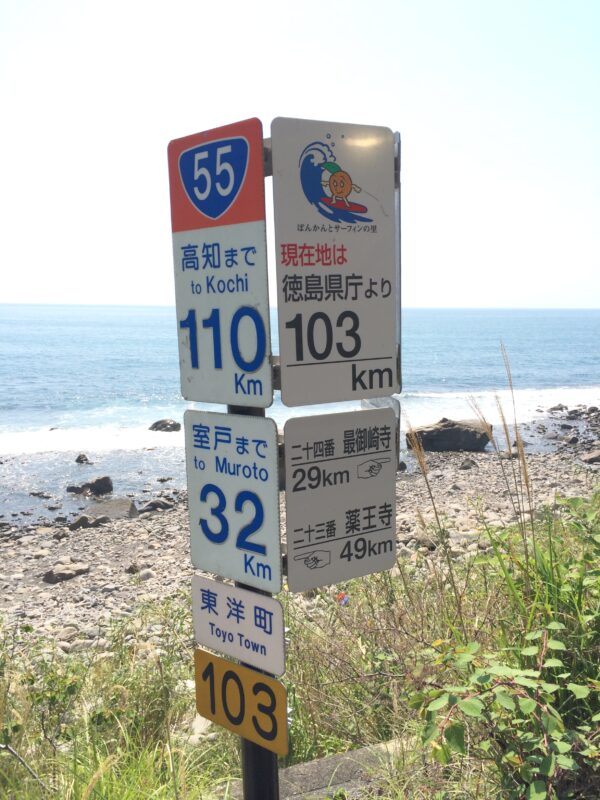
Road sign showing distances to the Shikoku pilgrimage temples
Pilgrimage trail to Sakihama
Mikado restaurant in Sakihama
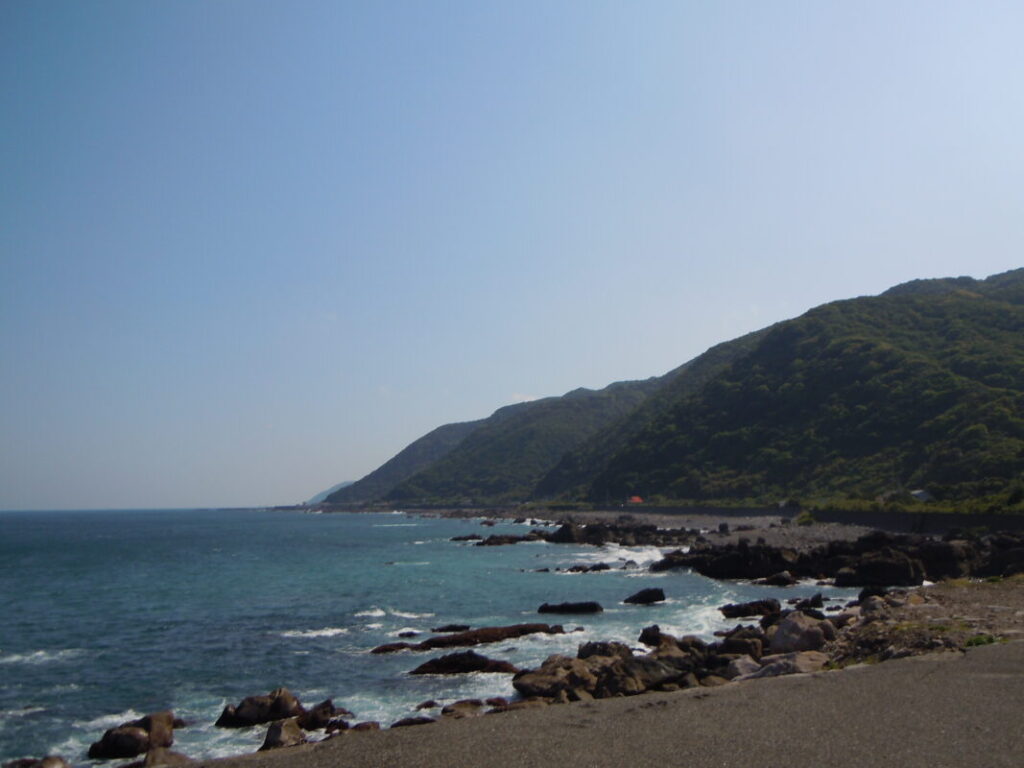
57–75 km: Cape Muroto
I arrived at Cape Muroto at around 6:00 p.m. on the second day after setting out from Yakuōji.
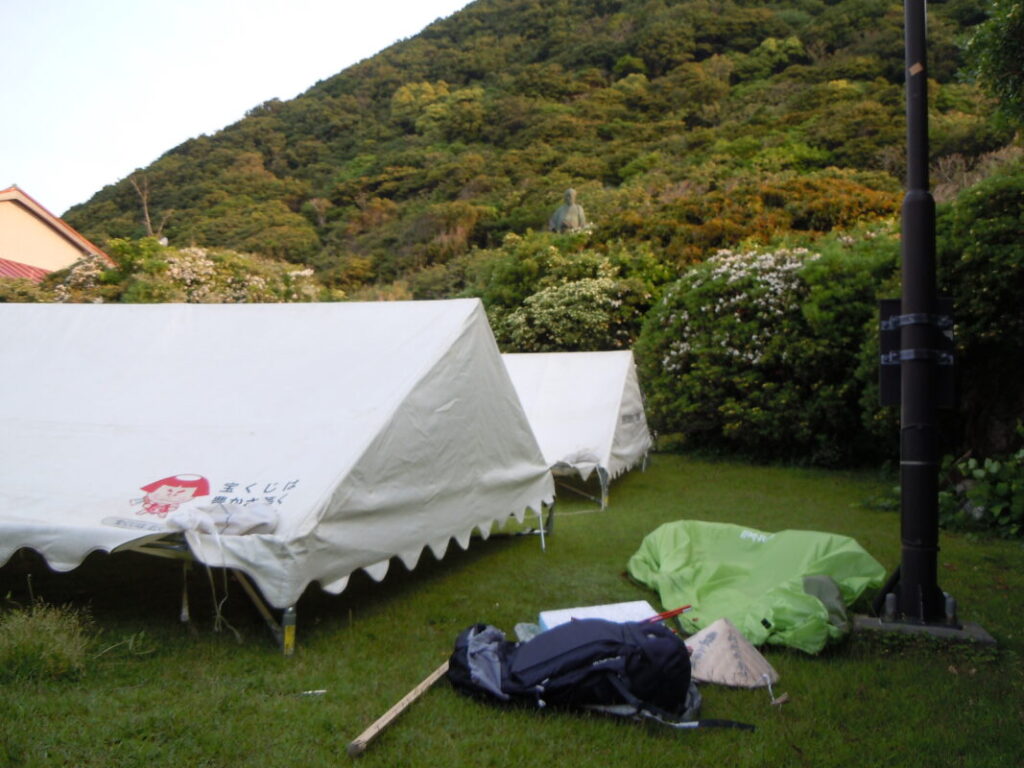
Since the nōkyōsho (stamp office) closes at 5:00 p.m., I decided not to visit Hotsumisakiji that evening. Instead, I spent the night camping in the open area at Cape Muroto and visited the temple the following morning.
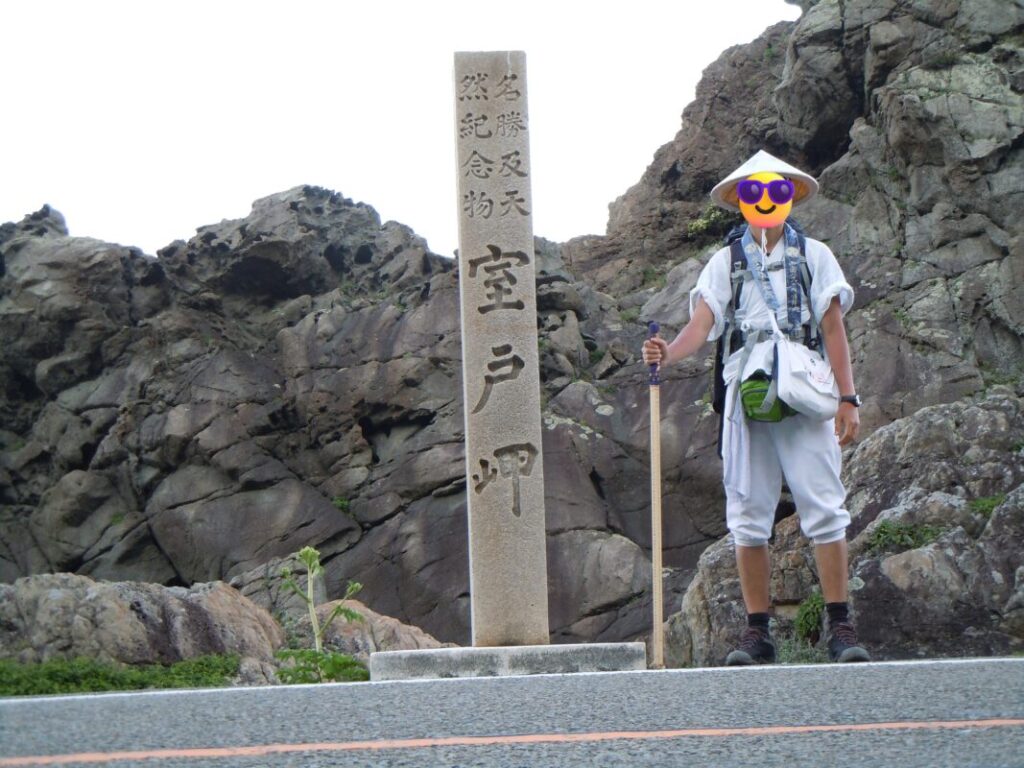
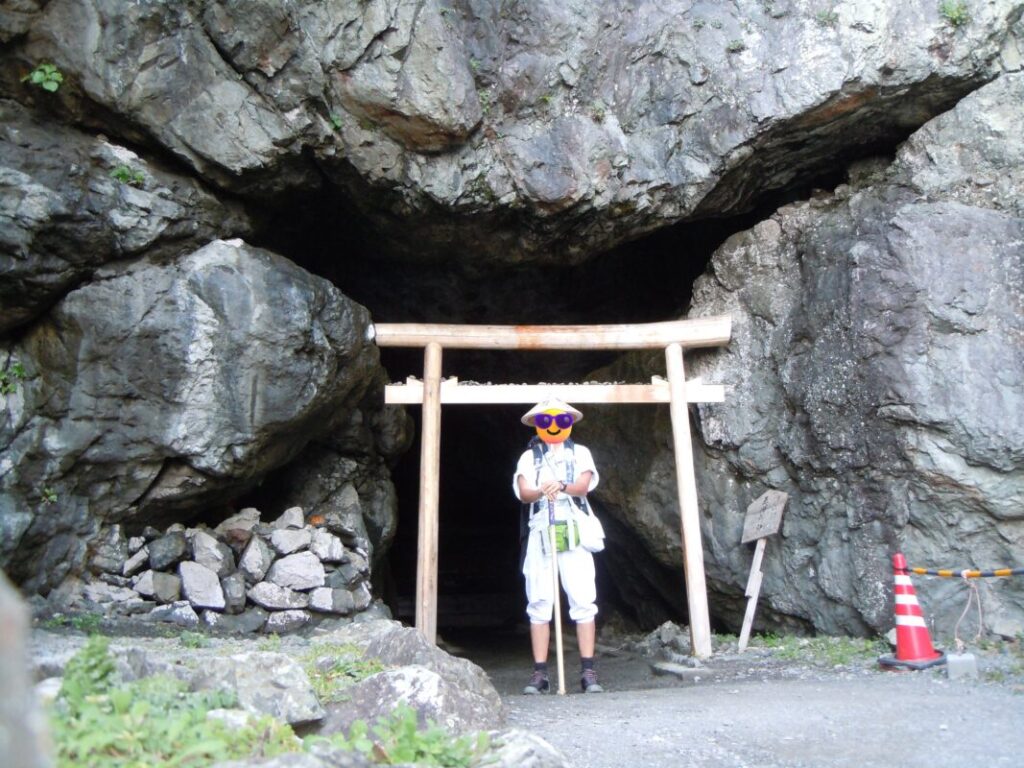
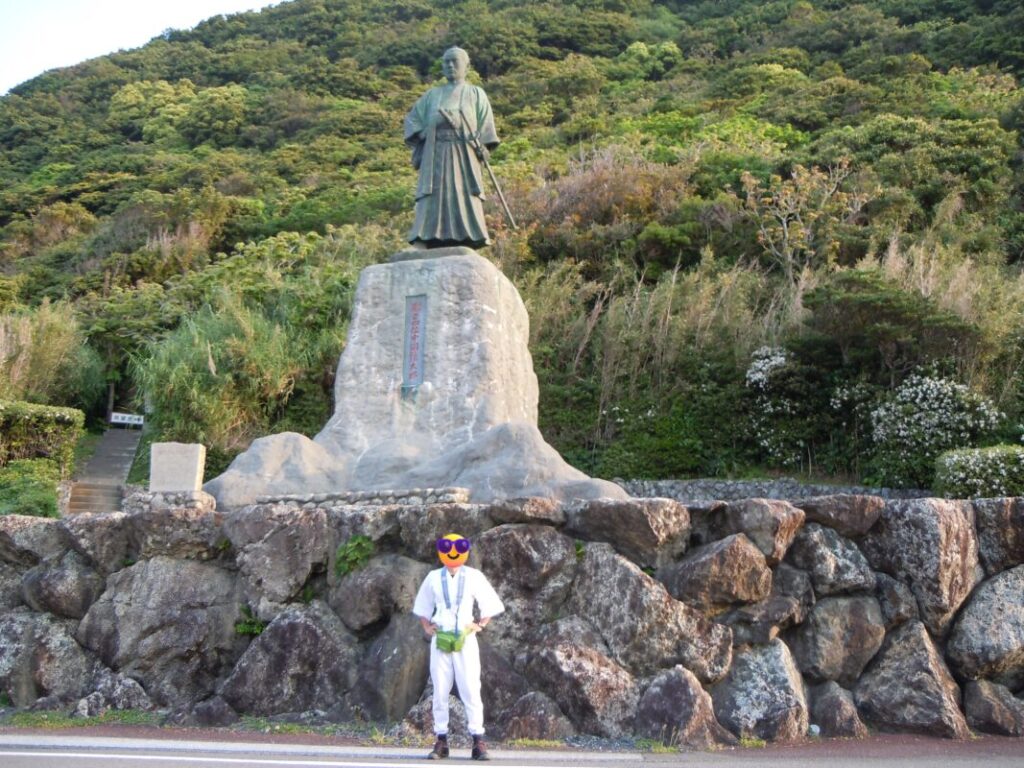
With some time left before sunset, I explored the historic sites around the cape. In addition to Hotsumisakiji, Cape Muroto is home to several places associated with Kōbō Daishi, including Mikurodo Cave, where he is said to have practiced ascetic training, and the statue of Nakaoka Shintarō. If your schedule allows, these landmarks are well worth visiting as part of your pilgrimage.
Pilgrimage trail leading to Cape Muroto
Cape Muroto stone monument
Mikurodo Cave
Statue of Nakaoka Shintarō
Camping overnight at Cape Muroto
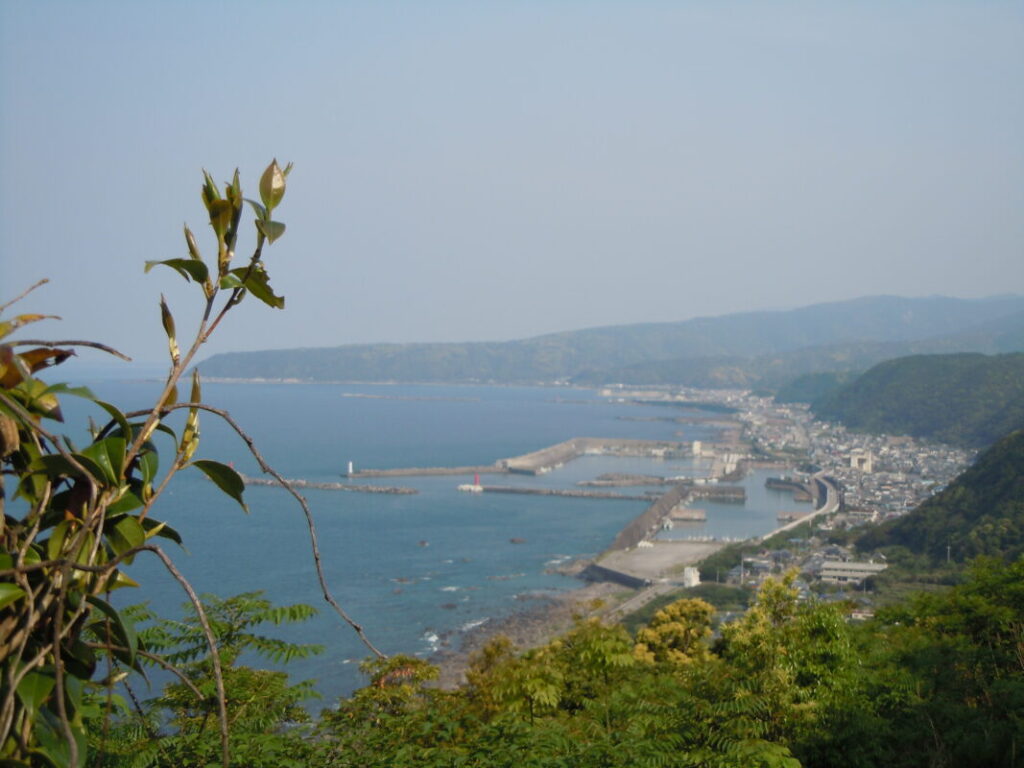
Be Prepared for the Final Climb to Hotsumisakiji
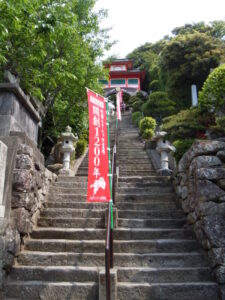
Hotsumisakiji stands at an elevation of approximately 160 meters (525 ft), requiring a climb of about 150 meters (490 ft) from Cape Muroto.
Even after reaching the cape, you still need to make this uphill walk before arriving at the temple. When planning your itinerary, be sure to allow enough time to complete the climb and reach the nōkyōsho (stamp office) before it closes.
Sun Protection Is Essential
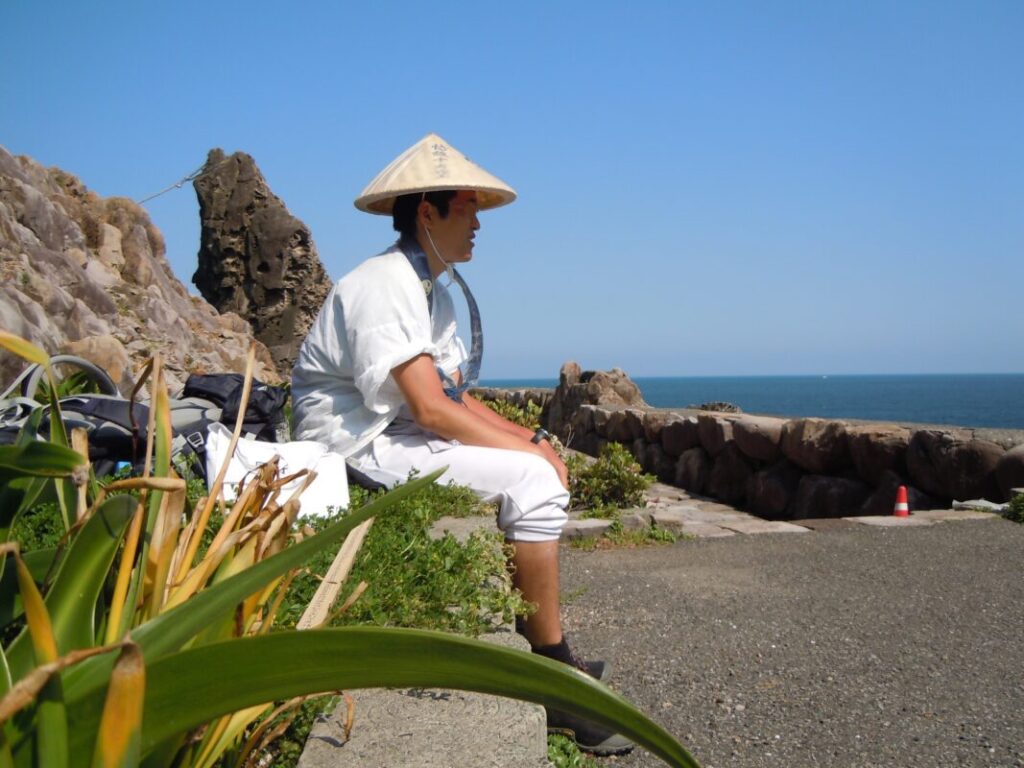
I walked this section in early May, but the coastal route offered very little shade, making it much hotter than I had expected.
My sugegasa (traditional pilgrim’s sedge hat) made a significant difference by shielding me from the direct sunlight. Based on my experience, a hat or other sun protection is essential for anyone walking this section of the pilgrimage.
Resupply Points Between Yakuōji and Hotsumisakiji
The table below summarizes the main resupply points between Yakuōji and Hotsumisakiji. Check the locations of convenience stores, restaurants, and accommodations in advance to help you plan a comfortable and realistic walking schedule.
| Location | Distance from Yakuōji | Convenience Store | Restaurant | Accommodation | Camping* |
|---|---|---|---|---|---|
| Mugi | ~15 km | ✓ | ✓ | ✓ | ✓ |
| Kaiyō | ~27 km | ✓ | ✓ | ✓ | ✓ |
| Shishikui | ~34 km | ✓ | ✓ | ✓ | ✓ |
| Tōyō | ~38 km | ✓ | ✓ | ✓ | ✓ |
| Sakihama | ~57 km | ✓ | ✓ | ✓ | ✓ |
| Cape Muroto | ~75 km | — | — | ✓ | ✓ |
* Camping refers to places where walking pilgrims commonly spend the night outdoors, such as henro huts, parks, or designated rest areas, where permitted or traditionally accepted.
Nearby Accommodation
If you plan to stay near Hotsumisakiji or between the surrounding pilgrimage temples, see the article below.
Related Articles
Shikoku 88 Temple Pilgrimage Route: Full List, Distance & Walking Time Guide.
Temple List and Full Route
Comments