
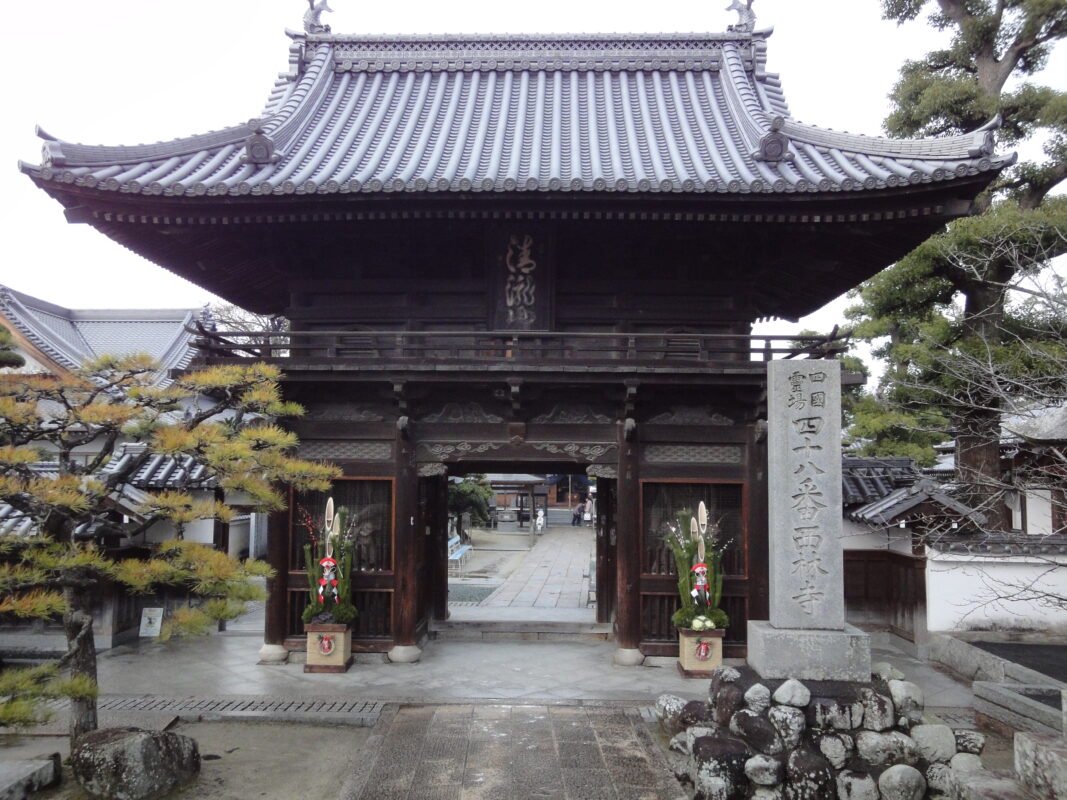
Sairinji Temple Information
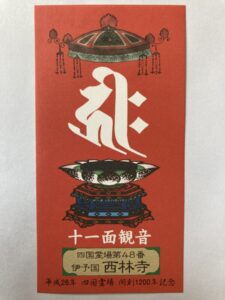
Goshuin
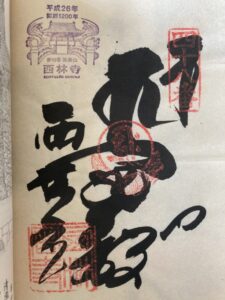
- Omie
- 1,200th Anniversary Edition
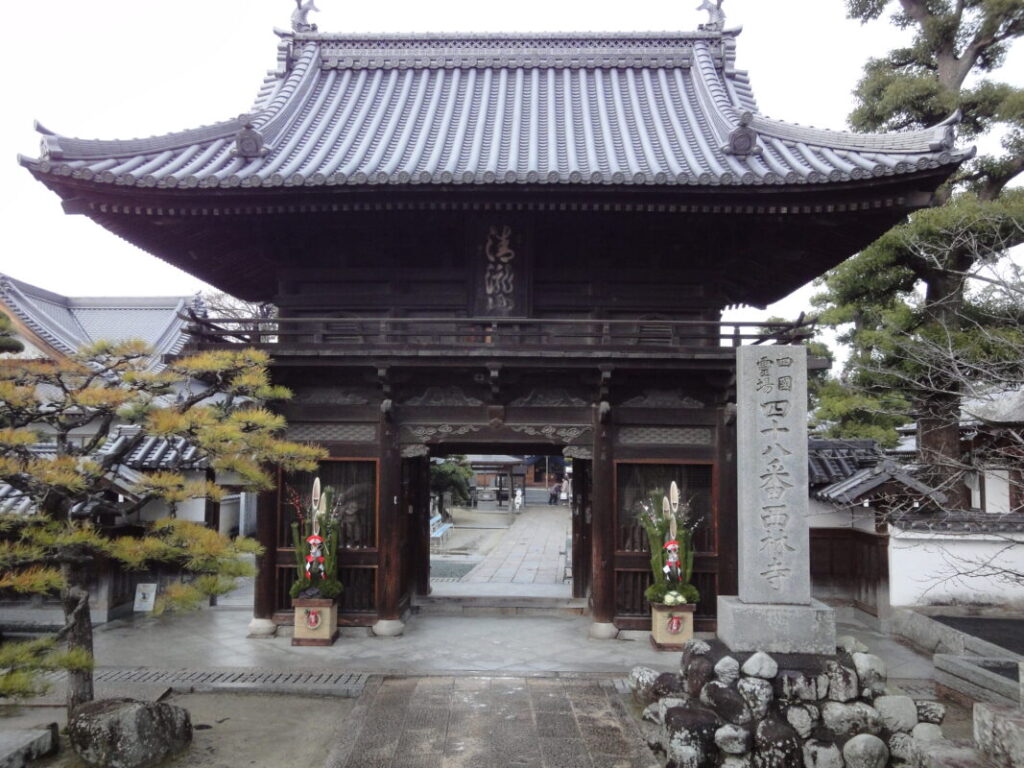
Basic Information
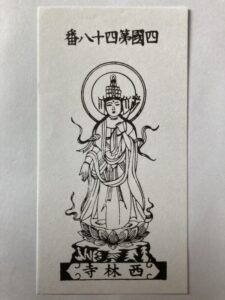
| Principal Deity | Eleven-Headed Kannon |
| Elevation | 40 m |
| Google Maps | MAP |
Accommodation
| Shukubo (Temple Lodging) | Not Available |
| Tsuyado (Free Pilgrim Shelter) | Not Available |
History & Highlights
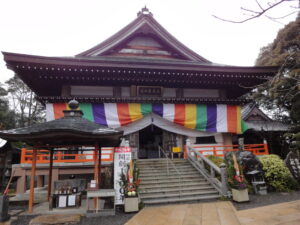
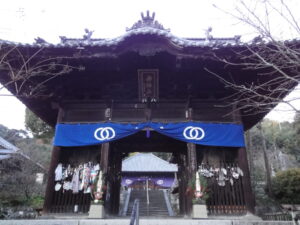
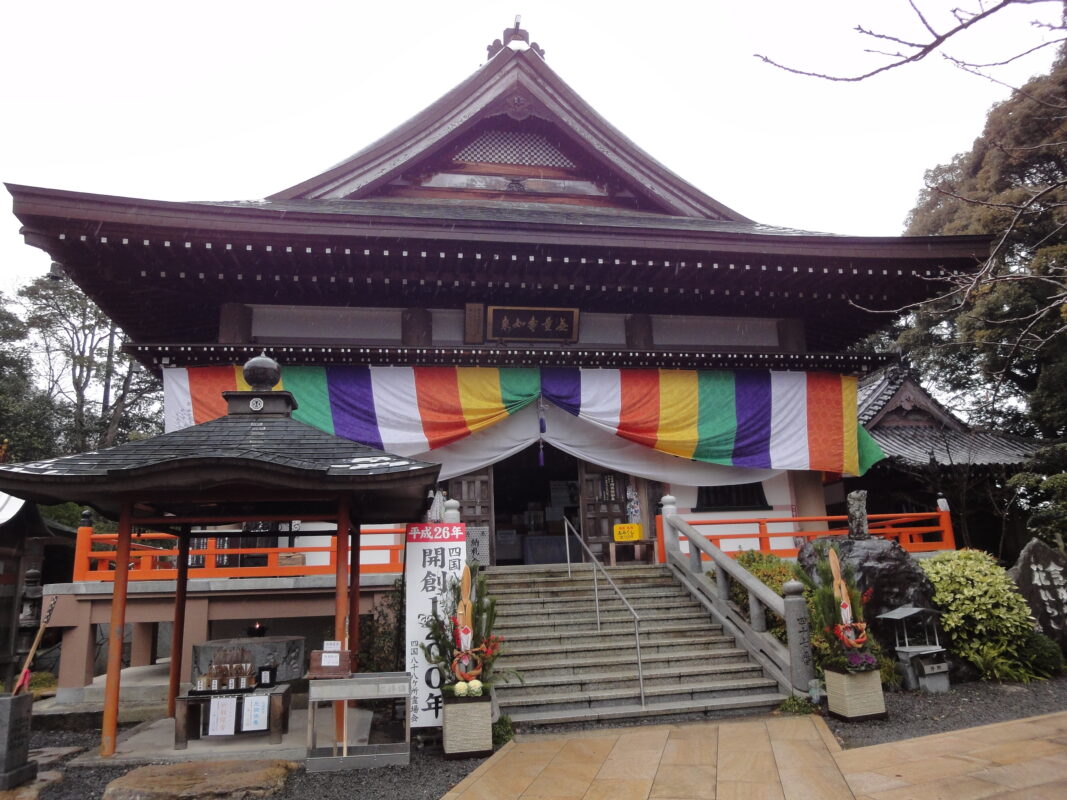
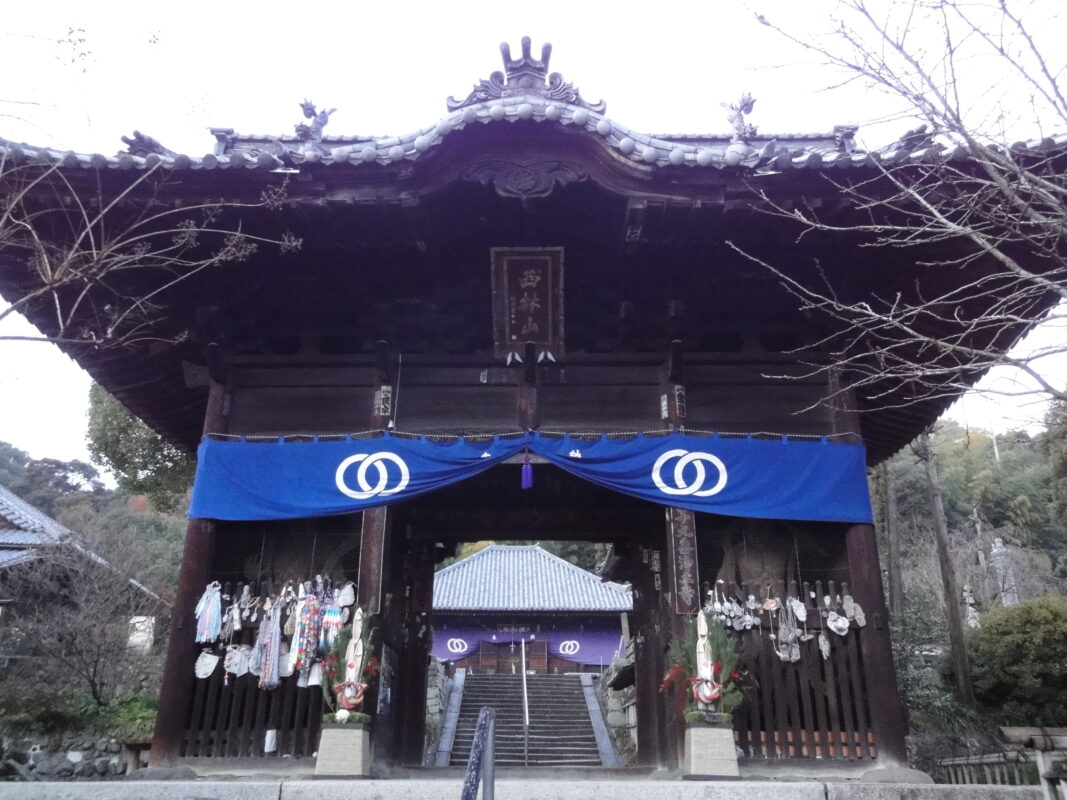
Sairinji is said to have been founded by Gyōki and later relocated to its present site by Kūkai (Kōbō Daishi). The temple is famous for Tsue no Fuchi, a spring that is said to have been created when Kūkai struck the ground with his walking staff. Selected as one of Japan’s 100 Famous Waters, it continues to be a beloved landmark for both pilgrims and local visitors.
Route Map, Distance & Travel Time
You can switch between the tabs to view the routes to the previous and next temples.
Select “Driving Route” from the map’s upper-left menu to display the driving route.
Click the Full Screen icon in the upper-right corner of the map to open it in Google Maps for a larger, easier-to-view map.
- From Previous Temple
- To Next Temple
Previous Temple: Yasakaji
| Distance | 4.4 km |
| Walking | 1 hr 20 min |
| Driving | 10 min |
Next Temple: Jodoji
| Distance | 3.1 km |
| Walking | 50 min |
| Driving | 10 min |
My Walking Experience
Sairinji is located about 5 km (3.1 miles) north of Yasakaji. Although the prefectural road offers a straightforward route, walking the traditional pilgrimage trail allows you to visit several historic sites associated with Emon Saburō, including Monjuin and Fudahajime Daishidō. Since the distance is almost the same, I recommend taking the pilgrimage trail.
Visiting Monjuin and Fudahajime Daishidō
After leaving Yasakaji, follow the narrow path beside the pond in front of the temple and continue north. After about 1 km (0.6 miles), you will reach Monjuin on your left.
Monjuin is traditionally believed to stand on the site of the residence of Emon Saburō, who is regarded as the first pilgrim of the Shikoku Pilgrimage. It is one of the places where visitors can reflect on the origins of the pilgrimage tradition.
Continuing north, you will cross a bridge over the Misaka River, lined with reeds, and arrive at Fudahajime Daishidō.
According to tradition, this is where Emon Saburō offered the first pilgrimage name slip (osamefuda) after beginning his journey in search of Kūkai (Kōbō Daishi). Today, walking pilgrims can even stay overnight in the hall, and some still make use of this unique accommodation.
Arriving at Sairinji
From Fudahajime Daishidō, continue north and cross the Shigenobu River, one of the region’s major rivers. After passing beneath the Matsuyama Expressway, you will soon arrive at Sairinji.
Although this section is relatively short, it is dotted with sites connected to Emon Saburō, making it one of the most memorable parts of the route for anyone interested in the origins of the Shikoku Pilgrimage.
Highlights of Sairinji
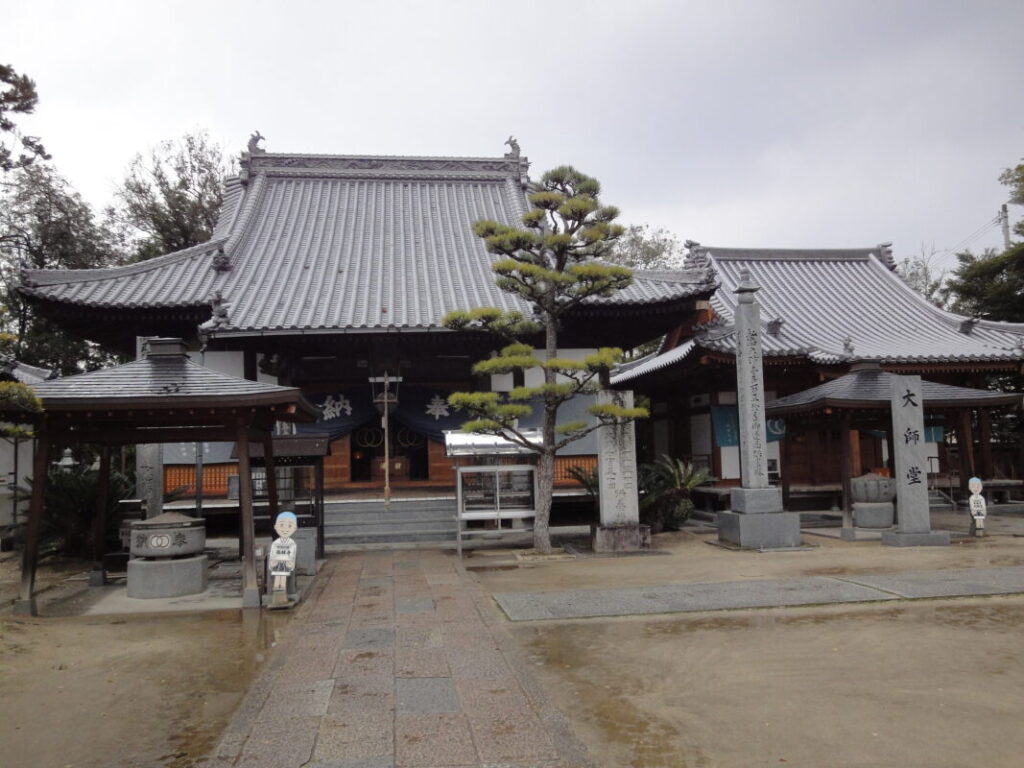
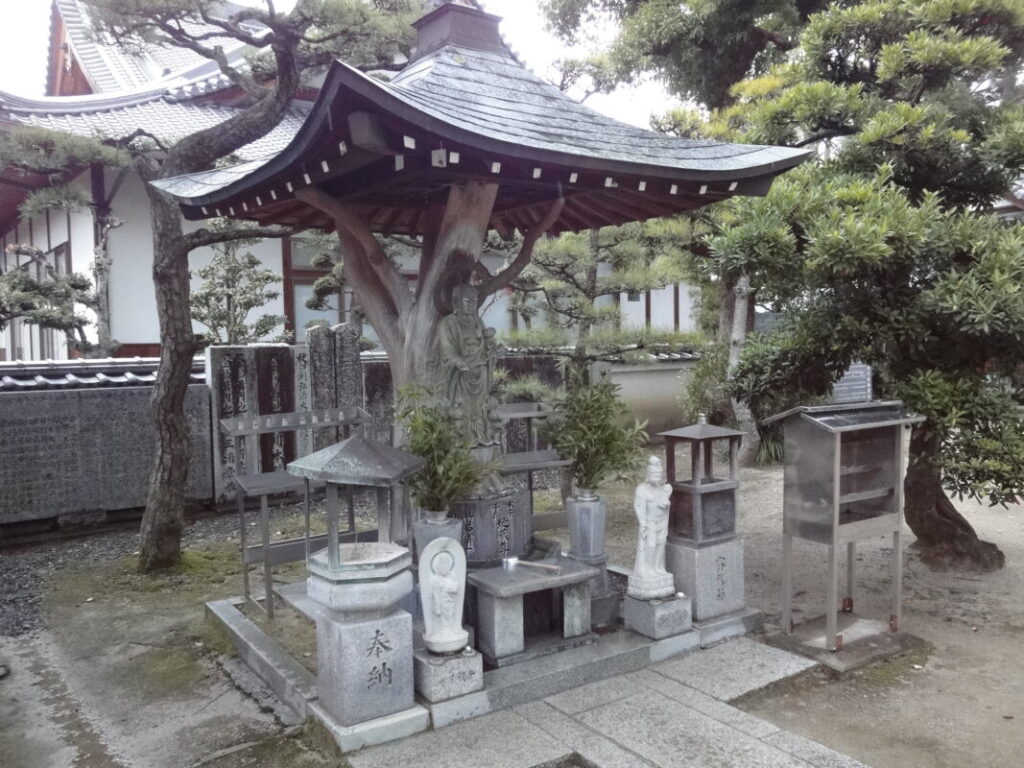
The grounds of Sairinji are beautifully maintained, with carefully pruned pine trees and a traditional Japanese garden creating a peaceful atmosphere.
A small stream flows in front of the temple, where teiregi, an aquatic herb commonly used as a garnish for sashimi, grows naturally. This rare plant has been designated a Natural Monument of Matsuyama City.
Having just completed the mountain section from Iwayaji, I took off my backpack here and spent some time relaxing while looking out over the beautiful garden. It was the perfect place to rest and recover before continuing my pilgrimage.
Nearby Accommodation
If you plan to stay near Sairinji or between the surrounding pilgrimage temples, see the article below.
Related Articles
Shikoku 88 Temple Pilgrimage Route: Full List, Distance & Walking Time Guide.
Temple List and Full Route
Comments