
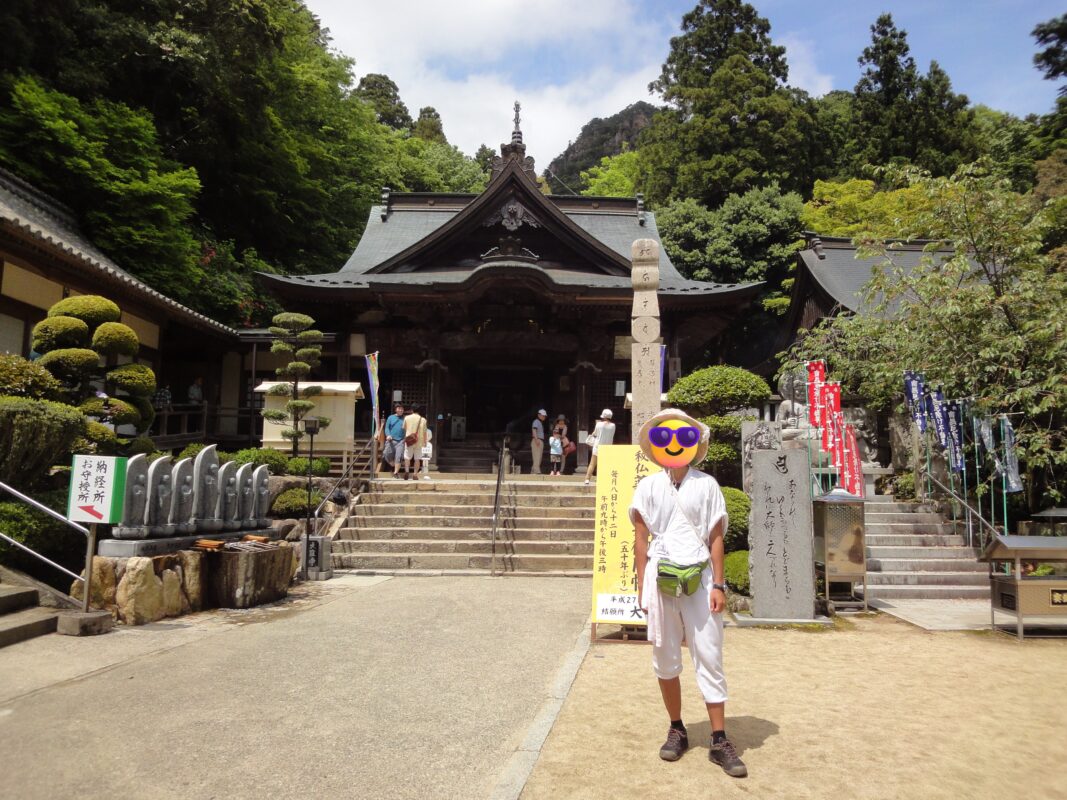
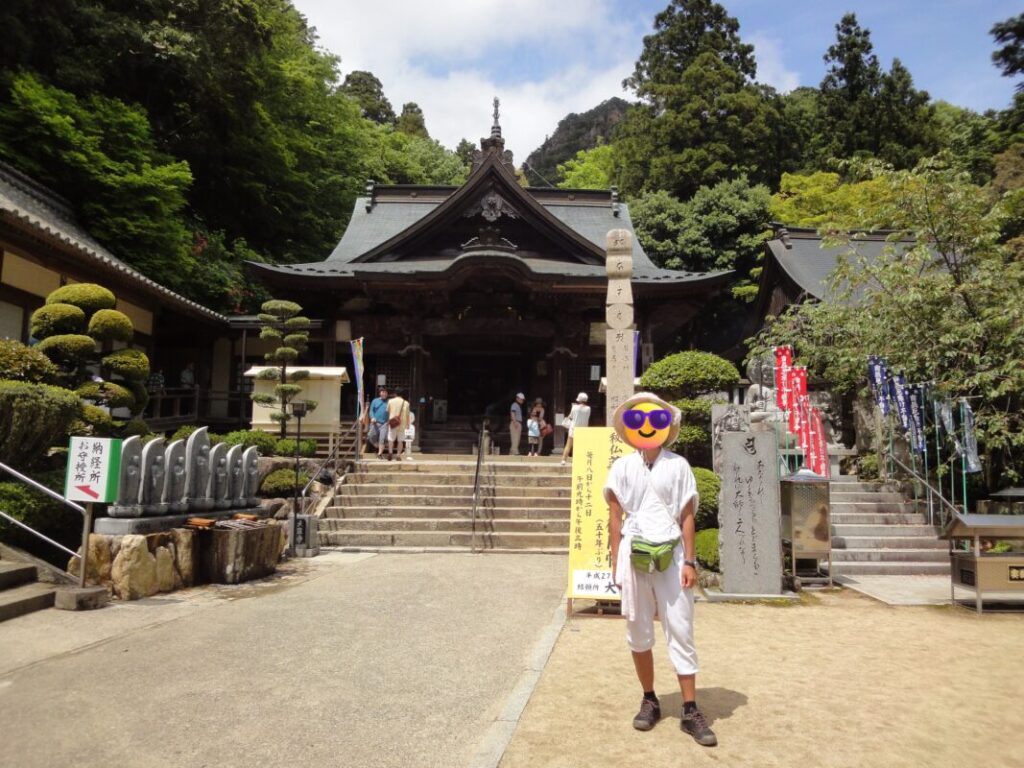
Okuboji Temple Information
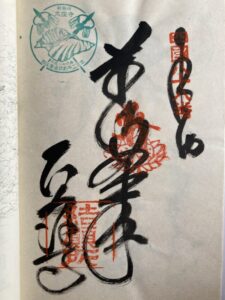
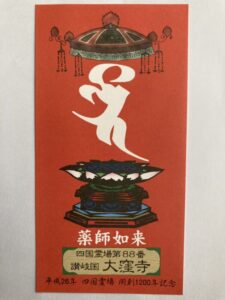
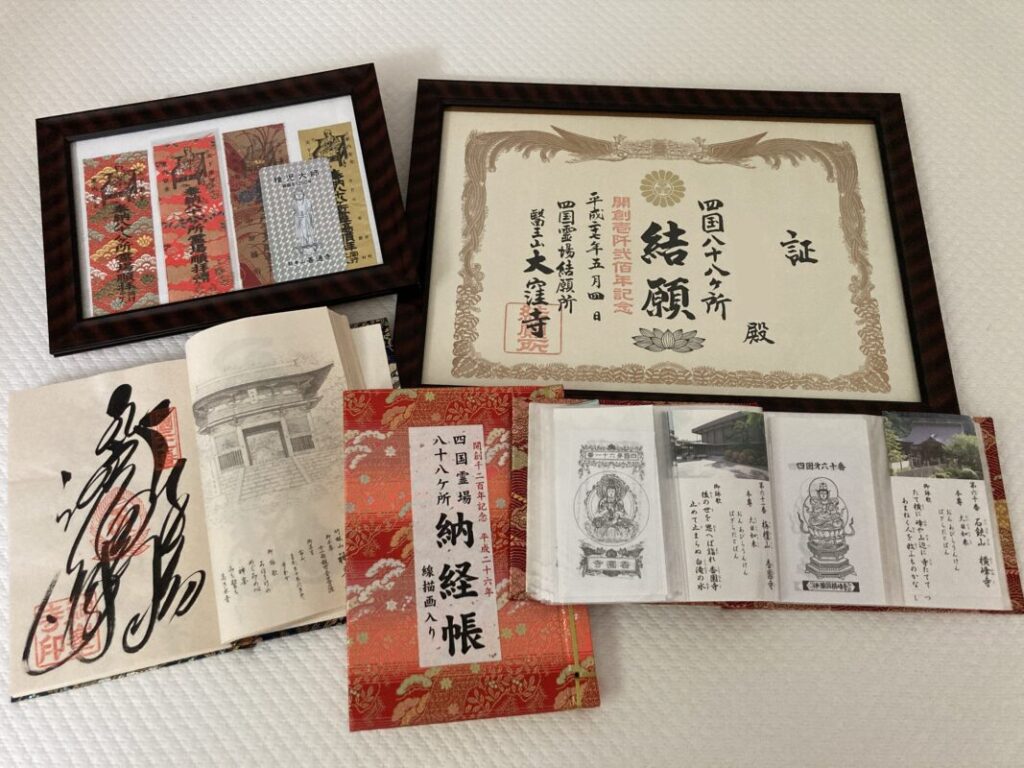
Goshuin
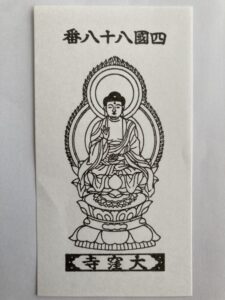
- Omie
- 1,200th Anniversary Edition
Basic Information
| Principal Deity | Yakushi Nyorai |
| Elevation | 450 m |
| Google Maps | MAP |
Accommodation
| Shukubo (Temple Lodging) | Not Available |
| Tsuyado (Free Pilgrim Shelter) | Not Available |
History & Highlights
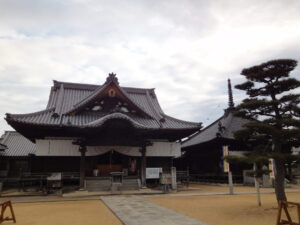
Okuboji Temple is the final temple of the 88-temple Shikoku Pilgrimage. Gyoki is said to have first established a small hermitage here, and Kobo Daishi later founded the temple by enshrining Yakushi Nyorai as its principal deity and designating the site as the place where pilgrims would complete their journey. The temple also flourished as a sacred site open to women, known as “Nyoin Koya,” and has preserved its Buddhist tradition through centuries of disasters and hardships.
Route Map, Distance & Travel Time
You can switch between the tabs to view the routes to the previous and next temples.
Select “Driving Route” from the map’s upper-left menu to display the driving route.
Click the Full Screen icon in the upper-right corner of the map to open it in Google Maps for a larger, easier-to-view map.
- From Previous Temple
- To Next Temple
Previous Temple: Nagaoji
| Distance | 15.1 km |
| Walking | 4 hr 30 min |
| Driving | 40 min |
Next Temple: Ryozenji
| Distance | 38.8 km |
| Walking | 12 hr |
| Driving | 45 min |
Transportation Guide
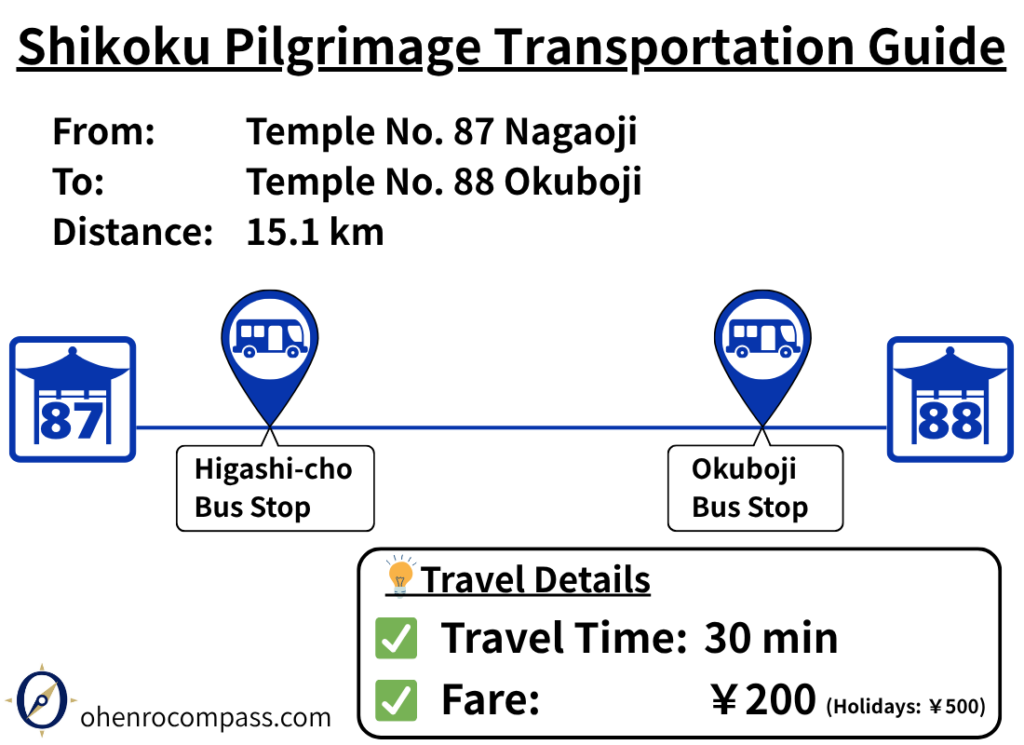
Find the bus route from Temple 87, Nagaoji, to Temple 88, Okuboji, on the Shikoku Pilgrimage. See fares, timetables, bus stops, walking distances, and return bus options.
My Walking Experience
Okuboji Temple is located approximately 15 km south of Nagaoji Temple. Known as the final temple (ketsugan) of the Shikoku Pilgrimage, it stands on the eastern slope of Mount Yahazu near the Tokushima Prefecture border at an elevation of about 450 meters.
The walk takes around five hours, so it is a good idea to stock up on food and drinks around Nagaoji before setting out.
If you plan to finish your pilgrimage at Okuboji, buses from the temple can take you back toward the Sanuki area. On the other hand, if you intend to continue on foot toward Temple No. 1, Ryozenji, a long journey still lies ahead, so be sure to allow enough time and energy.
To Roadside Station “Nagao”
From Nagaoji, follow Prefectural Route 3 south toward Roadside Station Nagao.
After about 5 km of gentle uphill walking, you will arrive at the station. Inside, you can purchase light meals, drinks, and souvenirs, making it a convenient place to resupply before heading into the mountains toward Okuboji.
Across the road lies Maeyama Dam, and nearby you will also find a pilgrim shelter. Many walking pilgrims spend the night here before making the final push to Okuboji.
Shikoku Pilgrimage Museum
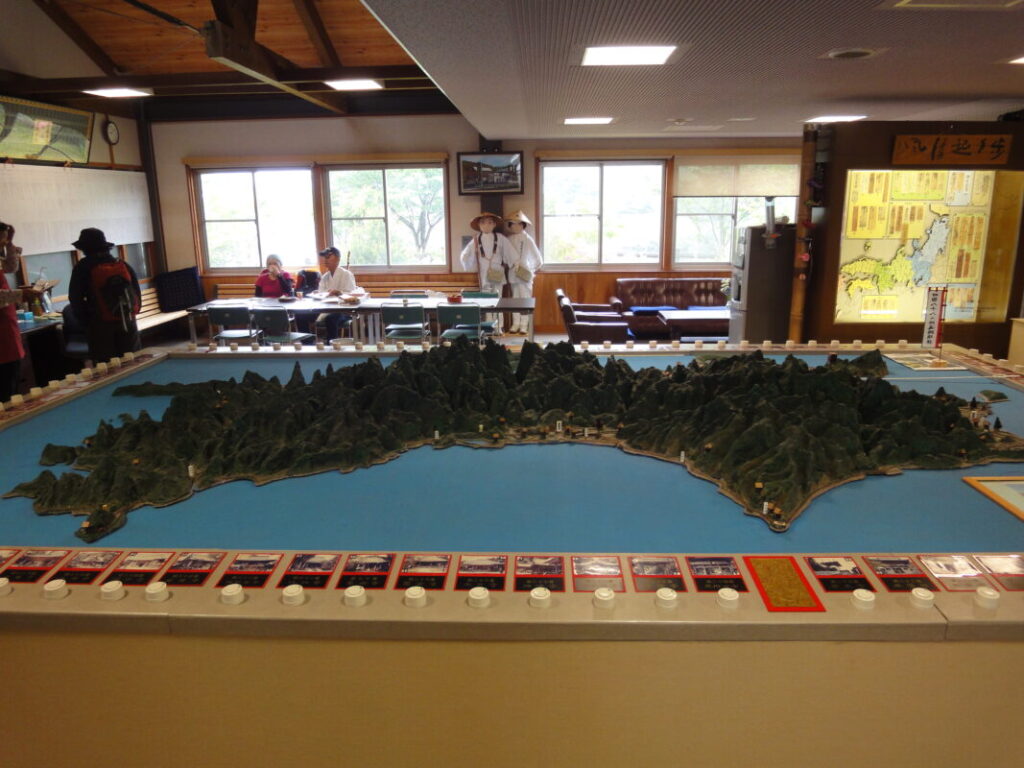
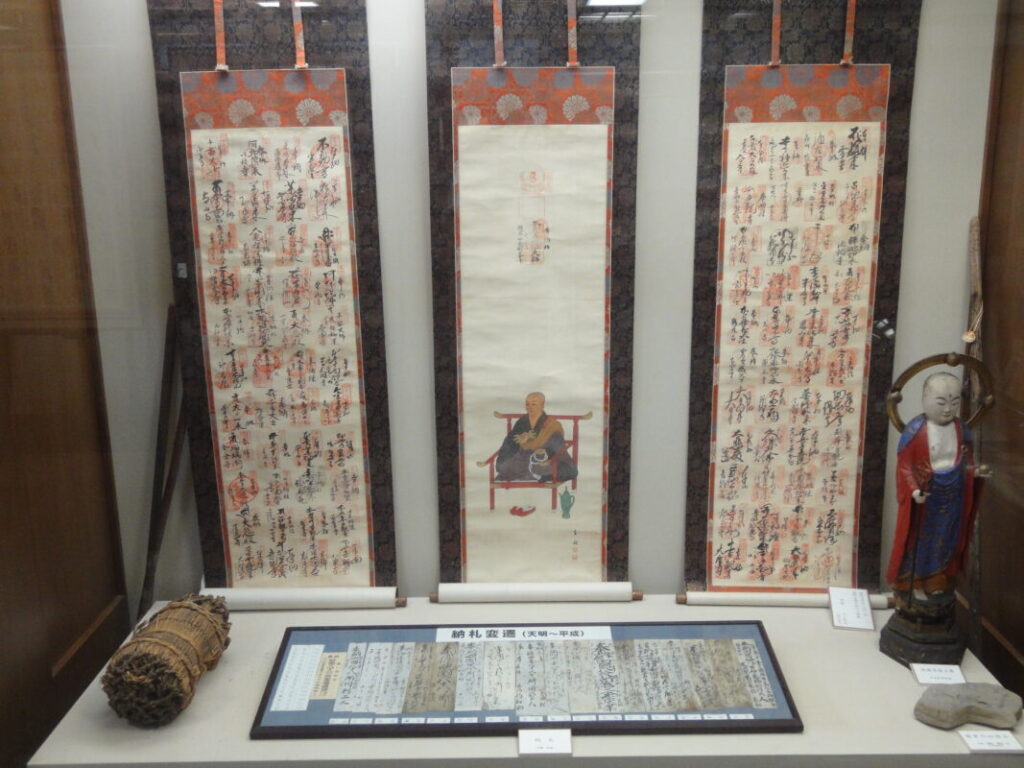
Near Roadside Station Nagao is a museum dedicated to the history and culture of the Shikoku Pilgrimage.
The exhibits include historical materials as well as a large-scale diorama of the entire 88-temple route. It offers a unique opportunity to look back on the long journey you have completed.
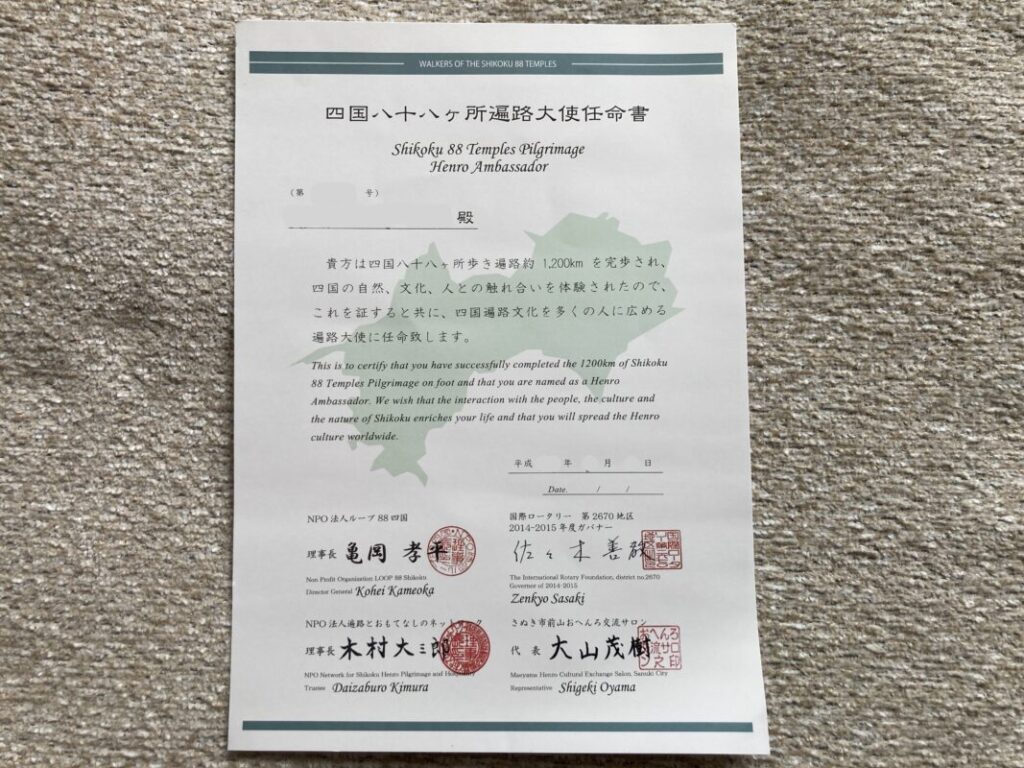
The museum can also issue a walking pilgrimage certificate. I visited during my pilgrimage, and seeing the route I had walked displayed in miniature gave me a chance to reflect on the many days and kilometers behind me.
Keep in mind that the museum closes relatively early, around 4:00 p.m., so plan your visit accordingly.
Two Routes to Okuboji Temple
After passing Roadside Station “Nagao,” the route to Okuboji splits into two main options.
Both routes are shown on the route map in this article. Choose the one that best suits your fitness level and the weather conditions on the day.
| Route | Features |
|---|---|
| Mountain Route | Shorter, but steep and challenging, crossing a pass on Mt. Nyotai. Includes sections with chains. |
| Road Route | About 3 km longer, but with less elevation change and generally easier walking. |
Road Route
The road route follows Prefectural Route 3 and then National Route 377 toward Okuboji.
Although it is about 3 km longer than the mountain route, there is less elevation gain and the road is relatively easy to walk.
If the weather is poor or you have concerns about your footing, this is a good alternative to taking the more difficult mountain route.
Mountain Route
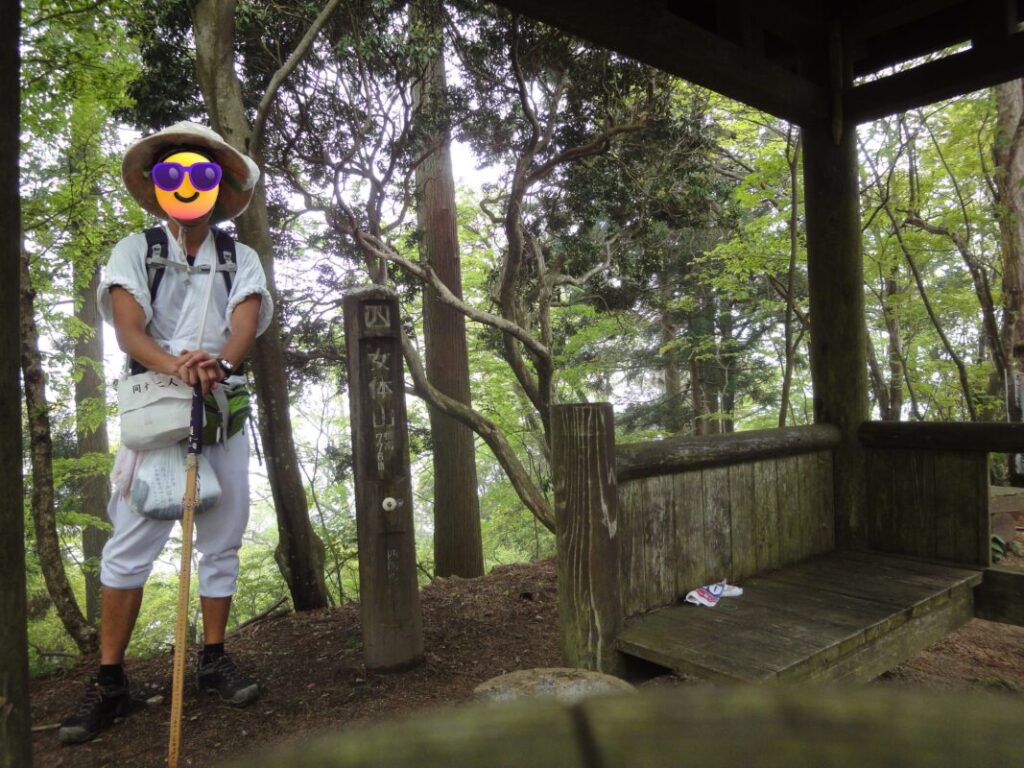
I chose the mountain route.
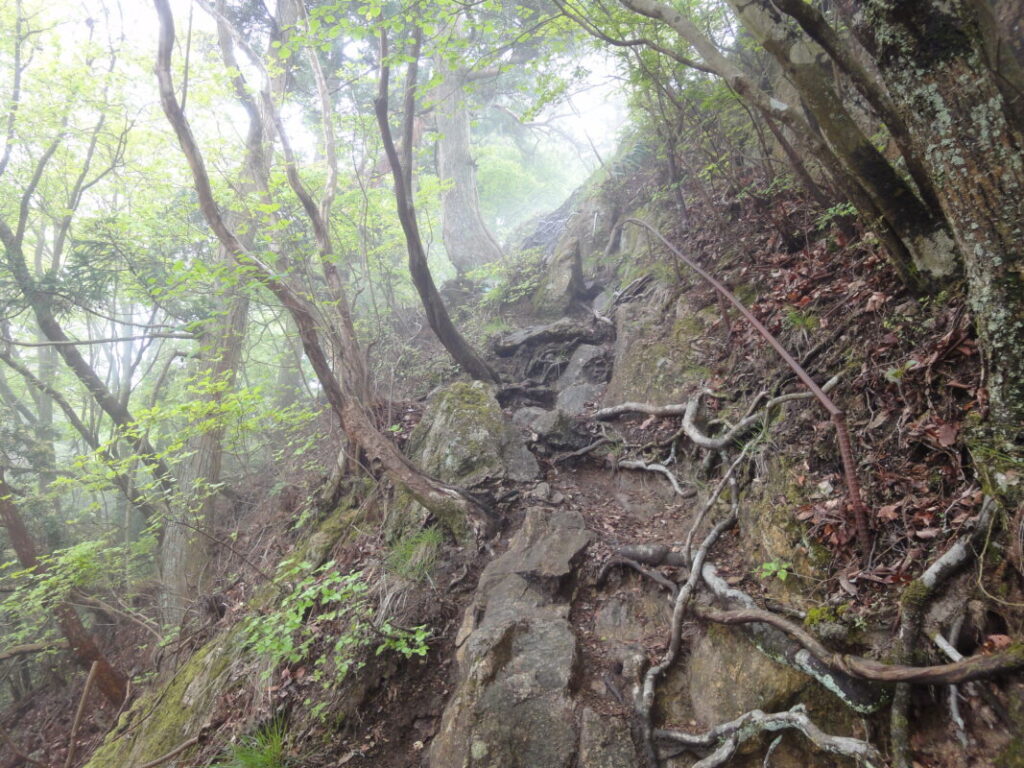
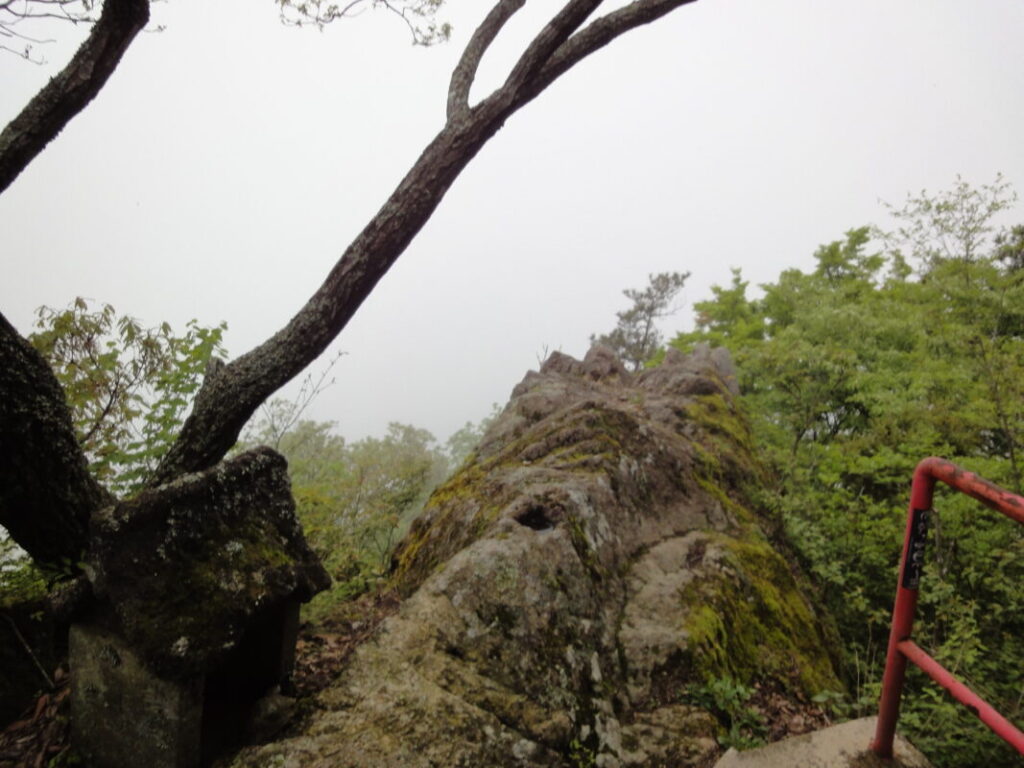
This shorter route crosses a pass on Mt. Nyotai, which rises to approximately 770 meters. However, it includes steep and challenging sections, including areas equipped with chains.
I walked this route on a clear spring day, but fog developed along the way and unfortunately blocked the views. Even so, the mountain trail surrounded by mist had an almost mystical atmosphere and became one of the most memorable sections of my pilgrimage.
If the weather is bad or you are not confident on steep or uneven terrain, I recommend choosing the road route instead of taking unnecessary risks.
How Long It Took Me
I left Nagaoji Temple at 7:00 a.m.
I stopped at the Shikoku Pilgrimage Museum along the way and arrived at Okuboji Temple around 1:00 p.m. at my own walking pace.
The distance from Nagaoji to Okuboji is approximately 15 km, but considering stops at the roadside station and museum, as well as the challenging mountain sections, I recommend allowing plenty of time for this part of the pilgrimage.
Reflections Along the Pilgrimage Trail
Just before entering the mountain trail, there is a memorial monument dedicated to pilgrims who lost their lives along the pilgrimage route.
As I walked along this long pilgrimage trail, I came across places that made me feel the presence of the many people who had walked these paths before me. I found myself stopping to pray, reflecting on why I was able to walk this road myself.
The final mountain trail leading to Okuboji was more than simply a way to reach the temple. It also gave me time to look back on the pilgrimage I had walked so far.
History and Highlights of Okuboji Temple
An Atmosphere Unique to the Final Temple
Okuboji is known as the final temple of the Shikoku Pilgrimage, where pilgrims complete their journey around the 88 sacred temples.
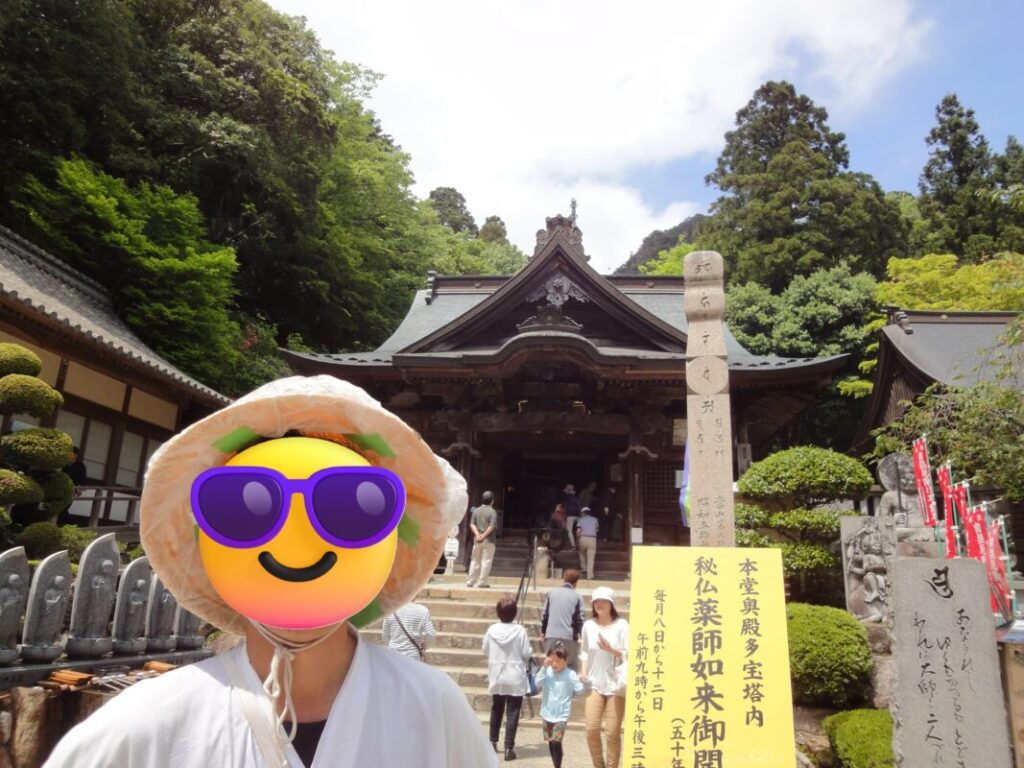
I visited during the 1,200th anniversary year of the pilgrimage’s founding, and the temple grounds were crowded with pilgrims. Many of those who had finished their prayers had bright, happy expressions, perhaps relieved and proud after completing such a long journey.
I also saw many pilgrims taking commemorative photos around the temple grounds. There was a special atmosphere here that felt different from the other temples—a feeling that this was truly the place where the pilgrimage had reached its conclusion.
One of the pilgrims I had stayed with while camping the previous night arrived at Okuboji about 30 minutes after me. We were reunited at the temple and congratulated each other on completing our pilgrimages. After walking such a long way, meeting and sharing the joy of reaching the final temple with other pilgrims was especially memorable.
The Sand-Footprint Pilgrimage Hall
At the top of a flight of stone steps is a hall where visitors can perform an osuna-fumi, or “sand pilgrimage.”
Small statues representing the principal deities of all 88 temples are enshrined here. It is said that walking around them provides the same spiritual merit as visiting all 88 temples of the Shikoku Pilgrimage.
I walked around the hall myself. Having actually walked across Shikoku to reach this point, the experience gave me an opportunity to reflect on the long journey I had just completed.
The Hojojido Hall and the Pilgrims’ Staffs
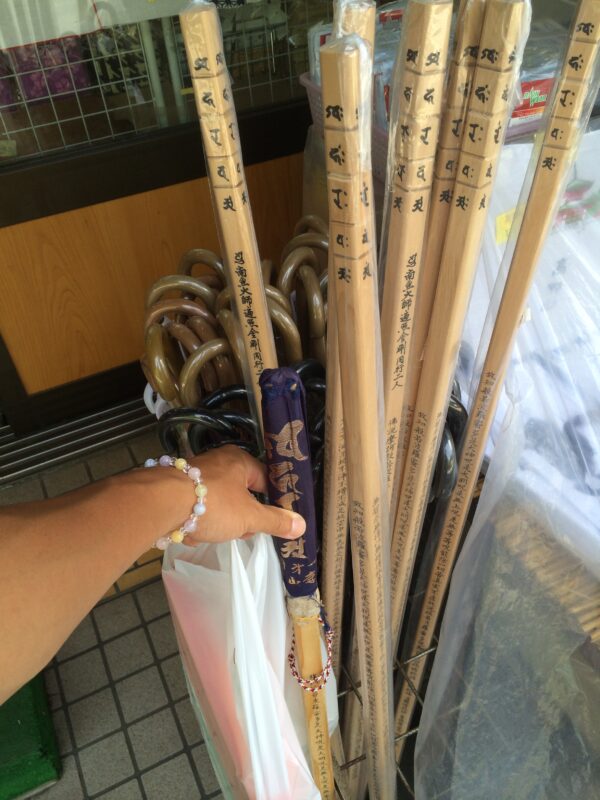
The temple grounds are also home to the Hojojido, a hall where pilgrims can leave their kongozue, or pilgrimage staffs, after completing their journey.
Many staffs are kept inside, serving as a reminder of the countless pilgrims who have walked the long pilgrimage route before reaching this point.
It is also possible to take your staff home as a memento, and I decided to keep mine.
The staff I carried around all 88 temples was about 130 cm long when I started. By the time I finished the pilgrimage, it had worn down to approximately 110 cm. The 20 cm that had been worn away became one of the symbols of my completed pilgrimage.
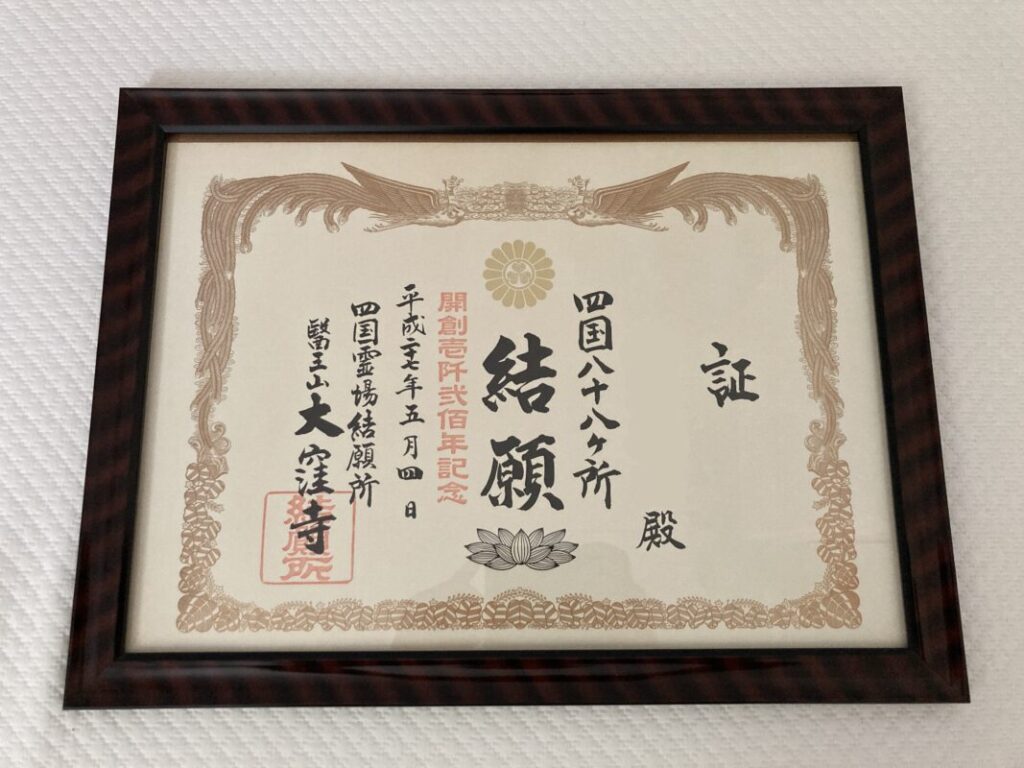
Completion Certificate
At Okuboji, pilgrims can also receive a pilgrimage completion certificate as proof that they have completed the Shikoku Pilgrimage.
Your name and the date are written in Japanese ink, making it a meaningful keepsake to commemorate the completion of your journey.
I saw many pilgrims taking commemorative photos while holding their certificates. Seeing so many people celebrating their achievement and taking photos was something I felt was truly unique to Okuboji, the final temple of the pilgrimage.
Udon After Completing the Pilgrimage
At the entrance to Okuboji is Yasahachian, a popular udon restaurant.
Having udon here after completing the pilgrimage is something of a tradition among pilgrims. When I visited, there was a line of around 20 people, so I decided to give it a miss.
If you have enough time, it is a place worth visiting for a celebratory meal after completing the pilgrimage.
Nearby Accommodation
If you plan to stay near Okuboji or between the surrounding pilgrimage temples, see the article below.
Related Articles
Shikoku 88 Temple Pilgrimage Route: Full List, Distance & Walking Time Guide.
Temple List and Full Route

Comments