
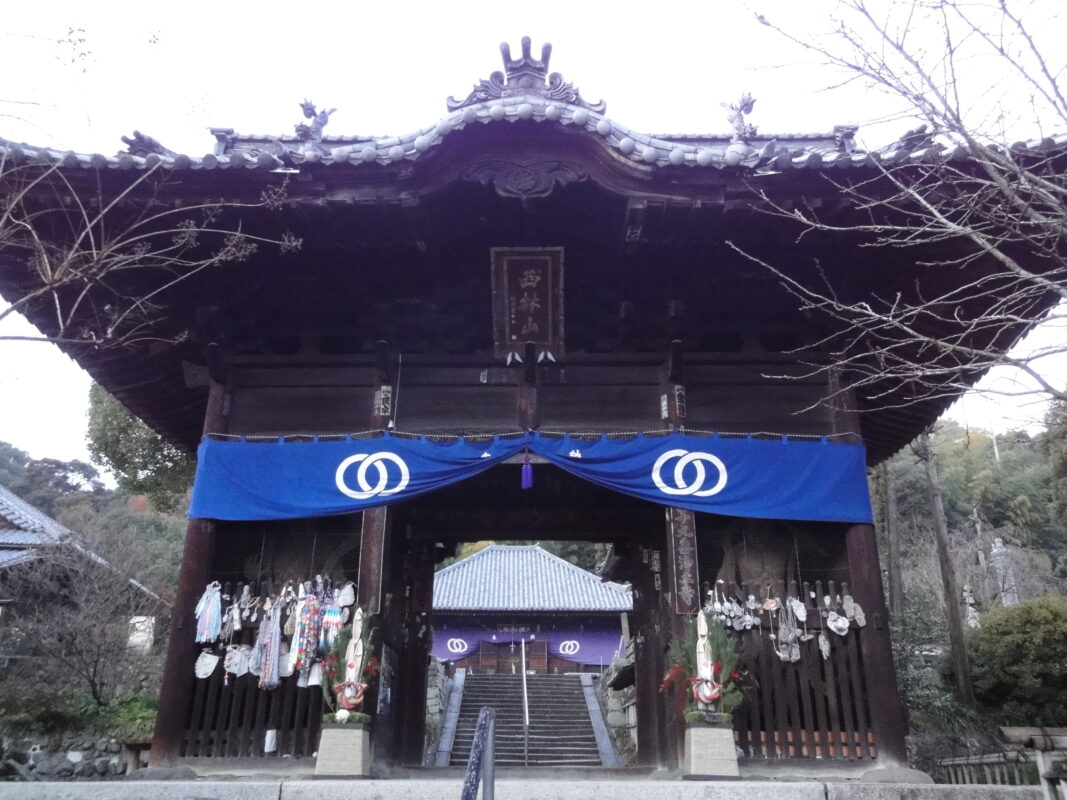
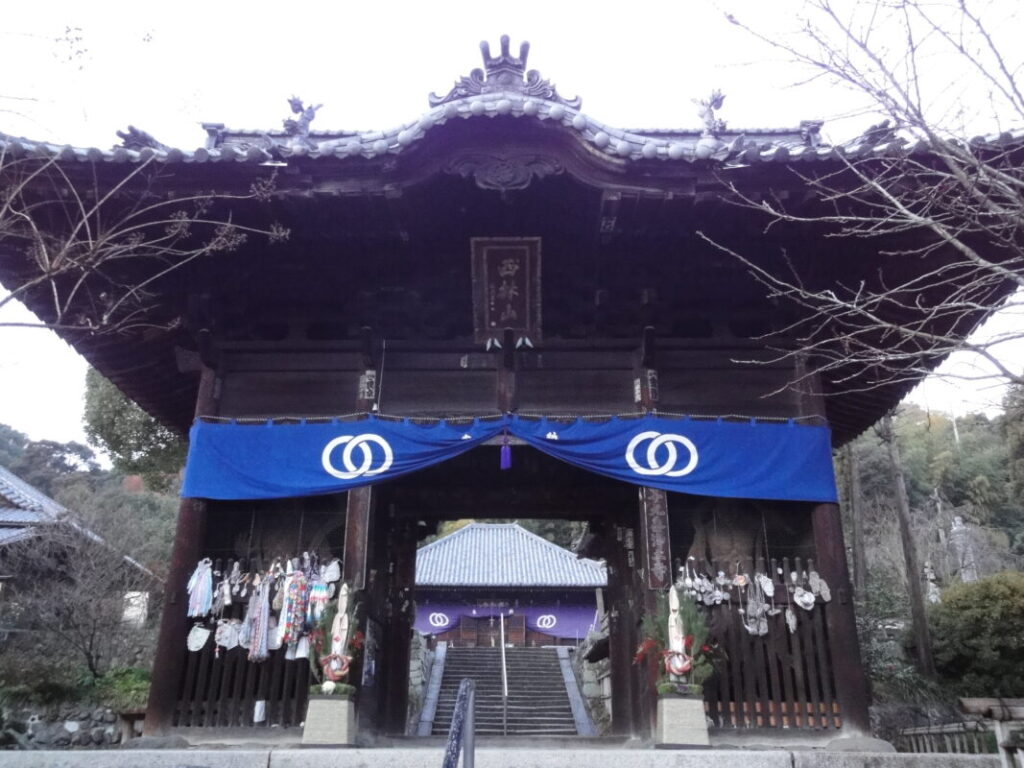
Jodoji Temple Information
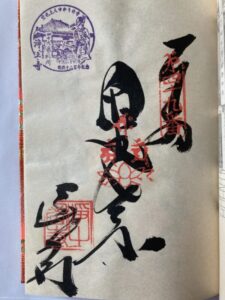
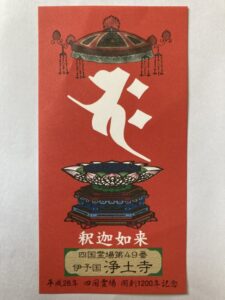
Goshuin
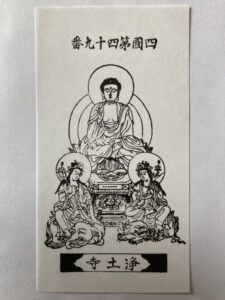
- Omie
- 1,200th Anniversary Edition
Basic Information
| Principal Deity | Shaka Nyorai |
| Elevation | 50 m |
| Google Maps | MAP |
Accommodation
| Shukubo (Temple Lodging) | Not Available |
| Tsuyado (Free Pilgrim Shelter) | Not Available |
History & Highlights
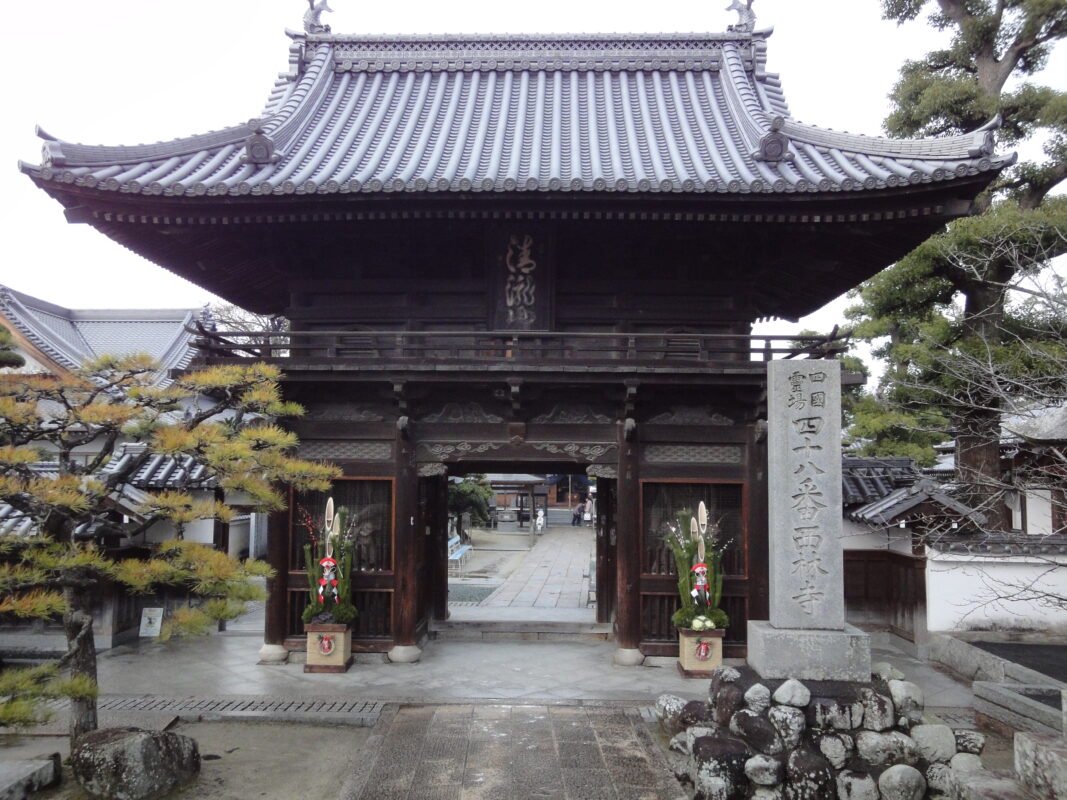
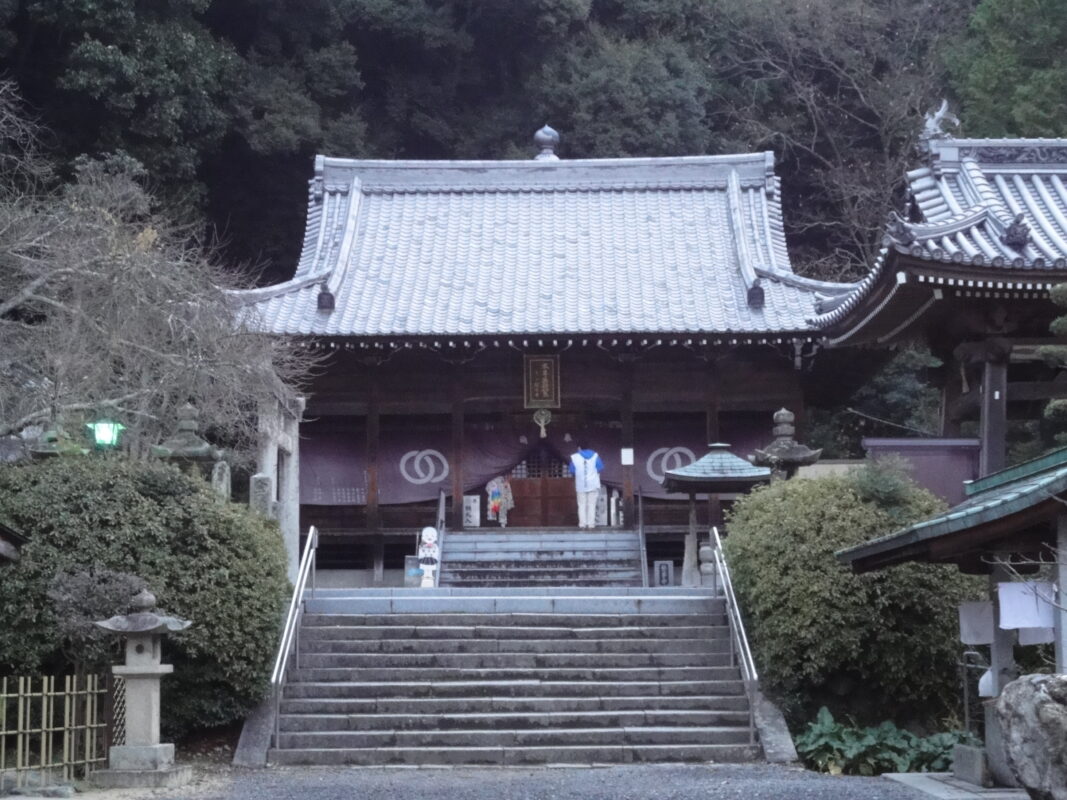
Jodoji is said to have been founded by Gyōki and later restored by Kūkai (Kōbō Daishi). The temple is also known as a place where Kūya Shōnin stayed and taught the teachings of Buddhism to local people. Its Main Hall has been designated as an Important Cultural Property of Japan.
Notes
Parking fee: ¥200
Route Map, Distance & Travel Time
You can switch between the tabs to view the routes to the previous and next temples.
Select “Driving Route” from the map’s upper-left menu to display the driving route.
Click the Full Screen icon in the upper-right corner of the map to open it in Google Maps for a larger, easier-to-view map.
- From Previous Temple
- To Next Temple
Previous Temple: Sairinji
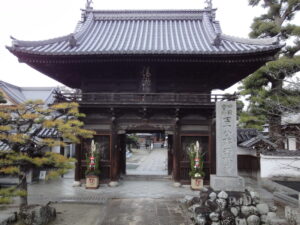
| Distance | 3.1 km |
| Walking | 50 min |
| Driving | 10 min |
Next Temple: Hantaji
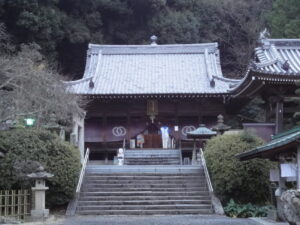
| Distance | 1.7 km |
| Walking | 30 min |
| Driving | 5 min |
Transportation Guide
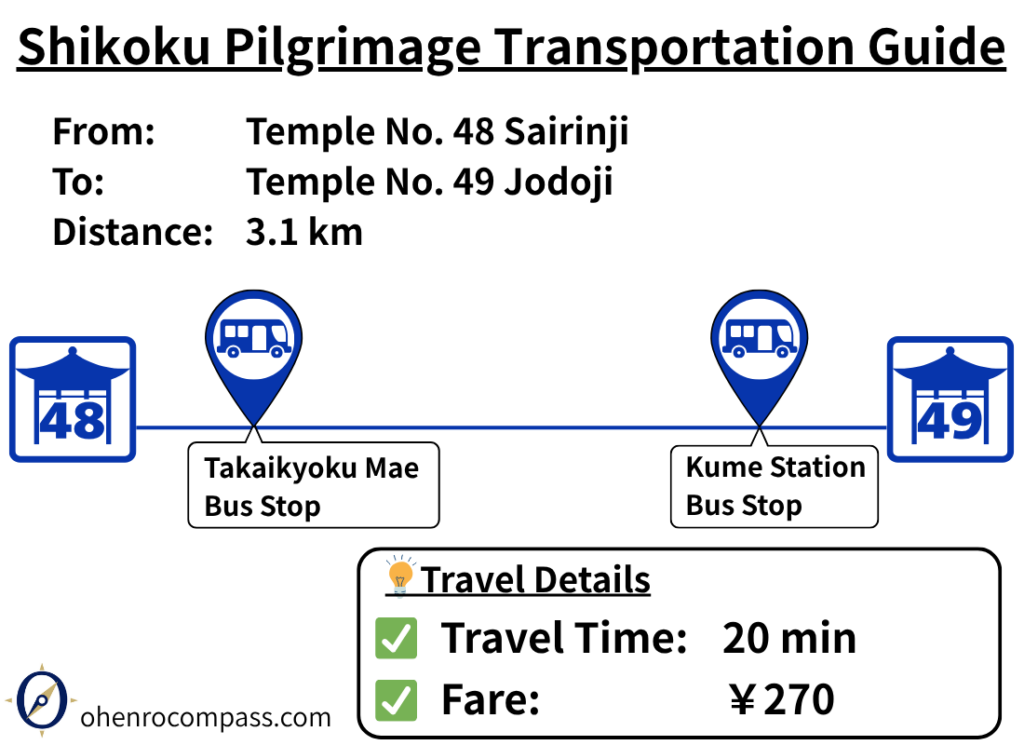
Guide to the bus route from Temple 48, Sairinji, to Temple 49, Jodoji, on the Shikoku Pilgrimage. Travel takes about 20 minutes and costs ¥270. Includes bus stops, timetables, and a comparison with walking.
My Walking Experience
Jodoji is located about 3 km (1.9 miles) north of Sairinji.
The easiest route follows Prefectural Route 40. Simply continue north, cross the Iyotetsu railway crossing, and turn left to reach the temple. Alternatively, the old pilgrimage trail heads west for about 500 m (0.3 miles) through narrow residential streets before turning north and leading directly to the front entrance of Jodoji.
Both routes are shown on the route map in this guide, so you can choose the one that best suits your journey.
On the day I visited, I had started walking from Iwayaji in Kumakōgen. After crossing Misaka Pass and visiting each temple in order, I finally arrived at Temple 49, Jodoji, just before the nōkyō office closed at 5:00 p.m.
If you begin your day in Kumakōgen, the area around Jōdoji makes a good stopping point for the day. I hope this helps when planning your walking schedule.
A Temple Associated with Kūya Shōnin
Jodoji is closely associated with Kūya Shōnin, the Heian-period monk who played a major role in spreading the practice of chanting the nembutsu throughout Japan.
The temple houses a statue of Kūya Shōnin, but it is not normally open to the public.
Kūya Shōnin is best known for his unique statues depicting six small Amida Buddhas emerging from his mouth. These figures represent the six characters of the chant “Namu Amida Butsu”, symbolizing his lifelong devotion to spreading the nembutsu. Today, this distinctive image remains one of the most recognizable representations of Kūya Shōnin in Japanese Buddhist art.
Nearby Accommodation
If you plan to stay near Jodoji or between the surrounding pilgrimage temples, see the article below.
Related Articles
Shikoku 88 Temple Pilgrimage Route: Full List, Distance & Walking Time Guide.
Temple List and Full Route
Comments