
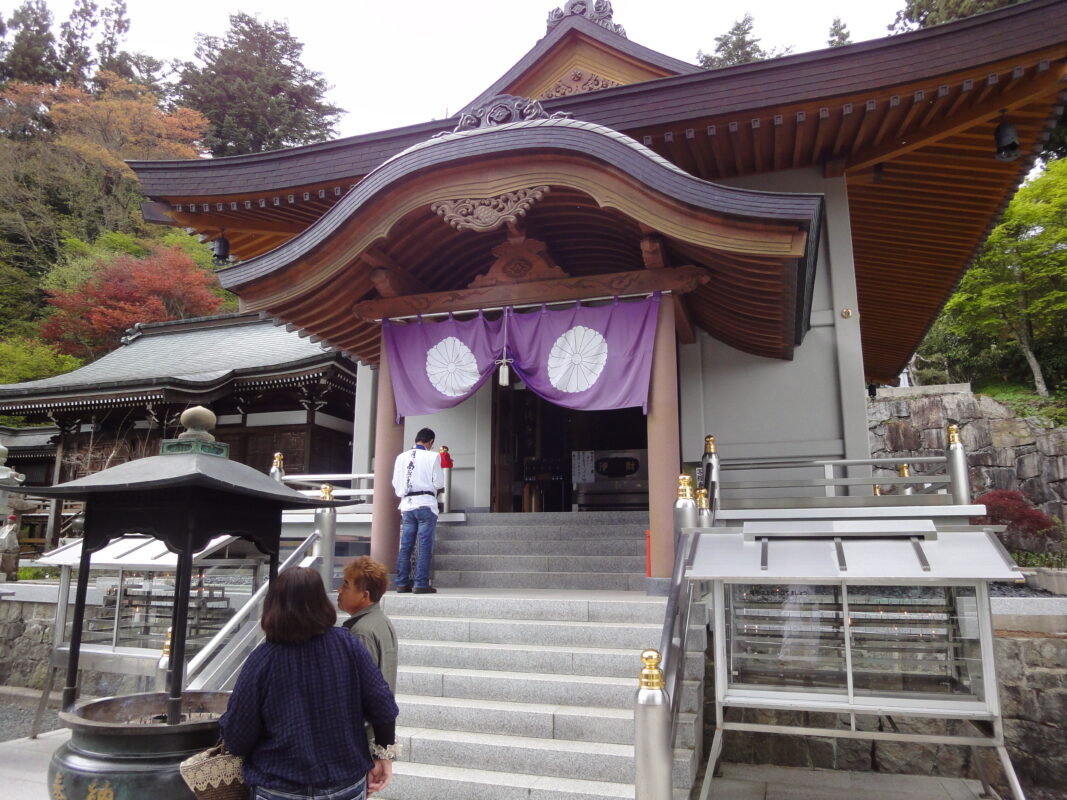
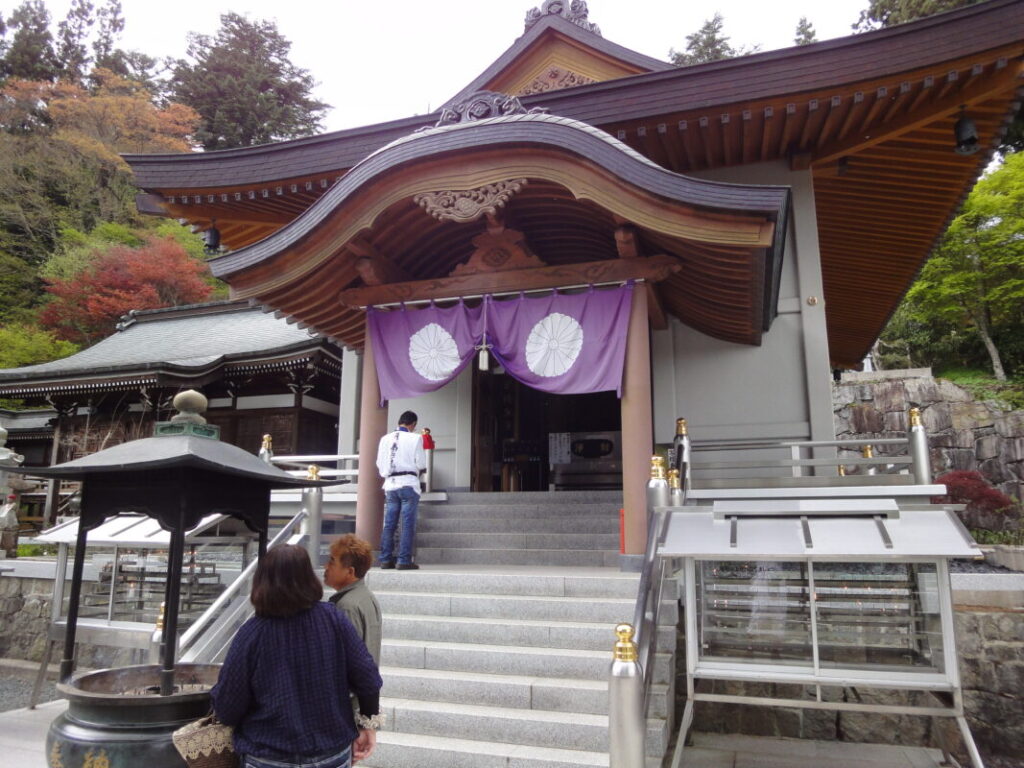
Unpenji Temple Information
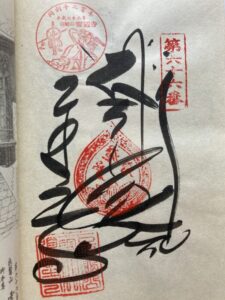
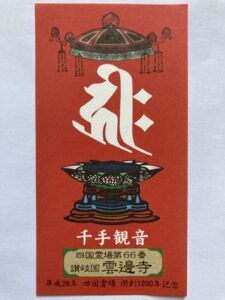
Goshuin
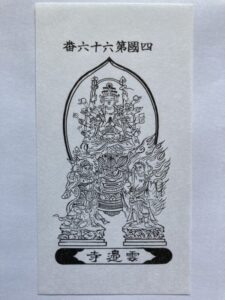
- Omie
- 1,200th Anniversary Edition
Basic Information
| Principal Deity | Thousand-Armed Kannon |
| Elevation | 911 m |
| Google Maps | MAP |
Accommodation
| Shukubo (Temple Lodging) | Not Available |
| Tsuyado (Free Pilgrim Shelter) | Available |
History & Highlights
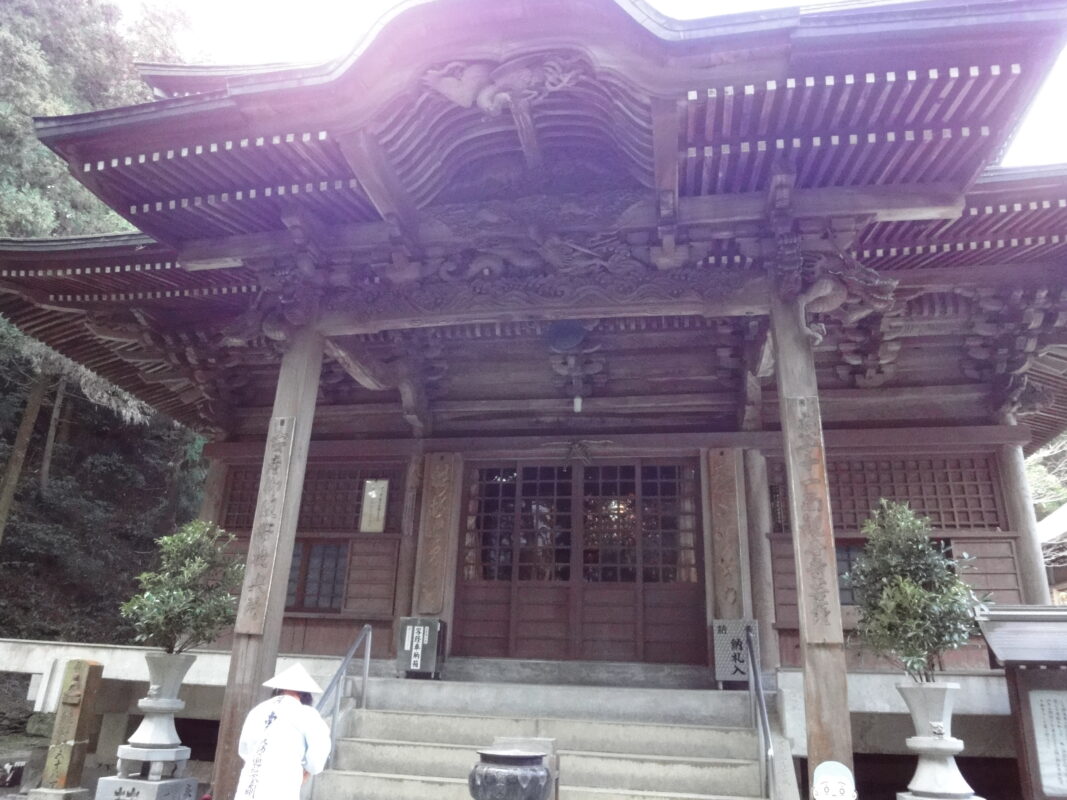
Unpenji Temple is the highest temple among the 88 temples of the Shikoku Pilgrimage. According to tradition, Kobo Daishi visited this mountain three times, establishing temple buildings and carving the principal image enshrined there.
For centuries, the temple flourished as a spiritual training center known as the “Koya of Shikoku” and later became an imperial prayer temple under Emperor Seiwa.
Even today, the temple grounds retain a solemn mountain atmosphere, with towering cedar trees and a tranquil setting often surrounded by clouds, reflecting the unique character of this sacred mountain temple.
Notes
・Parking fee: ¥500 (standard passenger cars)
・Ropeway fare: ¥2,200 round trip (¥1,200 one way)
Route Map, Distance & Travel Time
You can switch between the tabs to view the routes to the previous and next temples.
Select “Driving Route” from the map’s upper-left menu to display the driving route.
Click the Full Screen icon in the upper-right corner of the map to open it in Google Maps for a larger, easier-to-view map.
- From Previous Temple
- To Next Temple
Previous Temple: Sankakuji
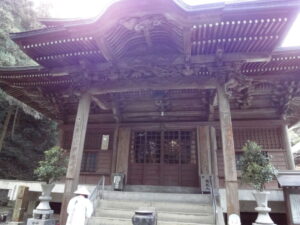
| Distance | 18.1 km |
| Walking | 7 hr |
| Driving | 30 min |
Next Temple: Daikoji
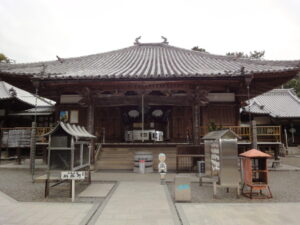
| Distance | 9.4 km |
| Walking | 3 hr |
| Driving | 50 min |
Transportation Guide
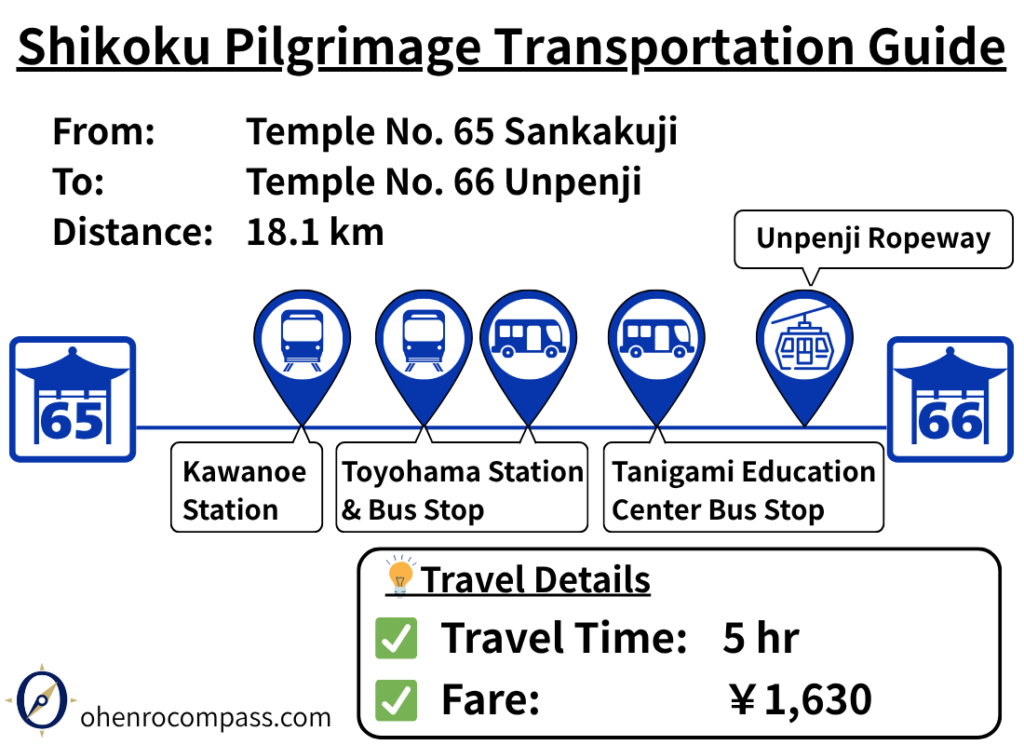
Find out how to travel from Temple 65, Sankakuji, to Temple 66, Unpenji, by train, bus and ropeway. Includes fares, travel times, transfers, walking distances, and Sunday bus service information.
My Walking Experience
Unpenji Temple is the first temple in Kagawa Prefecture and is located about 20 km east of Sankakuji Temple. Standing at an elevation of approximately 911 meters, it is the highest temple on the Shikoku Pilgrimage.
There are four main routes to reach Unpenji:
- Manda Pass Route
- Sakaime Pass Route
- Sano Route
- Ropeway Route
I have personally walked the Manda Pass Route. Since the difficulty varies considerably between routes, it is best to choose one that matches your fitness level and travel plans.
Be aware that there are signposts for hiking trails as well as pilgrimage routes along the way, so pay close attention to the directions as you walk.
Comparison of Routes to Unpenji
| Route | Features |
|---|---|
| Manda Pass Route | A traditional pilgrimage trail with moderate difficulty. Vegetation can become overgrown during certain seasons. |
| Sakaime Pass Route | Slightly longer but with gentler gradients. The trailhead can be difficult to find. |
| Sano Route | The shortest route, but it includes steep climbs and requires good fitness. |
| Ropeway | Reaches the summit in about seven minutes. A convenient option for those who prefer to avoid the climb. |
From Sankakuji Temple to Tsubakido
After leaving Sankakuji Temple, the route heads east.
Since Sankakuji stands at an elevation of about 500 meters, the first part of the journey is mostly downhill. After following the winding mountain road for approximately 5 km, you will pass beneath the Kochi Expressway.
Around the 6 km mark is Tsubakido Jofukuji, the 14th temple of the Bangai (extra) pilgrimage.
According to local tradition, Kobo Daishi planted his camellia-wood staff in the ground here, and the epidemic that had been affecting the area soon came to an end. The temple is also a convenient place to rest, making it a popular stop for many pilgrims.
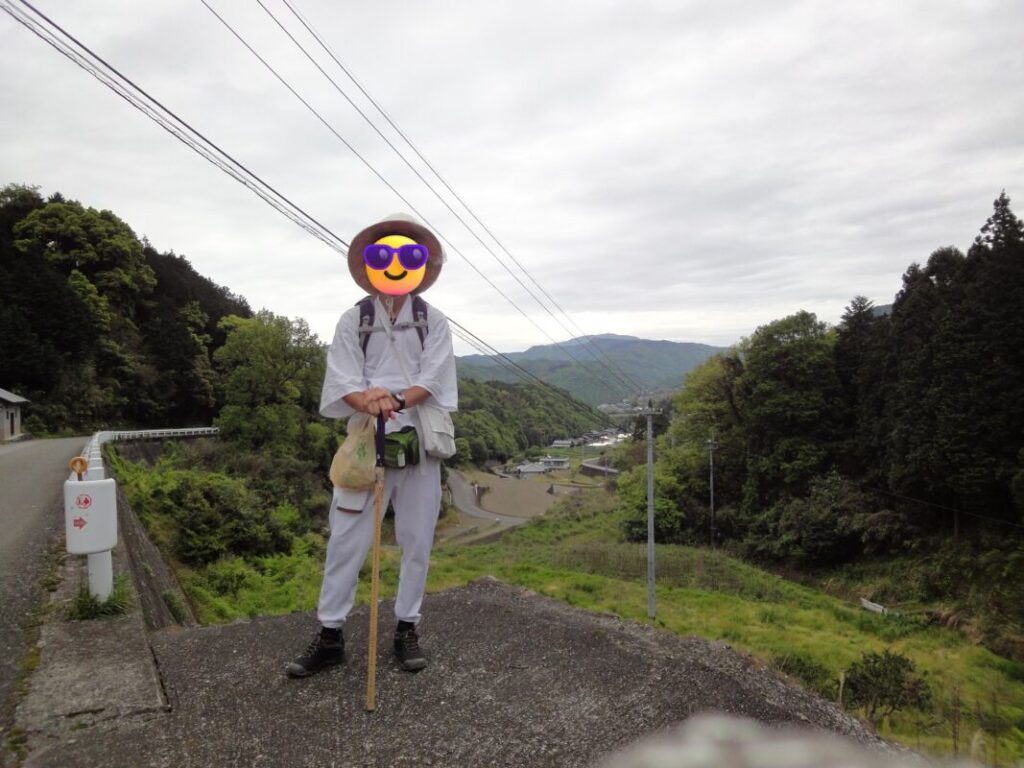
4 km point from Sankakuji Temple
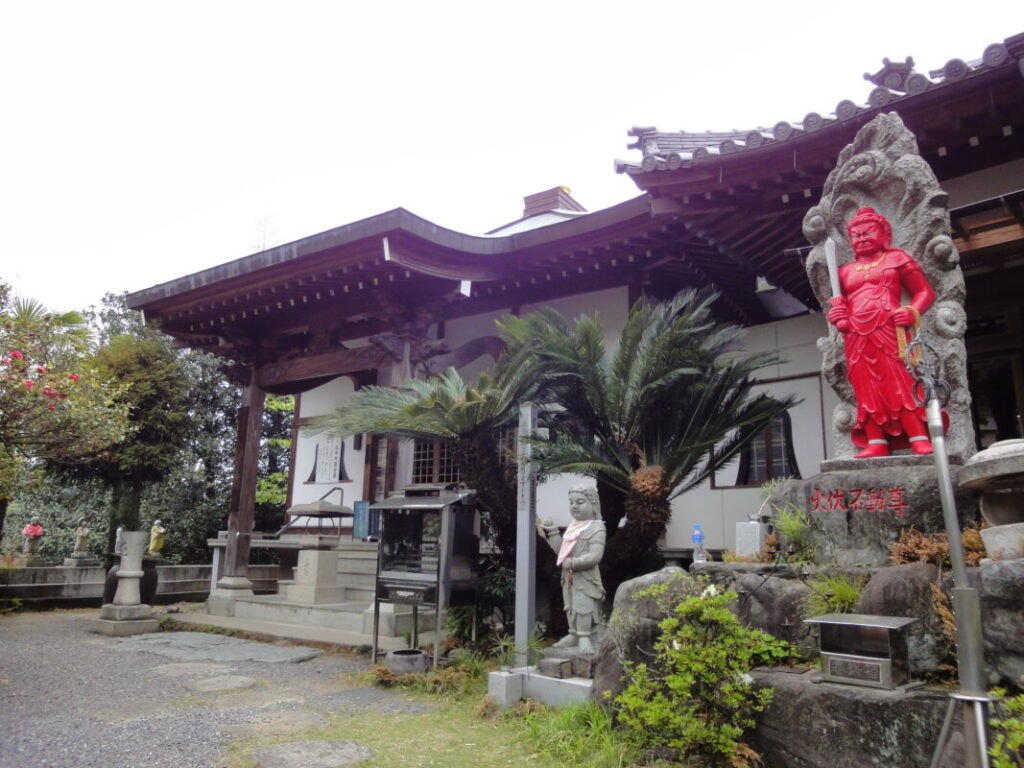
Tsubakido Jofukuji
Manda Pass Route and Sakaime Pass Route
After passing Tsubakido, the route gradually climbs through a valley along the Kinsei River.
Around the 10 km mark, you will reach the entrance to the Manda Pass Route. Farther ahead is the junction leading to the Sakaime Pass Route.
I chose the Manda Pass Route during my first walking pilgrimage.
Although the climb continues for a considerable distance, the gradient is relatively gentle. I found it less demanding than I had expected.
However, both the Manda Pass Route and the Sakaime Pass Route can become overgrown with vegetation during certain seasons, making the trails more difficult to follow. It is advisable to exercise caution when using these routes.
The pilgrim shelter Shinkin-an
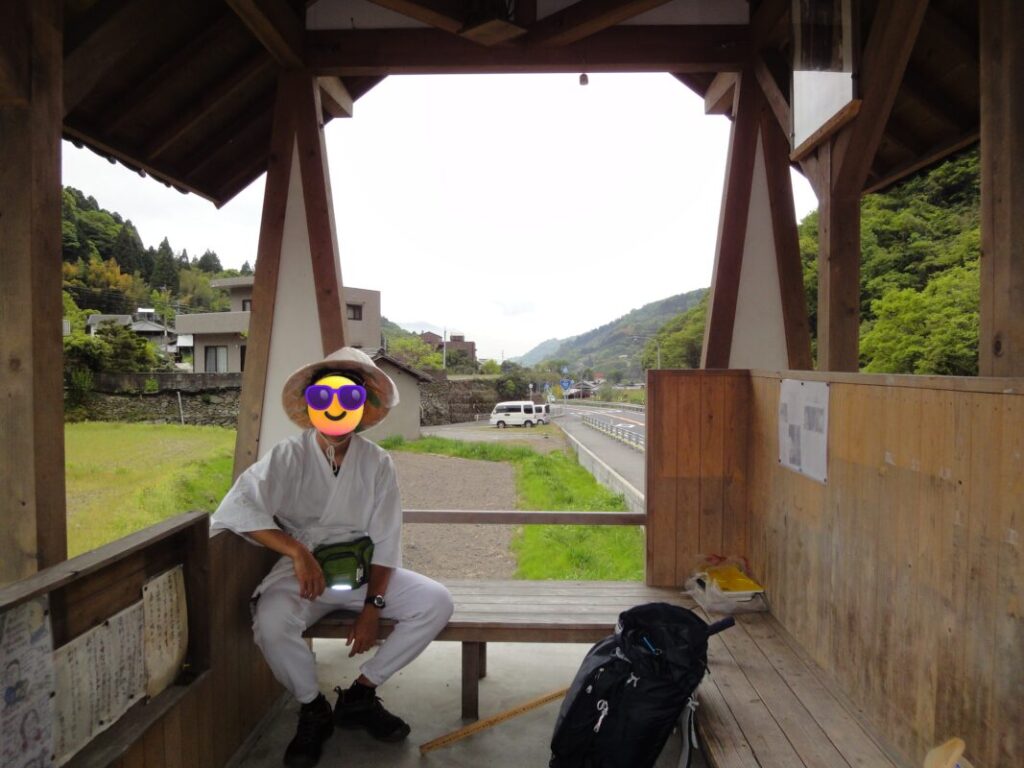
Located just before the trailhead (no restroom facilities).
Mandatoge Pass Pilgrimage Trail
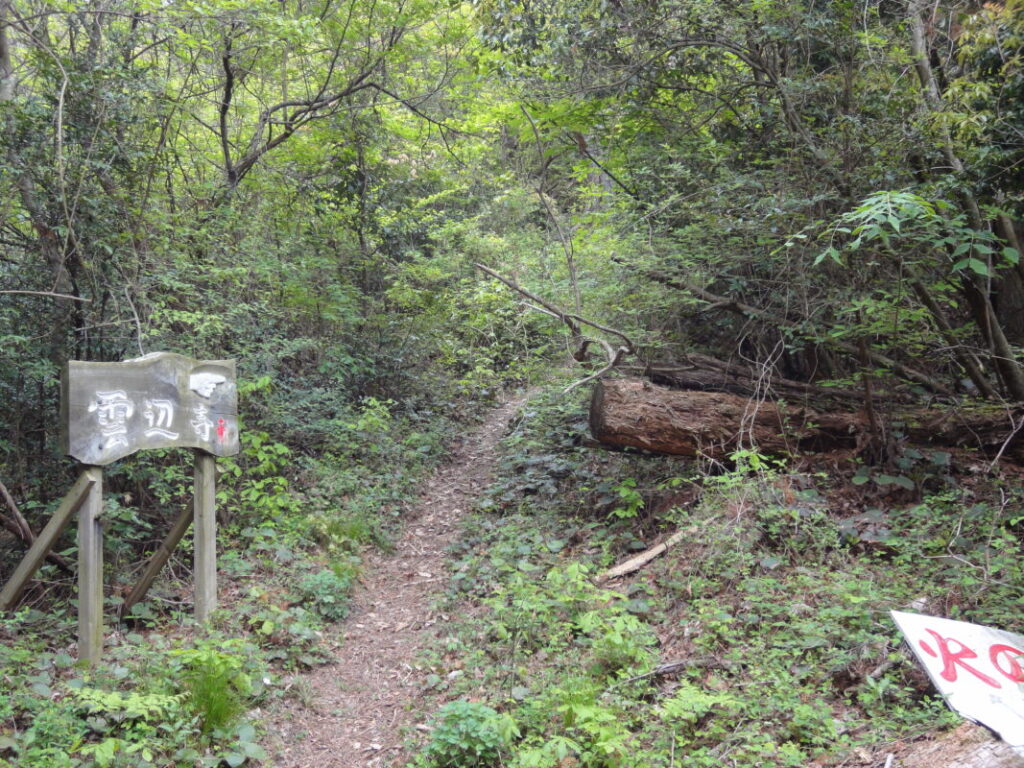
Mandatoge Pass Pilgrimage Trail
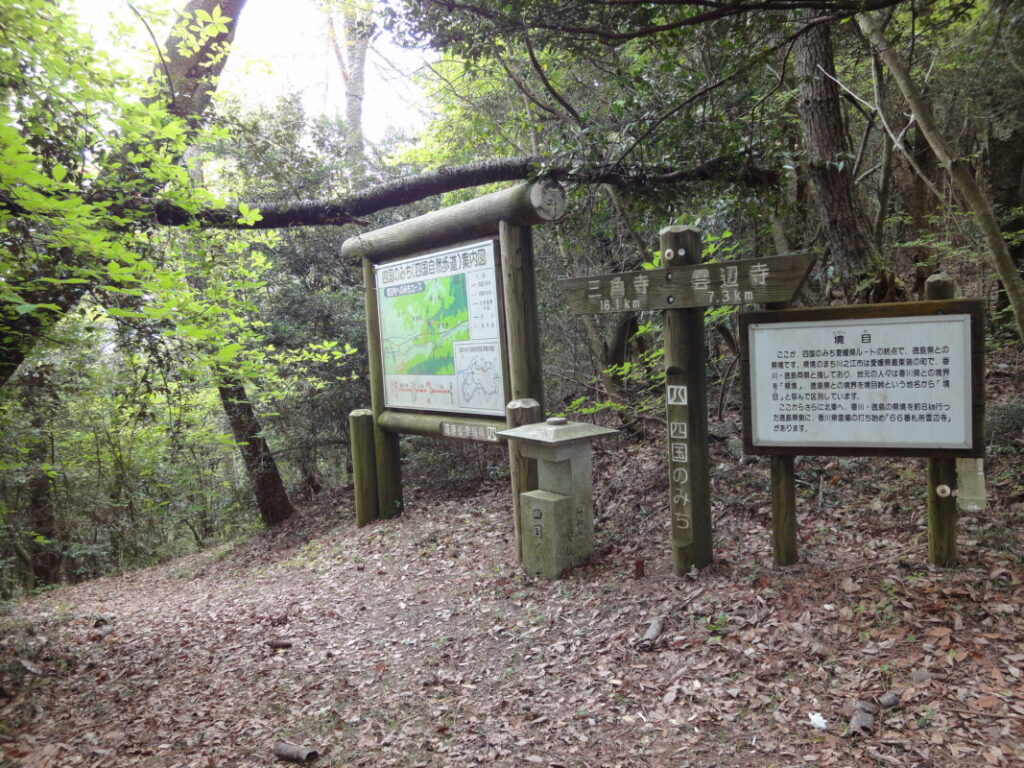
Sano Route
Around the 13 km mark, you will reach the entrance to the Sano Route.
There are several guesthouses and restaurants in the area, making this route a popular choice for pilgrims who plan to stay overnight or have a meal before beginning the climb.
However, while it is the shortest of the three mountain routes, it is also the steepest and most physically demanding.
Unless you need accommodation or dining facilities nearby, one of the other two routes may provide a more comfortable walk.
Arrival at Unpenji Temple
The three mountain routes merge at an elevation of approximately 660 meters.
From there, the route follows a paved road that gradually climbs toward the summit.
About 3 km beyond the junction, you will arrive at Unpenji Temple, the highest temple on the Shikoku Pilgrimage.
History and Highlights of Unpenji Temple
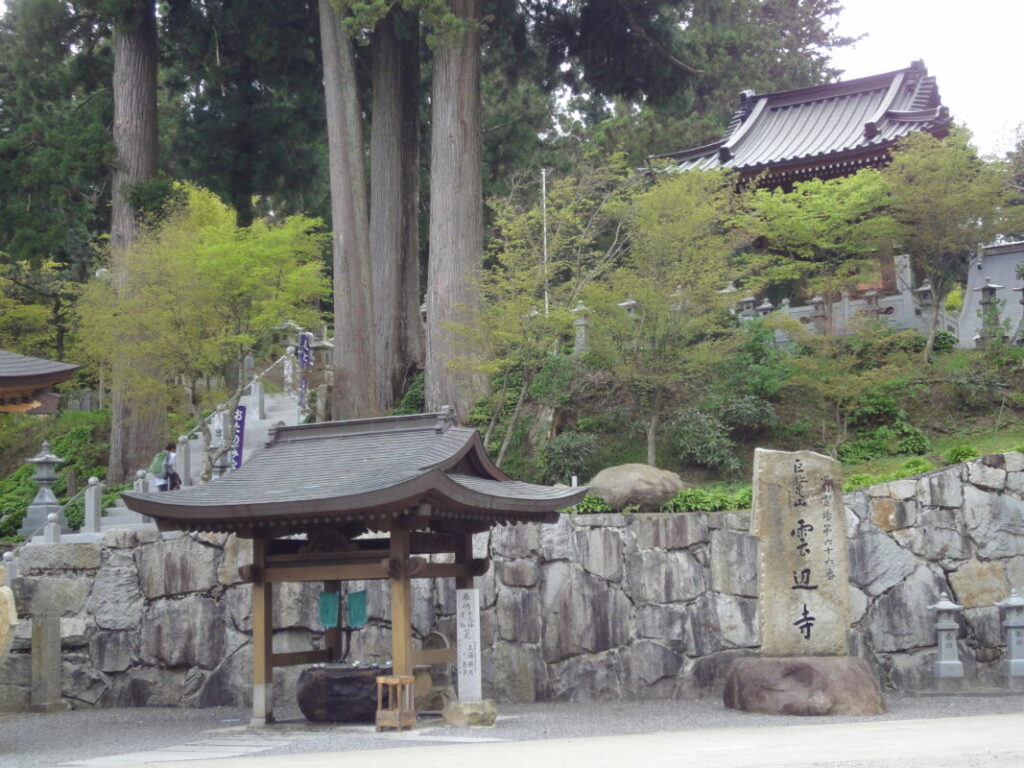
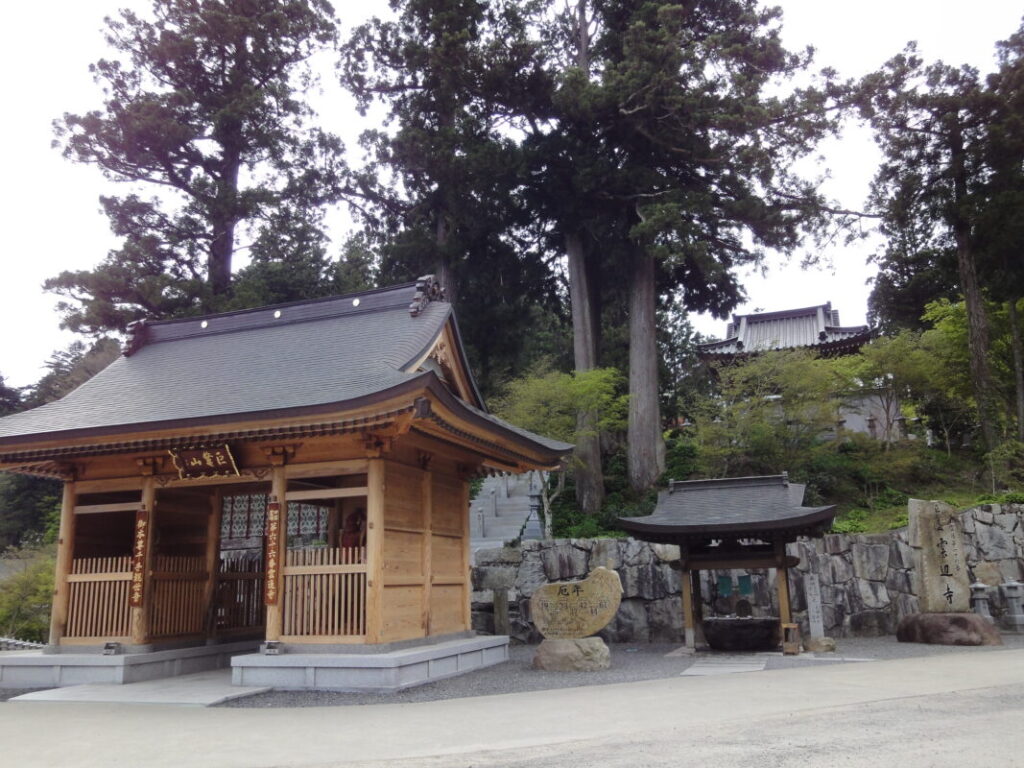
The Niomon Gate of Unpenji Temple is relatively new, having been reconstructed in recent years. Surrounding the temple are towering cedar and ginkgo trees that convey a sense of history while adding seasonal beauty throughout the year.
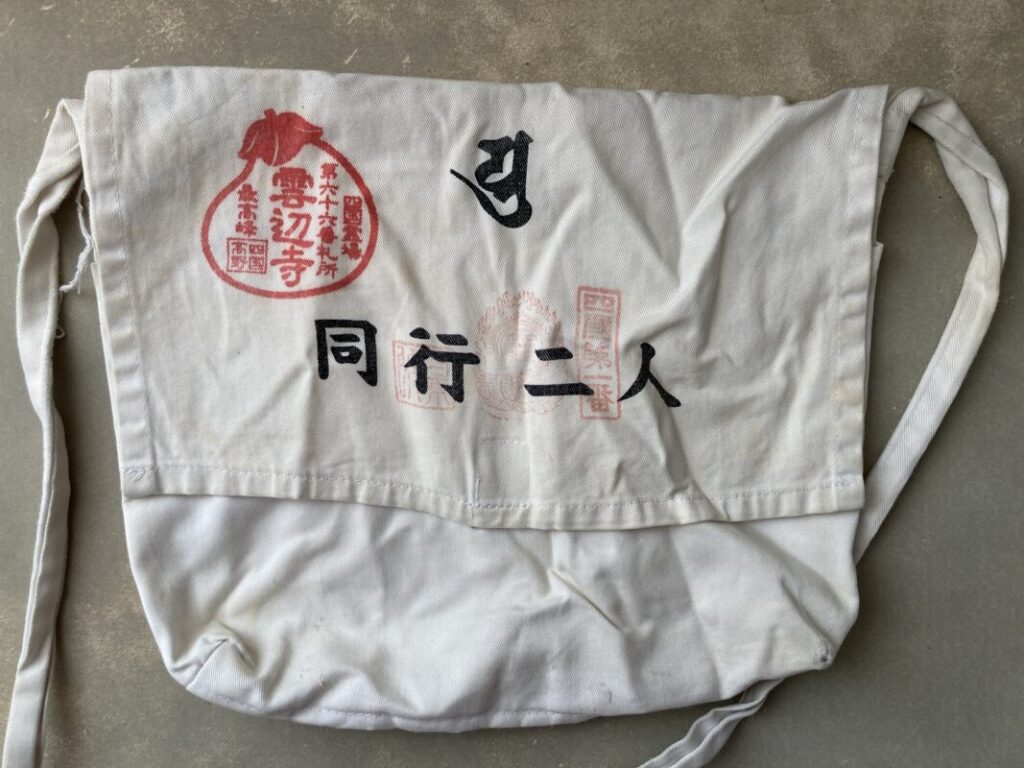
One of Unpenji’s unique features is the series of eggplant-shaped stone monuments found throughout the grounds. These are based on a Japanese wordplay in which nasu (eggplant) sounds like the verb meaning “to accomplish,” symbolizing prayers for wishes to come true. Pilgrims can also receive an eggplant-themed stamp at the Nokyo Office. When I visited, I had the stamp placed on my pilgrimage bag.
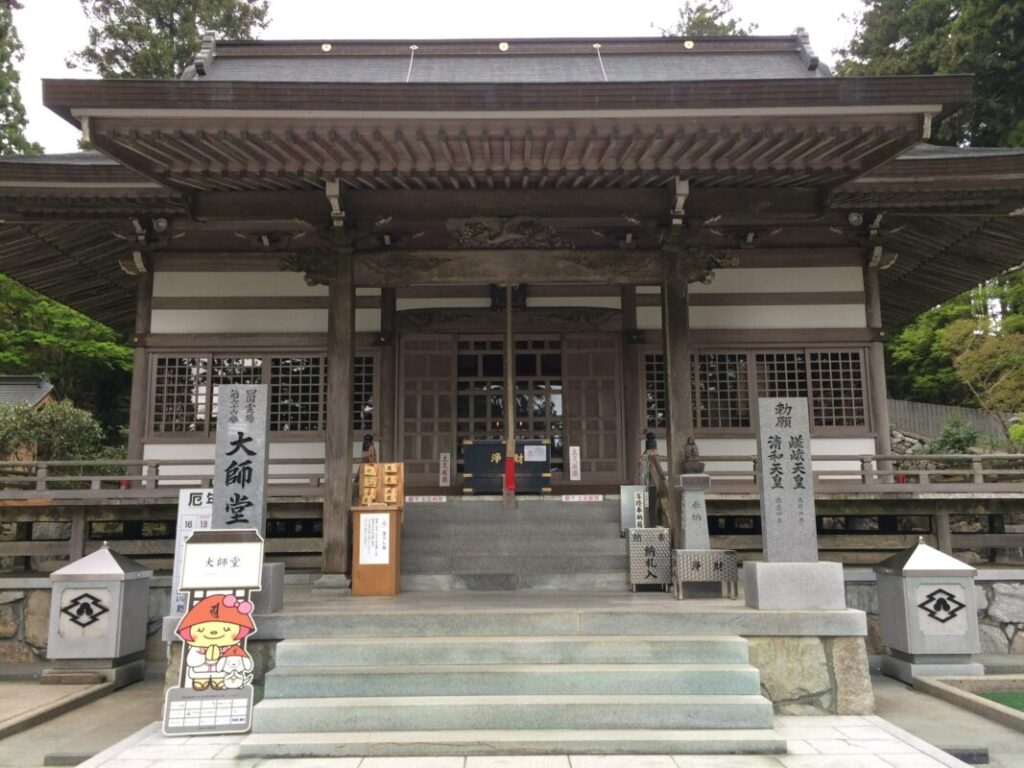
In front of the Daishido Hall stand stone monuments engraved with the words “Imperial Prayer Temple of Emperor Saga” and “Imperial Prayer Temple of Emperor Seiwa.” These monuments reflect the temple’s long history and its close association with the imperial court.
Another highlight is the collection of Five Hundred Rakan statues, representing the disciples of the Buddha. Nearly life-sized figures are scattered along paths throughout the temple grounds, and each statue has a distinct expression and posture. Taking time to observe them as you walk is one of the pleasures of visiting Unpenji Temple.
Nearby Accommodation
If you plan to stay near Unpenji or between the surrounding pilgrimage temples, see the article below.
Related Articles
Shikoku 88 Temple Pilgrimage Route: Full List, Distance & Walking Time Guide.
Temple List and Full Route
Comments