
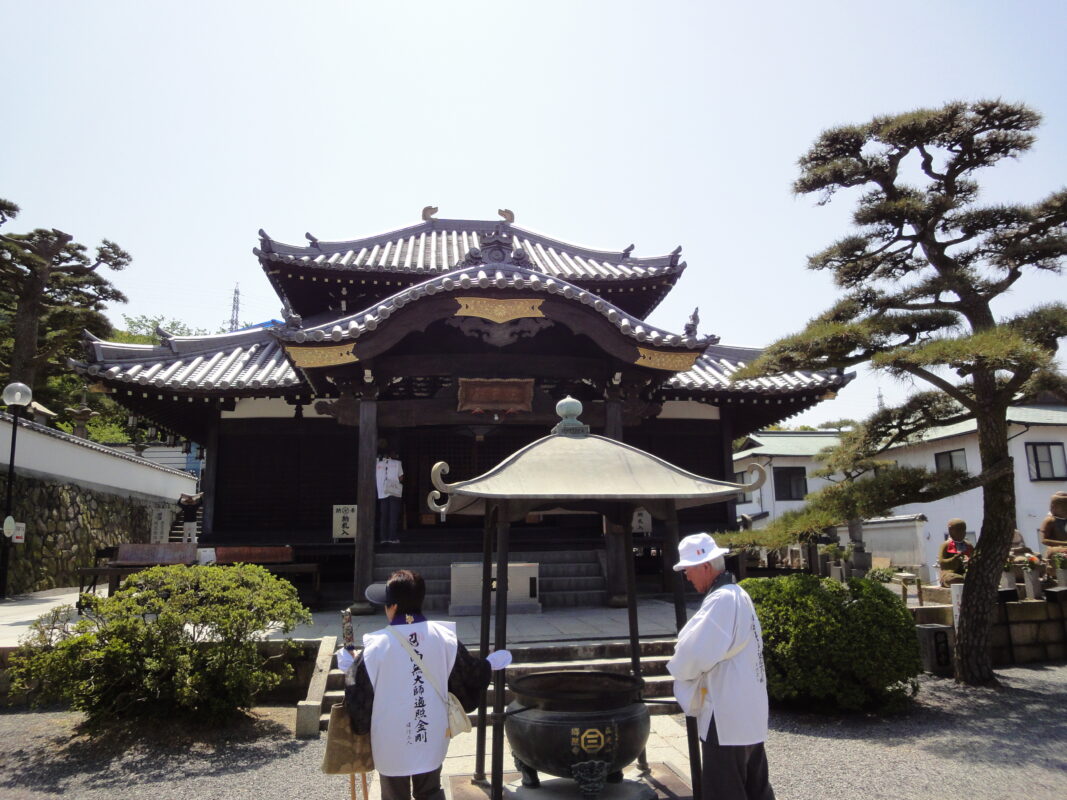
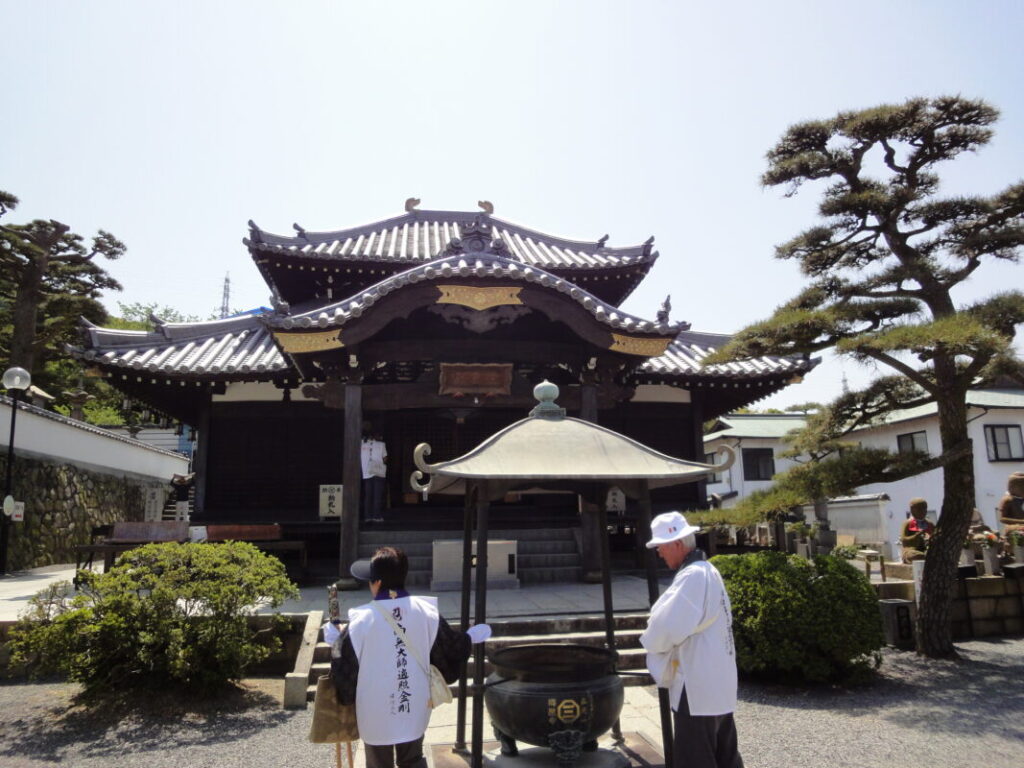
Goshoji Temple Information
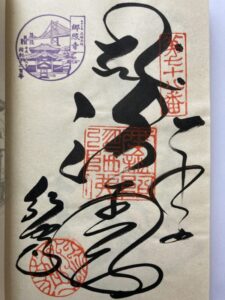
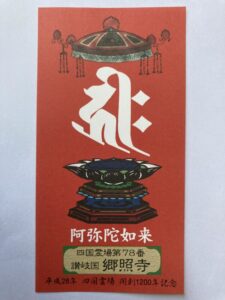
Goshuin
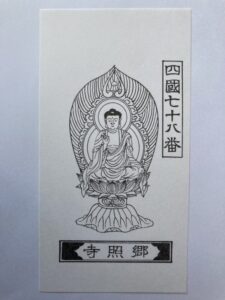
- Omie
- 1,200th Anniversary Edition
Basic Information
| Principal Deity | Amida Nyorai |
| Elevation | 25 m |
| Google Maps | MAP |
Accommodation
| Shukubo (Temple Lodging) | Not Available |
| Tsuyado (Free Pilgrim Shelter) | Not Available |
History & Highlights
Goshoji Temple is an ancient temple said to have been founded in 725 by Gyoki Bosatsu.
It is affectionately known as “Yakuyoke Utazu Daishi,” a place where Kobo Daishi is believed to have prayed for protection from misfortune. Ippen Shonin, the founder of the Ji sect of Buddhism, also stayed here, and the temple is known as the only Ji sect temple among the 88 sacred sites of the Shikoku Pilgrimage.
Route Map, Distance & Travel Time
You can switch between the tabs to view the routes to the previous and next temples.
Select “Driving Route” from the map’s upper-left menu to display the driving route.
Click the Full Screen icon in the upper-right corner of the map to open it in Google Maps for a larger, easier-to-view map.
- From Previous Temple
- To Next Temple
Previous Temple: Doryuji
| Distance | 7.2 km |
| Walking | 2 hr |
| Driving | 15 min |
Next Temple: Tennoji
| Distance | 5.9 km |
| Walking | 1 hr 40 min |
| Driving | 15 min |
Transportation Guide
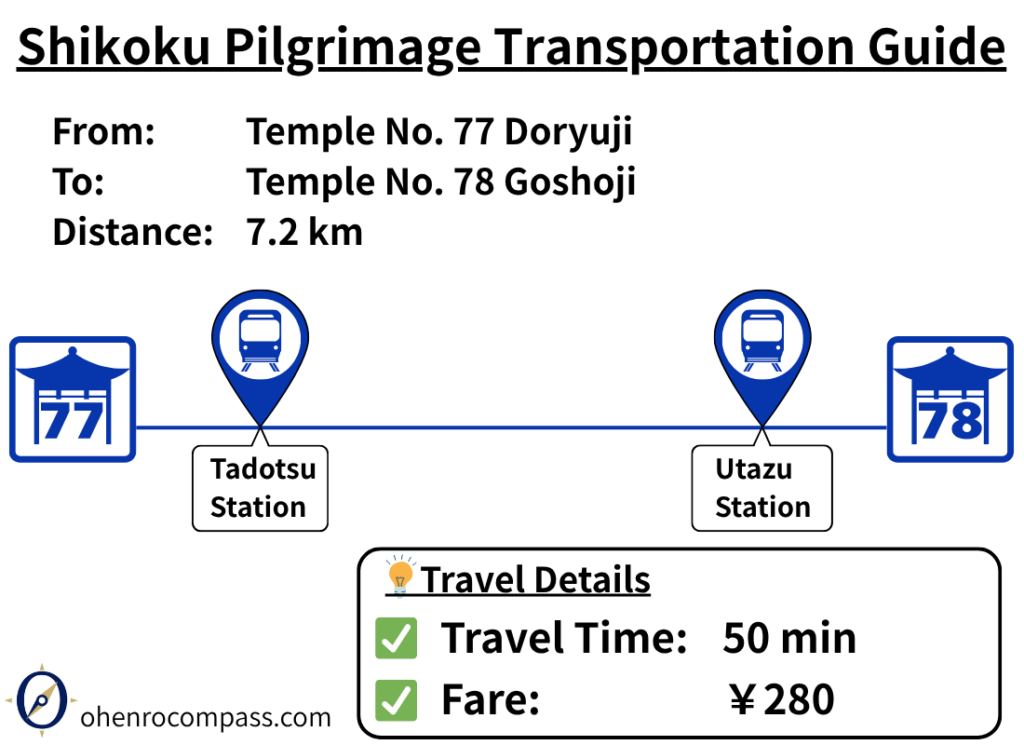
Learn how to travel from Temple 77, Doryuji, to Temple 78, Goshoji, by train. This guide covers JR Yosan Line fares, travel times, timetables, station access, and a comparison with the walking route, including local and limited express trains.
My Walking Experience
Goshoji Temple is located approximately 7 km northeast of Doryuji Temple. The route is relatively straightforward, following mainly Prefectural Routes 21 and 33 with few complicated turns.
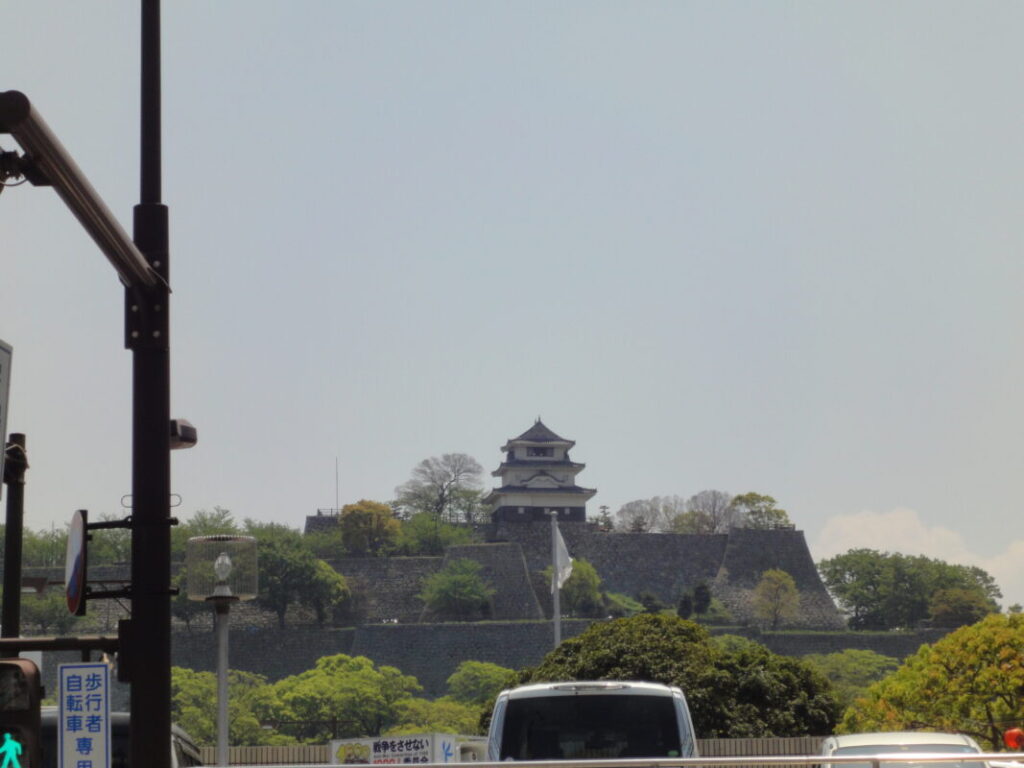
Along the way, you will pass through the lively urban area around JR Marugame Station. There are many restaurants and accommodations nearby, making it a convenient area for pilgrims on foot. In some places, you can also see Marugame Castle in the distance, allowing you to enjoy the atmosphere of this historic castle town while walking.
Ubushina Shrine’s Udon
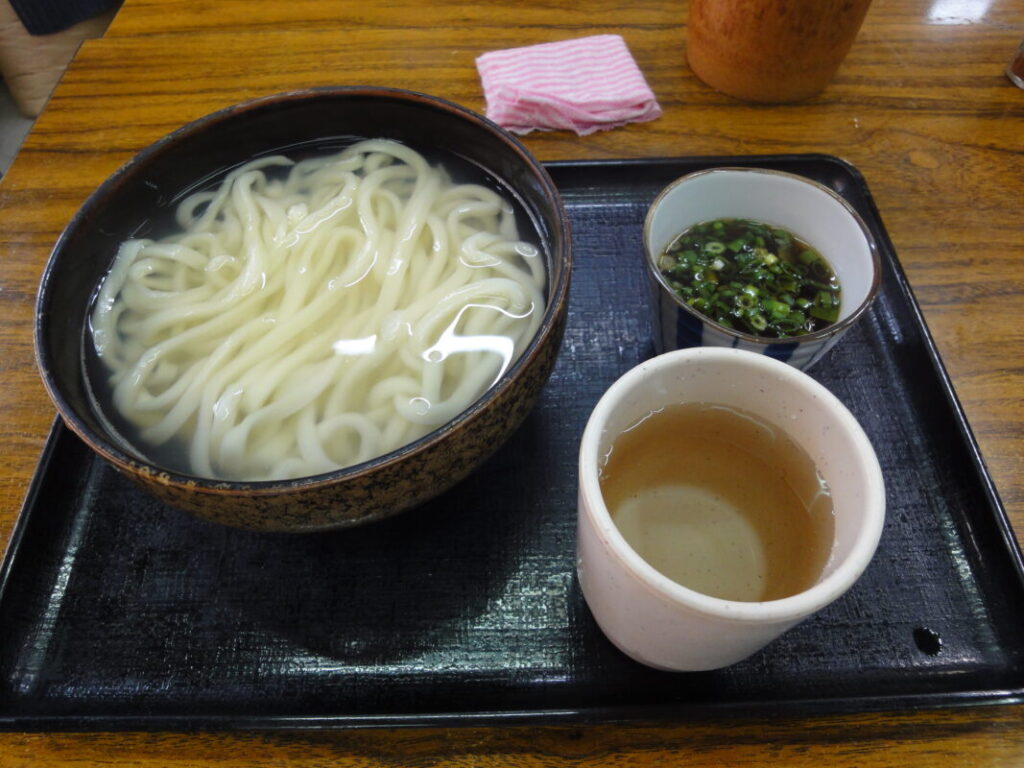
I had lunch at Ubushina Shrine, located near Goshoji Temple. This shrine has a unique udon restaurant within its grounds, where the chief priest is said to make the udon noodles himself.
After entering through a distinctive entrance surrounded by stone monuments, I found a calm space filled with a sense of history. The firm yet smooth texture of the Sanuki udon left a lasting impression on me.
History and Highlights of Goshoji Temple
A Hilltop Temple Overlooking the Seto Inland Sea
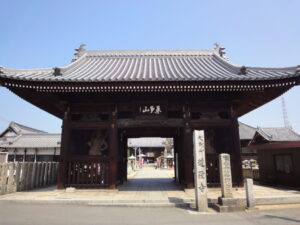
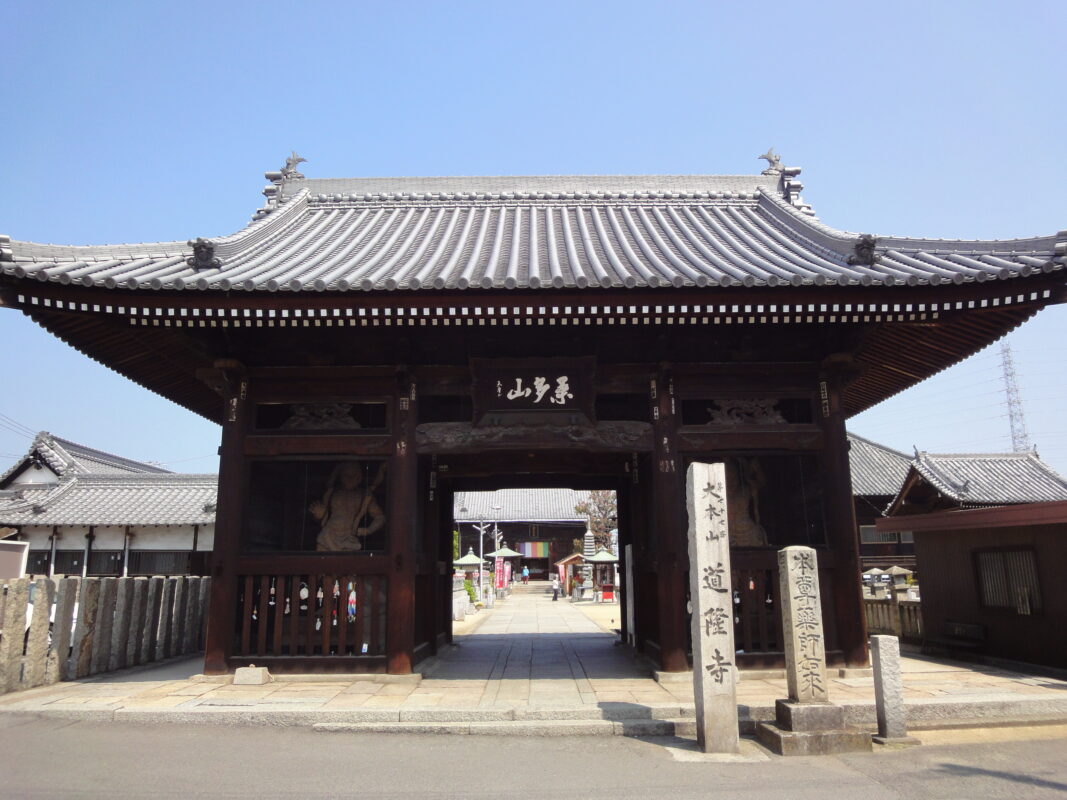
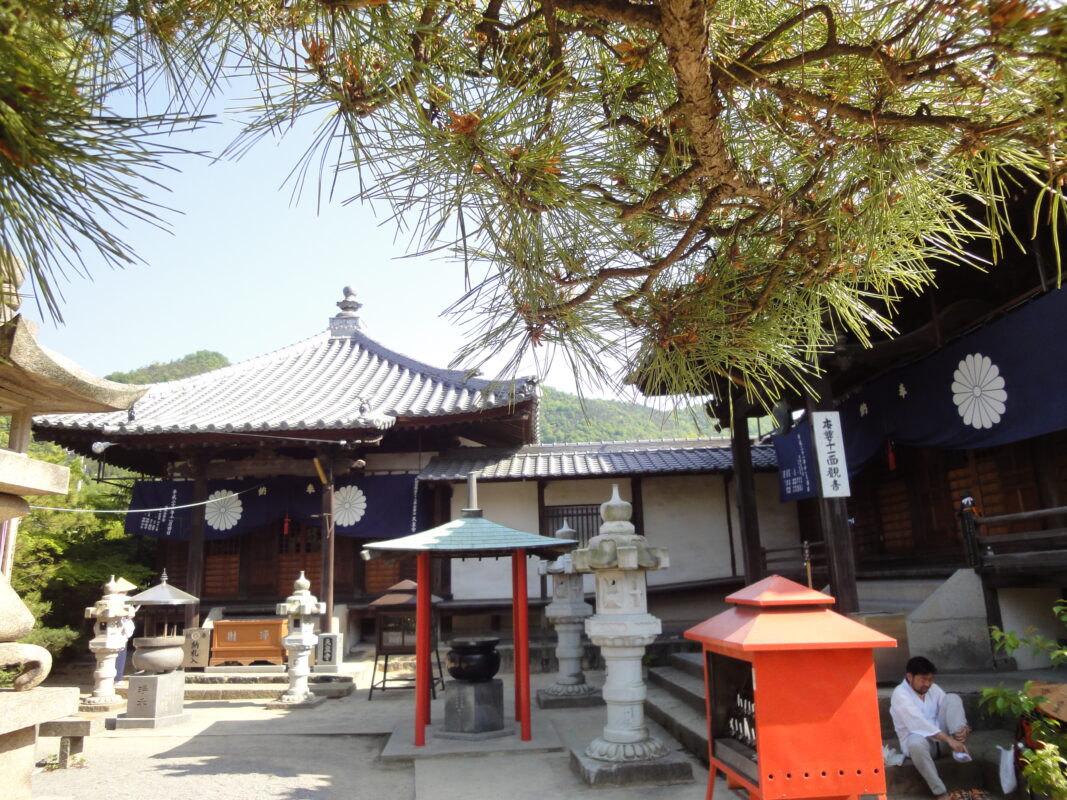
While walking through the residential area, the Niomon Gate of Goshoji Temple suddenly appears. Passing through the narrow approach with a gentle uphill slope, visitors are greeted by a surprisingly open temple complex that cannot be imagined from outside.
Behind the temple rises the greenery of Mount Aoyama, and from this elevated location, visitors can enjoy views of the Seto Ohashi Bridge and the Seto Inland Sea.
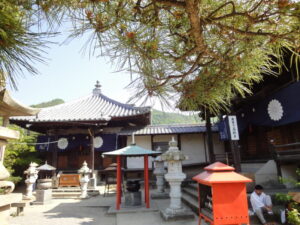
The area around the Main Hall is beautifully landscaped with pine trees and azaleas, creating a pleasant atmosphere for worship.
The Daishi Hall and the Mantai Kannon Cave
To reach the Daishi Hall, visitors climb the stairs behind the Main Hall. The corridor leading to the Daishi Hall features beautiful ceiling paintings that are well worth seeing.
Another especially memorable highlight is the “Mantai Kannon Cave,” located beside the Daishi Hall.
Descending the stairs leads to a mysterious underground space filled with countless Kannon statues. The cool air and quiet atmosphere create a completely different feeling from the world above. It is one of the most distinctive attractions of Goshoji Temple.
A Temple Connected with Many Eminent Priests
Goshoji Temple has a long history of connections with many prominent Buddhist figures.
Rigen Daishi Shobo, the founder of Daigoji Temple in Kyoto, as well as Genshin, a major figure in the development of Pure Land Buddhism, and Ippen Shonin are all said to have had connections with this temple.
Because of these influences, Goshoji preserves not only traditions of Shingon Esoteric Buddhism but also teachings of Pure Land Buddhism, giving it a unique history among the 88 temples of the Shikoku Pilgrimage.
Nearby Accommodation
If you plan to stay near Goshoji or between the surrounding pilgrimage temples, see the article below.
Related Articles
Shikoku 88 Temple Pilgrimage Route: Full List, Distance & Walking Time Guide.
Temple List and Full Route
Comments