
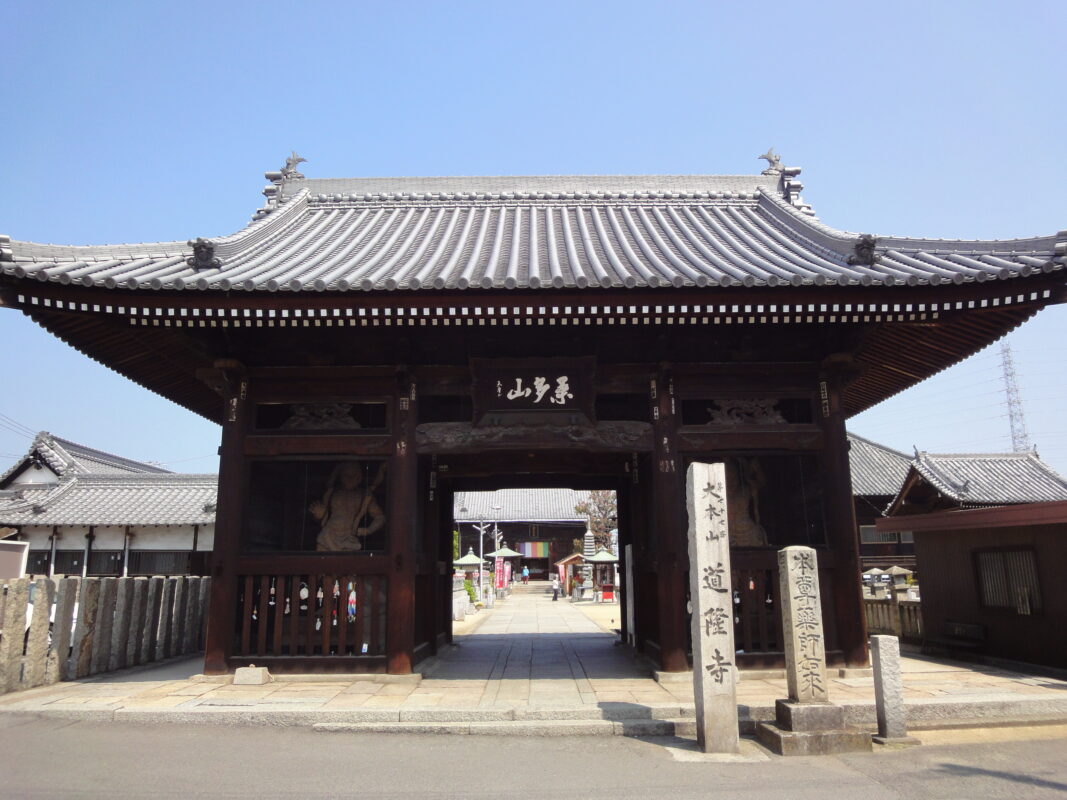
Doryuji Temple Information
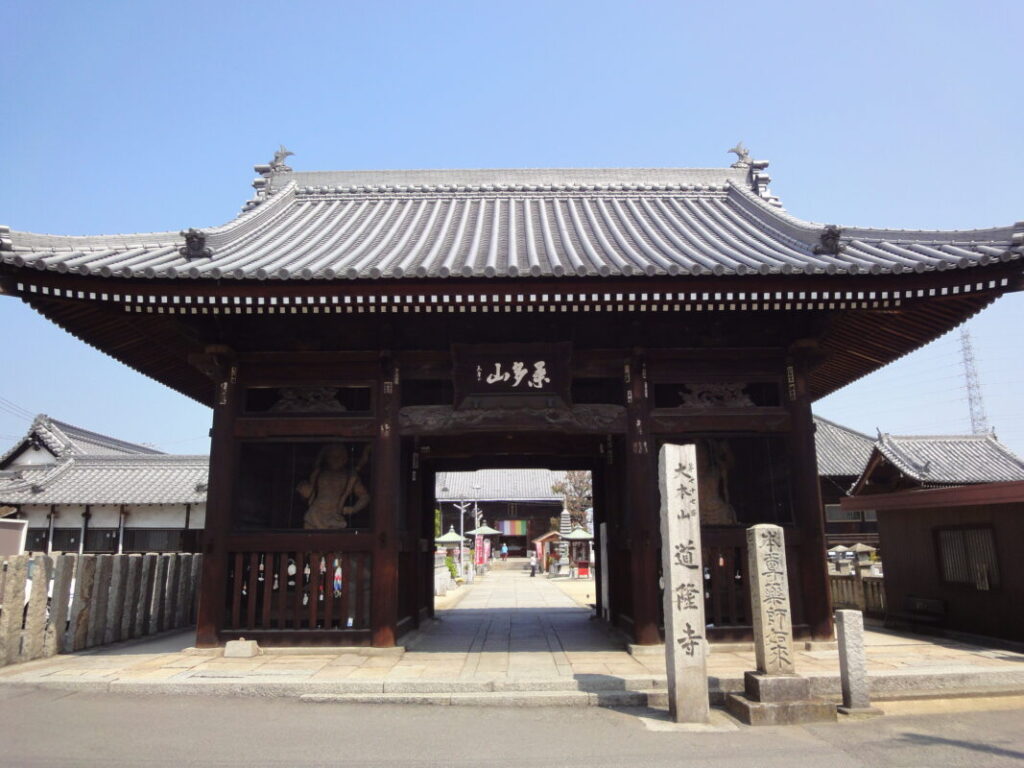
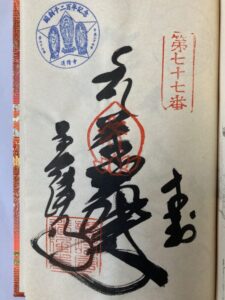
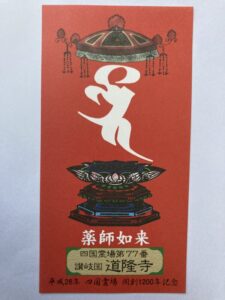
Goshuin
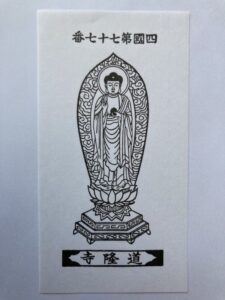
- Omie
- 1,200th Anniversary Edition
Basic Information
| Principal Deity | Yakushi Nyorai |
| Elevation | 5 m |
| Google Maps | MAP |
Accommodation
| Shukubo (Temple Lodging) | Not Available |
| Tsuyado (Free Pilgrim Shelter) | Not Available |
History & Highlights
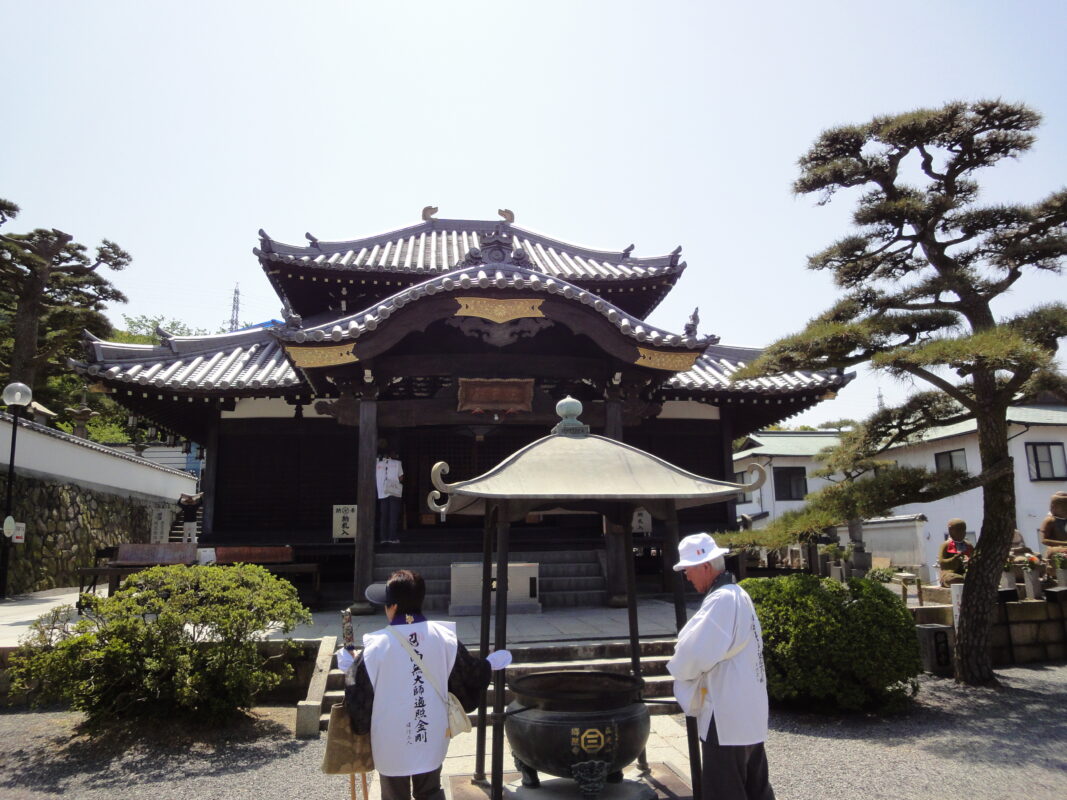
Doryuji Temple is said to have originated in 712, when Wake no Michitaka carved an image of Yakushi Nyorai from a large mulberry tree and established the temple.
Later, Kobo Daishi is said to have enshrined a new principal image and developed the temple complex with seven major halls. The temple flourished as a place associated with many eminent Buddhist priests and has continued to preserve its traditions through wars and disasters.
Route Map, Distance & Travel Time
You can switch between the tabs to view the routes to the previous and next temples.
Select “Driving Route” from the map’s upper-left menu to display the driving route.
Click the Full Screen icon in the upper-right corner of the map to open it in Google Maps for a larger, easier-to-view map.
- From Previous Temple
- To Next Temple
Previous Temple: Konzoji
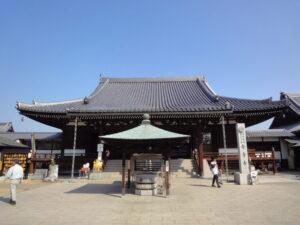
| Distance | 3.9 km |
| Walking | 1 hr |
| Driving | 10 min |
Next Temple: Goshoji
| Distance | 7.2 km |
| Walking | 2 hr |
| Driving | 15 min |
Transportation Guide
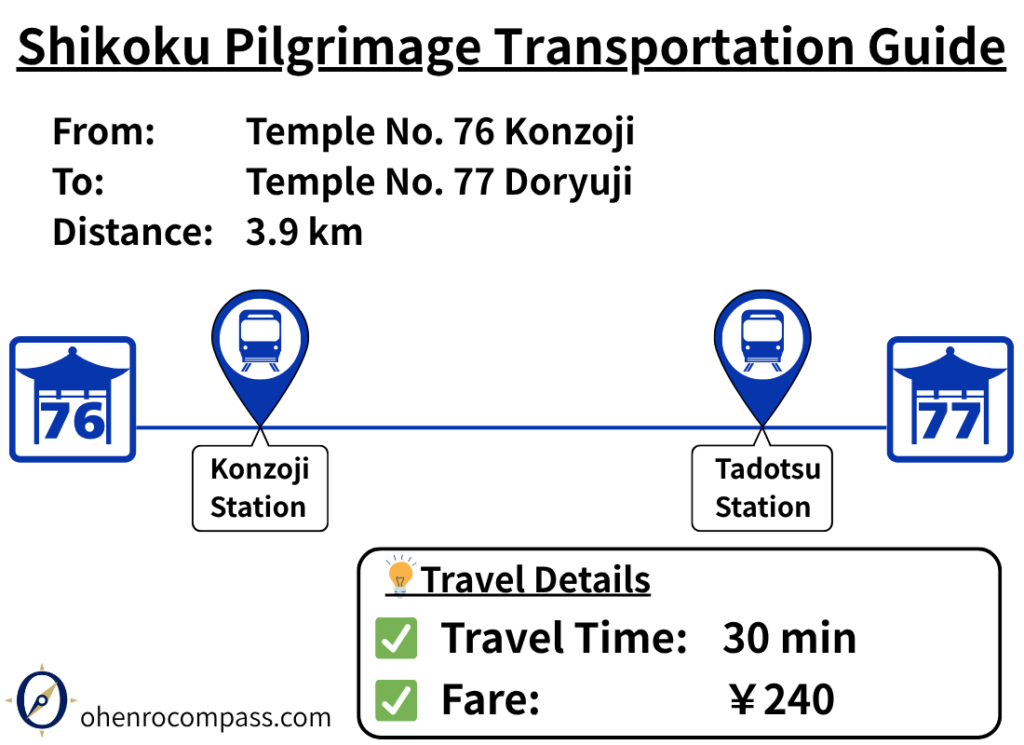
A guide to traveling from Temple 76, Konzoji, to Temple 77, Doryuji, by train. Find the route, fare, travel time, timetable, walking distances, and train vs. walking comparison.
My Walking Experience
Doryuji Temple is located approximately 3 km north of Konzoji Temple.
After leaving Konzoji, head north and pass under the elevated section of National Route 11. Beyond that, the route continues through fields and follows a unique pilgrimage path that passes through the grounds of a shrine along the way.
Continuing toward JR Tadotsu Station, you will eventually arrive at Doryuji Temple.
Doryuji is conveniently located near both JR Tadotsu Station and Tadotsu Port, making it one of the more accessible temples along the pilgrimage route.
Tadotsu Port was once a thriving center of maritime transportation in the Seto Inland Sea. For pilgrims who have crossed mountain areas and traveled through inland routes, the port town offers a feeling of returning to the coastal region.
Although the sea itself cannot be seen directly from the temple, after walking the long mountain paths from Unpenji and the inland pilgrimage routes beyond, the atmosphere of Tadotsu as a seaside town gave me my first real sense of being close to the Seto Inland Sea.
The Final Temple of the Seven Temple Pilgrimage
Doryuji is also the final temple of the “Seven Temple Pilgrimage” that begins at Iyadani-ji Temple.
Many of the temples along this route have deep connections to Kobo Daishi’s childhood and family history. Completing the pilgrimage up to Doryuji allows visitors to experience the story of Kobo Daishi’s early life and upbringing.
The Grounds of Doryuji Temple
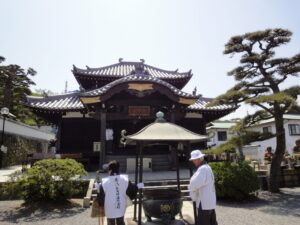
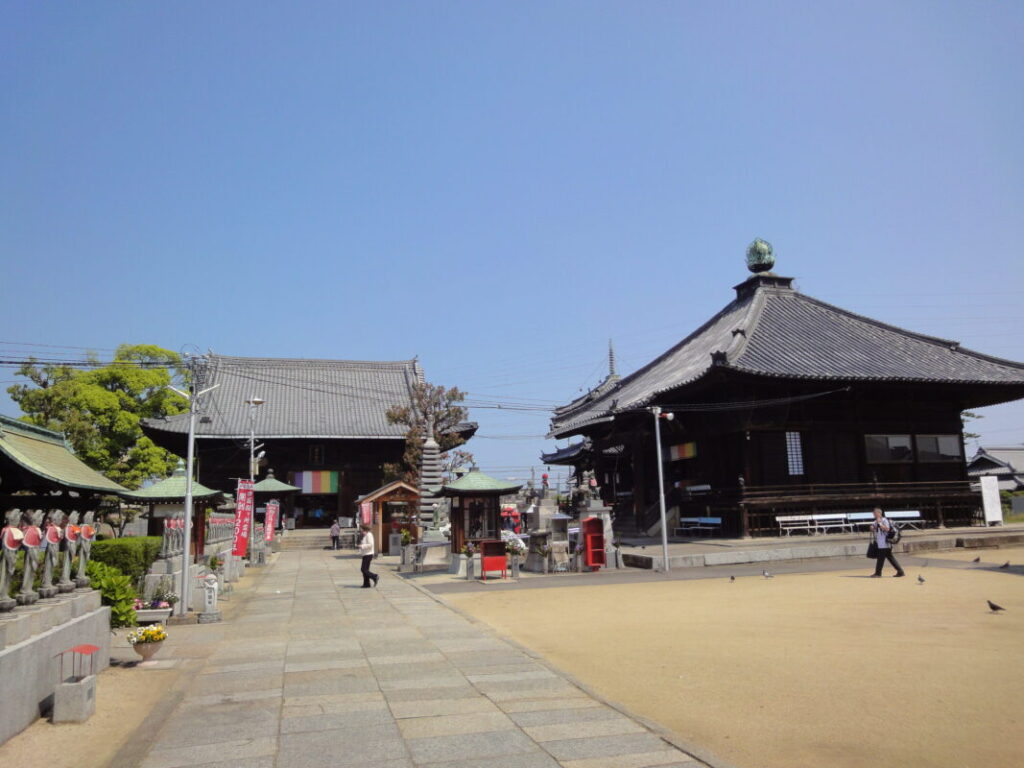
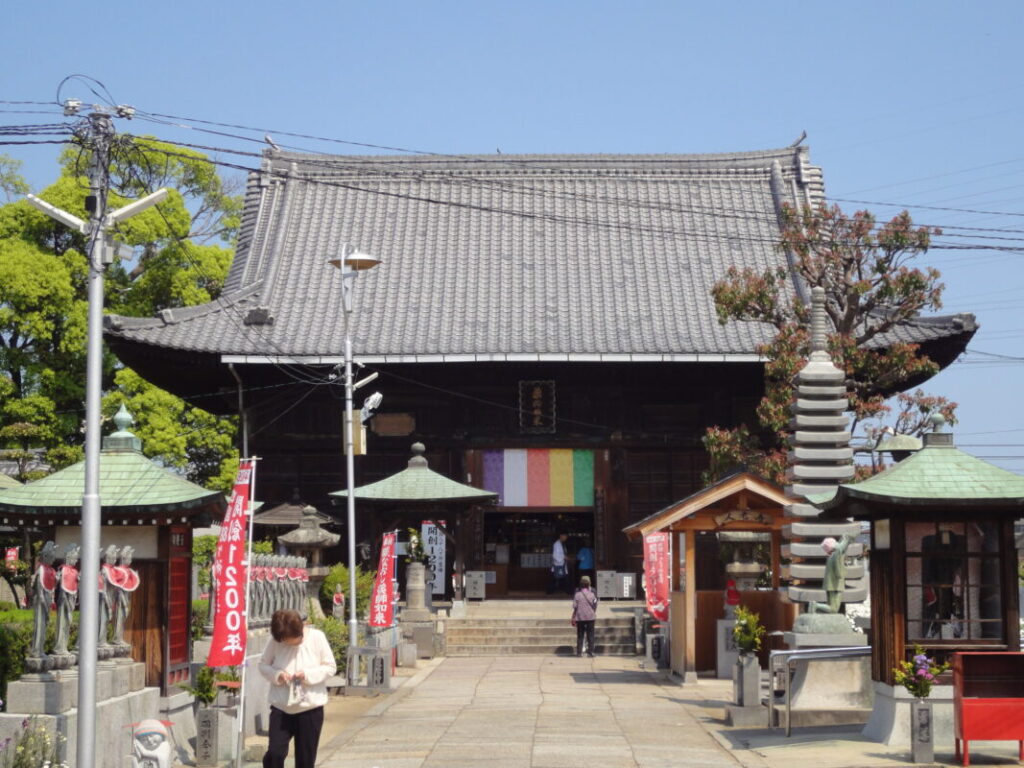
The temple grounds are flat with few steps, making them easy to visit for pilgrims traveling on foot.
One of the most memorable sights is the 255 Kannon statues lined up within the grounds. These slender statues, each less than one meter tall, are dressed in various ways, including some wearing red padded jackets or holding prayer beads, creating a unique and charming atmosphere.
Doryuji is also known as the “Eye-Healing Yakushi,” and many visitors come here to pray for recovery from eye diseases. Faith in Yakushi Nyorai, the temple’s principal image, has continued since the temple’s foundation and remains strong today.
Nearby Accommodation
If you plan to stay near Doryuji or between the surrounding pilgrimage temples, see the article below.
Related Articles
Shikoku 88 Temple Pilgrimage Route: Full List, Distance & Walking Time Guide.
Temple List and Full Route
For a complete list of the Seven-Temple Pilgrimage, please see the article here.
What is the Shichikasho Pilgrimage? A Seven Temple Pilgrimage Route in Kagawa
Comments