
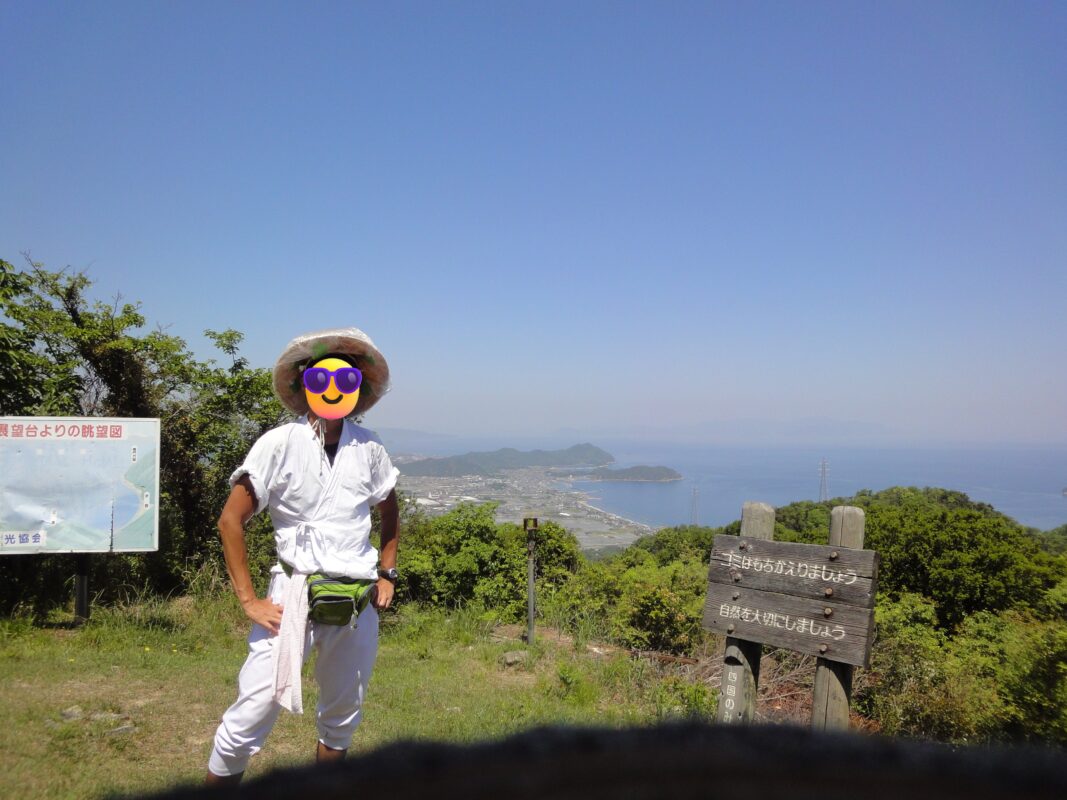
The Traditional White Robe of the Shikoku Pilgrimage
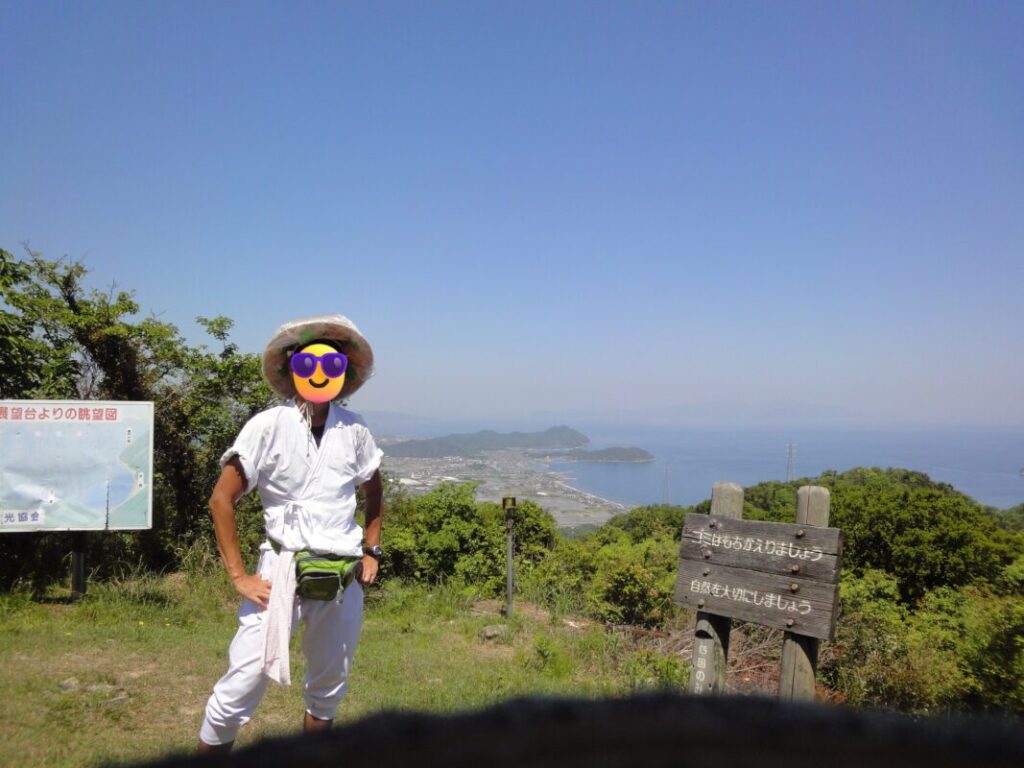
The white robe (byakue or hakui) is one of the traditional items worn by pilgrims on the Shikoku 88 Temple Pilgrimage. It is commonly worn together with a wagesa (pilgrim’s stole), kongō-zue (walking staff), and sugegasa (woven sedge hat), making it one of the most recognizable symbols of a Shikoku pilgrim.
That said, wearing a white robe is not required to visit the temples. Today, many pilgrims choose practical hiking or sportswear instead, especially those walking the pilgrimage, where comfort and functionality are often the priority.
Even so, the white robe is more than just a piece of clothing. It has been passed down through generations as a traditional garment with deep meaning for pilgrims.
A Traditional Garment That Identifies You as a Pilgrim
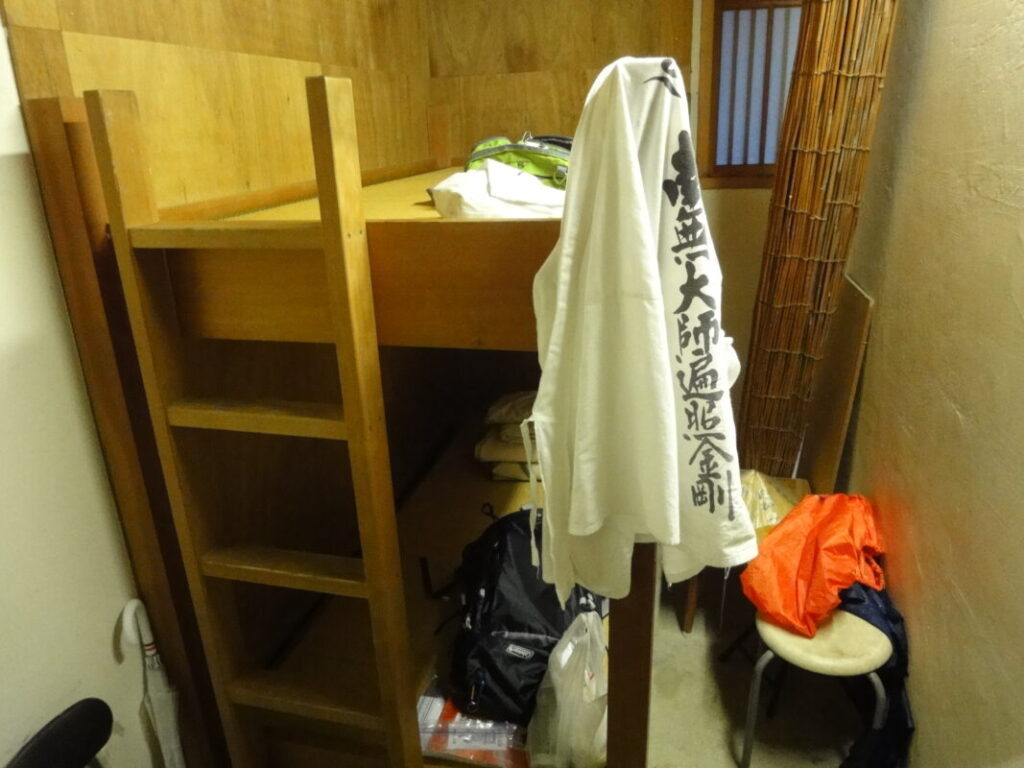
The white robe is a traditional pilgrimage garment that identifies its wearer as a pilgrim. Many robes feature the phrase “Namu Daishi Henjō Kongō” (Homage to Kōbō Daishi, the Illuminating Vajra) or other inscriptions related to Kōbō Daishi (Kūkai) on the front or back, making it an iconic part of a pilgrim’s appearance.
Wearing a white robe also makes it easier for local people to recognize that you are on pilgrimage. During my own walking pilgrimage, I wore one all the way until completing the route, and I was greeted as “Ohenro-san” many times while resting or walking along the road.
The Meaning Behind the White Color
The white color of the robe is said to symbolize purity, spiritual cleansing, and the intention to begin the pilgrimage with a renewed heart.
Historically, the Shikoku pilgrimage was far more difficult than it is today. Pilgrims traveled long distances over steep mountain paths and dangerous roads, and it was not uncommon for people to lose their lives along the way. For this reason, the white robe was also regarded as a burial garment, representing a pilgrim’s readiness to face death if necessary.
Today, however, most people who wear a white robe do not think of it in such solemn terms. Instead, many wear it as a way to focus their minds, embrace the spirit of pilgrimage, and mark the beginning of their journey.
For me personally, putting on my white robe each morning became a simple ritual that helped me switch into “pilgrimage mode” and reminded me that it was time to start walking for the day.
Is a White Robe Necessary for the Shikoku Pilgrimage?
Some people wonder, “Do I have to wear a white robe to do the pilgrimage?” or “Can I visit the temples without one?”
The short answer is no—a white robe is not required.
Today, the Shikoku pilgrimage can be completed in many different ways, including on foot, by car, or as part of a bus tour. Dress codes have also become much more relaxed. However, based on my own experience of completing the pilgrimage on foot, I personally recommend wearing a white robe.
Wearing a White Robe Is Optional
You can visit all 88 temples without wearing a white robe.
Whether you are receiving a nokyō (temple stamp and calligraphy) or offering your prayers at a temple, you will not be turned away simply because you are not wearing one.
In recent years, many walking pilgrims have chosen hiking or athletic clothing instead. If comfort is your priority, moisture-wicking and breathable outdoor clothing may be a more practical option.
Why I Recommend Wearing One
I wore a white robe throughout my walking pilgrimage until I completed all 88 temples. Looking back, I believe it was well worth wearing.
People Can Instantly Recognize You as a Pilgrim
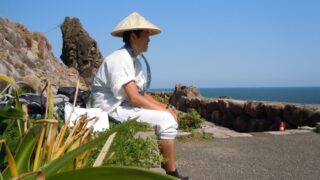
The greatest advantage of wearing a white robe is that people immediately recognize you as a pilgrim.
During a walking pilgrimage, you’ll pass through residential neighborhoods, rural roads, and mountain trails. In ordinary clothing, you may simply look like someone out for a walk. Wearing a white robe clearly shows that you are on pilgrimage.
Related Articles
You’re More Likely to Experience Osettai
One of the unique traditions of the Shikoku pilgrimage is osettai—the custom of local people offering pilgrims drinks, food, or other acts of kindness.
Of course, no one should walk the pilgrimage expecting to receive osettai. However, because a white robe makes it obvious that you are a pilgrim, I found that locals were much more likely to stop and speak with me or offer their support.
Related Articles
You’re Less Likely to Be Viewed with Suspicion While Resting
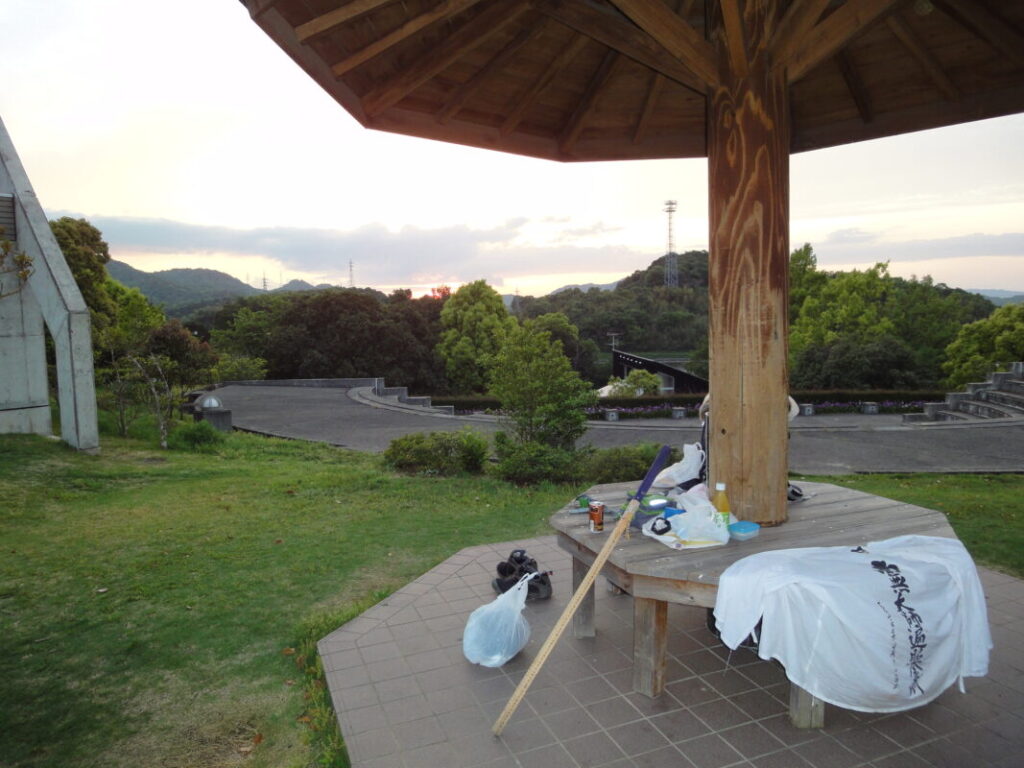
Walking pilgrims often take breaks in parks, roadside shelters, or other public spaces.
When wearing a white robe, people are more likely to recognize that you are simply a pilgrim taking a rest, rather than wondering why someone is lingering there.
It Helps Reassure Local Residents
Parts of the pilgrimage route pass through quiet residential areas or places with very little foot traffic.
A white robe makes it clear that you are traveling as a pilgrim, which can help avoid causing unnecessary concern among local residents.
It Keeps You Mentally Focused
A white robe naturally stands out more than ordinary clothing.
Because I knew people could tell I was a pilgrim, I found myself thinking, “I should walk properly” and “I want to approach this pilgrimage with sincerity.” That small sense of responsibility helped keep me focused throughout the journey.
For me, wearing the robe wasn’t just about tradition—it also became a source of motivation that helped me continue walking day after day.
Where Can You Buy a Pilgrim’s White Robe?
Although you can easily buy a white robe online, I recommend purchasing one at a temple if it’s your first time doing the Shikoku pilgrimage.
That’s what I did—I bought mine at Ryōzen-ji Temple, the first temple on the route. The reason was simple: I could see and try the different options in person before deciding.
White robes vary in size, fabric thickness, and whether they have sleeves. These differences can be difficult to judge from online photos, so seeing the actual garments makes it much easier to choose the right one.
The Two Main Types of White Robes
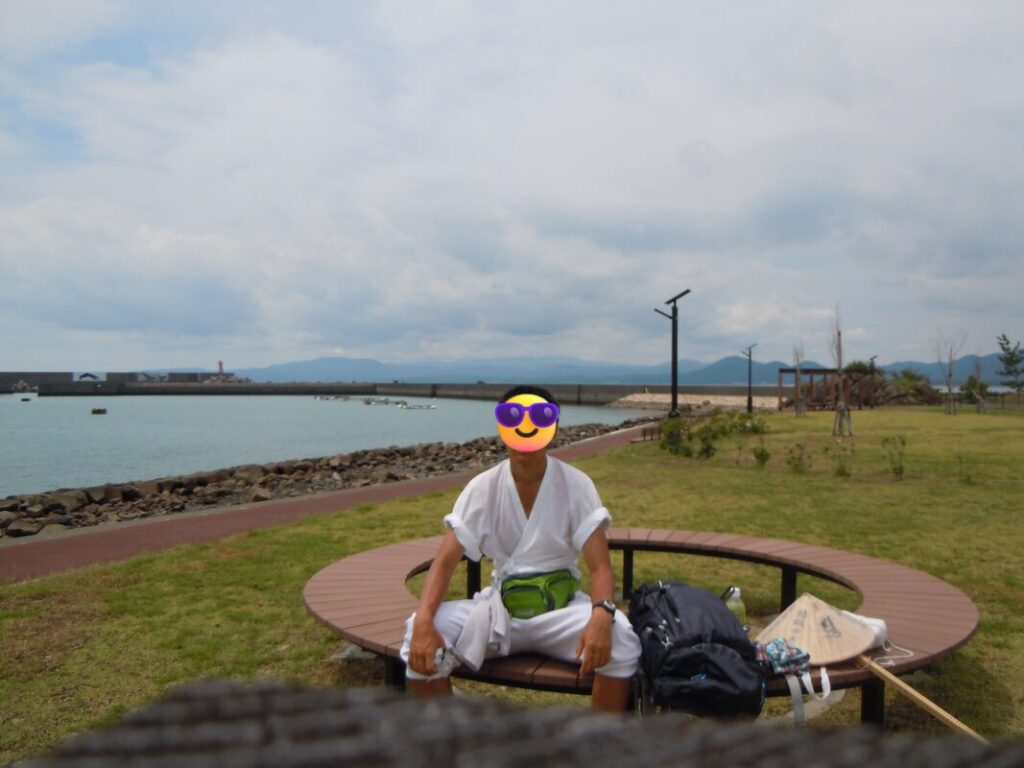
There are two basic styles of white robes used on the Shikoku pilgrimage: long-sleeved and sleeveless.
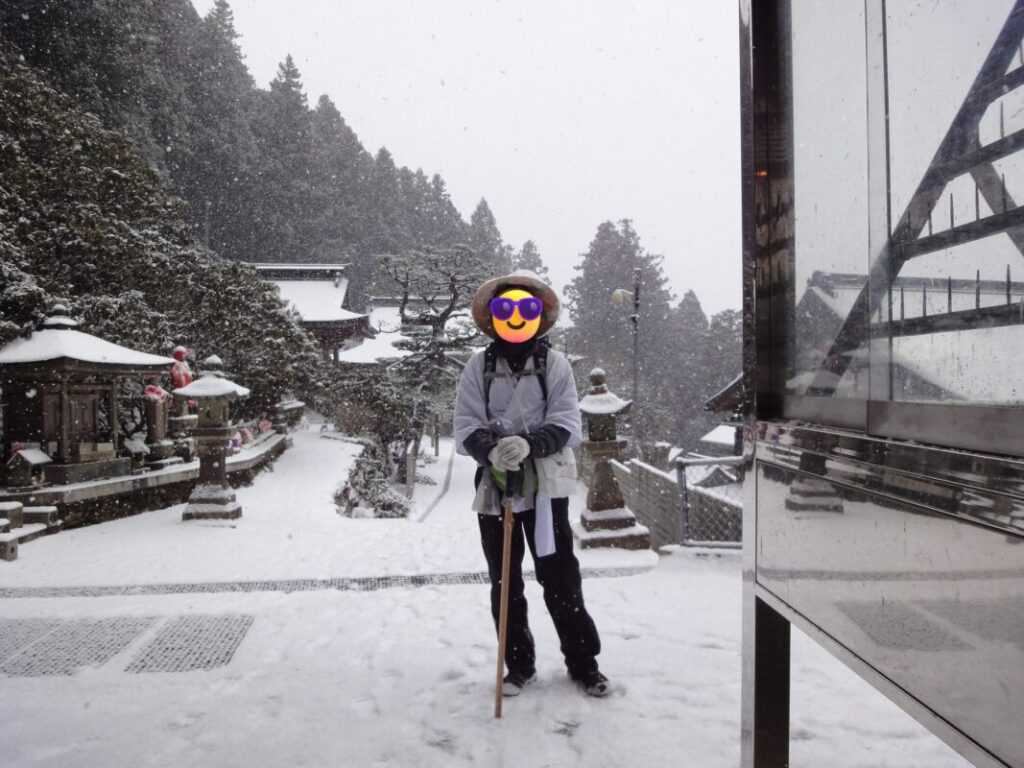
A long-sleeved robe looks much like a traditional jacket and closely resembles the classic appearance of a pilgrim. It provides a little extra warmth, making it a good choice for cooler weather or seasons such as spring and autumn when temperatures can change throughout the day.
The sleeveless robe, however, is the style most commonly seen today. Because it can be worn easily over everyday clothing, hiking gear, or sportswear, it offers greater freedom of movement and makes it easier to adjust to changing temperatures.
Why I Chose the Long-Sleeved Version
I completed the pilgrimage over multiple trips throughout all four seasons, so I chose the long-sleeved type.
In practice, there were mornings that were surprisingly cold and days with strong winds, so having sleeves did provide some extra comfort.
That said, if I were recommending one style to most people, I would suggest the sleeveless version. It is easier to wear over functional outdoor clothing and is likely to be the more practical choice for the majority of walking pilgrims.
How Much Does a White Robe Cost?
The price of a white robe depends on the style and material, but most are available for around ¥2,000 to ¥5,000.
Special versions designed for collecting nokyō (temple stamps and calligraphy), as well as robes made from quick-drying performance fabrics, are generally more expensive than standard models.
Frequently Asked Questions
- QDo I have to wear a white robe on the Shikoku pilgrimage?
- A
No. You can visit all of the temples without wearing a white robe.
That said, based on my own experience of completing the pilgrimage on foot, I found that wearing one had several advantages. It made it easy for others to recognize me as a pilgrim and helped me stay mentally focused throughout the journey.
- QCan I wash my white robe?
- A
Yes. A standard white robe can generally be machine-washed without any problems.
However, if your robe has received nokyō (temple calligraphy and stamps) or contains handwritten ink inscriptions, washing it may cause the writing to fade. It’s best to check before laundering it.
- QIsn’t a white robe too hot during summer?
- A
It can be.
Long-sleeved robes tend to retain more heat, so during the hotter months many pilgrims choose a sleeveless robe or wear it over lightweight, breathable hiking clothing.
- QCan I receive temple calligraphy and stamps on my white robe?
- A
Yes.
Many temples can write directly on a white robe as a form of nokyō. A ¥300 nokyō fee is typically charged for each inscription.
- QWhere can I buy a white robe?
- A
White robes are available online, at pilgrimage supply stores, and at many temples.
If it’s your first pilgrimage, I recommend buying one at a temple where you can compare different sizes and styles in person. I bought mine at Ryōzen-ji Temple, the first temple on the route.
- QDo I need a white robe if I’m traveling by car?
- A
No. A white robe is not required for pilgrims traveling by car either.
Many people simply wear their normal clothes together with a wagesa (pilgrim’s stole). Others choose to wear a white robe as a way of marking the spiritual beginning of their pilgrimage.
Conclusion: Not Essential, but I Recommend Wearing One for a Walking Pilgrimage
A white robe is not required for the Shikoku pilgrimage. Many people complete the journey in hiking or athletic clothing, so you are free to wear whatever is most comfortable for you.
That said, I wore a white robe throughout my walking pilgrimage until completing all 88 temples, and I am glad I did.
The biggest benefits I experienced were:
- People could immediately recognize me as a pilgrim.
- I had more opportunities to experience osettai and friendly conversations with local people.
- It made it clear that I was a pilgrim when resting or staying outdoors.
- It helped reassure local residents as I passed through quiet neighborhoods and rural areas.
- It kept me mentally focused and motivated throughout the pilgrimage.
While wearing a white robe is entirely optional, I would encourage anyone planning to complete the pilgrimage on foot to try wearing one. In my experience, it adds something meaningful to the journey that goes beyond tradition alone.
Related Articles
What Is a Kongozue? The Sacred Walking Staff of the Shikoku Pilgrimage.
Pilgrimage Staff