
- What Are Goshuin on the Shikoku Pilgrimage?
- Should You Use a Goshuincho or a Nokyocho on the Shikoku Pilgrimage?
- How to Receive a Goshuin at the 88 Temples of the Shikoku Pilgrimage
- How Much Does a Goshuin Cost on the Shikoku Pilgrimage?
- Limited-Edition Commemorative Stamps on the Shikoku Pilgrimage
- Tips for Receiving Goshuin on a Walking Shikoku Pilgrimage
- My Experience Collecting Goshuin at All 88 Temples
- Conclusion: The Shikoku Pilgrimage Is About More Than Collecting Goshuin
- Related Articles
What Are Goshuin on the Shikoku Pilgrimage?
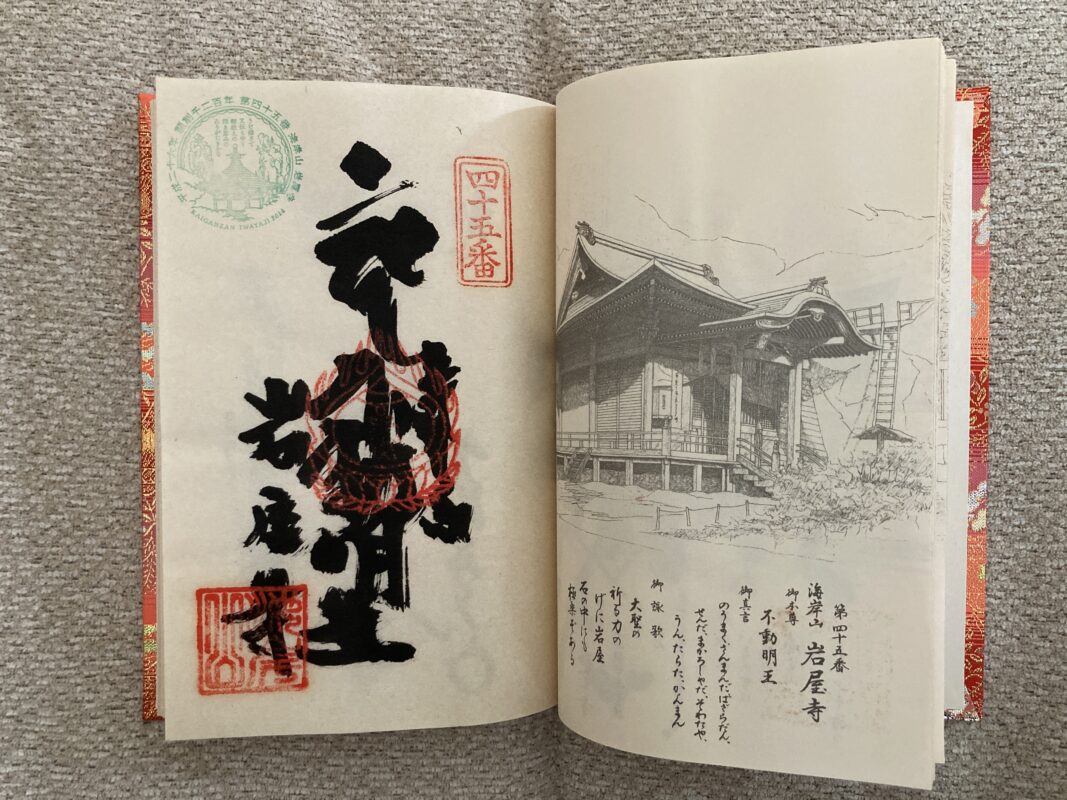
A goshuin on the Shikoku Pilgrimage is a handwritten calligraphy inscription and red temple seal that you receive at a temple’s Nokyo Office (Nokyo-sho) as proof that you have worshipped at one of the 88 sacred temples of the Shikoku Pilgrimage.
Like goshuin at other temples and shrines throughout Japan, they are received after paying your respects. However, on the Shikoku Pilgrimage, they carry a stronger connection to nokyo (literally “offering sutras”), a traditional Buddhist practice. For this reason, pilgrims often describe receiving a goshuin as “performing nokyo.”
I completed the entire Shikoku Pilgrimage on foot, visiting all 88 temples and receiving a goshuin at every one of them. Each goshuin features beautiful brush calligraphy, including the temple’s name and its principal deity. Watching my nokyocho (pilgrimage stamp book) gradually fill with each temple became one of the most rewarding parts of the journey—a lasting record of every step I had walked.
If you’re planning your first Shikoku Pilgrimage, you may be wondering:
- What’s the difference between a goshuincho and a nokyocho?
- Can I receive a goshuin simply by visiting a temple?
In this guide, I’ll explain the unique meaning of goshuin on the Shikoku Pilgrimage, how to receive them properly, and the fees you can expect to pay.
For a complete list of temple stamps from all 88 temples of the Shikoku Pilgrimage, see this article.
A complete list of Goshuin from the Shikoku 88 Temple Pilgrimage. Discover temple stamps from Temples 1–88, with photos, temple information, history, highlights, and walking pilgrimage experiences.
A Goshuin Is Proof of Your Temple Visit
A goshuin is a sacred record granted as proof that you have worshipped at a temple or shrine. On the Shikoku Pilgrimage, you should first pay your respects at both the Main Hall (Hondo) and the Daishi Hall (Daishido). Afterwards, take your nokyocho or goshuincho to the Nokyo Office and pay the required fee to receive the temple’s calligraphy and official red seal.
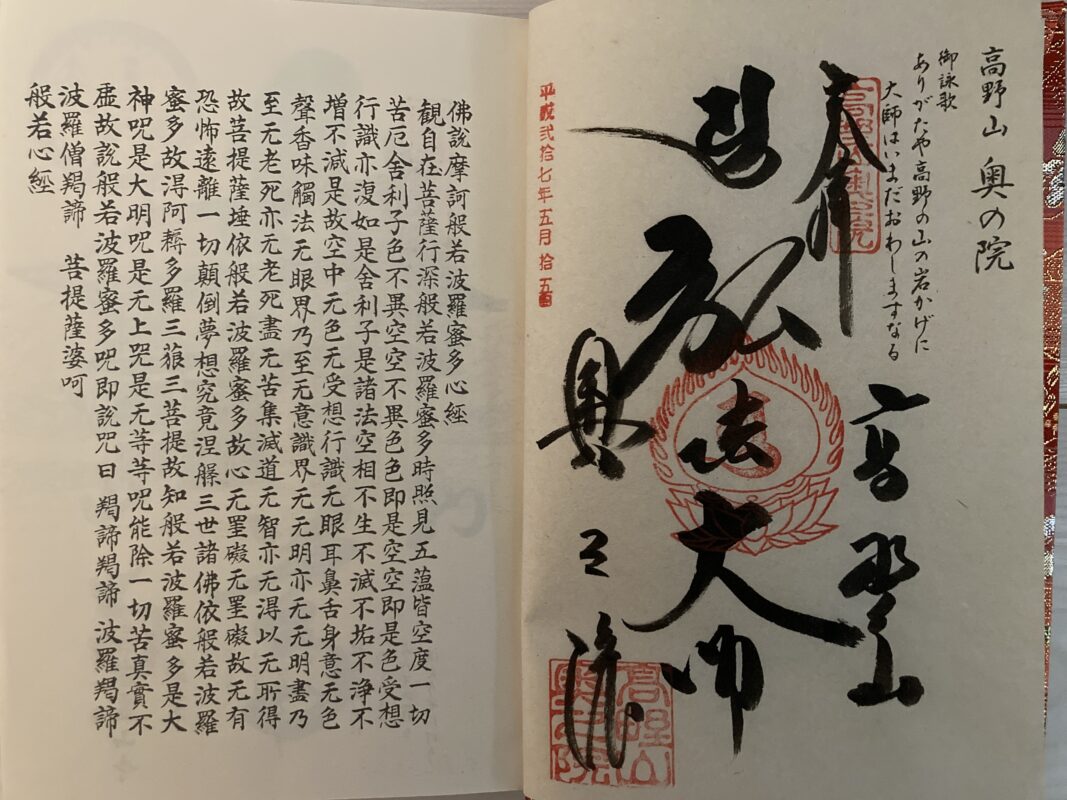
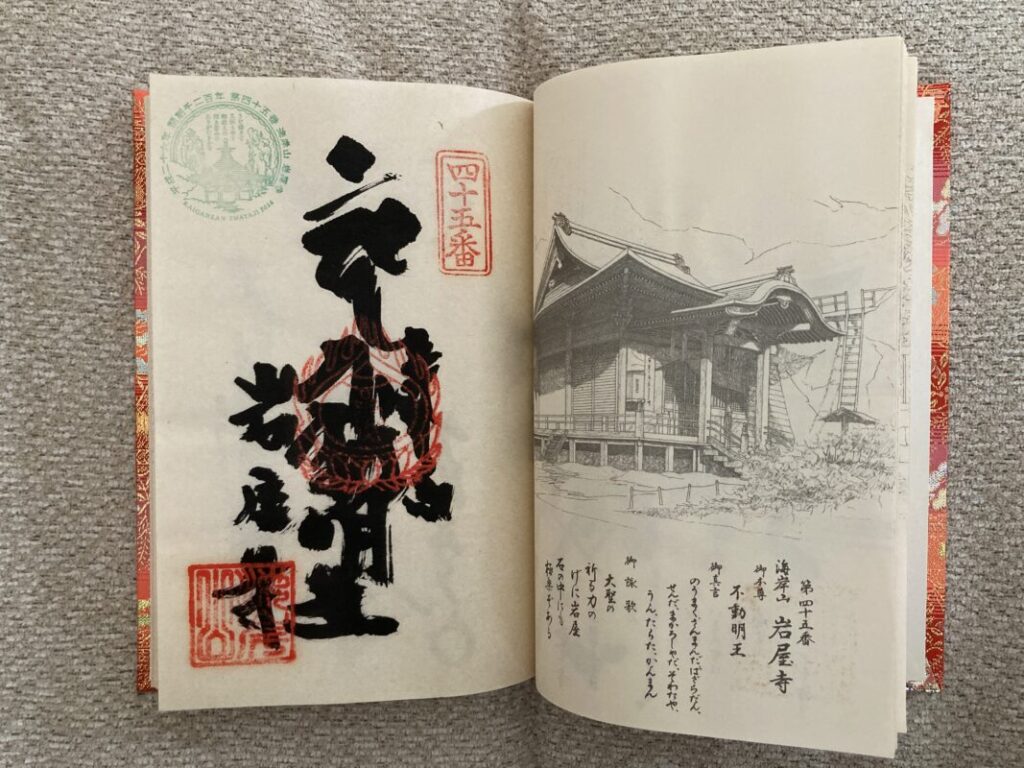
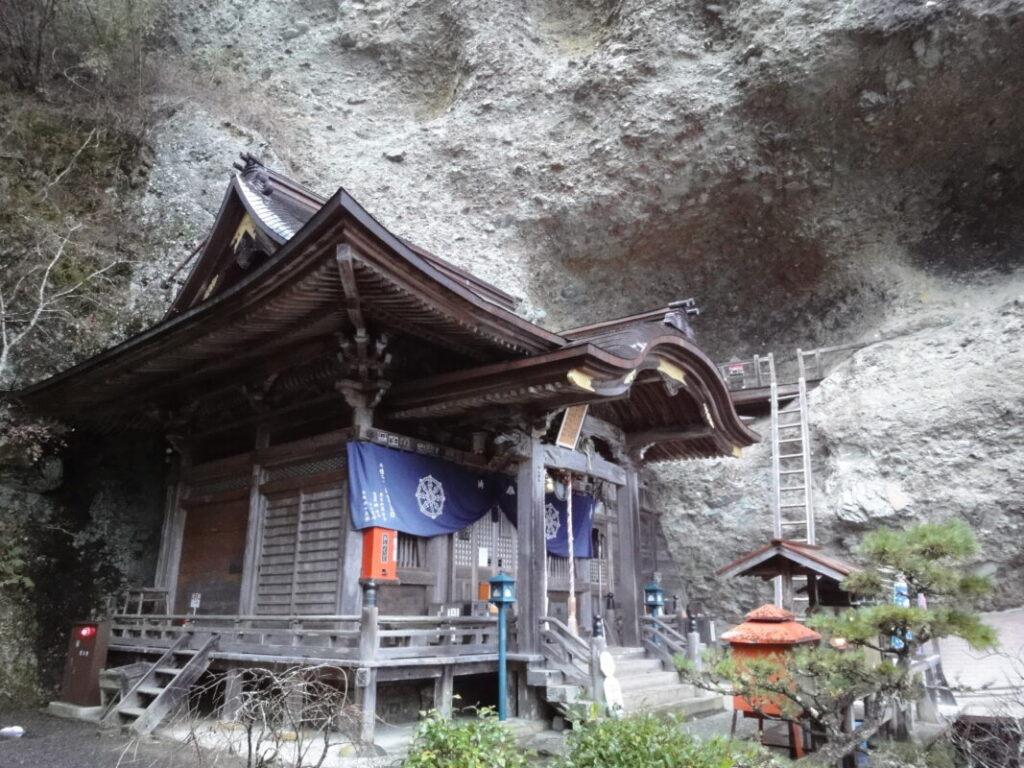
Each goshuin includes elegant handwritten calligraphy, such as the temple’s name and the name of its principal deity, together with seals unique to that temple. Although all 88 temples belong to the same pilgrimage, every goshuin has its own distinctive style. By the time you complete the pilgrimage, your nokyocho will have become a one-of-a-kind record of your journey.
A Goshuin Is Different from a Tourist Stamp
A goshuin is not the same as a souvenir stamp found at tourist attractions. Rather than being a collectible or commemorative stamp, it is a sacred record acknowledging that you have worshipped at the temple.
For this reason, the proper etiquette on the Shikoku Pilgrimage is to visit both the Main Hall and the Daishi Hall before going to the Nokyo Office. When receiving a goshuin, be respectful of the temple staff, wait quietly for your turn, and remember that receiving a goshuin is part of the religious tradition of the pilgrimage—not simply a sightseeing activity.
Should You Use a Goshuincho or a Nokyocho on the Shikoku Pilgrimage?
If you’re planning to collect goshuin during the Shikoku Pilgrimage, you may be wondering whether you should bring a goshuincho (goshuin stamp book) or a nokyocho (pilgrimage stamp book).
In short, a nokyocho is the standard choice for the Shikoku Pilgrimage. While you can certainly receive goshuin in a regular goshuincho, most pilgrims who intend to complete all 88 temples choose a nokyocho because it offers several advantages.
Below, we’ll explain the differences between the two and help you decide which is right for you.
Why Most Pilgrims Use a Nokyocho
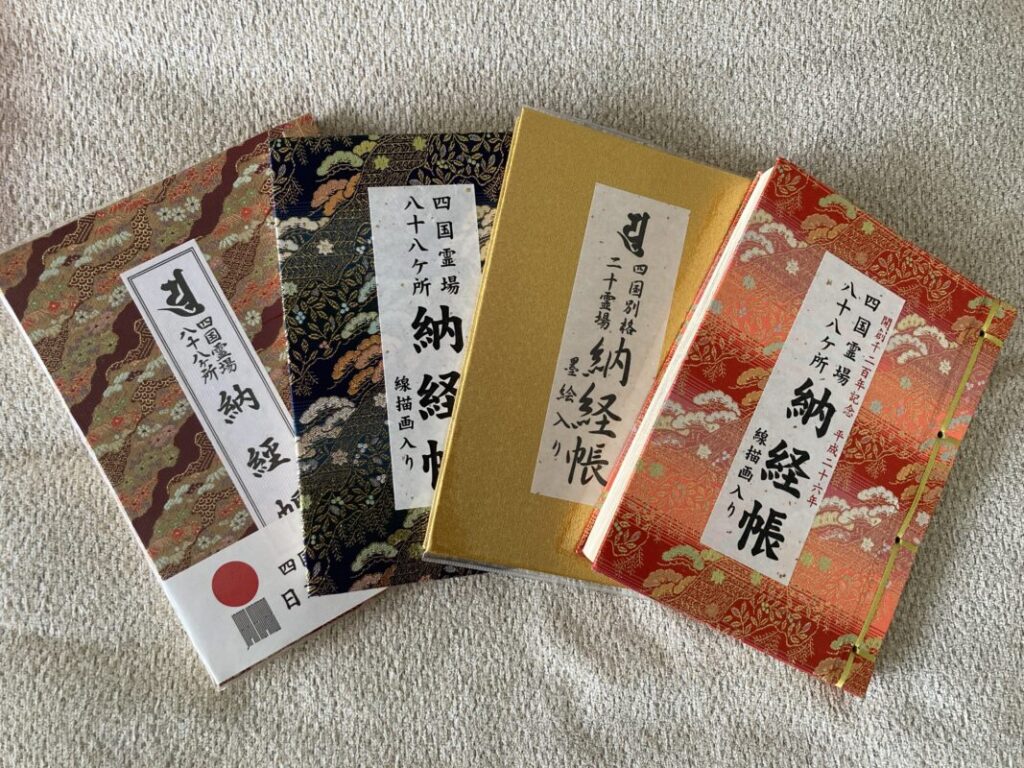
Most people walking or traveling the Shikoku Pilgrimage carry a nokyocho, a book designed specifically for the 88-temple pilgrimage.
A nokyocho is laid out with the entire pilgrimage in mind. It contains enough pages for goshuin from all 88 temples, and the pages are arranged so you can collect them in order, from Temple No. 1 to Temple No. 88. Many editions also feature covers and bindings inspired by the pilgrimage itself.
After completing the pilgrimage, many pilgrims keep their nokyocho as one of their most treasured souvenirs—a permanent record of the journey they completed.
Can You Complete the 88-Temple Pilgrimage with a Goshuincho?
Yes. You can receive goshuin from all 88 temples in a regular goshuincho if you prefer.
Some people who already collect goshuin from temples and shrines throughout Japan simply continue using the same goshuincho during the Shikoku Pilgrimage. In general, the temples do not require you to use a nokyocho in order to receive a goshuin.
However, many standard goshuincho contain fewer pages than a dedicated nokyocho. As a result, you may need multiple books to collect goshuin from all 88 temples. It can also be more difficult to keep the goshuin in pilgrimage order.
If you plan to complete the entire 88-temple pilgrimage, a nokyocho is generally the more practical and convenient option.
If you’d like to learn more about the different types of nokyocho and how to choose one, we’ve covered the topic in a separate guide.
How to Receive a Goshuin at the 88 Temples of the Shikoku Pilgrimage
At each of the 88 temples on the Shikoku Pilgrimage, you can receive a goshuin at the Nokyo Office (Nokyo-sho) after completing your worship. Even if it’s your first pilgrimage, the process is straightforward once you know the basic steps.
The Process of Receiving a Goshuin
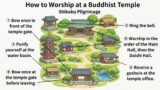
The typical procedure for receiving a goshuin during the Shikoku Pilgrimage is as follows:
- Enter the temple grounds through the Sanmon (main gate).
- Purify your hands and mouth at the Chozuya (purification fountain), if one is available.
- Offer your prayers at the Main Hall (Hondo).
- Visit the Daishi Hall (Daishido) and pay your respects.
- Go to the Nokyo Office.
- Hand over your nokyocho or goshuincho and pay the nokyo fee.
- Receive the handwritten calligraphy and official red seal.
The proper etiquette on the Shikoku Pilgrimage is to visit both the Main Hall and the Daishi Hall before requesting your goshuin.
When the temple is not busy, the entire process usually takes only a few minutes. However, during the peak pilgrimage seasons in spring and autumn, as well as on Japanese public holidays, you may have to wait longer.
Related Articles
When to Hand Over Your Nokyocho
After worshipping at both the Main Hall and the Daishi Hall, take your nokyocho or goshuincho to the Nokyo Office.
Open the book to the next blank page before handing it to the staff, then pay the required nokyo fee. While the temple staff prepare the calligraphy and seal, wait quietly and respectfully.
If the Nokyo Office is busy, you may be able to leave your book with the staff, complete your worship if you have not already done so, and return later to collect it.
When I completed the Shikoku Pilgrimage on foot, I usually received my goshuin within about five minutes. However, on days with many pilgrims or large tour groups, the waiting time could be considerably longer.
Nokyo Office Hours
At most of the 88 temples, the Nokyo Office is open from 8:00 a.m. to 5:00 p.m.
However, there are a few exceptions. For example, Temple No. 12, Shosan-ji, stops accepting requests at 4:30 p.m.
If you’re visiting temples in the mountains or following a tight schedule, it’s a good idea to allow extra time so you can reach the Nokyo Office before it closes.
How Much Does a Goshuin Cost on the Shikoku Pilgrimage?
To receive a goshuin at one of the 88 temples on the Shikoku Pilgrimage, you’ll need to pay a nokyo fee at the temple’s Nokyo Office (Nokyo-sho). The fees are set by the Shikoku Henro Association and are generally the same at every temple.
Below, you’ll find the current fees and the total cost of collecting goshuin from all 88 temples.
The Standard Nokyo Fee Is ¥500 per Temple
At the time of writing, the standard fee for receiving a goshuin in a nokyocho or goshuincho is ¥500 per temple.
Please note that these fees may change in the future, so it’s always a good idea to check the latest information with the individual temple or the Shikoku Henro Association before your trip.
The Total Cost for All 88 Temples
If you collect a goshuin at every one of the 88 temples, the total nokyo fees will be:
¥500 × 88 temples = ¥44,000
This amount covers only the goshuin fees and does not include the cost of purchasing a nokyocho or other pilgrimage items.
Fees Vary Depending on What You Have Stamped
A goshuin can be received not only in a nokyocho, but also on a pilgrimage scroll (kakejiku) or a pilgrim’s vest (byakue or han’i). The fee varies depending on the item.
| Item | Nokyo Fee |
|---|---|
| Nokyocho / Goshuincho | ¥500 |
| Additional stamp (Kasane-in) | ¥300 |
| Pilgrim’s vest (Byakue / Han’i) | ¥300 |
| Pilgrimage scroll (Kakejiku) | ¥700 |
Many pilgrims have their completed pilgrimage scroll professionally mounted after finishing all 88 temples and display it in their home as a lasting keepsake. A nokyocho, on the other hand, is lightweight, easy to carry, and remains the most popular choice—especially for first-time pilgrims.
Whichever option you choose, you can receive the same goshuin. However, most pilgrims prefer a nokyocho because it provides a convenient and well-organized record of their journey.
What Is a Kasane-in (Additional Stamp)?
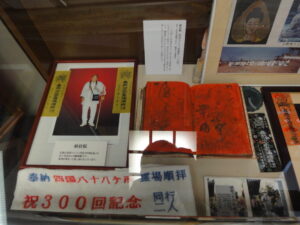
Many people complete the Shikoku Pilgrimage more than once. When returning with the same nokyocho, they typically receive a kasane-in (“additional stamp”).
Instead of writing new calligraphy over the existing entry, the temple usually adds only another red seal on top of the previous goshuin. Because no new brush calligraphy is written, the fee for a kasane-in is ¥300.
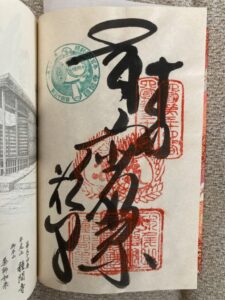
If you look through the nokyocho of an experienced pilgrim who has completed the Shikoku Pilgrimage many times, you’ll often see the same page covered with layers of overlapping red seals—a vivid record of repeated journeys around the 88 sacred temples.
Limited-Edition Commemorative Stamps on the Shikoku Pilgrimage
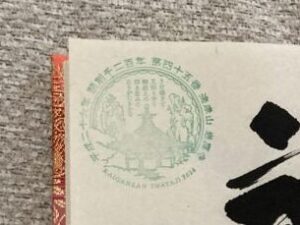
In addition to the standard goshuin (nokyo seal), the 88 temples of the Shikoku Pilgrimage occasionally offer limited-edition commemorative stamps to mark special milestones or significant events.
These commemorative stamps are usually issued for a limited period during occasions such as major pilgrimage anniversaries or special religious events. In most cases, they are stamped alongside the regular goshuin, making them a unique keepsake that is available only to pilgrims who visit during that specific period.
The 1,200th Anniversary Commemorative Stamp I Received
I completed the Shikoku Pilgrimage on foot in 2015, the year of the pilgrimage’s 1,200th anniversary.
During that year, every temple I visited stamped not only the regular goshuin but also a special 1,200th Anniversary commemorative seal.
Throughout my journey, temple staff and owners of pilgrim lodgings often told me, “There are far more pilgrims than usual this year.” That certainly matched my own experience. I met countless fellow pilgrims along the route, and conversations naturally began at rest areas and pilgrim accommodations. The anniversary year created a special atmosphere of shared purpose and camaraderie that made the journey even more memorable.
Receiving the commemorative stamp at each temple made my nokyocho even more meaningful, serving as a lasting reminder that I had completed the pilgrimage during one of its most significant milestone years.
Tips for Receiving Goshuin on a Walking Shikoku Pilgrimage
Unlike traveling the Shikoku Pilgrimage by car or tour bus, walking pilgrims cannot always arrive at each temple exactly as planned. Your pace can change depending on the weather, mountain trails, and your physical condition. For this reason, it’s important to build a flexible itinerary that allows enough time to receive your goshuin.
Here are a few tips that first-time walking pilgrims should keep in mind.
Always Check the Nokyo Office Hours
Every temple on the Shikoku Pilgrimage has set opening hours for its Nokyo Office. If you arrive after the office has closed, you won’t be able to receive a goshuin that day.
When walking the pilgrimage, steep climbs, rough trails, or bad weather can easily slow your progress more than expected.
If you’re planning to visit a mountain temple in the afternoon, be sure to check the Nokyo Office’s closing time in advance and allow yourself plenty of time to arrive before it closes.
Don’t Close Your Book Until the Ink Is Dry
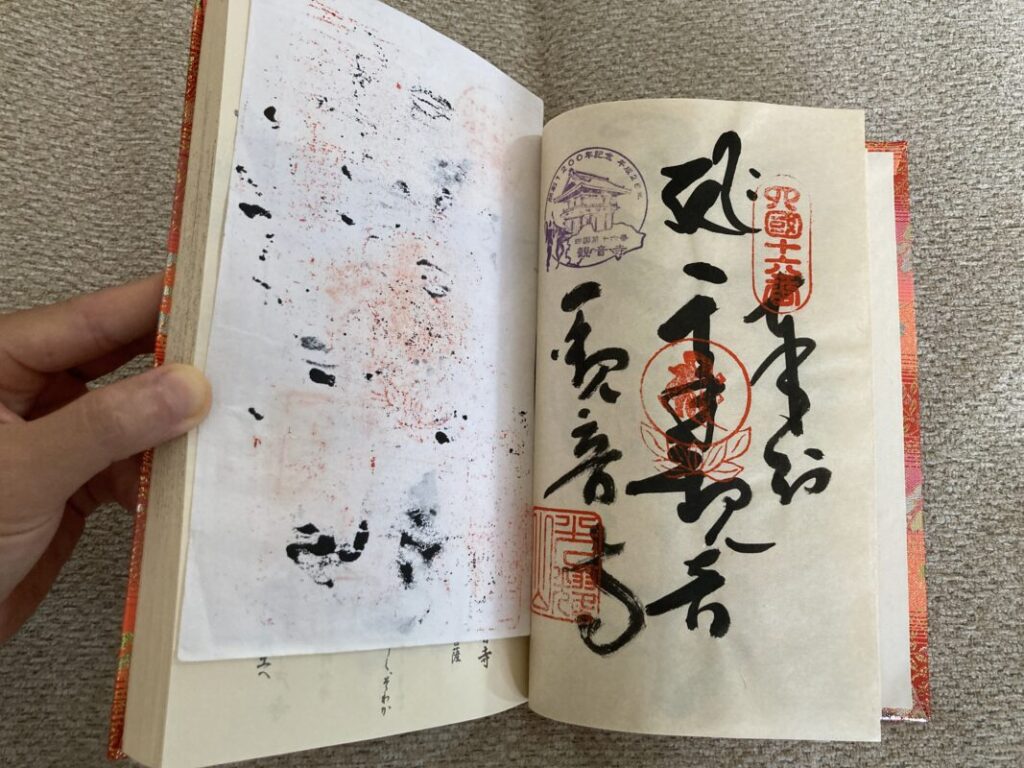
The calligraphy and red seal on a freshly written goshuin may still be wet. If you close your nokyocho immediately, the ink or seal can transfer onto the opposite page and damage your record.
Many Nokyo Offices provide a hair dryer that pilgrims can use to dry the ink before putting their book away.
It’s also a good idea to place a sheet of thin paper—such as Japanese paper or even a piece of newspaper—between the pages. This helps prevent smudging if the ink hasn’t completely dried.
Protect Your Nokyocho from Rain
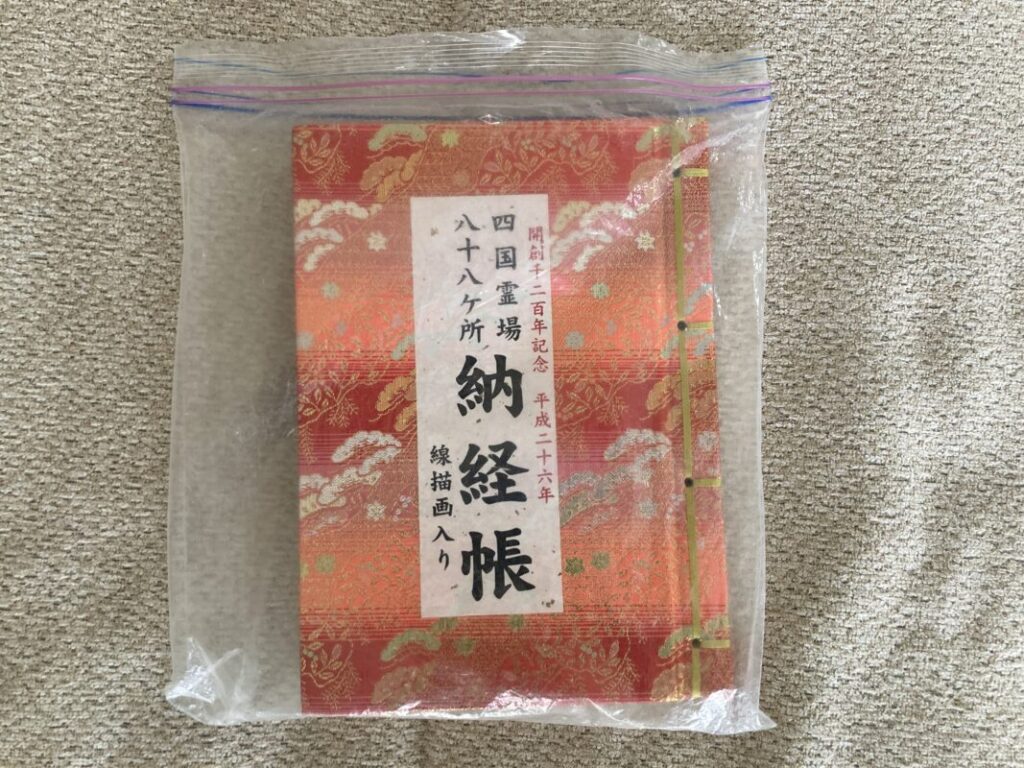
Sudden rain showers are common on the walking pilgrimage, so it’s worth taking steps to keep your nokyocho dry.
During my own pilgrimage, I kept my nokyocho inside a waterproof bag and stored it in a well-protected part of my backpack. Besides rain, it’s also important to keep it away from damp clothing, wet rain gear, and anything else that could cause moisture damage.
A little preparation will help ensure that your goshuin remain in excellent condition throughout your journey.
My Experience Collecting Goshuin at All 88 Temples
I completed the Shikoku Pilgrimage on foot and received a goshuin at every one of the 88 temples.
Even now, whenever I open my completed nokyocho, each page brings back vivid memories of the places I visited and the experiences I had along the way.
Here are a few reflections from collecting all 88 goshuin as a walking pilgrim.
Watching the Calligraphy Come to Life
One of my favorite moments at every temple was watching the staff at the Nokyo Office write the goshuin by hand.
Their brushstrokes were bold and confident, yet every character was written with remarkable care and precision. I often found myself completely absorbed in watching the calligraphy take shape before my eyes.
Even at the same temple, each person had their own distinctive style. The flow of the brush, the balance of the characters, and the varying shades of black ink made every goshuin unique. Watching the calligraphy being created—and even catching the faint scent of fresh ink—became one of the memorable experiences of my walking pilgrimage.
A Nokyocho That Tells the Story of My Journey
I still keep my completed nokyocho in a safe place.
Every now and then, I take it off the bookshelf and turn through its pages. The faint fragrance of incense still lingers, and somehow it brings me back to the days when I was walking the pilgrimage route.
To me, my nokyocho is much more than a book filled with goshuin. It is a tangible record of the approximately 1,200-kilometer (750-mile) journey I completed on foot—a reminder of every temple, every mountain pass, and every step along the Shikoku Pilgrimage.
Conclusion: The Shikoku Pilgrimage Is About More Than Collecting Goshuin
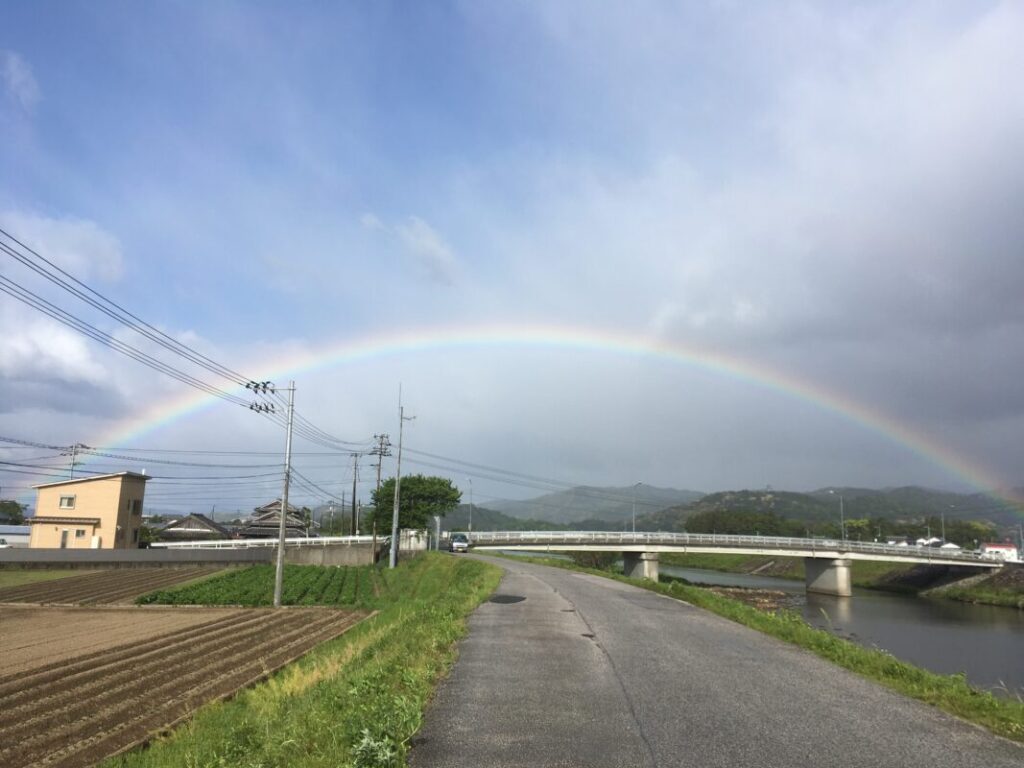
Collecting goshuin is one of the great joys of the Shikoku Pilgrimage, but in my experience, it is not the true purpose of the journey.
The long walks between temples, the people you meet along the way, the breathtaking scenery, and even the challenging mountain trails all become part of the pilgrimage. It is these experiences, accumulated step by step, that give each goshuin its deeper meaning.
When I look back through my completed nokyocho, I don’t think first about the stamps or the calligraphy. Instead, I remember the roads I walked, the kindness of the people I met, and the countless moments that shaped my pilgrimage.
If you’re planning to undertake the Shikoku Pilgrimage, I encourage you to enjoy the journey at your own pace rather than focusing solely on collecting goshuin. By the time you complete all 88 temples, your nokyocho will be far more than a book of temple seals—it will be a one-of-a-kind record of an unforgettable journey and a treasured keepsake you’ll cherish for years to come.
Related Articles
For a complete list of temple stamps from all 88 temples of the Shikoku Pilgrimage, see this article.
Shikoku 88 Temple Pilgrimage Goshuin | Temple Stamps Collection
Who Was Kūkai? Life, Teachings, and Connection to the Shikoku Pilgrimage.
Who Was Kūkai?
What Is a Pilgrim’s White Robe (Byakue)? Meaning, Benefits & Whether You Need One.
What Is a Pilgrim’s White Robe (Byakue)?
What Is Osamefuda? Meaning, Colors, Usage & Guide for Shikoku Pilgrimage.
Osamefuda
What Is a Kongozue? The Sacred Walking Staff of the Shikoku Pilgrimage.
Pilgrimage Staff