
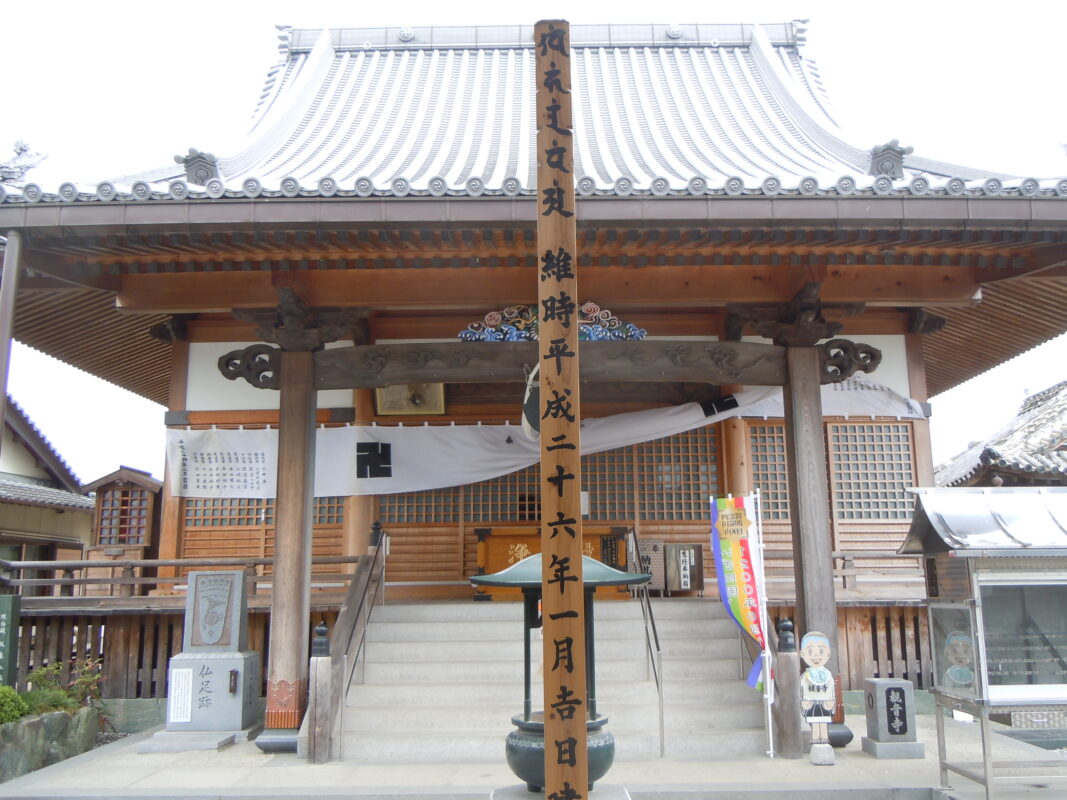
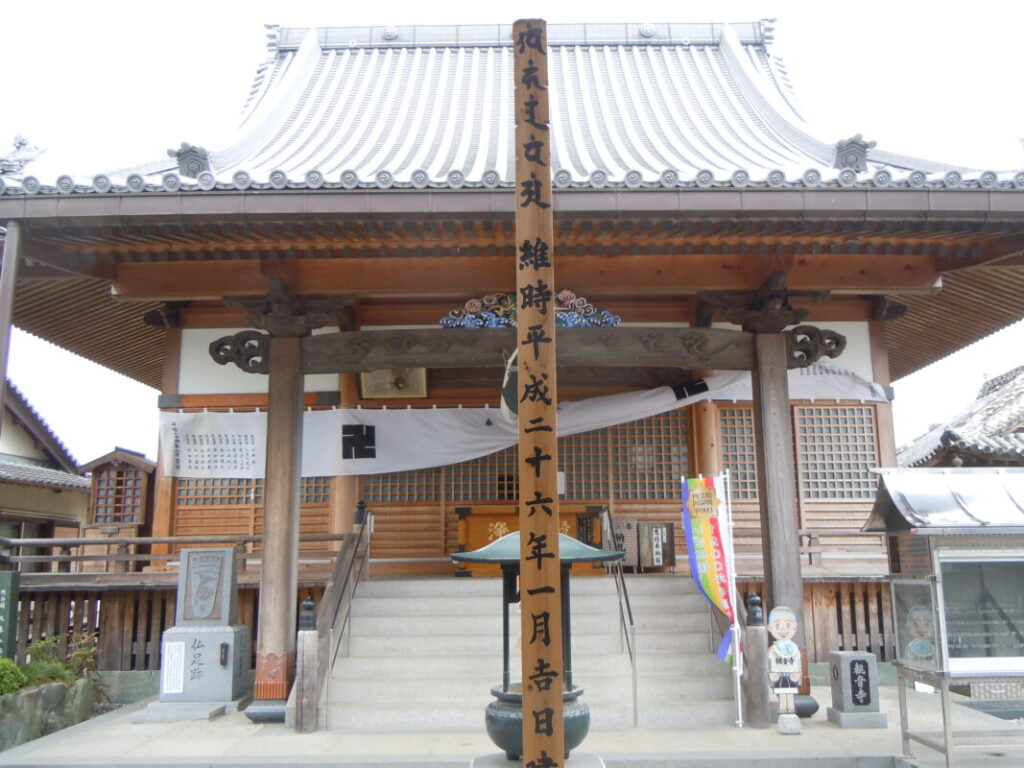
Kanonji Temple Information
Goshuin

- Omie
- 1,200th Anniversary Edition


Basic Information
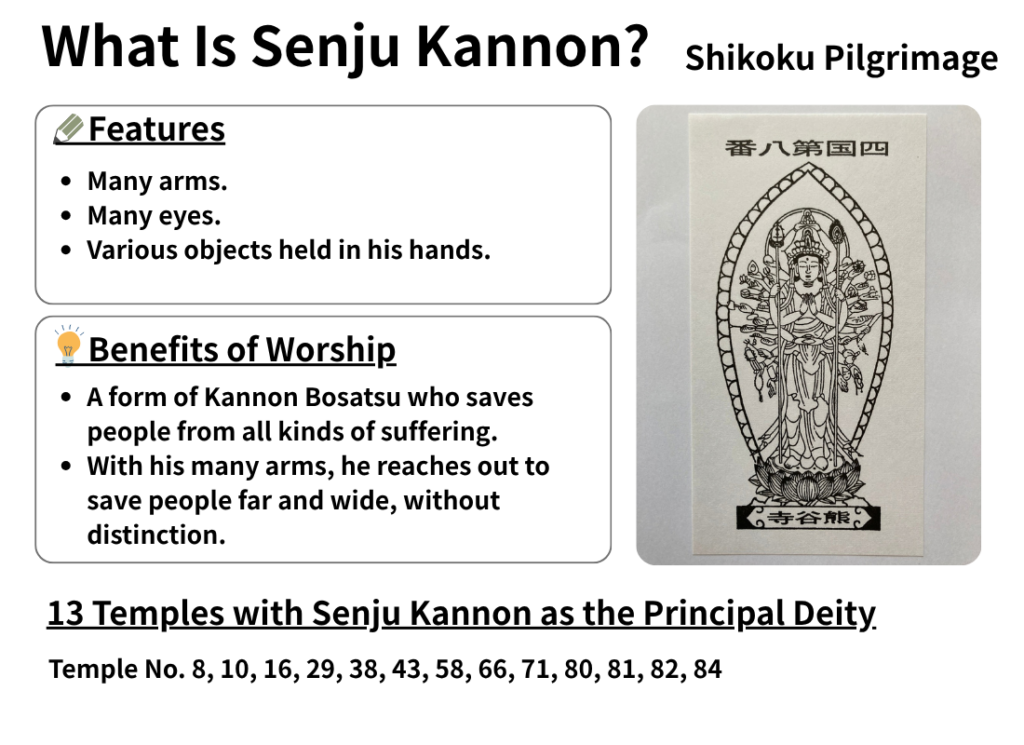
| Principal Deity | Thousand-Armed Avalokiteśvara |
| Elevation | 10 m |
| Google Maps | MAP |
Accommodation
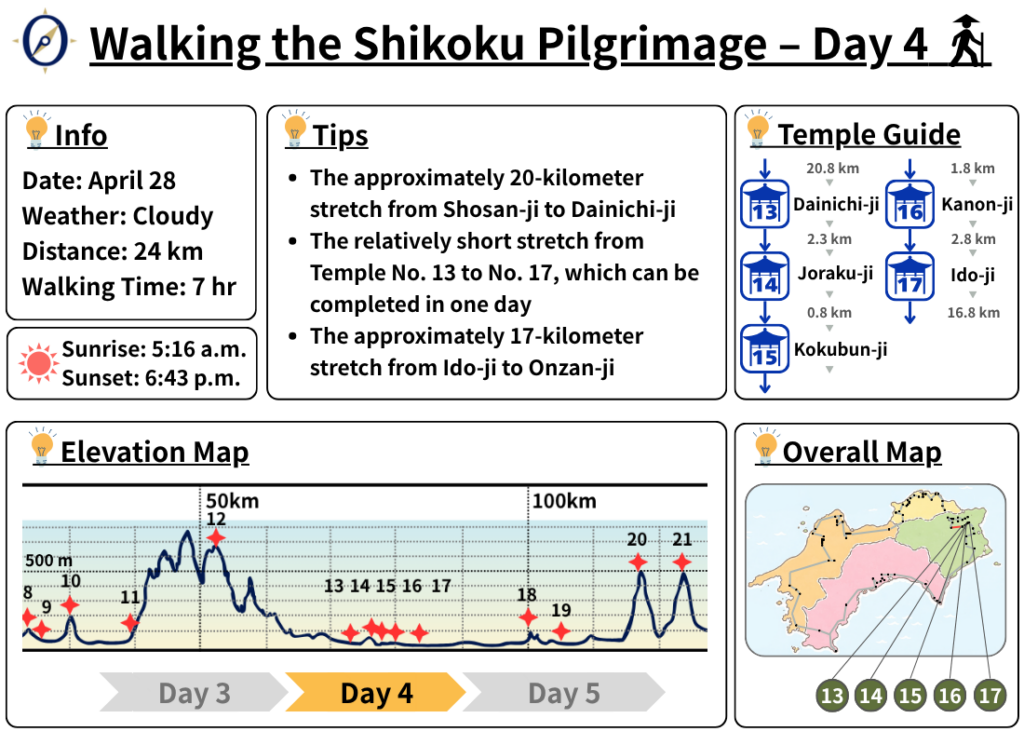
| Shukubo (Temple Lodging) | Not Available |
| Tsuyado (Free Pilgrim Shelter) | Not Available |
History & Highlights
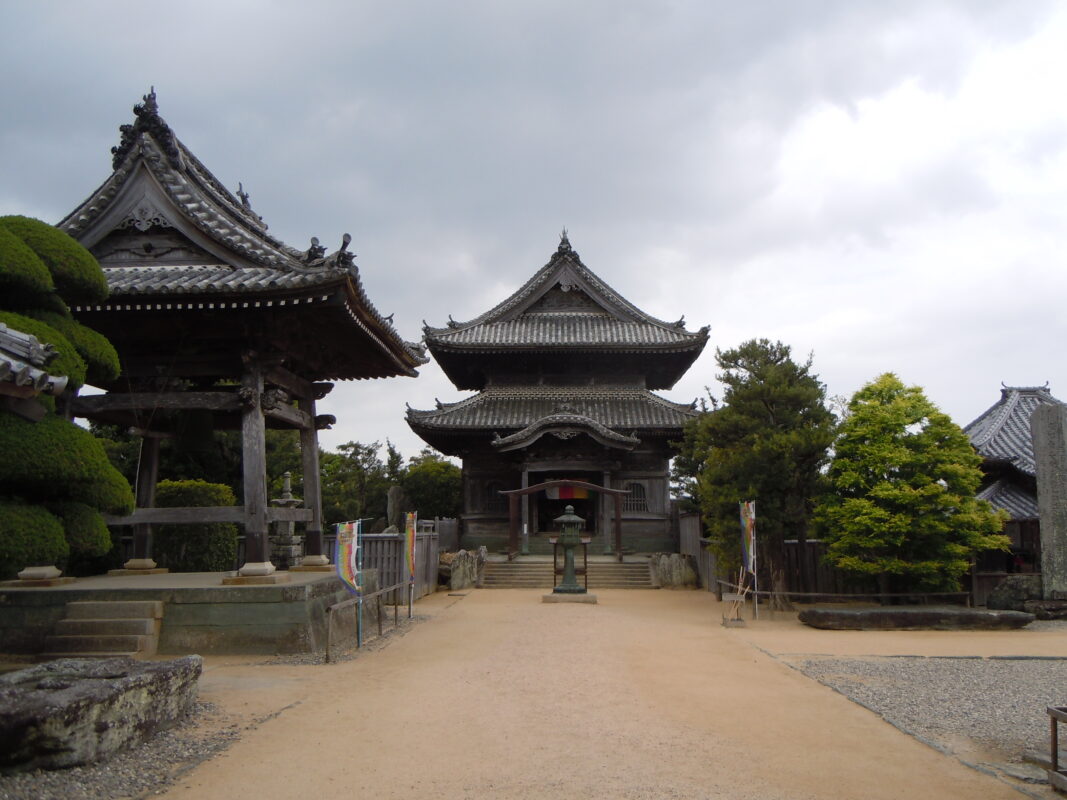
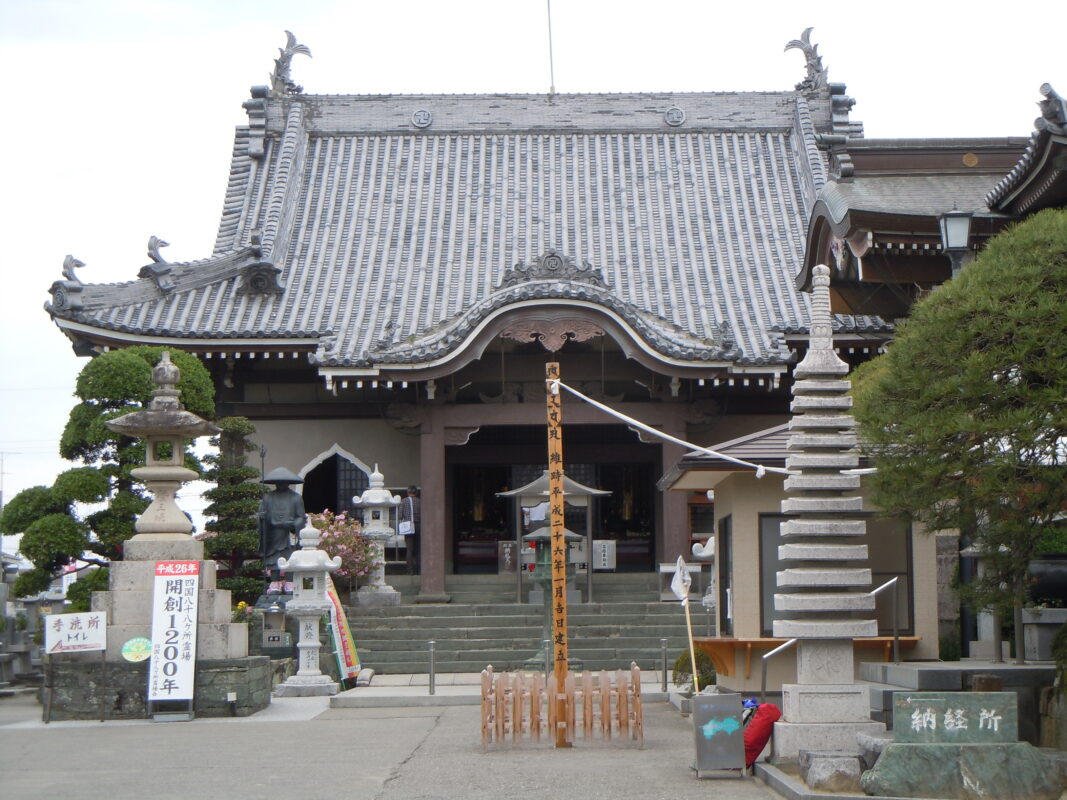
Kanonji is an ancient temple said to have been founded by Gyōki and later revived by Kōbō Daishi, who carved a statue of Senju Kannon (Thousand-Armed Avalokiteśvara) as the temple’s principal image. After being destroyed by fire during the Tenshō era, it was rebuilt in the Edo period. Today, its historic bell tower gate preserves the atmosphere of the temple’s long history.
Route Map, Distance & Travel Time
You can switch between the tabs to view the routes to the previous and next temples.
Select “Driving Route” from the map’s upper-left menu to display the driving route.
Click the Full Screen icon in the upper-right corner of the map to open it in Google Maps for a larger, easier-to-view map.
- From Previous Temple
- To Next Temple
Previous Temple: Kokubunji
| Distance | 1.8 km |
| Walking | 30 min |
| Driving | 10 min |
Next Temple: Idoji
| Distance | 2.8 km |
| Walking | 50 min |
| Driving | 20 min |
Transportation Guide
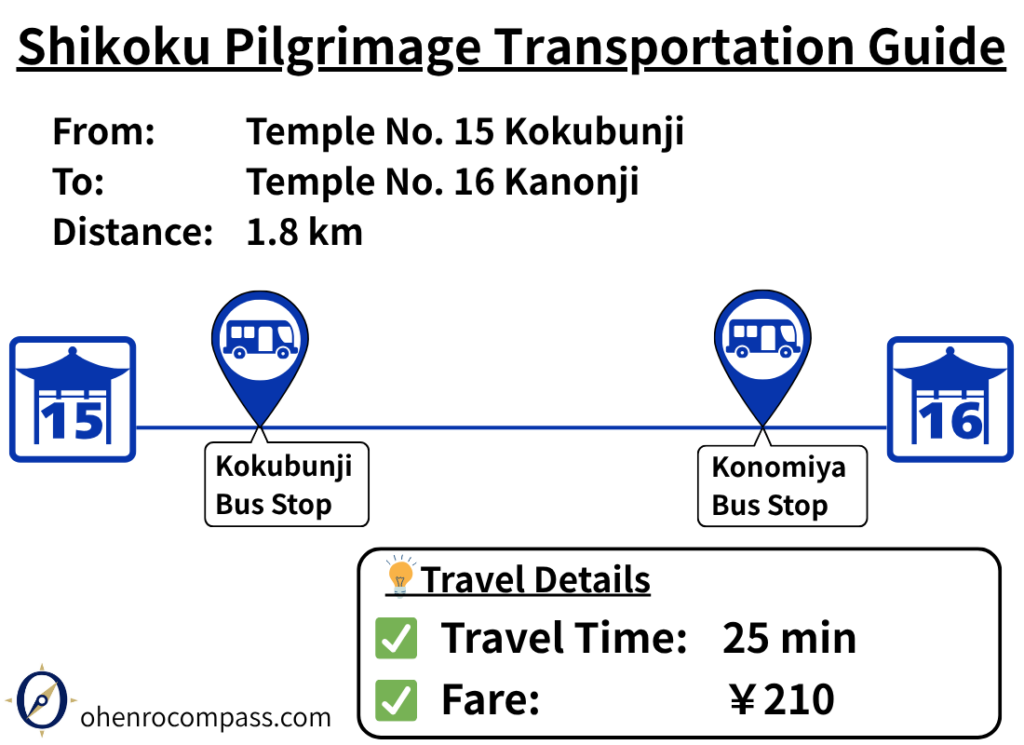
Travel from Kokubunji (15th Temple) to Kanonji (16th Temple) by bus in about 25 minutes for ¥210. Includes bus stops, timetable and a comparison with walking.
My Walking Experience
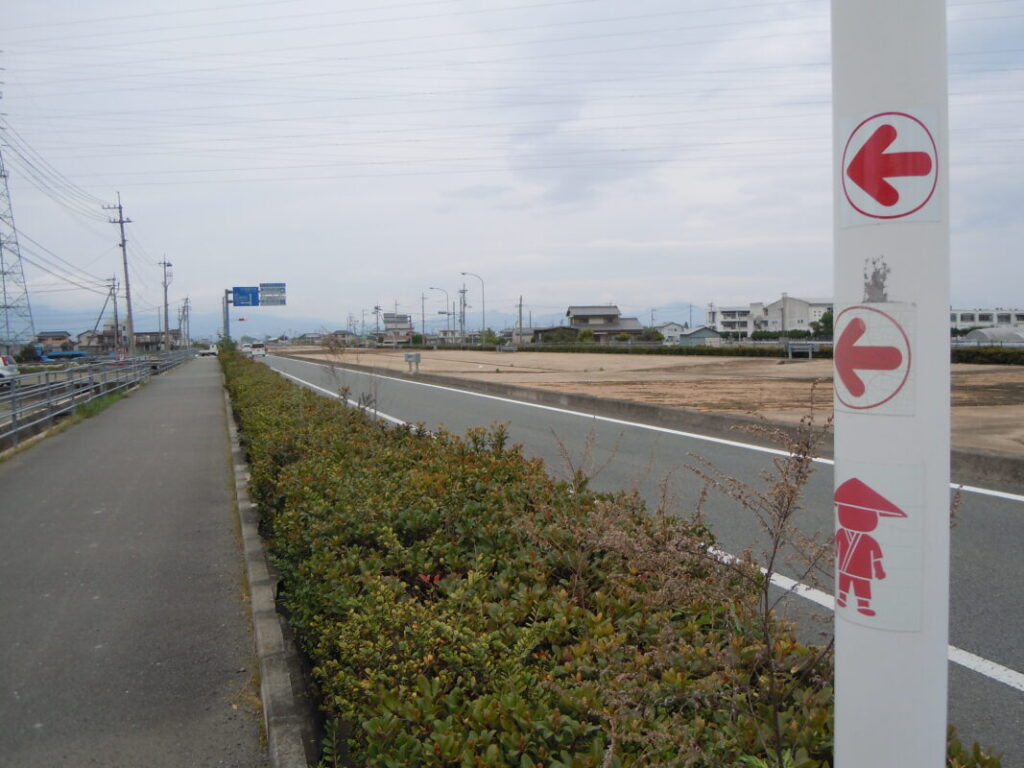
The route from Kokubunji to Kanonji is straightforward—simply head north. Along the way, you’ll cross National Route 192.
Since leaving Fujii-dera for Shosanji, much of the pilgrimage has followed mountain trails and quiet rural roads. From this point onward, however, the route enters a more urban area, where you’ll find an increasing number of restaurants, convenience stores, and other services. It’s a good opportunity to stock up on food, drinks, or any other supplies you may need.
At the same time, you’ll also encounter busier roads with heavier traffic. Be sure to stay alert and take extra care when walking alongside or crossing roads used by cars.
Useful Facilities Between Pilgrimage Temples
Find useful facilities along the pilgrimage route, including toilets and rest areas.
Loading rest spots...
Looking for More Places to Take a Break?
Explore our guide to rest stops, hot springs, campsites, and other useful places for pilgrims walking the Shikoku Pilgrimage.
Nearby Accommodation
Here are some accommodation options near this temple that may be convenient for pilgrims. If you are planning to stay overnight, we hope you find this list helpful.
Looking for more accommodation options?
Visit our Pilgrim Accommodation Guide to explore more places to stay along the Shikoku Pilgrimage. You can search by location, accommodation type, price range, facilities, and more.

Additional Information
Related Articles
Shikoku 88 Temple Pilgrimage Route: Full List, Distance & Walking Time Guide.
Temple List and Full Route
Why Do Some Temples Have the Same Name on the Shikoku Pilgrimage?
Why Do Temples Have the Same Name?


Comments