
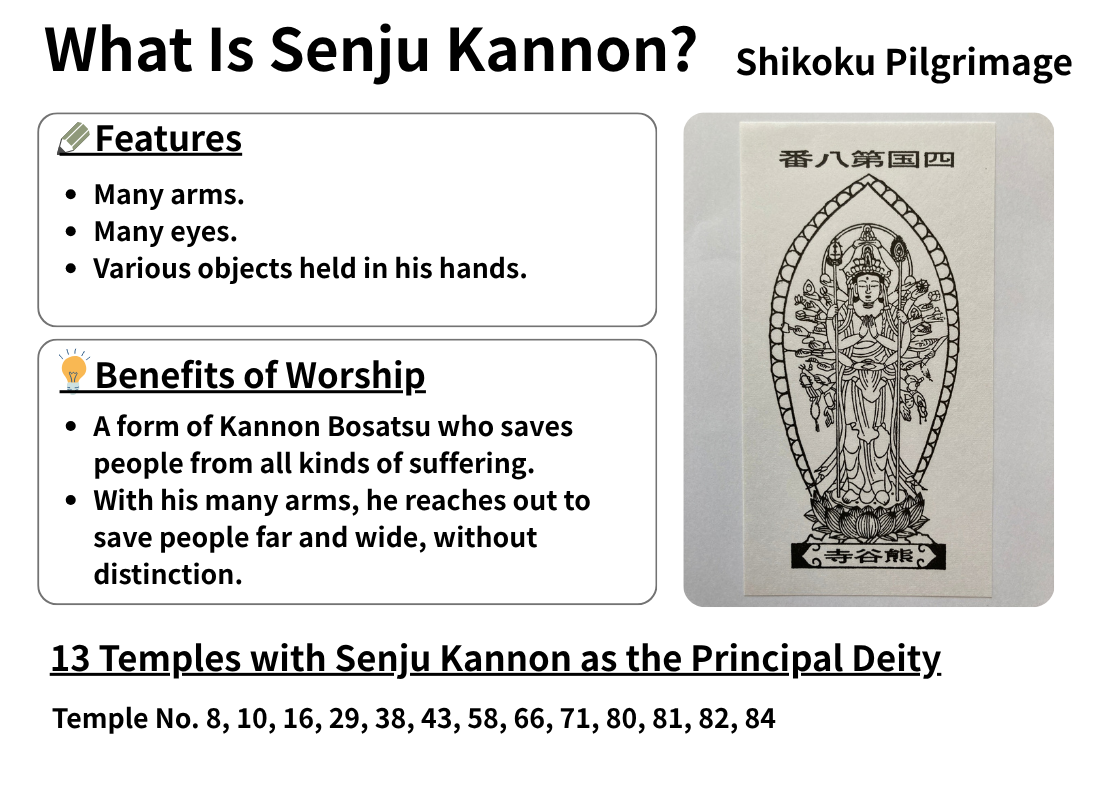
As you travel around the Shikoku 88 Temple Pilgrimage, you will notice that various Buddhist deities are enshrined as the principal deity at different temples.
Among them, one of the deities enshrined at many temples is Senju Kannon (Kanzeon Bosatsu with a Thousand Arms).
As the name suggests, Senju Kannon is known as a form of Kannon Bosatsu with “a thousand arms.” With his many arms and eyes, he has long been worshipped as a Buddhist deity who responds to the suffering and prayers of people from all walks of life and offers them salvation.
On the Shikoku 88 Temple Pilgrimage, there are 13 temples where Senju Kannon is enshrined as the principal deity, including not only the traditional Senju Kannon, but also Sanmen Senju Kannon (Three-Faced Kannon with a Thousand Arms) and Juichimen Senju Kannon (Eleven-Faced Kannon with a Thousand Arms).
In this article, we will introduce the distinctive features and meaning of Senju Kannon, his mantra, and the temples on the Shikoku Pilgrimage where Senju Kannon is enshrined as the principal deity.
What Is Senju Kannon?
Senju Kannon is a form of Kannon Bosatsu, formally known as Senju Sengen Kanzeon Bosatsu (Kannon with a Thousand Arms and a Thousand Eyes).
“Senju” literally means “a thousand arms.”
Each hand is said to hold a different object used to help and save people. Senju Kannon is also sometimes depicted with an eye in each hand.
This represents the compassion of Senju Kannon: watching over people in every direction and reaching out with countless hands to save those in need.
In actual Buddhist statues, Senju Kannon does not necessarily have exactly one thousand arms. Many statues are depicted with numerous arms spreading out around the two central hands, creating the distinctive appearance associated with Senju Kannon.
What Does Senju Kannon Look Like?
One of the most distinctive features of Senju Kannon is the many arms and eyes.
Senju Kannon’s “thousand arms” symbolize the power to save people from various forms of suffering. They are thought to represent the boundless compassion of Kannon Bosatsu, allowing him to reach out to people wherever they may be.
Senju Kannon is also known as “Senju Sengen Kannon,” meaning Kannon with a Thousand Arms and a Thousand Eyes. The many eyes symbolize the ability to see people’s suffering and difficult circumstances and reach out with a helping hand according to each person’s needs.
The hands of Senju Kannon are depicted holding various objects, including lotus flowers, dharma wheels, and vajras. These objects are believed to symbolize different powers and functions.
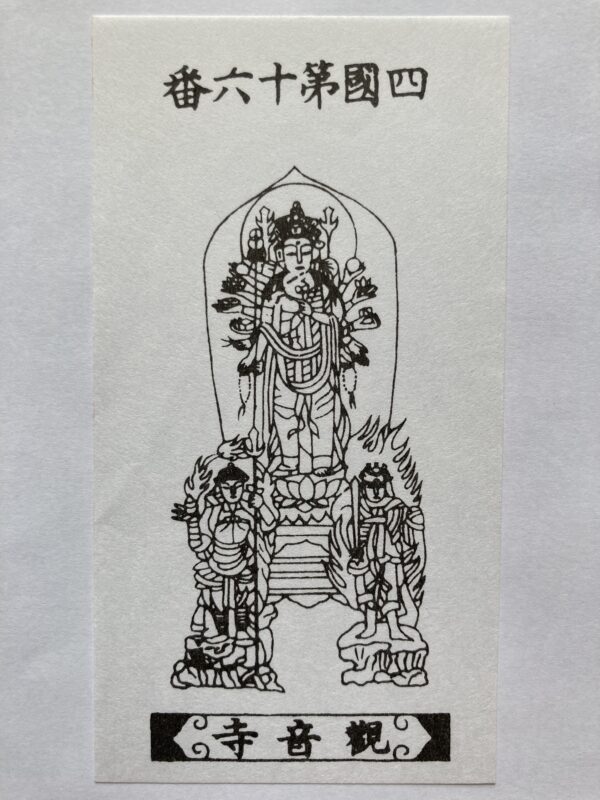
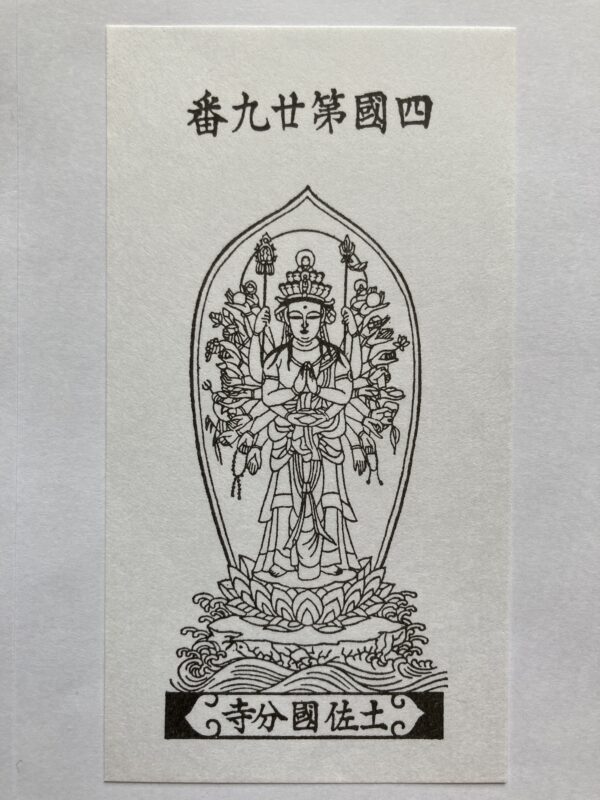
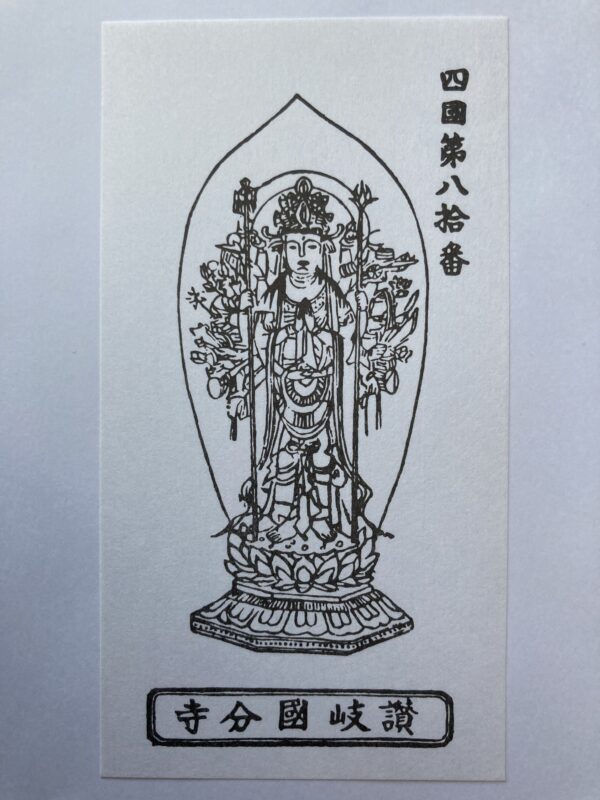
Omie






On Bazara Tarama Kiriku
- A form of Kannon Bosatsu who saves people from all kinds of suffering
- With his many arms, he reaches out to save people far and wide, without distinction
What Does Senju Kannon Save People From?
Senju Kannon has long been worshipped as a form of Kannon Bosatsu who saves people from all kinds of suffering.
In Buddhism, Kannon Bosatsu is said to appear in different forms according to the needs of those he seeks to save, reaching out to beings living in various realms, not only human beings.
Among these forms, Senju Kannon, with his many arms, symbolizes compassion that reaches out widely to save all people.
For this reason, Senju Kannon has been worshipped since ancient times by people with many different kinds of hopes and prayers.
Temples Where Senju Kannon Is the Principal Deity on the Shikoku 88 Temple Pilgrimage
There are 13 temples on the Shikoku 88 Temple Pilgrimage where Senju Kannon is enshrined as the principal deity.
Tokushima Prefecture
No. 8 Kumatani-ji
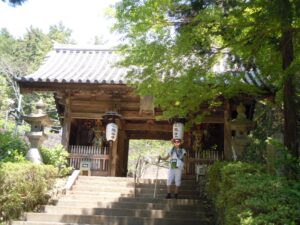
Kumatani-ji is traditionally said to have been founded when Kobo Daishi carved a statue of Senju Kannon from a sacred tree, making one stroke of the carving tool and offering three prayers with each stroke. The statue was enshrined as the temple’s principal deity.
No. 10 Kirihata-ji
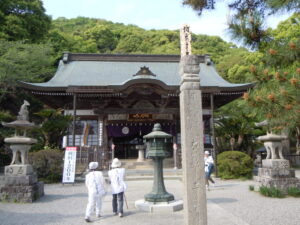
The principal deity of Kirihata-ji is Senju Kanzeon Bosatsu. The temple is known as a sacred site with a deep connection to the worship of Kannon.
No. 16 Kanon-ji
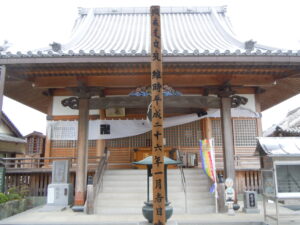
The temple’s history is recorded in the Kanon-ji Engi, which states that Kobo Daishi carved a statue of Senju Kannon and enshrined it as the temple’s principal deity.
Kochi Prefecture
No. 29 Kokubun-ji
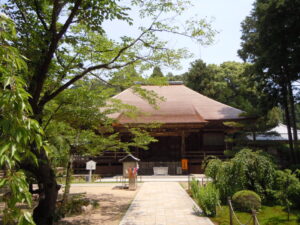
The principal deity of Tosa Kokubun-ji is Senju Kanzeon Bosatsu. The temple’s current main hall is designated as an Important Cultural Property of Japan.
No. 38 Kongofuku-ji
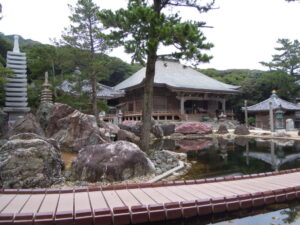
The principal deity of Kongofuku-ji is a slightly different form of Senju Kannon known as Three-Faced Kannon with a Thousand Arms.
Kobo Daishi is traditionally said to have recognized this area as a Pure Land of Kannon, carved a statue of Sanmen Senju Kanzeon Bosatsu, and enshrined it here.
Ehime Prefecture
No. 43 Meiseki-ji
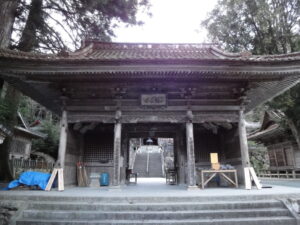
At Meiseki-ji, Senju Kanzeon Bosatsu is enshrined as the principal deity.
No. 58 Senyu-ji
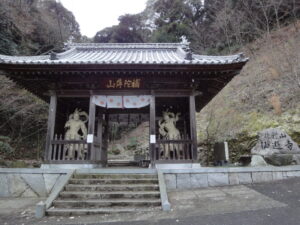
According to the temple’s tradition, the statue of Senju Kannon enshrined as the principal deity was once the personal Buddhist image of Emperor Tenji. Legend has it that the statue was carved by a dragon princess, who made one stroke of the carving tool and offered three prayers with each stroke.
Kagawa Prefecture
No. 66 Unpen-ji
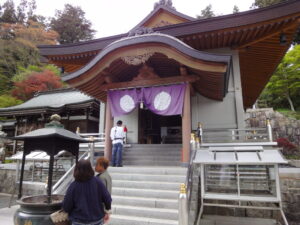
Unpen-ji stands at an elevation of 911 meters and is the highest temple among the 88 temples of the Shikoku Pilgrimage.
The seated statue of Senju Kannon, enshrined as the principal deity, is one of the temple’s most representative Buddhist statues.
No. 71 Iyadani-ji
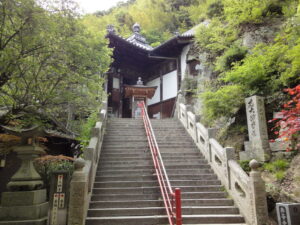
At Iyadani-ji, the temple’s history tells that a statue of Senju Kannon was enshrined in a rock cave behind the main hall.
No. 80 Kokubun-ji
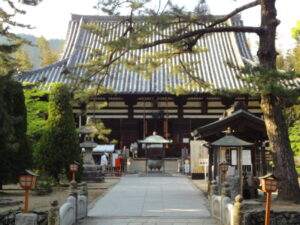
This is Sanuki Kokubun-ji, which is different from Temple No. 29, Tosa Kokubun-ji.
The principal deity here is Eleven-Faced Kannon with a Thousand Arms. This form of Kannon combines the distinctive features of both Eleven-Faced Kannon and Senju Kannon (Kannon with a Thousand Arms).
No. 81 Shiromine-ji
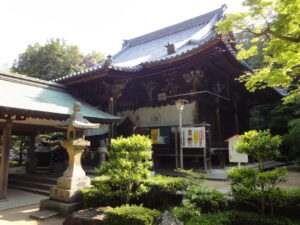
The statue has long been worshipped as a “substitute Kannon,” believed to take on the suffering or misfortune of those who pray to it.
Every year on July 10, a festival is held in honor of the principal deity, Senju Kannon, and the statue is opened to the public on this special occasion.
No. 82 Negoro-ji
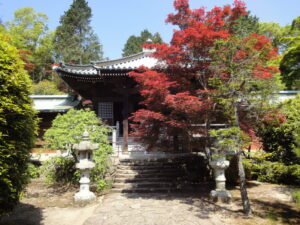
The principal deity of Negoro-ji is also Senju Kanzeon Bosatsu.
No. 84 Yashima-ji
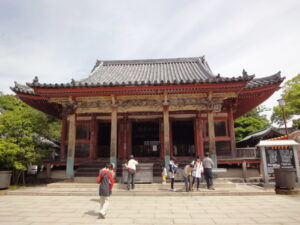
The principal deity of Yashima-ji is a seated statue of Eleven-Faced Kannon with a Thousand Arms.
Kobo Daishi is traditionally said to have carved the statue of Juichimen Senju Kannon and enshrined it as the temple’s principal deity. The statue currently enshrined at the temple is designated as an Important Cultural Property of Japan.
Conclusion
Senju Kannon has long been worshipped as a form of Kannon Bosatsu who saves people through his many arms and eyes.
On the Shikoku 88 Temple Pilgrimage, there are 13 temples where you can pray to Senju Kannon as the principal deity, including not only the traditional Senju Kannon, but also Sanmen Senju Kannon (Three-Faced Kannon with a Thousand Arms) and Juichimen Senju Kannon (Eleven-Faced Kannon with a Thousand Arms).
Even when the principal deity is Senju Kannon, the appearance of the statue, its history, and the traditions surrounding its worship can differ from one temple to another.
When visiting temples on the Shikoku Pilgrimage where Senju Kannon is enshrined, why not take some time to learn about each temple’s history and the story behind its principal deity?
Comments