
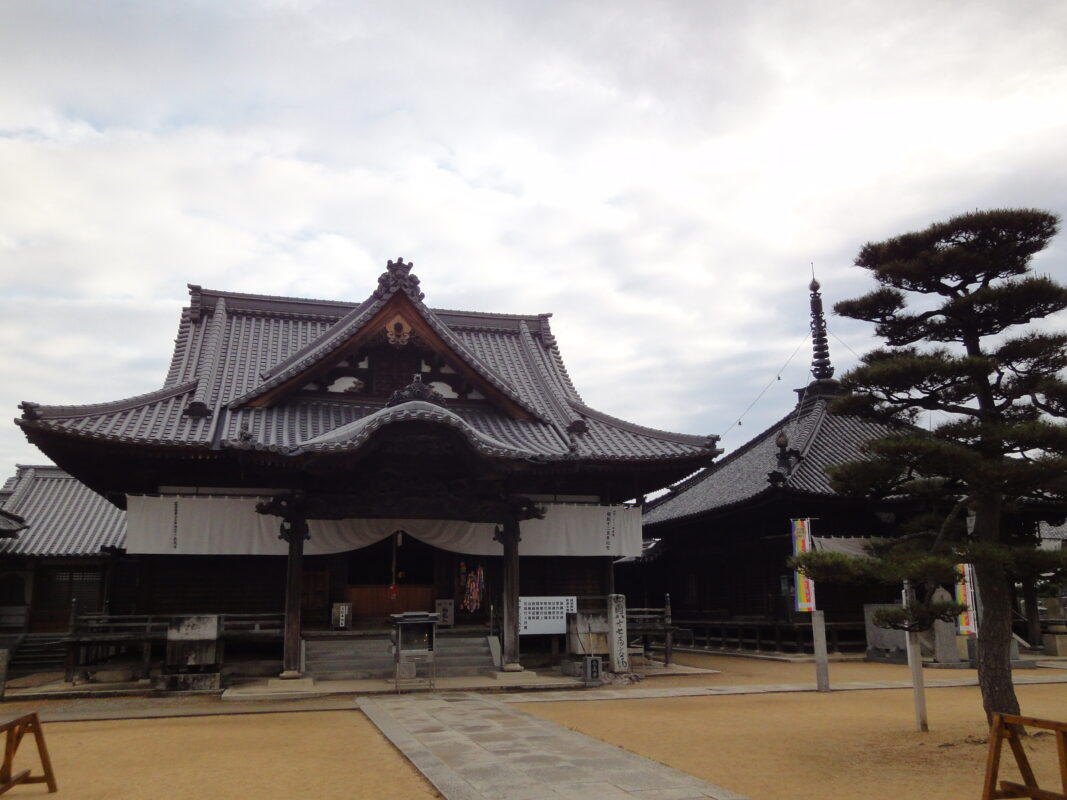
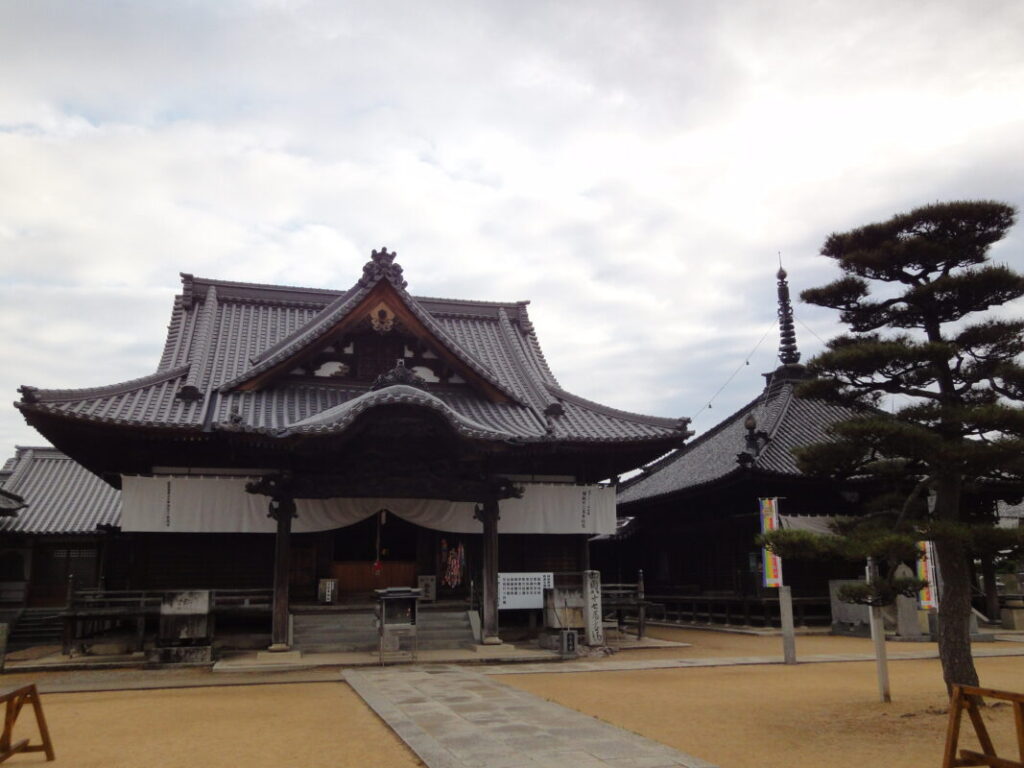
Nagaoji Temple Information
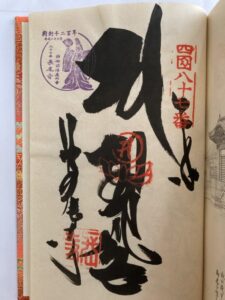
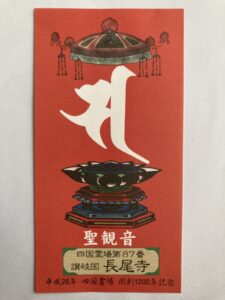
Goshuin
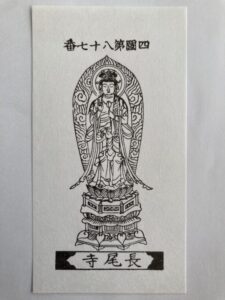
- Omie
- 1,200th Anniversary Edition
Basic Information
| Principal Deity | Sho Kannon Bosatsu |
| Elevation | 35 m |
| Google Maps | MAP |
Accommodation
| Shukubo (Temple Lodging) | Not Available |
| Tsuyado (Free Pilgrim Shelter) | Not Available |
History & Highlights
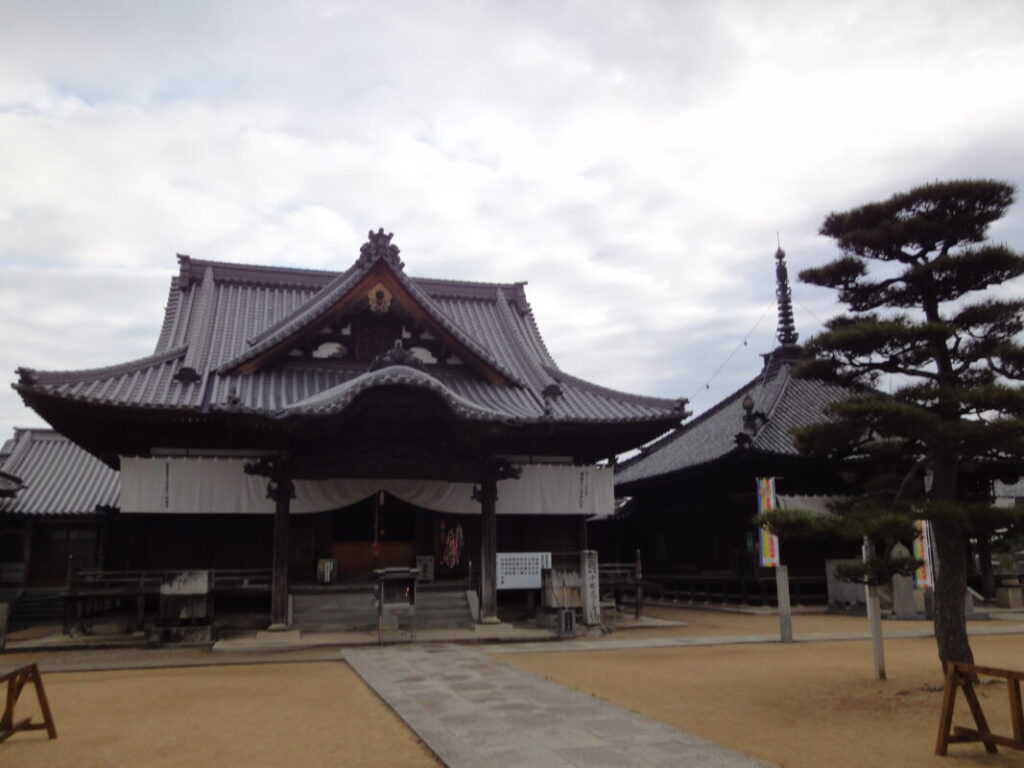
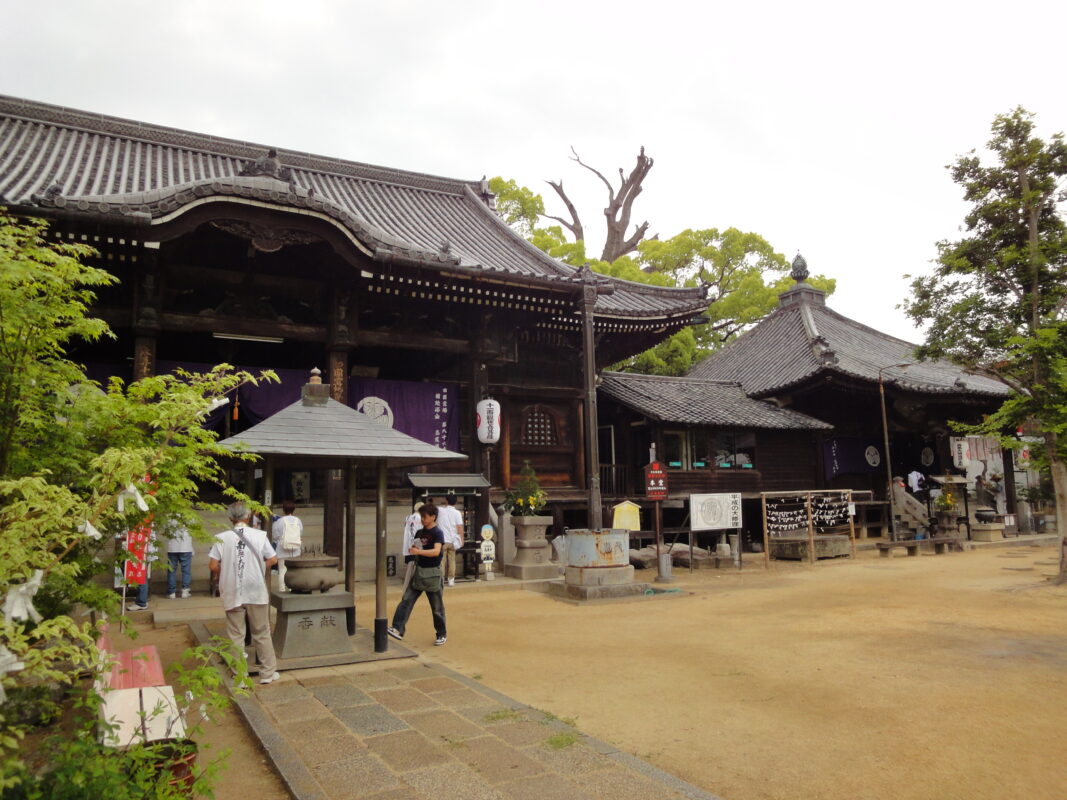
Nagaoji Temple is an ancient temple said to have been founded by the monk Gyoki during the Nara period. Kobo Daishi later performed goma fire rituals here, and after returning from Tang China, he dedicated a copy of the Dainichikyo (Mahavairocana Sutra), establishing the temple as a center of Shingon Buddhism. Although the temple was destroyed during periods of warfare, it was rebuilt in the Edo period and remains well known today for its annual New Year’s ceremony, Dai-Eyo.
Notes
Parking Fee: ¥200 per vehicle.
Route Map, Distance & Travel Time
You can switch between the tabs to view the routes to the previous and next temples.
Select “Driving Route” from the map’s upper-left menu to display the driving route.
Click the Full Screen icon in the upper-right corner of the map to open it in Google Maps for a larger, easier-to-view map.
- From Previous Temple
- To Next Temple
Previous Temple: Shidoji
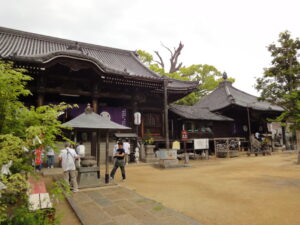
| Distance | 7 km |
| Walking | 2 hr |
| Driving | 15 min |
Next Temple: Okuboji
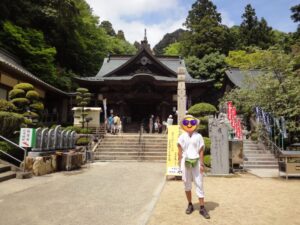
| Distance | 15.1 km |
| Walking | 4 hr 30 min |
| Driving | 40 min |
Transportation Guide
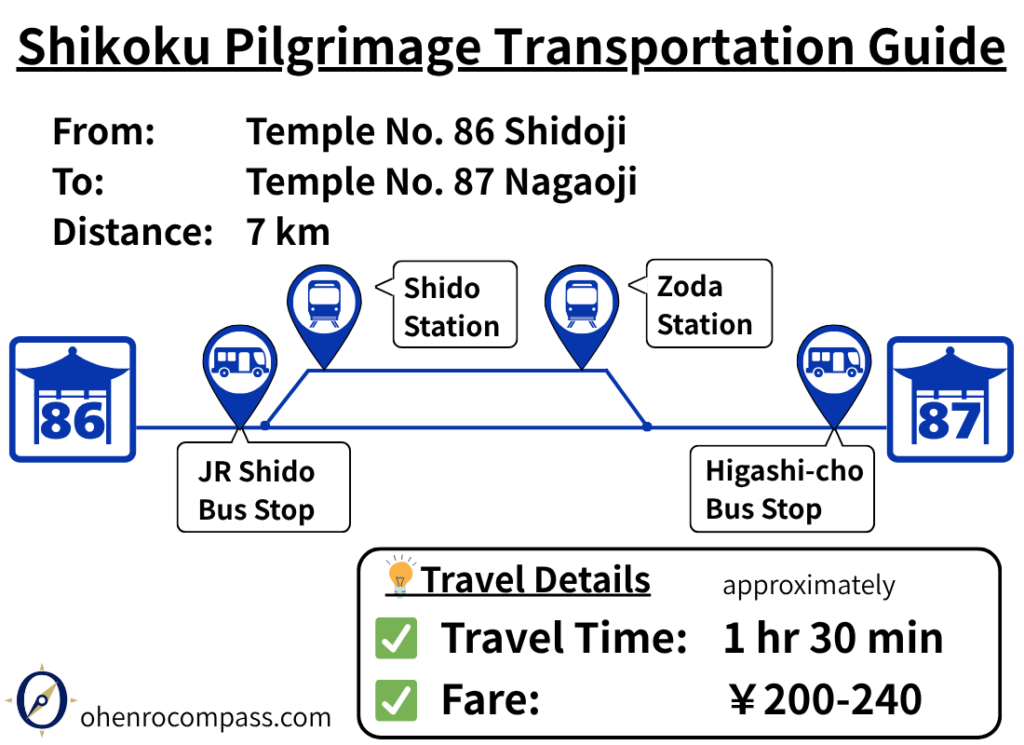
Travel from Temple 86, Shidoji, to Temple 87, Nagaoji by bus or train. Compare fares, travel times, walking distances, timetables, and the best option for your Shikoku Pilgrimage.
My Walking Experience
Nagaoji Temple is located approximately 7 km south of Shidoji Temple. The route is mostly straightforward, making it difficult to get lost.
The first half of the walk passes through the hills separating Shido and Nagao. After about 4 km, the landscape opens into the broad plains of Nagao. This is a peaceful section with expansive rice fields and several udon restaurants along the way, offering a chance to enjoy the rural scenery that Kagawa is known for.
This section also serves as a preparation stage for the final temple of the pilgrimage, Okuboji Temple. The distance from Nagaoji to Okuboji is about 15 km, which takes roughly five hours on foot. It is a good idea to stock up on food and drinks around Nagaoji before continuing.
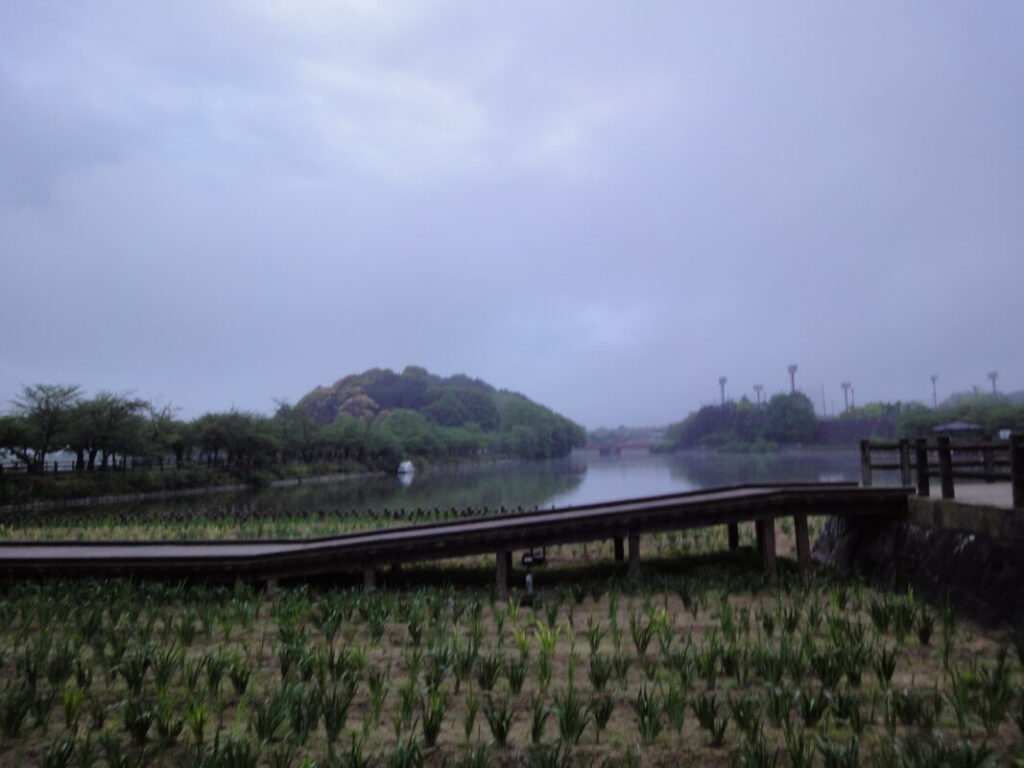
I spent the night at Kikaku Park, located about 2 km south of Nagaoji Temple. The park has a large pavilion and restroom facilities, providing shelter from the rain if necessary. When I stayed there, several other pilgrims were also spending the night. I still remember the lively conversations we shared as we looked forward to reaching the final temple of the pilgrimage the next day.
Pavilion at Kikaku Park
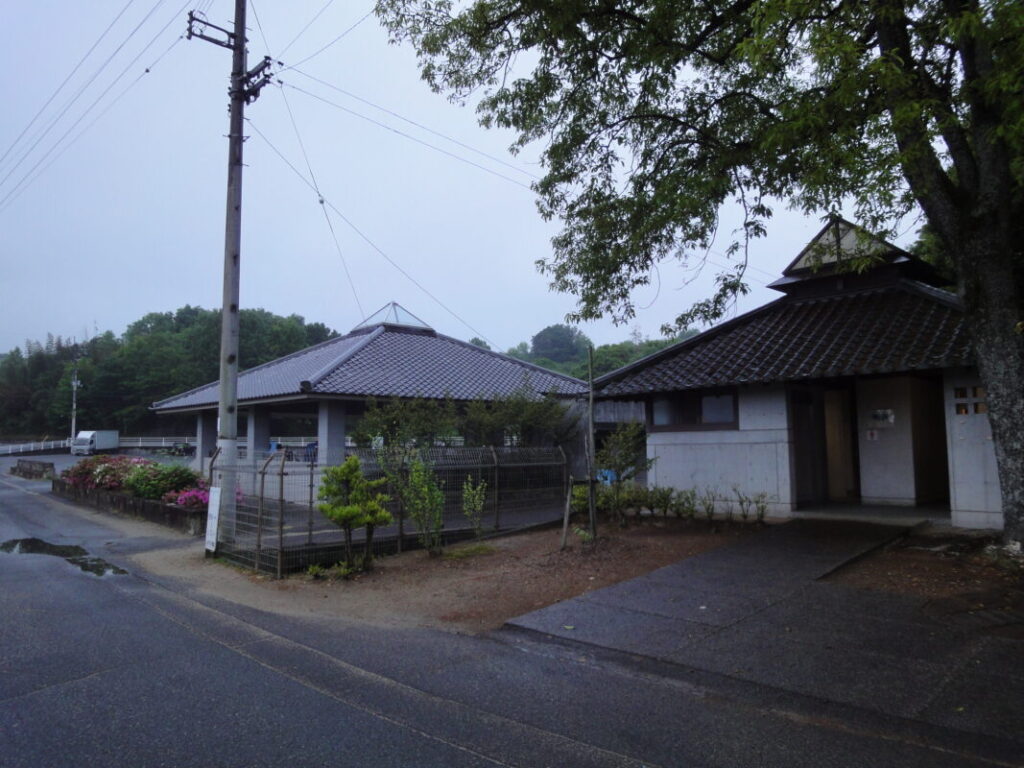
Kikaku Park
History and Highlights of Nagaoji Temple
Nagaoji Temple is the temple immediately preceding Okuboji Temple, the final temple of the Shikoku Pilgrimage. For many walking pilgrims, it serves as an important milestone, marking that the completion of the pilgrimage is now within reach.
An Ancient Temple Associated with Gyoki and Kobo Daishi
Nagaoji is said to have been founded in 739 by the monk Gyoki. According to tradition, Gyoki sensed a sacred presence in a spiritual tree at this site and carved an image of Sho Kannon (Sacred Avalokiteshvara) from its wood, establishing the temple.
Later, Kobo Daishi visited the temple before departing for Tang China. It is said that he performed goma fire rituals for seven consecutive nights, praying for the peace of the nation and abundant harvests.
A Temple Connected to Lady Shizuka
Nagaoji is also known as the temple where Lady Shizuka Gozen is said to have entered the Buddhist order.
According to local tradition, after her separation from Minamoto no Yoshitsune, she came to this temple and became a nun. Because of this connection, the temple has long been cherished by local people together with its revered Kannon deity.
The New Year Festival of Dai-Eyo
Every year on January 7, Nagaoji hosts a traditional ceremony known as Dai-Eyo.
The event is said to originate from Kobo Daishi’s prayers and is held to pray for protection from misfortune and for abundant harvests. It continues to attract many worshippers today.
A Temple That Endured the Meiji Restoration
Most of the temple buildings, except for the Main Hall, were destroyed during warfare in the Tensho era. They were later rebuilt during the Edo period under the patronage of Matsudaira Yorishige, lord of the Takamatsu Domain.
Following the Meiji Restoration, the temple’s main lodging complex was used as a school, police station, and district government office. These changes reflect the temple’s long history of serving not only as a religious center but also as an important part of the local community.
Nearby Accommodation
If you plan to stay near Nagaoji or between the surrounding pilgrimage temples, see the article below.
Related Articles
Shikoku 88 Temple Pilgrimage Route: Full List, Distance & Walking Time Guide.
Temple List and Full Route
Comments