
I completed the Shikoku pilgrimage twice on foot, experiencing both the traditional route and the reverse route.
Before trying the reverse pilgrimage, I thought, “Isn’t it just the same journey in the opposite order?” However, once I actually started walking, I realized it was far more different than I had imagined.
The way trail markers appear, how easily you can lose your way, and even the encounters you have with people feel quite different from the traditional route.
In this article, I’ll explain what a reverse pilgrimage is, how it differs from the traditional route, and share my own experiences, including the challenges, tips, and benefits I discovered while walking it.
- What Is Reverse Pilgrimage? Simply Put, It Means Traveling from Temple 88 to Temple 1
- Why Is Reverse Pilgrimage Considered More Difficult?
- Tips I Learned from Actually Walking the Reverse Pilgrimage
- Benefits I Experienced from Doing the Reverse Pilgrimage
- Why Is Reverse Pilgrimage Said to Bring Three Times the Spiritual Benefits?
- The History of Reverse Pilgrimage | The Connection with Emon Saburo
- Who Is Reverse Pilgrimage Recommended For?
- Conclusion | Reverse Pilgrimage Is Challenging but Highly Rewarding
- Related Articles
What Is Reverse Pilgrimage? Simply Put, It Means Traveling from Temple 88 to Temple 1
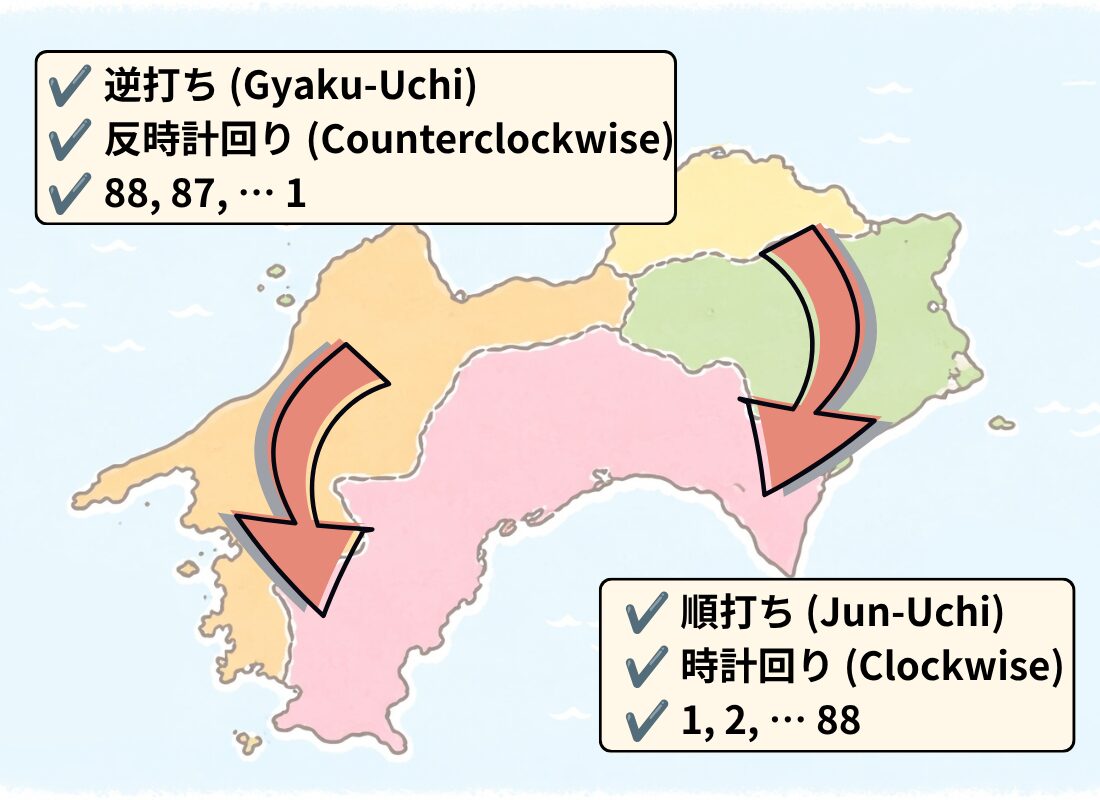
A reverse pilgrimage is a way of completing the Shikoku 88 Temple Pilgrimage by starting from Temple 88 and traveling toward Temple 1.
In a typical pilgrimage, pilgrims begin at Temple 1 and continue in order until reaching Temple 88. This is called the traditional route (jun-uchi).
As the name suggests, a reverse pilgrimage follows the opposite order.
At first, you might think, “It’s just the same route in reverse.” However, after actually walking it, I found that the experience changes much more than expected. The way the route feels, the difficulty level, and even the encounters with people become quite different.
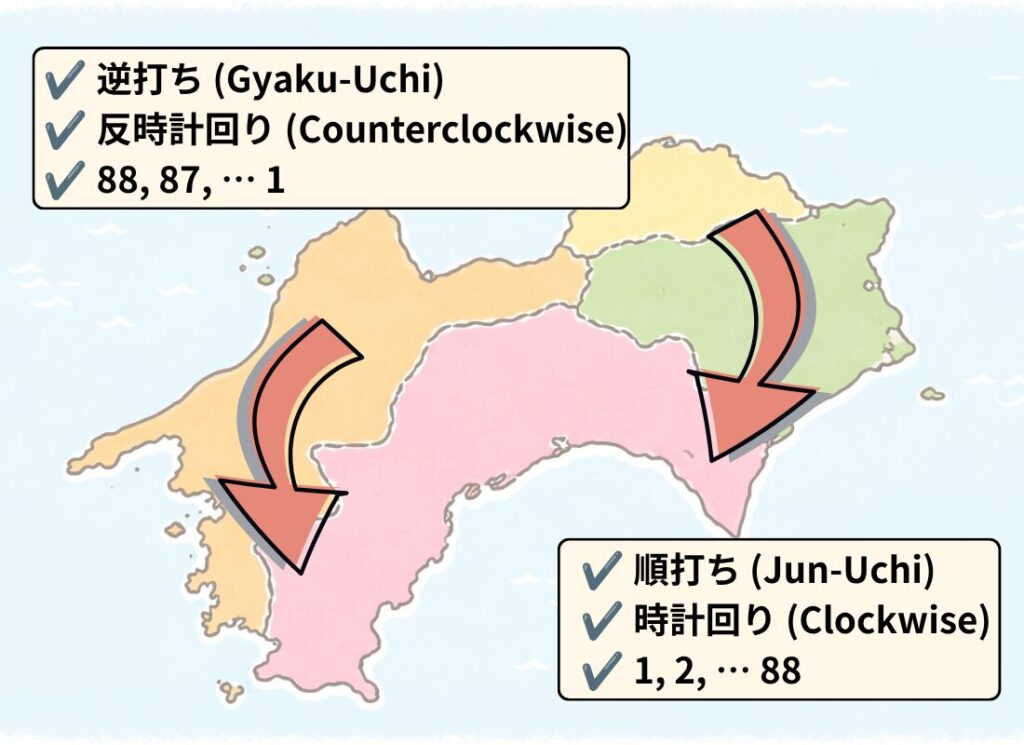
Differences Between the Traditional Route and the Reverse Route
I personally completed both the traditional route and the reverse route on foot, and I found the reverse pilgrimage more difficult.
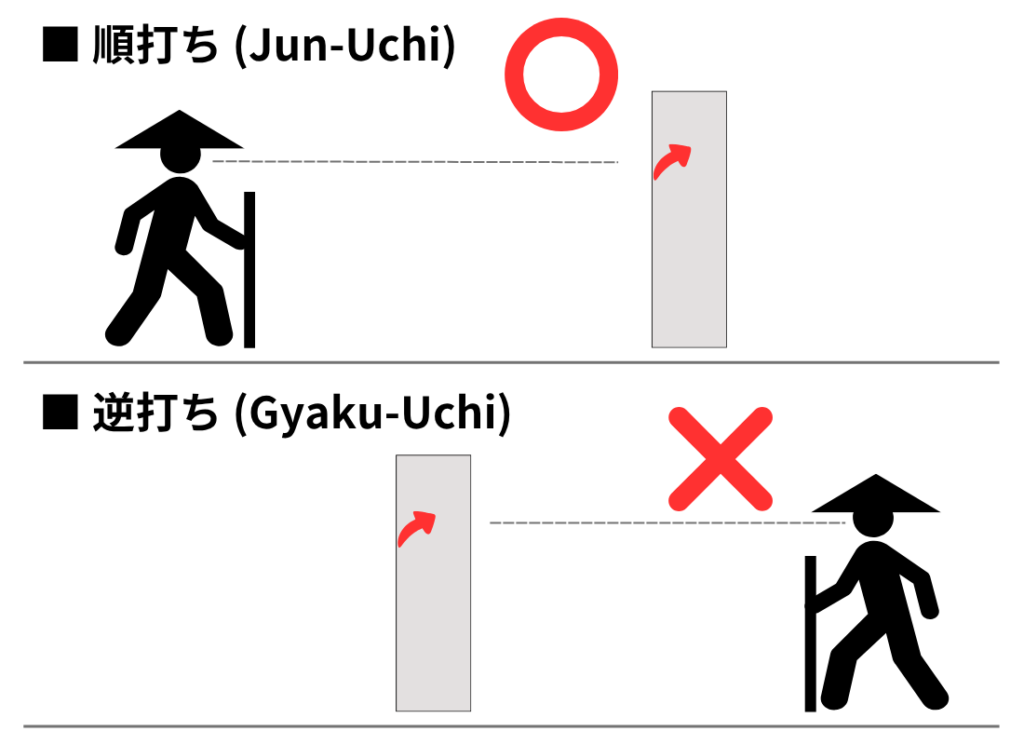
One reason is the trail markers. Many of the signs and route guides along the pilgrimage paths are designed with the traditional direction in mind, which can make them harder to spot when traveling in reverse.
Clockwise vs. Counterclockwise
The traditional pilgrimage route moves around Shikoku in a clockwise direction.
By contrast, the reverse pilgrimage follows a counterclockwise route.
On a map, it may seem like you are simply walking in the opposite direction, but in reality the scenery and interactions with people feel different as well.
Since most pilgrims follow the traditional route, those doing the reverse pilgrimage pass many pilgrims traveling in the opposite direction. I often found myself exchanging greetings and receiving useful information about the route ahead.
Why Is It Called a Reverse Pilgrimage?
As the name suggests, it is called a reverse pilgrimage because pilgrims visit the temples in the opposite order from the traditional route.
For a long time, reverse pilgrimage has been believed to carry special significance, and many people say that it brings greater spiritual benefits.
Because of this belief, some pilgrims intentionally choose the reverse route.
Why Is Reverse Pilgrimage Considered More Difficult?
Reverse pilgrimage is often said to be more difficult than the traditional route.
I personally completed both the traditional route and the reverse route on foot, and from my own experience, I also found the reverse pilgrimage more challenging.
It is not because there is a dramatic difference in physical difficulty. The biggest difference is that you spend more time searching for the correct path.
Places that felt straightforward during the traditional route can suddenly become confusing when traveling in reverse.
Most Trail Markers Are Designed for the Traditional Route
There are many trail markers along the pilgrimage paths to help pilgrims avoid getting lost.
On major roads, you may see arrow stickers attached to guardrails and road signs. In towns, there are directions posted on utility poles or walls. On mountain trails, stone markers and signboards are often placed along the route.
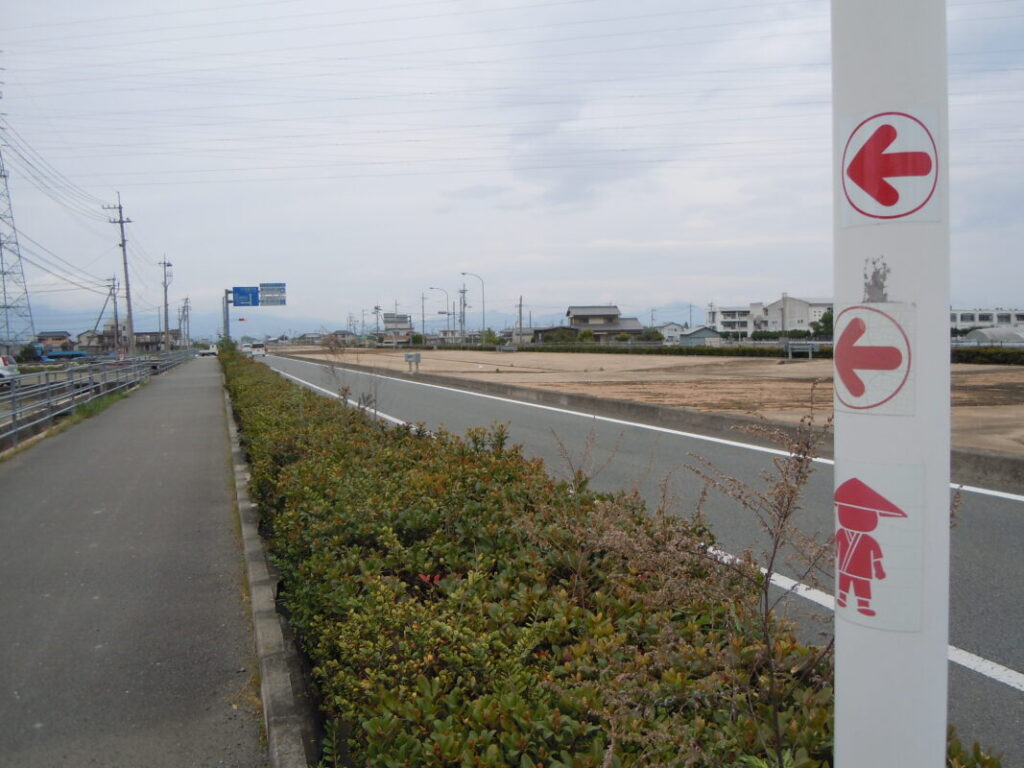
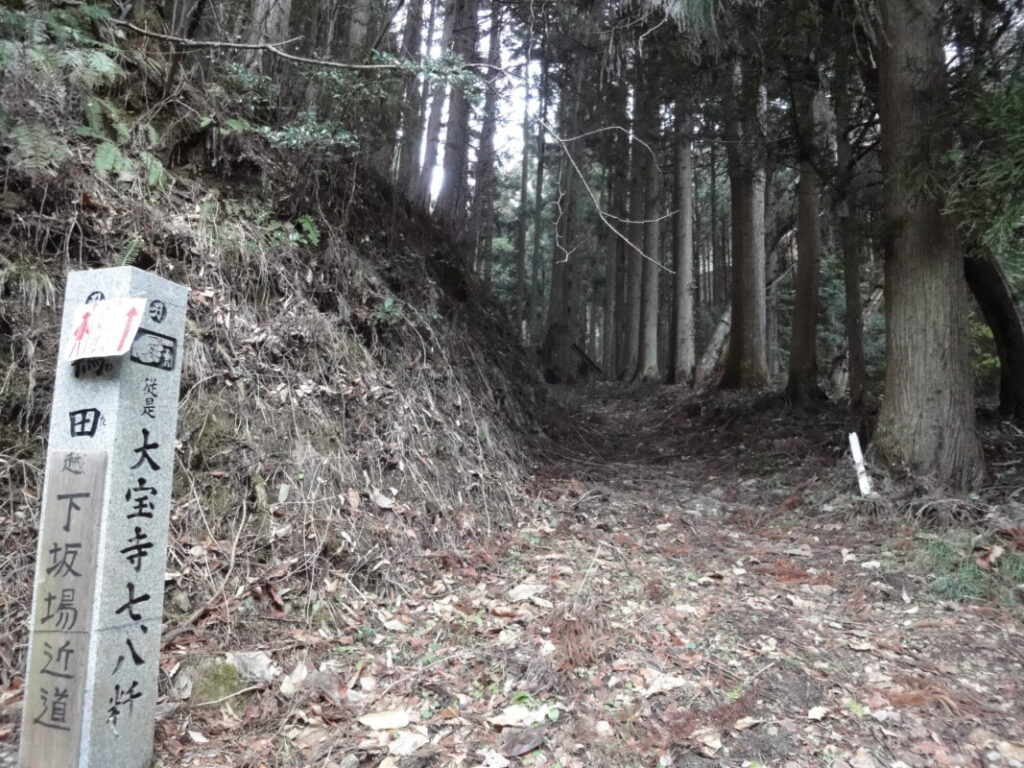
When following the traditional route, you can usually walk without getting lost simply by following these signs.
However, many of these markers were designed with the traditional direction in mind.
When approaching from the opposite direction, some stickers become difficult to see, while others are easy to miss entirely.
During the traditional route, I felt like I was simply “following the guidance.” During the reverse pilgrimage, it felt more like I was “searching for the guidance.”
Mountain Trails Are Especially Easy to Get Lost On
Mountain paths require extra attention.
If you make a wrong turn in a town, it is usually easy to go back and correct your route. In the mountains, however, it is not always that simple.
There may be forks in the trail, or older pilgrimage paths may overlap with roads designed for cars, making it difficult to know which way to go.
I personally took the wrong route several times.
There were moments when I thought, “This is probably the right way,” only to realize much later that I had made a mistake and had to turn around.
Making a wrong turn in the mountains costs more than just energy — it also wastes valuable time.
If something feels off, it is safer to stop and check your route rather than continuing forward without being sure.
Tips I Learned from Actually Walking the Reverse Pilgrimage
The reverse pilgrimage can be easier to get lost on compared with the traditional route, but while walking I discovered several things that made navigation easier.
Based on my own experience of making wrong turns more than once, these were the tips that helped me the most.
Look for Blue Trail Markers
Although they are much less common, there are trail markers specifically intended for reverse pilgrims.
From my own experience, they seemed far less common than the markers for the traditional route — perhaps only around 10%.
Many traditional-route markers are red, while reverse-route markers may sometimes be blue. In some cases, stickers are simply placed facing the opposite direction.
Whenever I found one, I tried to consciously recognize it as a marker for reverse pilgrims and pay close attention to it.
They are not available everywhere, but they can be especially helpful at intersections and places where people commonly get lost.
If You Get Lost, Turn Around and View It from the Traditional Direction
This may have been the most useful method I discovered while walking.
During the reverse pilgrimage, there were times when I could not find any trail markers and thought, “Which way should I go?”
Instead of continuing forward, I would stop and look back.
Sometimes I could see trail markers intended for pilgrims following the traditional route.
Since those arrows indicate the direction of travel for the traditional route, the opposite direction becomes the way I should be going.
Once I became aware that I was looking at traditional-route guidance from the opposite side, I found myself getting lost much less often.
Don’t Continue Based on “This Is Probably Right”
The biggest mistake during a reverse pilgrimage is continuing with the thought, “This is probably the right way.”
I made that mistake several times myself.
Even when something felt slightly wrong, I sometimes kept going because I thought, “I’ll probably see another marker soon.” In the end, this often led to long detours.
If you walk for a while without seeing any guidance, or if something simply feels off, it is usually better to stop and check rather than forcing yourself to continue.
A route check that takes only a few minutes can save you from losing much more time later.
Benefits I Experienced from Doing the Reverse Pilgrimage
Reverse pilgrimage is often described as “difficult” or “easy to get lost on,” but after actually walking it, I found that it also has many positive aspects.
In fact, I personally felt that the challenges themselves were part of what made the reverse pilgrimage so rewarding.
There were many encounters and experiences that I had never experienced during the traditional route, and by the end of the journey I genuinely felt, “I’m glad I chose to do the reverse pilgrimage.”
I Had More Opportunities to Receive Osettai
One thing I noticed while walking was that I seemed to receive osettai more often.
(Osettai is a traditional custom in which local people offer support to pilgrims, such as food, drinks, or small acts of kindness.)
There were many occasions when local residents offered me drinks or snacks, or simply stopped to talk with me.
Of course, this probably depends on the area and timing, but since reverse pilgrims are relatively uncommon, some people may find them more unusual or memorable.
The osettai itself was appreciated, but even more than that, the casual conversations became some of the strongest memories from my journey.
I Met Many Other Pilgrims Along the Way
Since most pilgrims follow the traditional route, doing the reverse pilgrimage means you pass many people along the way.
During the traditional route, most people are traveling in the same direction, so the number of people you actually meet can feel somewhat limited.
With the reverse pilgrimage, however, you constantly encounter different pilgrims.
Even something as simple as exchanging a “Hello” made me feel more positive, and even when walking alone, I strangely felt less lonely.
It Was Easier to Exchange Information
Meeting more people also made it easier to exchange useful information.
The information I received from people who were actively walking the route was extremely helpful.
“There’s construction work further ahead.”
“The mountain trail was a little difficult to follow.”
“There’s a good place to take a break nearby.”
Small comments like these often turned out to be surprisingly useful later on.
There are some things you cannot learn from maps or the internet — information that only someone currently walking the route would know.
Although reverse pilgrimage can be challenging, I felt that one of its biggest attractions was the stronger sense of connection with other people.
Why Is Reverse Pilgrimage Said to Bring Three Times the Spiritual Benefits?
There is a long-standing belief that completing the reverse pilgrimage brings spiritual benefits equal to three traditional pilgrimages.
While walking, I occasionally met people who said things like, “I wanted to try the reverse pilgrimage at least once,” or “I chose it because it’s a leap year.”
However, this is not an official religious doctrine. Rather, it is one of the traditional beliefs that has been passed down over time.
One possible reason it has continued to be told even today is that the reverse pilgrimage has long been considered more challenging than the traditional route.
Why Reverse Pilgrimage Is Believed to Bring Greater Spiritual Benefits
Reverse pilgrimage is generally considered more difficult than the traditional route.
There are fewer visible trail markers, and there are more situations where you need to actively search for the correct path. For people walking the pilgrimage on foot, getting lost and the mental strain can sometimes feel greater as well.
Because of these additional challenges, it is said that people began to believe that the spiritual rewards and merit gained from the journey would also be greater.
People often mention the idea of “three times the benefit,” but there does not appear to be a specific source or measurable basis behind that number. It is better understood as a traditional belief that has been passed down over generations.
In reality, spiritual benefits cannot truly be measured with numbers.
Still, one thing I personally felt while walking was that the more effort and hardship involved, the stronger the memories and sense of accomplishment became.
Why Reverse Pilgrimage During a Leap Year Is Considered Lucky
Reverse pilgrimage is also traditionally believed to be especially auspicious during a leap year.
Because of this belief, more pilgrims often choose the reverse route during leap years.
From my own experience, I felt that the Shikoku pilgrimage contains many traditions and beliefs that cannot be explained simply through numbers or efficiency.
Rather than walking only because “the spiritual benefits are said to be three times greater,” experiencing these historical traditions and stories may itself be one of the unique attractions of the reverse pilgrimage.
The History of Reverse Pilgrimage | The Connection with Emon Saburo
Reverse pilgrimage is not simply a way of visiting the temples in reverse order. It is also connected to traditional stories and beliefs that have been passed down for generations.
Among these stories, one of the most well-known is the legend of Emon Saburo.
Even today, this legend is one reason why some people believe that reverse pilgrimage carries a special meaning.
The Legend of Emon Saburo
Emon Saburo is said to have been a wealthy man who lived in Shikoku.
One day, he treated a traveling monk asking for alms very harshly and even broke the monk’s begging bowl.
Afterward, however, a series of misfortunes reportedly occurred, causing him to deeply regret his actions.
To seek forgiveness, he began traveling around Shikoku in search of the monk.
Despite completing the pilgrimage multiple times, he could not find him, and eventually he is said to have started traveling in the opposite direction from the usual route.
This is often described as the origin of reverse pilgrimage.
Of course, parts of the story are considered legend rather than historical fact, but it remains one of the most famous stories in pilgrimage culture.
The Connection with Kobo Daishi
The monk Emon Saburo had been searching for was later said to be Kukai, also known as Kobo Daishi.
Kukai is widely known as the monk who founded the Shingon school of Buddhism in Japan, and he is deeply connected with the Shikoku pilgrimage tradition.
According to the legend, Emon Saburo eventually met Kukai after continuing his reverse pilgrimage and finally received forgiveness.
Because of stories like this, reverse pilgrimage has long been viewed as more than simply “walking in the opposite direction.” It has been considered a pilgrimage with a special meaning.
Even today, some people intentionally choose the reverse pilgrimage because they believe it offers a different experience from the traditional route or a deeper spiritual journey.
Who Is Reverse Pilgrimage Recommended For?
Reverse pilgrimage can certainly be challenging, but that challenge also creates a different kind of enjoyment compared with the traditional route.
Rather than being suitable for everyone, I felt that certain types of people would especially enjoy the experience.
Based on my own experience, here are the people I would particularly recommend it to.
People Who Have Already Completed the Traditional Route
Personally, I would strongly recommend reverse pilgrimage to anyone who has already completed the traditional route at least once.
If you have walked the traditional route before, you already have a general understanding of the atmosphere and the flow of the pilgrimage.
There were many moments when I thought, “I remember passing this place before,” but seeing the same route from the opposite direction gave it a completely different feeling.
Sometimes I noticed scenery I had never paid attention to before, or I found myself thinking, “I didn’t realize this hill was actually this steep.”
I personally felt that having previous experience with the traditional route allowed me to enjoy the reverse pilgrimage even more.
People Who Want a Different Kind of Pilgrimage Experience
I also think reverse pilgrimage is a good choice for people who feel, “The standard pilgrimage alone isn’t enough,” or “I want to try something different.”
Compared with the traditional route, far fewer people choose reverse pilgrimage, so it can sometimes attract curiosity from others.
I had moments when local people started conversations with me, and it also became an easy way to start conversations with fellow pilgrims.
There are certainly difficult aspects, but that sense of uniqueness is also part of the appeal.
If you enjoy trying something a little different, I think you would probably enjoy the reverse pilgrimage as well.
Conclusion | Reverse Pilgrimage Is Challenging but Highly Rewarding
Reverse pilgrimage is a way of completing the pilgrimage by traveling from Temple 88 to Temple 1.
Compared with the traditional route, there are fewer visible trail markers, and it is often considered more difficult, especially on mountain paths where getting lost is easier.
I personally made wrong turns several times, but at the same time I also discovered many things that made reverse pilgrimage special in ways that the traditional route was not.
Meeting many fellow pilgrims, experiencing osettai, exchanging useful information, and feeling stronger connections with people were all experiences that felt unique to the reverse route.
If you have already completed the traditional pilgrimage and are thinking, “I’d like to experience it in a different way next time,” I think the reverse pilgrimage can be an incredibly interesting and rewarding journey.
Related Articles
Shikoku 88 Temple Walking Pilgrimage: 38-Day Complete Route, Distance & Real Experience.
The complete 38-day walking pilgrimage route