
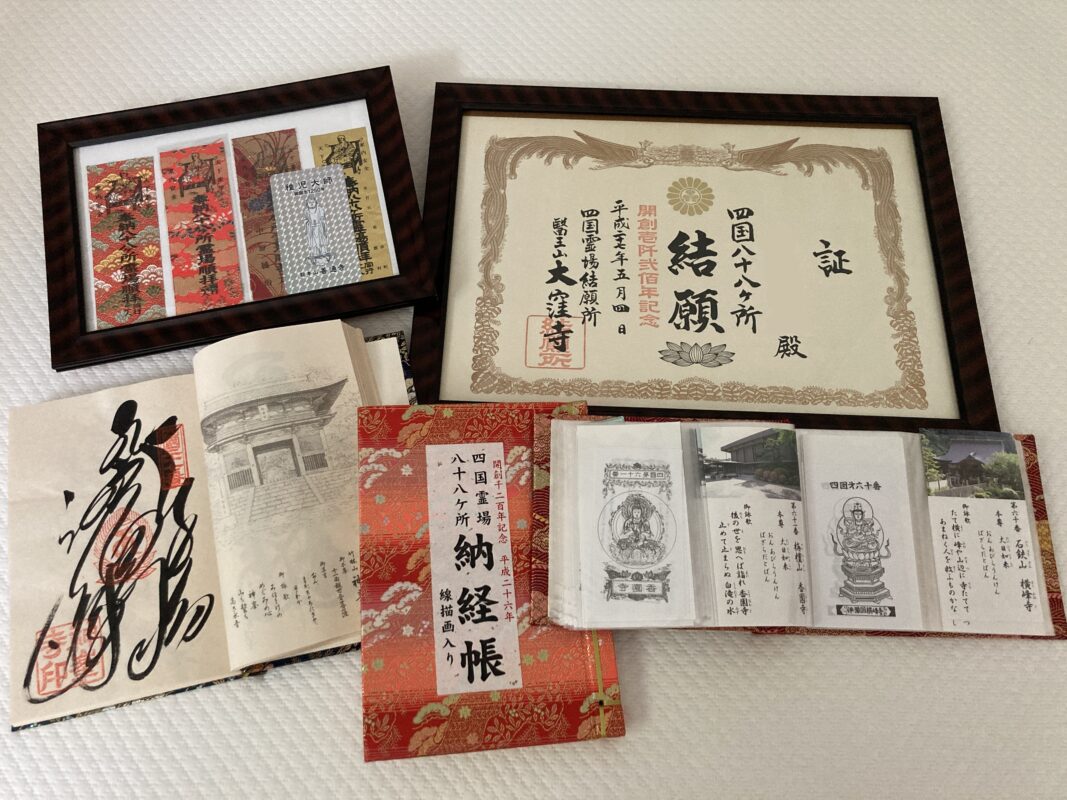
Hello, I’m Taka, the creator of this blog.
I completed the Shikoku 88 Temple walking pilgrimage over the course of about one year, dividing it into five separate sections. In total, it took me 38 days and approximately 1,140 km (708 miles) of walking. I walked through multiple seasons—spring, summer, winter, and spring again—which allowed me to experience the unique characteristics and challenges of each season firsthand.
To summarize this article in advance:
- Tokushima was the easiest prefecture to walk through
- Kochi was the most challenging prefecture
- Summer was the toughest season overall
I also found that for beginners, the first things to focus on are not physical strength, but rather these three factors: luggage, foot care, and walking technique.
In this article, I’ll share the complete 38-day, 1,140 km journey, along with seasonal differences, gear that actually helped me, mistakes I made, and useful information for anyone planning to start a walking pilgrimage.
- Introduction | Overview of My 38-Day Walking Pilgrimage
- Overall Thoughts After Completing the Walking Pilgrimage
- Tokushima | Why the “Place of Awakening” Was Beginner-Friendly
- Kochi | Summer Pilgrimage Walking Lets You Cover More Distance, but It Can Be Brutal
- Ehime | Winter Pilgrimage Walking Becomes a Battle Against the Cold
- Kagawa | Short Distances Between Temples, but More Time Spent on Temple Visits
- Advice for People About to Start a Walking Pilgrimage
- Conclusion
- Related Article
Introduction | Overview of My 38-Day Walking Pilgrimage
Even when walking the same pilgrimage route, the experience can feel completely different depending on the season. Spring felt relatively comfortable for walking, while summer required dealing with intense heat and occasional typhoons. Winter brought its own challenges as well—not only colder temperatures, but also shorter daylight hours that affected how much distance I could cover each day.
Each prefecture also had its own unique characteristics. Tokushima felt relatively easy to walk through and seemed like a good place for beginners to start a walking pilgrimage. Kochi, on the other hand, had long distances between temples, making it physically demanding. In Ehime, winter-specific cold-weather preparation became important, while Kagawa gave me the impression of being easier to navigate due to the shorter distances between temples.
After actually walking the pilgrimage, I realized that many of the challenges were different from what I had imagined before starting. At first, I carried too much luggage and ended up hurting my feet. During summer, I encountered typhoons, and in winter, the cold sometimes made it difficult to sleep properly. At the same time, there were also countless rewarding experiences—meeting people along the way and enjoying scenery that I could only truly appreciate because I was walking.
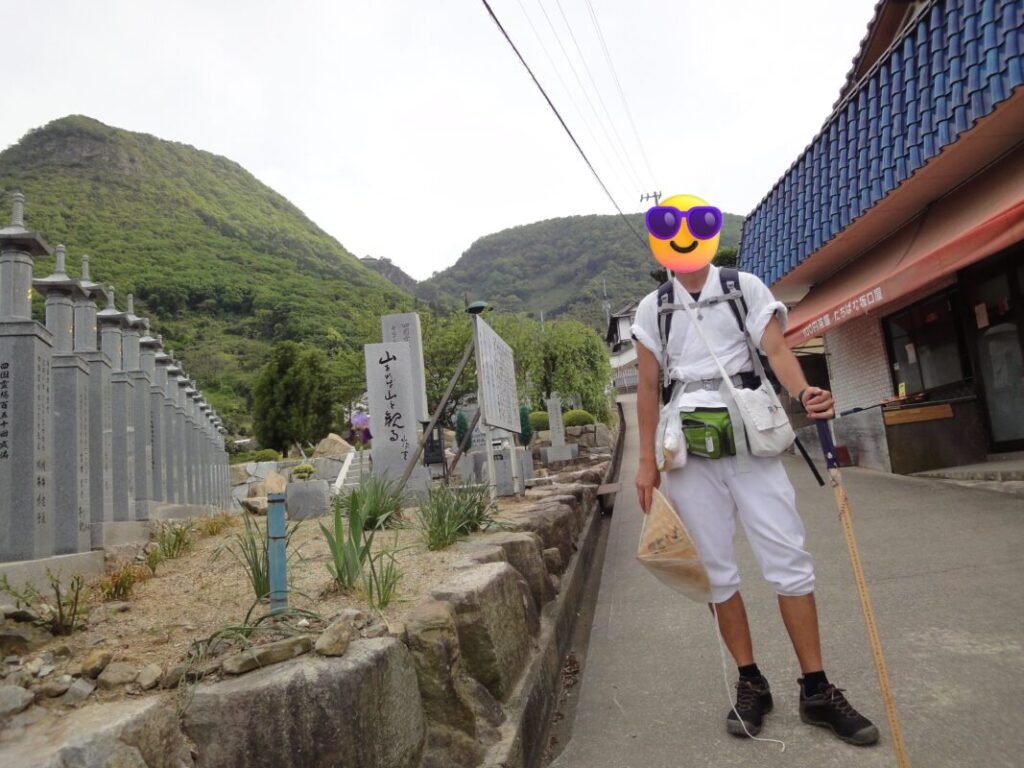
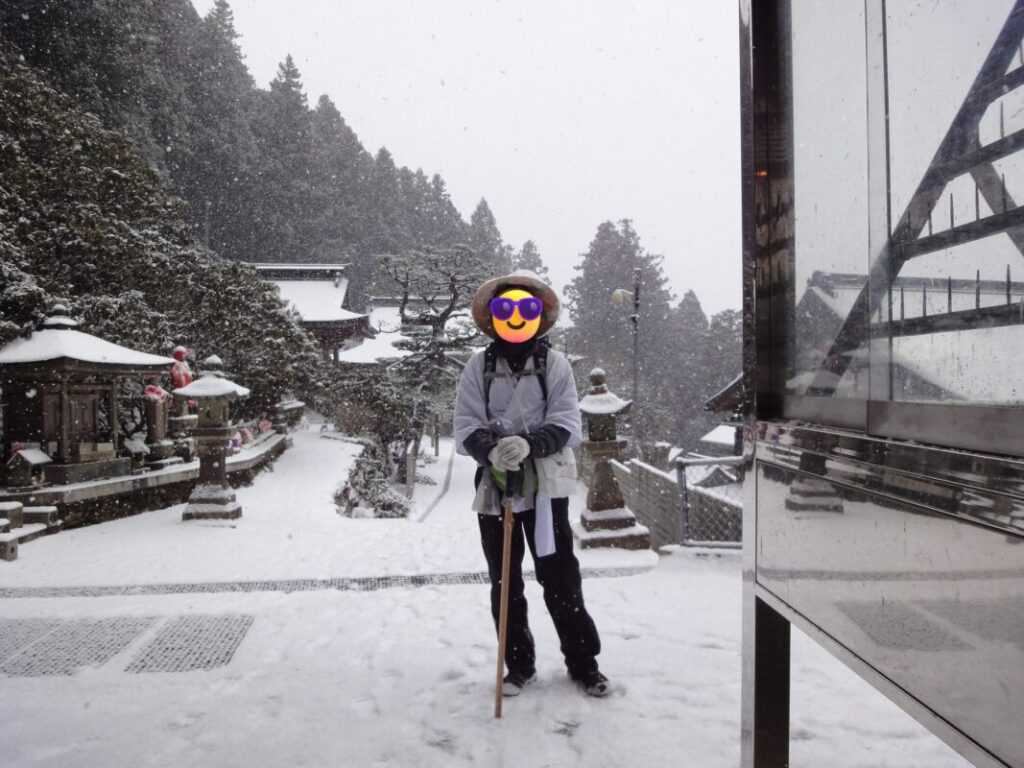
Basic Information About My Walking Pilgrimage
The basic details of my walking pilgrimage are as follows:
- Total duration: 38 days
- Number of sections completed: 5
- Total walking distance: Approximately 1,140 km (708 miles)
Complete Journey Summary by Prefecture
| Prefecture | Days | Distance | Season |
|---|---|---|---|
| Tokushima | 7 days | 220 km | Spring (April–May) |
| Kochi | 13 days | 385 km | Summer (June, August) |
| Ehime | 11 days | 360 km | Winter (December–January) |
| Kagawa | 7 days | 150 km | Spring (April–May) |
What You’ll Learn in This Article
This article covers the following topics:
- The full 38-day walking pilgrimage itinerary
- Characteristics and difficulty levels of each prefecture
- Important considerations for spring, summer, and winter walking
- Gear and equipment that actually proved useful
- Ways to deal with foot pain and summer heat
- Important things beginners should know before starting
Overall Thoughts After Completing the Walking Pilgrimage
After completing a 38-day, approximately 1,140 km (708-mile) walking pilgrimage, one thing stood out to me: continuing day after day was more difficult than simply walking itself.
When people think of a walking pilgrimage, they often imagine steep mountain paths or physically demanding long distances. Those challenges certainly existed, but what stayed with me most were the smaller problems that appeared throughout the journey.
Foot pain, heavy luggage, changing weather conditions, heat, and cold—each issue may seem minor on its own, but when repeated every day, they gradually become a significant burden.
On the other hand, I also found that making small improvements could dramatically change how comfortable walking felt. Here are some of the things I learned from my experience.
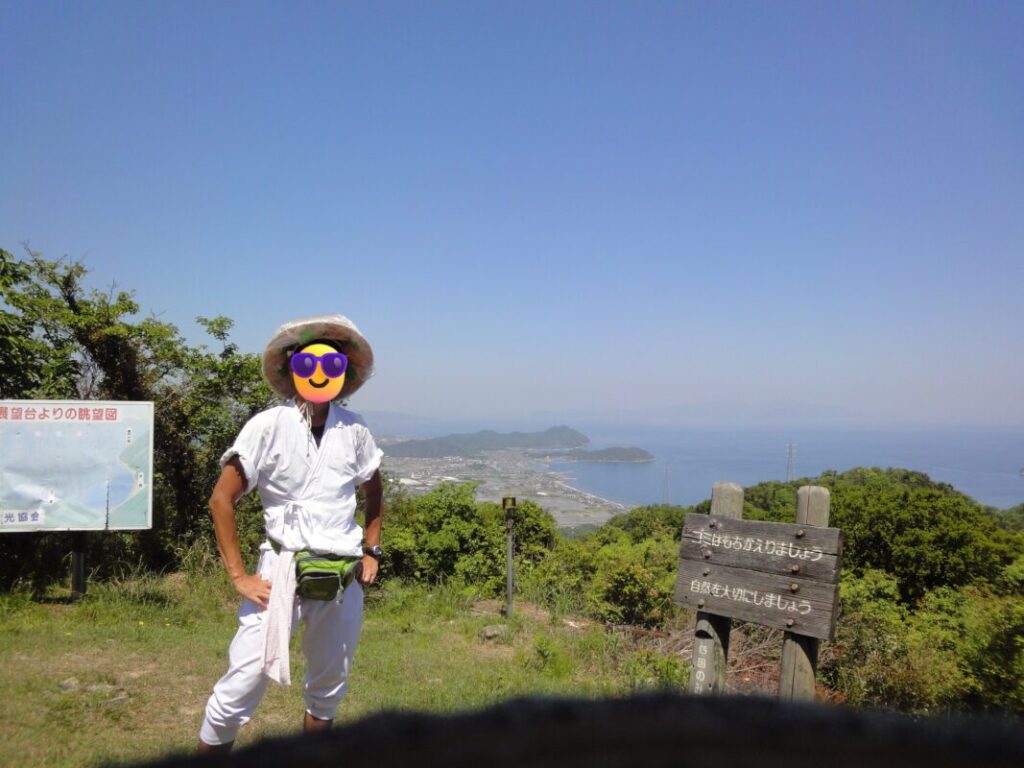
The Easiest Prefecture to Walk Through (Tokushima)
The prefecture I found easiest to walk through was Tokushima.
Tokushima is known as the “Place of Awakening”, the traditional starting point of the pilgrimage. After walking through it myself, I felt I understood why.
Of course, there are mountain sections such as Yakuōji and Tairyūji that require some effort. However, with a reasonable amount of preparation beforehand, I think they are manageable for most people.
It was also easy to obtain necessary equipment and supplies locally, making it a comfortable environment for beginners.
Since it was my first pilgrimage experience, I certainly faced difficulties, but looking back, Tokushima felt like the most beginner-friendly of the four prefectures and a good place to start.
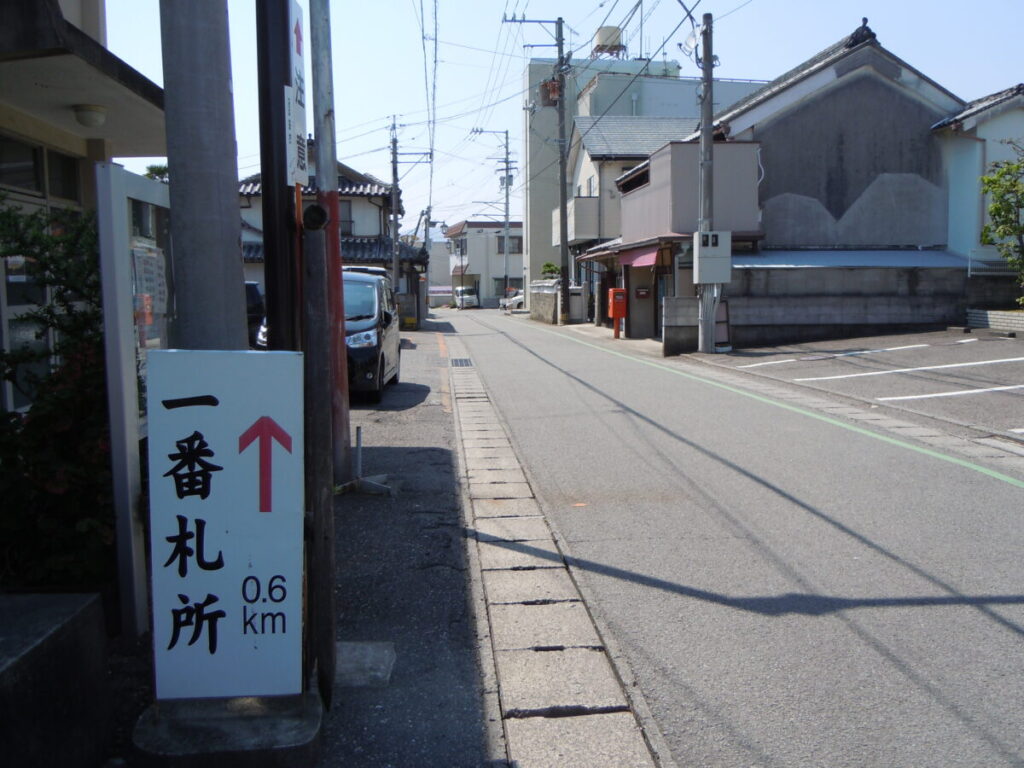
The Most Difficult Prefecture (Kochi)
Kochi was by far the most challenging prefecture for me.
The biggest reason was the long distances between temples.
There were several sections where I had to continue walking for long stretches, such as from Temple No. 23, Yakuōji, to Temple No. 24, Hotsumisakiji, and from Temple No. 37, Iwamotoji, to Temple No. 38, Kongōfukuji.
Because of the extended walking time, it wasn’t only physical endurance that mattered. I also had to think carefully about water, food, and when to take breaks.
In my case, I walked through Kochi during summer, so the combination of heat and long distances made it especially demanding.
Kochi had some of the most memorable scenery of the entire pilgrimage, but in terms of physical difficulty, it was the toughest prefecture for me.
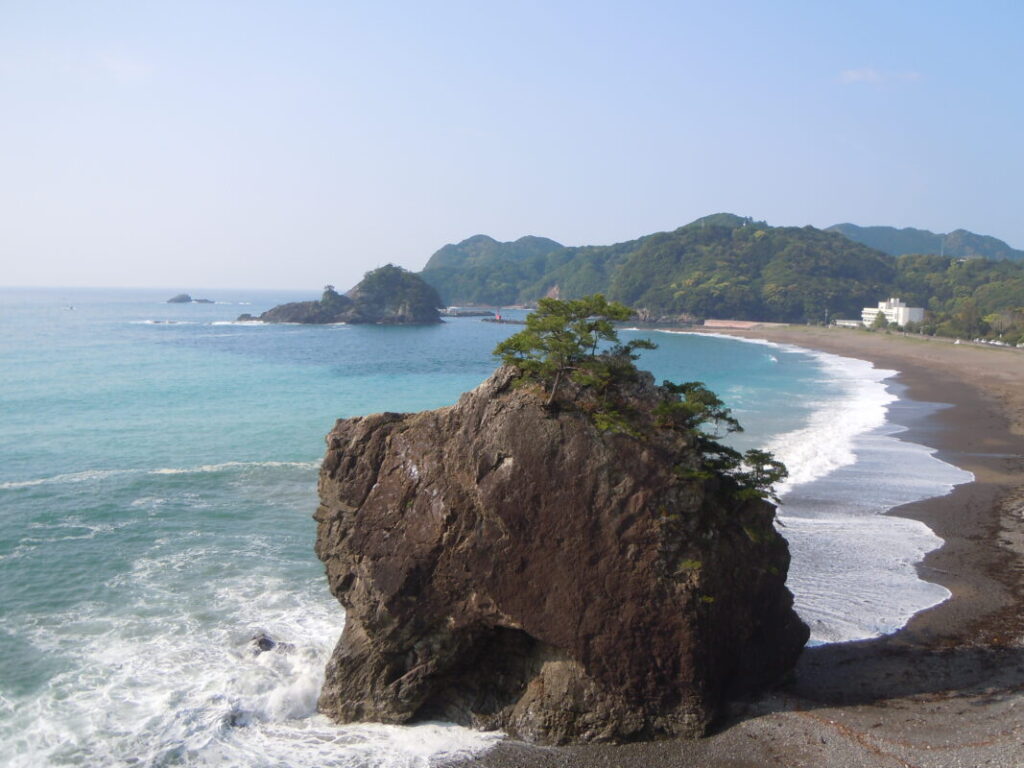
The Most Difficult Season (Summer)
Summer was the most difficult season overall.
One advantage of summer is the longer daylight hours, which give you more time to walk and make it easier to cover greater distances.
However, the physical toll of the heat was much greater than I expected.
I was constantly sweating while walking, and even when I consciously paid attention to hydration and rest, fatigue gradually built up. Summer also overlaps with typhoon season, making weather conditions more unpredictable.
Spring and winter each had their own difficulties as well, but considering overall safety and physical strain, I felt that summer was the hardest season.
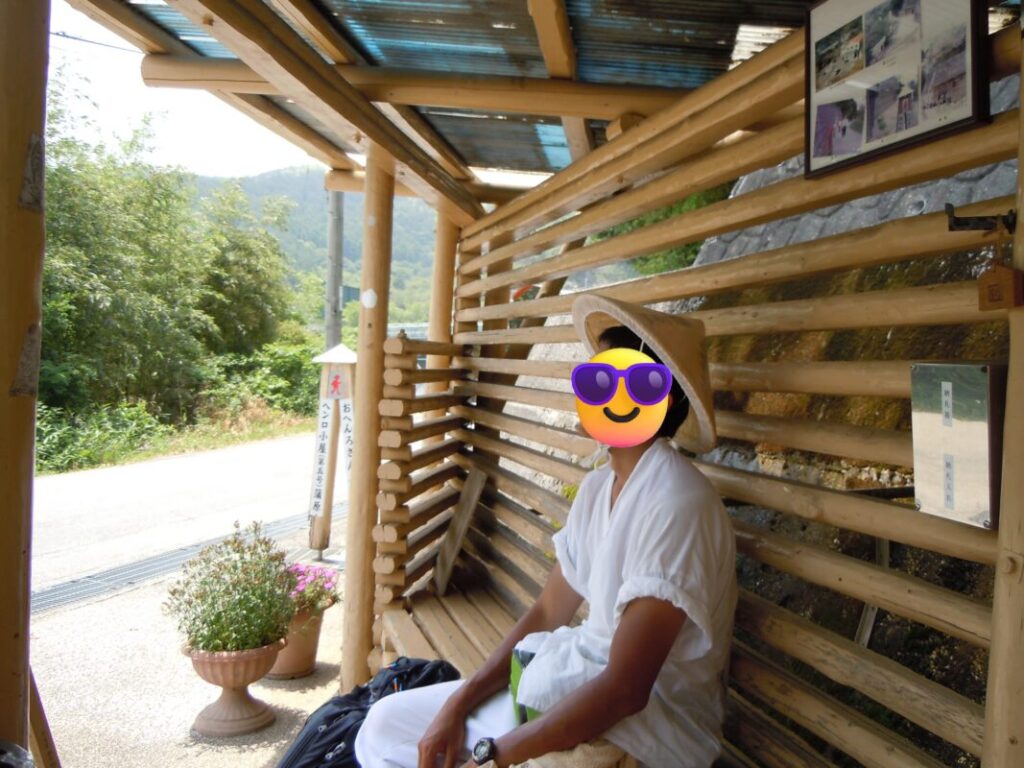
What Beginners Should Focus on First (Luggage, Foot Care, and Walking Technique)
Before starting my pilgrimage, I mostly worried about mountain paths and physical stamina.
After actually walking, however, I realized that the most important things to prepare were much more basic.
First was luggage.
I kept adding things because I thought, “I might need this.” But every extra item added more weight, which directly increased the strain on my feet. Looking back, I carried many things that I never actually used.
Second was foot care.
Not only shoes, but socks and insoles also made a major difference. When you are walking long distances every day, even small differences in comfort add up over time.
The final thing that surprised me was walking technique.
Instead of stepping heavily, I found that walking more smoothly and naturally significantly reduced foot pain.
Rather than requiring special skills, I felt that walking the pilgrimage was more about reducing small burdens wherever possible.
Tokushima | Why the “Place of Awakening” Was Beginner-Friendly
Tokushima Journey Overview
First pilgrimage section
Total distance: Approximately 241 km (150 miles)
Period: April 25 – May 3 (9 days)
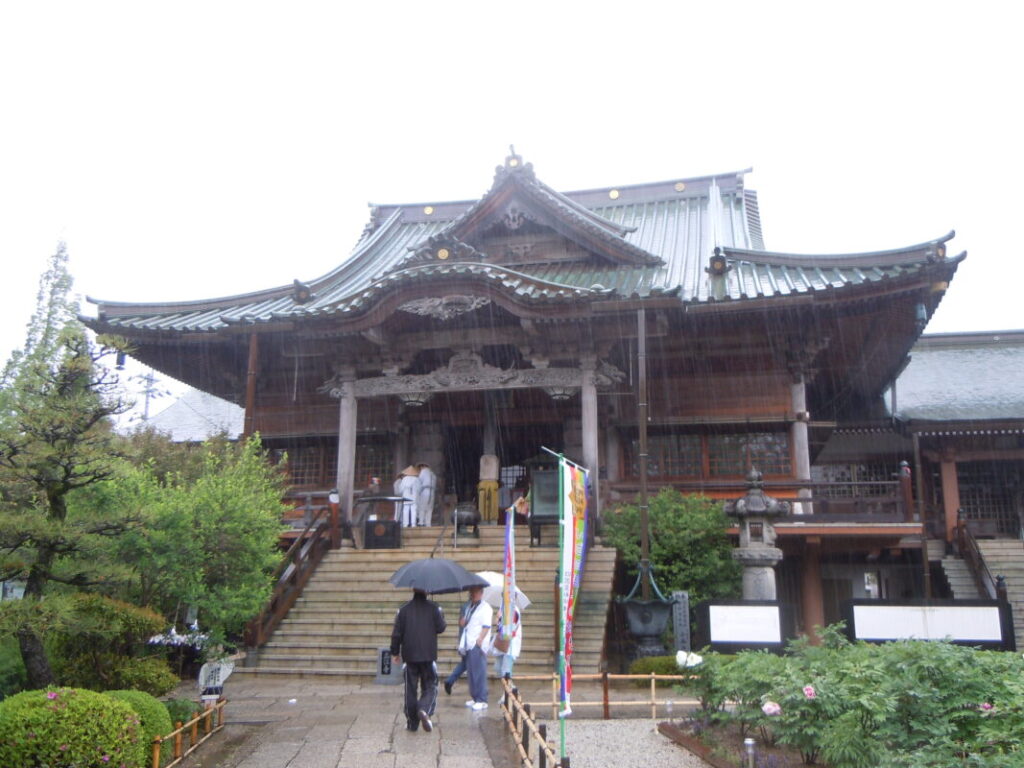
This section covered the route from Temple No. 1, Ryōzenji, to Temple No. 25, Tsushōji. Since this was my first walking pilgrimage, I spent much of the journey experimenting with gear and figuring out the best way to walk. There were mountain sections such as Shōsanji and Tairyūji, but this part of the journey became an important learning experience that taught me the basics of walking pilgrimage travel.
| Day | Date | Weather | Temples Visited | Walking Distance | Accommodation |
|---|---|---|---|---|---|
| Day 1 | April 25 | Sunny | 1–3 | 10 km | Mizobuchi (free pilgrim lodging) |
| Day 2 | April 26 | Sunny | 4–10 | 31 km | Kamojima Onsen (free pilgrim lodging) |
| Day 3 | April 27 | Sunny | 11–12 | 27 km | Amidado (camping) |
| Day 4 | April 28 | Rain | 13–17 | 25 km | Hachiman Onsen (camping) |
| Day 5 | April 29 | Heavy rain | 18–20 | 30 km | Ooi Rest Area (camping) |
| Day 6 | April 30 | Sunny | 21–22 | 31 km | Shirahama Rest Area (camping) |
| Day 7 | May 1 | Sunny | 23 | 39 km | Shishikui (camping) |
| Day 8 | May 2 | Sunny | – | 40 km | Cape Muroto (camping) |
| Day 9 | May 3 | Sunny | 24–25 | 8 km | – |
Difficulty and Characteristics of Tokushima
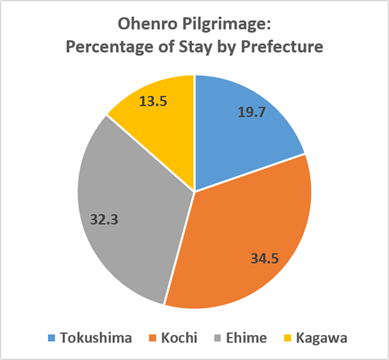
Tokushima makes up approximately 20% of the entire walking pilgrimage route. In the Shikoku 88 Temple pilgrimage, it is traditionally known as the “Place of Awakening”, and it is where many pilgrims begin their journey.
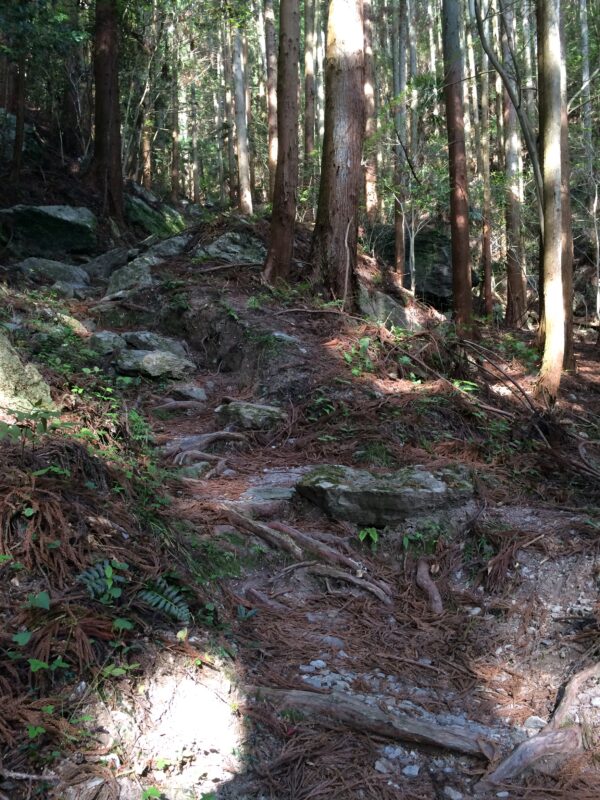
One of Tokushima’s most famous features is a series of mountain paths known as “Henro Korogashi” or “Pilgrim Killers.” In particular, Temple No. 12 Shōsanji, Temple No. 20 Kakurinji, and Temple No. 21 Tairyūji are known for steep climbs and challenging mountain sections.
The name itself sounds intimidating, but after walking the route, I felt that these sections were entirely manageable with reasonable preparation.
My overall impression was that Tokushima was the easiest prefecture among all four. The environment felt well-suited for beginning a walking pilgrimage, making it a relatively approachable region even for first-time pilgrims.
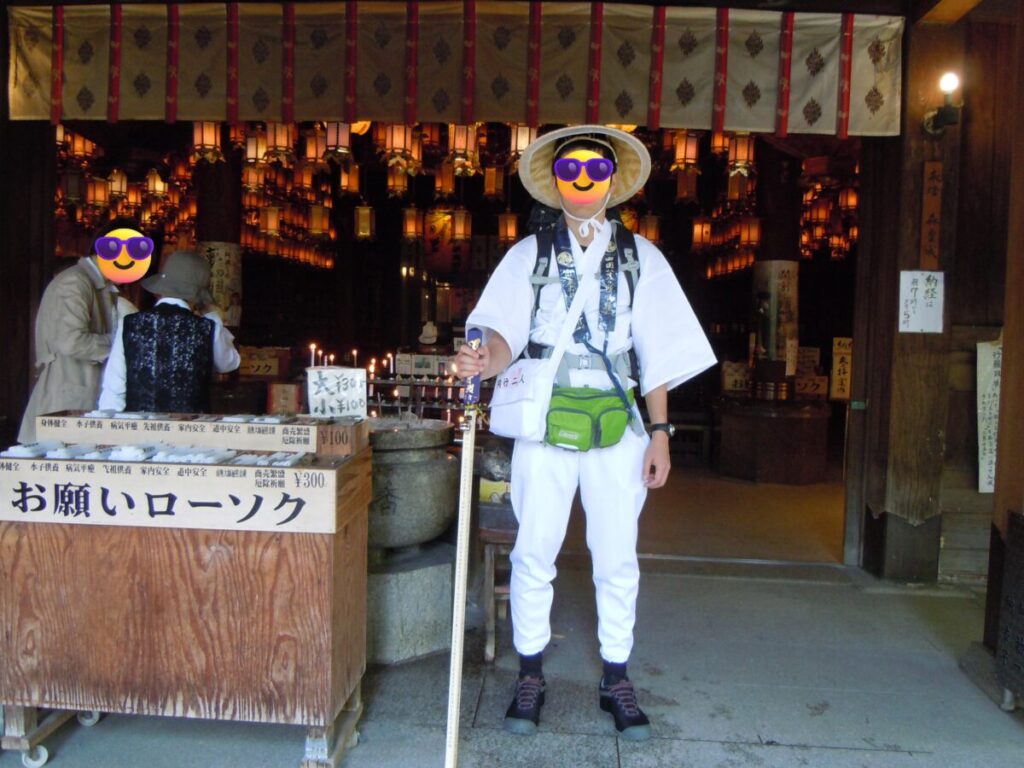
Another advantage was that I could purchase all of the necessary pilgrimage items near Ryōzenji, the first temple. Items such as a pilgrimage notebook, white pilgrim clothing, and a walking staff were all available locally, so it wasn’t necessary to prepare absolutely everything beforehand.
Difficulties I Faced on My First Pilgrimage
That said, being my first pilgrimage also meant making plenty of mistakes.
The biggest challenge I faced was foot pain.
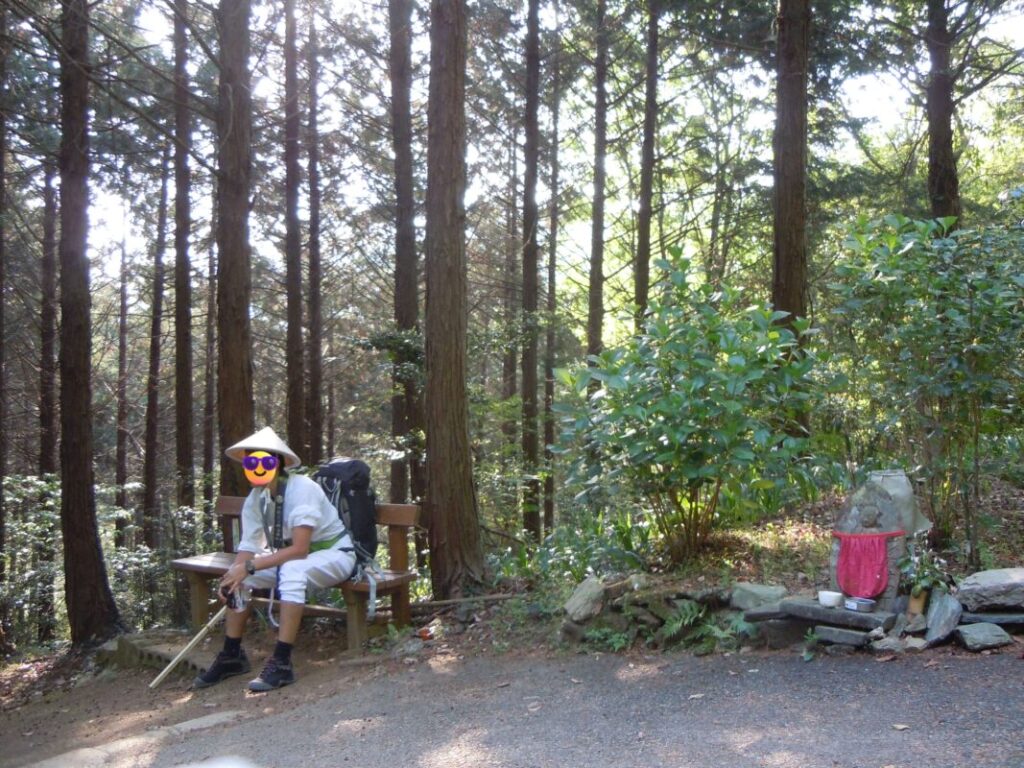
Surprisingly, what felt more difficult than the mountain trails was walking tens of kilometers on asphalt roads every day. After only a few days, the strain on my feet became significant, and looking back, I think most of it came from poor preparation.
Carrying Too Much Luggage
At first, I packed many items because I thought, “I might need this.”
I carried things like a large lantern and around three sets of spare clothes, but in reality I barely used them. Simply rotating between two sets of clothes would have been enough.
During a walking pilgrimage, every extra kilogram directly increases the burden on your feet. Beginners especially tend to bring additional items just in case, but I felt it was perfectly fine to simply buy things locally if needed.
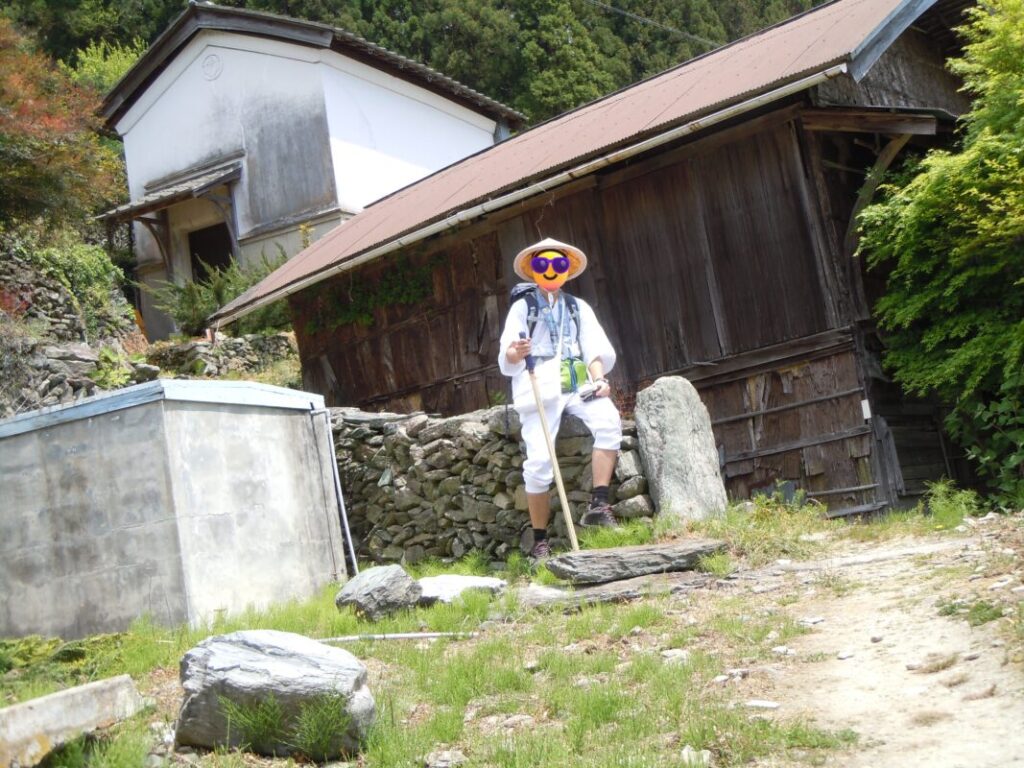
Poor Sock and Insole Choices
For shoes, I had prepared trekking shoes because I expected difficult mountain trails.
However, I paid almost no attention to socks or insoles and simply used what I normally wore. Looking back, this was probably another major cause of foot pain.
For my next pilgrimage section, I switched to arch-support socks and highly cushioned insoles.
The difference was noticeable. The impact on my feet decreased significantly, and the pain improved considerably.
I realized that not only shoes, but also what is inside your shoes matters.
Poor Walking Technique
At one point during the journey, I noticed my own footsteps.
They sounded heavy—“thud, thud”—which made me realize that I was striking the ground too hard. I was probably sending the impact directly into my feet with every step.
So I started paying attention to walking more smoothly: landing with my heel, rolling naturally across the entire foot, and pushing off gently with my toes. I also tried walking as quietly as possible.
Gradually, the strain on my feet decreased, and walking became much easier.
What Tokushima Taught Me
The biggest lesson I learned in Tokushima was that you do not need perfect preparation from the beginning.
There are many things about a walking pilgrimage that you simply cannot understand until you actually start walking.
I made plenty of mistakes and lacked preparation at first, but by gradually making adjustments along the way, I slowly found a style that suited me.
Before starting, I focused mostly on mountain trails and long distances. But in reality, the small things—daily walking habits, the weight of my backpack, and minor adjustments—turned out to matter much more.
For anyone beginning their first walking pilgrimage, I don’t think you need to aim for perfection from day one. Simply starting and finding what works for you along the way is more than enough.
Related Article
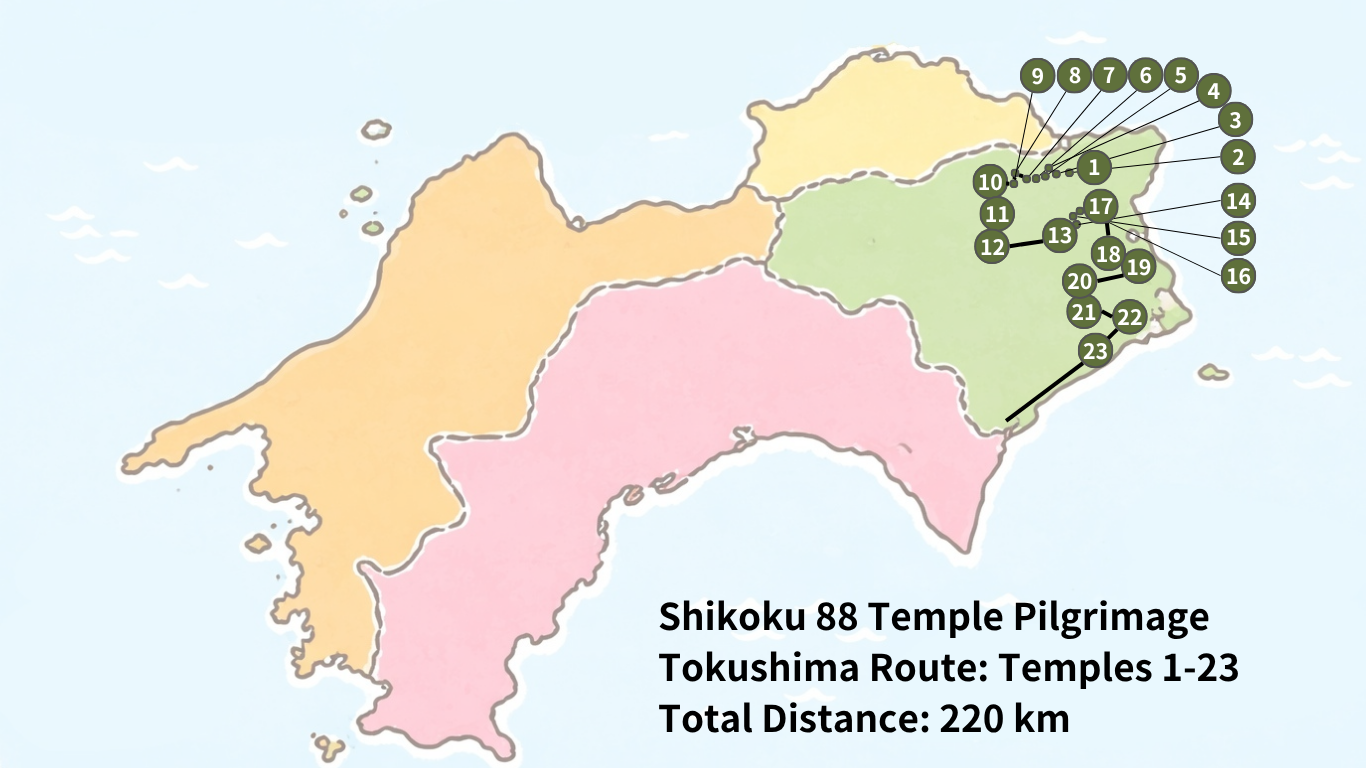
Explore the first 23 temples of the Shikoku 88 Temple Pilgrimage in Tokushima. Find temple history, Goshuin, walking routes, distances, travel times, Google Maps, and personal walking pilgrimage experiences.
Kochi | Summer Pilgrimage Walking Lets You Cover More Distance, but It Can Be Brutal
Kochi Journey Overview
Second Pilgrimage Section
Total distance: Approximately 109 km (68 miles)
Period: May 30 – June 2 (4 days)
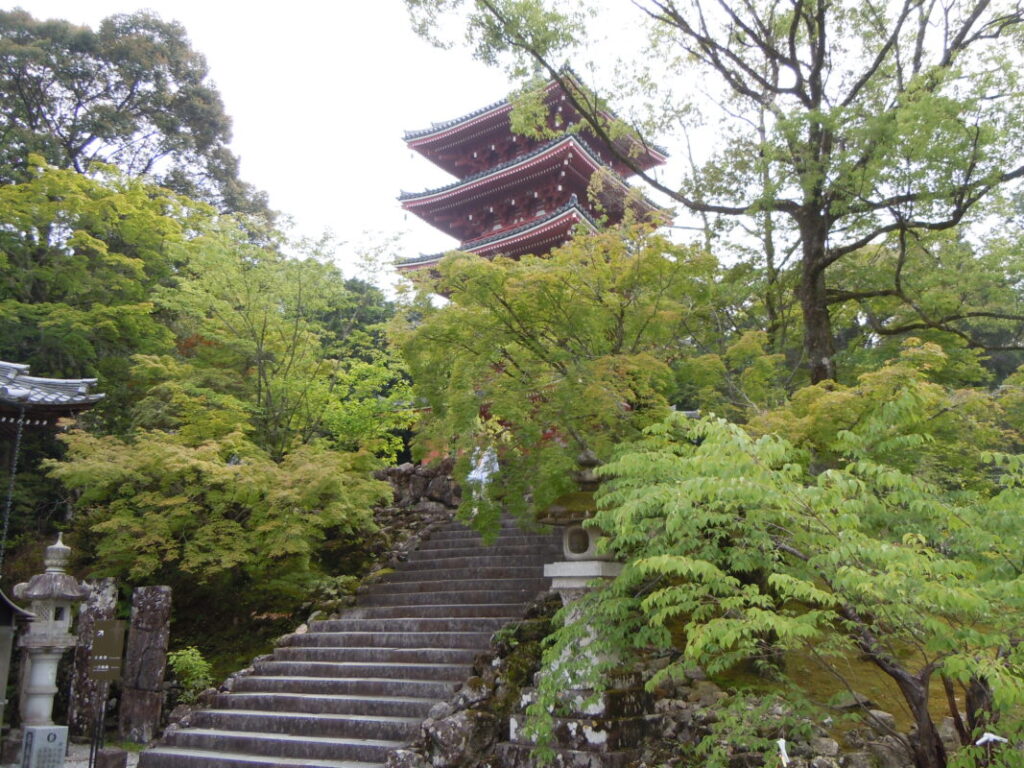
This section covered the route from Temple No. 25, Tsushōji, to Temple No. 34, Tanemaji. After entering Kochi Prefecture, the distances between temples gradually became longer. Since summer was approaching, I also started feeling the heat, and this section gave me my first real sense of Kochi’s long-distance character.
| Day | Date | Weather | Temples Visited | Walking Distance | Accommodation |
|---|---|---|---|---|---|
| Day 10 | May 30 | Sunny | 25–26 | 22 km | Nijūshishi Park (camping) |
| Day 11 | May 31 | Sunny | 27 | 38 km | Yasu (camping) |
| Day 12 | June 1 | Sunny | 28–32 | 38 km | Niida (camping) |
| Day 13 | June 2 | Sunny | 33–34 | 11 km | – |
Third Pilgrimage Section
Total distance: Approximately 281 km (175 miles)
Period: August 8 – August 15 (8 days)
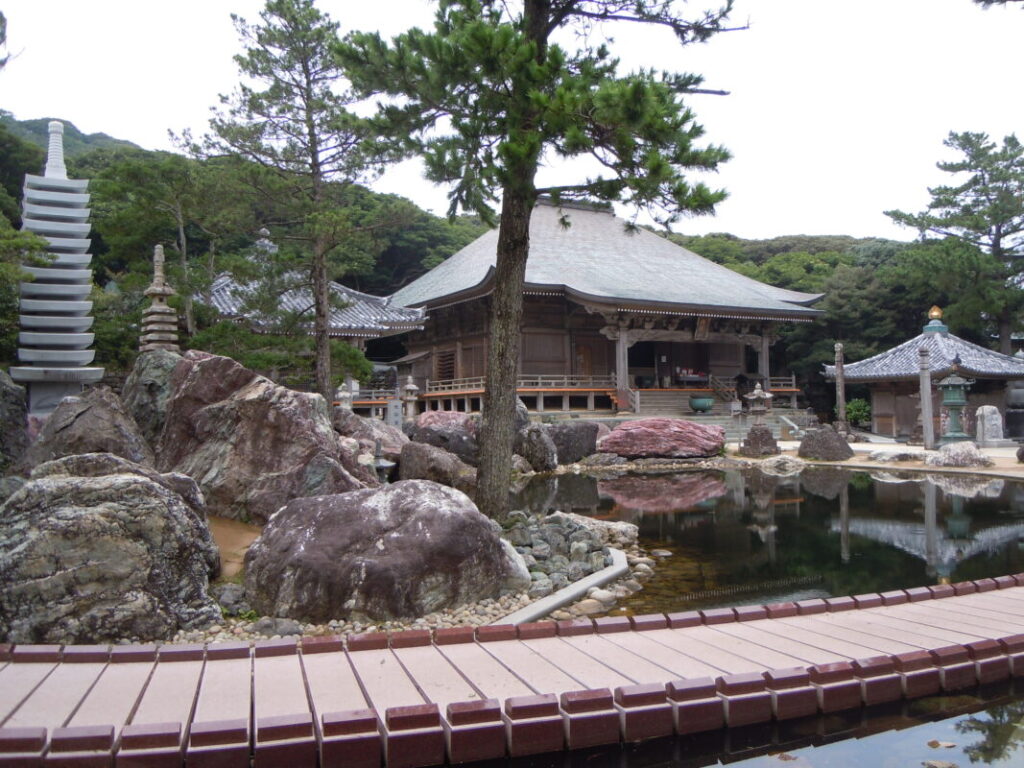
This section covered the route from Temple No. 34, Tanemaji, through Temple No. 40, Kanjizaiji, and onward to Uwajima. The second half of Kochi involved continuous long-distance stretches and felt like one of the most demanding parts of my entire pilgrimage.
In addition to the intense summer heat, I also encountered a typhoon, which made me realize that not only physical endurance, but also adapting to weather conditions, was extremely important.
| Day | Date | Weather | Temples Visited | Walking Distance | Accommodation |
|---|---|---|---|---|---|
| Day 14 | August 8 | Rain | 34–36 | 24 km | Kokuminshukusha Tosa (closed facility) |
| Day 15 | August 9 | Typhoon | – | 30 km | Awa (camping) |
| Day 16 | August 10 | Cloudy | 37 | 39 km | Tosa Saga Onsen (camping) |
| Day 17 | August 11 | Sunny | – | 43 km | Shimonokae / Mizuguruma (camping) |
| Day 18 | August 12 | Sunny | 38 | 38 km | Ifuri / Jinbei Square (camping) |
| Day 19 | August 13 | Sunny | 39 | 44 km | Sukumo (camping) |
| Day 20 | August 14 | Sunny | 40 | 23 km | Temple No. 40 Kanjizaiji (Tsuyado lodging) |
| Day 21 | August 15 | Sunny | – | 40 km | Uwajima (business hotel) |
Difficulty and Characteristics of Kochi
Kochi accounts for approximately 34% of the entire pilgrimage route and requires the greatest walking distance among the four prefectures.
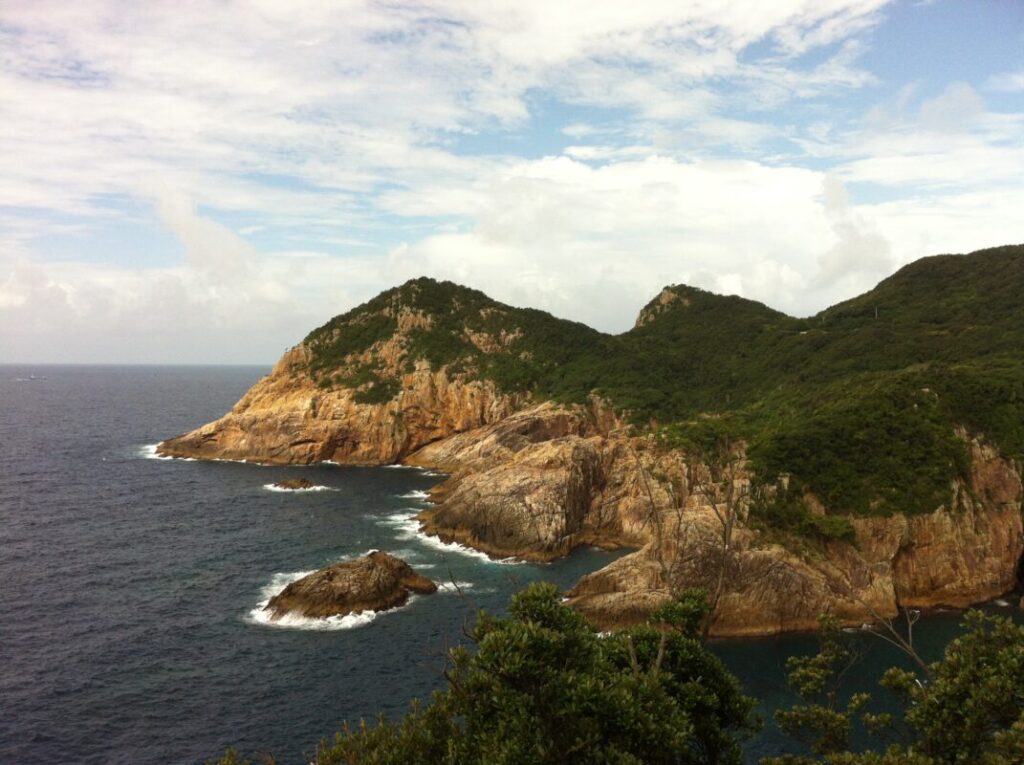
Its most distinctive feature is the long distance between temples. Two particularly well-known stretches are the approximately 76 km route from Temple No. 23, Yakuōji, to Temple No. 24, Hotsumisakiji, and the approximately 80 km route from Temple No. 37, Iwamotoji, to Temple No. 38, Kongōfukuji.
In Tokushima, temples appeared at relatively short intervals. In Kochi, however, there were many situations where I simply had to continue walking long distances before reaching the next temple.
Because of this, I felt that physical stamina alone was not enough. Managing water, food, and daily plans became equally important.
On the other hand, the number of temples visited per day was usually smaller, meaning that temple visits themselves did not consume much time. Since long-distance walking became the main focus, it was also easier to establish a consistent walking rhythm.
Things I Paid Attention to During Summer Pilgrimage Walking
Needless to say, the heat was extremely intense.
In fact, dealing with the heat felt like a greater challenge than the walking itself.
At the same time, summer also had advantages. Longer daylight hours made it easier to walk for extended periods and cover more distance. Since Kochi also has long intervals between temples, less time was spent stopping for temple visits, making it easier to increase daily mileage.
However, just because you can walk farther does not necessarily mean you should. Pushing too hard in summer quickly leads to exhaustion.
Hydration
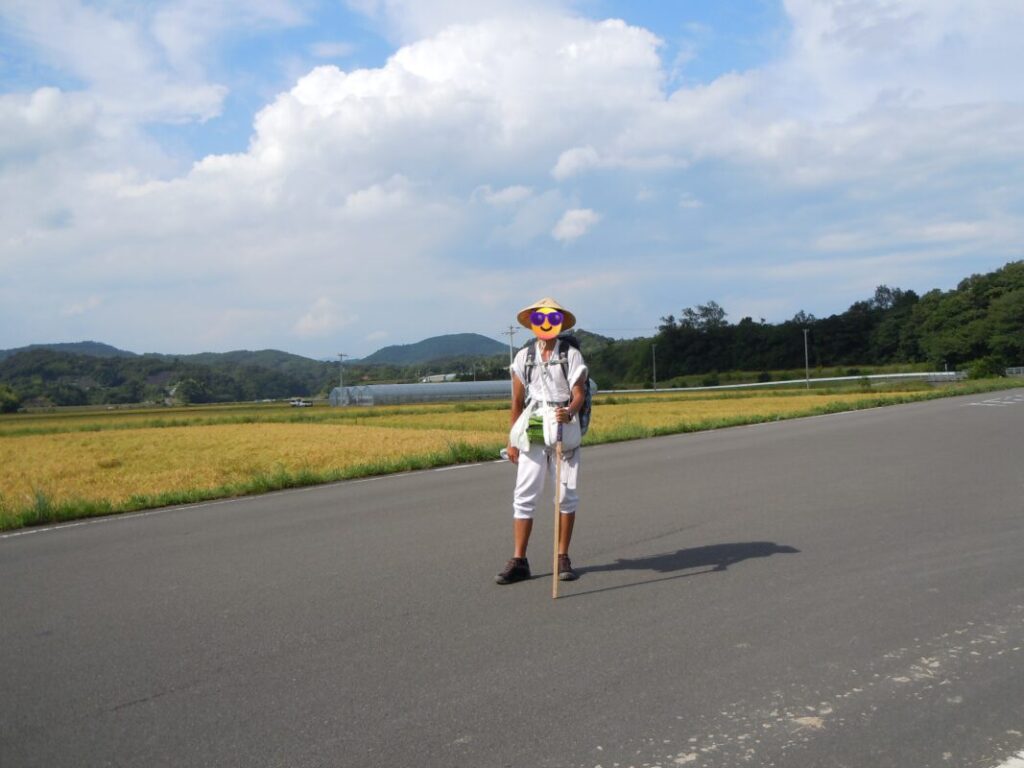
In Kochi, I often had no idea where the next vending machine or store would be, so I tried to carry at least one liter of water at all times.
I also avoided drinking large amounts at once. Instead, I made a habit of taking small sips every fifteen minutes or so.
Rather than waiting until I felt thirsty, drinking regularly seemed to reduce fatigue considerably.
I felt that during hot weather, preventing dehydration before it starts is much more effective than trying to recover afterward.
Hat and Traditional Pilgrim Hat (Sugegasa)
Protection from direct sunlight was absolutely necessary.
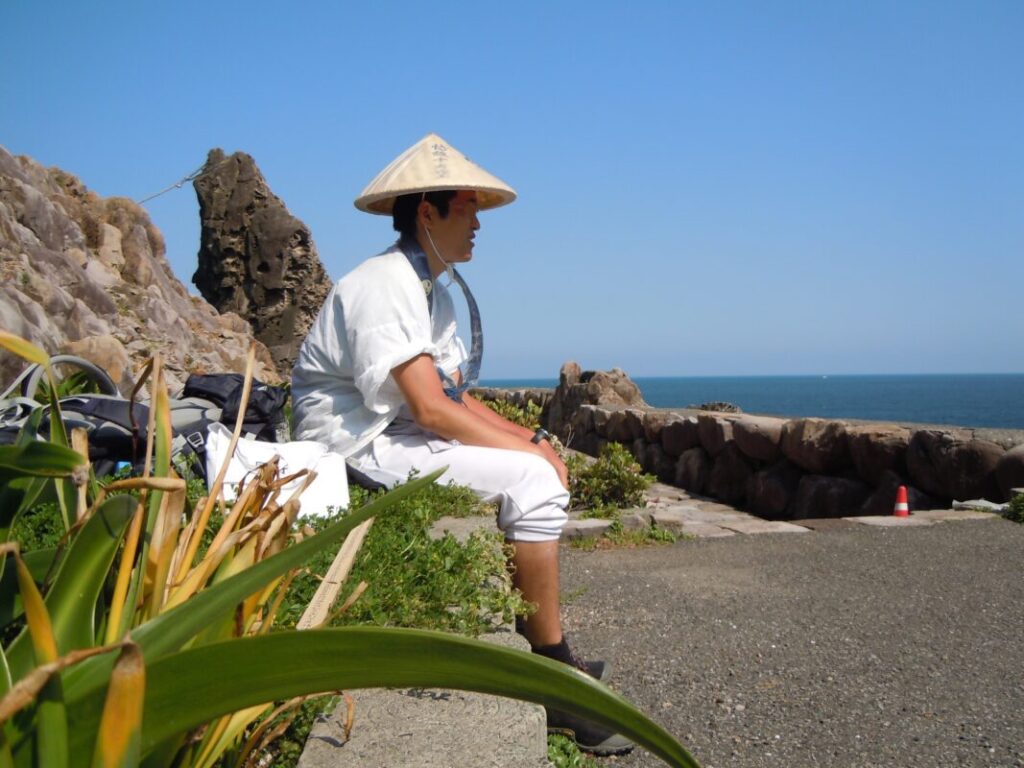
I used a traditional pilgrim hat called a Sugegasa, and it turned out to be extremely helpful because it shaded not only my face, but also my neck and shoulders.
Regular hats would probably work as well, but for long hours of walking, I felt that something providing wider shade was much more comfortable.
Preventing Heat Exhaustion
Summer heat was difficult not only because of the temperature itself, but also because of heat reflected from the road surface.
Taking breaks in shaded areas and avoiding unnecessary overexertion became important. I found that resting when I first noticed signs of fatigue actually allowed me to walk farther overall.
I also noticed that depending on the accommodation, Tsuyado lodging could sometimes feel hotter than expected. Buildings occasionally retained heat from the day, and in some places, sleeping outdoors actually felt cooler.
For summer pilgrimages, I think it helps to consider not only where to stay, but also the facilities and surrounding environment.
I have covered summer pilgrimage travel in more detail in a separate article.
Walking the Shikoku Pilgrimage in Summer: 280km Real Experience Guide
My Dangerous Experience During a Typhoon
One of the most difficult experiences during my pilgrimage was encountering a large typhoon while heading toward Kongōfukuji.
The wind and rain gradually became stronger until continuing to walk became difficult.
I was unable to follow my planned schedule and ended up having no choice but to camp overnight. Looking back, I think it was a risky decision.
Even after a typhoon passes, there are still dangers to consider. Mountain temple areas can remain affected by fallen trees, landslides, and other hazards.
For summer walking pilgrimages, I think it is important to consider not only the heat, but also the possibility of typhoon season when planning your trip.
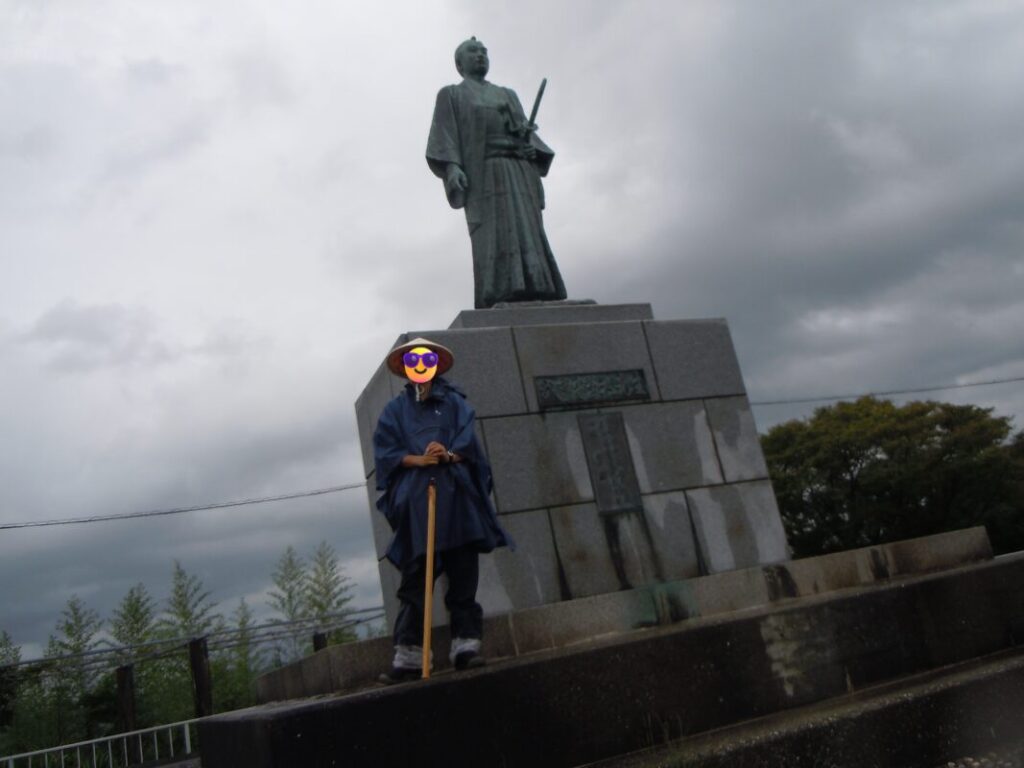
I discuss walking pilgrimages during typhoon season in more detail in a separate article as well.
Shikoku Pilgrimage During Typhoon Season: Risks, Safety Tips & Real Experience
What Kochi Taught Me
The biggest lesson I learned in Kochi was that physical endurance alone is not enough.
Long-distance walking ability is certainly important, but even more important were things like managing heat, staying hydrated, and making decisions based on changing weather conditions.
Especially in summer, I felt that prioritizing safety mattered more than strictly following a planned schedule.
Kochi may be a section where it is easy to cover long distances, but rather than pushing yourself too hard, adapting to your condition and the weather ultimately leads to a safer and more enjoyable pilgrimage experience.
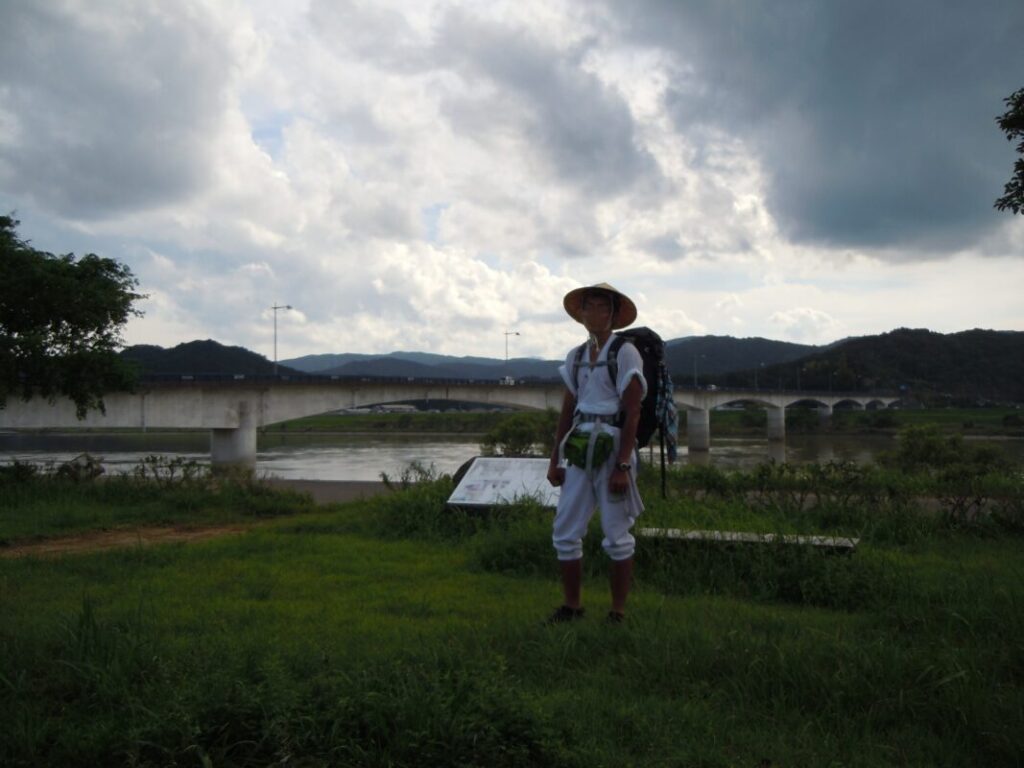
Related Article
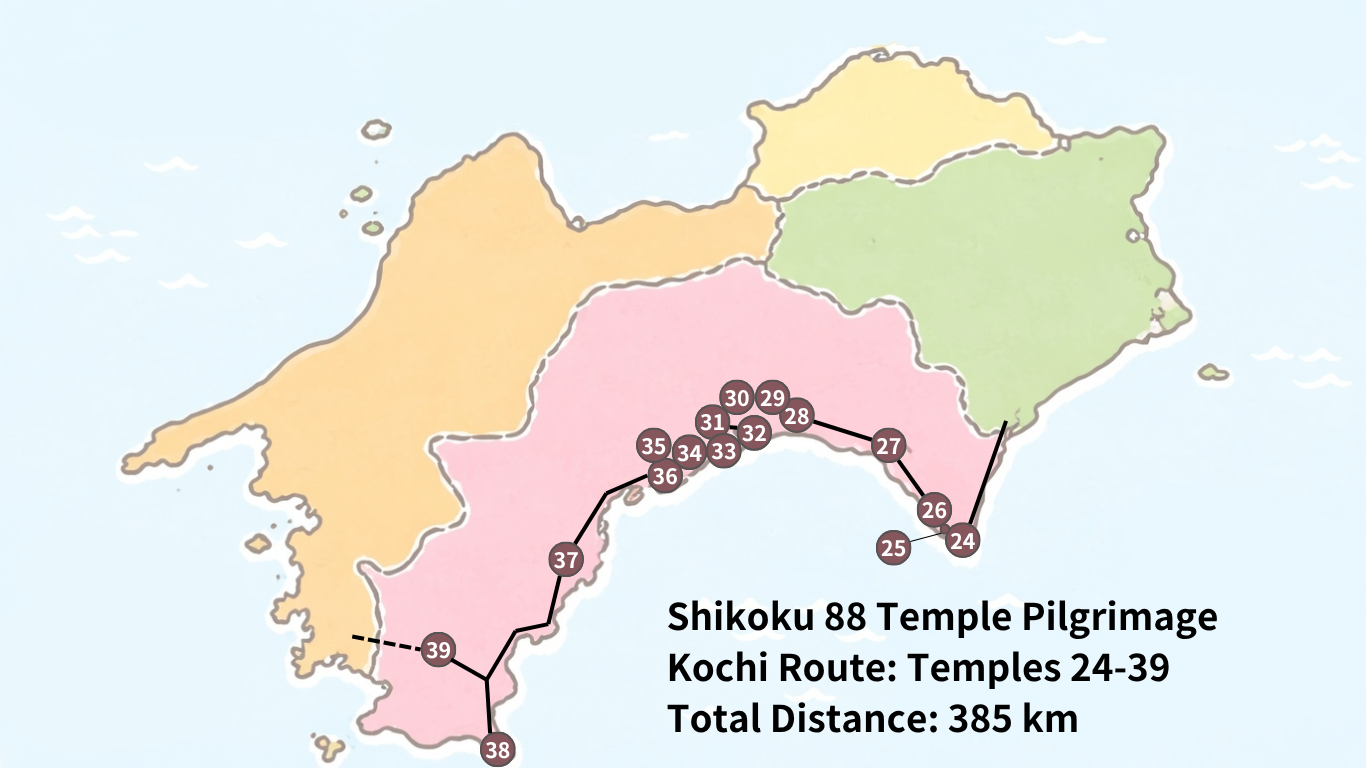
Explore Temples 24–39 of the Shikoku Pilgrimage in Kochi Prefecture. Discover temple history, goshuin, walking routes, distances, Google Maps, and first-hand tips from an experienced walking pilgrim.
Ehime | Winter Pilgrimage Walking Becomes a Battle Against the Cold
Ehime Journey Overview
Fourth Pilgrimage Section
Total distance: Approximately 307 km (191 miles)
Period: December 26 – January 4 (10 days)
This section covered the route from Temple No. 41, Ryūkōji, to Temple No. 65, Sankakuji. Since I walked during the New Year holiday season, I strongly felt both the winter cold and the shorter daylight hours.
This area also included many mountain temples, making protection against cold weather—especially during rest periods and overnight stays—particularly important.
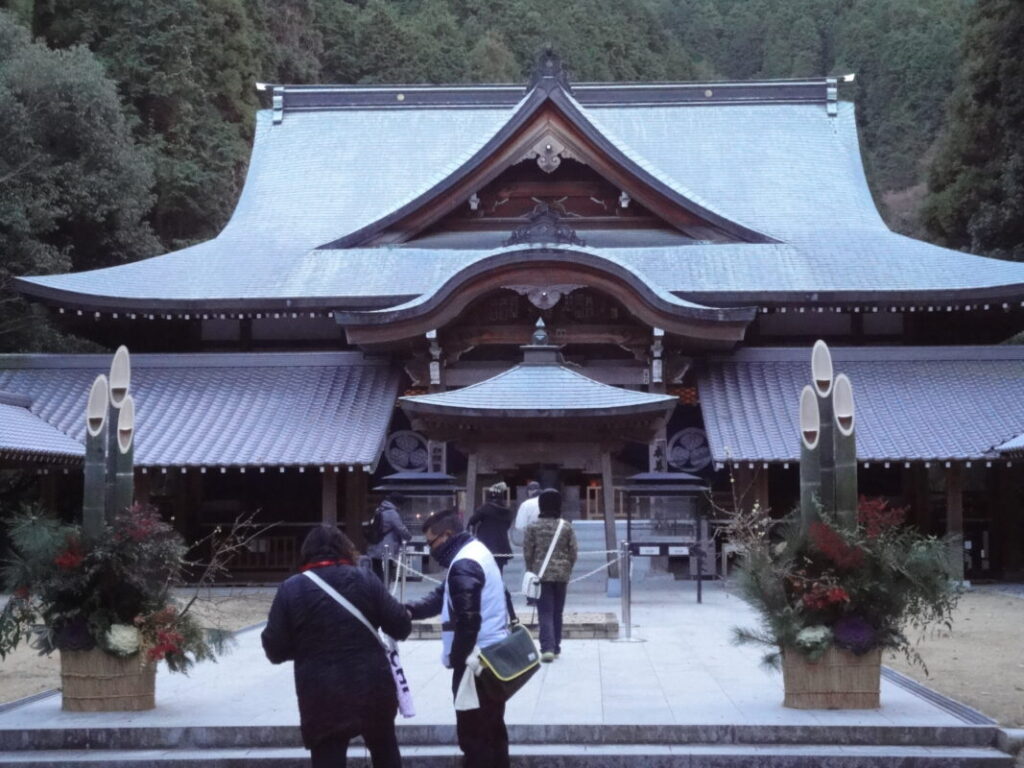
| Day | Date | Weather | Temples Visited | Walking Distance | Accommodation |
|---|---|---|---|---|---|
| Day 22 | Dec 26 | Sunny | 41–43 | 24 km | Uwa (business hotel) |
| Day 23 | Dec 27 | Sunny | – | 40 km | Ose, Uchiko Town (camping) |
| Day 24 | Dec 28 | Sunny | 44–45 | 39 km | Kokuminshukusha Furuiwayaso |
| Day 25 | Dec 29 | Sunny | 46–49 | 40 km | Dogo Park (camping) |
| Day 26 | Dec 30 | Sunny | 50–53 | 29 km | Bunka no Mori (camping) |
| Day 27 | Dec 31 | Sunny | 54–56 | 32 km | Temple No. 56 Taisanji (Tsuyado lodging) |
| Day 28 | Jan 1 | Cloudy | 57–59 | 32 km | Shikokuya (hotel) |
| Day 29 | Jan 2 | Snow | 60–64 | 28 km | Iyo-Saijō (business hotel) |
| Day 30 | Jan 3 | Sunny | – | 38 km | Togawa Park (camping) |
| Day 31 | Jan 4 | Sunny | 65 | 5 km | – |
Difficulty and Characteristics of Ehime
Ehime accounts for approximately 32% of the entire pilgrimage route. Not only is the distance long, but there are also many mountain routes with significant elevation changes, making it a physically demanding section.
Temple No. 44 Daihōji, Temple No. 45 Iwayaji, and Temple No. 60 Yokomineji are particularly well known as difficult mountain temples. Because of the constant climbs and descents, there were times when the fatigue felt greater than the actual walking distance suggested.
At the same time, Ehime also includes many urban and town areas, which created noticeable changes in scenery and atmosphere while walking.
There were many moments when I would leave mountain regions and suddenly enter towns, which helped break up the long-distance walking and mentally refresh me.
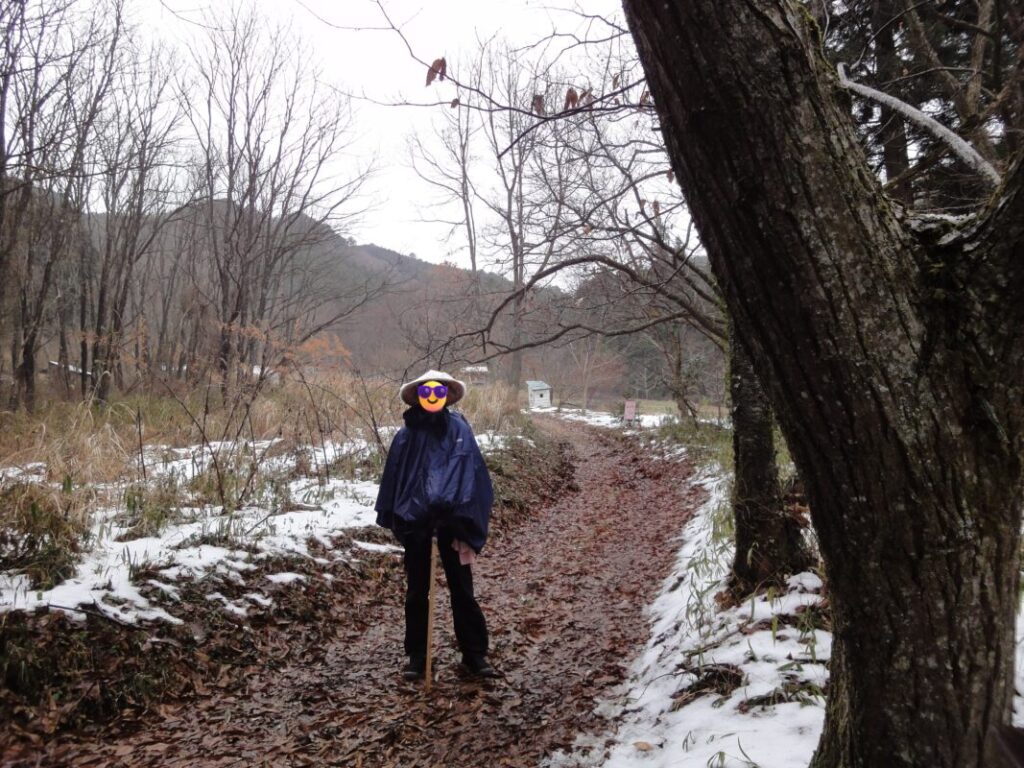
I walked through Ehime during the New Year holiday season. I expected to see very few pilgrims, but in reality I encountered more pilgrims than I had anticipated.
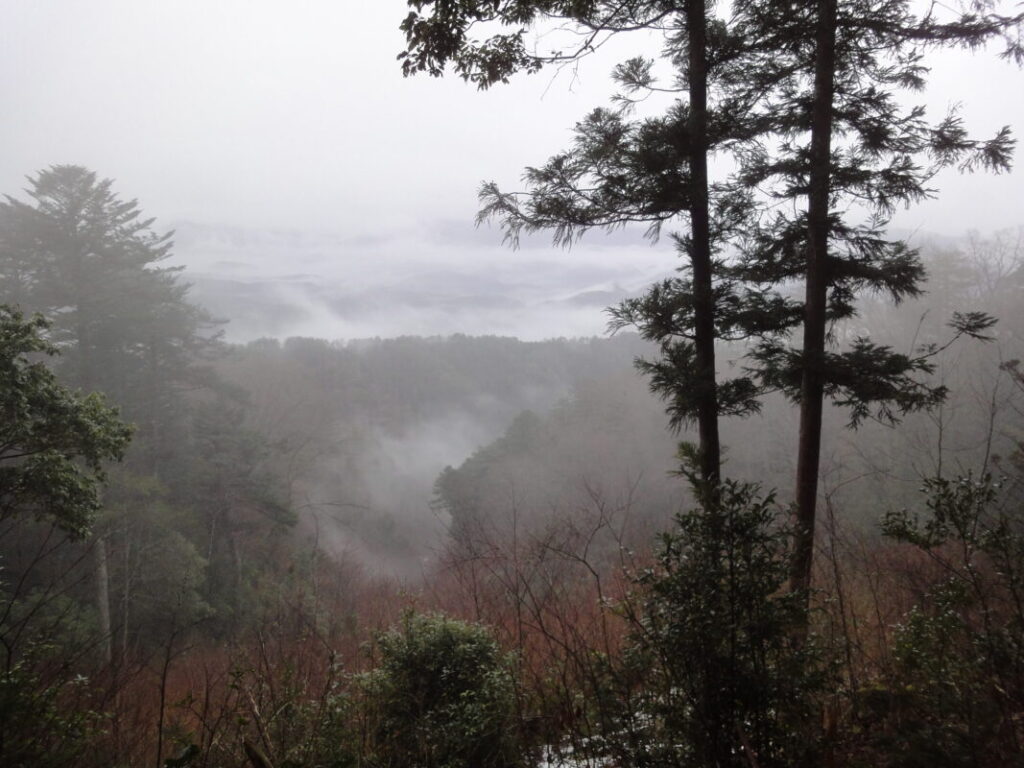
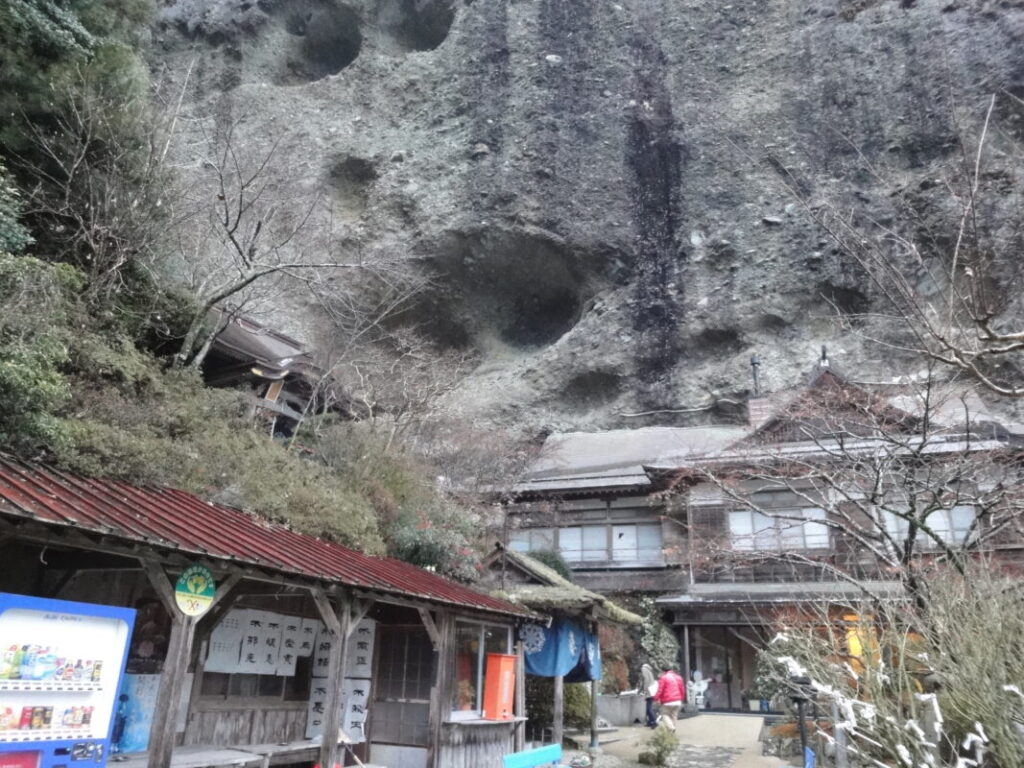
Winter Clothing and Cold Weather Preparation
The most important thing during winter pilgrimage walking, in my experience, was protection from the cold.
While walking, body heat naturally keeps you warm, but during breaks and in the early morning or evening, temperatures dropped significantly.
In mountain areas especially, the cold felt much more severe than I had expected, and there was a huge difference between how warm I felt while moving and while standing still.
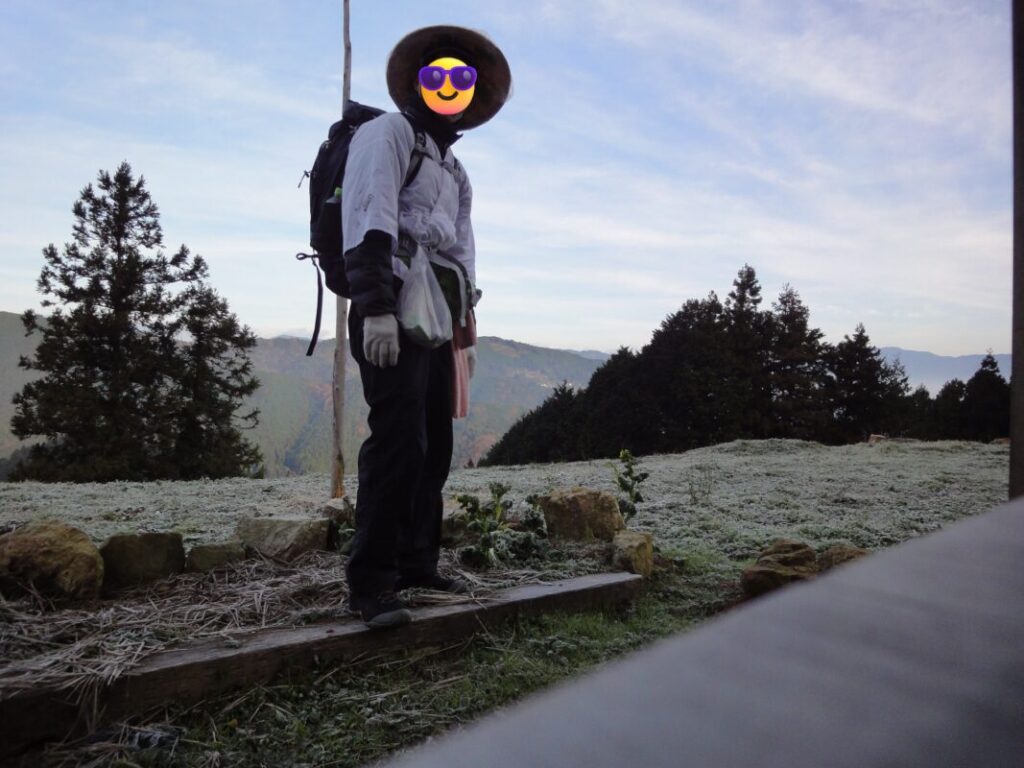
For me, I focused on clothing that provided warmth while staying as lightweight as possible.
Base Layers
My basic strategy was layering.
Since body temperature rises while walking, I found it more practical to wear several lighter layers rather than one thick layer.
This made it easier to adjust clothing according to temperature and time of day, allowing me to manage body temperature more effectively.
Down Jacket
For outerwear, I used a lightweight down jacket.
I considered bringing heavier winter clothing, but backpack weight also matters during a walking pilgrimage, so I chose something light and compact.
While walking, I wore my white pilgrim jacket over the down jacket, which provided more than enough warmth.
I also used simple work gloves to keep my hands warm. They were not specialized winter gear, but they worked surprisingly well during cold mornings.
Sleeping Bag
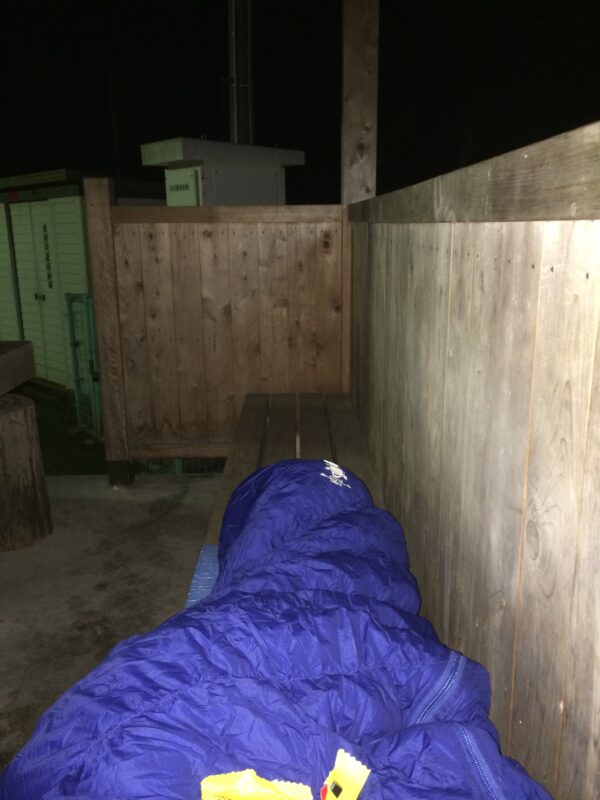
I camped outdoors on several occasions.
For those nights, I continued using the same sleeping bag I had used during spring, which turned out to be a mistake.
In lower-elevation areas, layering clothing allowed me to sleep reasonably well, but in mountain regions the cold became severe enough that I struggled to get enough sleep.
While walking, I had assumed body heat would make things manageable, but conditions changed dramatically at night.
For anyone planning winter pilgrimage walking in mountainous areas, I think choosing a sleeping bag designed for winter conditions is important.
Advantages and Disadvantages of Winter Pilgrimage Walking
Winter pilgrimage walking certainly had its difficulties, but there were also aspects that I enjoyed.
The biggest disadvantage was the short daylight hours.
Compared with summer, the amount of available walking time felt much more limited, making it harder to cover long distances. Since it became dark quickly in the evening, I needed to think about accommodation and arrival times much earlier.
On the other hand, lower temperatures meant less physical exhaustion while walking.
Unlike summer, I was not constantly drained by heat, and the burden on my body and feet felt lighter overall.
Even after long-distance walking, I experienced less fatigue from sweating, which made the act of walking itself feel relatively comfortable.
Winter pilgrimage walking definitely requires preparation for the cold, but for people who dislike hot weather, I think it can actually be one of the more comfortable seasons for walking.
Related Article
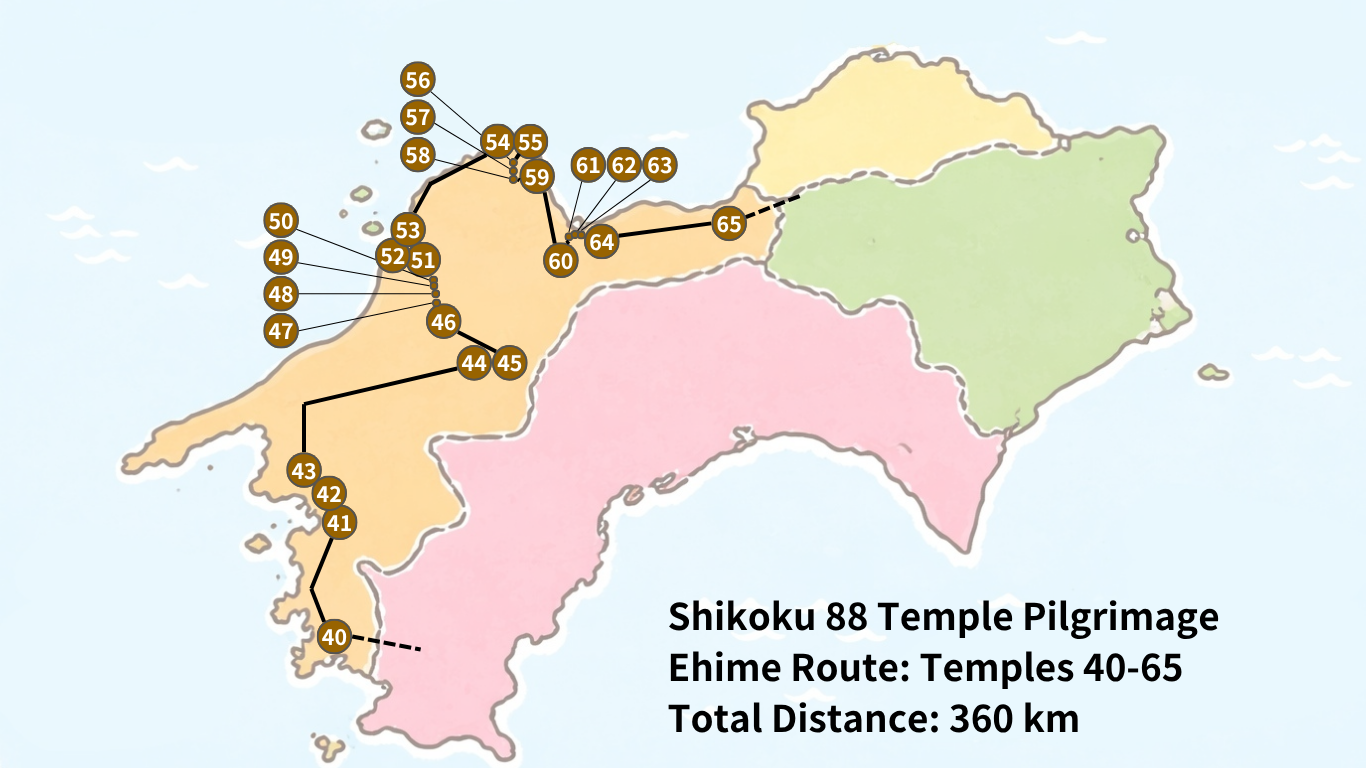
Explore Temples 40–65 of the Shikoku 88 Temple Pilgrimage in Ehime Prefecture. Discover temple histories, highlights, Goshuin, Omie, walking routes, distances, and personal experiences from the pilgrimage trail.
Kagawa | Short Distances Between Temples, but More Time Spent on Temple Visits
Kagawa Journey Overview
Fifth Pilgrimage Section
Total distance: Approximately 203 km (126 miles)
Period: April 29 – May 5 (7 days)
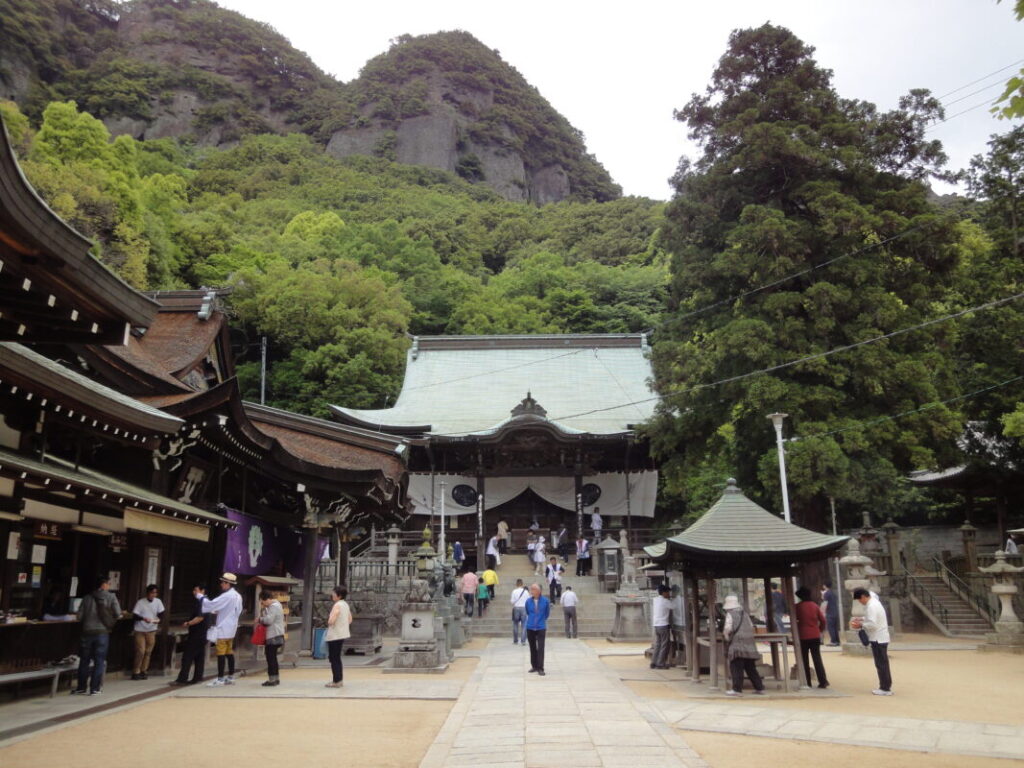
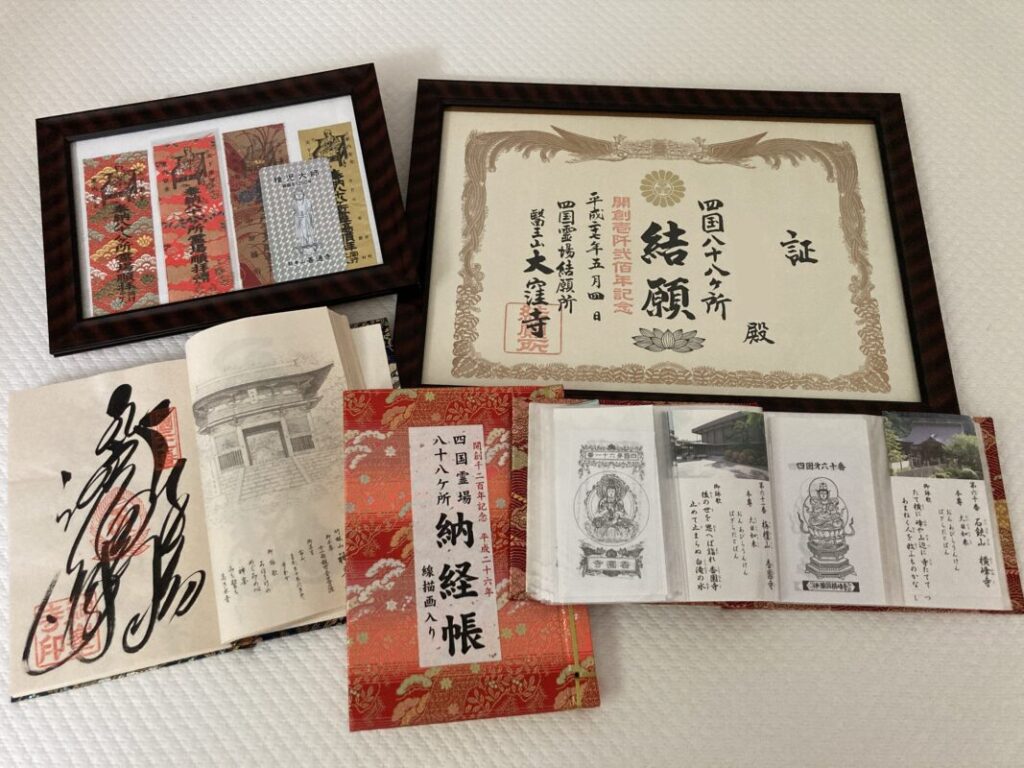
This section covered the route from Temple No. 65, Sankakuji, to Temple No. 88, Ōkuboji, and finally back to Temple No. 1, Ryōzenji.
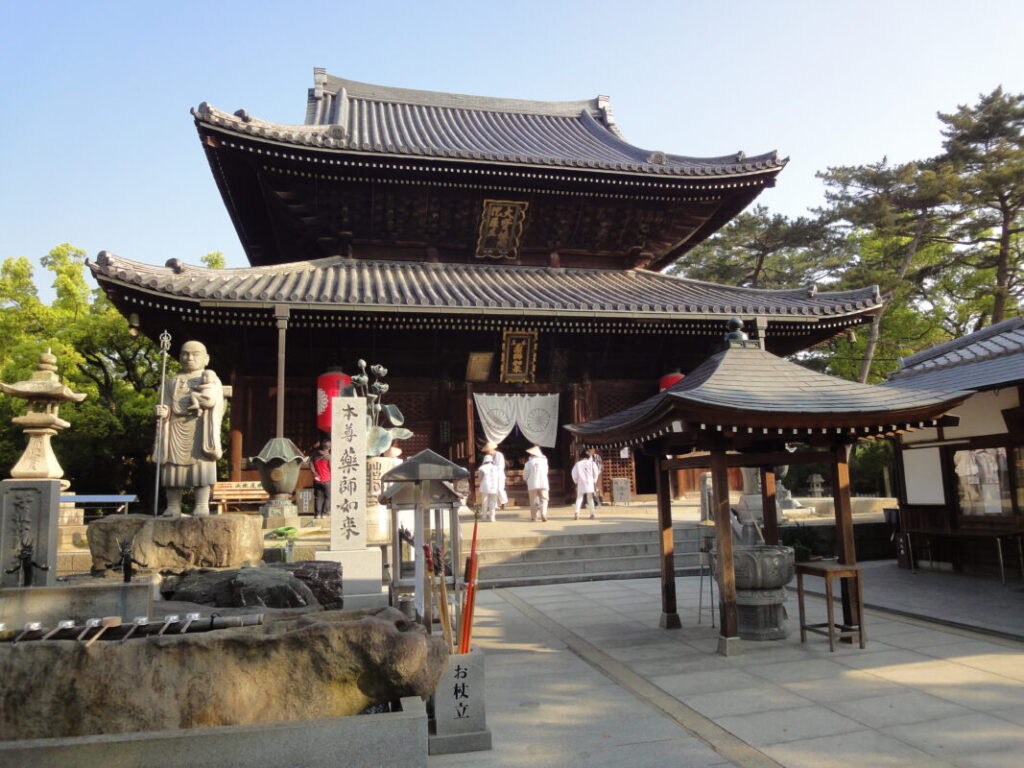
The distances between temples felt relatively short, making the walking itself more comfortable. On the other hand, because I visited more temples each day, I also needed to pay attention not only to walking distance but to time management as well.
| Day | Date | Weather | Temples Visited | Walking Distance | Accommodation |
|---|---|---|---|---|---|
| Day 32 | Apr 29 | Sunny | 65–67 | 32 km | Temple No. 67 Daikōji (camping) |
| Day 33 | Apr 30 | Sunny | 68–75 | 32 km | Temple No. 75 Zentsūji (temple lodging) |
| Day 34 | May 1 | Sunny | 76–80 | 30 km | Goshikidai (camping) |
| Day 35 | May 2 | Sunny | 81–83 | 26 km | Ritsurin (free pilgrim lodging) |
| Day 36 | May 3 | Sunny | 84–87 | 31 km | Kikaku Park (camping) |
| Day 37 | May 4 | Sunny | 88 | 31 km | Toramaru Park (camping) |
| Day 38 | May 5 | Sunny | 1 | 21 km | – |
Difficulty and Characteristics of Kagawa
Kagawa accounts for approximately 14% of the total pilgrimage route, making it the shortest section among the four prefectures.
My overall impression was that it felt relatively easy to walk.
By this point, I had already completed Tokushima, Kochi, and Ehime, so I had become much more accustomed to both the physical demands and the rhythm of long-distance walking.
Kagawa also has relatively short distances between temples, and many temples are located close to train stations and urban areas, making it easier to access accommodations, convenience stores, and supplies.
Compared with long-distance sections such as Kochi, I found it easier to rest and replenish supplies along the way, which gave me a stronger sense of comfort and security.
One of Kagawa’s most famous difficult sections is Temple No. 66, Unpenji.
Known as the highest temple among the Shikoku 88 Temples, it sits at an elevation of approximately 900 meters (2,950 feet).
The climb itself was certainly not easy, but my impression was that the ascent remained relatively steady. Compared with mountain sections involving repeated steep climbs and descents, such as Shōsanji, I actually found it easier to walk.
Overall, I felt Kagawa was one of the more approachable sections among the four prefectures.
However, it also came with a different type of challenge.
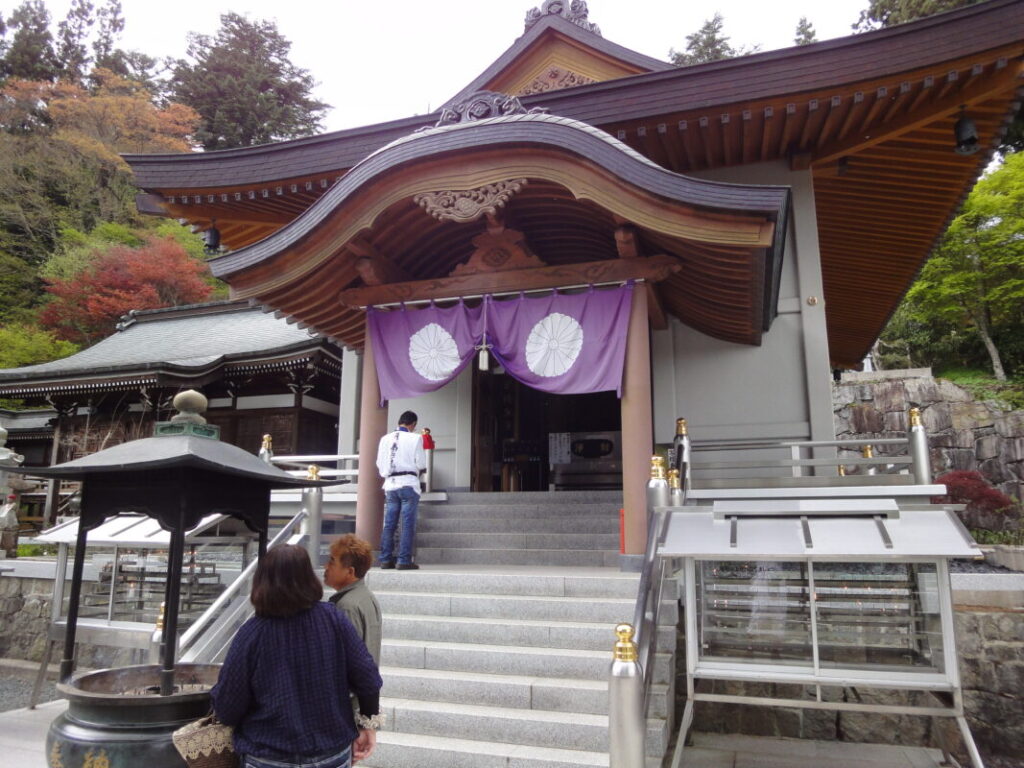
Because the temples are closer together, the number of temples visited each day naturally increases. Even if the walking distance itself was not especially long, time spent on prayers and collecting temple stamps gradually added up more than I expected.
Final Lessons and Things to Keep in Mind
In Kagawa, I felt that focusing only on walking distance was not enough—it was also important to think about how time was being used.
Temple Stamp Collection Time
Because the temples in Kagawa are located relatively close to one another, it is easy to arrive at temples one after another.
As a result, it can feel as though everything is progressing smoothly if you only think about the walking itself.
However, time spent praying and collecting temple calligraphy stamps (Nōkyō) gradually accumulates.
There were moments when I suddenly realized much more time had passed than I had expected.
Rather than rushing because of stamp office hours, I think it is better to leave some flexibility in your schedule and simply continue the next day if necessary.
In the end, walking at a comfortable pace made the pilgrimage much more enjoyable.
Related Article
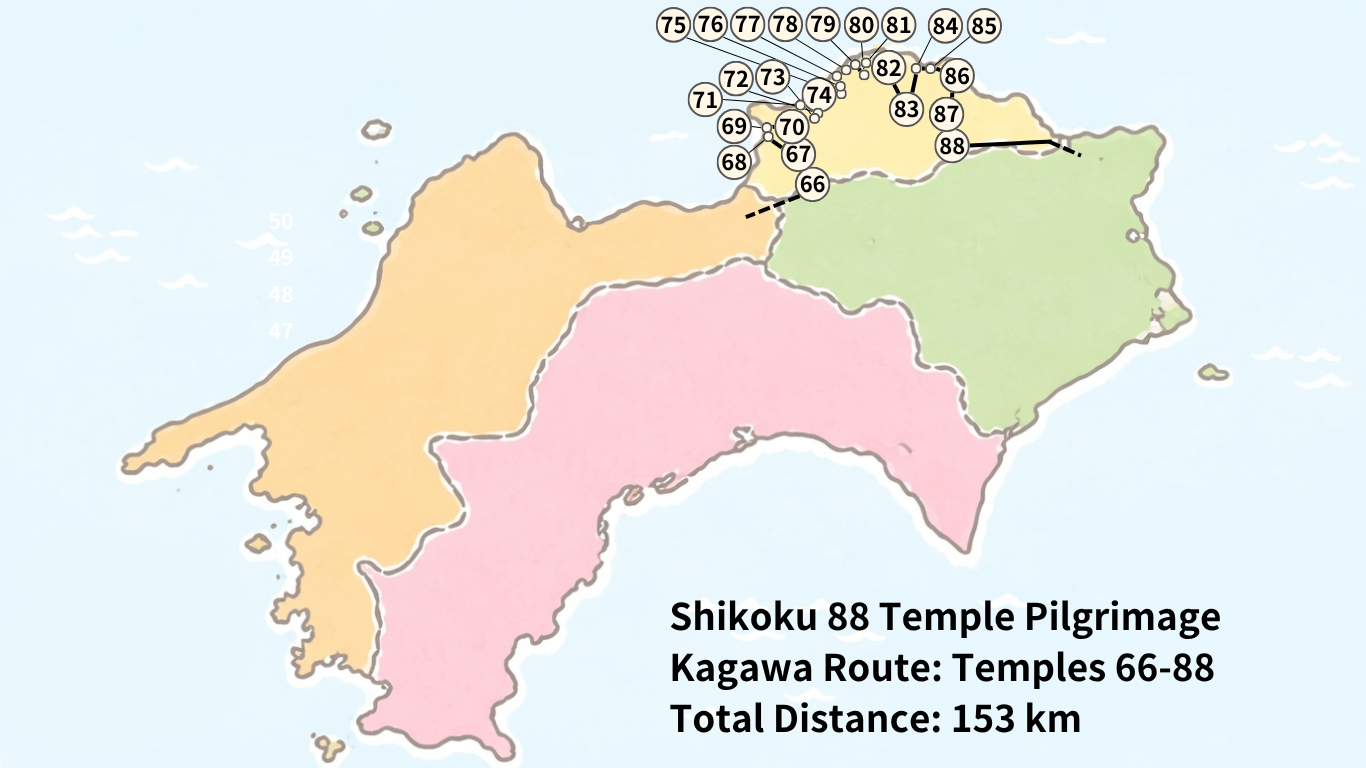
Explore Temples 66–88 of the Shikoku 88 Temple Pilgrimage in Kagawa Prefecture. Discover temple histories, highlights, Goshuin, Omie, walking routes, distances, and the journey to complete the pilgrimage at Ōkubo-ji Temple.
Advice for People About to Start a Walking Pilgrimage
After walking for 38 days, one thing I realized was that completing a walking pilgrimage is not simply a matter of physical strength.
Before starting, I thought things like “I need to prepare everything perfectly” and “I need to walk long distances every single day.” But once I actually began walking, the reality turned out to be somewhat different from what I had imagined.
Preparation is certainly important, but I do not think everything needs to be perfect from the very beginning. I feel it is easier and more sustainable to gradually discover what works best for you as you walk.
You Do Not Need Perfect Preparation From the Start
When preparing for your first walking pilgrimage, many people probably feel uncertain because they do not know exactly what they need.
Before my own journey, I also tried to bring as many things as possible because I thought I might need them. In reality, however, there were many items that I never used.
During a walking pilgrimage, people have very different walking styles, daily distances, accommodation choices, and personal needs. Because of that, I felt it was difficult to have everything perfectly figured out before leaving.
Only after actually walking do you gradually learn things such as:
“This turned out to be necessary.”
“I probably didn’t need this after all.”
Rather than aiming for perfection from the beginning, I think it is better to adjust things along the way. Having that mindset also removes a lot of unnecessary pressure.
Do Not Set Unrealistic Daily Distances
When I first started my pilgrimage, I constantly thought about covering as much distance as possible.
However, I quickly learned that you cannot walk the same distance every day.
Fatigue changes significantly depending on weather, temperature, physical condition, and whether mountain trails are involved. Even the same 30 km can feel completely different between a mostly flat route and a day filled with mountain climbs.
Walking pilgrimage is also about more than simply moving from place to place.
You need time for temple visits, rest breaks, and meals as well.
Even if there are days when you cannot follow your original schedule, I do not think it is something to worry too much about.
Rather than pushing yourself to increase distance, I felt it was more sustainable to finish the day while still leaving enough energy to continue the next day.
Buying Things Along the Way Is Perfectly Fine
Before leaving, I worried that forgetting something would become a major problem.
However, after actually walking, I found that most necessary items could easily be purchased locally.
Pilgrimage items can be purchased around Temple No. 1, Ryōzenji, and along the route there are convenience stores, drugstores, and home improvement stores as well.
For everyday items and spare clothing, I sometimes found it easier to buy things only when I actually needed them rather than carrying everything from the beginning.
Preparation is important, but I do not think you need to feel that you must bring absolutely everything with you.
Things do not always go according to plan during a walking pilgrimage. But perhaps adapting and figuring things out along the way is also part of the pilgrimage experience itself.
Conclusion
Looking only at the numbers—approximately 1,140 km (708 miles) and 38 days—a walking pilgrimage may seem like an overwhelming challenge.
And after actually walking it, I can say that it certainly was not always easy. There were difficult moments involving heat, cold, foot pain, and constantly changing weather conditions.
But when I look back on the journey now, the things that remain in my memory are not only the hardships.
I remember the people I met along the way, the scenery that gradually changed day by day, and the quiet experience of continuing forward at my own pace. These were things I could truly appreciate only because I chose to walk.
You do not need perfect preparation from the beginning, and making mistakes is perfectly fine. I also started with many things I did not fully understand and gradually improved little by little until I found a style that worked for me.
If this article can help even a little for those planning to begin their own walking pilgrimage journey, I would be very happy.
Related Article
This article provides a complete overview of the Shikoku 88 Temple pilgrimage routes, including distances, travel times, and temple lodging (shukubō).
Temple List and Full Route
Best Time to Walk the Shikoku Pilgrimage: Seasons Explained for Beginners.
Best Seasons for the Shikoku Pilgrimage

Comments