
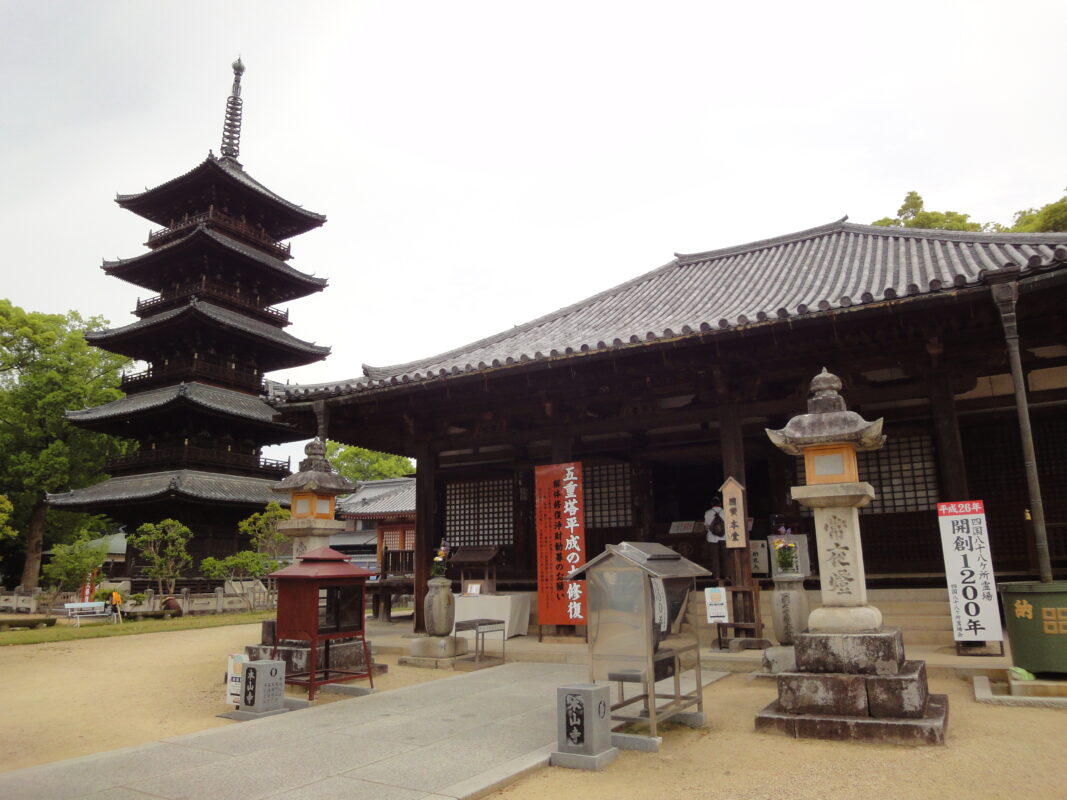
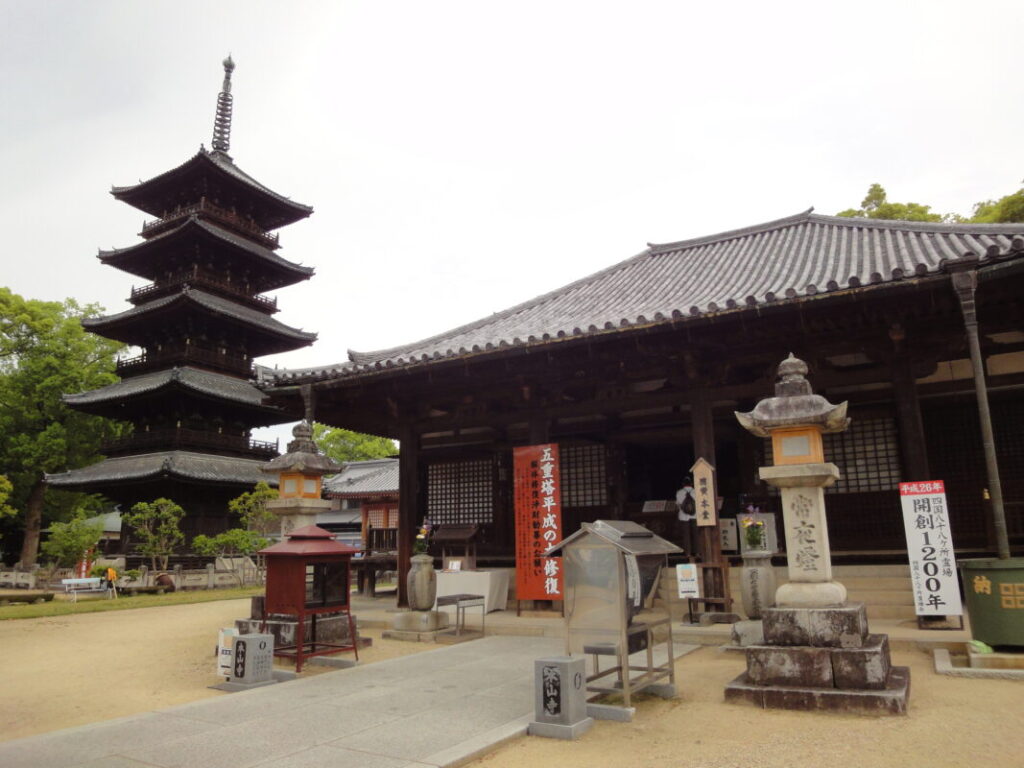
Motoyamaji Temple Information
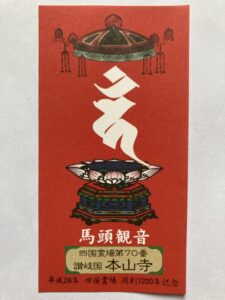
Goshuin
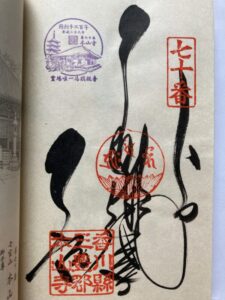
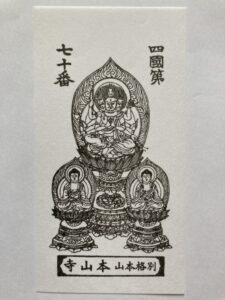
- Omie
- 1,200th Anniversary Edition
Basic Information
| Principal Deity | Batokannon |
| Elevation | 10 m |
| Google Maps | MAP |
Accommodation
| Shukubo (Temple Lodging) | Not Available |
| Tsuyado (Free Pilgrim Shelter) | Not Available |
History & Highlights
Motoyamaji Temple is an ancient temple founded by Kobo Daishi in 807. It is the only temple among the 88 temples of the Shikoku Pilgrimage that enshrines Batokannon (Horse-Head Kannon) as its principal deity.
The temple is home to a National Treasure Main Hall and a Five-Story Pagoda, and it also preserves the legend of the “Sword-Receiving Amida,” which is said to have protected the temple from destruction during the Tensho era. Motoyamaji remains a historic pilgrimage site with a rich cultural heritage.
Route Map, Distance & Travel Time
You can switch between the tabs to view the routes to the previous and next temples.
Select “Driving Route” from the map’s upper-left menu to display the driving route.
Click the Full Screen icon in the upper-right corner of the map to open it in Google Maps for a larger, easier-to-view map.
- From Previous Temple
- To Next Temple
Previous Temple: Kanonji
| Distance | 4.5 km |
| Walking | 1 hr 10 min |
| Driving | 10 min |
Next Temple: Iyadaniji
| Distance | 11.3 km |
| Walking | 3 hr 20 min |
| Driving | 30 min |
Transportation Guide
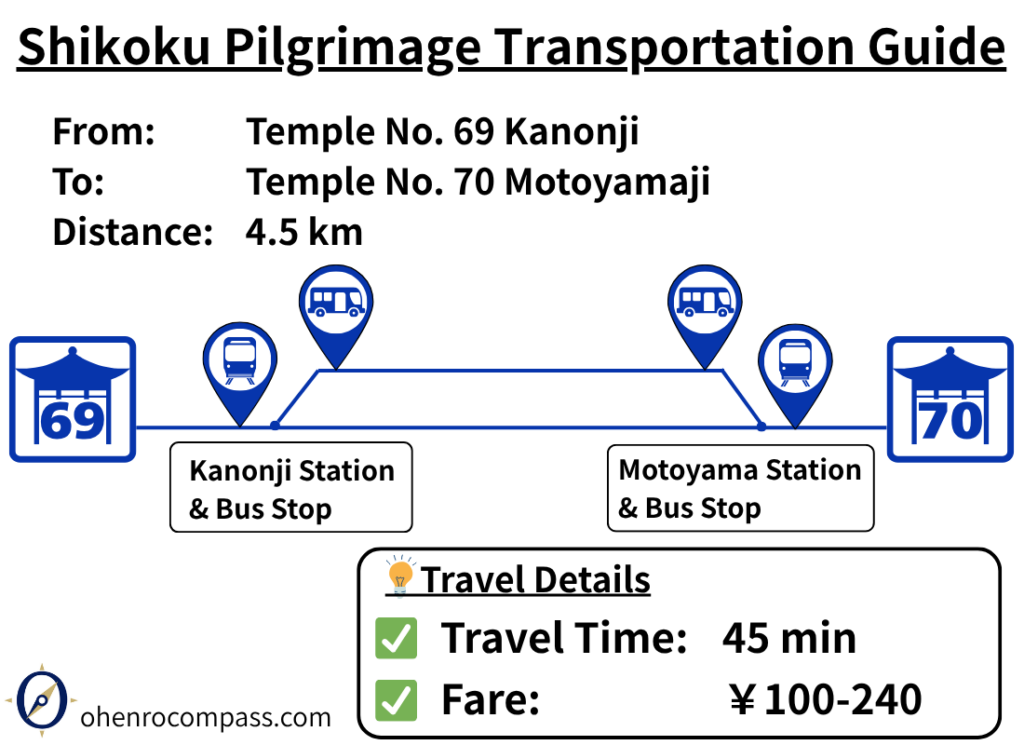
Travel from Kanonji (69th Temple) to Motoyamaji (70th Temple) by train or bus in about 45 minutes. The train costs ¥240 and the bus costs ¥100. Includes route details, timetables and walking options.
My Walking Experience
Motoyamaji Temple is located approximately 5 km east of Kanonji Temple.
After leaving Kanonji Temple, the route follows the pilgrimage trail along the Saita River. The riverside offers open views stretching into the distance, and many water birds can be seen along the way, creating a scenery quite different from the previous sections of the pilgrimage route.
Local residents can often be seen taking walks along the riverbank, and some even stopped to greet me during my walk. One person told me, “Motoyamasan is just ahead,” which gave me a sense of how deeply the temple is cherished by the local community.
History and Highlights of Motoyamaji Temple
The Only Temple on the Shikoku Pilgrimage Enshrining Batokannon
Motoyamaji Temple is said to have been founded in 807 by Kobo Daishi at the request of Emperor Heizei.
At the time, the temple was called “Chofukuji,” but it was later renamed “Motoyamaji,” the name it is known by today.
The most distinctive feature of Motoyamaji is that it is the only temple among the 88 temples of the Shikoku Pilgrimage whose principal deity is Batokannon (Horse-Head Kannon).
Batokannon is a unique form of Kannon with a horse’s head above the crown of the head. A statue of a horse can also be found near the Main Hall, reflecting the temple’s connection with this deity.
At Motoyamaji, I chanted the mantra of Batokannon for the first time. Although the unfamiliar words felt slightly awkward at first, the experience became a meaningful moment of connection with the only principal deity of its kind among the Shikoku pilgrimage temples.
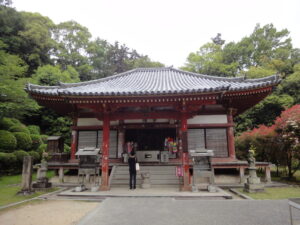
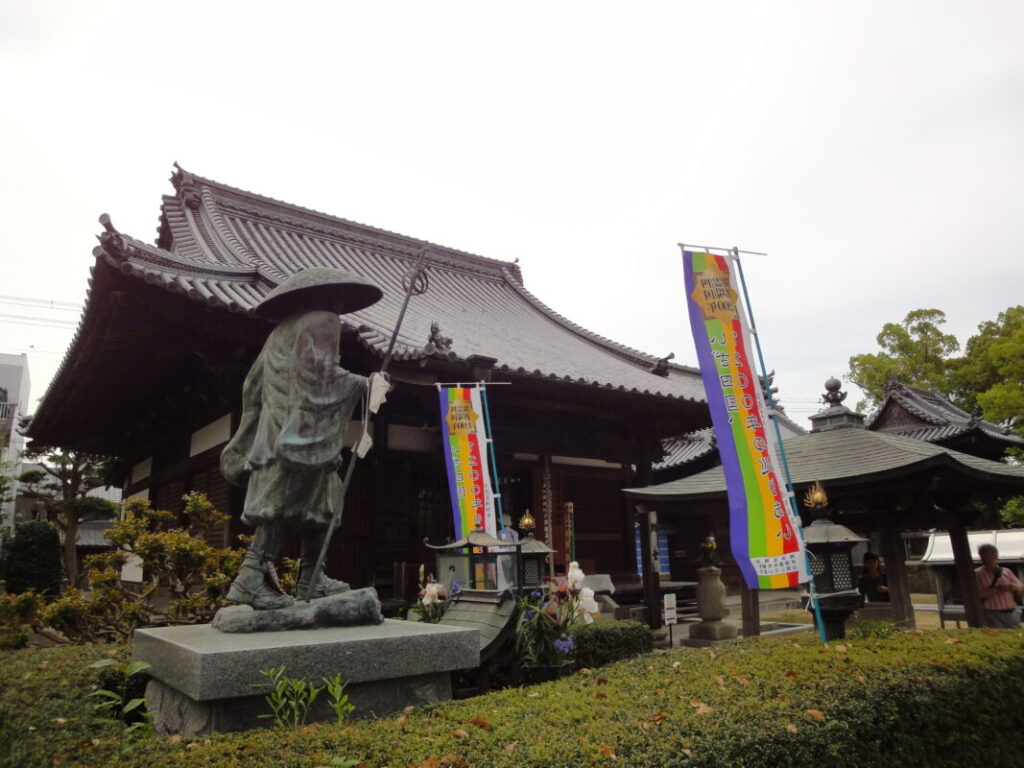
The Main Hall of Motoyamaji Temple
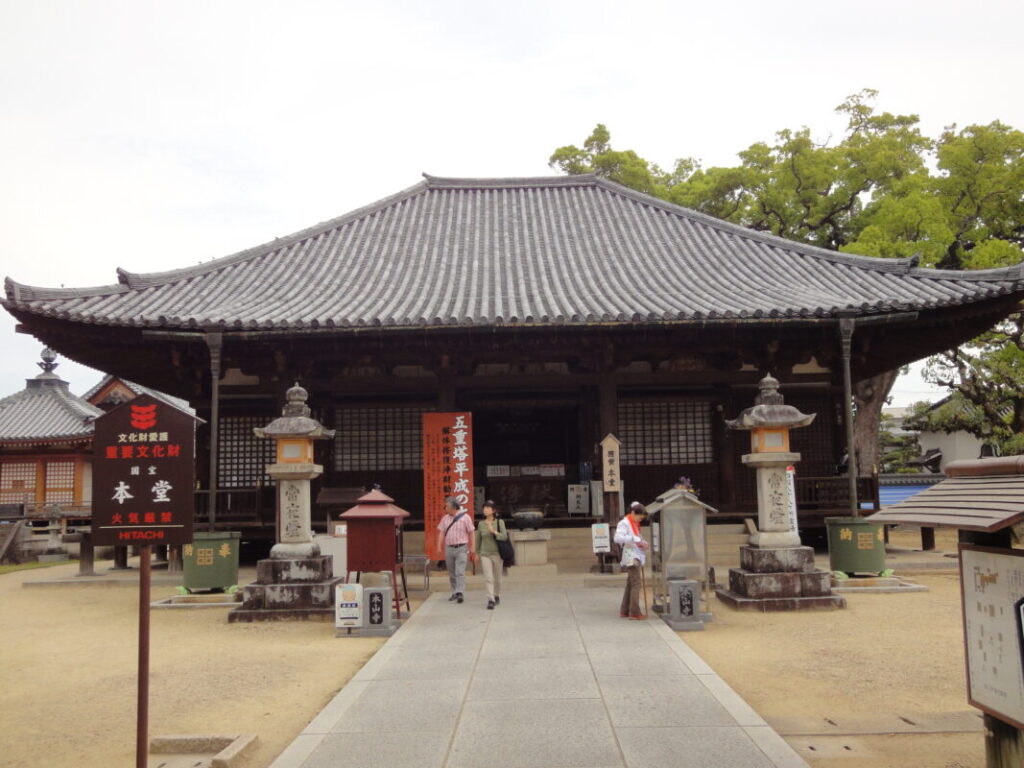
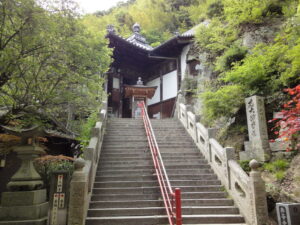
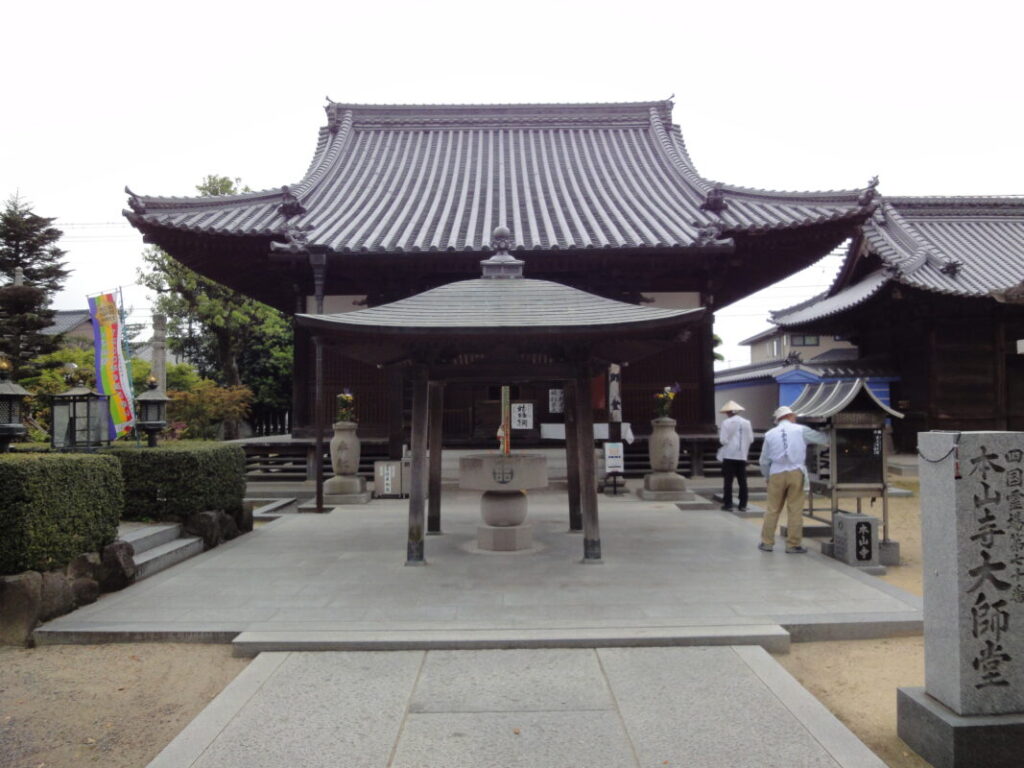
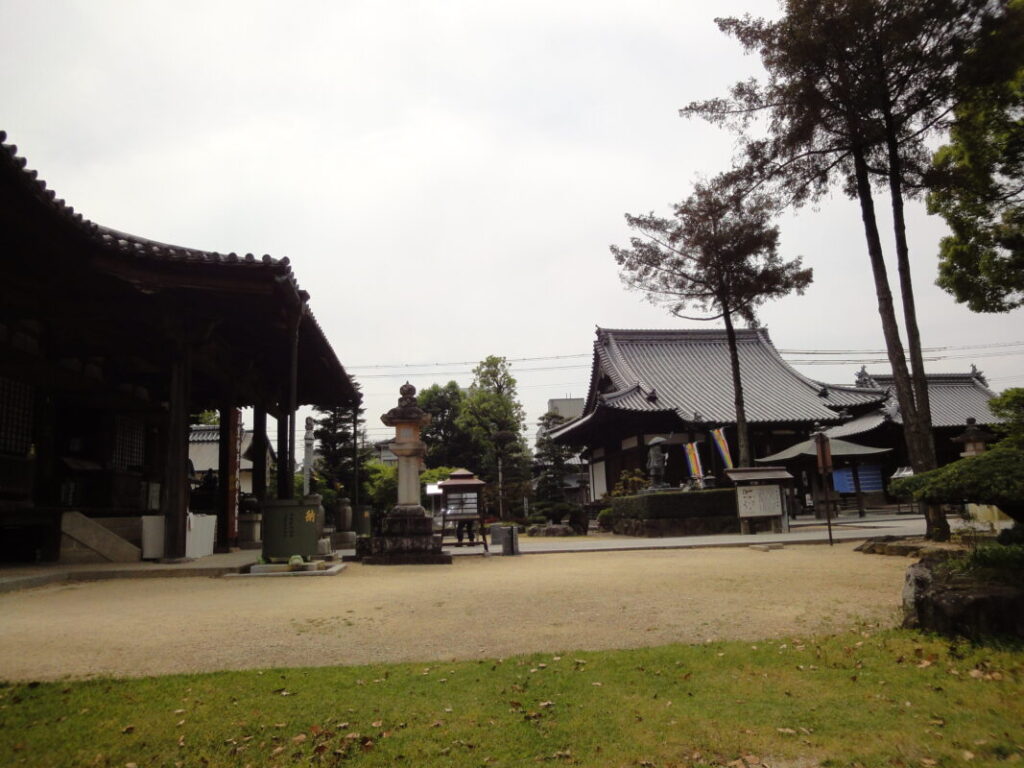
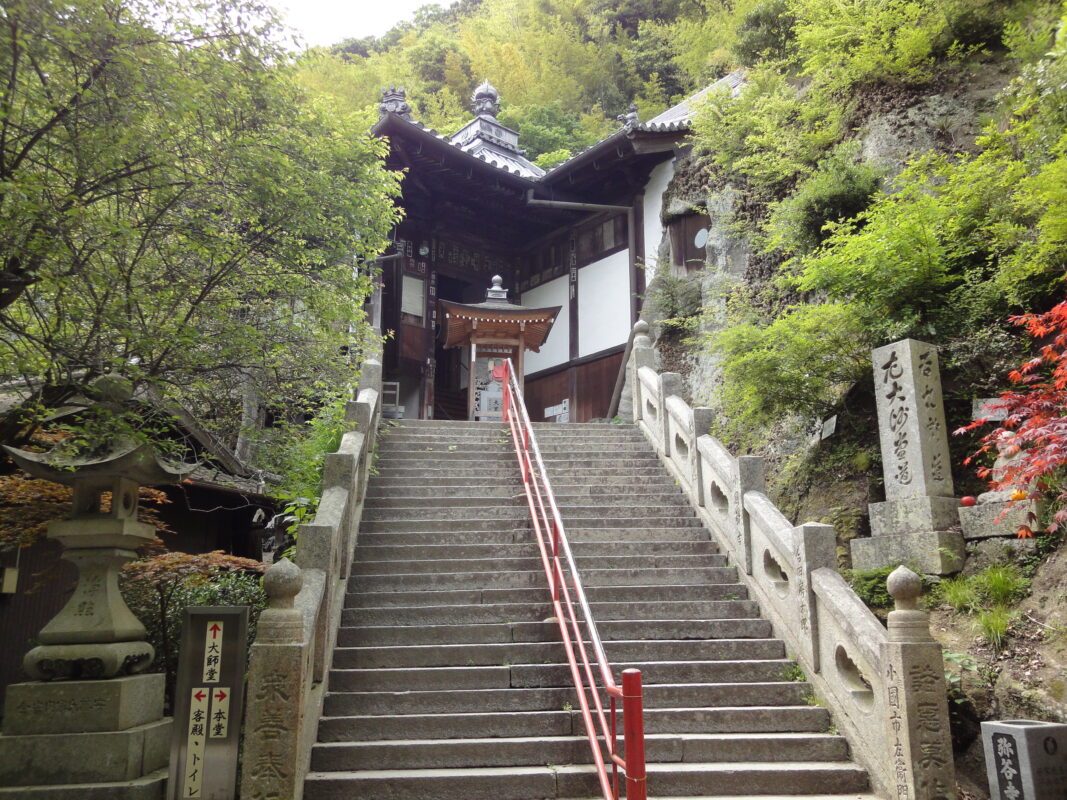
The Daishi Hall of Motoyamaji Temple
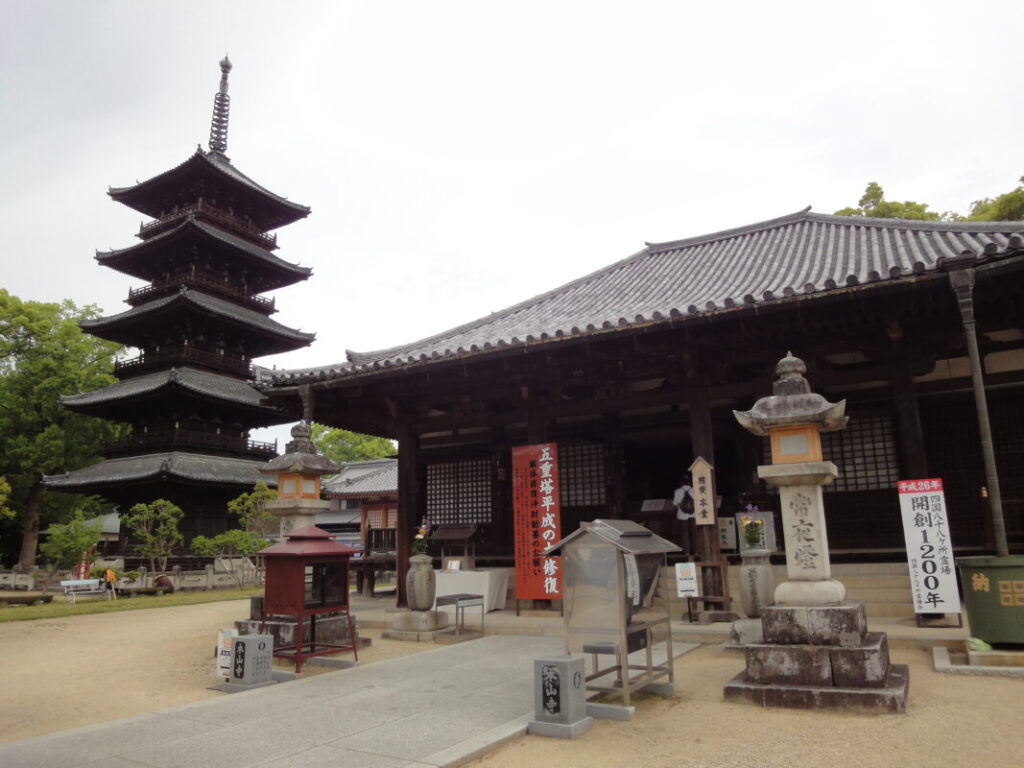
The National Treasure Main Hall and Five-Story Pagoda
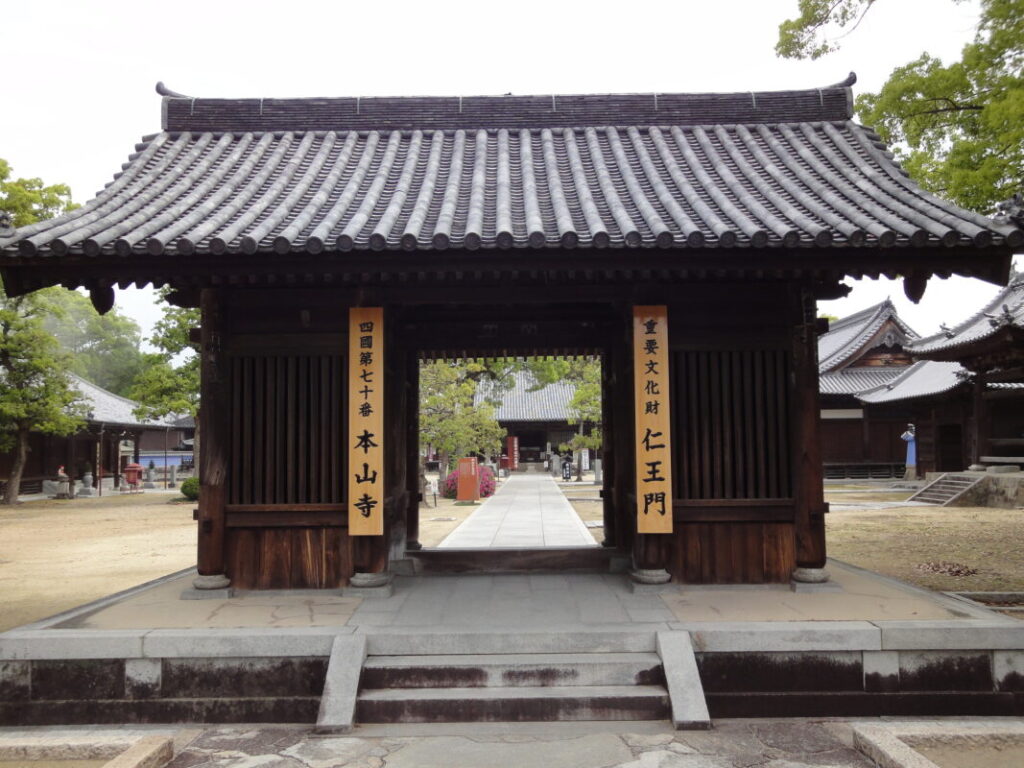
Within the spacious temple grounds, many historic structures remain, including the Main Hall, designated as a National Treasure, as well as the Niomon Gate, Five-Story Pagoda, and Daishi Hall.
Among them, the Five-Story Pagoda is a rare and valuable structure found at only four temples among the 88 temples of the Shikoku Pilgrimage: Chikurinji, Shidoji, Zentsuji, and Motoyamaji.
The present Five-Story Pagoda was rebuilt in 1910 during the Meiji era, but it remains one of the symbols of Motoyamaji Temple and conveys the long history of this sacred site.
The vast temple grounds cover approximately 20,000 square meters, with numerous halls and buildings standing throughout the area, preserving the atmosphere of Motoyamaji’s former prosperity as a major temple.
Nearby Accommodation
If you plan to stay near Motoyamaji or between the surrounding pilgrimage temples, see the article below.
Related Articles
Shikoku 88 Temple Pilgrimage Route: Full List, Distance & Walking Time Guide.
Temple List and Full Route
Comments