
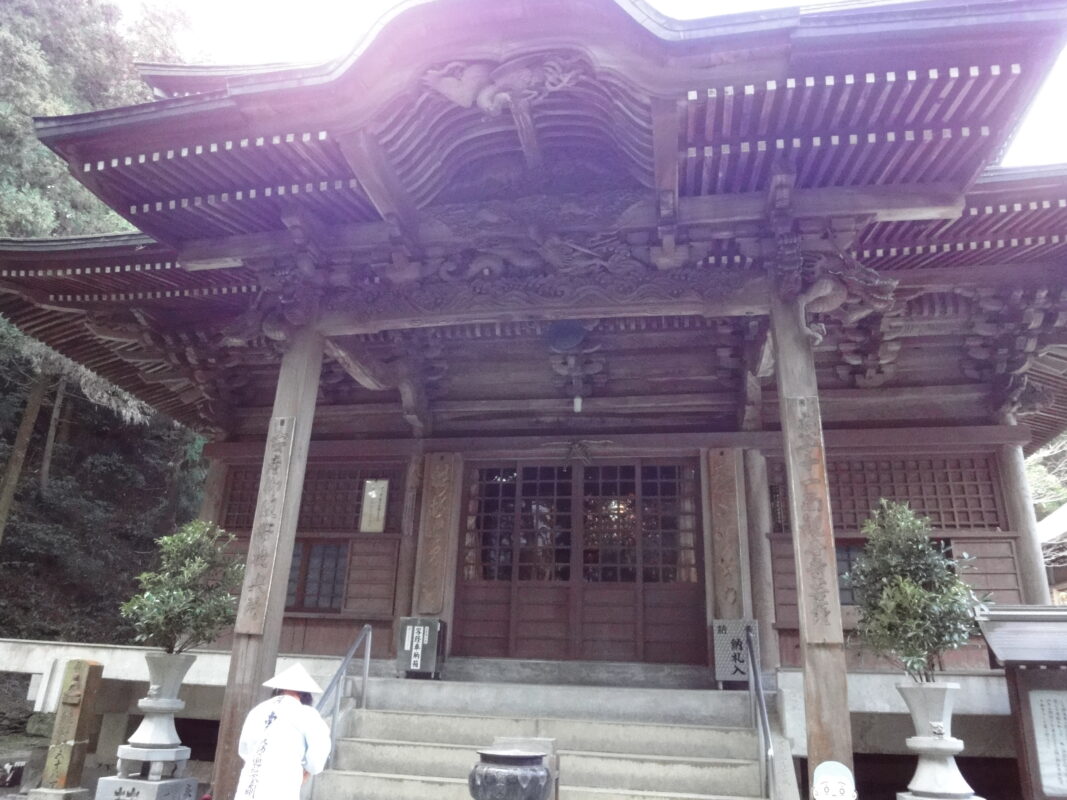
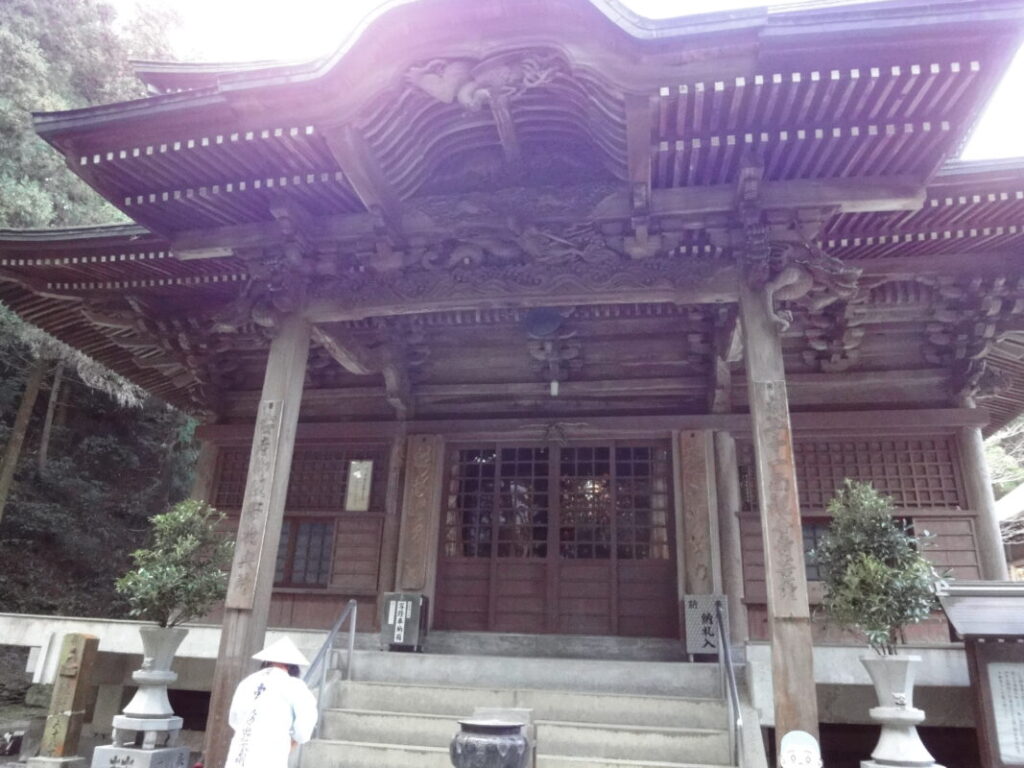
Sankakuji Temple Information
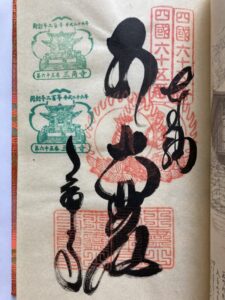
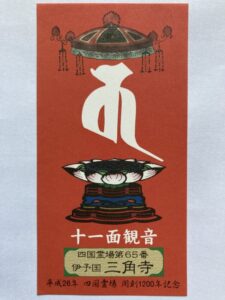
Goshuin
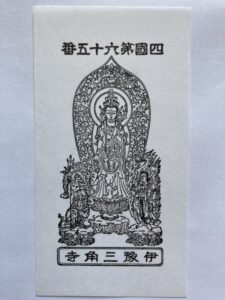
- Omie
- 1,200th Anniversary Edition
Basic Information
| Principal Deity | Eleven-Headed Kannon |
| Elevation | 500 m |
| Google Maps | MAP |
Accommodation
| Shukubo (Temple Lodging) | Not Available |
| Tsuyado (Free Pilgrim Shelter) | Not Available |
History & Highlights
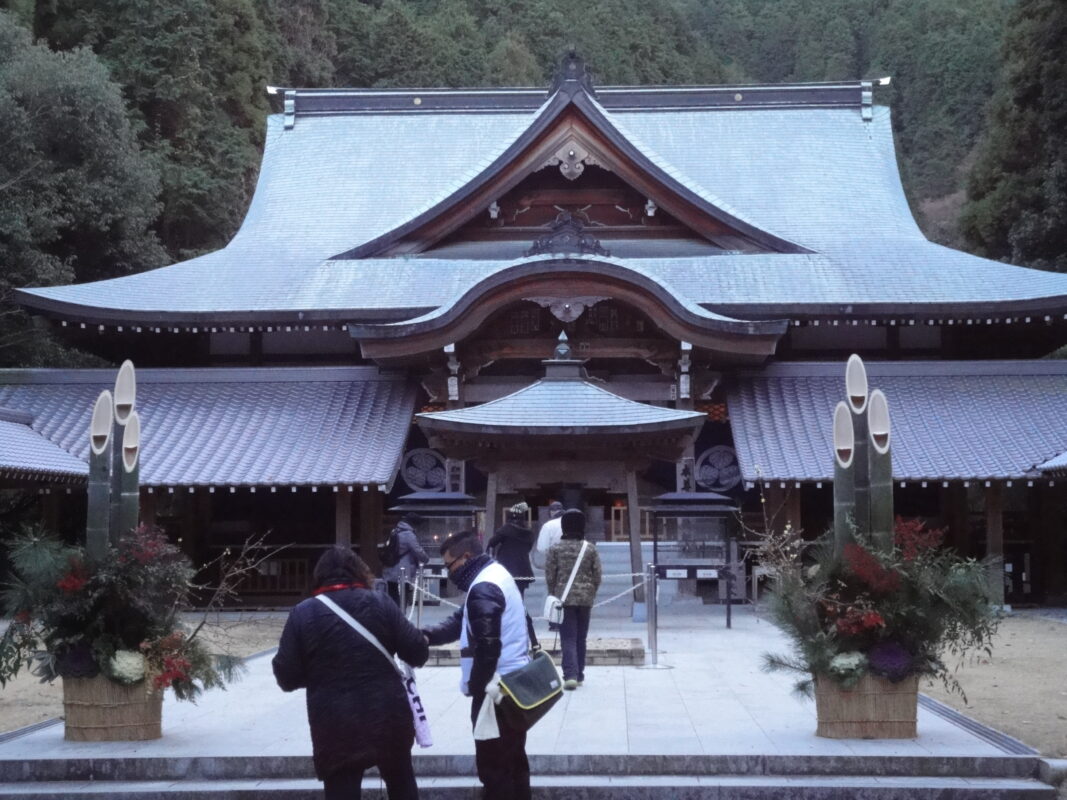
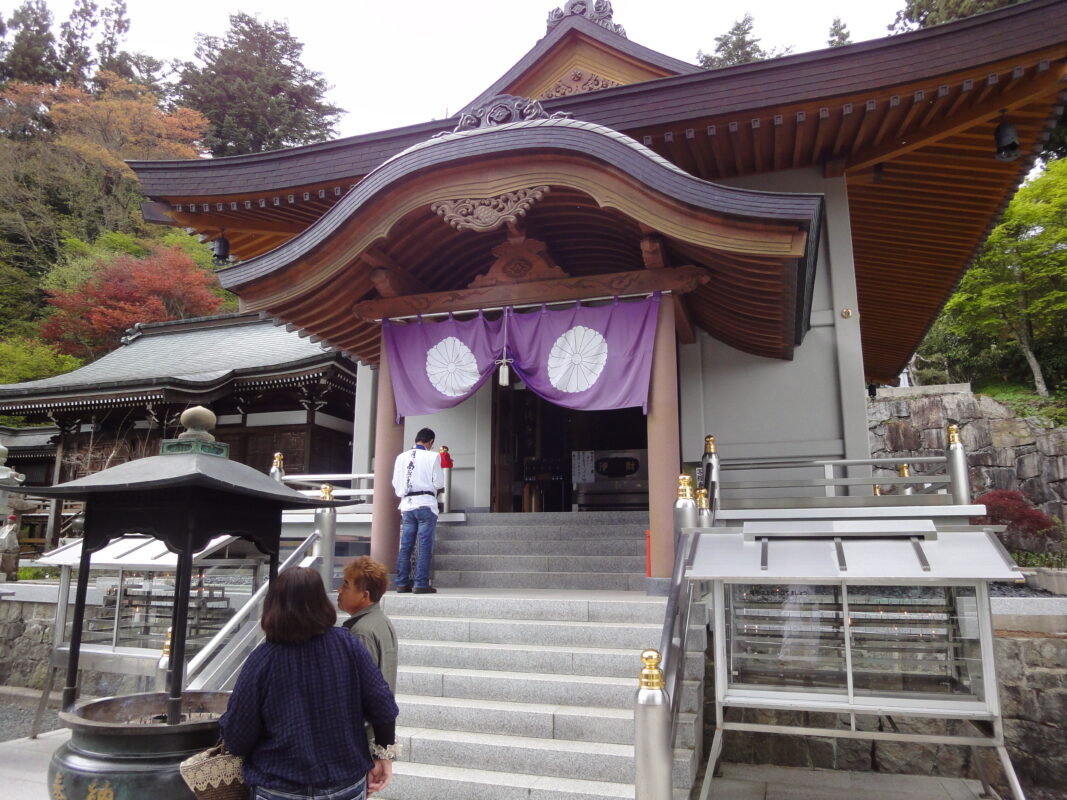
Sankakuji Temple is said to have been founded by Gyoki, and later Kobo Daishi enshrined the Eleven-Headed Kannon here. It is the final temple of the pilgrimage in Iyo (present-day Ehime Prefecture).
The temple’s name is believed to come from the triangular goma altar that Kobo Daishi constructed for his fire rituals. The temple is also known for its Kannon statue, which is worshipped for blessings such as protection from misfortune and safe childbirth. In addition, Sankakuji is famous as a scenic spot for cherry blossoms in spring.
Notes
Parking fee: ¥200
Route Map, Distance & Travel Time
You can switch between the tabs to view the routes to the previous and next temples.
Select “Driving Route” from the map’s upper-left menu to display the driving route.
Click the Full Screen icon in the upper-right corner of the map to open it in Google Maps for a larger, easier-to-view map.
- From Previous Temple
- To Next Temple
Previous Temple: Maegamiji
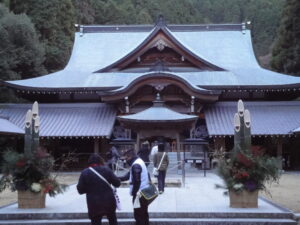
| Distance | 45.2 km |
| Walking | 13 hr |
| Driving | 1 hr |
Next Temple: Unpenji
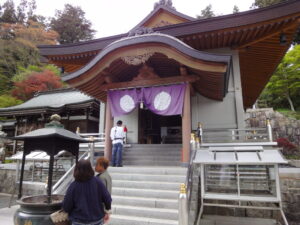
| Distance | 18.1 km |
| Walking | 7 hr |
| Driving | 30 min |
Transportation Guide
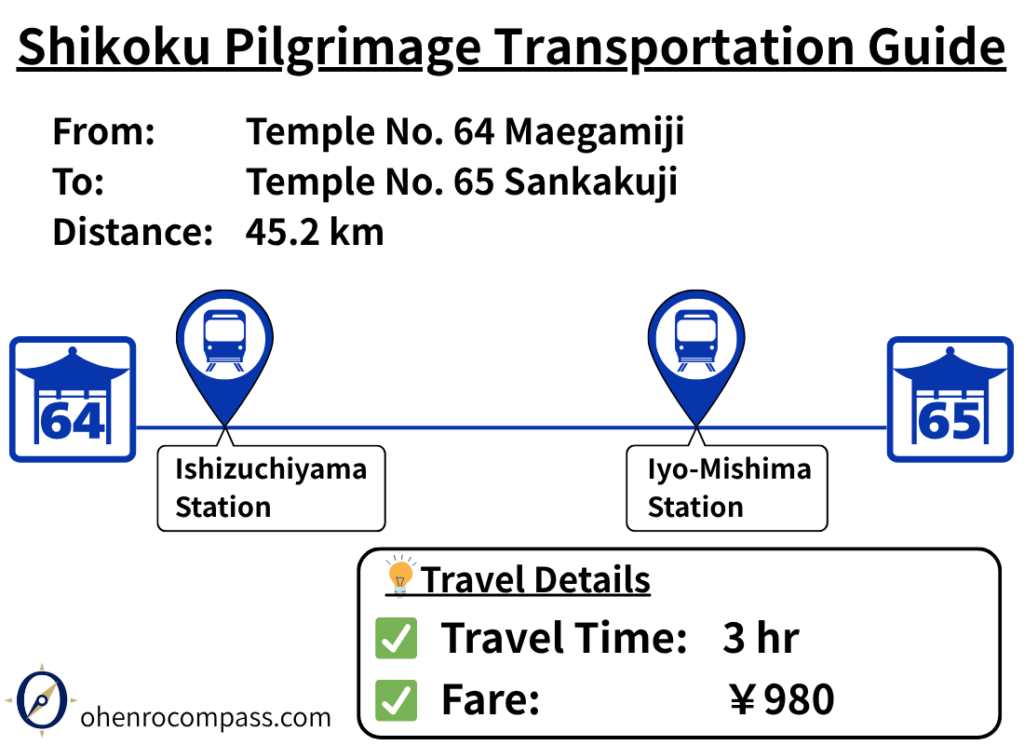
Find the train route from Temple 64, Maegamiji, to Temple 65, Sankakuji. See fares, travel times, timetables, and the walk from Iyo-Mishima Station to Sankakuji, including tips for using limited express trains.
My Walking Experience
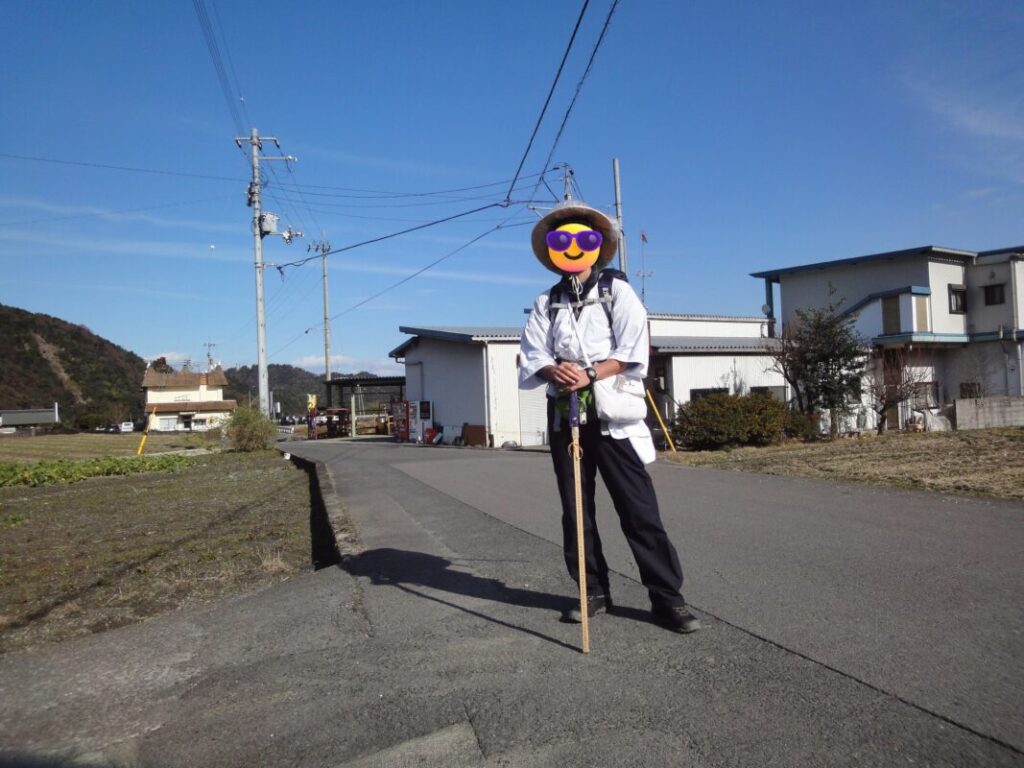
The walk from Maegamiji Temple to Sankakuji Temple is about 45 km. Since Sankakuji is a mountain temple located at an elevation of around 500 meters, it is generally more practical for walking pilgrims to break up the journey with an overnight stay rather than attempting the entire route in a single day.
The route passes through the urban areas of Saijo, Niihama, and Shikokuchuo, where accommodation, restaurants, and shops are readily available.
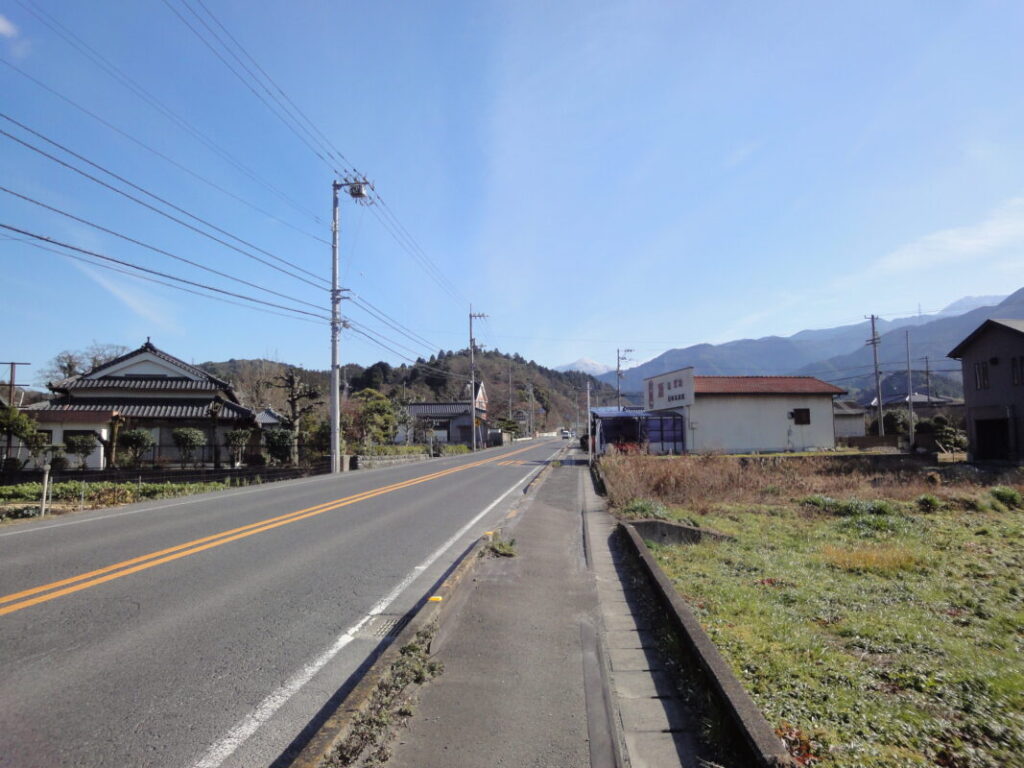
For a straightforward route, follow National Route 11 eastward. Convenience stores and dining options are easy to find along the way. The route map in this article also introduces sections of the old highway, which may appeal to those who wish to enjoy a more scenic and traditional walking experience.
Overnight Stay in Saijo or Niihama
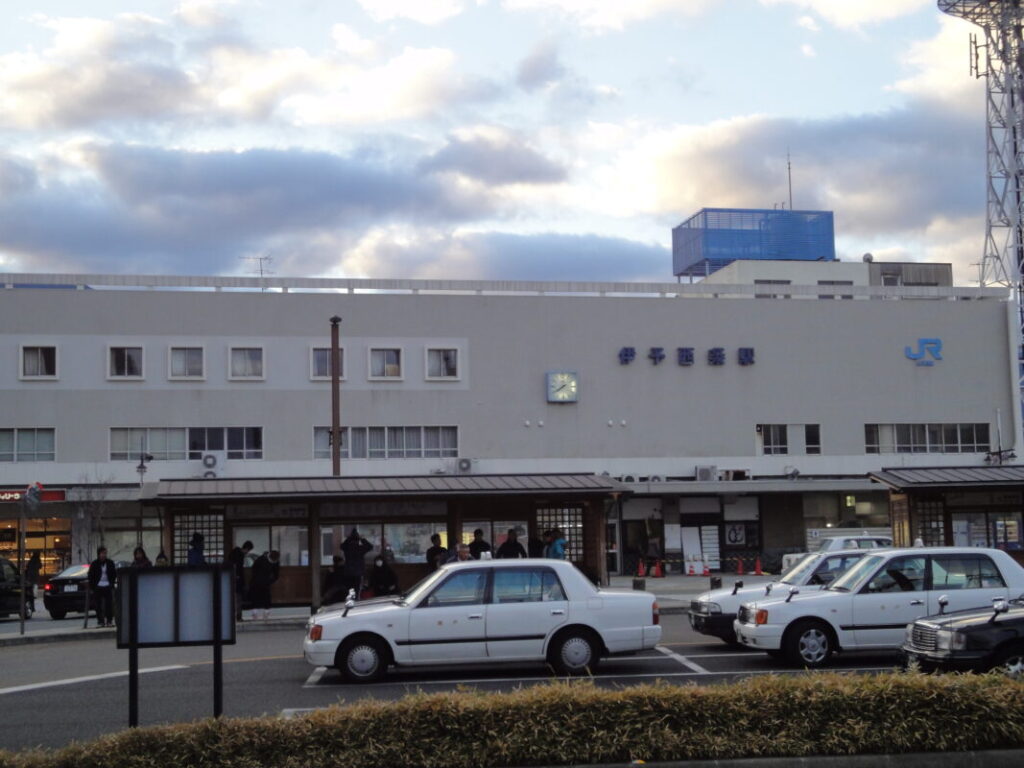
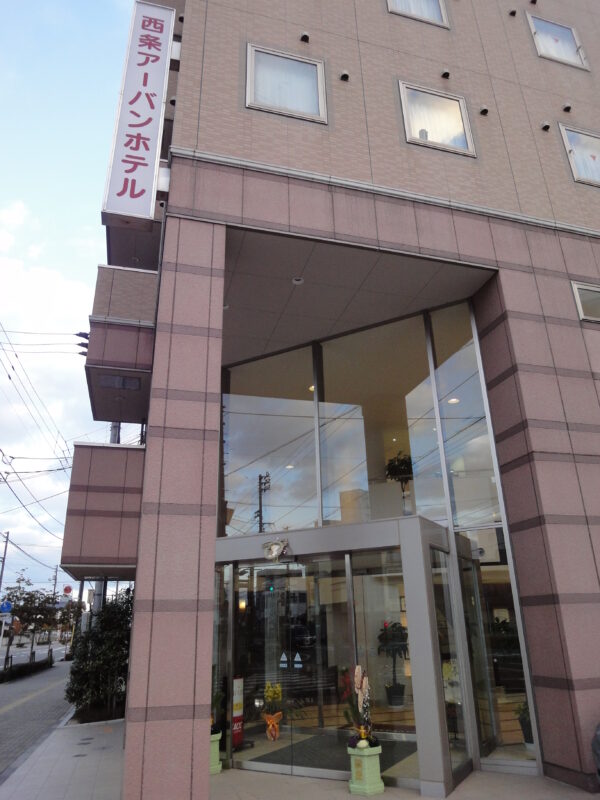
Saijo City is located about 4 km from Maegamiji Temple. I arrived at the temple around 4:30 p.m., so I decided to stay overnight at a business hotel in central Saijo.
Accommodation is also available in Niihama City, about 15 km along the route. However, most hotels are located slightly away from the pilgrimage path, so be prepared for some extra walking if you choose to stay there.
Temple 12 of the Bangai Pilgrimage: Enmeiji
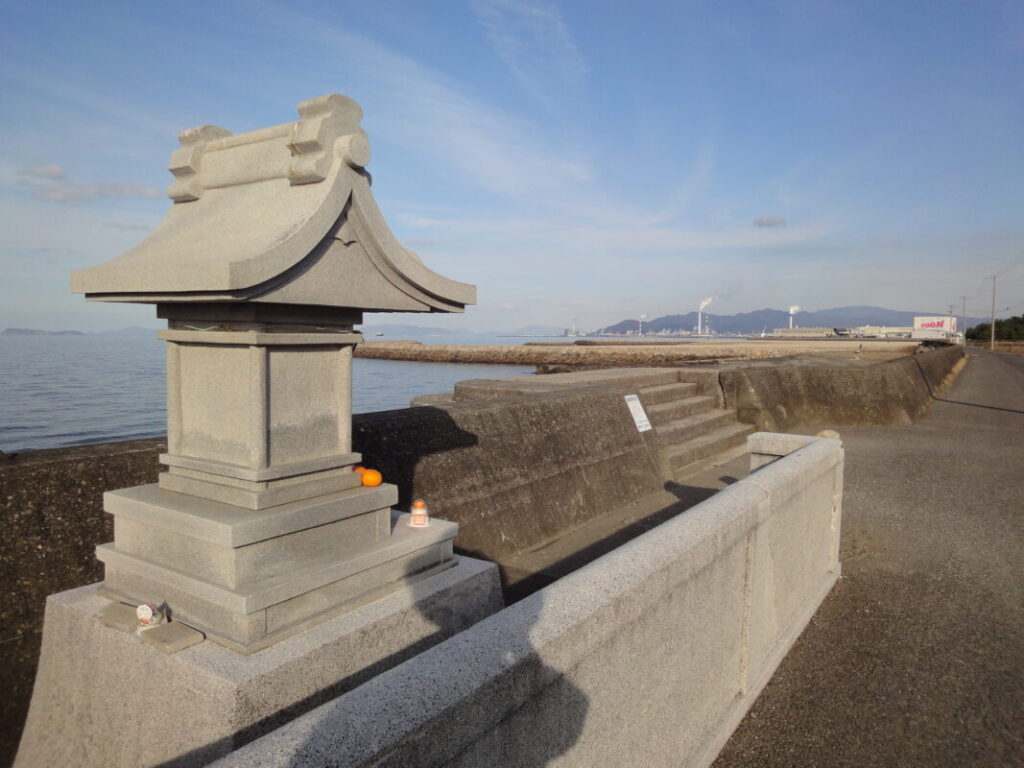
About 25 km into the journey, pilgrims can make a side visit to Enmeiji, the 12th temple of the Shikoku Bangai (extra) pilgrimage.
The temple is associated with a legend in which Kobo Daishi helped a person with a disability regain mobility. There is also a small pavilion within the grounds. During my second walking pilgrimage, I spent a night camping here.
Resupply and Overnight Stay in Shikokuchuo
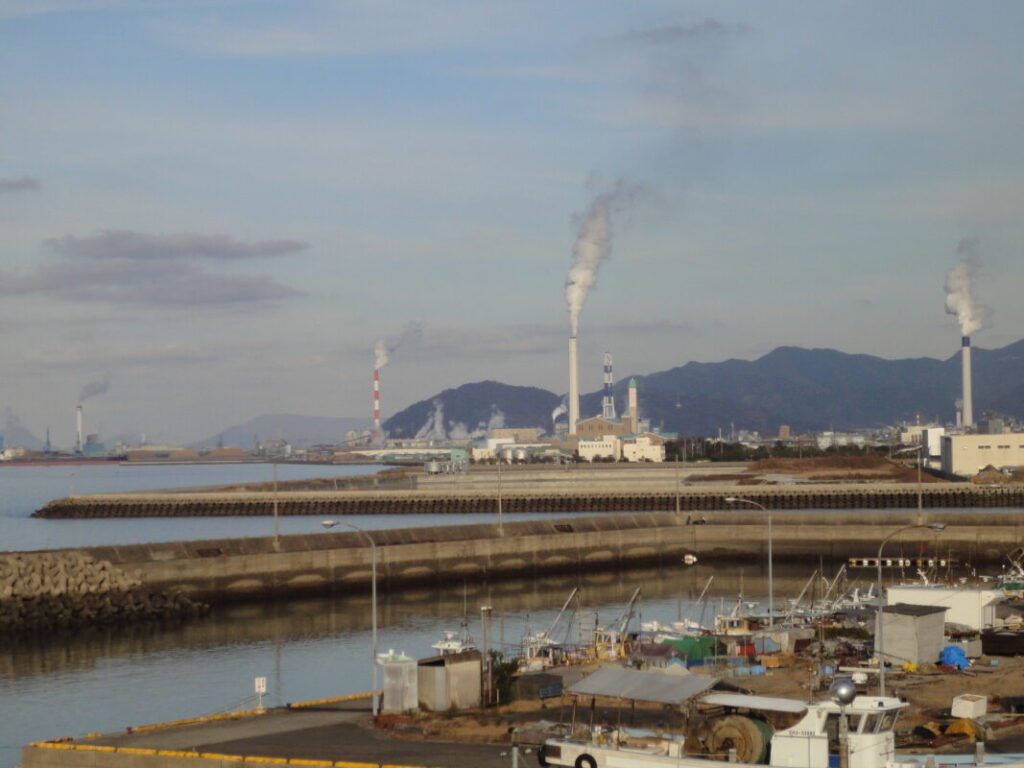
Shikokuchuo City, located about 40 km from Maegamiji Temple, sits at the foot of Sankakuji Temple.
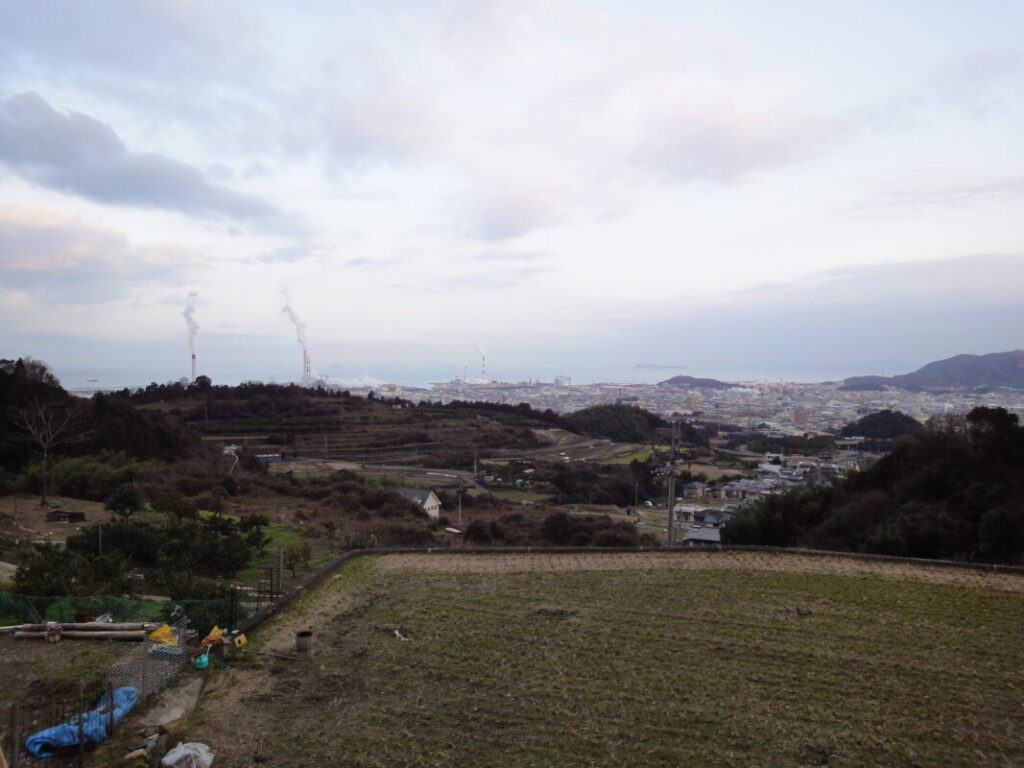
The city’s industrial coastline is marked by large factories, and the smoke rising from their chimneys can be seen from a considerable distance.
Beyond this point, the route enters a mountainous section leading first to Sankakuji and then to Unpenji. Unpenji, at an elevation of approximately 950 meters, is the highest temple on the Shikoku Pilgrimage.
For this reason, it is a good idea to spend the night in Shikokuchuo, stock up on food and supplies, and prepare for the mountain stages ahead.
Climb to Sankakuji Temple
After leaving Shikokuchuo City, the climb to Sankakuji Temple finally begins.
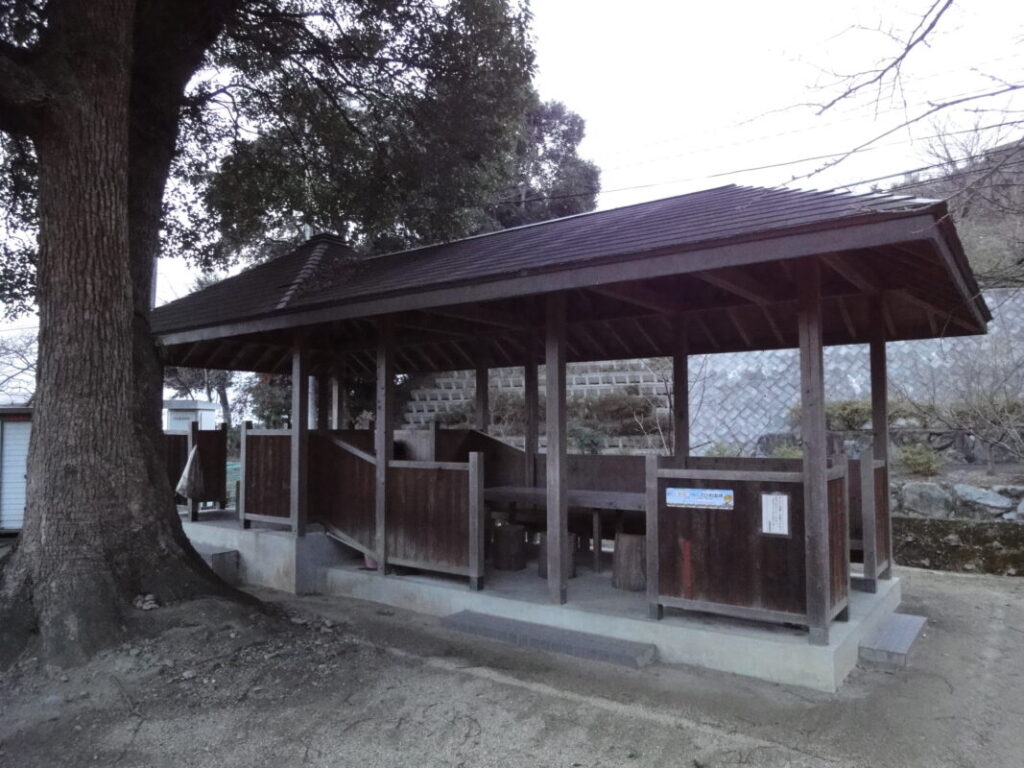
The route gradually gains elevation after passing under the Matsuyama Expressway. Shortly after starting the ascent, you will reach Togawa Park, which has restrooms and a small pavilion. It is a convenient place to take a break and can also be used for overnight camping. I stayed here for one night as well.
From there, the trail continues to climb while alternating between paved roads and mountain paths. Along the way, you will pass areas with terraced fields and viewpoints where you can look out over the Seto Inland Sea in the distance. This section of the pilgrimage route offers a variety of scenery as you make your way toward Sankakuji Temple.
History and Highlights of Sankakuji Temple
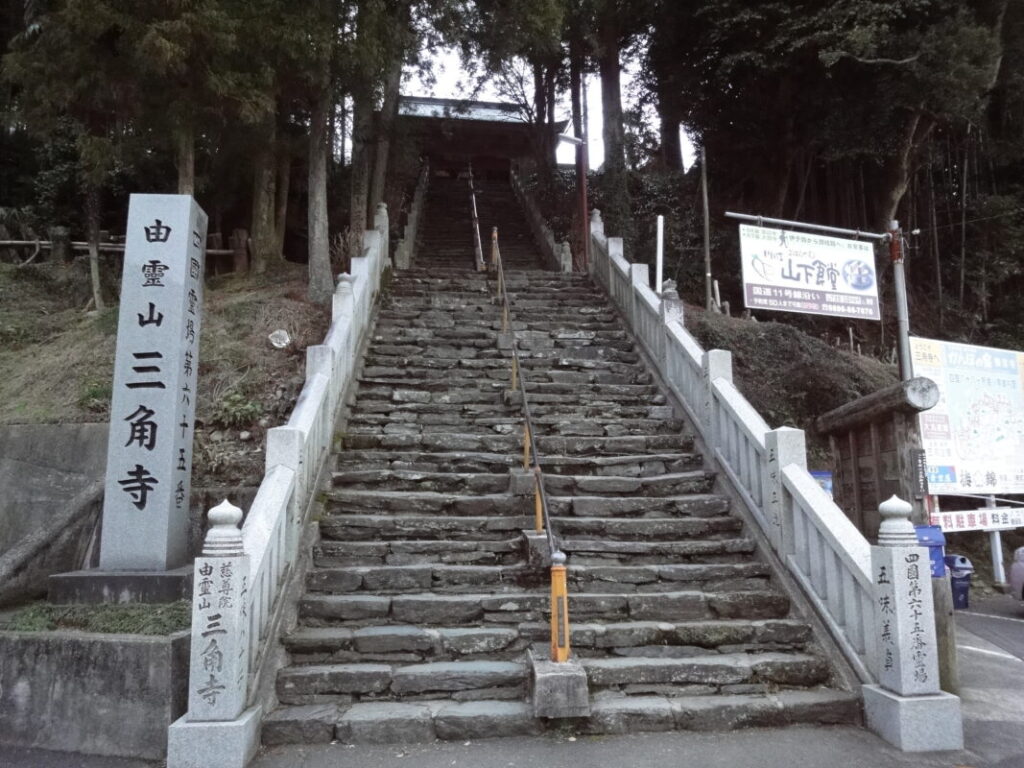
To reach the temple grounds, visitors must climb 73 stone steps.
Looking up at the temple gate from the bottom of the steps, I felt it had a powerful presence, almost as if it was drawing you into the mountains. It truly conveyed the atmosphere and dignity of a mountain temple.
Within the grounds is a triangular pond, which is said to be the origin of the temple’s name. At the center of the pond stands a small altar marking the site where Kobo Daishi is believed to have performed goma fire rituals.
Sankakuji Temple is also the final temple of the pilgrimage in Ehime Prefecture. After walking all the way here, I felt a great sense of accomplishment, but at the same time, I had mixed feelings of nostalgia, realizing that my journey through Ehime was coming to an end.
Nearby Accommodation
If you plan to stay near Sankakuji or between the surrounding pilgrimage temples, see the article below.
Related Articles
Shikoku 88 Temple Pilgrimage Route: Full List, Distance & Walking Time Guide.
Temple List and Full Route
Comments