

The Shikoku 88 Temple Pilgrimage is a journey that takes you around 88 Buddhist temples on the island of Shikoku, Japan. Along the way, pilgrims can choose from various types of accommodation, including hotels, guesthouses, traditional Japanese inns, and temple lodgings known as shukubo.
Staying at a temple offers a different experience from staying at an ordinary hotel. It can give you a chance to experience the atmosphere of a Buddhist temple and enjoy a quieter side of Japanese culture.
In this article, we introduce eight temples associated with shukubo accommodation along the Shikoku Pilgrimage, as well as the appeal of staying at a temple and some important points to keep in mind.
Please note: Accommodation availability and booking arrangements may change. Some information about temple lodgings may be outdated, so please contact each temple directly to confirm whether overnight stays are currently available before making your plans.
What Is Shukubo?
Shukubo refers to accommodation provided by a Buddhist temple or shrine. Traditionally, these lodgings were used by monks and religious visitors, but many temples also welcome ordinary travelers and pilgrims.
On the Shikoku Pilgrimage, staying at a shukubo can be a memorable part of the journey. It offers an opportunity to experience the peaceful atmosphere of temple life and take a break from the usual sightseeing routine.
The Appeal of Staying at a Temple
1. Experience Japanese Buddhist Culture
One of the main attractions of shukubo is the opportunity to experience the atmosphere of a traditional Japanese temple.
Depending on the temple, guests may be able to attend morning prayers or take part in other religious activities. These experiences can offer a deeper understanding of Japanese Buddhist culture.
2. Convenient for Pilgrims
Some temple lodgings are located close to the pilgrimage route, making them convenient places to stay while visiting the 88 temples.
Choosing accommodation along your planned route can help you manage your walking distance and make your pilgrimage more comfortable.
3. A Peaceful Place to Rest
Temple lodgings often provide a calm environment away from busy tourist areas.
After a long day of walking, spending the evening in a quiet temple setting can be a refreshing experience.
4. Facilities and Services
Facilities vary from temple to temple. Some accommodation options may offer amenities such as Wi-Fi, laundry facilities, baths, or traditional Japanese meals.
However, you should not assume that every temple provides the same services. Check the facilities and available services before booking.
8 Temples to Check for Shukubo Accommodation
Here are eight temples featured in this guide. Please confirm their current accommodation arrangements directly with each temple before visiting.
1. Anrakuji Temple (No. 6)
Anrakuji is the sixth temple of the Shikoku 88 Temple Pilgrimage, located in Kamiita Town, Tokushima Prefecture.
It is one of the temples to consider when researching accommodation in the early part of the pilgrimage. Check directly with the temple for current lodging availability and reservation details.
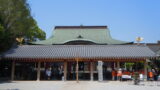
2. Jurakuji Temple (No. 7)
Jurakuji is the seventh temple of the pilgrimage, located in Awa City, Tokushima Prefecture.
As you continue through the Tokushima area, this temple is another place to check when planning your overnight stops. Contact the temple to confirm whether accommodation is currently available.
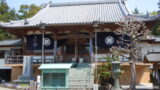
3. Tatsueji Temple (No. 19)
Tatsueji is the nineteenth temple, located in Komatsushima City, Tokushima Prefecture.
It is an important stop on the pilgrimage route through eastern Tokushima. If you are planning to stay nearby, check the temple’s current lodging arrangements in advance.
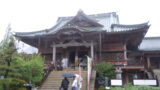
4. Hotsumisakiji Temple (No. 24)
Hotsumisakiji is the twenty-fourth temple, located near Cape Muroto in Kochi Prefecture.
The temple stands in a distinctive coastal area of Shikoku. Staying in this part of the route can be a useful option when planning your journey through the Muroto area.
Please contact the temple to confirm whether it currently accepts overnight guests.
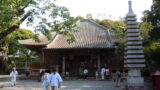
5. Iwamotoji Temple (No. 37)
Iwamotoji is the thirty-seventh temple, located in Shimanto Town, Kochi Prefecture.
It is one of the temples to look into when planning accommodation in the western part of Kochi. Check directly with the temple for current availability and booking information.
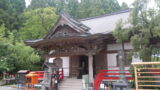
6. Daihoji Temple (No. 44)
Daihoji is the forty-fourth temple, located in Kumakogen Town, Ehime Prefecture.
Situated in a mountainous area, it is an important stop for pilgrims traveling through central Ehime. If you are considering staying at the temple, confirm the current accommodation arrangements before your visit.
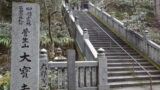
7. Senyuji Temple (No. 58)
Senyuji is the fifty-eighth temple, located in Imabari City, Ehime Prefecture.
The temple is situated in a mountainous area and is a memorable stop on the pilgrimage route. It is worth checking its current lodging arrangements when planning your stay in the Imabari area.
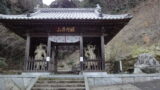
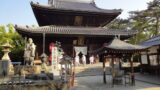
8. Zentsuji Temple (No. 75)
Zentsuji is the seventy-fifth temple, located in Zentsuji City, Kagawa Prefecture. It is also known as the birthplace of Kobo Daishi, the Buddhist monk closely associated with the Shikoku Pilgrimage.
For pilgrims interested in the history and spiritual background of the pilgrimage, this is an especially meaningful place to visit. Check with the temple for current accommodation information.
Things to Keep in Mind When Staying at a Shukubo
A temple is a place of religious practice, so guests should be considerate of the temple’s rules and other visitors.
Here are a few important points:
- Follow the schedule: Some temples have set times for meals, bathing, or other activities. Be sure to follow the instructions provided by the temple.
- Keep noise to a minimum: Avoid loud conversations and other disruptive behavior, especially in the evening and early morning.
- Respect temple rules: Follow any guidance regarding photography, access to temple buildings, and participation in religious activities.
- Check facilities in advance: Not all temples offer the same amenities as hotels. Confirm details such as meals, baths, Wi-Fi, and laundry facilities before your stay.
- Confirm reservations: Always check whether accommodation is available and how to make a reservation before arriving.
Make Your Shikoku Pilgrimage More Memorable
Staying at a shukubo can add a special experience to your Shikoku 88 Temple Pilgrimage. It offers more than just a place to sleep: it can be an opportunity to experience Japanese Buddhist culture and enjoy the peaceful atmosphere of a temple.
However, temple accommodation is limited, and availability can change. It is important to check the latest information before making your plans.
We hope this guide helps you find suitable accommodation and makes your Shikoku Pilgrimage a more comfortable and memorable journey.
Related Article




Comments