
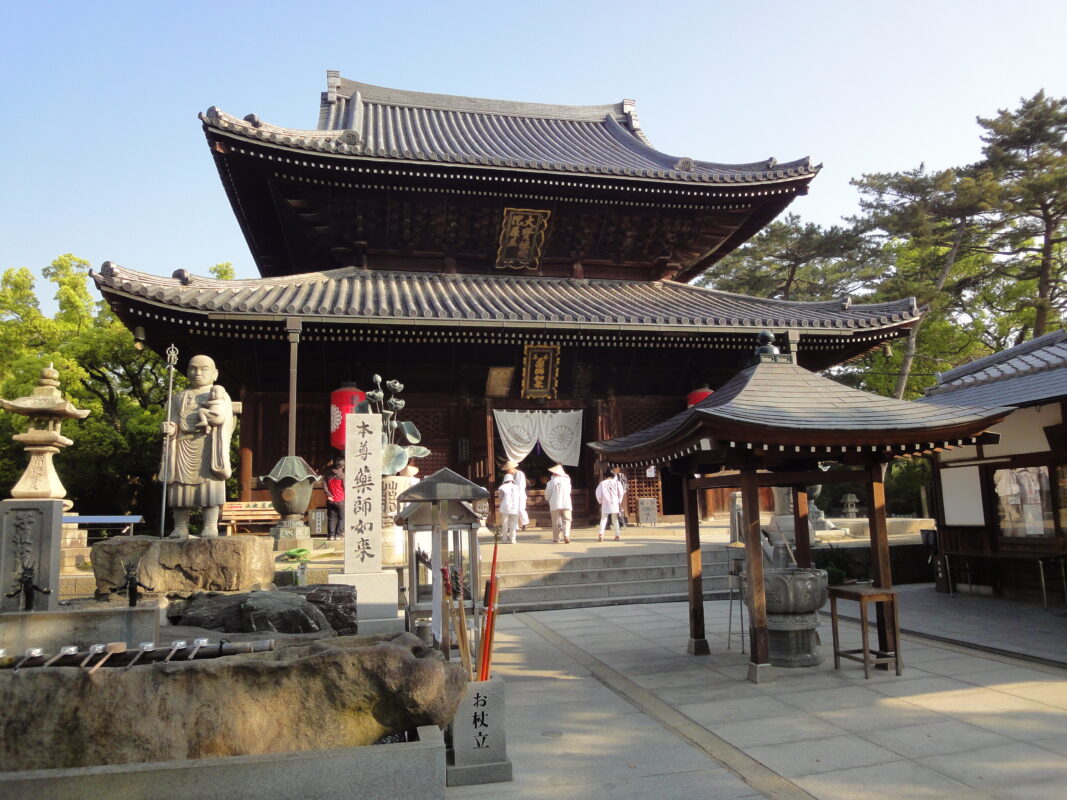
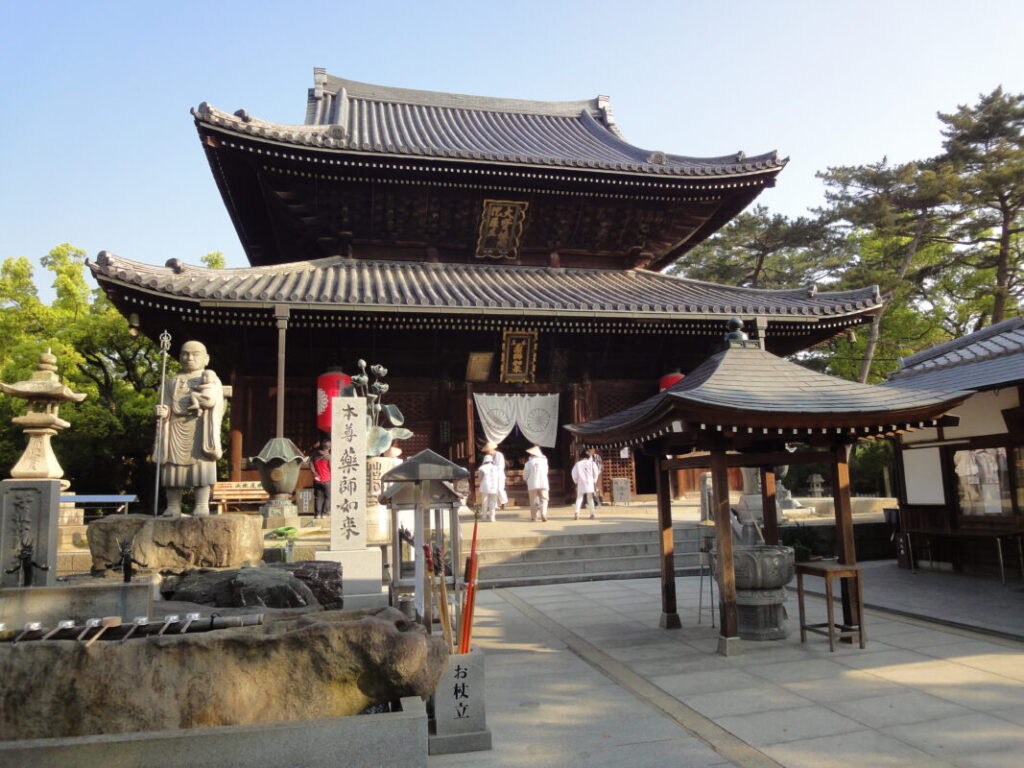
Zentsuji Temple Information
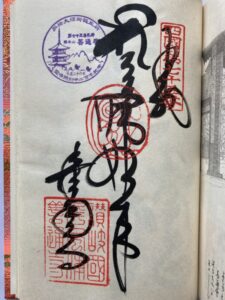
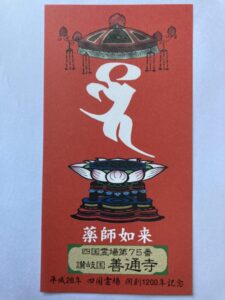
Goshuin
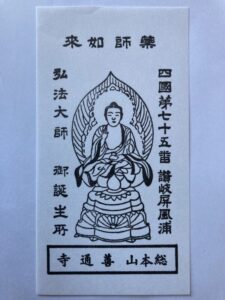
- Omie
- 1,200th Anniversary Edition
Basic Information
| Principal Deity | Yakushi Nyorai |
| Elevation | 40 m |
| Google Maps | MAP |
Accommodation
| Shukubo (Temple Lodging) | Available |
| Tsuyado (Free Pilgrim Shelter) | Not Available |
History & Highlights
Zentsuji Temple is the head temple of the Zentsuji branch of the Shingon sect, built on the birthplace of Kobo Daishi Kukai.
According to tradition, it was founded in 807 by Kobo Daishi and named after his father, Saeki Yoshimichi. Along with Toji Temple in Kyoto and Mount Koya in Wakayama, it is regarded as one of the Three Great Sacred Sites associated with Kobo Daishi and has long been an important place of worship.
Notes
Parking fee: 300 yen
Route Map, Distance & Travel Time
You can switch between the tabs to view the routes to the previous and next temples.
Select “Driving Route” from the map’s upper-left menu to display the driving route.
Click the Full Screen icon in the upper-right corner of the map to open it in Google Maps for a larger, easier-to-view map.
- From Previous Temple
- To Next Temple
Previous Temple: Koyamaji
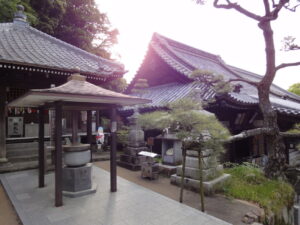
| Distance | 1.6 km |
| Walking | 30 min |
| Driving | 5 min |
Next Temple: Konzoji
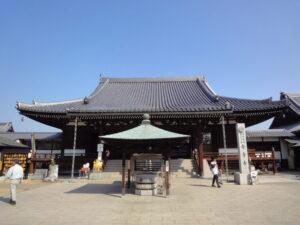
| Distance | 3.8 km |
| Walking | 1 hr |
| Driving | 10 min |
My Walking Experience
Zentsuji Temple is located approximately 2 km southeast of Koyamaji Temple. After leaving Koyamaji, follow the river flowing in front of the temple and continue south. As you pass large buildings such as a school sports field and a hospital, you will soon arrive at the entrance of Zentsuji Temple.
Zentsuji is also conveniently located near JR Zentsuji Station, and there are many restaurants and souvenir shops in the surrounding area.
One place I highly recommend visiting is Kumao Kashiten, located near the temple gate, which is famous for its traditional snack called “Katapan.” This long-established Japanese confectionery shop has been in business for more than 120 years, and its wooden building itself has a nostalgic atmosphere.
As the name suggests, Katapan is famous for being an extremely hard snack and is beloved as a local specialty of Zentsuji. When I stayed at the temple lodging and visited early in the morning, there was already a line of around 30 people waiting.
If you visit Zentsuji Temple, be sure to stop by and try this unique local treat.
History and Highlights of Zentsuji Temple
One of the Three Great Sacred Sites of Kobo Daishi
Zentsuji Temple is considered one of the “Three Great Sacred Sites Associated with Kobo Daishi,” along with Toji Temple in Kyoto and Mount Koya in Wakayama.
The Birthplace of Kobo Daishi
Zentsuji is famous as the birthplace of Kobo Daishi Kukai and holds a special place among the 88 temples of the Shikoku Pilgrimage.
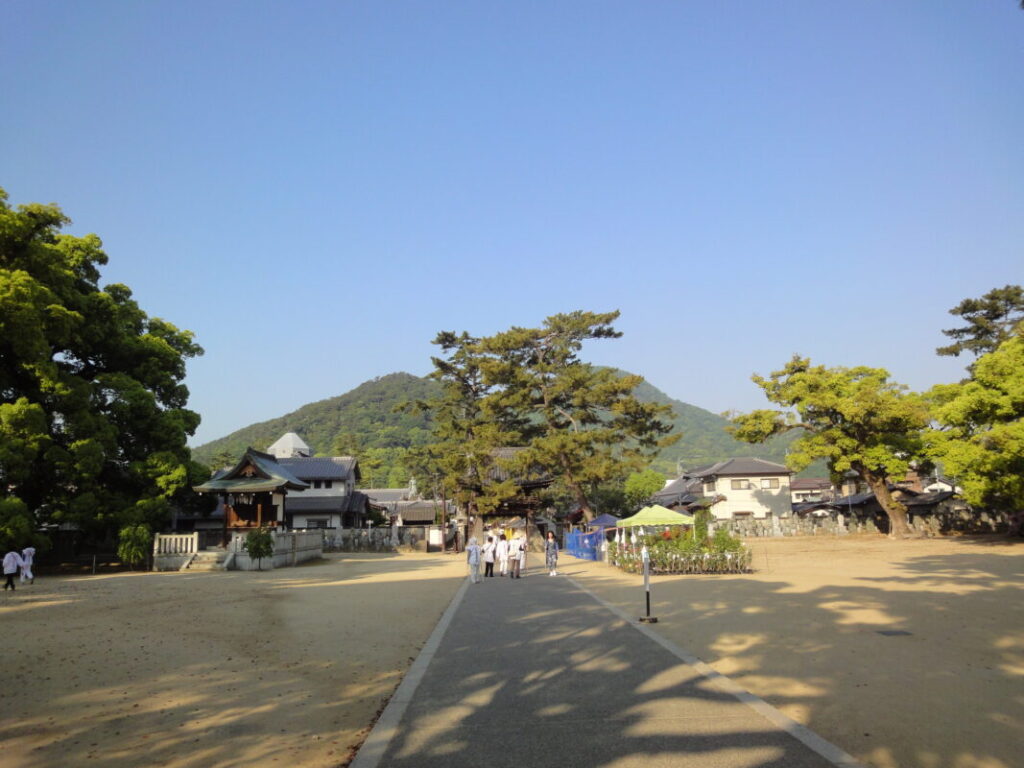
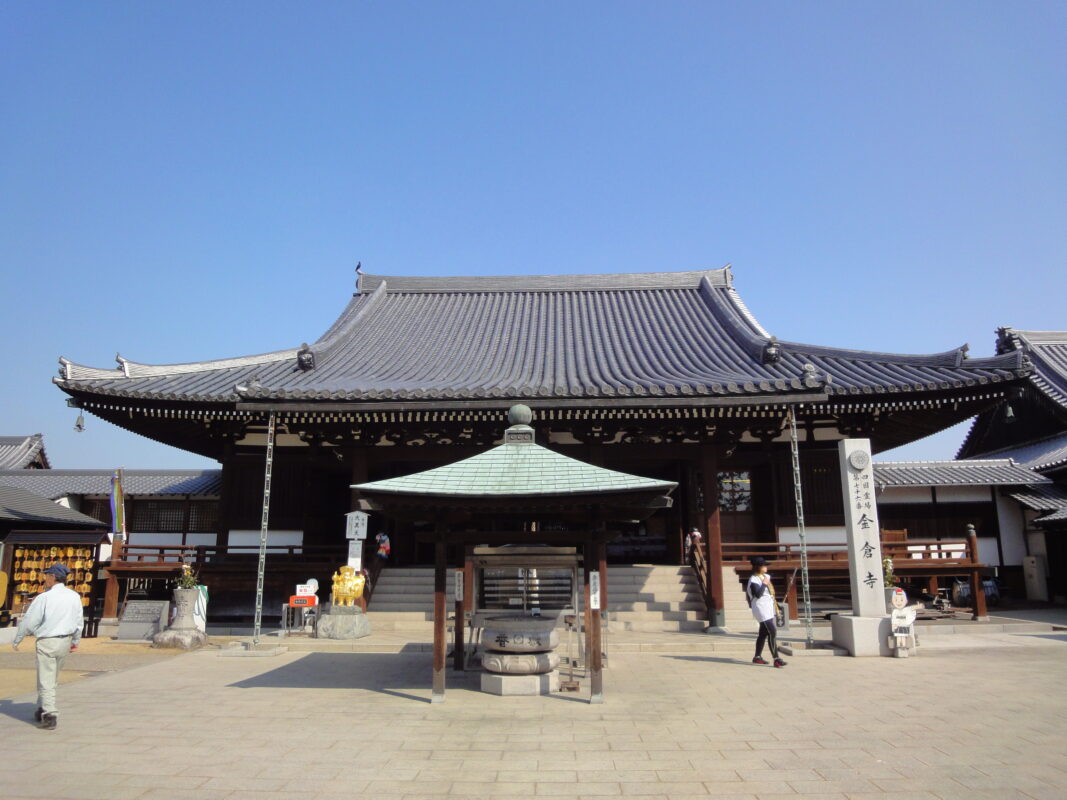
One of the first things that surprises visitors is the size of the temple grounds. Covering approximately 45,000 square meters, the temple is divided into two main areas: the “Garan” in the East Precinct and the “Saiin” (Birthplace Precinct) in the West Precinct.
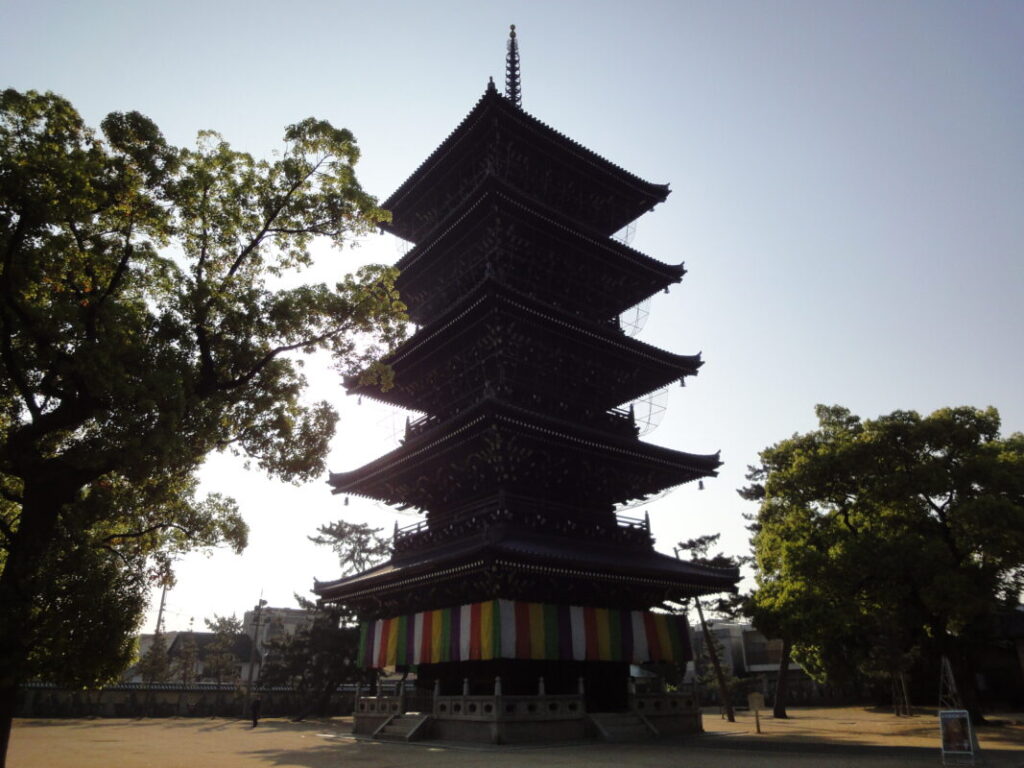
The East Precinct, with its Golden Hall and five-story pagoda, is the original temple area from the time of its foundation. The West Precinct is believed to be the former residence of the Saeki family, where Kobo Daishi was born.
The Five-Story Pagoda and Mount Koshiki
To the west of the temple grounds stands Mount Koshiki, creating a beautiful landscape that has become a symbol of Zentsuji.
The five-story pagoda, standing approximately 43 meters tall, is one of the tallest wooden pagodas in Japan and is one of the temple’s most iconic structures.
A Corridor Depicting the Life of Kobo Daishi
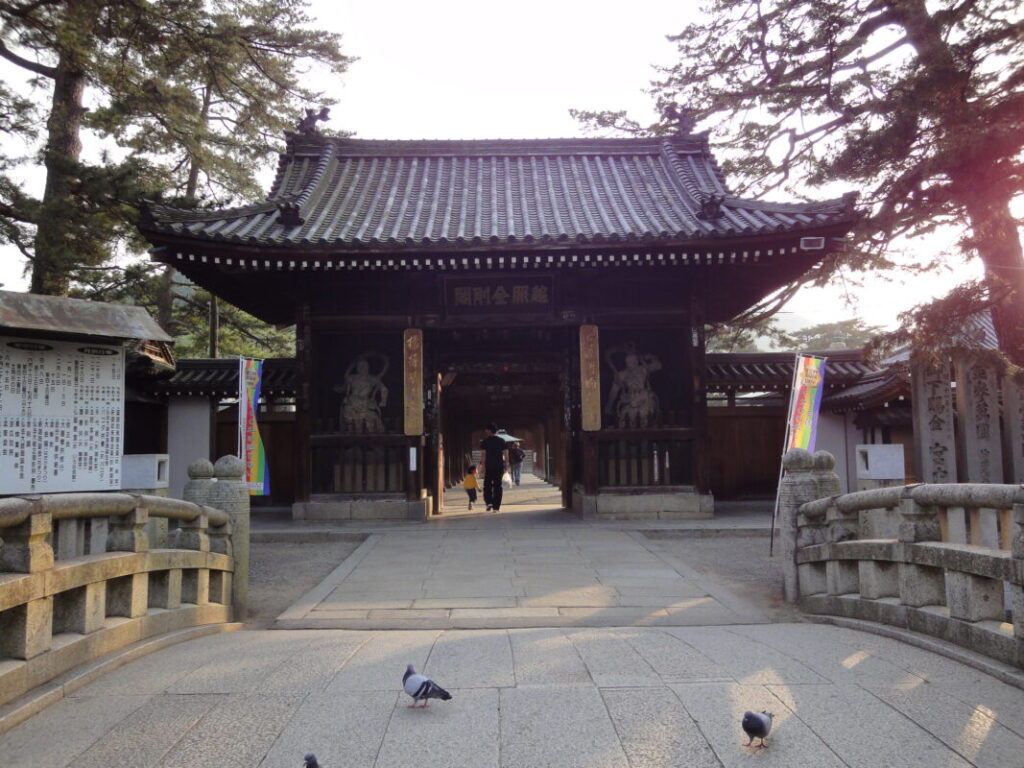
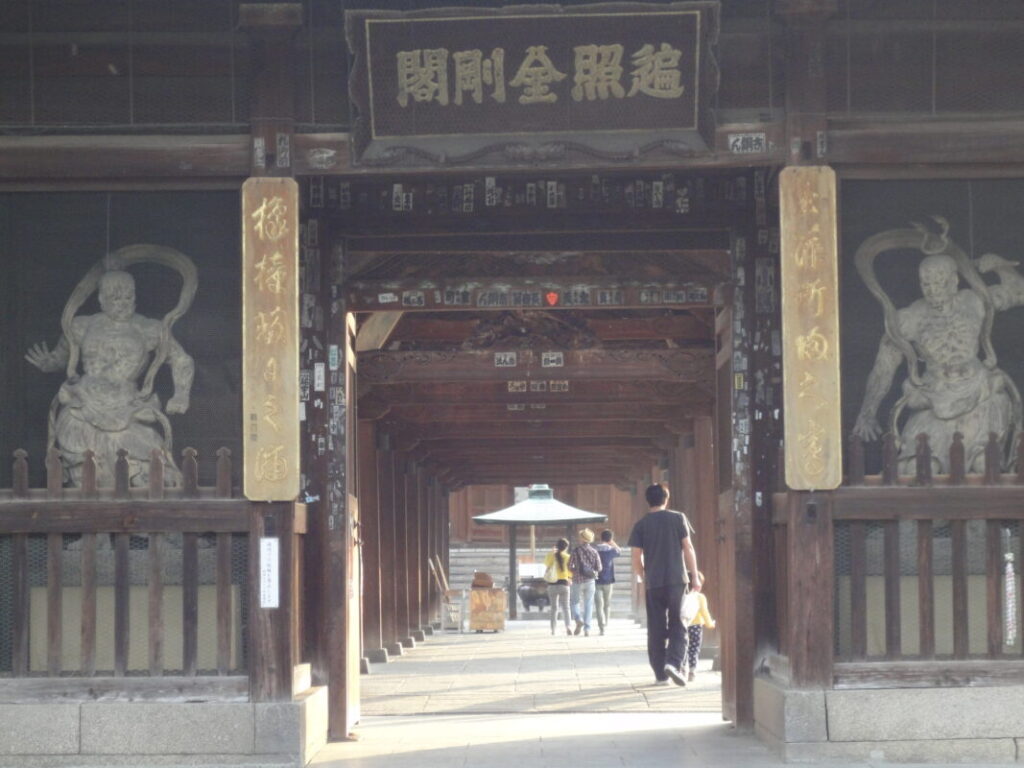
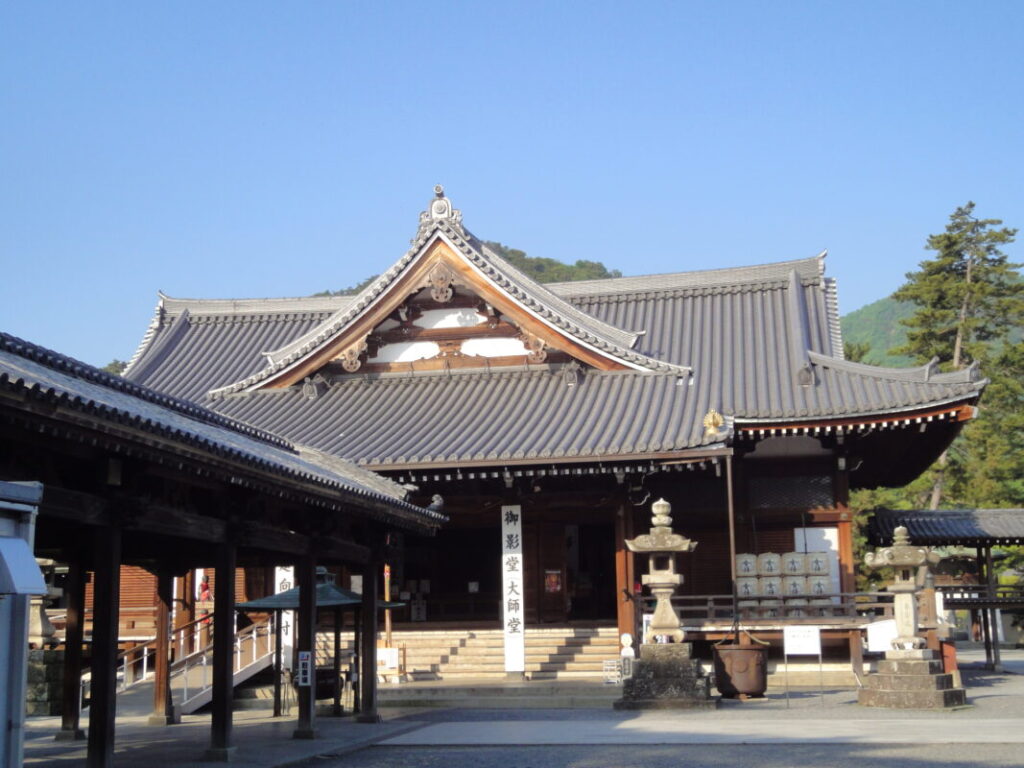
The ceiling of the corridor connecting the Niomon Gate to the Daishi Hall features paintings depicting the life of Kobo Daishi.
Visitors can follow his journey while walking through the corridor, making it a unique highlight of Zentsuji as his birthplace.
A Special Experience at the Temple Lodging
Zentsuji offers temple lodging known as “Iroha Kaikan.”
Although the building is modern, it is clean and comfortable, with private rooms and a large bath available for guests. With accommodation for approximately 250 people, it is one of the largest temple lodgings among the Shikoku pilgrimage temples.
I also stayed there and was able to participate in the morning service and listen to a talk by the head priest. I also experienced the “Kaidan Meguri,” an underground passage approximately 100 meters long, which was a memorable and unique experience available only at Zentsuji.
Nearby Accommodation
If you plan to stay near Zentsuji or between the surrounding pilgrimage temples, see the article below.
Related Articles
Shikoku 88 Temple Pilgrimage Route: Full List, Distance & Walking Time Guide.
Temple List and Full Route
For a complete list of the Seven-Temple Pilgrimage, please see the article here.
What is the Shichikasho Pilgrimage? A Seven Temple Pilgrimage Route in Kagawa
Comments