
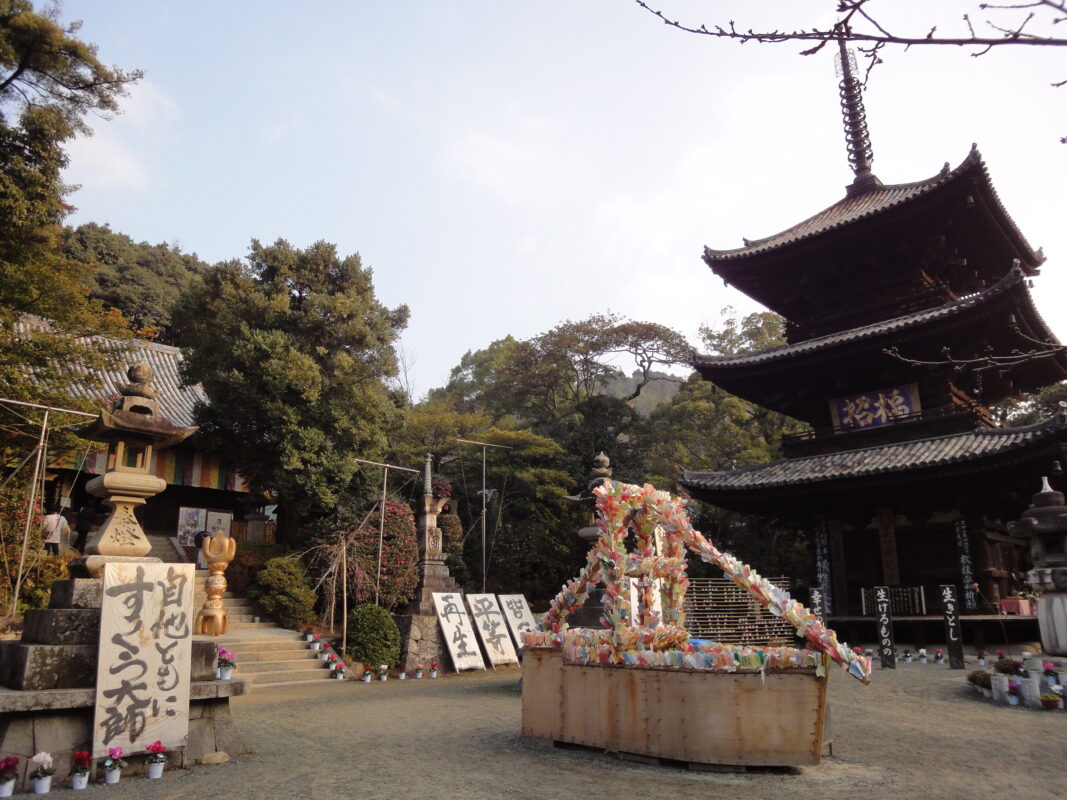
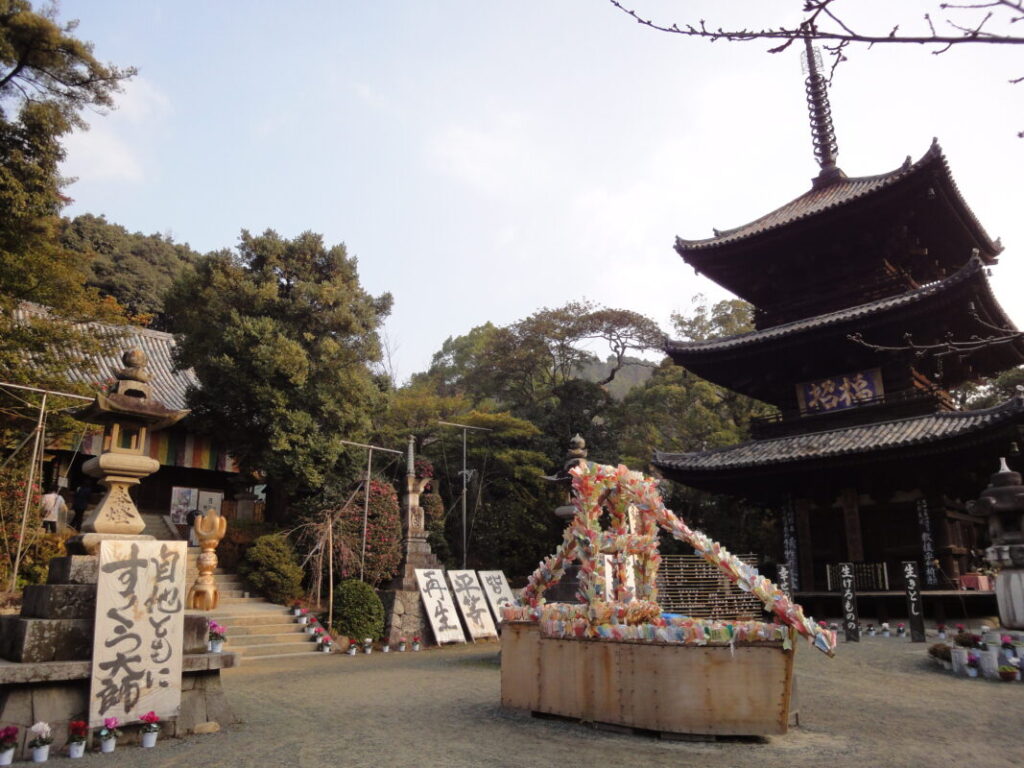
Ishiteji Temple Information
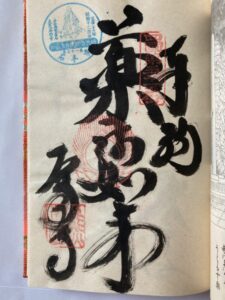
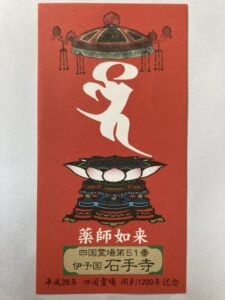
Goshuin
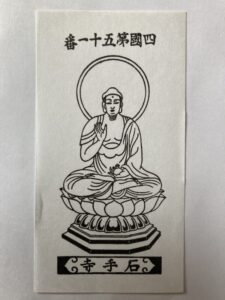
- Omie
- 1,200th Anniversary Edition
Basic Information
| Principal Deity | Yakushi Nyorai |
| Elevation | 50 m |
| Google Maps | MAP |
Accommodation
| Shukubo (Temple Lodging) | Not Available |
| Tsuyado (Free Pilgrim Shelter) | Available |
History & Highlights
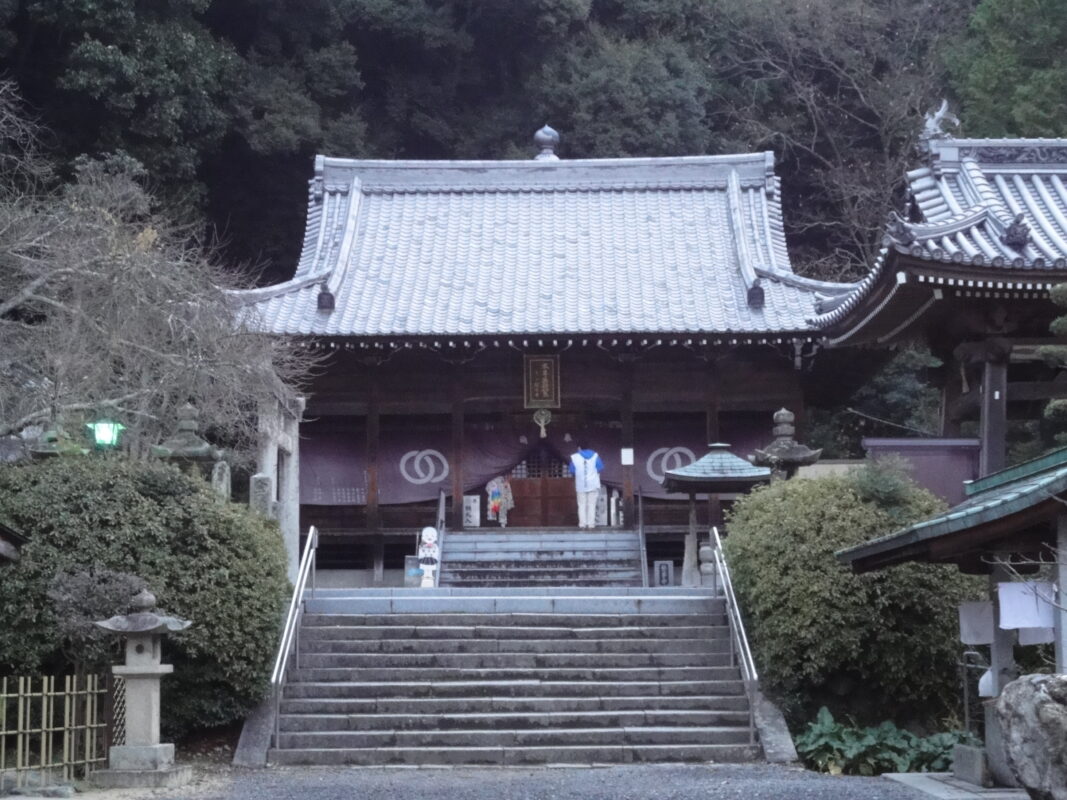
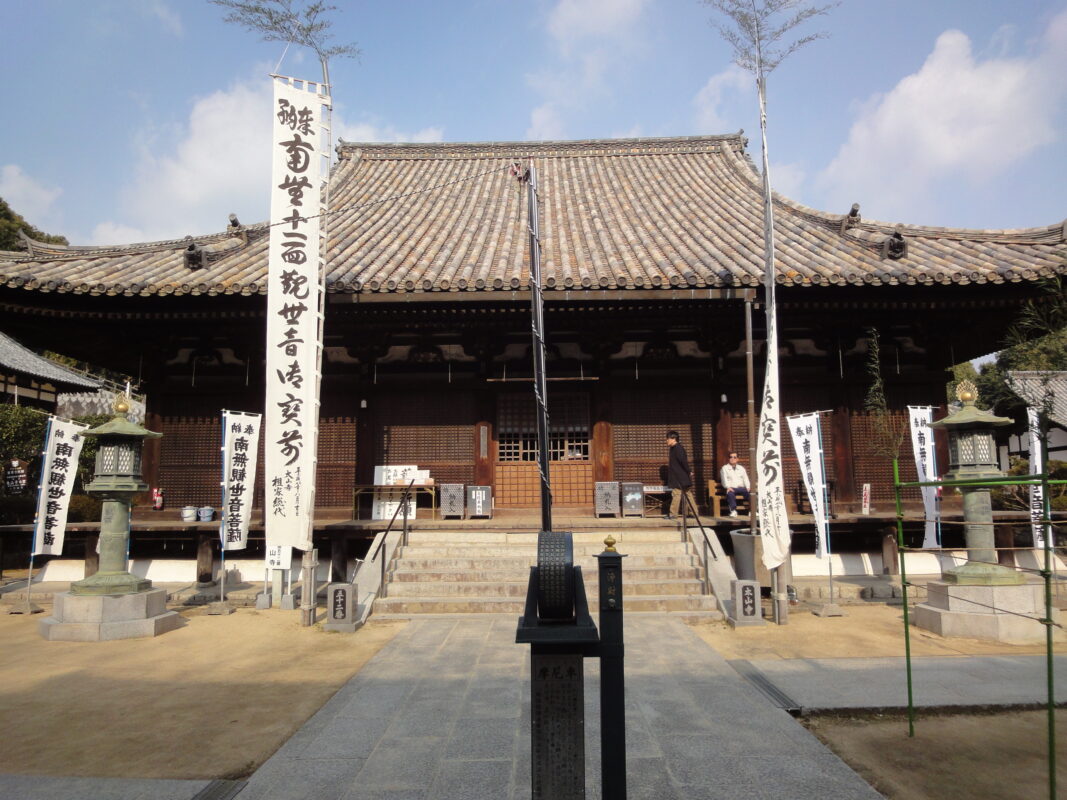
Ishiteji is a historic temple said to have been founded by Gyōki and later flourished as a temple associated with Kūkai (Kōbō Daishi). Home to numerous cultural treasures, including the National Treasure Niō Gate, it is one of the most renowned temples of the Shikoku Pilgrimage and continues to be cherished by many visitors.
Route Map, Distance & Travel Time
You can switch between the tabs to view the routes to the previous and next temples.
Select “Driving Route” from the map’s upper-left menu to display the driving route.
Click the Full Screen icon in the upper-right corner of the map to open it in Google Maps for a larger, easier-to-view map.
- From Previous Temple
- To Next Temple
Previous Temple: Hantaji
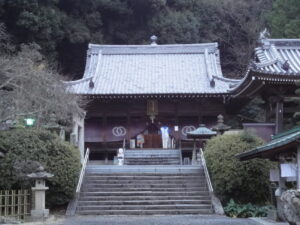
| Distance | 2.8 km |
| Walking | 45 min |
| Driving | 5 min |
Next Temple: Taisanji
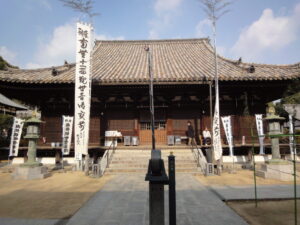
| Distance | 10.7 km |
| Walking | 3 hr |
| Driving | 30 min |
Transportation Guide
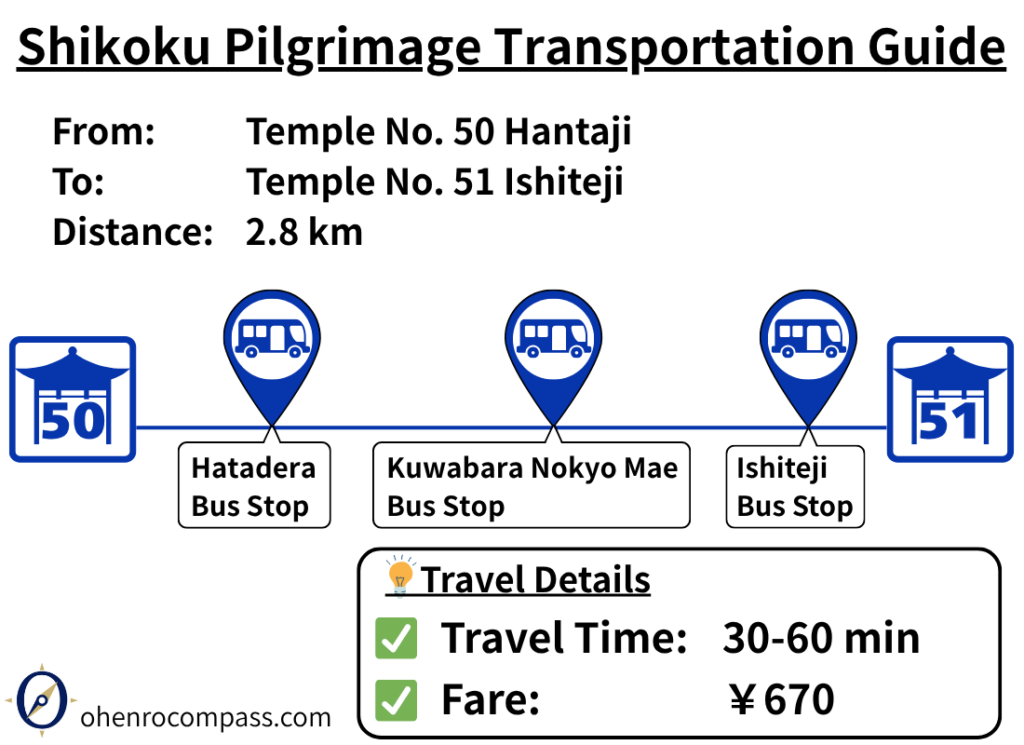
Travel from Hantaji (50th Temple) to Ishiteji (51st Temple) by bus in about 30–60 minutes for ¥670. Includes bus transfers, timetables and a comparison with walking.
My Walking Experience
Ishiteji is located about 3 km (1.9 miles) north of Hantaji.
If you follow the prefectural road, the route is straightforward and easy to navigate. However, following the pilgrimage signs will take you through a traditional henro trail winding through quiet residential streets. Since the distance is almost the same, you can choose whichever route suits your preference.
After crossing the bridge over the Ishite River, the grounds of Ishiteji gradually come into view.
A Popular Temple Filled with Visitors
Because Ishiteji is located close to Dōgo Onsen, it is one of the most visited temples among the 88 sacred sites of the Shikoku Pilgrimage.
When I visited, the temple felt very different from the other pilgrimage temples I had experienced. The grounds were lively, filled not only with pilgrims but also with tourists visiting Dōgo Onsen.
One of the unique features of Ishiteji is the covered corridor leading into the temple grounds. Small food shops and souvenir stores line the approach, creating a nostalgic atmosphere reminiscent of an old temple town.
After passing through the corridor, you will encounter the magnificent Niō Gate, a National Treasure. Standing approximately 7 m (23 ft) tall, this impressive gate is believed to have been built in 1318. Inside are two Kongō Rikishi (guardian warrior) statues, both designated as Important Cultural Properties, watching over visitors as they enter.
The three-story pagoda, which stands out within the temple grounds, is another highlight. Reaching approximately 24 m (79 ft) in height, it is designated as an Important Cultural Property.
Ishiteji’s name is said to come from the story of Emon Saburō, who searched across Shikoku for Kūkai (Kōbō Daishi). After finally receiving forgiveness from the great master, the stone he was given was later enshrined at this temple.
With its many historic buildings and unique atmosphere, Ishiteji is a temple that can be enjoyed not only as a pilgrimage stop but also as a place to explore and discover. If time allows, I recommend taking a leisurely walk around the grounds.
Daishidō Hall (“Graffiti Hall” – a historic nickname)
The Daishidō Hall at Ishiteji is also known by the nickname “Graffiti Hall” because it once contained graffiti left by famous literary figures such as Natsume Sōseki and Masaoka Shiki.
Of course, graffiti is prohibited today.
Mantra Cave
Behind the Main Hall is the Mantra Cave, a dark underground passage extending approximately 160 m (525 ft) to the rear exit area of the Daishidō Hall. Walking through the cave is considered a form of spiritual practice, offering visitors a unique experience within the temple grounds.
Nearby Accommodation
If you plan to stay near Ishiteji or between the surrounding pilgrimage temples, see the article below.

Related Articles
Shikoku 88 Temple Pilgrimage Route: Full List, Distance & Walking Time Guide.
Temple List and Full Route
Comments