
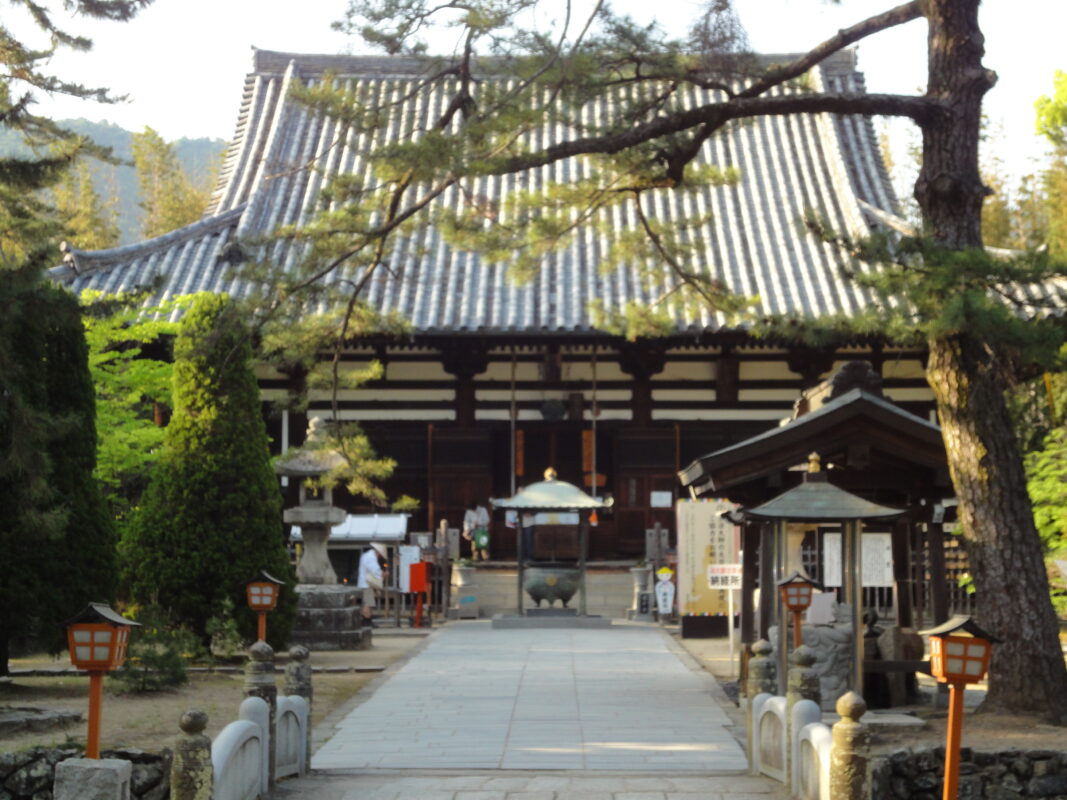
Kokubunji Temple Information
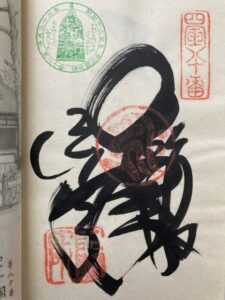
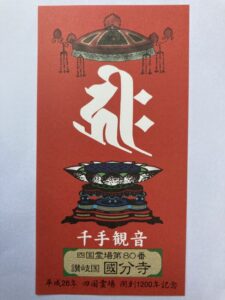
Goshuin
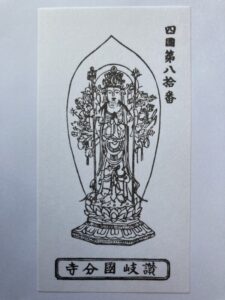
- Omie
- 1,200th Anniversary Edition
Basic Information
| Principal Deity | Thousand-Armed Kannon |
| Elevation | 35 m |
| Google Maps | MAP |
Accommodation
| Shukubo (Temple Lodging) | Not Available |
| Tsuyado (Free Pilgrim Shelter) | Not Available |
History & Highlights
Sanuki Kokubunji Temple was founded by Gyoki in the Nara period under the imperial order of Emperor Shomu as the provincial temple of Sanuki Province.
It is a valuable historic temple that preserves foundation stones from the original complex and the remains of a seven-story pagoda. The temple is also said to have been restored and developed by Kobo Daishi. Today, it is known for housing one of the oldest temple bells in Shikoku and its Main Hall, which is designated as an Important Cultural Property of Japan.
Notes
・Admission fee: 200 yen
・Entry to the temple grounds is allowed until 4:30 PM
Route Map, Distance & Travel Time
You can switch between the tabs to view the routes to the previous and next temples.
Select “Driving Route” from the map’s upper-left menu to display the driving route.
Click the Full Screen icon in the upper-right corner of the map to open it in Google Maps for a larger, easier-to-view map.
- From Previous Temple
- To Next Temple
Previous Temple: Tennoji
| Distance | 6.6 km |
| Walking | 2 hr |
| Driving | 15 min |
Next Temple: Shiromineji
| Distance | 6.5 km |
| Walking | 2 hr |
| Driving | 30 min |
Transportation Guide
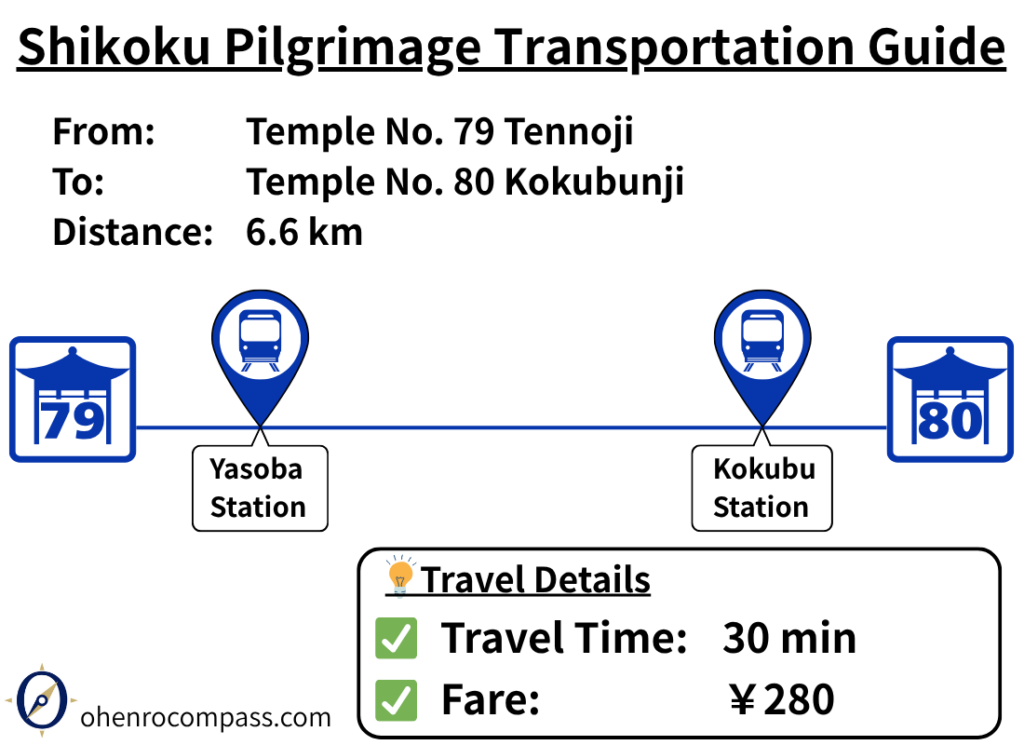
Find the train route from Temple 79 Tennoji to Temple 80 Kokubunji. The JR Yosan Line takes about 30 minutes and costs ¥280. Compare the train and walking routes, with fares, travel times, and access information.
My Walking Experience
Kokubunji Temple is located approximately 6 km east of Tennoji Temple.
After leaving Tennoji, continue east along the JR Yosan Line. After about 2 km, you will reach Kamogawa Station, where you should cross the railway crossing.
National Route 11 offers a shorter route to Kokubunji, but this section has been upgraded into a bypass, so caution is needed. The sidewalk on the left side connects to the prefectural road leading toward Kokubunji, allowing pilgrims to walk safely.
Once you enter the prefectural road, you will see JR Kokubu Station on the right and signs for Kokubunji Temple on the left.
Preparing for the Goshikidai Mountain Section
The next section, from the 81st temple Shiromineji to the 82nd temple Negoroji, crosses Mount Goshikidai, which rises to around 400 meters in elevation. It is one of the major mountain challenges in the latter part of the Kagawa pilgrimage route.
For me, the entire section from entering the mountain to descending, including temple visits, took about six hours.
For pilgrims traveling on foot, it is recommended to prepare drinks and snacks before reaching Kokubunji Temple, as there are few opportunities to restock during the mountain section ahead.
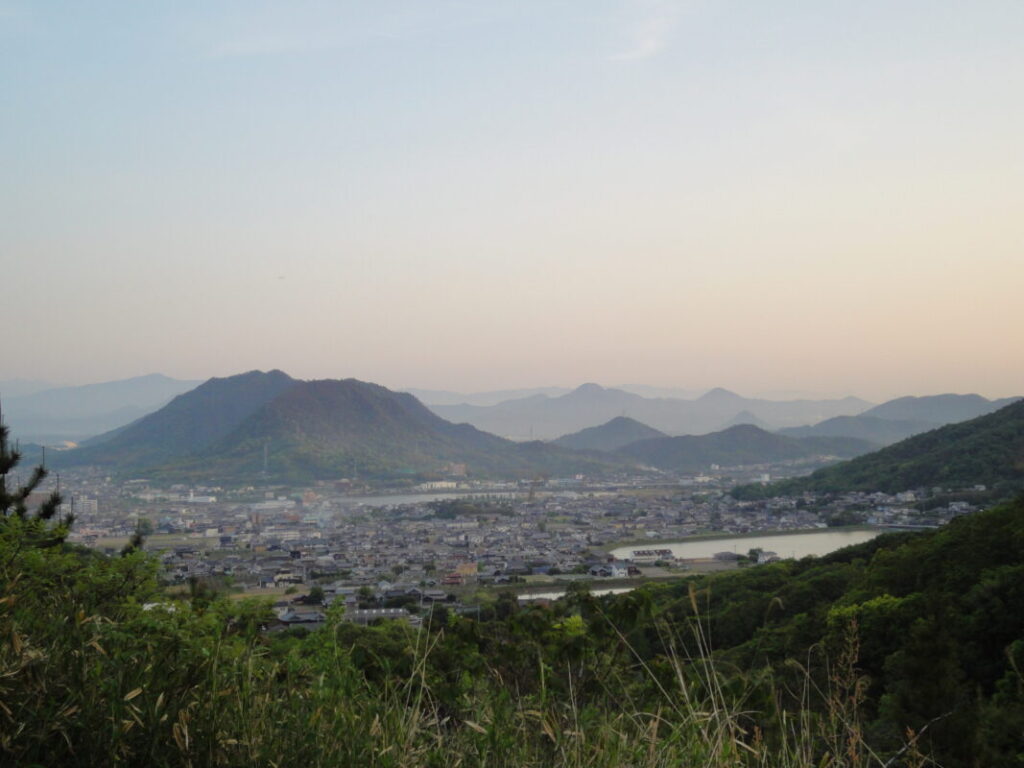
History and Highlights of Kokubunji Temple
A Beautifully Maintained Garden of Japanese Black Pine Trees
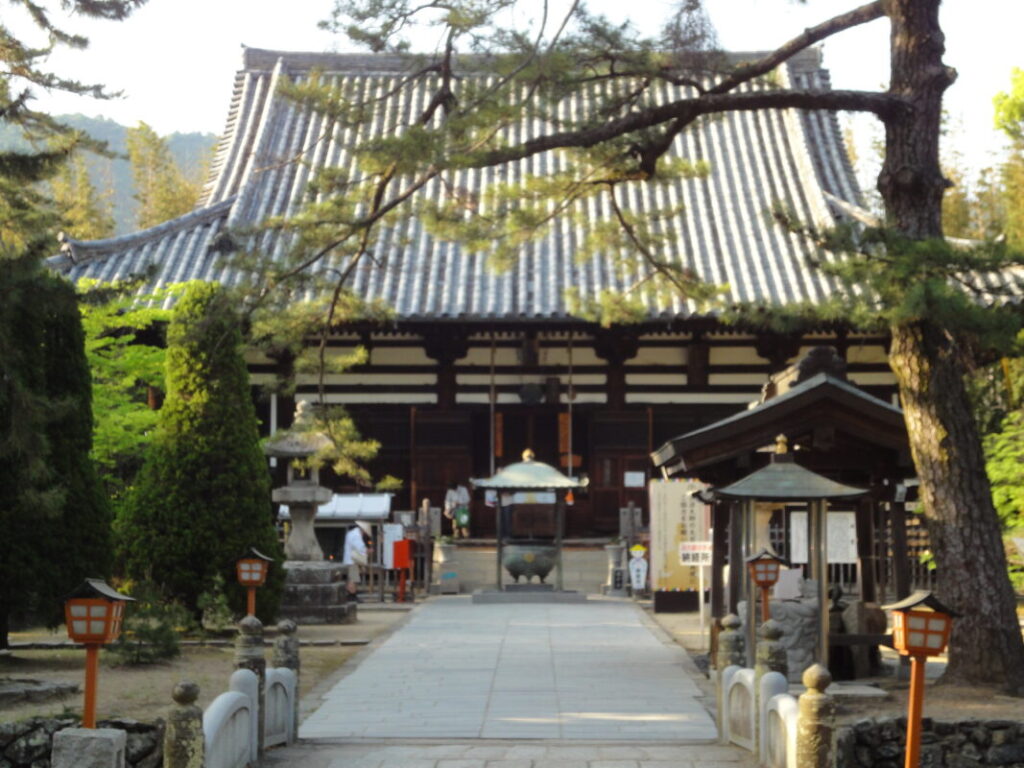
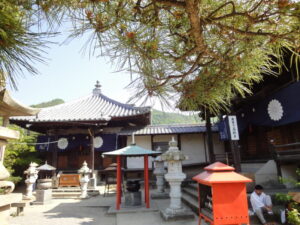
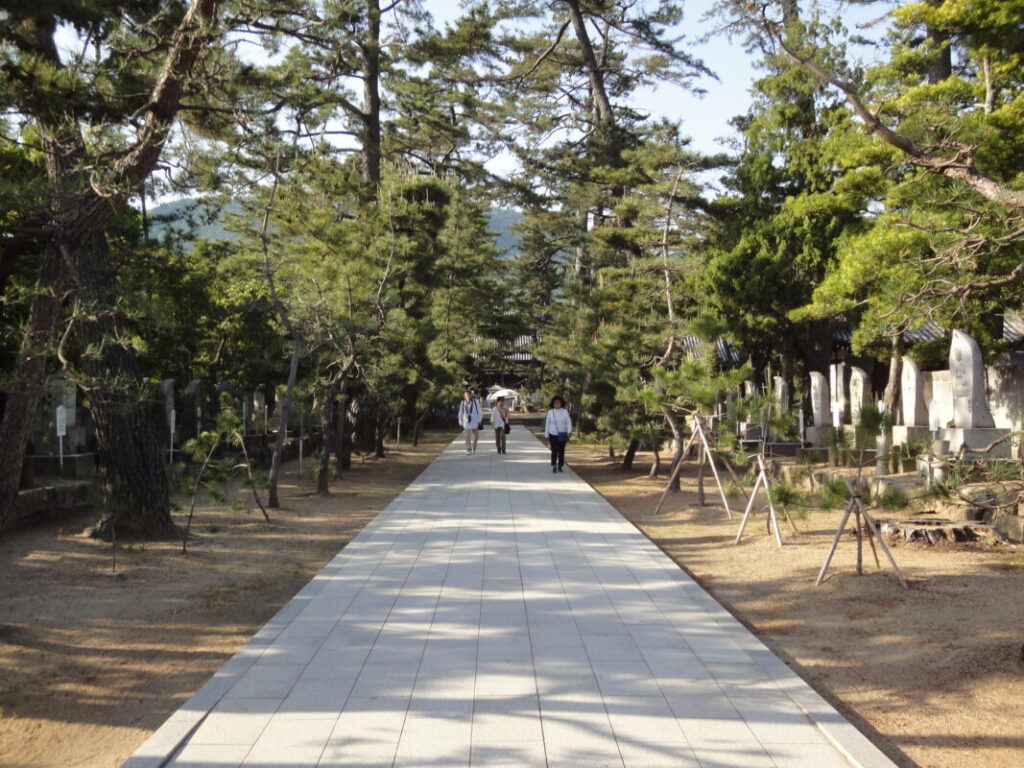
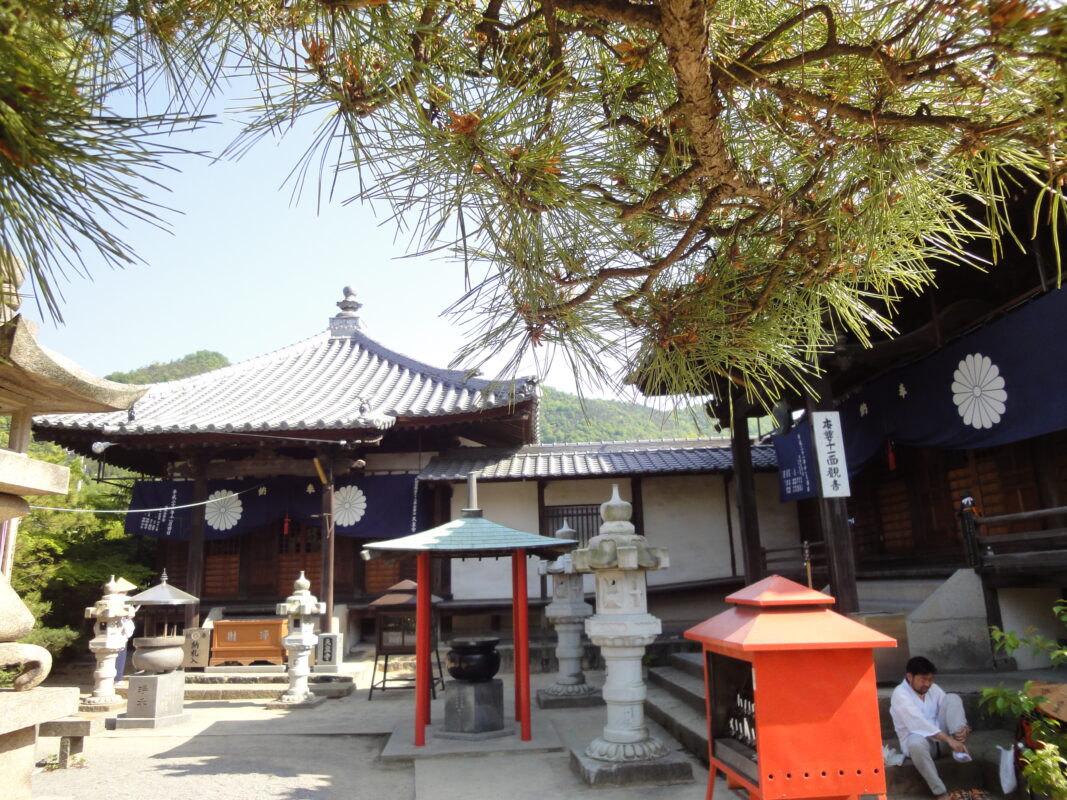
The first thing that impressed me at Kokubunji Temple was the magnificent Japanese black pine trees planted throughout the grounds.
From the temple gate and approach to the area around the Main Hall, carefully maintained pine trees create a calm atmosphere that reflects the history and dignity of this ancient temple.
Along the approach, not only large old pine trees but also young saplings were planted. I felt as though the historic landscape was being carefully passed on to future generations.
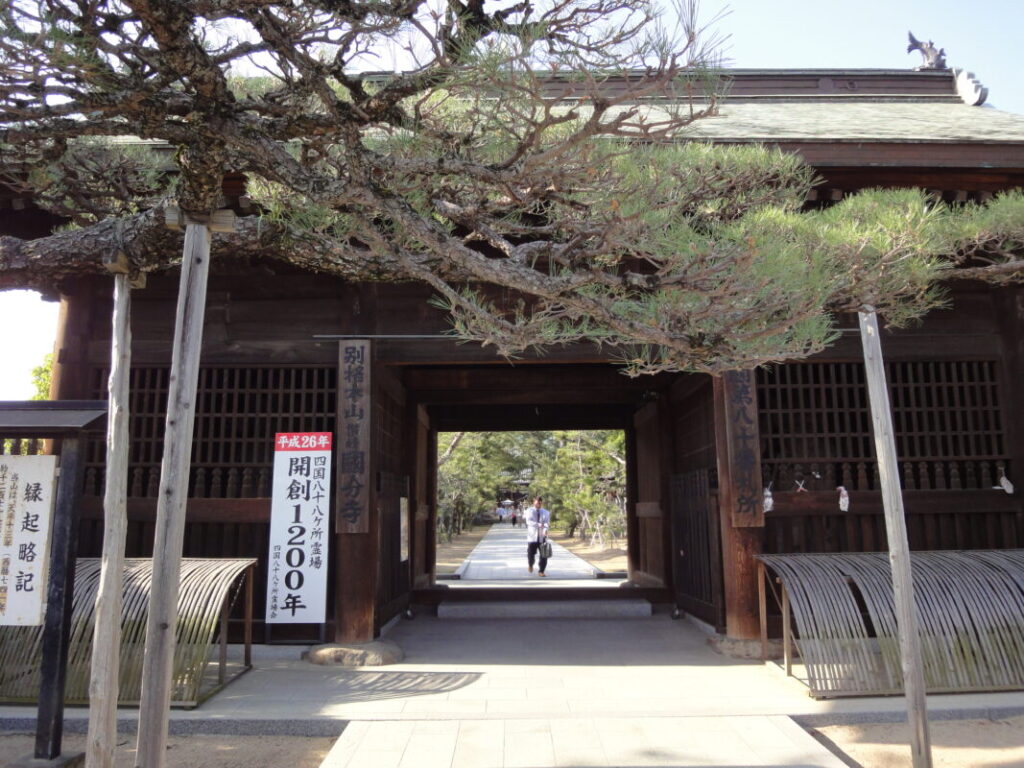
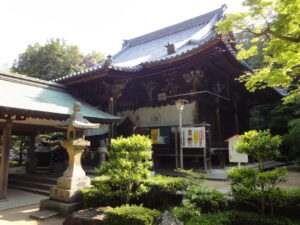
The Main Hall Rebuilt During the Kamakura Period
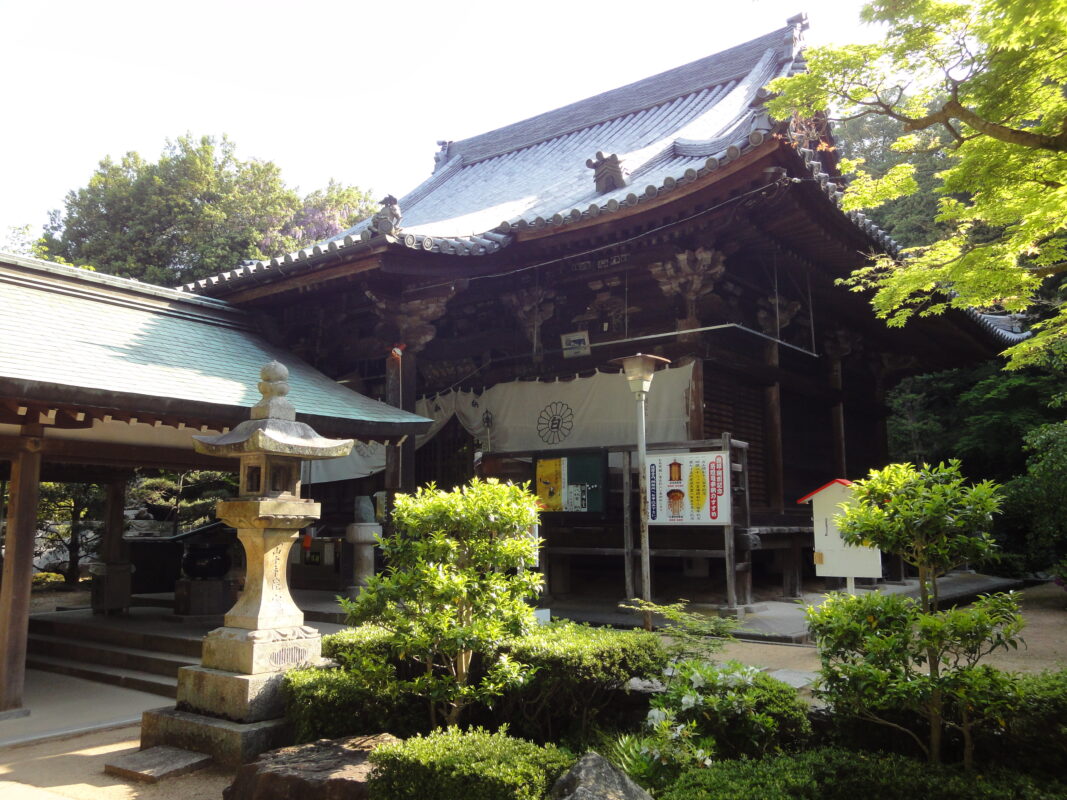
The current Main Hall was rebuilt during the mid-Kamakura period and is considered one of the most historically valuable buildings among the 88 temples of the Shikoku Pilgrimage.
The hall features sangarado wooden doors on both the front and back sides, preserving the architectural style and atmosphere of the temple’s early history.
The Oldest Bell in Shikoku
Kokubunji Temple is home to one of the oldest bells in the Shikoku region, said to have remained from the time of the temple’s founding.
Visitors who wish to ring the bell can do so by offering a 100-yen donation. Hearing the sound of this ancient bell, which has echoed for centuries, is a rare and memorable experience.
Be Careful About Visiting Hours
I arrived at Kokubunji Temple at around 4:30 PM.
Since I had walked approximately 30 km from Zentsuji Temple (Temple 75) that day, I rested for a while on a bench in the temple grounds after completing my visit. However, around 5:00 PM, as closing time approached, I was asked to leave the grounds.
Kokubunji has its own unique visiting rules among the 88 temples, with entry until 4:30 PM and an admission fee of 200 yen.
When visiting this temple, it is recommended to allow plenty of time so that you can enjoy the historic grounds without rushing.
Nearby Accommodation
If you plan to stay near Kokubunji or between the surrounding pilgrimage temples, see the article below.
Related Articles
Shikoku 88 Temple Pilgrimage Route: Full List, Distance & Walking Time Guide.
Temple List and Full Route
Why Do Some Temples Have the Same Name on the Shikoku Pilgrimage?
Why Do Temples Have the Same Name?
Comments