
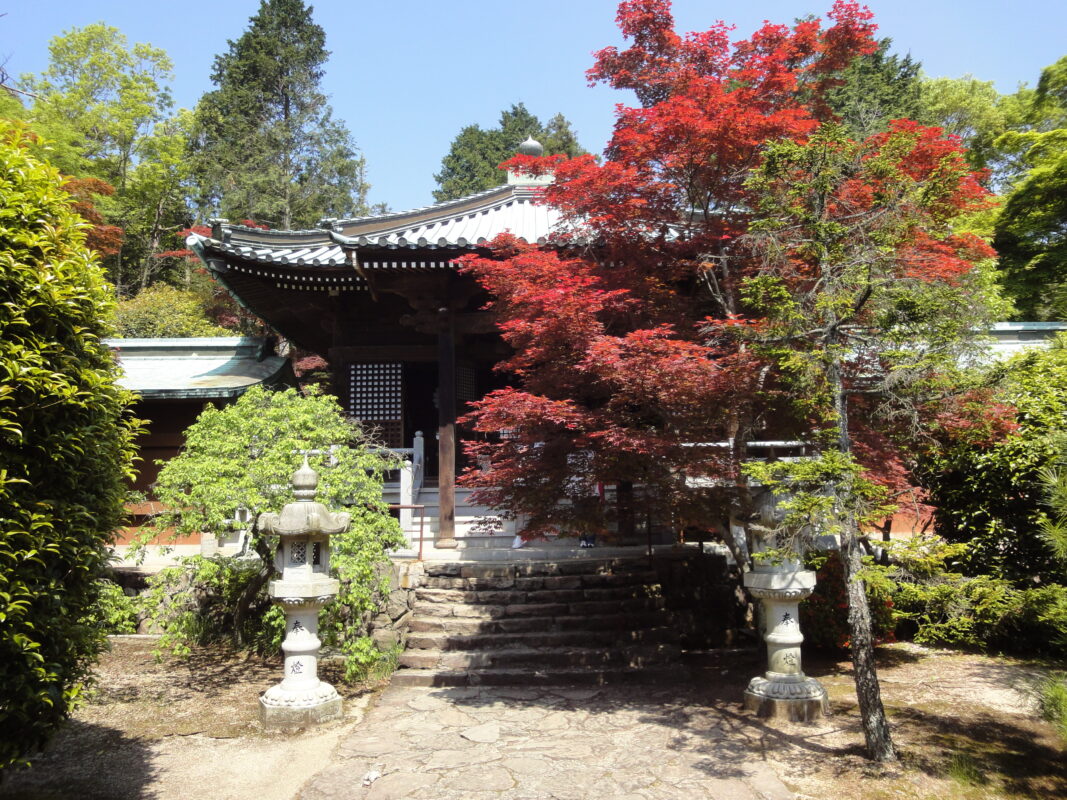
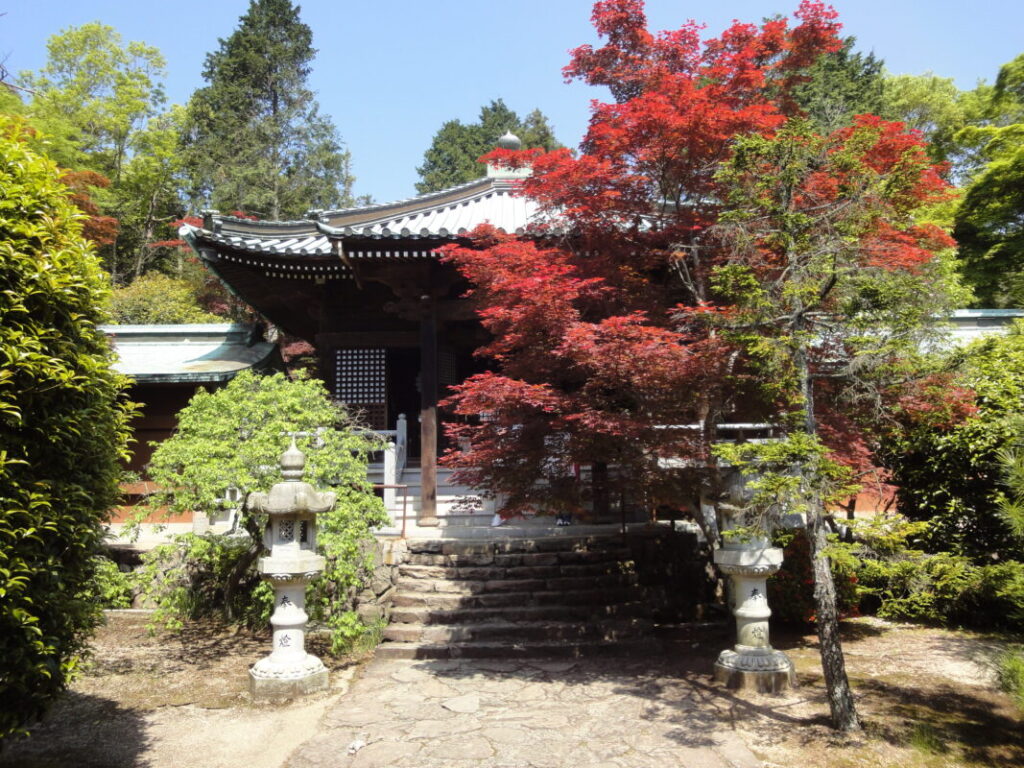
Negoroji Temple Information
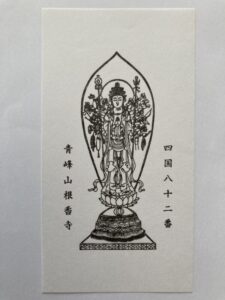
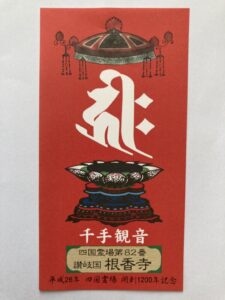
Goshuin

- Omie
- 1,200th Anniversary Edition
Basic Information
| Principal Deity | Thousand-Armed Kannon |
| Elevation | 365 m |
| Google Maps | MAP |
Accommodation
| Shukubo (Temple Lodging) | Not Available |
| Tsuyado (Free Pilgrim Shelter) | Not Available |
History & Highlights
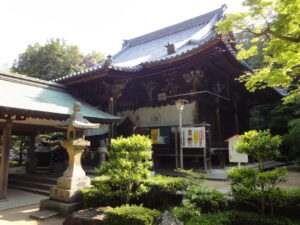
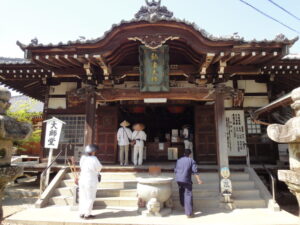
Negoroji Temple is an ancient temple located on Mount Aomine in the Goshikidai mountain range and is associated with both Kobo Daishi and Chisho Daishi. Its principal image, a Thousand-Armed Kannon, is said to have been carved from a sacred tree, which is also connected to the origin of the temple’s name. The temple is also widely known for the legend of the Ushi-oni, a fearsome creature said to have once tormented local people.
Route Map, Distance & Travel Time
You can switch between the tabs to view the routes to the previous and next temples.
Select “Driving Route” from the map’s upper-left menu to display the driving route.
Click the Full Screen icon in the upper-right corner of the map to open it in Google Maps for a larger, easier-to-view map.
- From Previous Temple
- To Next Temple
Previous Temple: Shiromineji
| Distance | 5 km |
| Walking | 1 hr 40 min |
| Driving | 15 min |
Next Temple: Ichinomiyaji
| Distance | 11.9 km |
| Walking | 3 hr 30 min |
| Driving | 30 min |
My Walking Experience
Negoroji Temple is located approximately 5 km east of Shiromineji Temple. This section follows the mountain trails of Mount Goshikidai, with repeated ascents and descents at elevations of around 400 meters.
The route is by no means easy, but stone monuments, historic sites, and places offering hospitality to pilgrims can be found along the way. It was a memorable section where I could strongly feel the traditional culture of the Shikoku Pilgrimage.
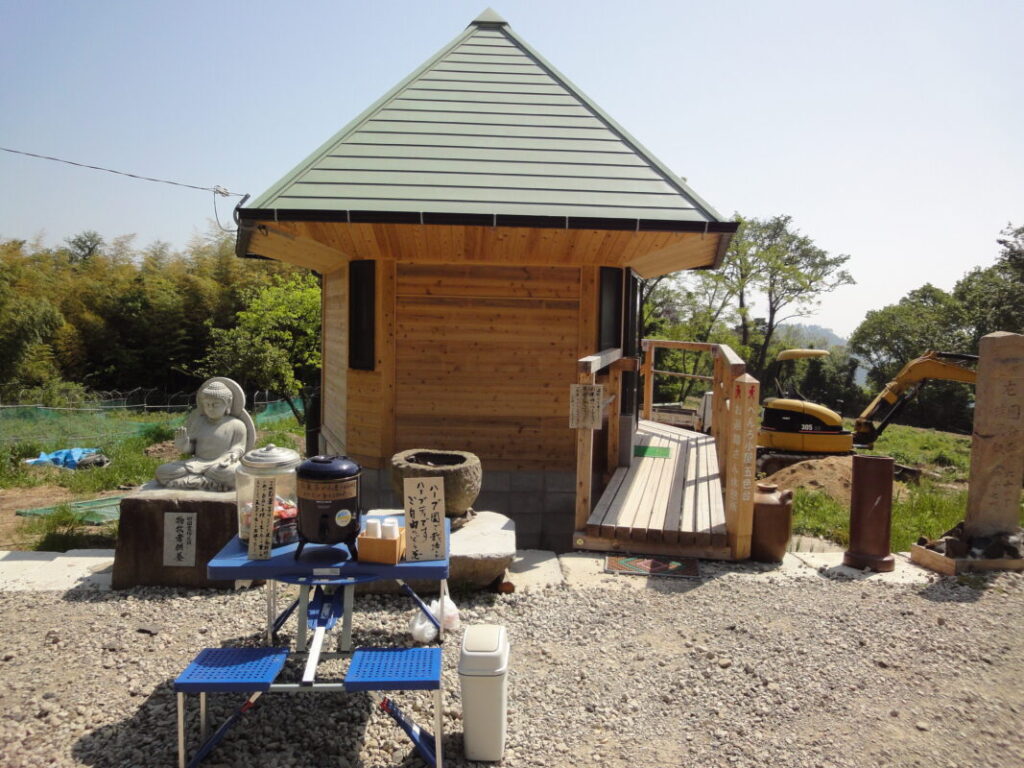
Goshikidai Pilgrim Rest Area
About 300 meters south of Negoroji Temple is the Henro-goya Goshikidai, a welcome rest stop for pilgrims traveling on foot. It has toilets and a covered shelter, and overnight camping is possible.
When I visited, I was grateful to receive self-service hospitality in the form of tea and snacks. The covered shelter also appears to have been expanded since my visit, making it an even more useful place to rest along the mountain route.
History and Highlights of Negoroji Temple
A Mountain Temple Surrounded by Nature
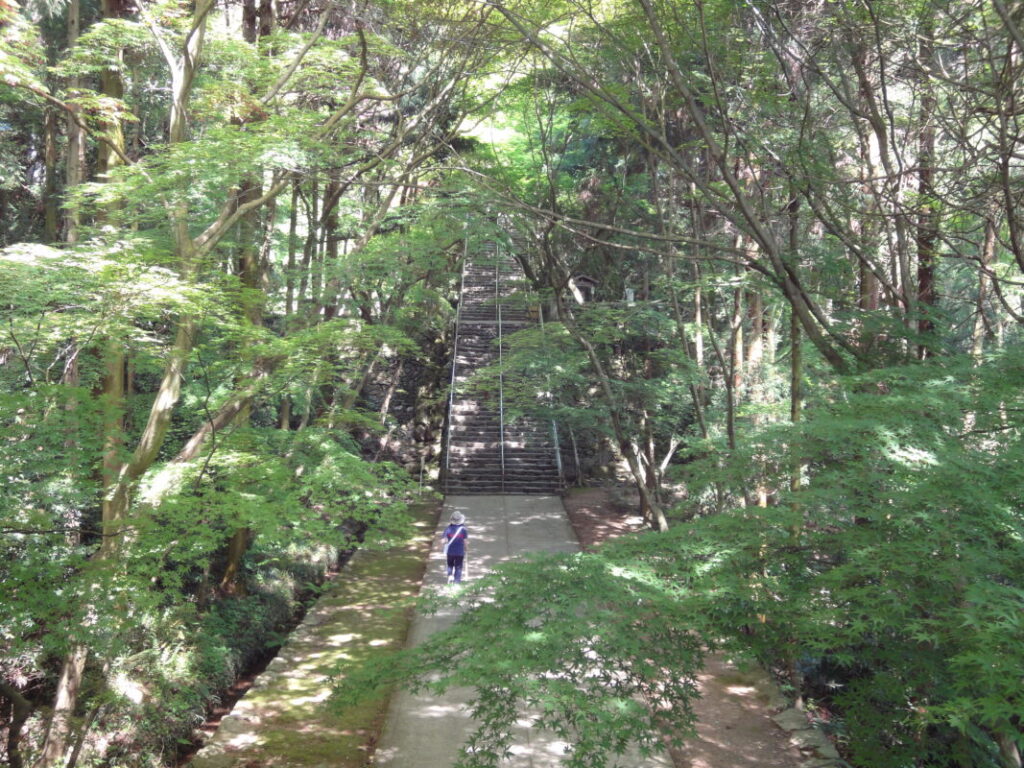
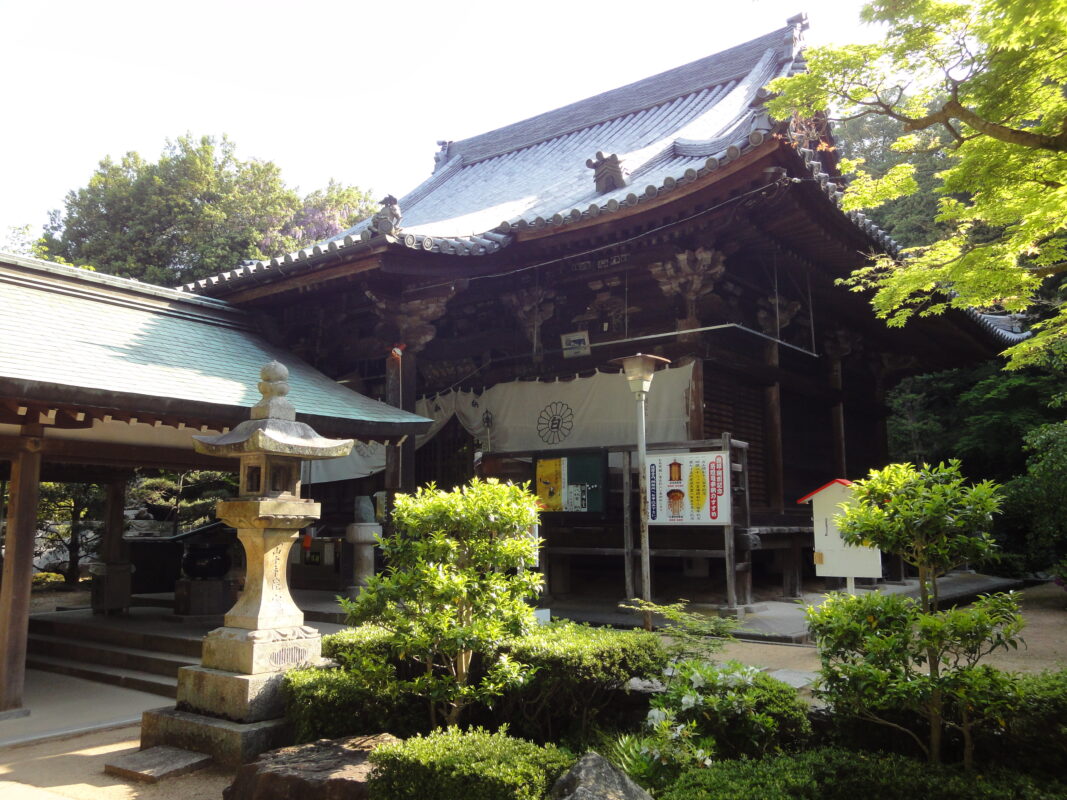
Negoroji Temple spreads across the slopes of the mountain, with numerous stairways throughout the grounds. The approach, surrounded by trees, provides pleasant shade, while the fresh greenery of spring and the colorful foliage of autumn create especially beautiful scenery.
After passing through the temple gate, the path descends a flight of stairs before continuing along a stone-paved approach. Another set of stairs then leads upward to the area containing the Main Hall. This varied terrain is part of what gives Negoroji its distinctive mountain-temple atmosphere.
The Ushi-oni Legend and the Ushi-oni Horn
Negoroji Temple stands on Mount Aomine, the highest peak of Mount Goshikidai, and is an ancient temple that once boasted a large temple complex.
The temple is associated with the legend of the Ushi-oni, a terrifying monster said to have once lived in these mountains and attacked local people. According to the legend, the villagers joined forces to defeat it and dedicated one of its horns to the temple.
The horn is still preserved as a temple treasure today. Charms depicting the Ushi-oni are also popular as protective talismans against evil.
The Thousands of Kannon Statues
One of the sights not to be missed at Negoroji is the collection of Mantai Kannon, or the “Ten Thousand Kannon.”
Around 33,000 small Kannon statues are arranged along the corridor of the Main Hall. Each statue is only about the size of a palm, but the sheer number of statues is overwhelming.
The statues stand quietly along the dim, cool corridor, creating an atmosphere as though they are silently watching over everyone who comes to worship.
Nearby Accommodation
If you plan to stay near Negoroji or between the surrounding pilgrimage temples, see the article below.
Related Articles
Shikoku 88 Temple Pilgrimage Route: Full List, Distance & Walking Time Guide.
Temple List and Full Route
Comments