
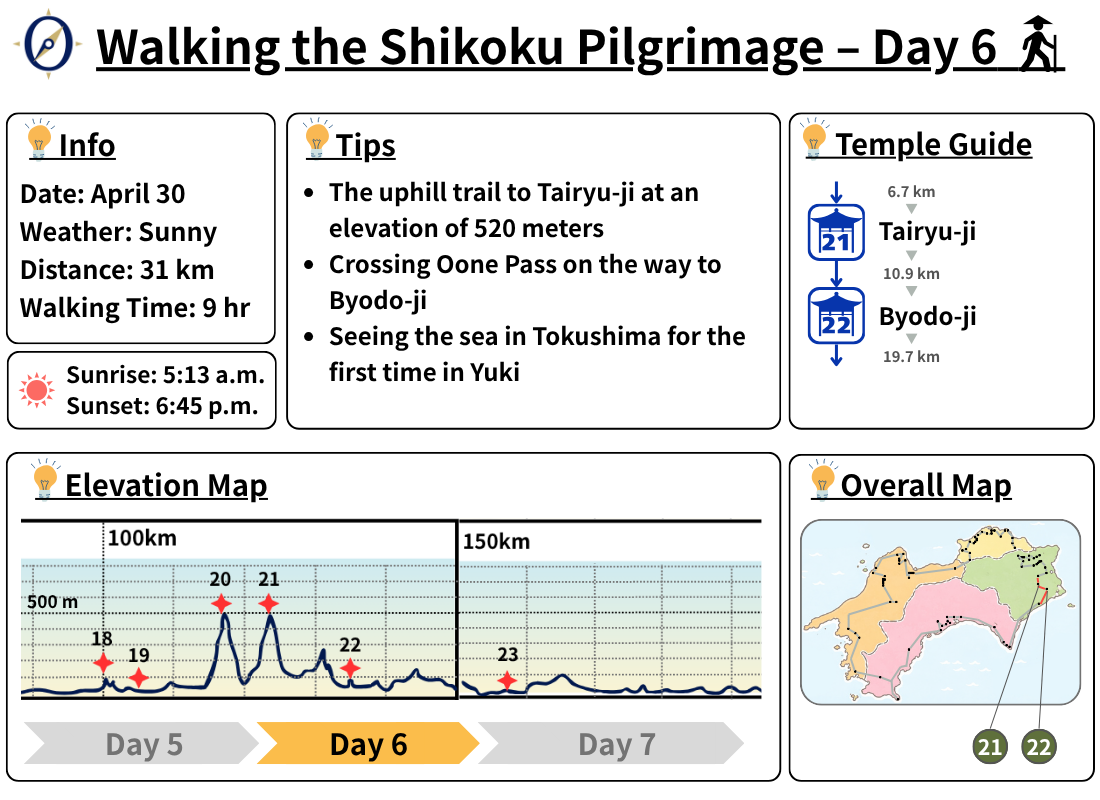
Itinerary
- 6:00Departure
- Oi Rest Area
- Suibashi Bridge
- Trail to Tairyu-ji
- 7:50Temple No. 21, Tairyu-ji
- Wajiki Roadside Station
- Oone Pass
- Oone Rest Area
- 12:30Temple No. 22, Byodo-ji
- Yuki
- 17:00Shirahama Rest Area
Overnight stay
Getting Ready and Setting Out
April 30. Sunny.
I woke up at 5 a.m.
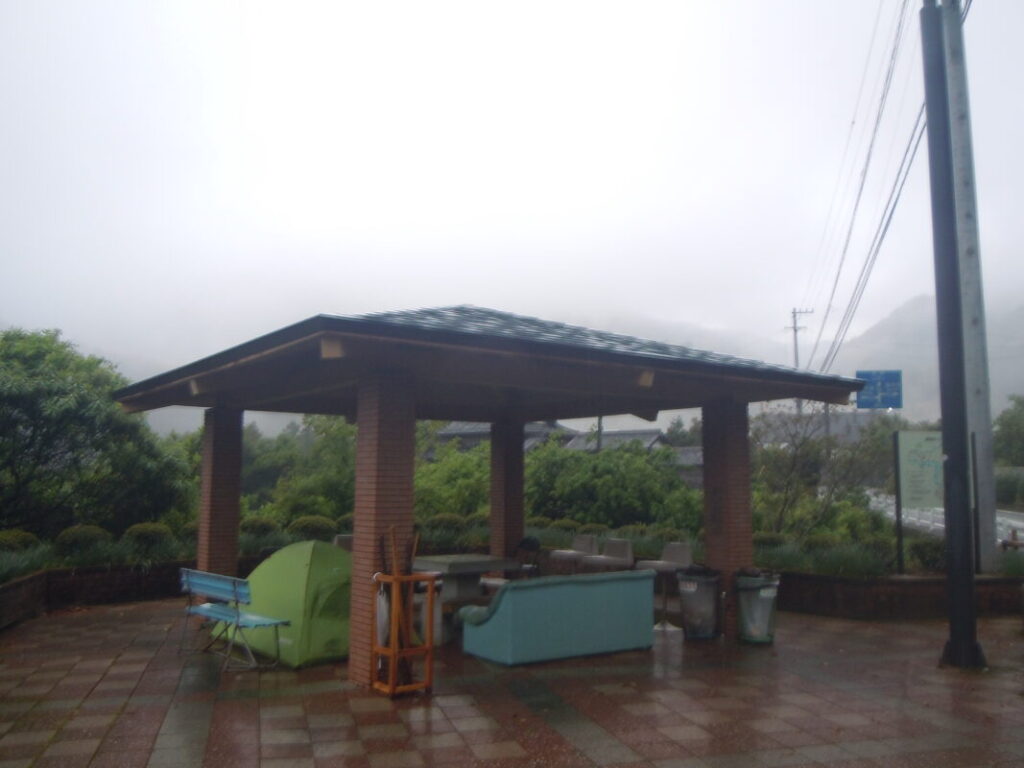
The night before, I had spent the night in a gazebo along the river, just after descending from Kakurin-ji, while torrential rain poured down. Since I was inside the gazebo, I was protected from the rain, but my tent was completely soaked.
By morning, the rain had stopped.
However, dark clouds still hung heavily in the sky, and mist covered the mountains. My clothes and shoes were still wet. There was nothing I could do but put them on while they were still damp.
I packed up my tent and got ready to leave. Because my tent and clothes had absorbed so much rainwater, my backpack felt heavier than usual.
I also had almost nothing left for breakfast. I had missed the chance to buy food a few days earlier. I ate a small amount of the trail food I had left and set off.
The Mountain Trail to Tairyu-ji
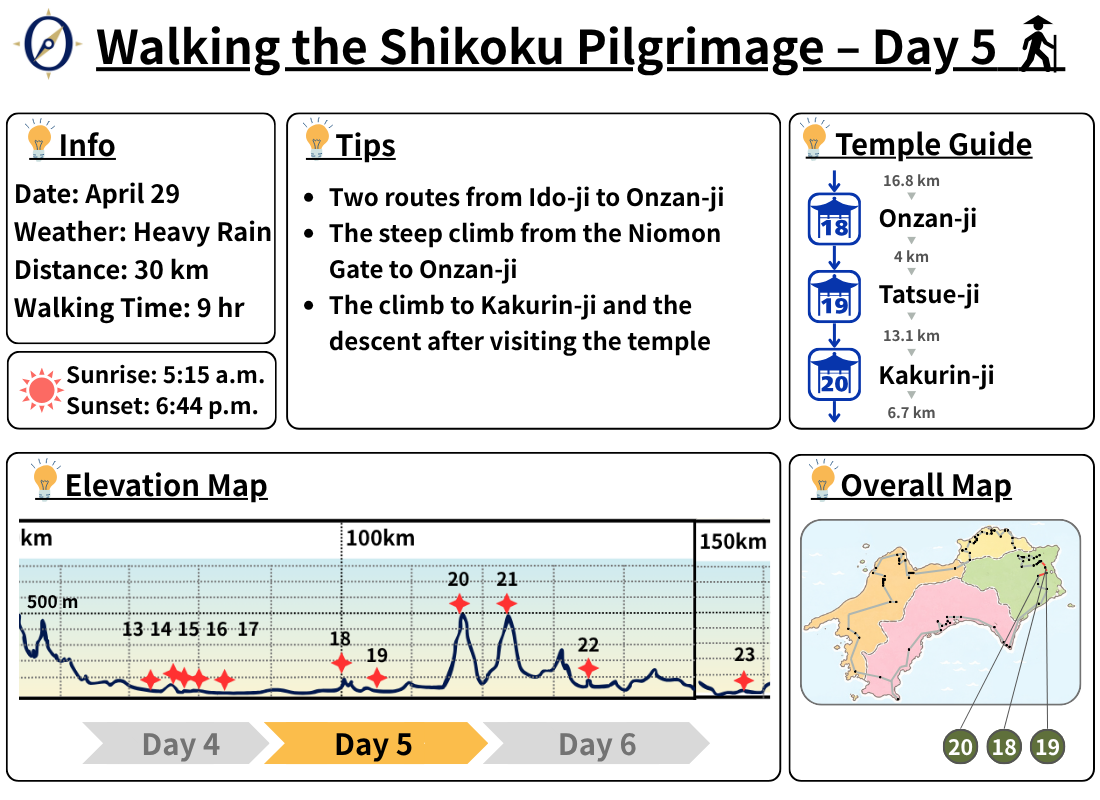
The first destination of the day was Temple No. 21, Tairyu-ji, located at an elevation of 520 meters.
Known as the “Koya of the West,” this mountain temple is also one of the major challenges for pilgrims traveling on foot.
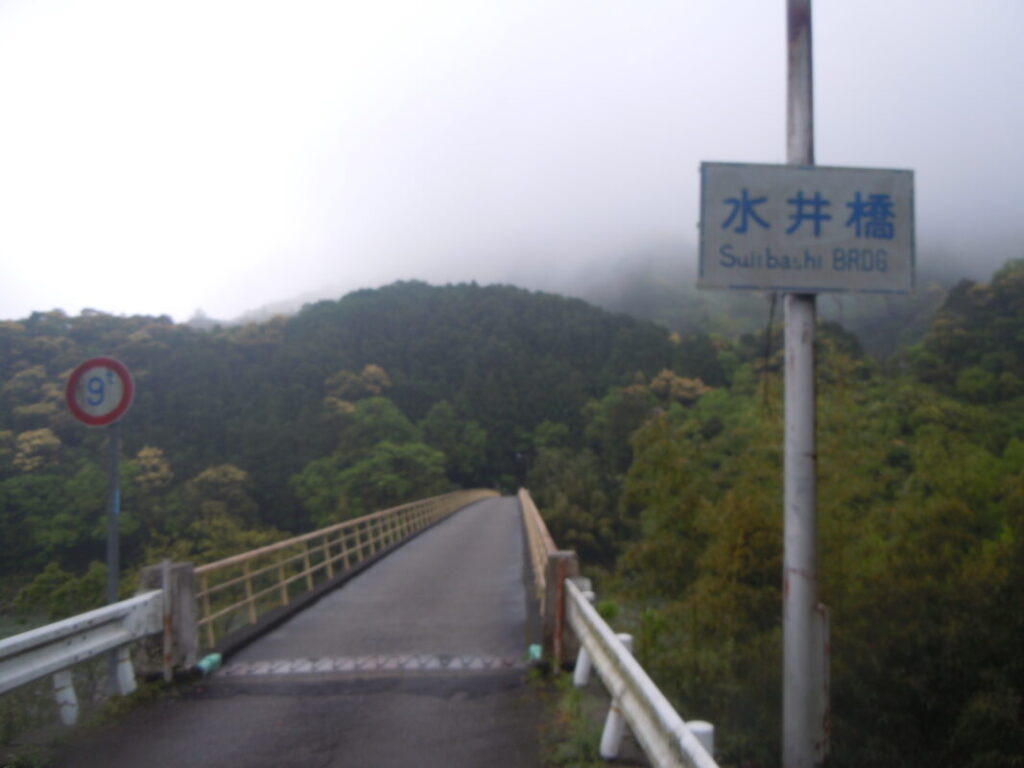
After leaving the Oi Rest Area, I immediately crossed Suibashi Bridge over the Naka River. The railing is quite low, so I had to be a little careful while crossing.
Just after crossing the bridge, the mountain trail to Tairyu-ji began.
I followed a small stream called the Wakasugidani River as I made my way into the mountains.
It took about two hours to walk the approximately 4-kilometer uphill trail.
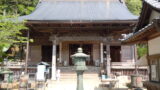
Temple No. 21, Tairyu-ji
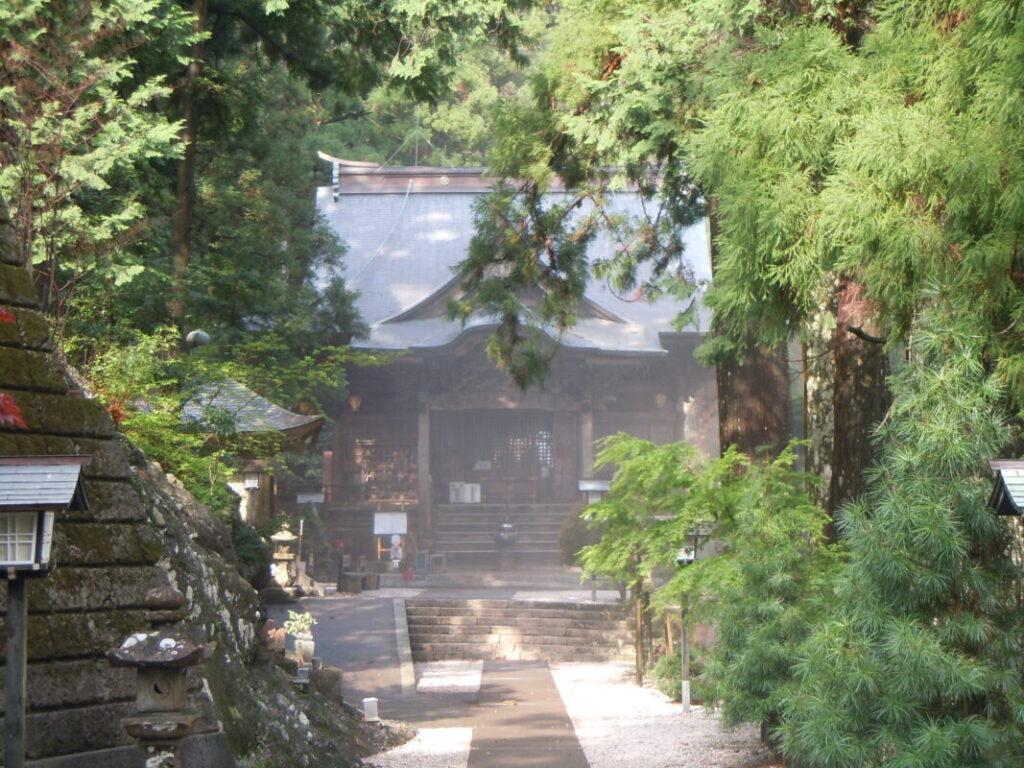
At 7:50 a.m., I arrived at Tairyu-ji. There were no other visitors in the temple grounds that early in the morning. I was completely alone.
The mist that had covered the mountains until just moments before was gradually clearing, and sunlight began to shine through the trees.
Tairyu-ji stood quietly in the mountains. Surrounded by its solemn atmosphere, I took my time to pray.
Tairyu-ji is traditionally said to be the place where Kobo Daishi practiced Kokuzo Gumonji-ho, a Buddhist practice associated with Kokuzo Bosatsu. There is also a seated statue of Kobo Daishi near the temple.
After finishing my visit, I suddenly realized how hungry I was. Come to think of it, I had almost nothing left to eat.
I checked the map and saw that Wajiki Roadside Station was about 7 kilometers from Tairyu-ji. It looked like the only place along the way where I could get something to eat.
My next destination was decided.
Heading to Temple No. 22, Byodo-ji
Resupplying at Wajiki Roadside Station
After leaving Tairyu-ji, I headed toward Byodo-ji.
From the mountain at an elevation of 520 meters, I descended steadily.
Once I reached the road, I walked about 3 kilometers east along the Nakayama River. After a while, Wajiki Roadside Station came into view. There is a pedestrian bridge leading to the facility, so it is easy to spot even when walking the pilgrimage route.
I had a somewhat late breakfast here and bought some rice balls to eat along the way.
Finally, I had enough food to continue the journey.
Crossing Oone Pass
It is about 4 kilometers from Wajiki Roadside Station to Byodo-ji. Following the signs for the pilgrimage route, I made my way onto the trail leading over Oone Pass.
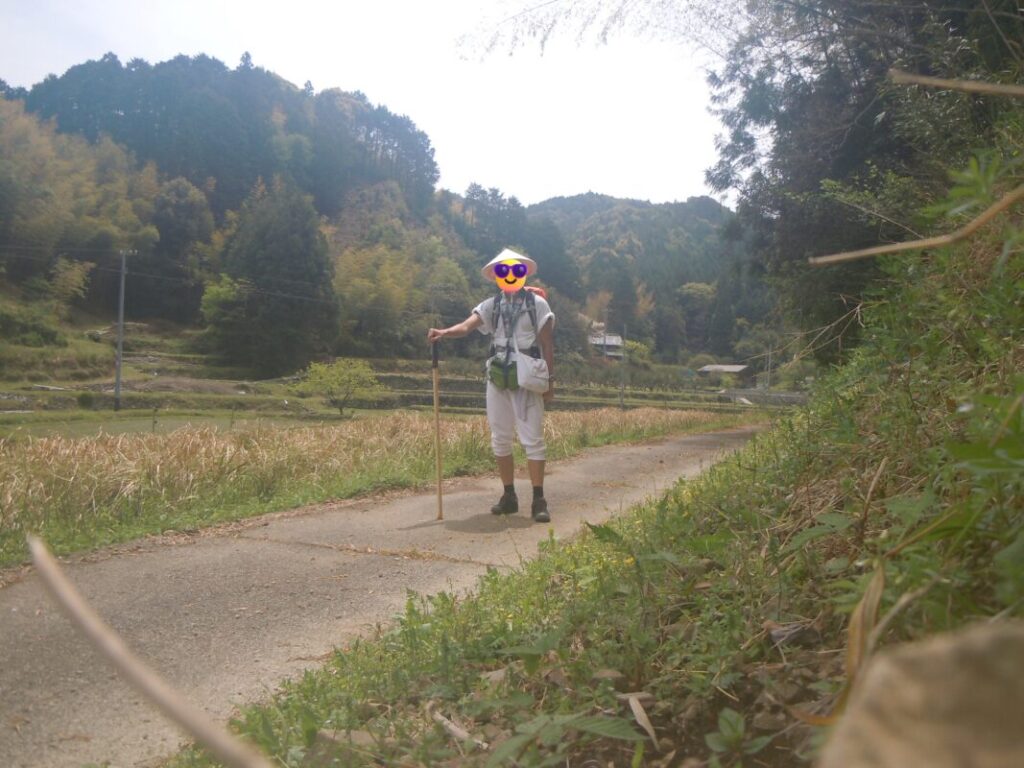
At first, the trail passed through a peaceful rural landscape with terraced rice fields stretching across the hills.
Gradually, however, the scenery changed, and the trail turned into a forest road.
Oone Pass is about 300 meters above sea level. For pilgrims walking from Tairyu-ji to Byodo-ji, it is a convenient mountain pass. The trail is well maintained and relatively easy to walk.
After crossing the pass, signs of civilization gradually began to appear.
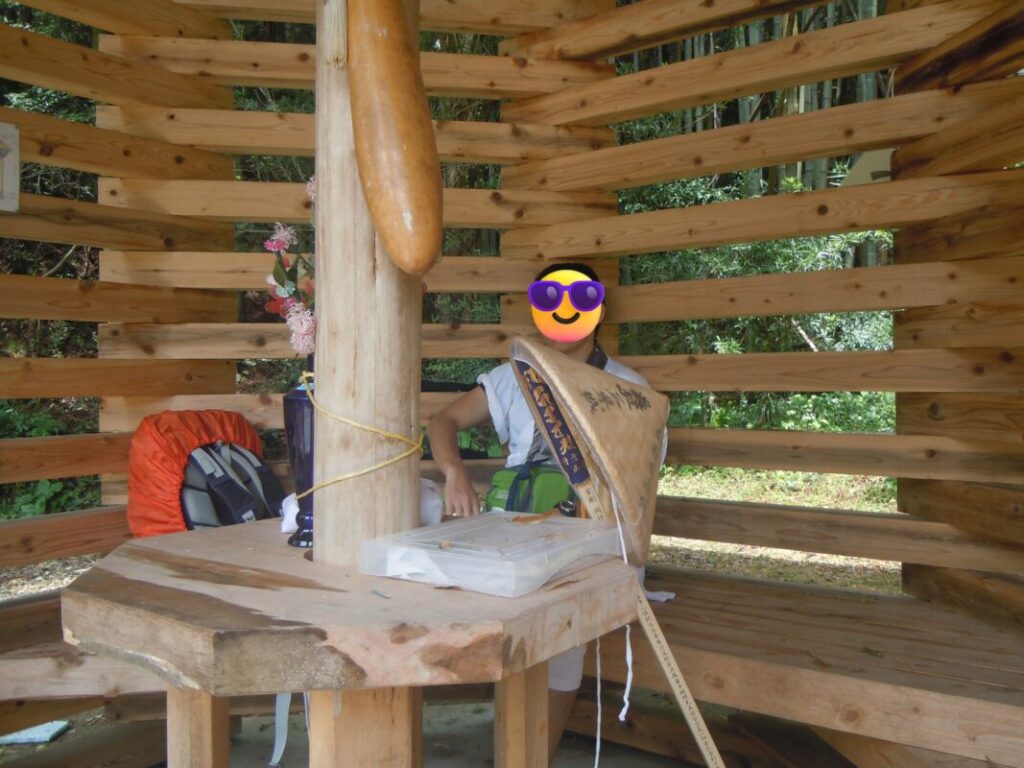
There was a small pilgrim shelter along the way, so I stopped there to take a break.
The shelter was made by fitting wooden beams together. It was well ventilated and surprisingly stylish.
It was nearly noon.
The clothes that had been soaking wet that morning had completely dried thanks to the sunlight.
I took off my backpack and rested for a while.
Temple No. 22, Byodo-ji
At 12:30 p.m., I arrived at Byodo-ji.
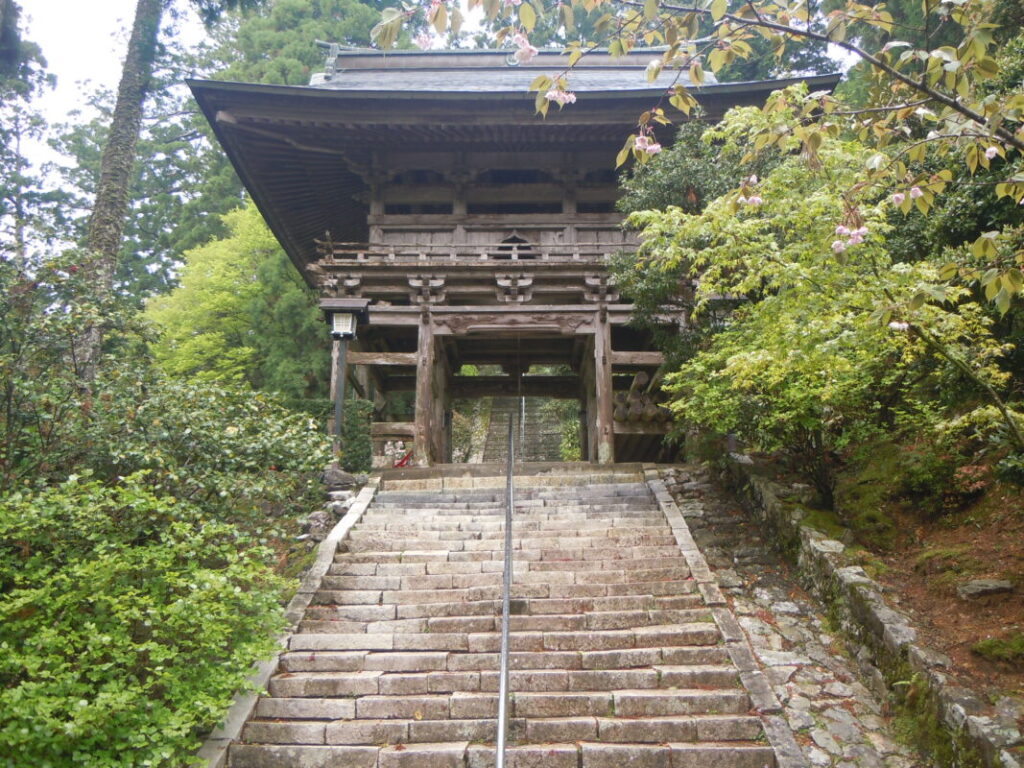
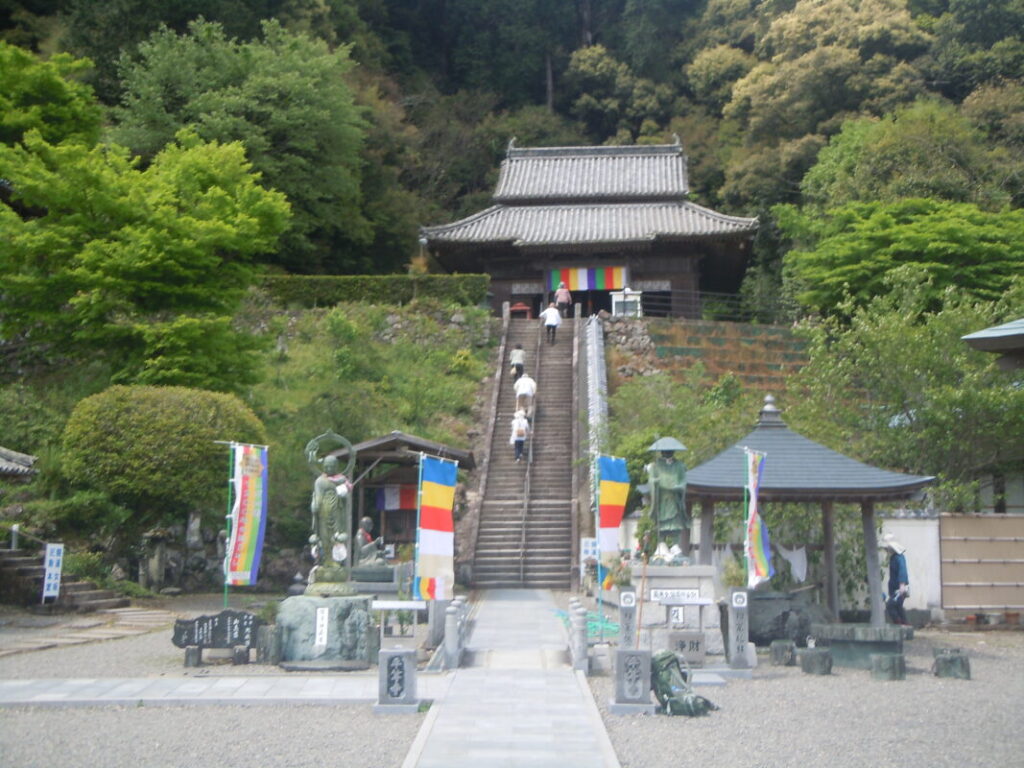
Byodo-ji is built along the slope of a mountain.
I climbed the stairs leading into the temple grounds, then continued up another set of stairs toward the main hall. Handrails were installed along the stairs, making them easy to walk up.
From the main hall, which stands at the highest point of the temple grounds, I could look out over the surrounding town. After walking through the mountains, the open view was especially refreshing.
After finishing my visit, I sat on a bench in the temple grounds and took a short break. I ate the rice balls I had bought at the roadside station.
The Road to Temple No. 23, Yakuo-ji
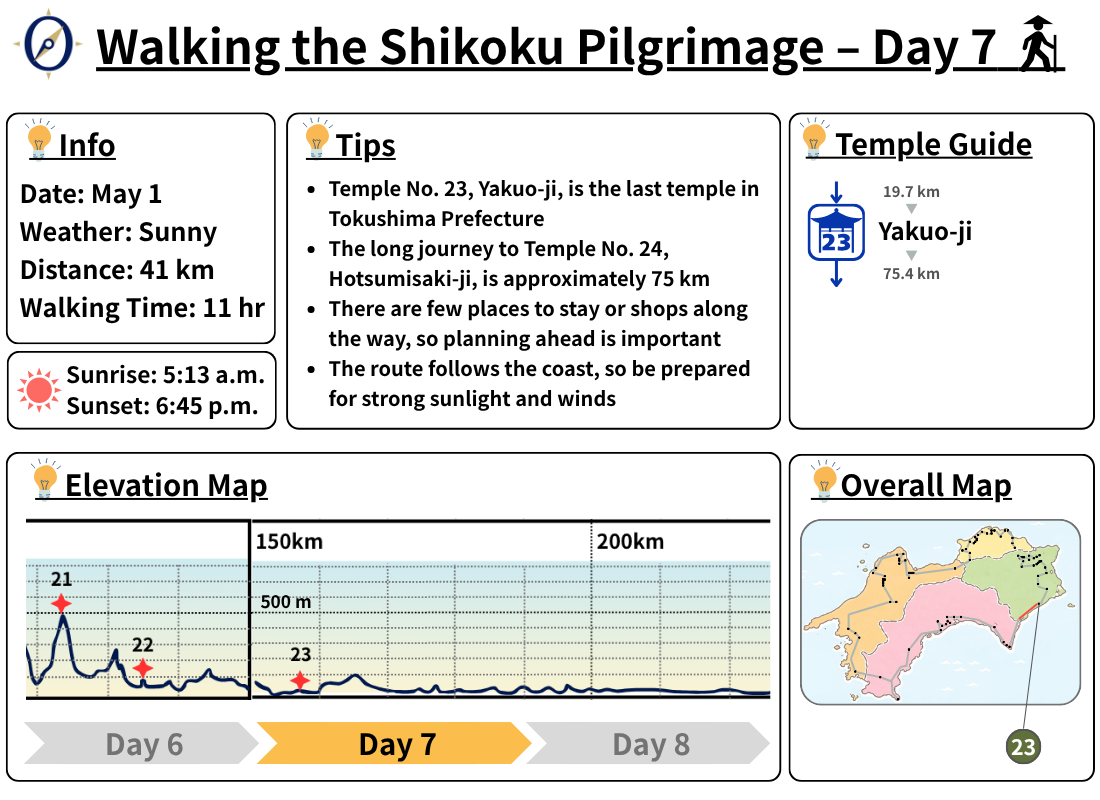
The next temple on the pilgrimage was Temple No. 23, Yakuo-ji.
It was about 20 kilometers from Byodo-ji to Yakuo-ji. Even if I set out now, it would be difficult to make it to the temple and pray there before the end of the day.
If that was the case, I decided, I should simply walk as far as I could today.
First, I would head about 10 kilometers south toward Yuki.
From Byodo-ji to Yuki
There are no convenience stores between Byodo-ji and Yakuo-ji.
There is a supermarket in Yuki along the way, but it closes in the evening. If you need to buy food, it is important to keep the closing time in mind.
There are also several places to stay, so I imagine many pilgrims choose to spend the night here.
96 Kilometers to Muroto
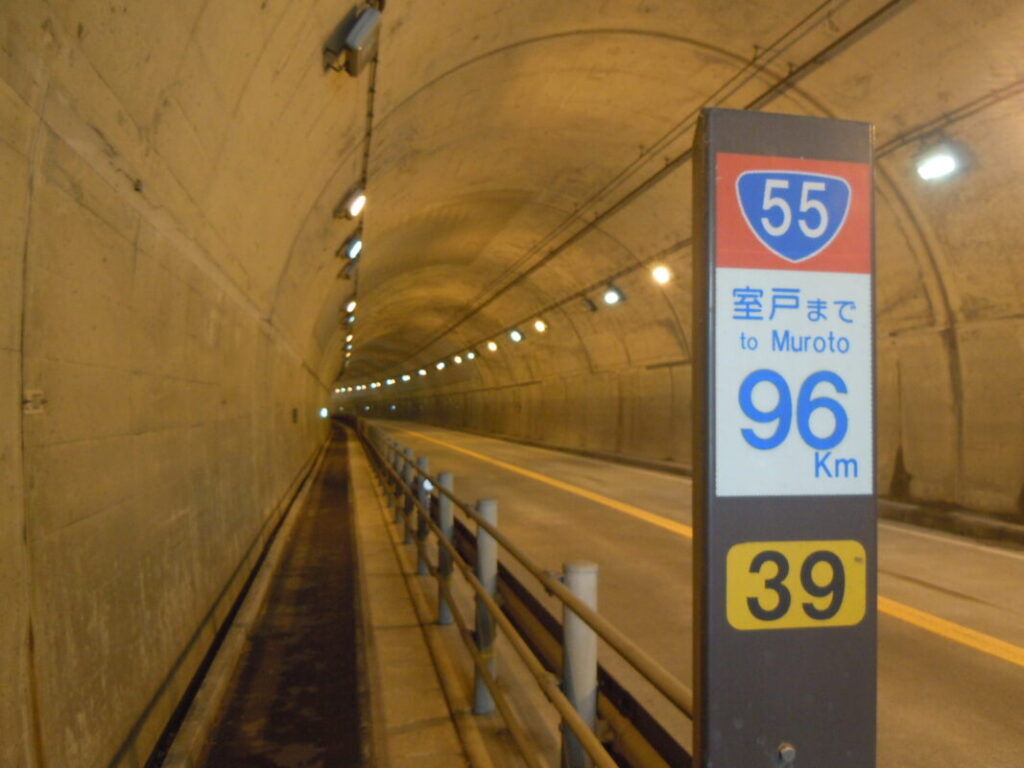
As I walked, I came across a pilgrimage sign for the first time that had the word “Muroto” on it.
96 kilometers to Muroto.
There were still 96 kilometers to go.
Would I really be able to make it there?
It was only my sixth day in Shikoku. For now, I was doing all I could just to keep walking the road in front of me.
Still, seeing the name “Muroto” made the journey ahead feel just a little more real.
Seeing the Sea for the First Time
It was around 4 p.m.
I arrived in Yuki.
As I was walking, an elderly local woman called out to me.
“You’re a pilgrim, aren’t you? Yuki is the first town in Tokushima where you can see the sea, so make sure you take a look.”
Taking her advice, I walked a little farther.
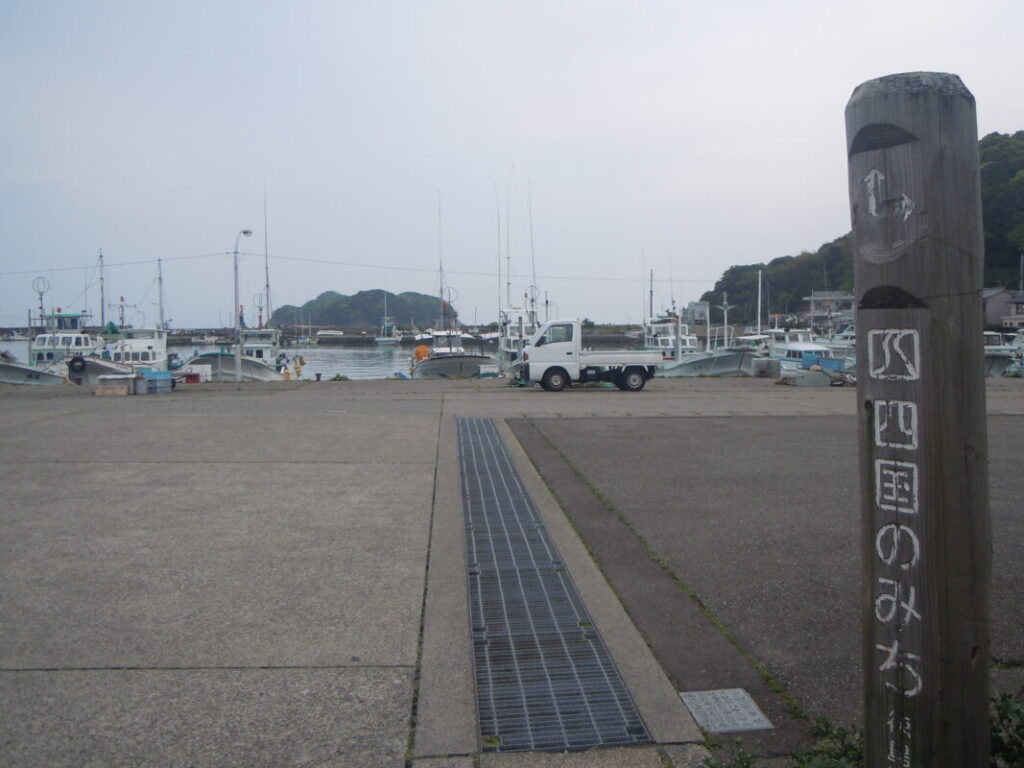
Before long, I could see a small harbor.
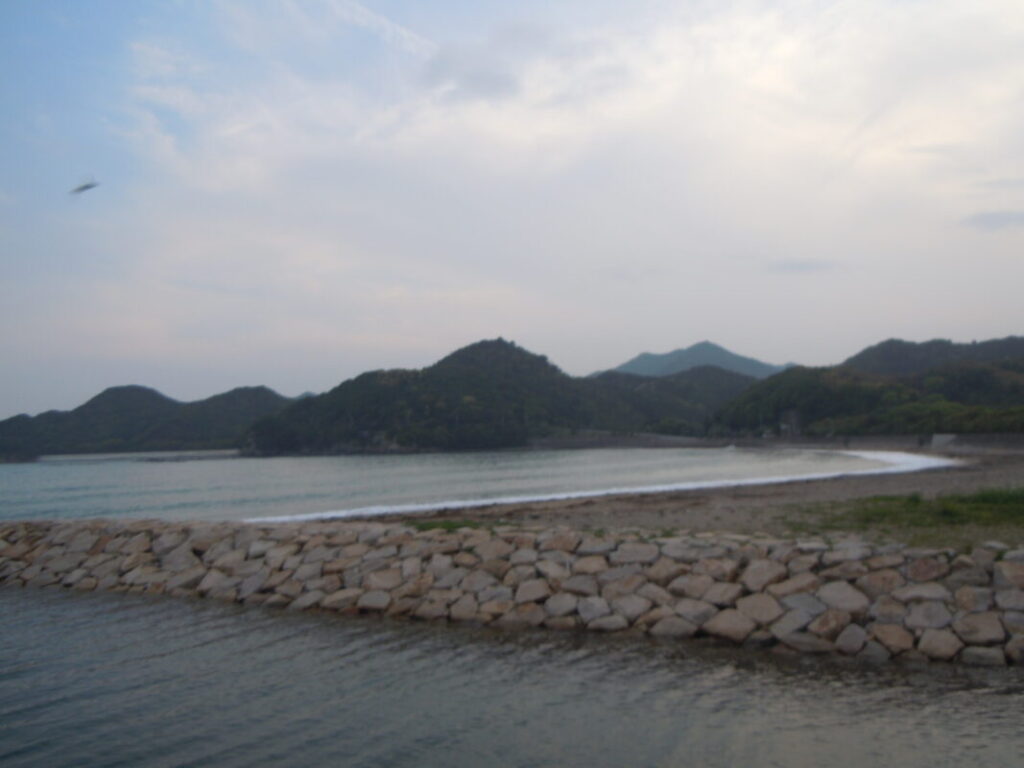
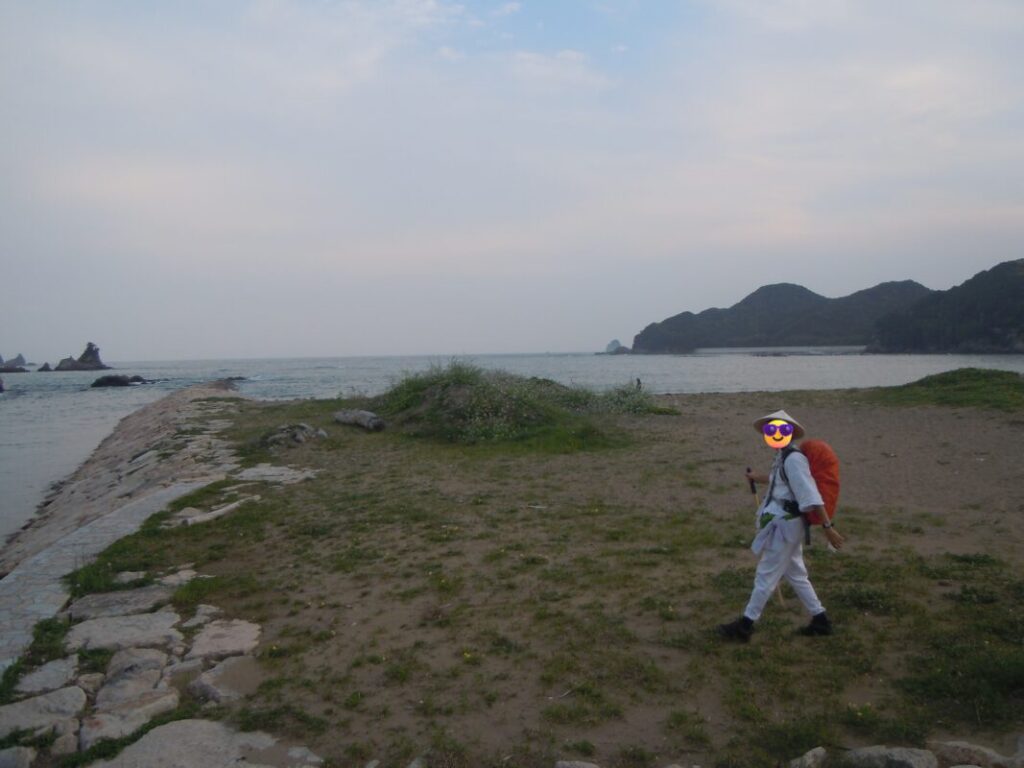
As I continued on, a beach came into view.
The sea.
I could smell the salt in the air.
I could hear the sound of the waves.
It was my sixth day on the pilgrimage. Until then, I had spent almost all my time walking through rugged mountain trails. There had been rainy days, and the night before, I had even slept outside in torrential rain.
After finally making my way out of those mountain valleys, this was the first time I had seen the sea.
It moved me more than I had expected.
For the first time, I truly felt that I had come this far on foot.
In the town of Yuki, I found a small restaurant and had dinner.
That night, I decided to sleep at a pilgrim shelter about 2 kilometers beyond Yuki.
Spending the Night at Shirahama Rest Area
It was 5 p.m.
After about a 30-minute walk from Yuki, I found the Shirahama Rest Area, a pilgrim shelter.
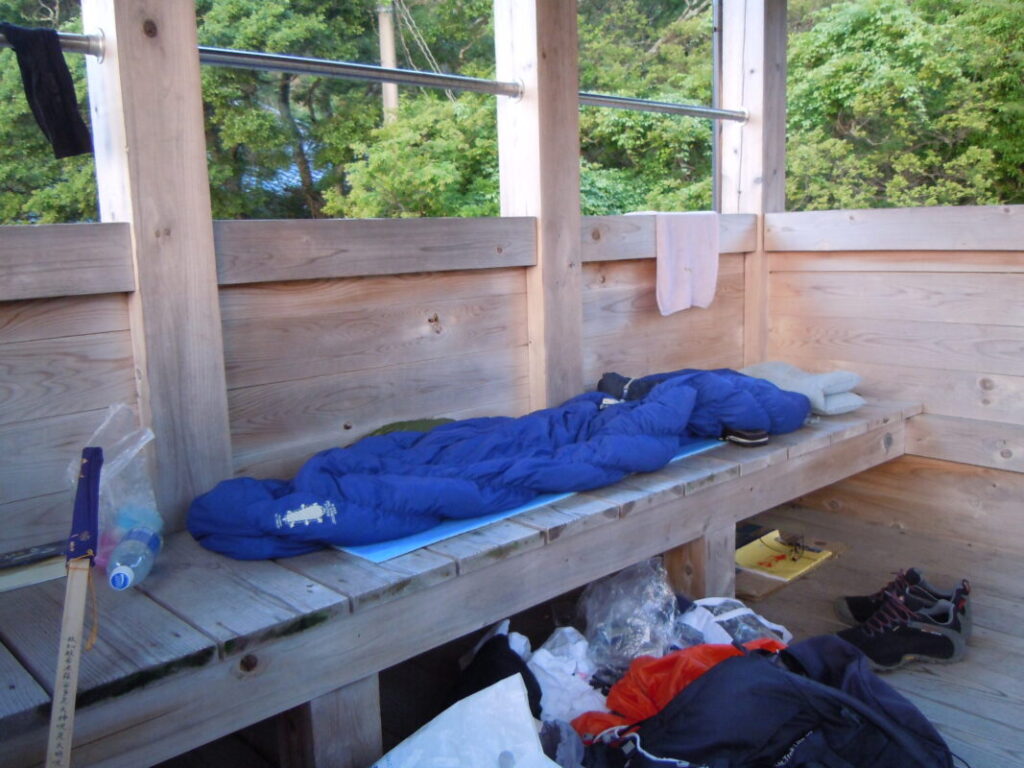
It was a two-story wooden shelter right by the sea, with a restroom nearby. It seemed like a perfect place to spend the night.
I immediately went upstairs and put down my backpack.
The day’s walking was finally over.
Just taking off my backpack made me feel a little relieved.
The weather was good, and there was a roof over the shelter, so it looked like I wouldn’t need to pitch my tent tonight. However, my tent had gotten wet in the rain the night before, so I hung it outside to dry.
The shelter’s interior was about the size of four tatami mats, with benches along the walls. I spread an insulating mat over one of the benches and laid out my sleeping bag on top.
This would be my home for the night.
Because the shelter was right by the sea, I could watch the sun setting over the water. After dark, the only sound was the waves.
The day had begun with me walking through the mountains in wet clothes after the rain. I made my way over Tairyu-ji, visited Byodo-ji, and then saw the sea for the first time on this pilgrimage.
I would fall asleep with that sea in front of me.
It was a special night, made possible by the simple luxury of experiencing nature that only a pilgrim traveling on foot can enjoy.
Temple Information
- No. 21
- No. 22
- No. 23
Comments