
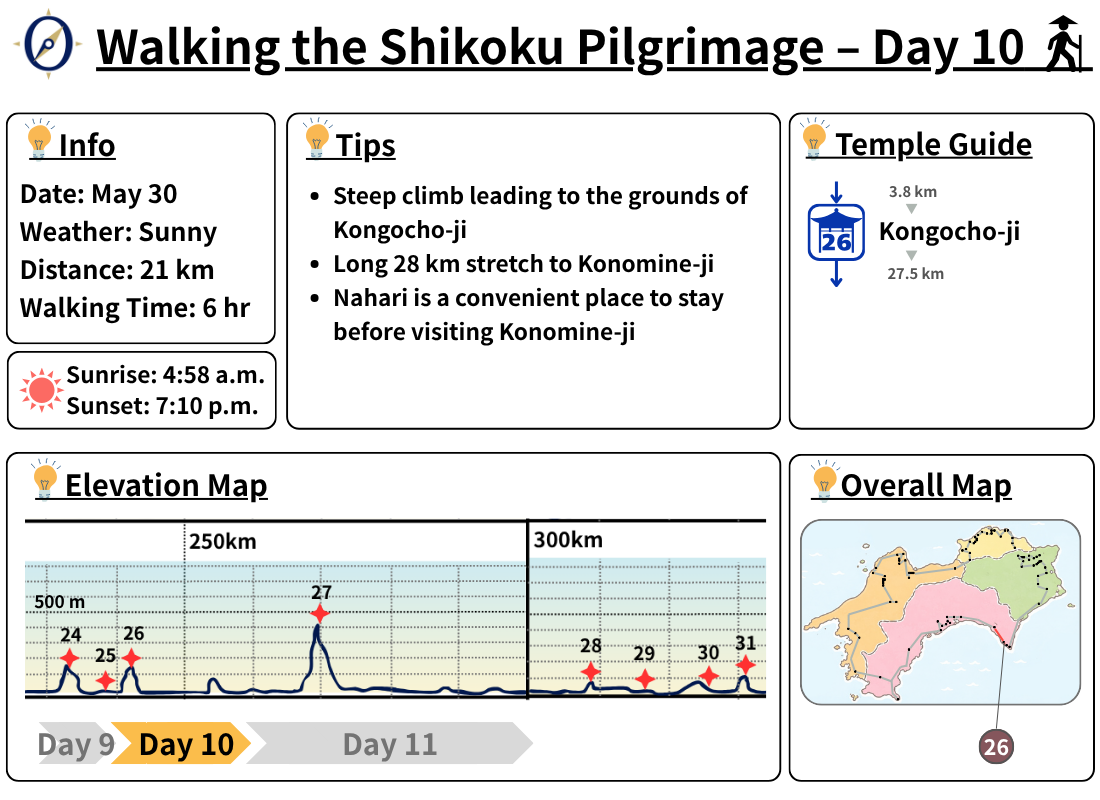
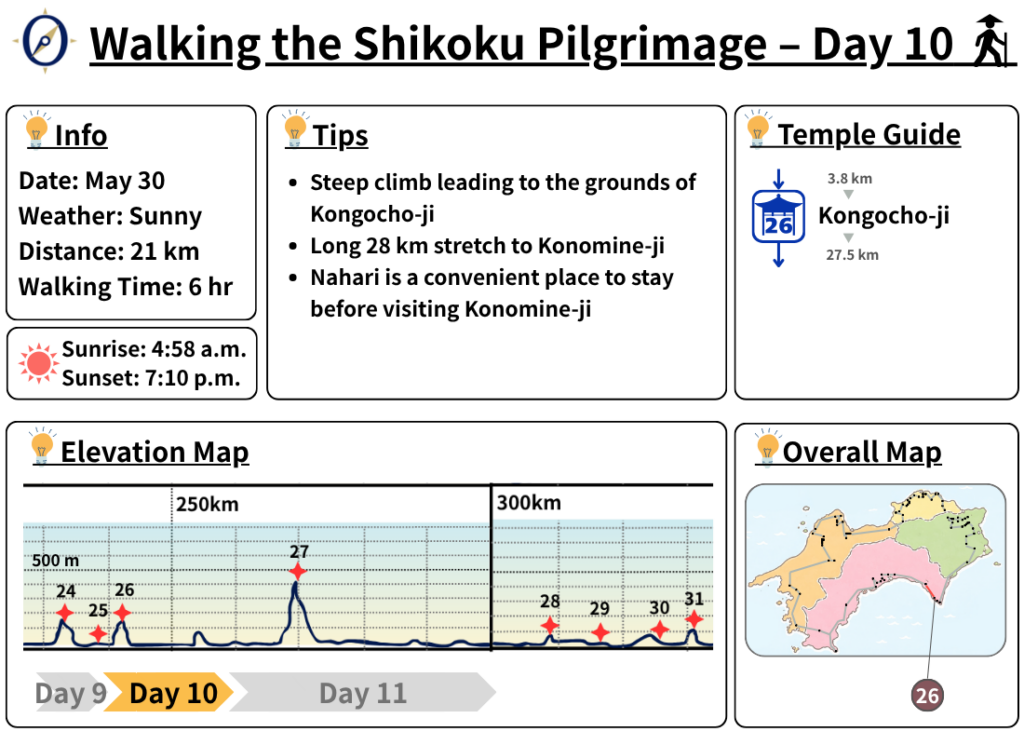
On Day 10, I began my second section of the pilgrimage, walking about 20 km from Shinsho-ji to Nahari via Kongocho-ji. After a month away, I returned with improved insoles, socks, and lighter gear to prevent foot pain. I also visited Fudo-iwa and spent the night outdoors in Nahari before tackling Konomine-ji the next day.
- Itinerary
- Starting My Second Pilgrimage Section | Returning to Shinsho-ji from Muroto
- From Temple No. 25, Shinsho-ji, to Temple No. 26, Kongocho-ji | A 4 km Uphill Walk
- Arriving at Temple No. 26, Kongocho-ji | A Sweat-Soaked Visit and the History of the Western Temple
- Deciding Not to Visit Temple No. 27, Konomine-ji | Heading for Fudo-iwa
- Walking Along Route 55 to Nahari | Did My Foot Pain Prevention Measures Work?
- Spending the Night Outdoors in Nahari | A Convenient Stop Before Konomine-ji
- Temple Information
Itinerary
- Departure
- Muroto Town
- 9:30Temple No. 25, Shinsho-ji
- 11:00Temple No. 26, Kongocho-ji
- Sacred Site: Fudo-iwa
- 17:00Nahari
Overnight stay
Starting My Second Pilgrimage Section | Returning to Shinsho-ji from Muroto
May 30. Sunny. Today marked the first day of my second section of the pilgrimage.
Last time, I walked from Temple No. 1, Ryozen-ji, to Temple No. 25, Shinsho-ji, over nine days. This time, I would continue from where I had left off, making it effectively Day 10 of my walking pilgrimage.
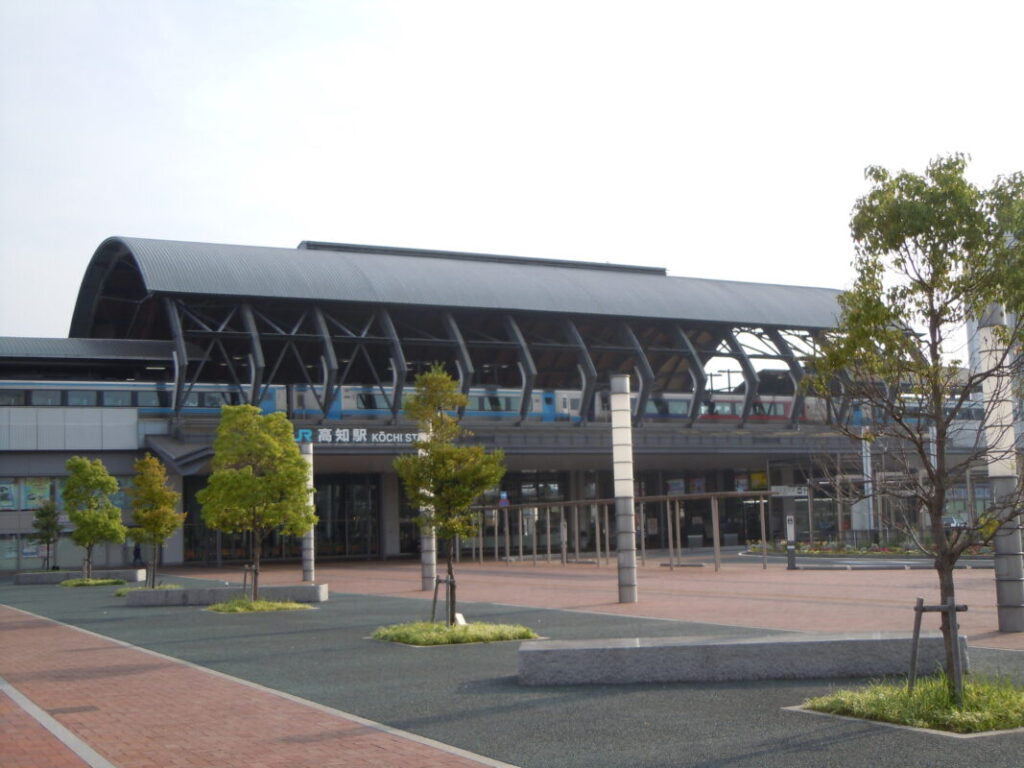
I traveled to Kochi by overnight bus, then transferred to a train and bus to reach central Muroto. At 9:30 a.m., I returned to Shinsho-ji for the first time in about a month.
Starting My Second Pilgrimage Section
This time, I planned to walk for four days, aiming to reach Temple No. 34, Tanemaji. The forecast called for sunny weather and high temperatures.
As I planned to sleep outdoors again, I brought my tent and sleeping bag. I had also made several changes to my gear and walking technique based on my previous experience.
Foot Pain from My Previous Walking Pilgrimage
During my last walking pilgrimage, I struggled with severe foot pain. Even now, a month after finishing, I still have numbness in my toes.
To reduce the strain on my feet, I reviewed my gear, insoles, socks, and walking technique.
I made four major changes this time:
- Lighter gear: I thoroughly reviewed my equipment. I replaced my camping lantern with a small penlight. Since I had ended up wearing only two sets of clothes last time, I brought just two this time. I decided I could buy replacements locally if anything got dirty or torn.
- New insoles: I replaced the insoles that came with my shoes with dedicated, more cushioned ones. I chose a carbon-infused type designed to support the arches of my feet.
- New socks: I switched from ordinary socks to a pair designed to support the arches of my feet.
- Improved walking technique: I focused on landing heel-first and pushing off with my toes, aiming for a smooth, quiet stride.
Getting everything together cost a fair amount, but my previous experience had taught me just how important it is to reduce the strain on my feet when walking long distances on the pilgrimage.
Personally, I believe investing in good footwear and foot care should be a priority.
From Temple No. 25, Shinsho-ji, to Temple No. 26, Kongocho-ji | A 4 km Uphill Walk
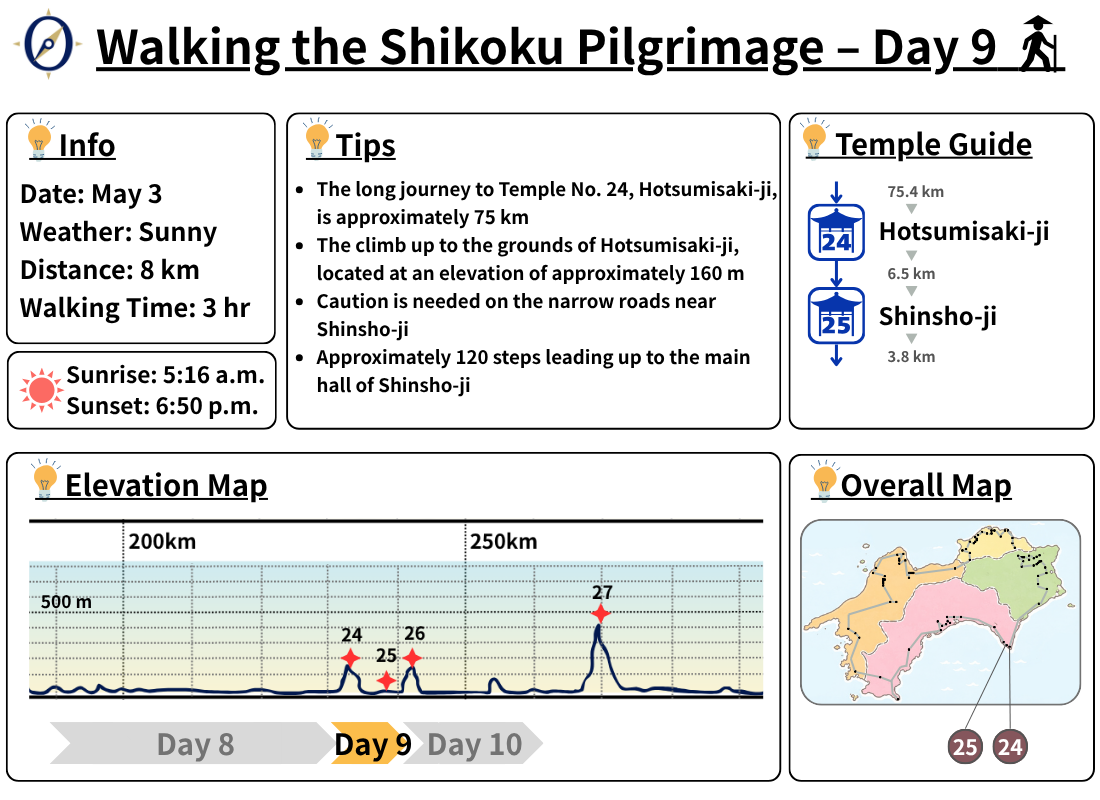
Temple No. 26, Kongocho-ji, is about 4 kilometers from Temple No. 25, Shinsho-ji. In terms of distance alone, it doesn’t seem very far.
However, Kongocho-ji’s grounds are located at an elevation of about 160 meters. The trail climbs steeply over a short distance, so it is not a route to underestimate.
I started sweating soon after setting out. The temperature was clearly different from a month earlier. It was the end of May, and I could feel the early summer heat.
After crossing a small bridge, I spotted a sign for Kongocho-ji on the right.
Come to think of it, you’re not supposed to tap your walking staff on a bridge. Even after a month away, I still remembered that rule.
After crossing the bridge and turning right, I followed a road through peaceful fields toward the mountains. The climb gradually began from there.
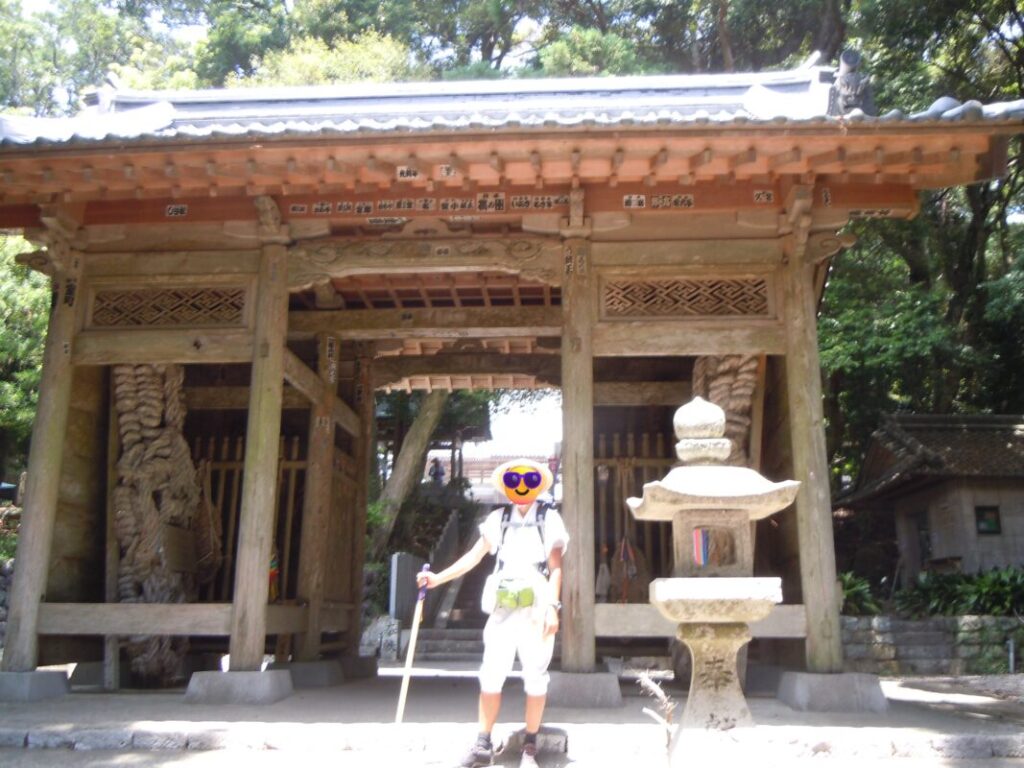
It was 11 a.m. when I arrived at Kongocho-ji.
Arriving at Temple No. 26, Kongocho-ji | A Sweat-Soaked Visit and the History of the Western Temple
By the time I reached Kongocho-ji, my undershirt was completely soaked with sweat.
So this is what walking the pilgrimage in summer is like. It was still the end of May, but I could easily imagine how grueling the pilgrimage must be in the height of summer.
I took off my undershirt and tried wearing my white pilgrim clothes directly against my skin. It felt a little cooler.
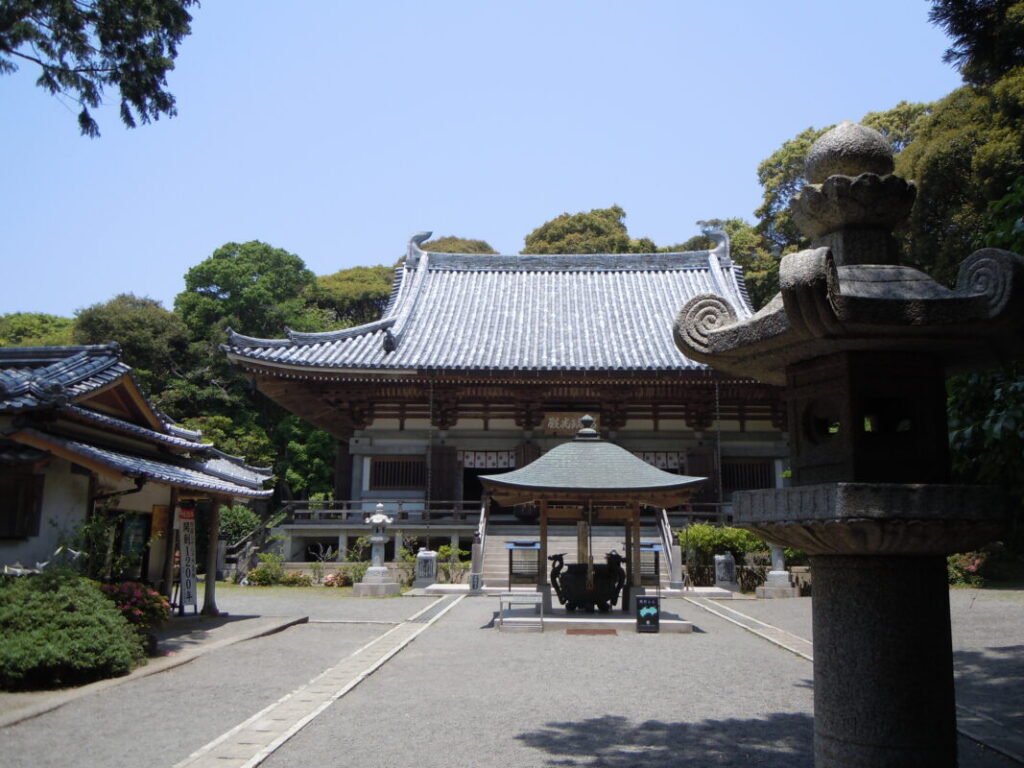
Kongocho-ji is an ancient temple near Cape Muroto, said to have been founded by Kobo Daishi Kukai. Known as the “Western Temple,” it is paired with Temple No. 24, Hotsumisaki-ji, which is known as the “Eastern Temple.” The Reihoden Treasure Hall houses many Important Cultural Properties.
The temple grounds were surrounded by a dense forest, creating a solemn atmosphere. In contrast to the open scenery along the coast, the grounds were quiet and peaceful. It was a memorable temple, with an atmosphere that made it hard to believe it was so close to the coast of Muroto.
Chanting the Heart Sutra Again After a Month | Noticing How Much I’ve Improved
At the main hall, I chanted the Heart Sutra for the first time in a month.
I was surprised by how much I remembered. I was able to recite it smoothly without stumbling once.
At the beginning of my pilgrimage, almost everything had felt unfamiliar. But after completing the Training Ground of Aspiration, I had gradually become more accustomed to the practice.
Even this small change made me realize how much I had grown since my last visit.
Deciding Not to Visit Temple No. 27, Konomine-ji | Heading for Fudo-iwa
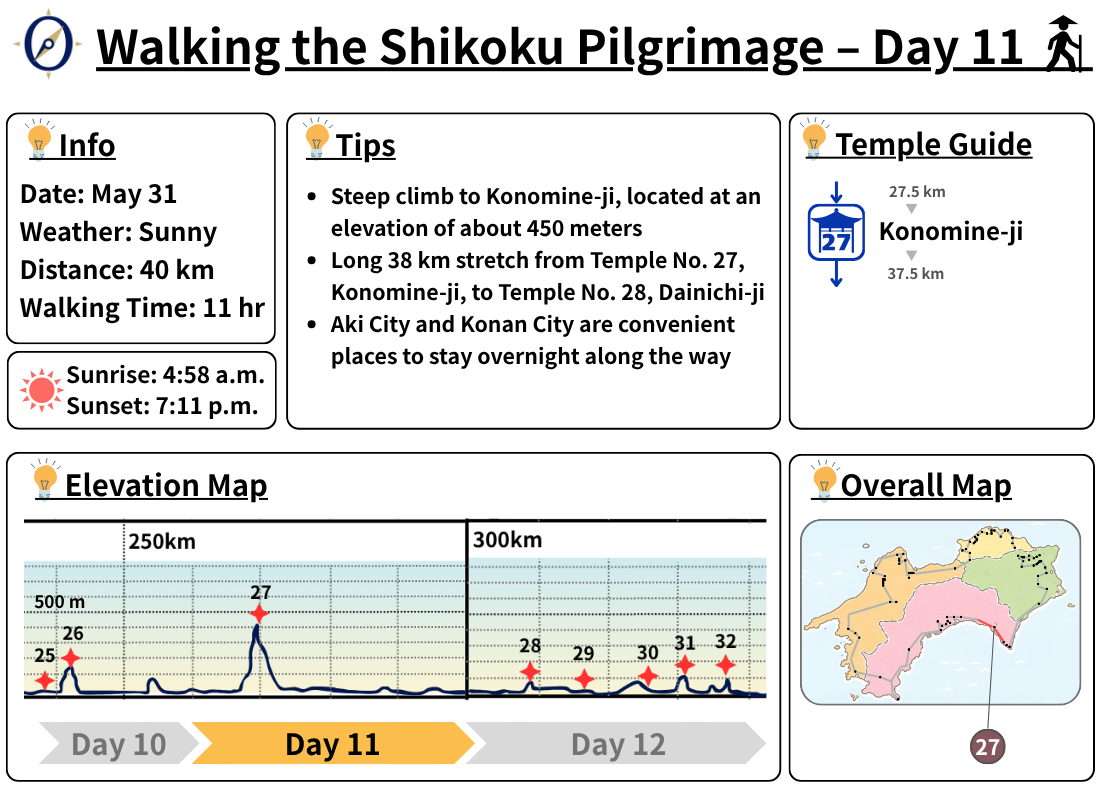
The next temple was Temple No. 27, Konomine-ji, about 28 kilometers from Kongocho-ji. Its grounds sit at an elevation of approximately 450 meters, and the climb is known as one of the challenging sections of the Tosa “Henro Korogashi” trail.
It was already past 11 a.m. Considering the distance and elevation, visiting the temple today would be difficult.
Rather than push myself, I decided to walk to Nahari at the foot of the mountain and stay there for the night.
From the grounds of Kongocho-ji, I made a steep descent toward the Muroto coast.
Fudo-iwa, Said to Be a Place Where Kobo Daishi Practiced Asceticism
A local resident told me about Fudo-iwa, a rock formation near the coast.
Mikurodo Cave is well known as the place where Kobo Daishi Kukai practiced asceticism in Muroto. However, I heard that the cave at Fudo-iwa was actually the true site of his training.
Fudo-iwa is indeed closer to the sea than Mikurodo Cave. Standing in front of the cave, I found myself imagining what it must have been like to practice here.
Fudo-iwa is a sacred site in Muroto with an atmosphere distinct from that of Mikurodo Cave. I also heard that visitors can receive a temple stamp here.
I didn’t have time to stop for long on this visit, but it is one of the places I would like to explore if I walk through Muroto again.
Walking Along Route 55 to Nahari | Did My Foot Pain Prevention Measures Work?
I continued along National Route 55, walking all the way to Nahari.
I felt that the measures I had taken to prevent foot pain had made a real difference. Compared with my previous pilgrimage, the strain on my feet was noticeably lighter.
Still, just because the strain had eased didn’t mean I should pick up the pace. I had learned on my previous pilgrimage that keeping a slightly slower pace often works out better over the course of the day.
After walking for about five hours, I arrived in Nahari at around 5 p.m.
Spending the Night Outdoors in Nahari | A Convenient Stop Before Konomine-ji
If you walk from Tokushima through Cape Muroto, Nahari is the first town in Kochi Prefecture with a train station.
The town has places to stay and restaurants, and it is about 10 kilometers from the next temple, Temple No. 27, Konomine-ji. This makes Nahari a convenient place to spend the night before tackling the temple on foot.
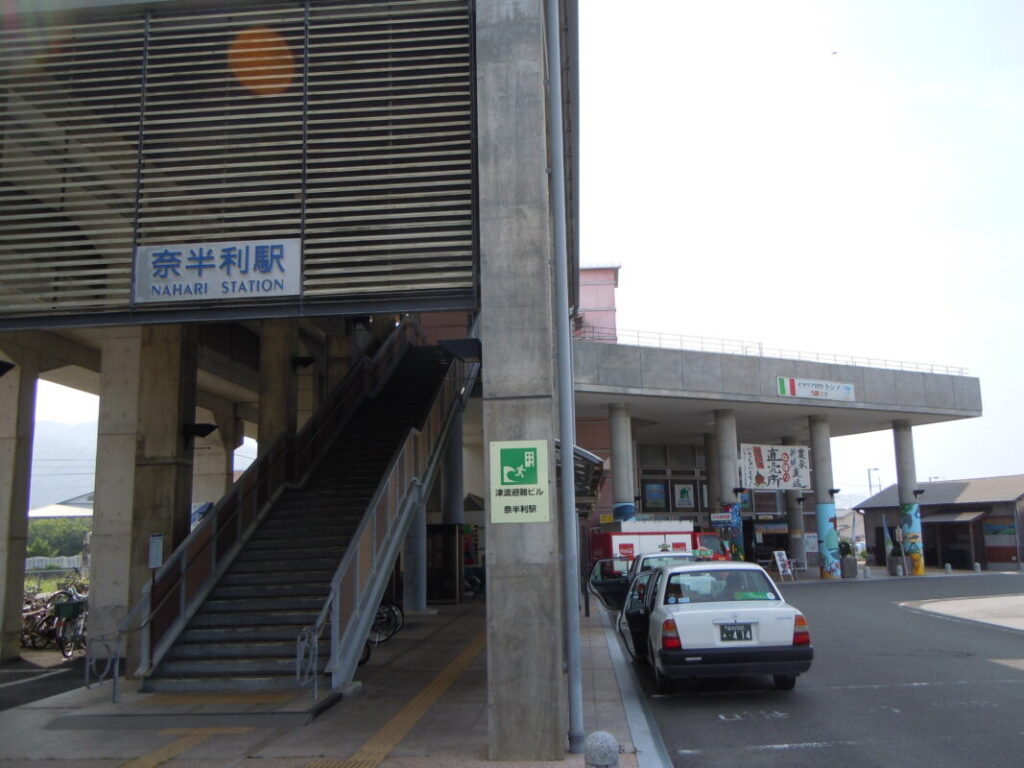
After crossing the Nahari River, which runs through the center of town, I turned right and headed upstream. There, I found a wide grassy area along the river.
I decided to spend the night outdoors here.
It was a good distance from the road, and traffic noise wasn’t a concern.
When I visited, there were restrooms and running water, and a day-use hot spring facility was nearby. Unfortunately, the hot spring was closed for renovations.
I had sweated quite a bit during the day, so I used some soap I had brought to wash my upper body and did some laundry as well.
Tomorrow, I would face Konomine-ji, one of the challenging sections of the Tosa pilgrimage. Wanting to get plenty of rest, I went to sleep at 8 p.m.
Temple Information
- No. 26
- No. 27
Temple No. 26, Kongocho-ji Guide
Temple No. 27, Konomine-ji Guide
Comments