
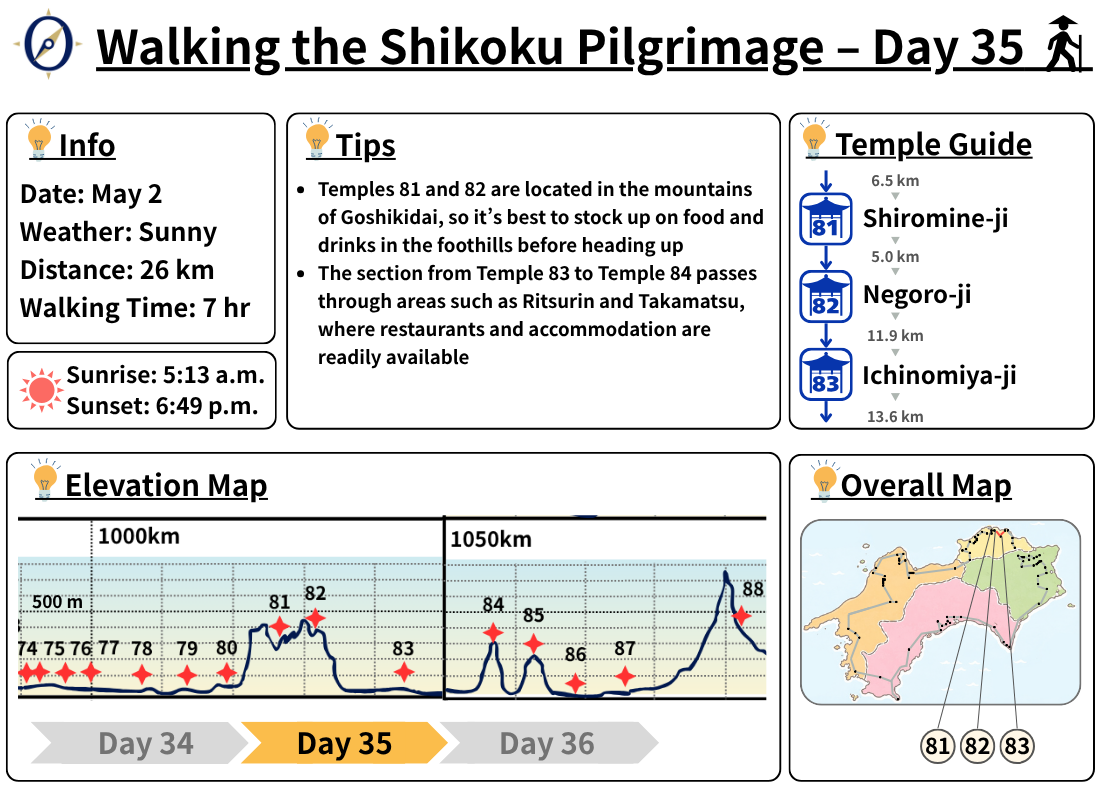
On Day 35 of the Shikoku Pilgrimage, I visited Temple 81, Shiromine-ji, and Temple 82, Negoro-ji, in the Goshikidai area, before continuing to Temple 83, Ichinomiya-ji. Along the way, I enjoyed the beautiful scenery of the mountain temples and the legend of the Ushi-oni, a mythical bull-headed demon, as I made my way toward central Takamatsu. In the evening, a kind woman who happened to strike up a conversation with me offered me a place to stay at a zenkon-yado, a free lodging for pilgrims. With only a few temples left before completing the pilgrimage, it was a day that reminded me once again of the warmth and generosity of the people who support pilgrims along the way.
Itinerary
- 7:00Departure
- Goshikidai Rest Area
- 8:00Temple No. 81, Shiromine-ji
- Goshikidai Pilgrim Rest Shelter
- 10:00Temple No. 82, Negoro-ji
- Iida Pilgrim Rest Shelter
- 14:30Temple No. 83, Ichinomiya-ji
- 16:00Ritsurin Zenkon-yado
Overnight stay
Morning Preparations
May 2 — Sunny. Day 35 of the Shikoku Pilgrimage on foot.
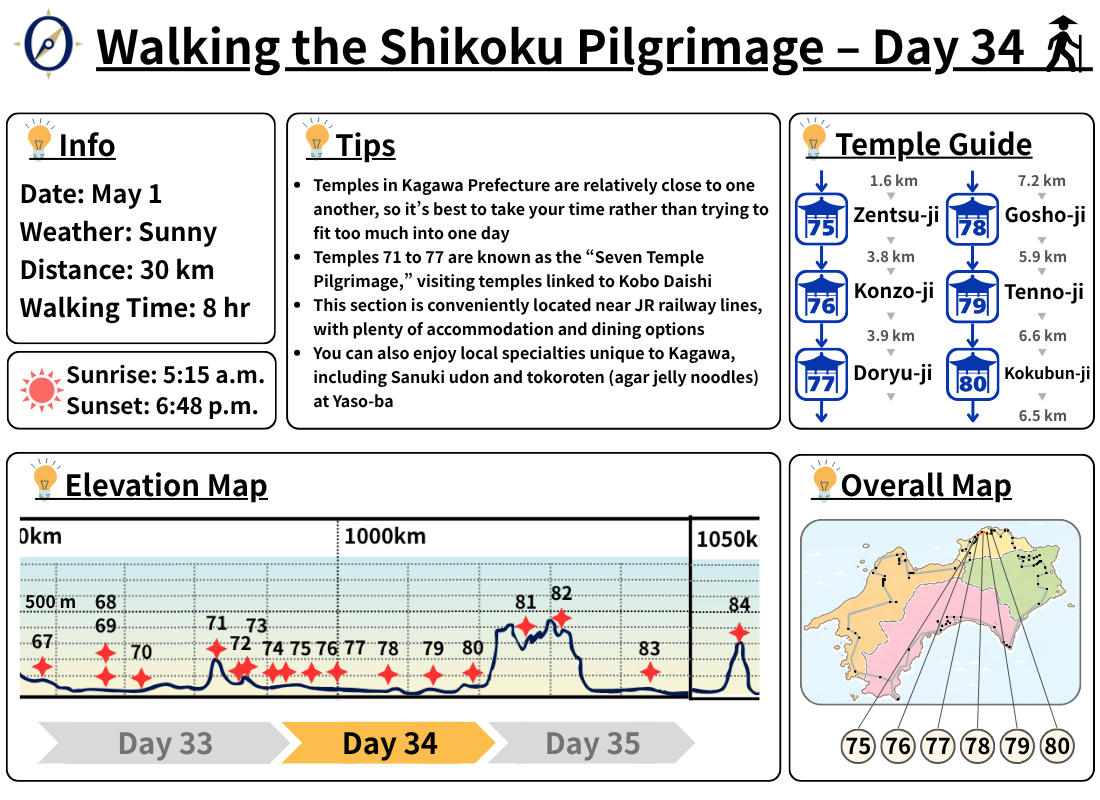
Yesterday, I visited Temples 75, Zentsu-ji, through 80, Kokubun-ji, and camped overnight at the Goshikidai Rest Area along the way to Temple 81, Shiromine-ji.
The weather was warm enough to make me sweat during the day, but temperatures dropped considerably from night through the early morning. If you plan to camp outdoors, an insulating ground mat and a sleeping bag are essential to protect yourself from the cold rising from the ground. Since you can also get quite hot while walking during the day, wearing layers that are easy to adjust is highly recommended.
Today, I planned to visit Temple 81, Shiromine-ji, and Temple 82, Negoro-ji, both located in the Goshikidai area, before heading to Temple 83, Ichinomiya-ji. As I approached central Takamatsu, more restaurants and accommodation options would become available, so I intended to find a place to stay somewhere in that area.
I had bought my lunch the previous day, so there was no need to worry about food. At 7:00 a.m., I left the Goshikidai Rest Area and set off.
Visiting Temple 81, Shiromine-ji
Shiromine-ji is a mountain temple located at an elevation of approximately 280 meters in the Goshikidai hills. For pilgrims traveling on foot, reaching the temple from Kokubun-ji involves a substantial climb, making this one of the more challenging mountain sections in Kagawa Prefecture.
Fortunately, I had completed about half of the ascent the previous day, so the climb was not particularly difficult this morning.
After making my way through the mountain trail, I reached a paved road. Turning left, I soon came across another mountain path that provided a shortcut to Shiromine-ji. It is worth keeping an eye out for the signposts, as it would be easy to miss the turn.
A Mountain Temple Connected to Emperor Sutoku
I arrived at Shiromine-ji at 8:00 a.m.
Shiromine-ji is known for its connection to Emperor Sutoku, who was exiled to Sanuki following the Hōgen Rebellion. His mausoleum, Shiramine-no-Misasagi, is located near the temple, making this a place steeped in history.
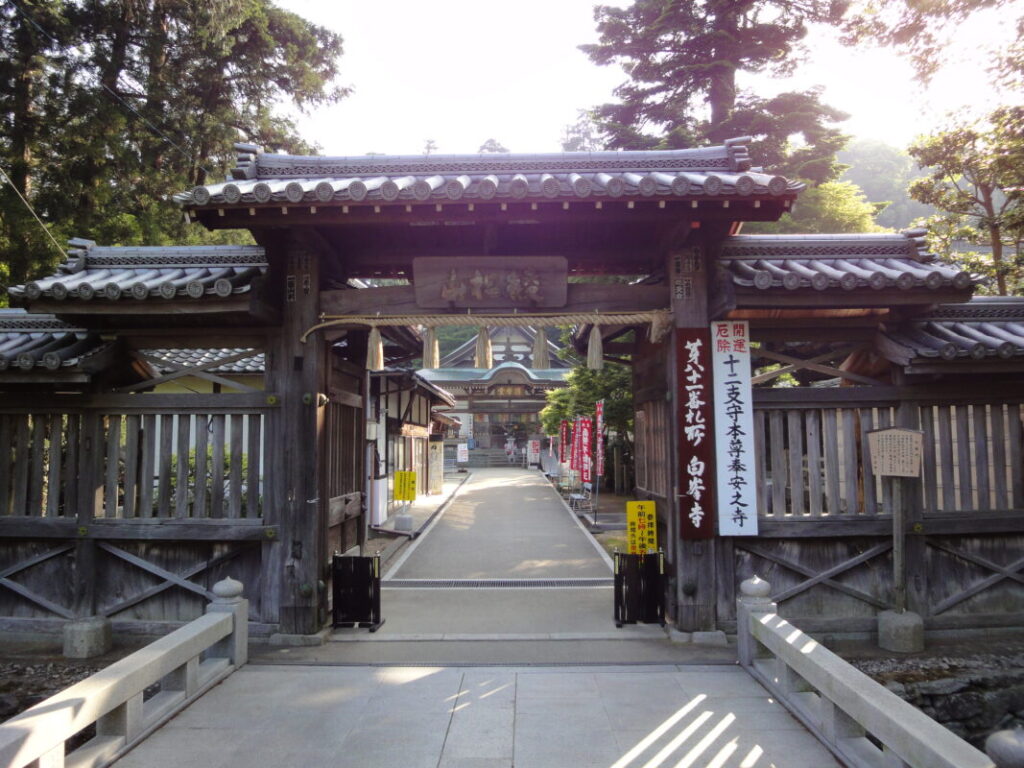
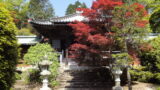
In front of the temple gate, a small stone bridge crosses an irrigation channel, creating the peaceful atmosphere characteristic of a mountain temple.
The temple grounds extend along the mountainside, with numerous flights of stairs. However, handrails and other features are in place, making it relatively easy to get around. Surrounded by trees, the grounds offered pleasant shade, while a refreshing breeze drifted through the trees.
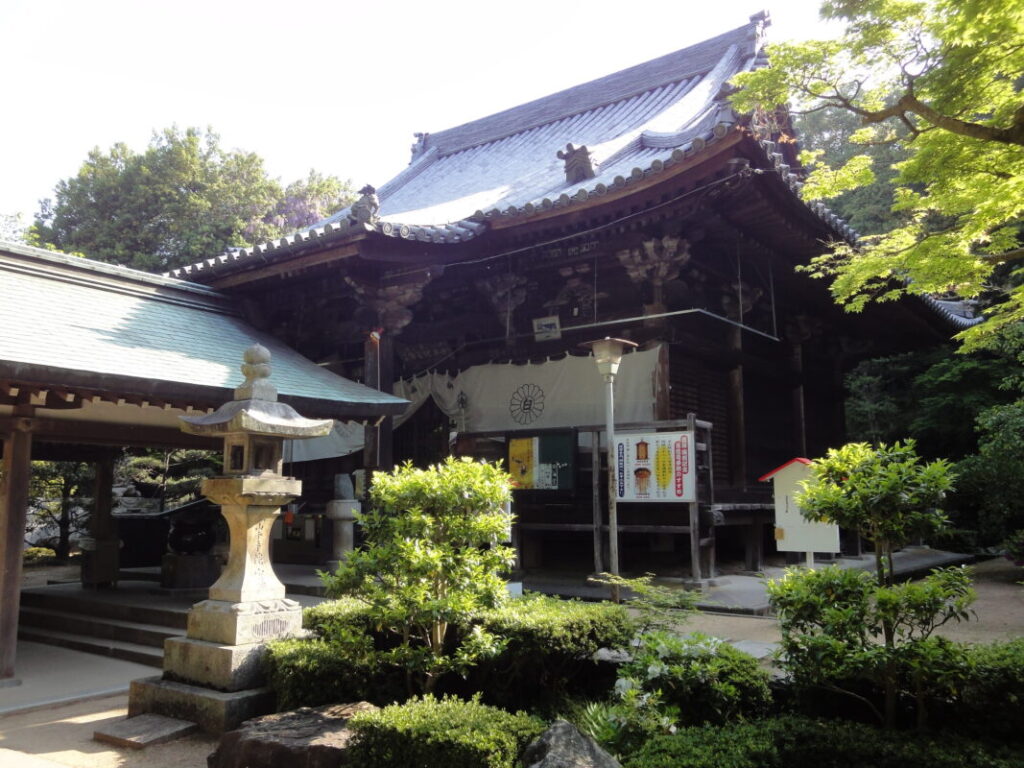
The Main Hall and the Daishi Hall stand next to each other, making it convenient to visit both in succession. Although nestled deep in the mountains, the temple grounds were meticulously maintained. Shiromine-ji was a peaceful, welcoming temple that blended beautifully with the natural surroundings of Goshikidai.
Visiting Temple 82, Negoro-ji
Negoro-ji lies about 5 km east of Shiromine-ji. The pilgrimage trail winds through the mountains of Goshikidai, with repeated ascents and descents at elevations of around 400 meters.
It is by no means an easy route, but along the way, you will find stone monuments, historical sites, and places offering o-settai, the traditional Japanese practice of providing pilgrims with food, drinks, or other forms of support. This stretch of the trail offers a chance to experience the culture and traditions that have been passed down through the Shikoku Pilgrimage.
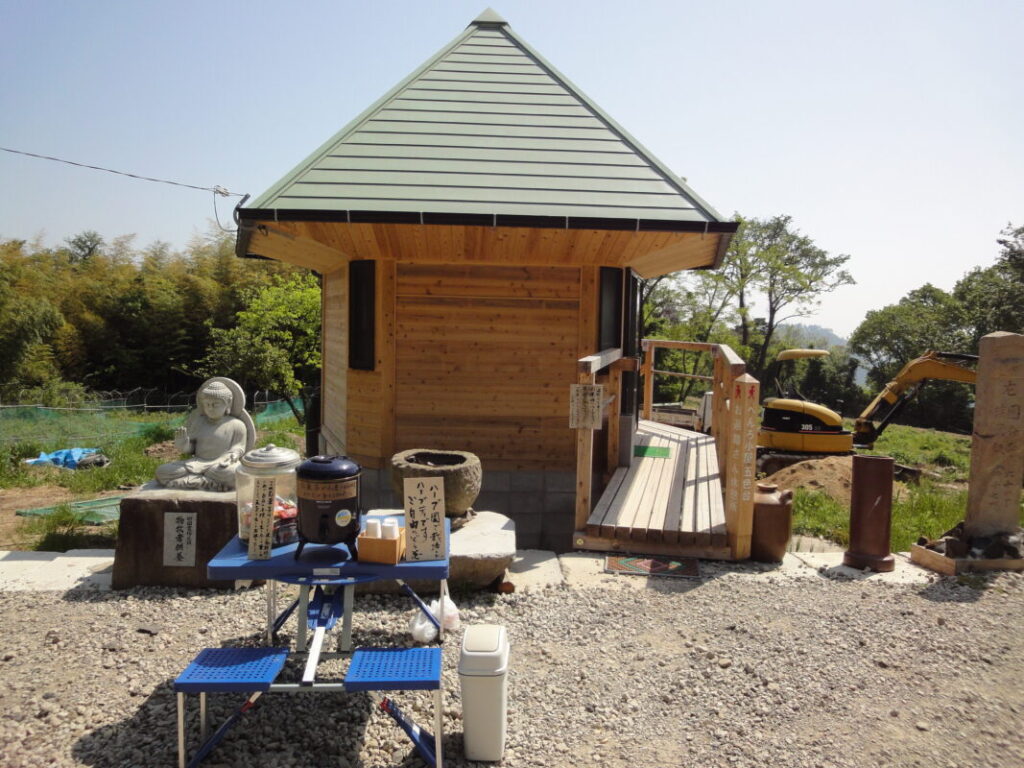
Goshikidai Pilgrim Rest Shelter
About 300 meters south of Negoro-ji is the Goshikidai Pilgrim Shelter, a welcome resting place for those walking the pilgrimage.
The shelter has toilets and a covered gazebo, and it is also possible to camp overnight. When I visited, complimentary tea and snacks were available on a self-service basis as a form of o-settai. It appears that the gazebo has since been expanded as well.
A Temple with the Character of a Mountain Sanctuary
I arrived at Negoro-ji at 10:00 a.m.
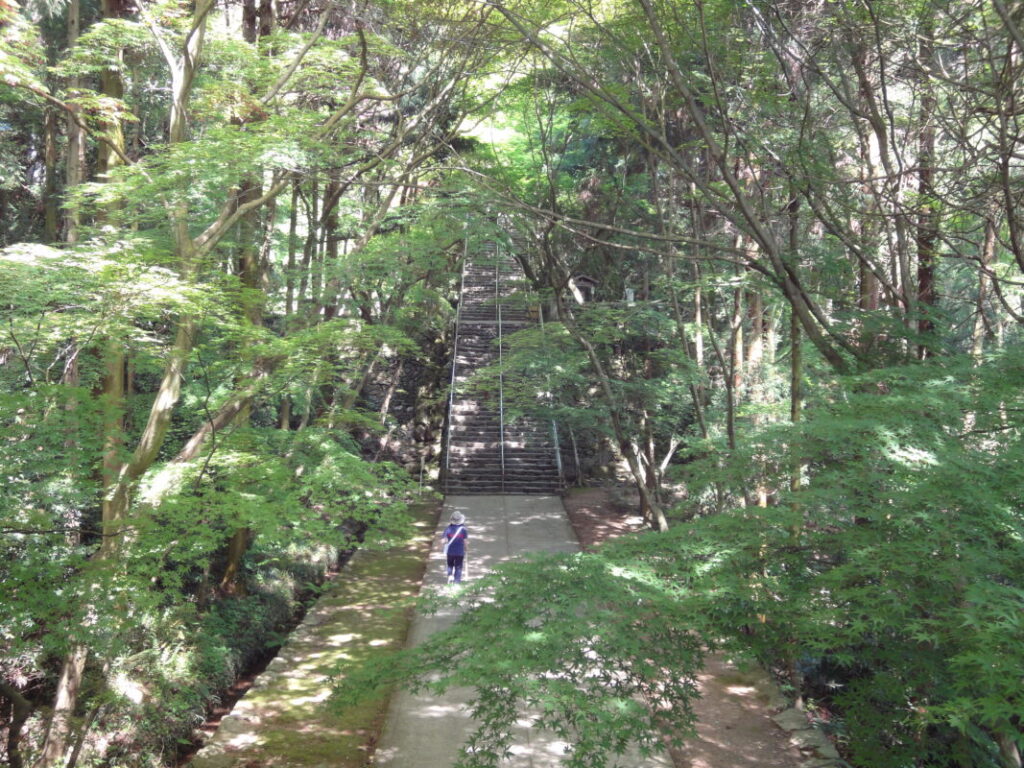
Like Shiromine-ji, the grounds of Negoro-ji extend along a mountainside, with numerous flights of stairs.
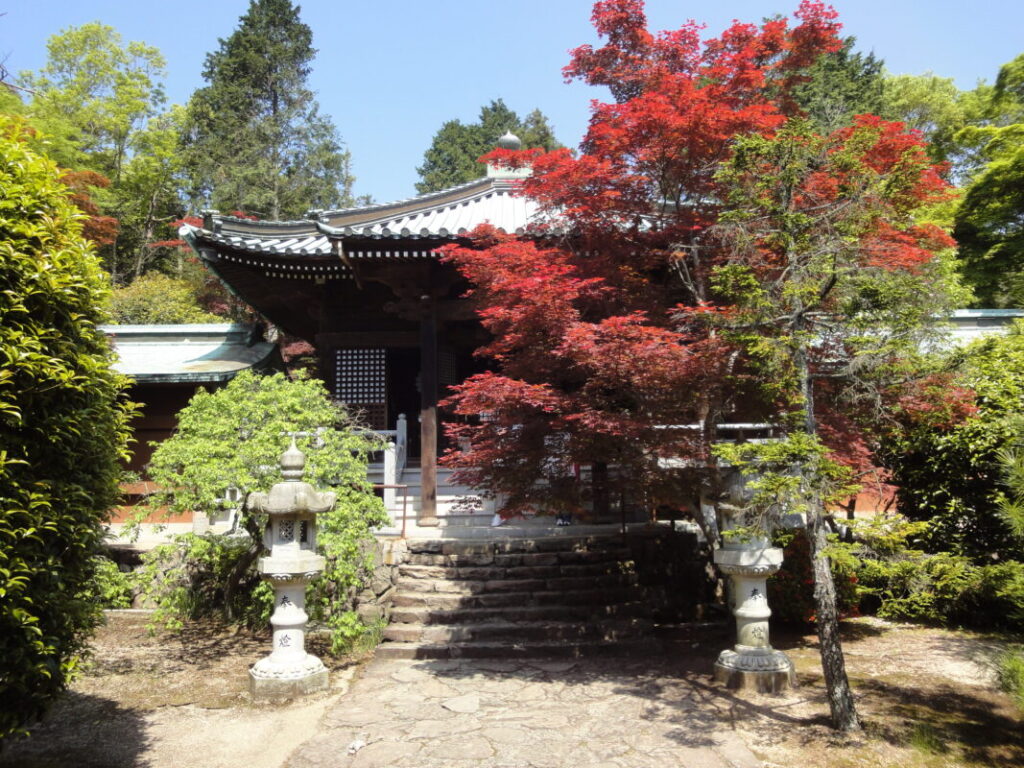
After passing through the temple gate, I descended a flight of steps and followed a stone-paved approach. Another climb brought me to the main temple grounds, where the Main Hall stands. The changes in elevation give the temple the distinctive charm of a mountain sanctuary.
The tree-lined paths provided pleasant shade, making the walk comfortable. The scenery must be especially beautiful during the fresh greenery of spring and the autumn foliage season.
The Legend of the Ushi-oni and Its Horn
Negoro-ji, located on Aomine Mountain, the highest peak of the Goshikidai range, is associated with a legend about the ushi-oni, a fearsome mythical creature resembling a bull demon.
According to the legend, a terrifying ushi-oni once lived in these mountains and attacked local people. The villagers joined forces to defeat the creature, and its horn was offered to the temple.
The horn is still preserved as a temple treasure, while amulets depicting the ushi-oni are popular as charms for warding off evil.
The 33,000 Kannon Statues
One of the highlights of Negoro-ji is the collection known as the Mantai Kannon.
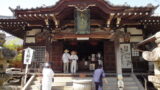
Along the corridor of the Main Hall, approximately 33,000 small statues of Kannon, the Bodhisattva of Compassion, are lined up in rows. Each statue is about the size of a person’s palm, but the sheer number of figures is truly overwhelming.
The statues stood in rows along the dim, cool corridor, seeming to quietly watch over everyone who came to pay their respects.
Heading to Temple 83, Ichinomiya-ji
From Negoro-ji, it is approximately 12 km southeast to Ichinomiya-ji. The route leaves the mountainous terrain of Goshikidai behind and gradually descends toward the outskirts of Takamatsu.
After walking through the mountains for so long, the route becomes flatter, and convenience stores and restaurants are easier to find. The change in terrain makes for a more comfortable walk, offering a welcome chance to relax a little.
The Route to Ichinomiya-ji
After visiting Negoro-ji, head toward Kinashi Station at the foot of the mountains. Along the way, there are pilgrimage trails that cut across bends in the paved road, so keep an eye out for the signposts to avoid missing these shortcuts.
Iida Pilgrim Rest Shelter
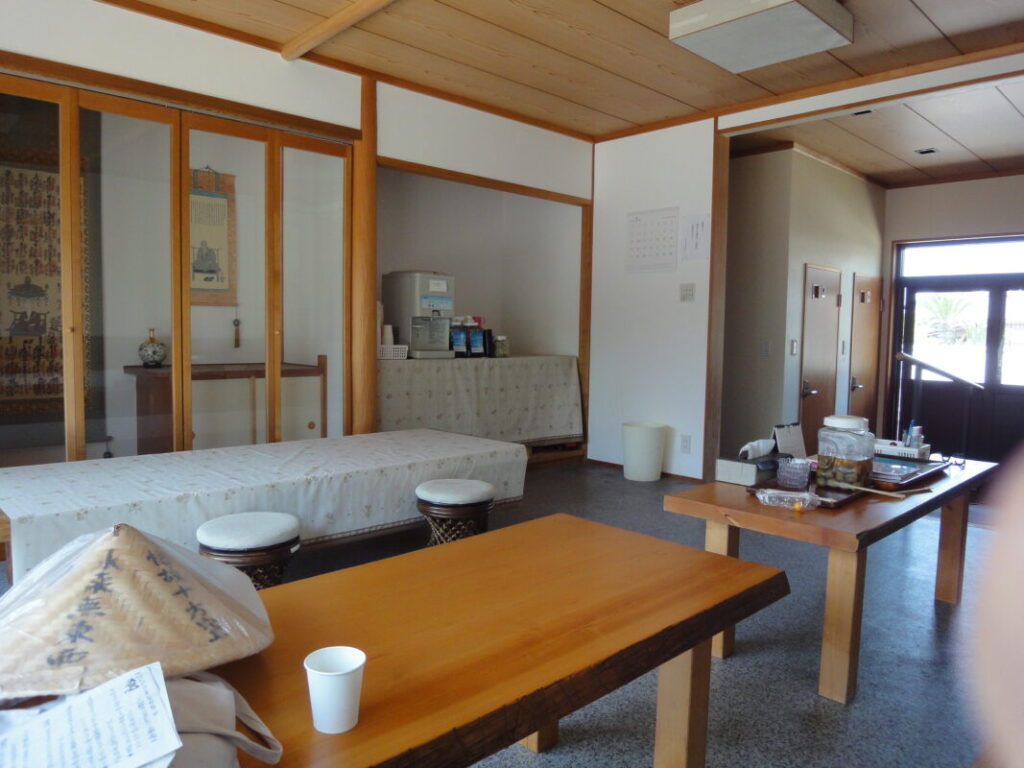
At 12:40 p.m., I came across a rest shelter and decided to take a short break.
After crossing the railway crossing near Kinashi Station and passing over a small river, I reached the Iida Pilgrim Rest Shelter. The interior was clean, and toilets were available. When I visited, complimentary tea and snacks were also provided on a self-service basis as o-settai, the traditional practice of offering support to pilgrims.
For pilgrims who have just crossed the mountains of Goshikidai, this is a welcome place to catch their breath. It is also a convenient spot to stop along the way to Ichinomiya-ji.
After leaving the shelter, I continued toward Ichinomiya-ji through a residential neighborhood. The shortest route is a little winding, but following the pilgrimage trail signposts should keep you on track. If you are concerned about getting lost, taking the route along the Kōtō River may be an easier option to follow.
Visiting Temple 83, Ichinomiya-ji
I arrived at Ichinomiya-ji at 2:30 p.m.
Easy-to-Navigate Temple Grounds
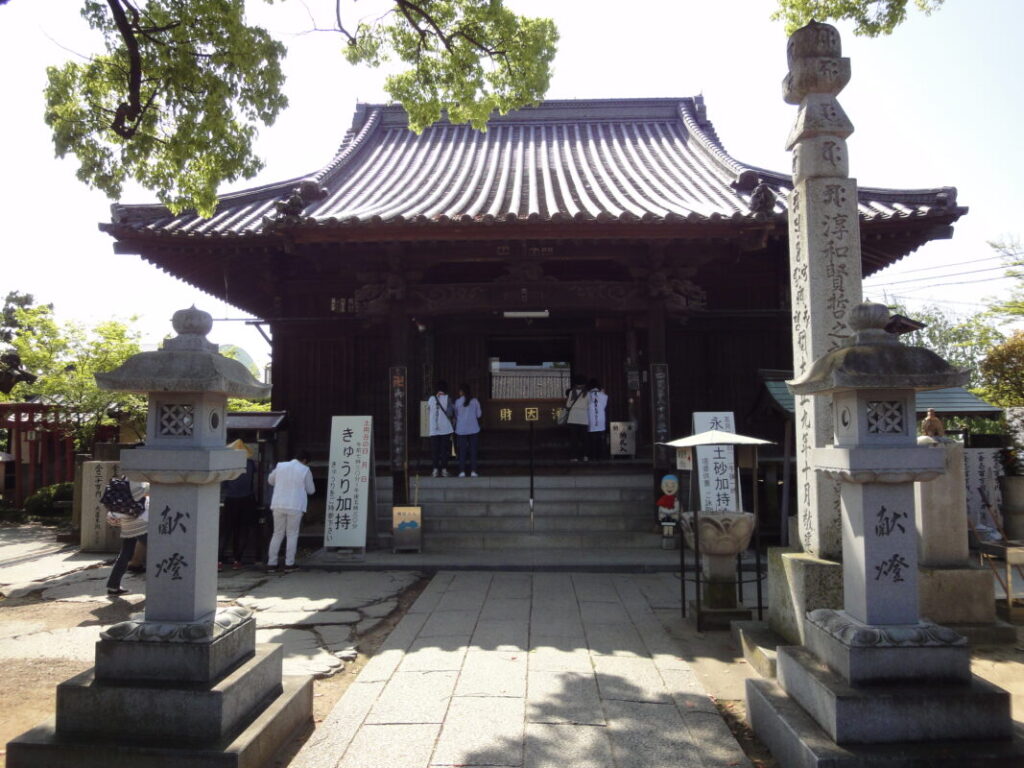
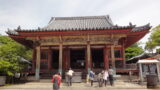
Ichinomiya-ji is a temple built on flat ground, with few changes in elevation throughout its grounds. After walking through the mountain trails of Goshikidai, I was able to take my time and enjoy a peaceful visit.
When I visited the temple office to receive my pilgrimage stamp, I was kindly offered some mandarins as o-settai, a traditional act of generosity toward pilgrims.
Whenever I experience these small acts of kindness, I am reminded that the Shikoku Pilgrimage is about more than simply visiting temples.
Main Hall
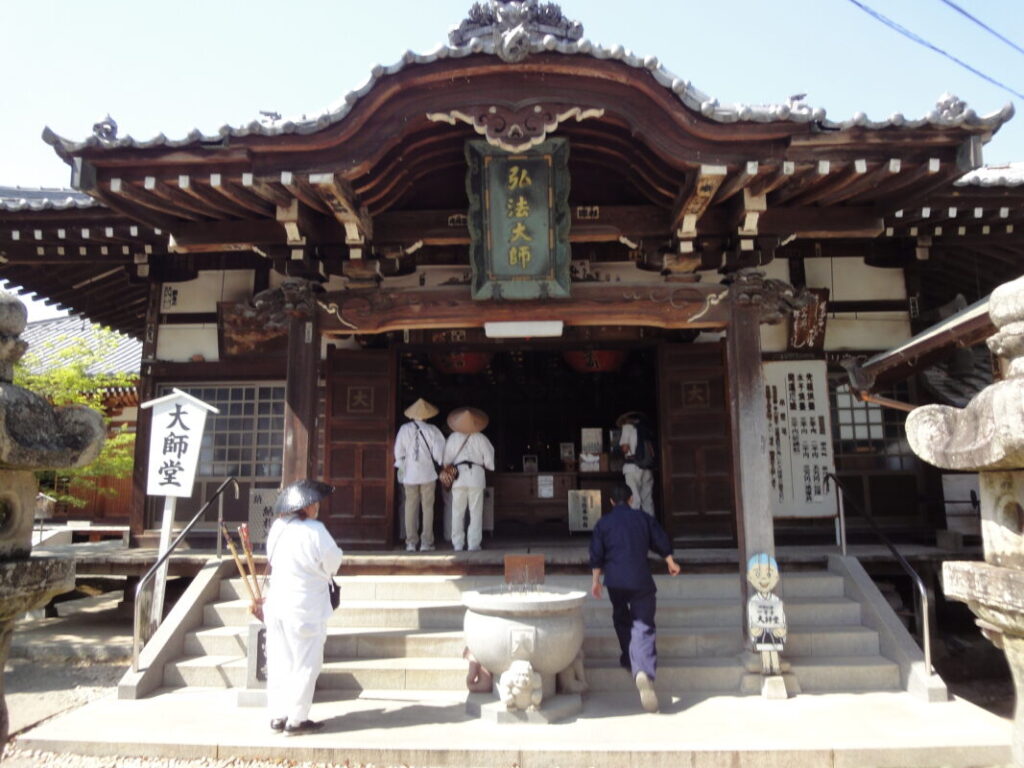
Daishi Hall
The Hell’s Cauldron
One of the most famous features of Ichinomiya-ji is the Jigoku no Kama, or “Hell’s Cauldron,” located to the left of the Main Hall.
It is housed in a small shrine dedicated to Yakushi Nyorai, the Buddha of Healing. According to local legend, placing your head inside the opening will help you attain enlightenment. However, it is also said that the heads of those who have committed evil deeds will become stuck and unable to come out.
Although the story sounds a little frightening, it can also serve as an opportunity to reflect on one’s own actions.
A Temple Connected to Sanuki Province’s Ichinomiya Shrine
The name Ichinomiya-ji is said to derive from nearby Tamura Shrine, which served as the ichinomiya, or highest-ranking Shinto shrine, of Sanuki Province.
Tamura Shrine is within easy walking distance of Ichinomiya-ji, and some pilgrims visit both during their journey. If you have enough time, it is well worth stopping by.
Heading Toward Yashima-ji
I finished visiting Ichinomiya-ji shortly before 3:00 p.m.
My next destination was Yashima-ji, but it was more than 10 km away. At this hour, it seemed unlikely that I would be able to reach the temple and complete my visit before the end of the day.
Instead, I decided to continue in the direction of Yashima-ji while looking for accommodation in central Takamatsu. Up to this point, the day’s itinerary had gone almost exactly as planned.
An Unexpected Encounter with a Zenkon-yado
From Ichinomiya-ji to Central Takamatsu
After leaving Ichinomiya-ji, I headed north toward central Takamatsu.
If you are heading toward the Ritsurin area, using JR Ritsurin Station as a landmark makes navigation easier. Along the way, you pass beneath an elevated section of the Takamatsu Expressway, after which you can follow the Gobo River for part of the route. Using the river as a guide makes it easier to keep track of your direction.
An Unexpected Encounter Leads to a Place to Stay
At around 4:00 p.m., as I walked through a residential neighborhood along the Gobo River, an elderly woman suddenly called out to me.
“Hello, pilgrim!”
After chatting for a little while, I mentioned that I had not yet found a place to stay for the night. She immediately replied:
“Then come and stay here!”
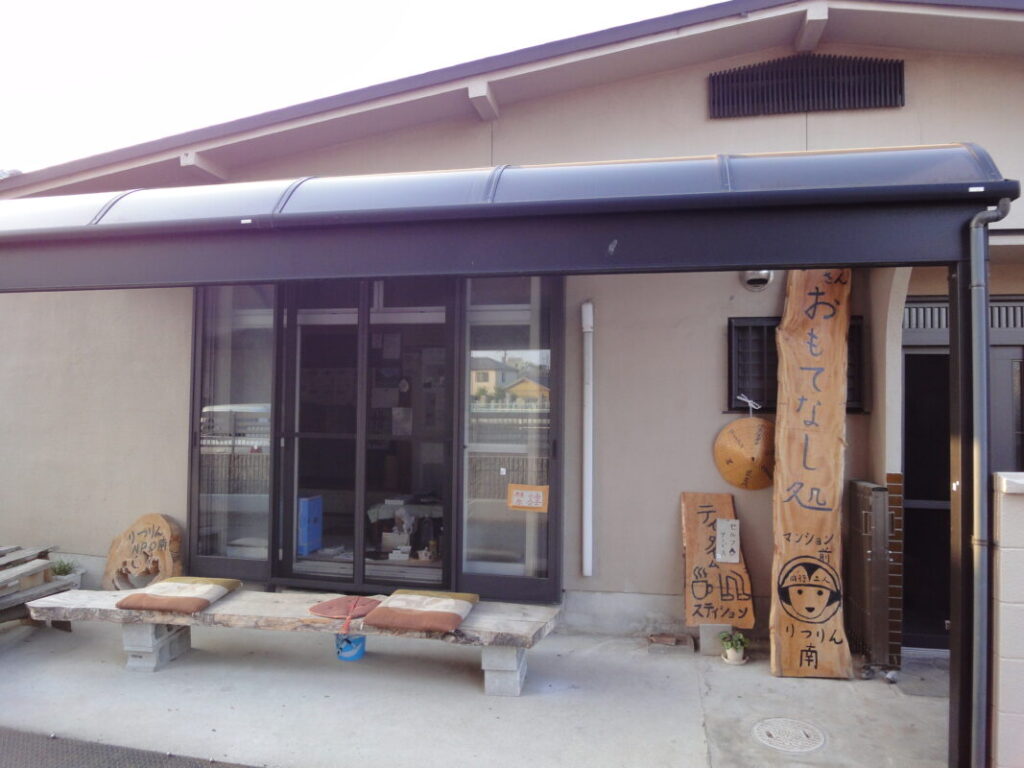
Apparently, she operated a zenkon-yado, a charitable lodging for pilgrims, using an unoccupied house on her property.
There was still plenty of daylight left, and part of me wanted to walk a little farther. However, I felt that this encounter was meant to be, so I gratefully accepted her offer.
The Ritsurin Zenkon-yado
The accommodation was a single-story house that had been converted into a place for pilgrims to stay. I was also allowed to use the bath and washing machine.
After explaining how everything worked, the woman told me that there was a supermarket nearby where I could buy anything I needed. She also offered to prepare a packed lunch for me the following morning, so I let her know what time I planned to leave.
Thanks to this unexpected encounter, I had not only found a place to spend the night but also secured my meal for the following morning.
The Pilgrimage Draws to a Close
Even after I had finished unpacking and getting everything ready for the night, it was still too early to go to bed.
On previous days of the pilgrimage, I had often walked until nearly sunset and arrived at my accommodation completely exhausted, leaving me with little energy to do anything other than fall asleep. Having so much time to spare was a rare luxury.
I spread out my map, reviewed the route I had taken so far, and reconsidered my plans for the coming days.
After so many days on the road, only five temples remained. Including a return visit to Temple 1, Ryozen-ji, to express my gratitude and complete the pilgrimage, I expected to reach ketsugan—the successful completion of the pilgrimage—in about three more days.
I had not made it this far through my own efforts alone.
Some people walk the pilgrimage trails. Others maintain the paths and signposts. Some offer pilgrims tea and snacks, while others, like the woman I met today, provide a place to stay for the night.
Each person contributes in their own way to preserving the tradition of the Shikoku Pilgrimage for future generations.
Thanks to their support, pilgrims like me can continue walking the trails with peace of mind.
Through our connection to Kōbō Daishi, the thoughts, kindness, and goodwill of so many different people come together.
Day 35 of my walking pilgrimage was a day that reminded me of this once again.
Temple Information
- No. 81
- No. 82
- No. 83
- No. 84


Comments