
Ichinomiyaji Temple Information
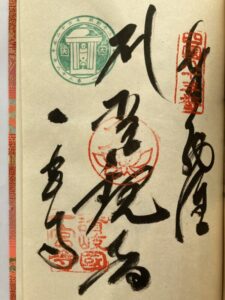
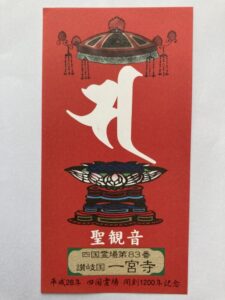
Goshuin
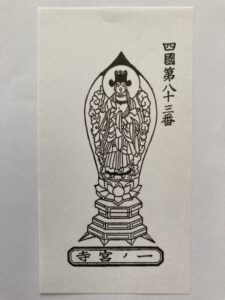
- Omie
- 1,200th Anniversary Edition
Basic Information
| Principal Deity | Sho Kannon |
| Elevation | 40 m |
| Google Maps | MAP |
Accommodation
| Shukubo (Temple Lodging) | Not Available |
| Tsuyado (Free Pilgrim Shelter) | Not Available |
History & Highlights
Ichinomiya Temple was founded by the eminent monk Gien in the Nara period and later restored by Gyoki Bosatsu. Kobo Daishi carved an image of Sho Kannon and converted the temple into a Shingon Buddhist temple. After being destroyed by war, it was rebuilt and has continued to be known as an ancient temple, particularly for the legend of the “Boiling Cauldron of Hell.”
Route Map, Distance & Travel Time
You can switch between the tabs to view the routes to the previous and next temples.
Select “Driving Route” from the map’s upper-left menu to display the driving route.
Click the Full Screen icon in the upper-right corner of the map to open it in Google Maps for a larger, easier-to-view map.
- From Previous Temple
- To Next Temple
Previous Temple: Negoroji
| Distance | 11.9 km |
| Walking | 3 hr 30 min |
| Driving | 30 min |
Next Temple: Yashimaji
| Distance | 13.6 km |
| Walking | 4 hr 30 min |
| Driving | 40 min |
Transportation Guide
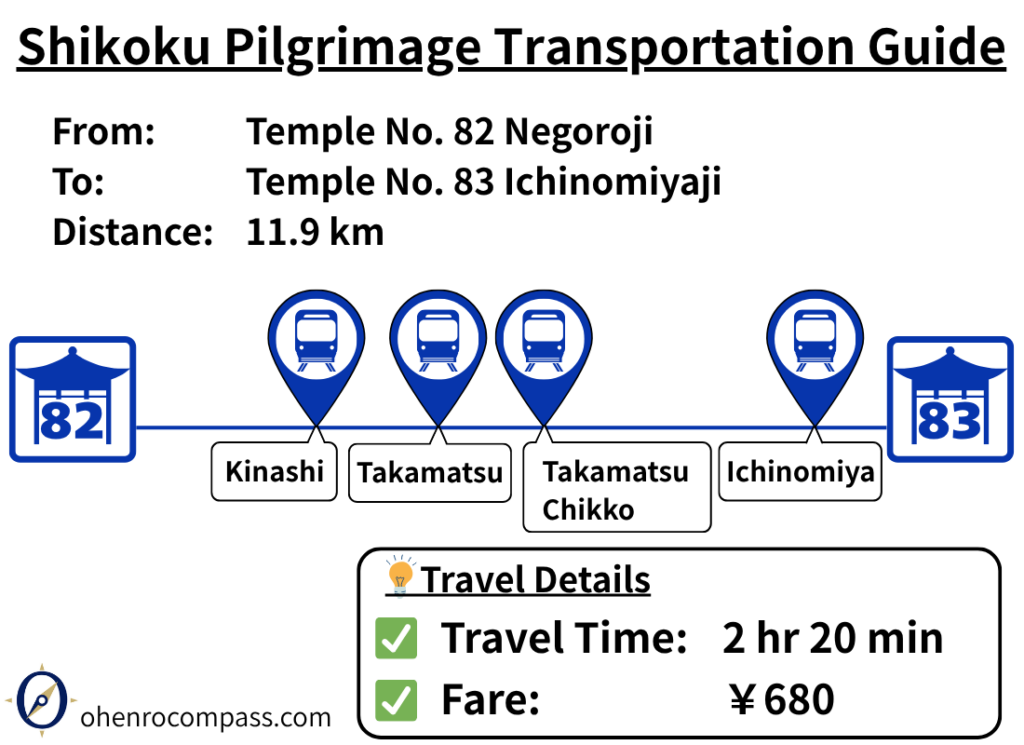
Travel from Negoroji (82nd Temple) to Ichinomiyaji (83rd Temple) by train in about 2 hours 20 minutes for ¥680. Includes route details, transfers, timetables, and a comparison with walking.
My Walking Experience
Ichinomiya Temple is located approximately 12 km southeast of Negoroji Temple. This section takes you through the mountain area of Mount Goshikidai before descending toward the outskirts of Takamatsu. The route is relatively flat and easy to walk, and convenience stores and restaurants become more frequent, making it a welcome change after the mountain trails.
Route to Ichinomiya Temple
After visiting Negoroji Temple, first head toward Kinashi Station at the foot of the mountain. Along the way, there are pilgrimage trails that allow you to take shortcuts instead of following the roads. Please refer to the route map in this article for details.
Iida Henro Rest Area
Near Kinashi Station, cross the railway crossing and then cross a small river to reach the Iida Henro Rest Area. The indoor space is clean, and toilets are available. When I visited, self-service hospitality with tea and snacks was also provided.
For pilgrims traveling on foot after crossing Mount Goshikidai, it was a welcome place to take a break and catch their breath. The rest area is roughly halfway between Negoroji and Ichinomiya, making it a convenient place to stop.
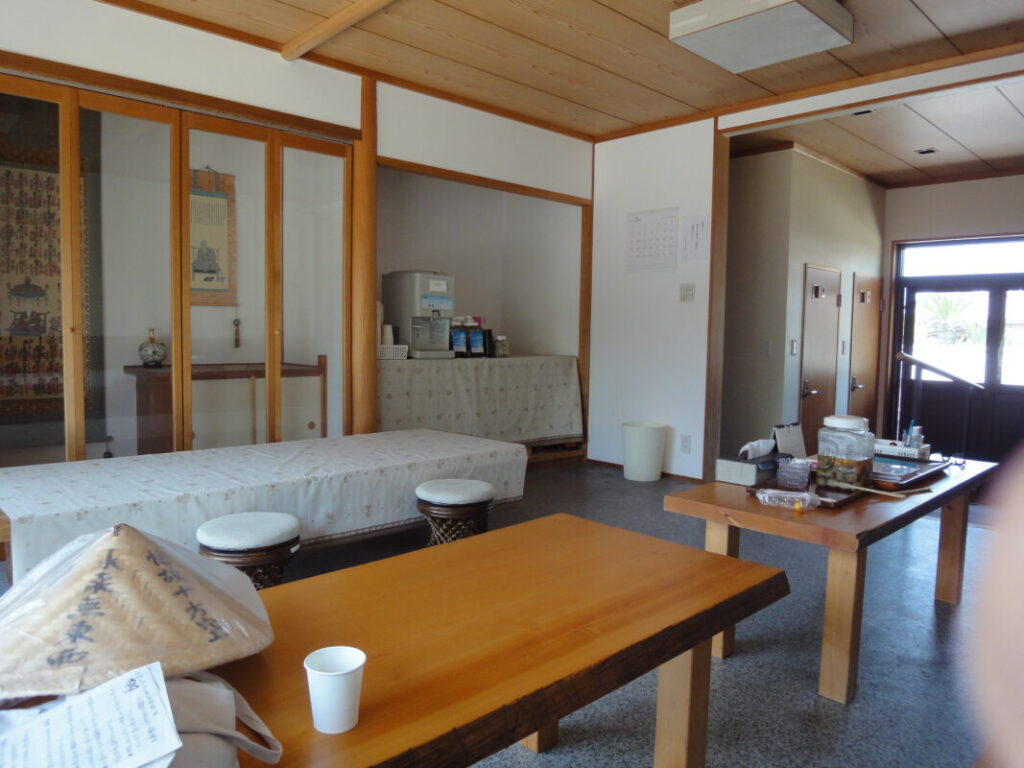
After leaving the rest area, continue through a residential area toward Ichinomiya Temple. The shortest route can be somewhat winding, but there are signs along the way to help guide you. If you are concerned about getting lost, following the route along the Kotohigawa River is easier to navigate.
History and Highlights of Ichinomiya Temple
An Easy-to-Visit Temple
Ichinomiya Temple is located on flat ground, with very little elevation change within the temple grounds. After walking through the mountainous section of Mount Goshikidai, I was able to slow down and enjoy a peaceful visit.
When I visited, I was offered some mikan oranges as omotenashi (hospitality) at the temple office. These small acts of kindness from local people are one of the things that make the Shikoku Pilgrimage so special.
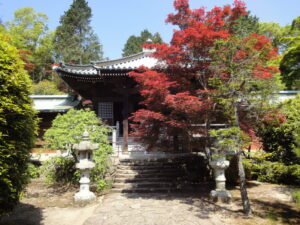
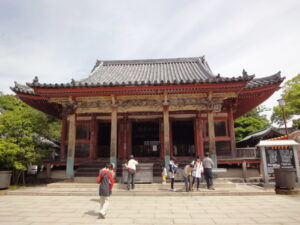
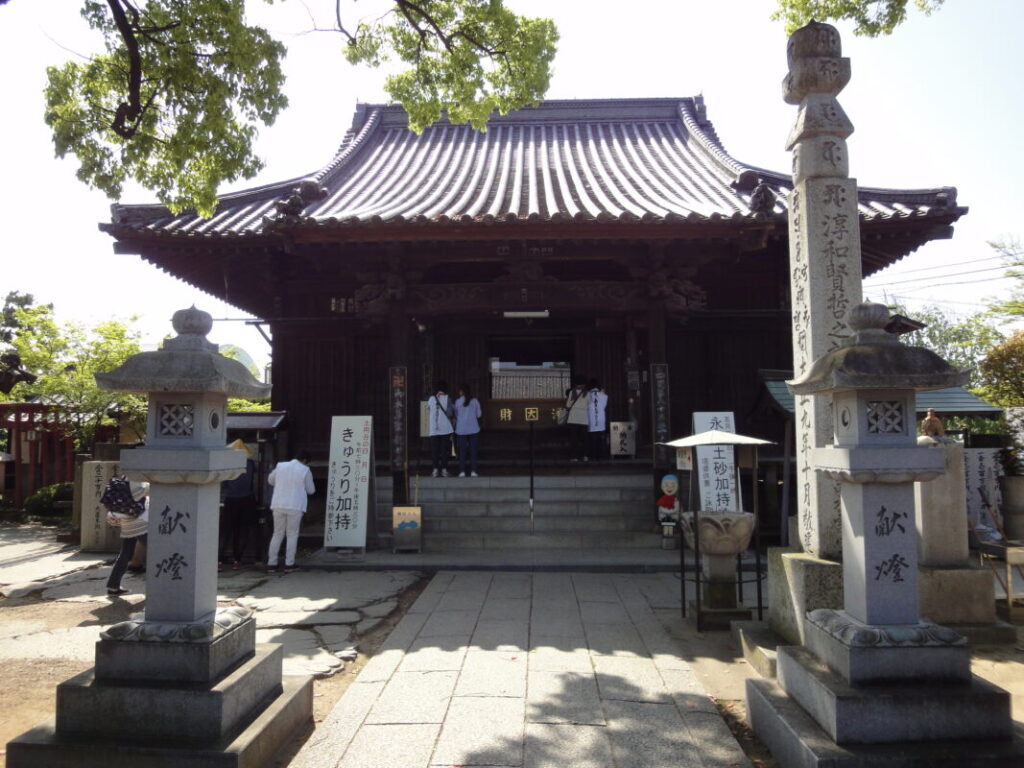
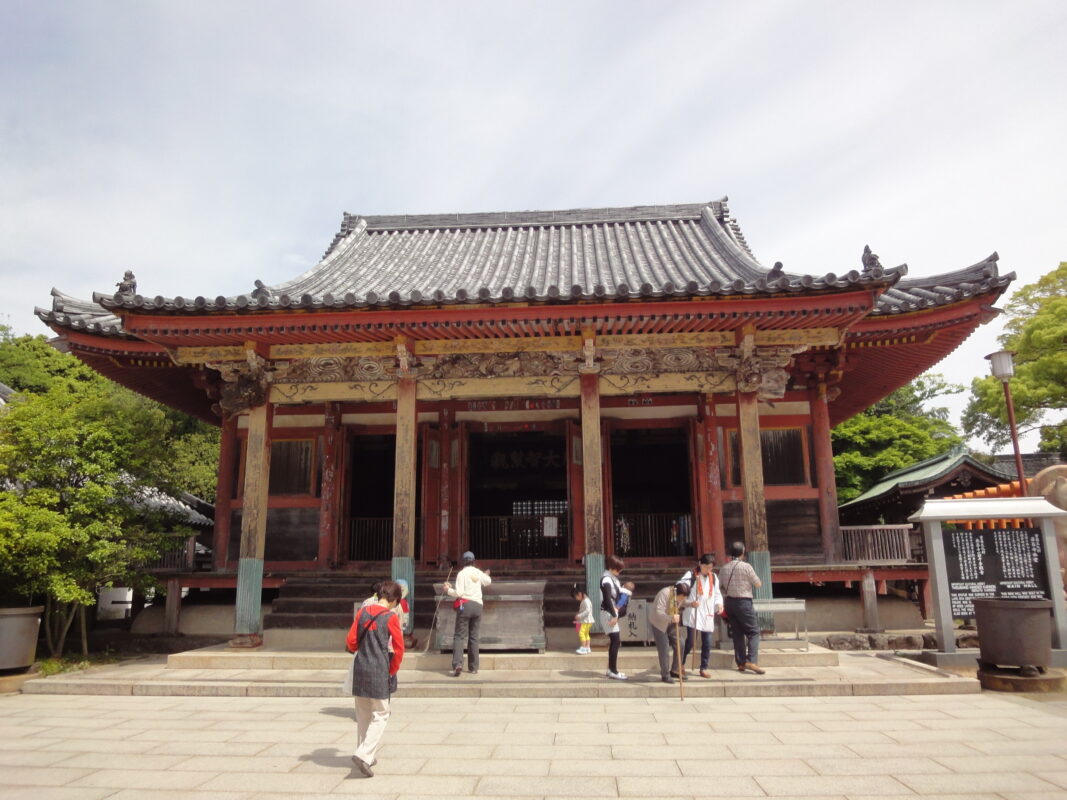
The Main Hall of Ichinomiya Temple
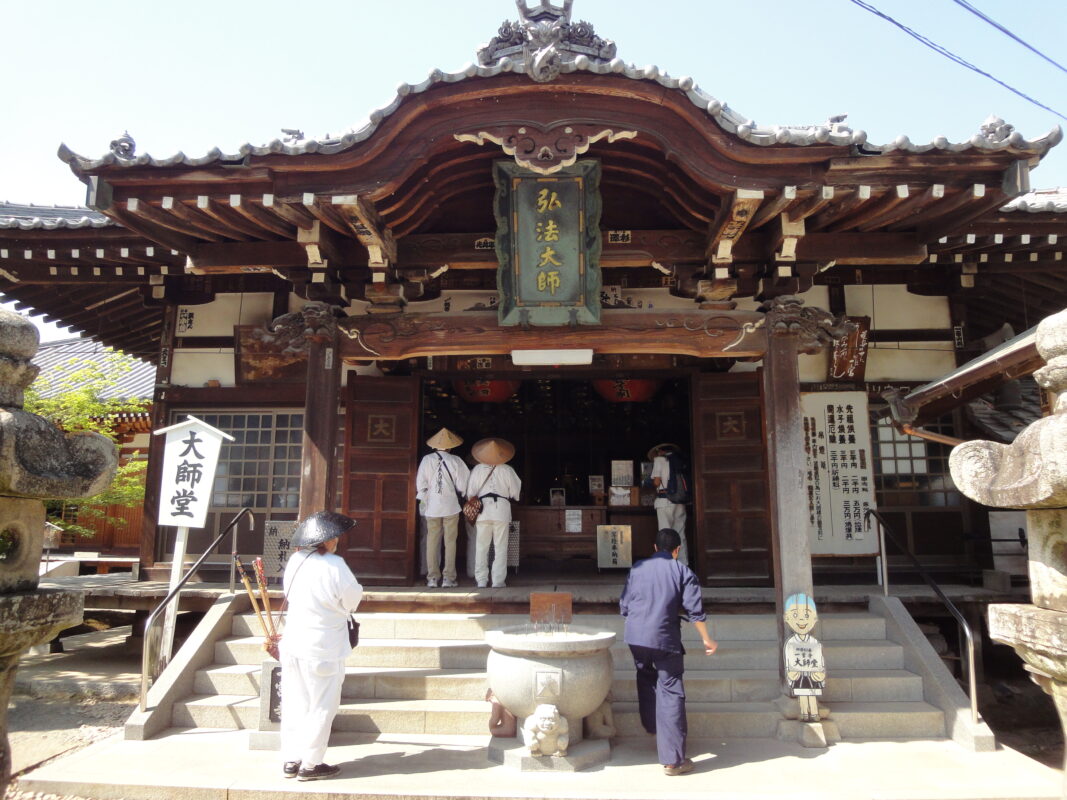
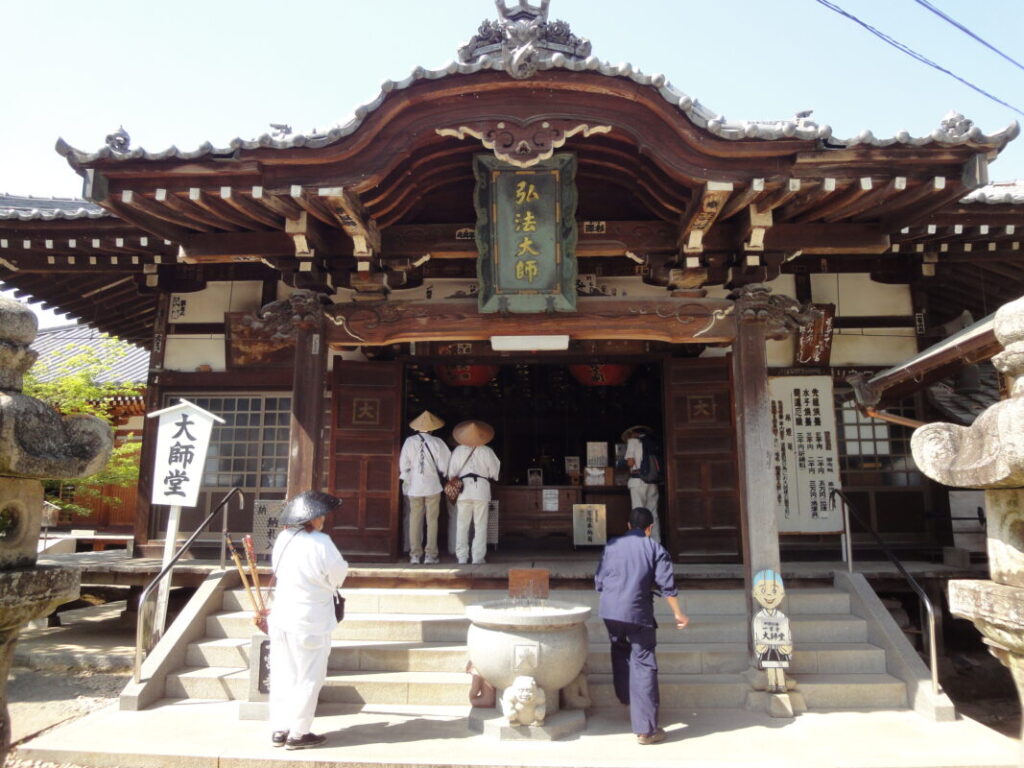
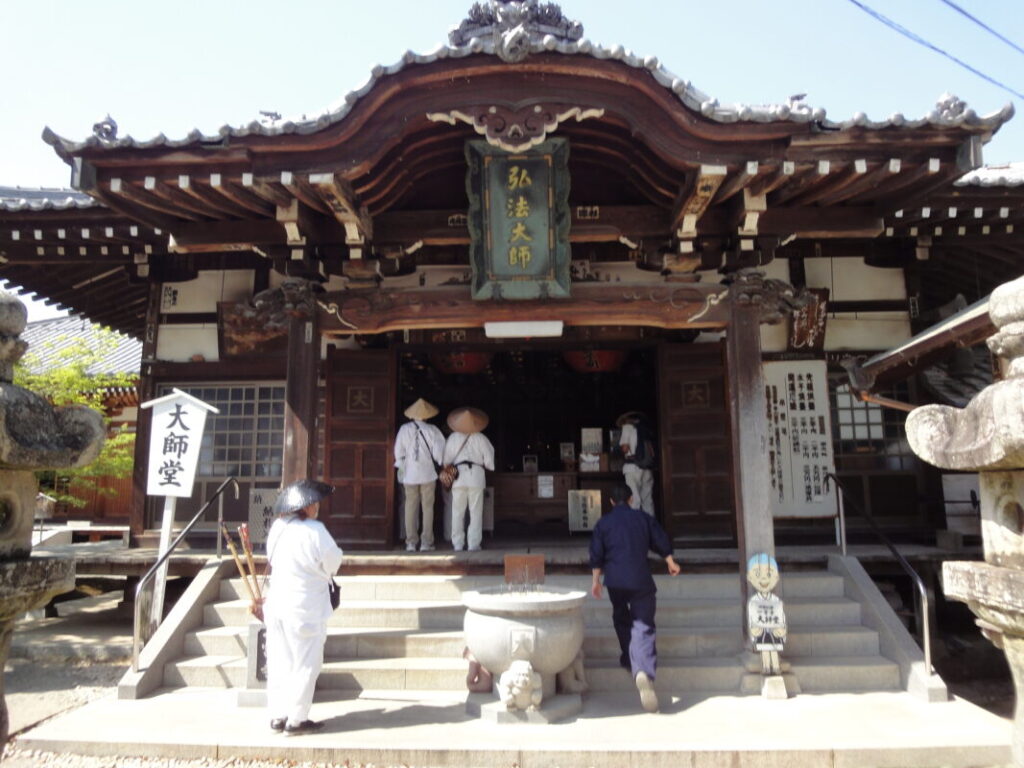
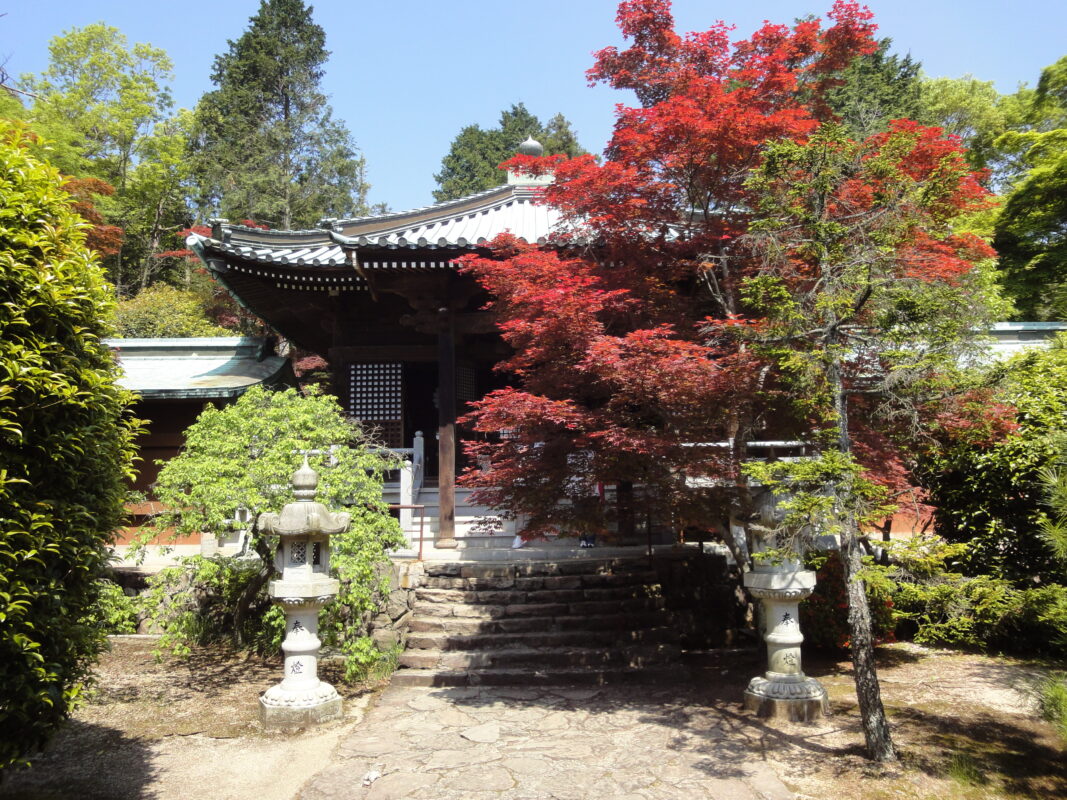
The Daishi Hall of Ichinomiya Temple
The “Boiling Cauldron of Hell”
One of Ichinomiya Temple’s most famous features is the “Jigoku no Kama,” or “Boiling Cauldron of Hell,” located to the left of the Main Hall.
It is found inside a small shrine dedicated to Yakushi Nyorai. According to legend, putting your head inside the shrine will allow you to attain enlightenment. However, those who have committed evil deeds are said to become unable to pull their heads back out.
A Temple Associated with Sanuki’s Ichinomiya Shrine
The temple’s name, Ichinomiyaji, is traditionally said to have originated from nearby Tamura Shrine, the Ichinomiya, or highest-ranking shrine, of Sanuki Province.
The area has long been an important center of local religious worship, making Ichinomiya Temple a place where visitors can experience the history and culture of Sanuki.
Tamura Shrine is also within easy walking distance of Ichinomiya Temple, and many pilgrims choose to visit both during their pilgrimage.
Nearby Accommodation
If you plan to stay near Ichinomiyaji or between the surrounding pilgrimage temples, see the article below.
Related Articles
Shikoku 88 Temple Pilgrimage Route: Full List, Distance & Walking Time Guide.
Temple List and Full Route
Comments