
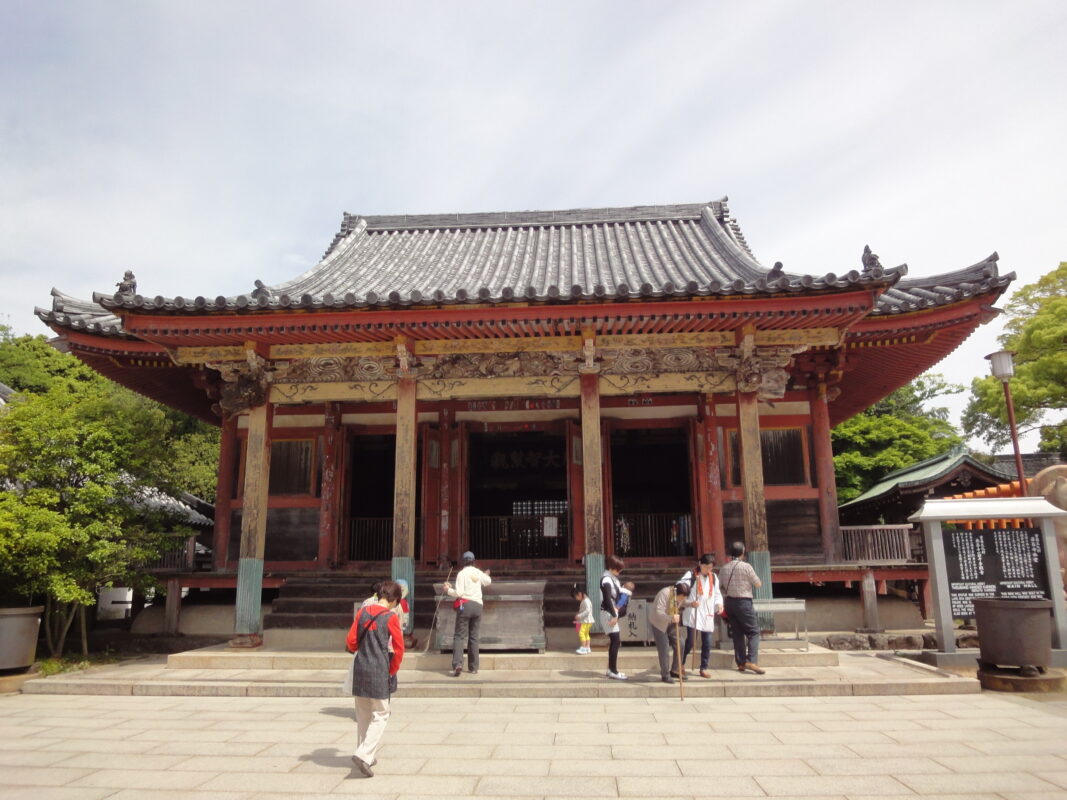
Yashimaji Temple Information
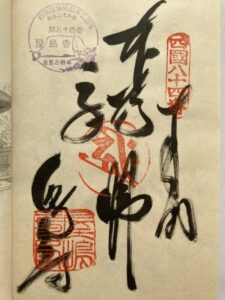
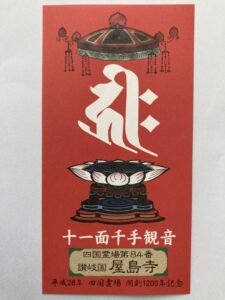
Goshuin
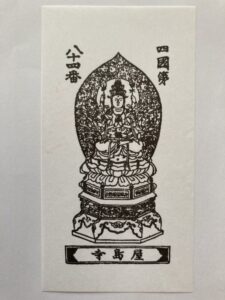
- Omie
- 1,200th Anniversary Edition
Basic Information
| Principal Deity | Eleven-Headed Thousand-Armed Kannon |
| Elevation | 290 m |
| Google Maps | MAP |
Accommodation
| Shukubo (Temple Lodging) | Not Available |
| Tsuyado (Free Pilgrim Shelter) | Not Available |
History & Highlights
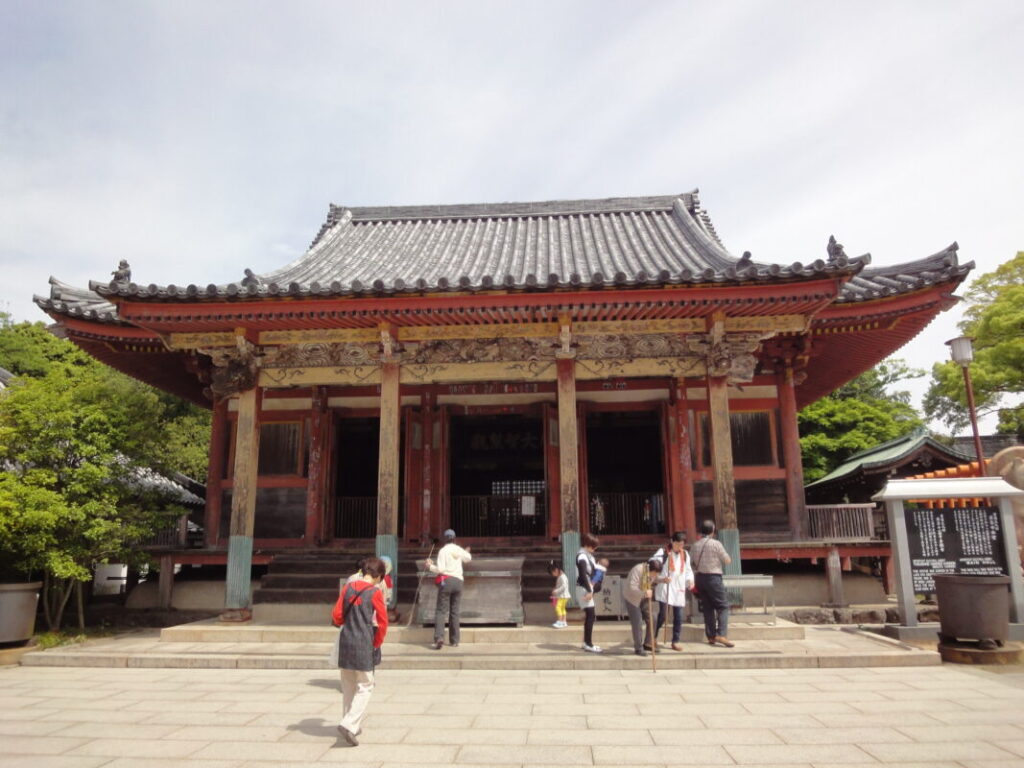
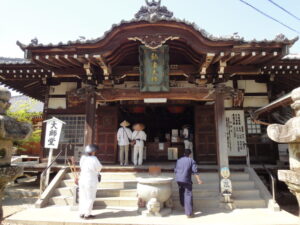
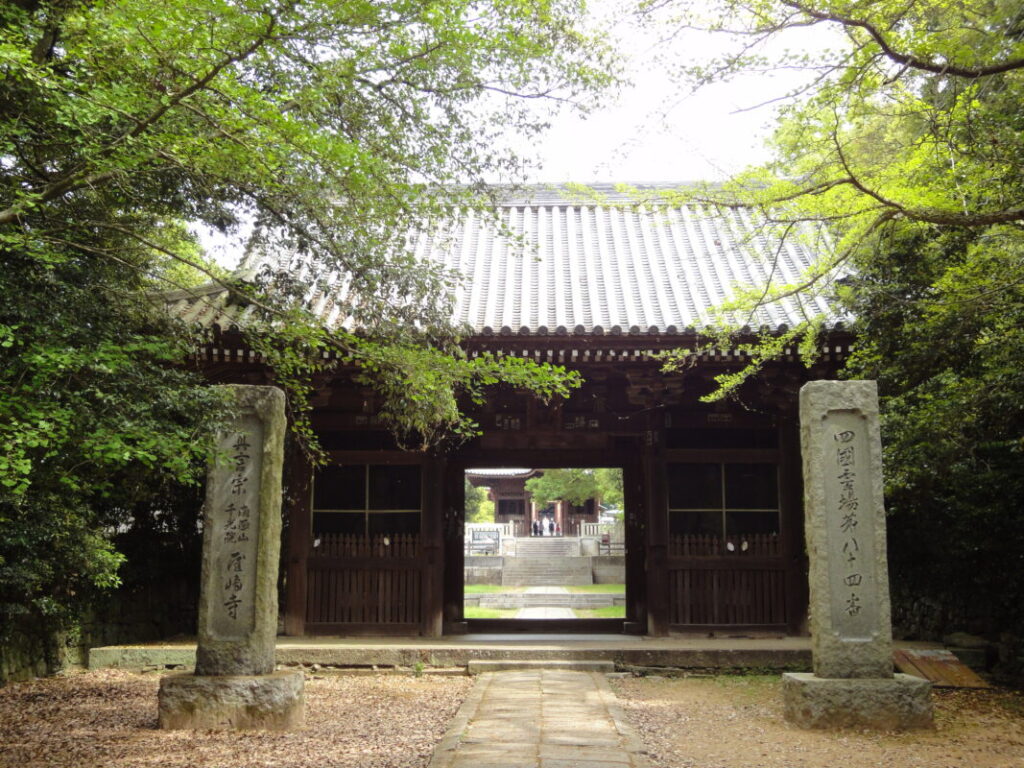
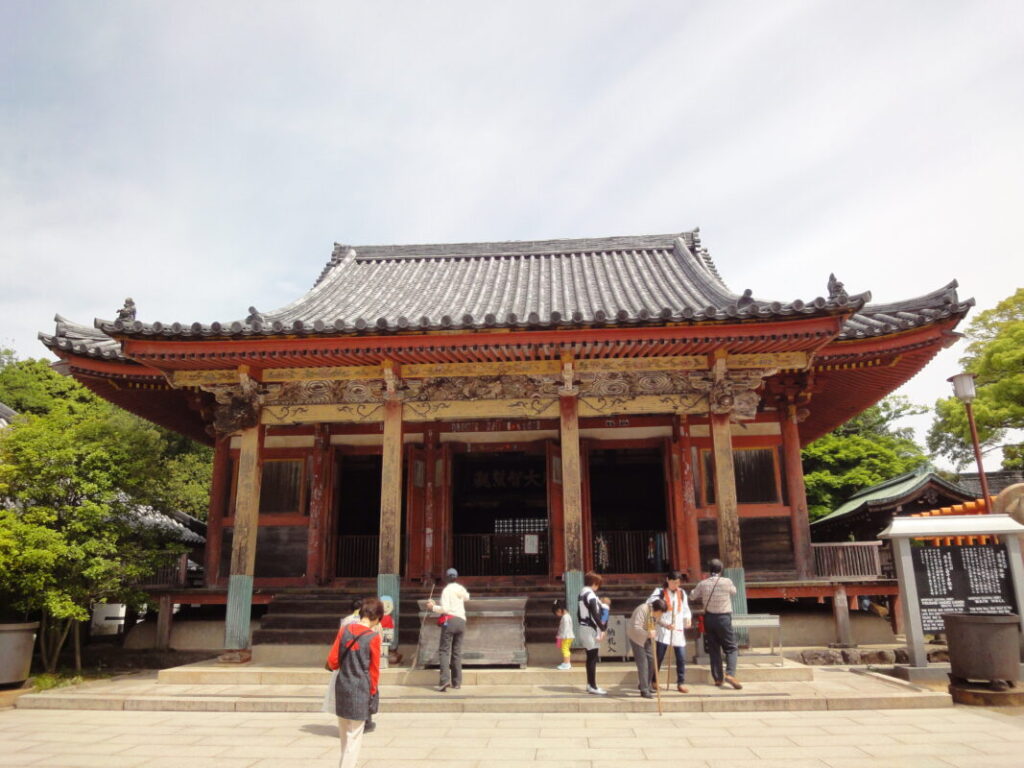
Yashimaji Temple is an ancient temple said to have been founded by the Chinese monk Ganjin during the Nara period. Kobo Daishi later relocated the temple complex to its present location and enshrined an image of Eleven-Headed Thousand-Armed Kannon as its principal deity. Standing on Yashima, the famous battlefield of the Genpei War, the temple preserves its Main Hall and principal image, both designated Important Cultural Properties of Japan.
Notes
Parking Fee: ¥300 per vehicle.
Route Map, Distance & Travel Time
You can switch between the tabs to view the routes to the previous and next temples.
Select “Driving Route” from the map’s upper-left menu to display the driving route.
Click the Full Screen icon in the upper-right corner of the map to open it in Google Maps for a larger, easier-to-view map.
- From Previous Temple
- To Next Temple
Previous Temple: Ichinomiyaji
| Distance | 13.6 km |
| Walking | 4 hr 30 min |
| Driving | 40 min |
Next Temple: Yaguriji
| Distance | 5.4 km |
| Walking | 2 hr |
| Driving | 15 min |
Transportation Guide
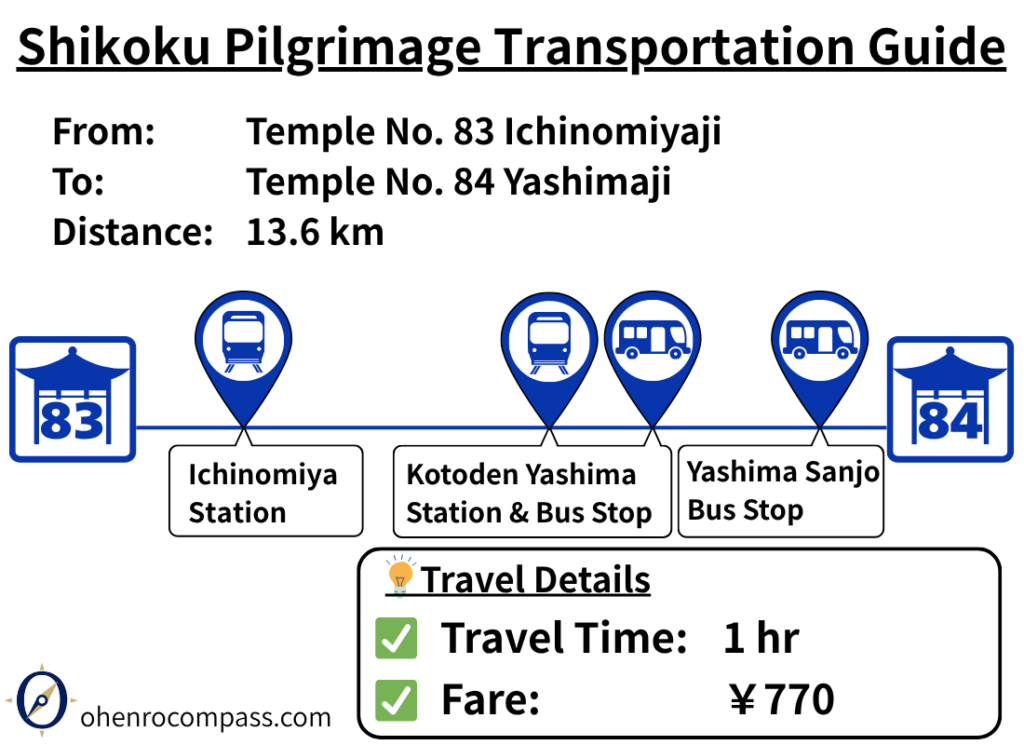
Travel from Ichinomiyaji (83rd Temple) to Yashimaji (84th Temple) by train and bus in about 1 hour for ¥770. Includes route details, transfers, timetables and walking options.
My Walking Experience
Yashimaji Temple is located approximately 13 km northeast of Ichinomiya Temple. Most of this section passes through the city of Takamatsu, where convenience stores, restaurants, and accommodations are plentiful, making it one of the more convenient stretches of the pilgrimage route.
However, Yashimaji itself stands atop Mount Yashima at an elevation of about 290 meters, so a climb awaits at the end of the day. It is a good idea to purchase any supplies you need while still in the city before heading toward the temple.
From Ichinomiya Temple to Central Takamatsu
After leaving Ichinomiya Temple, head north. Using JR Ritsurin Station as a waypoint makes the route easy to follow.
About 3 km from the temple, you will pass beneath the Takamatsu Expressway. From there, following the Gobogawa River as it flows northeast through the city allows you to avoid busy main roads. For walking pilgrims, the river serves as a convenient natural guide.
A Memorable Stay at a Zenkonyado
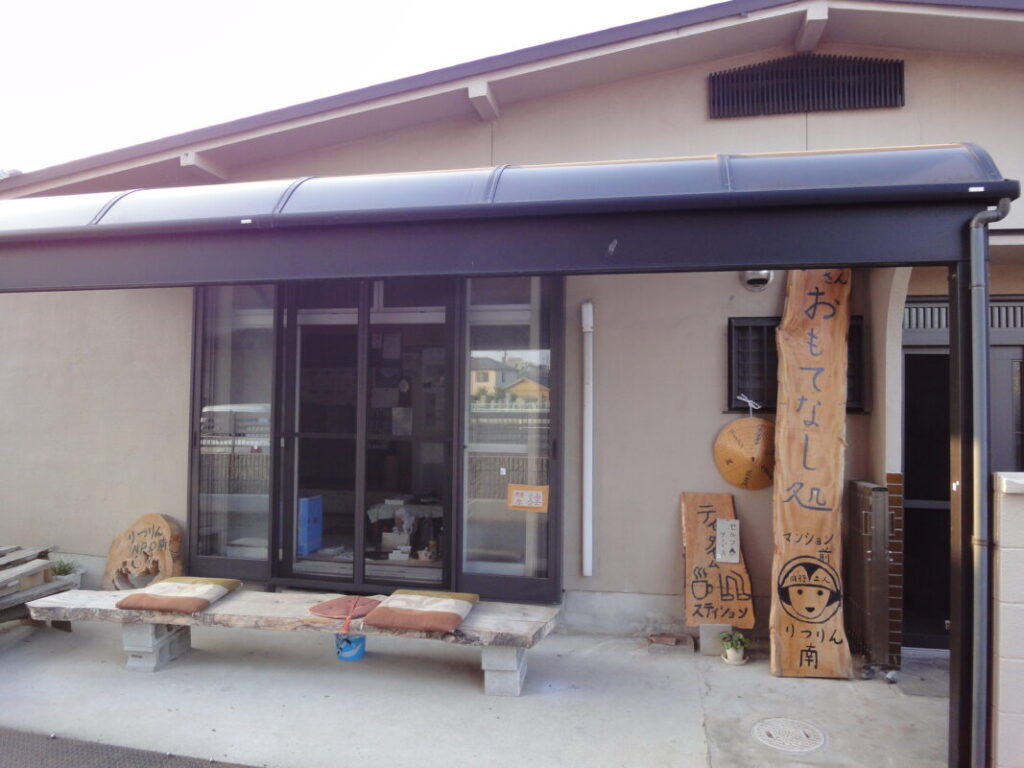
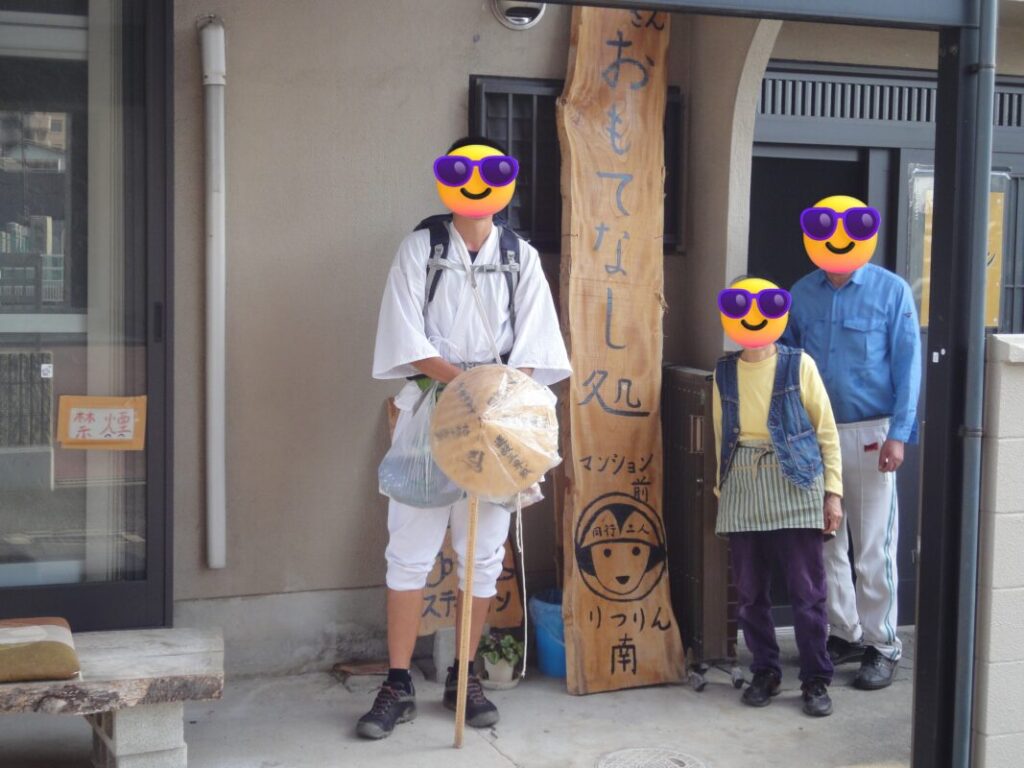
I spent one night at a zenkonyado (a lodging provided through the generosity of local people) near the Gobogawa River.
Although it was tucked away in a residential neighborhood and somewhat difficult to find, I was kindly approached while walking and invited to stay. It felt like a fortunate encounter along the pilgrimage.
The accommodation occupied an entire single-story house, complete with a bath and washing machine. The hospitality was extraordinary. The following morning, I was even given rice balls for both breakfast and lunch. The kindness I received exceeded what I would have expected from many guesthouses.
Experiences like these and the people you meet along the way become some of the most memorable parts of walking the Shikoku Pilgrimage.
The Climb to Yashimaji Temple
Continue along the Gobogawa River until you reach National Route 11, then head east.
After crossing several large bridges, you will find a stone marker indicating the pilgrimage route. Turn left there, and the path leading up to Yashimaji Temple will soon appear.
The trail to the temple is maintained as a walking path and is relatively easy to follow. When I walked it, I saw many local residents using the trail for exercise and recreation.
Along the route, you can find stone statues of Jizo and monuments carved with Sanskrit seed characters. Walking this historic pilgrimage path, it is easy to appreciate how carefully it has been preserved by local people over the centuries.
History and Highlights of Yashimaji Temple
The “Inedible Pear” Legend
Along the mountain path leading to Yashimaji Temple stands a spot associated with Kobo Daishi known as the “Kuwazu no Nashi” (Inedible Pear).
According to legend, Kobo Daishi once asked the owner of a pear tree to share some fruit. The owner refused, claiming that the pears were too hard to eat. Because of this lie, the pears are said to have become as hard as stone.
The story serves as a reminder of the Buddhist teaching against falsehood and remains one of the memorable legends connected with Yashima.
Views from the Summit of Mount Yashima
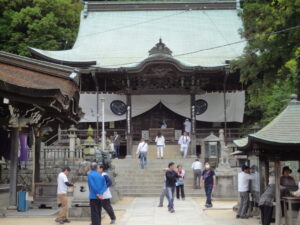
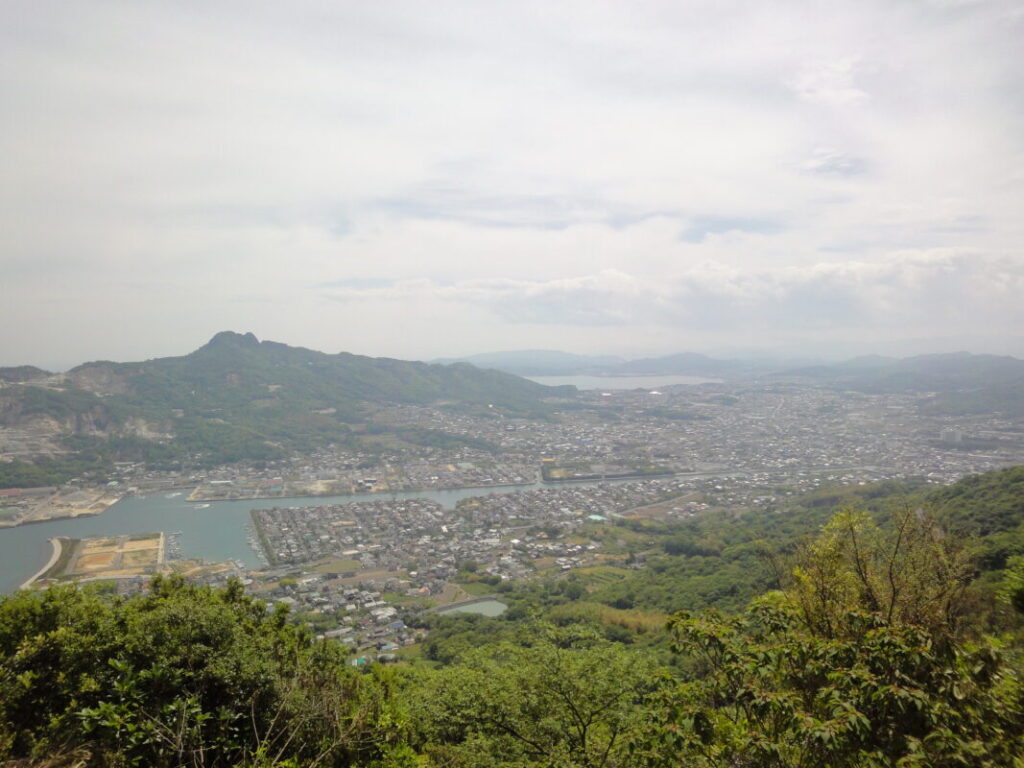
From the summit of Mount Yashima, at an elevation of about 290 meters, visitors can enjoy panoramic views of the mountain that holds the next pilgrimage temple, Yakuriji, as well as Dan-no-Ura, the historic battlefield of the Genpei War.
After climbing the mountain trail, the expansive scenery provides a rewarding sense of accomplishment and a chance to appreciate how far you have traveled.
A Temple Connected to the Genpei War
Yashima is famous as the site of the Genpei War and is associated with well-known legends such as Nasu no Yoichi’s feat of shooting the fan target and Minamoto no Yoshitsune’s episode of retrieving his bow.
Yashimaji Temple is said to have been founded by the Chinese monk Ganjin during the Tenpyo Shoho era (749–757).
In 815, Kobo Daishi is believed to have visited Yashima in response to an imperial request from Emperor Saga. During his stay, he carved an image of Juichimen Senju Kannon (Eleven-Headed Thousand-Armed Kannon) and enshrined it as the temple’s principal deity. Since then, the temple has been revered as one closely associated with Kobo Daishi.
The current seated statue of Eleven-Headed Thousand-Armed Kannon is designated an Important Cultural Property of Japan. The Main Hall, which dates from the Kamakura period, also preserves the temple’s long and distinguished history.
Nearby Accommodation
If you plan to stay near Yashimaji or between the surrounding pilgrimage temples, see the article below.
Related Articles
Shikoku 88 Temple Pilgrimage Route: Full List, Distance & Walking Time Guide.
Temple List and Full Route
Comments