
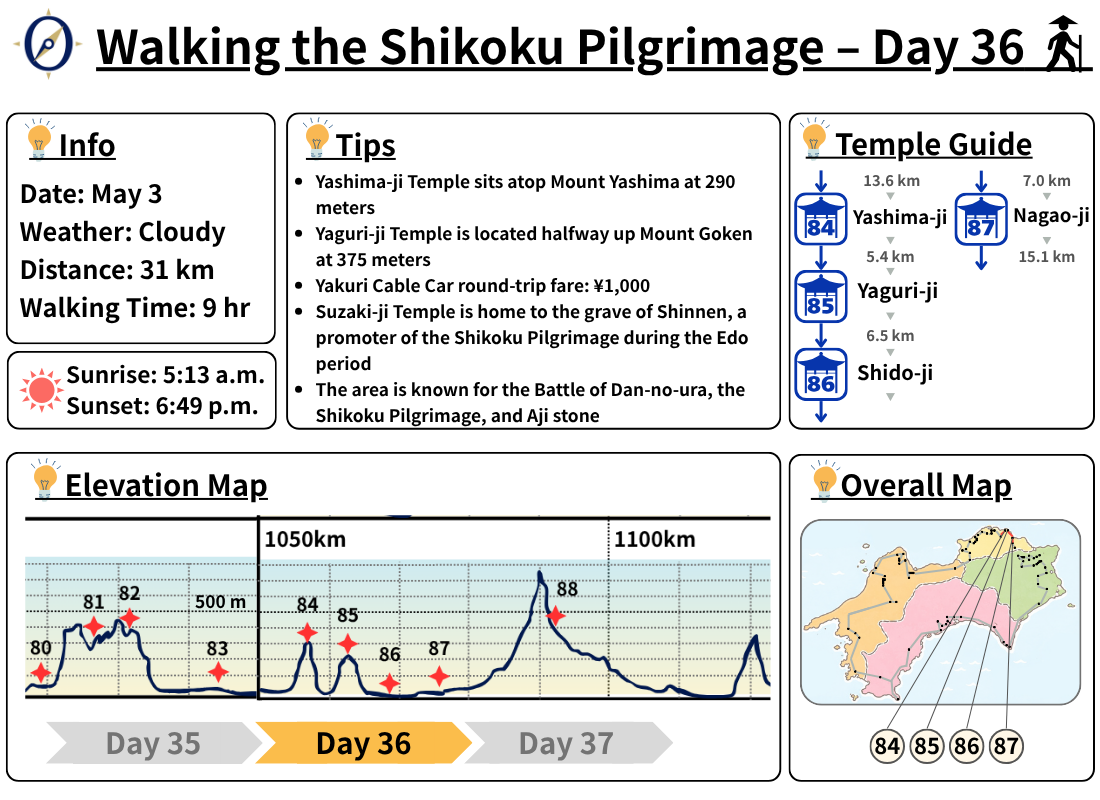
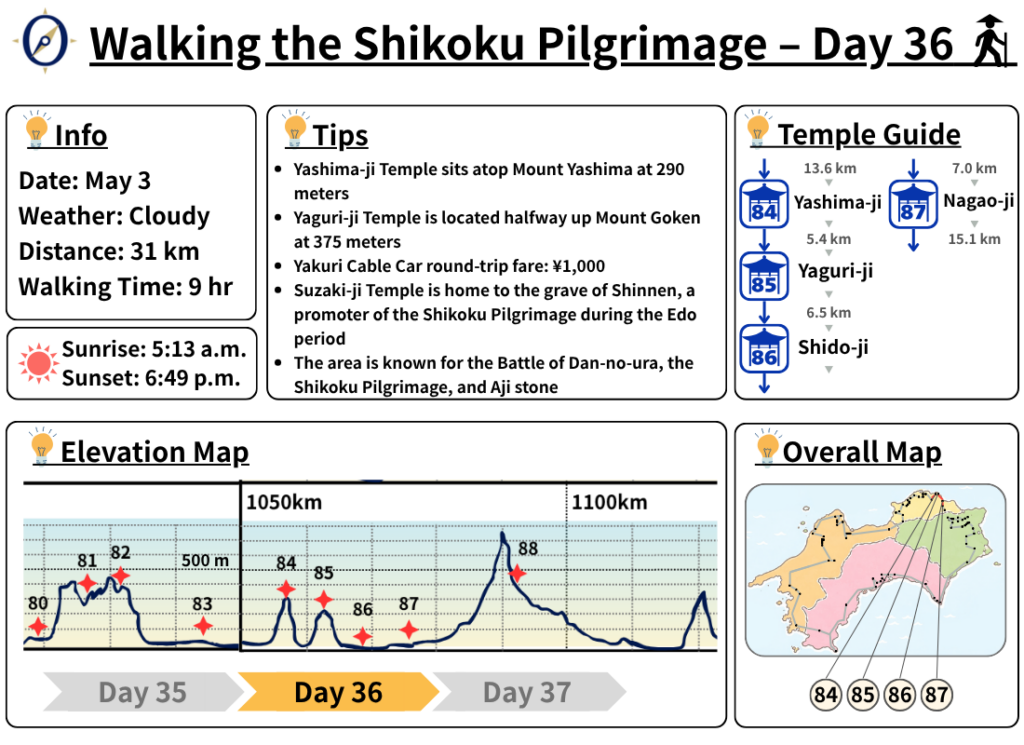
Day 36 of the Shikoku Pilgrimage on foot began with leaving the zenkon-yado in Ritsurin. I visited three temples: Yashima-ji, Yaguri-ji, and Shido-ji. Along the way, I received warm hospitality from local people and walked historic pilgrimage trails and sites associated with the Genpei War. I postponed my visit to Nagao-ji until the following day and camped overnight Kikaku Park. Tomorrow, I will finally reach Okubo-ji, the final temple of the pilgrimage, and complete my journey.
Itinerary
- 7:00Departure
- Ritsurin Zenkon-yado
- Yashima Hiking Trail
- 9:50Temple No. 84, Yashima-ji
- Suzaki-ji
- Yaguri Hiking Trail
- 13:00Temple No. 85, Yaguri-ji
- Roadside Station Mure
- Hiraga Gennai Museum
- 15:00Temple No. 86, Shido-ji
- 18:00Kikaku Park
Overnight stay
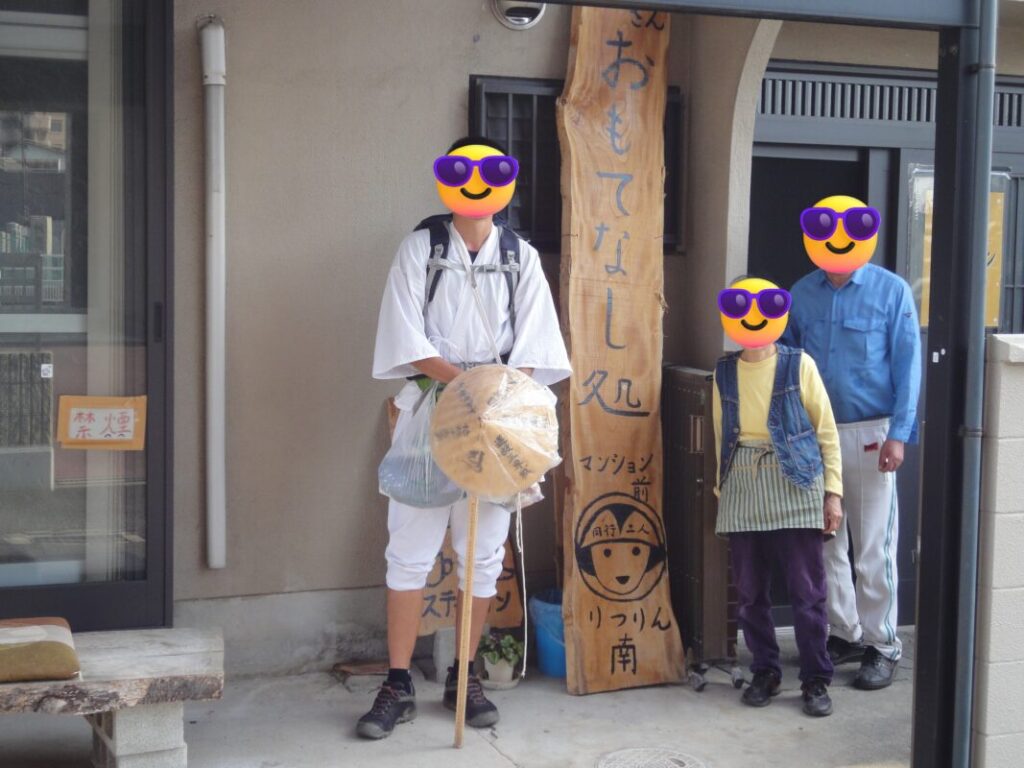
Leaving the Ritsurin Zenkon-yado
May 3 — Cloudy. Day 36 of the Shikoku Pilgrimage on foot.
Yesterday, I visited three temples: Shiromine-ji, Negoro-ji, and Ichinomiya-ji. Last night, I stayed at a zenkon-yado, a charitable lodging for pilgrims, in the Ritsurin area, after a kind local woman offered me a place to stay as I was walking toward Yashima-ji.
I woke up at 5:00 a.m. and began getting ready for the day. As I was preparing to leave, my host brought me rice balls for breakfast and lunch. Her kindness seemed to know no bounds.
At 7:00 a.m., I finished getting ready and went to see her again to express my gratitude. Since we had the opportunity, she suggested taking a commemorative photo, so the three of us posed together with her husband.
I bowed deeply and thanked them for their heartfelt hospitality.
With their warmth still in my heart, I set off toward my next destination, Temple 84, Yashima-ji.
From Ritsurin to Yashima-ji
The distance from Ritsurin to Yashima-ji is approximately 10 km.
I followed the Gobo River and continued east along National Route 11. There are plenty of convenience stores and restaurants along this stretch, so finding food and drinks is not a problem.
After crossing several large bridges, I came to an intersection marked by a stone pillar indicating the pilgrimage route. Turning left there, I soon reached the trailhead for the climb to Yashima-ji.
The mountain path is maintained as a walking trail and is relatively easy to follow. When I visited, I saw several local residents climbing the hill for exercise.
Along the way, there were Jizō statues and stone monuments inscribed with Sanskrit characters. Walking this historic pilgrimage route gave me a sense of how carefully the local community has preserved it over the generations.
The Legend of the Pears Too Hard to Eat
Along the mountain trail to Yashima-ji, there is a pear tree associated with Kōbō Daishi, known as the Ku wa zu no Nashi, or “the Pears Too Hard to Eat.”
According to legend, Kōbō Daishi once asked the owner of a pear tree to share some fruit. The owner refused, claiming that the pears were too hard to eat. In response, the pears supposedly became as hard as stone.
The story serves as a reminder of the teachings of the Ten Wholesome Precepts, particularly the importance of not telling lies.
Visiting Temple 84, Yashima-ji
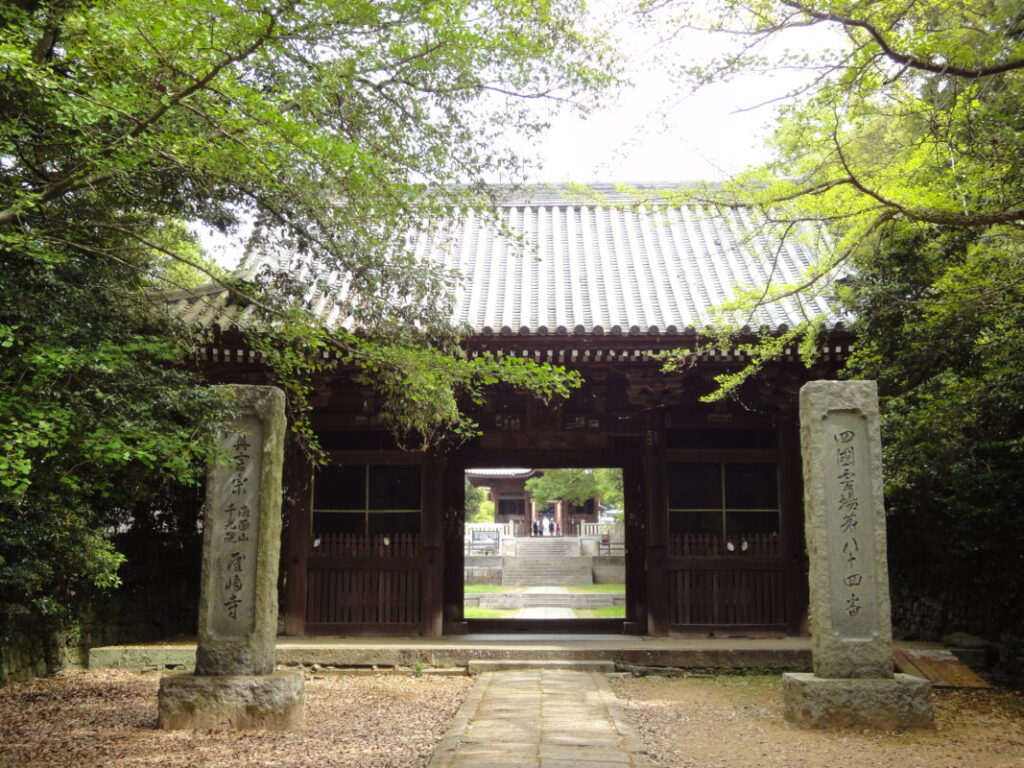
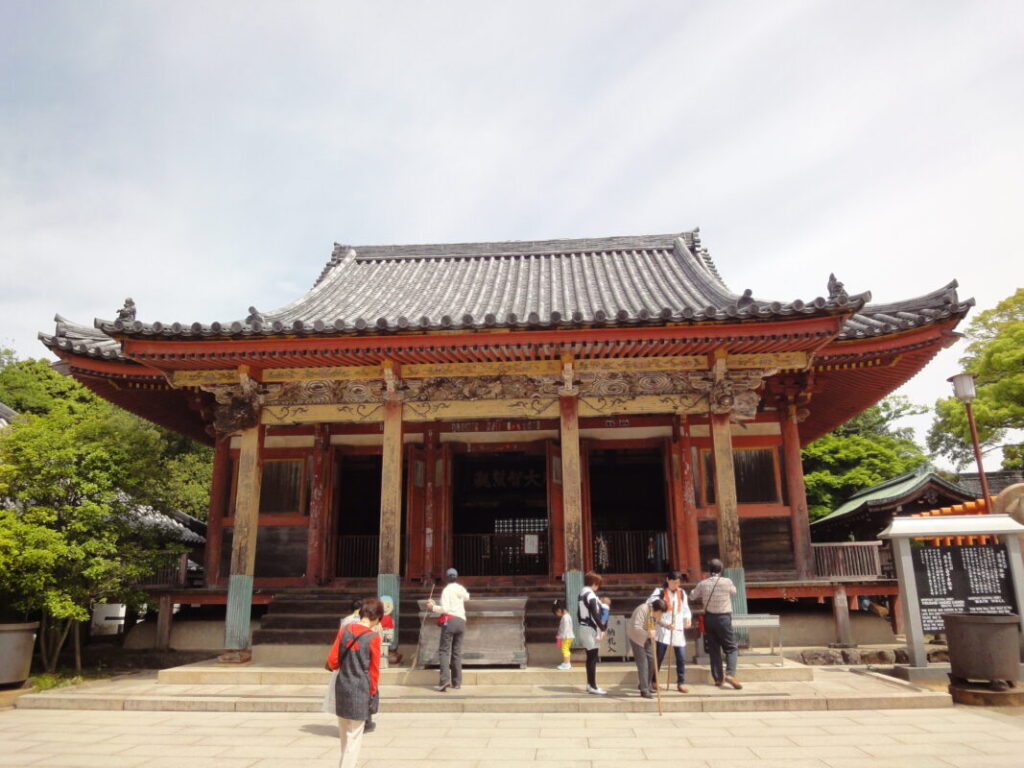
I arrived at Yashima-ji at 9:50 a.m.
A Historic Site Associated with the Genpei War
Yashima is famous as one of the settings of the Genpei War, the conflict between the Taira and Minamoto clans. Many well-known stories are associated with this area, including Nasu no Yoichi’s legendary shot at a fan mounted on a pole and Minamoto no Yoshitsune’s famous incident of dropping his bow into the sea.
Yashima-ji is traditionally said to have been founded by the Buddhist monk Ganjin during the Tenpyō-Shōhō era (749–757).
Later, in 815, Kōbō Daishi visited Yashima under an imperial commission from Emperor Saga. According to temple tradition, he carved a statue of the Eleven-Headed, Thousand-Armed Kannon and enshrined it as the temple’s principal image.
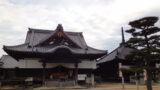
The seated statue of the Eleven-Headed, Thousand-Armed Kannon that serves as the principal image today is designated an Important Cultural Property of Japan. The Main Hall is also believed to date back to the Kamakura period, preserving the temple’s long history.
The appeal of Yashima-ji lies in its connection to both the history of the Genpei War and the Buddhist faith associated with Kōbō Daishi.
From Yashima-ji to Yaguri-ji
Yaguri-ji lies approximately 5 km east of Yashima-ji. The route descends from Yashima, which stands at an elevation of around 300 meters, to the foot of the mountain before climbing again to Mount Goken, at approximately 230 meters.
The View from the Top of Yashima
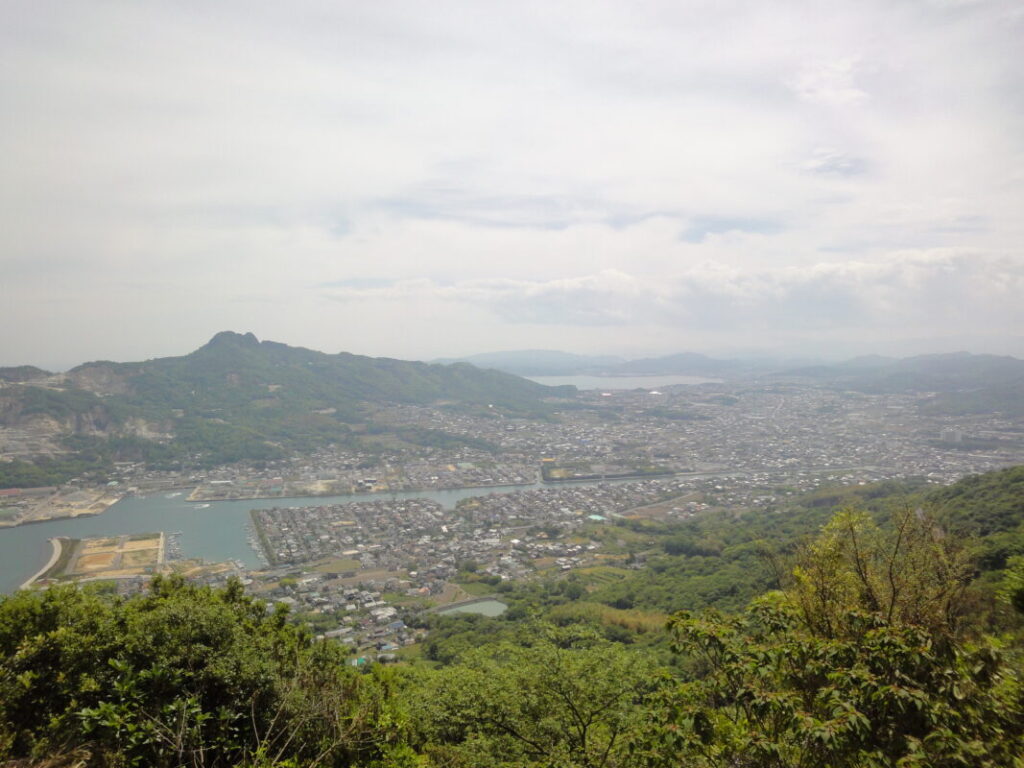
From the summit of Yashima, I could see Mount Goken, home to the next temple, Yaguri-ji, as well as Dannoura, the historic site of the Genpei War.
Was I really going to climb the mountain directly in front of me on my own two feet?
Perhaps this is the kind of feeling that only comes from walking the pilgrimage.
With Mount Goken rising before me, I began the steep descent down the mountainside.
Meeting a Local Guide at Suzaki-ji
After reaching the foot of the mountain, I took a slight detour south to cross the bridge over Dannoura Bay.
As I was crossing the bridge, an elderly man approached me. He appeared to be a local volunteer guide who introduced visitors to the area’s history.
Just beyond the bridge stands Suzaki-ji, where the grave of Shinnen is located. Shinnen was a Buddhist monk who devoted himself to promoting the Shikoku Pilgrimage during the Edo period. The man kindly guided me to the grave.
Without his help, I would probably have walked right past it without knowing it was there.
Unexpected encounters like this make me feel as though I am being guided by the connections I make with other people along the way.
He also explained how the area brings together several layers of history and culture: Dannoura, the setting of the Genpei War; the Shikoku Pilgrimage; and the production of Aji stone, a high-quality granite prized as a luxury building material.
Along the route, I could also see stone lanterns and other structures made from Aji stone. One of the pleasures of traveling on foot is being able to experience the history and culture of each place at such close range.
Warm Hospitality on the Way to Yaguri-ji
Yaguri-ji can also be reached by cable car, but there is a walking trail for pilgrims who prefer to climb on foot. The trailhead for walkers is located beyond the cable car station.
One of the most memorable parts of this stretch was the generous hospitality I received from local people.
At a Japanese confectionery shop near the trailhead, I was offered kusa-mochi, a traditional rice cake flavored with mugwort. Then, at a nearby rest shelter, I was treated to herbal tea and homemade sweets.
I received one act of kindness after another over a relatively short distance.
If you have enough energy, I recommend walking up rather than taking the cable car. The climb itself is worthwhile, but the encounters with local people make this stretch especially memorable.
Visiting Temple 85, Yaguri-ji
I arrived at Yaguri-ji at 1:00 p.m.
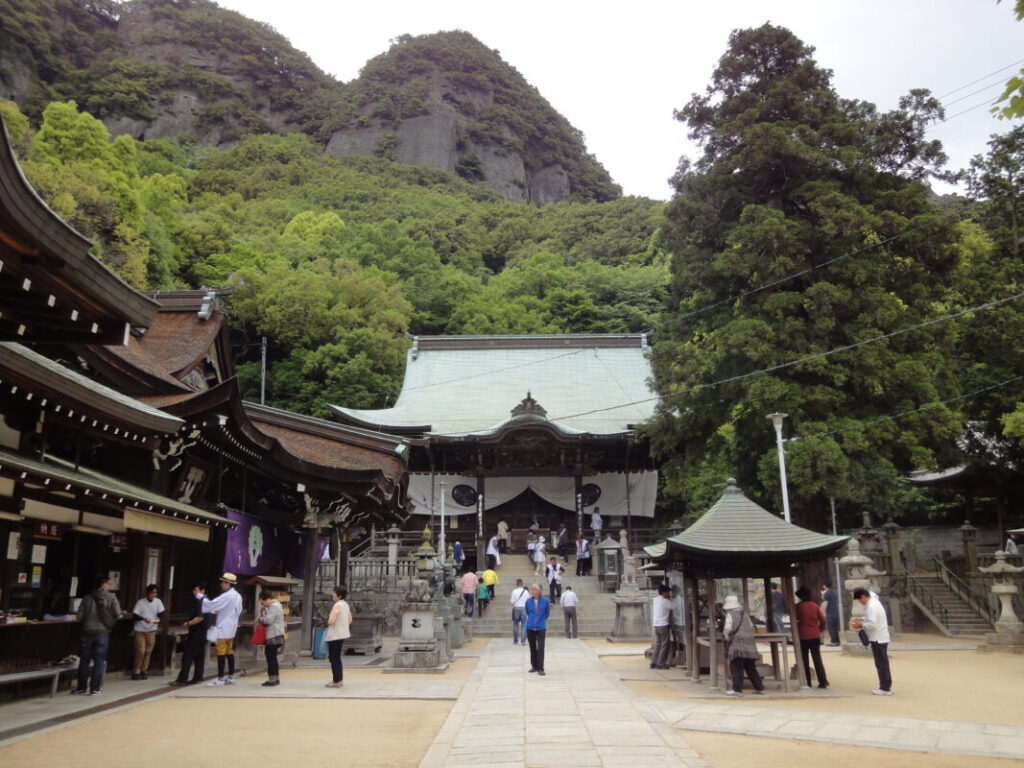
Temple Grounds Overlooking Mount Goken
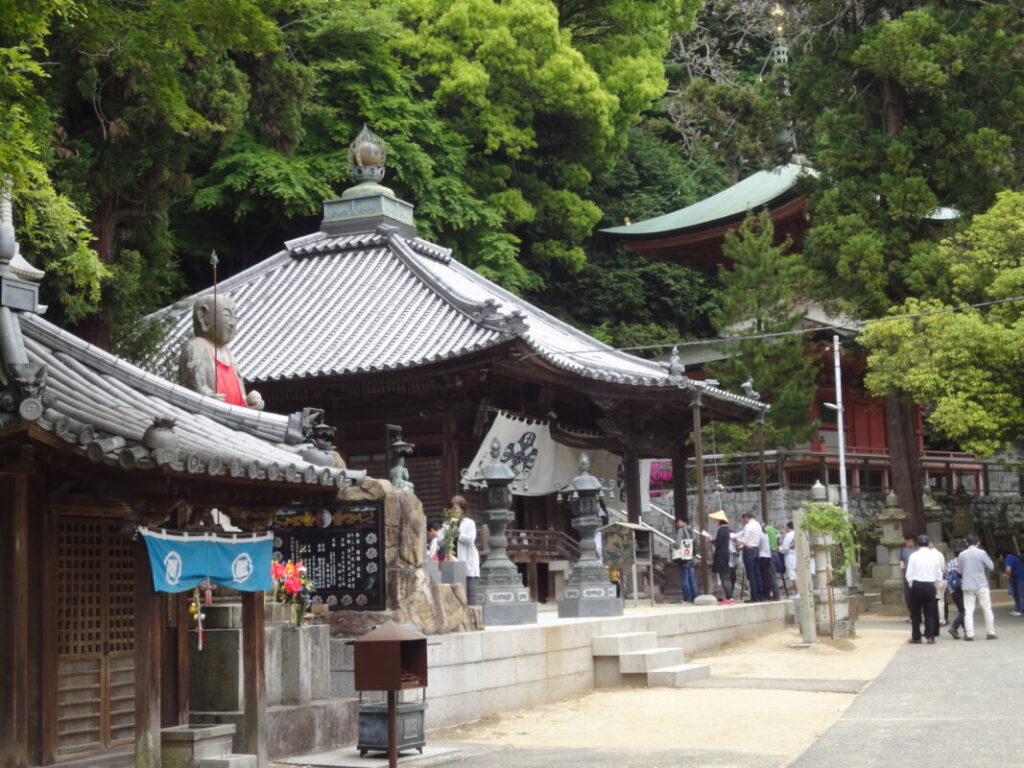
After completing the climb, the view opened up, revealing the grounds of Yaguri-ji.
Behind the Main Hall, the rugged rock faces of Mount Goken rise dramatically above the surrounding forest. The imposing mountain scenery is characteristic of a temple nestled in the hills, and I found myself stopping to take it all in.
The temple grounds were bustling with pilgrims and tourists alike.
From Hachikoku-ji to Yaguri-ji
Yaguri-ji is said to have once been known as Hachikoku-ji.
According to tradition, the name came from the fact that eight provinces, including Sanuki, Awa, and Bizen, could be seen from the summit of Mount Goken.
There is also a legend connected to Kōbō Daishi that explains the temple’s current name.
Before traveling to Tang China, Kōbō Daishi is said to have planted eight roasted chestnuts on Mount Goken to divine whether his mission to study Buddhism abroad would succeed. After safely returning to Japan, he visited the site again and discovered that the roasted chestnuts, which should never have been able to sprout, had miraculously grown shoots.
According to the legend, this extraordinary event led to the temple being renamed from Hachikoku-ji to Yaguri-ji, meaning the “Temple of Eight Chestnuts.”
Knowing these stories gave the mountain and temple grounds before me an added sense of wonder.
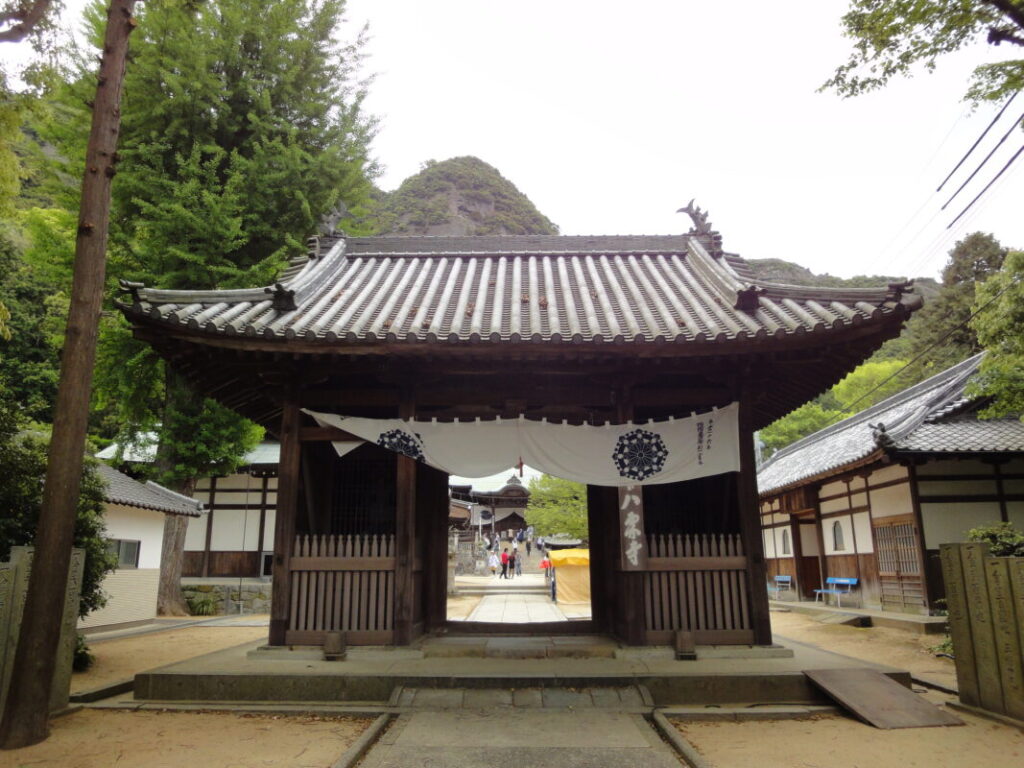
From Yaguri-ji to Shido-ji
Shido-ji is approximately 6 km from Yaguri-ji.
After finishing my visit, I began by descending Mount Goken. Heading toward JR Sanuki-Mure Station is a straightforward way to navigate the route. After about 3 km, I reached National Route 11. From there, continuing east leads toward Shido.
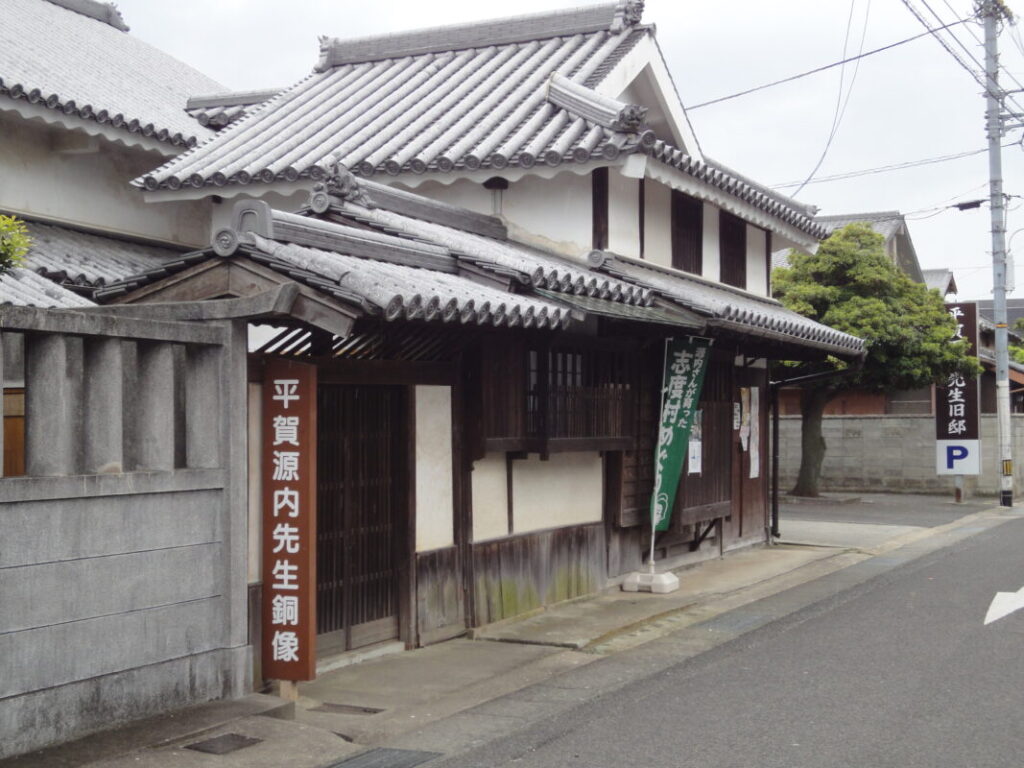
Along the way, you can find Michi-no-Eki Mure, a roadside station, as well as the former residence of Hiraga Gennai, an Edo-period inventor famous for his work on the elekiter, an early electrostatic device. If you have enough time, these places are worth a visit.
Places Associated with Hiraga Gennai
Shido is closely associated with Hiraga Gennai, a prominent inventor and intellectual who was active during the Edo period.
On the way from Yaguri-ji to Shido-ji, you can visit the former residence of Hiraga Gennai and the Hiraga Gennai Memorial Museum.
There is also a family grave site associated with the Hiraga family within the grounds of Shido-ji. Being able to explore historical sites connected to notable local figures is another attraction of this area.
As you visit the temples along the Shikoku Pilgrimage, you can also discover the history and culture of Sanuki.
Visiting Temple 86, Shido-ji
I arrived at Shido-ji at 3:00 p.m.
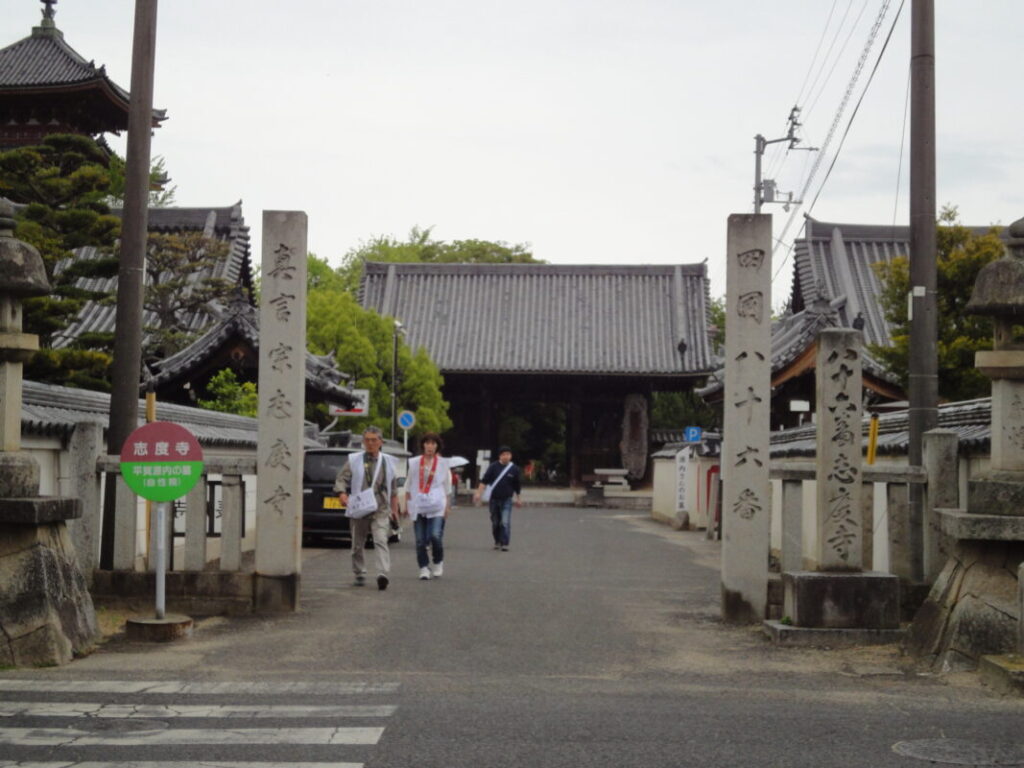
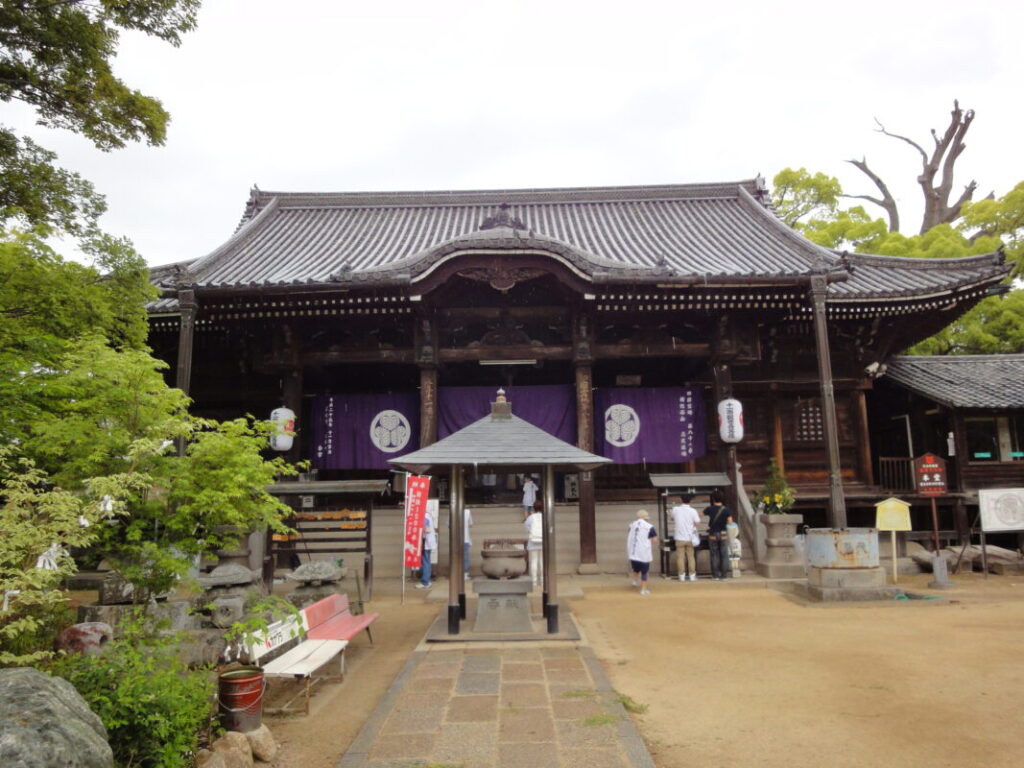
Shido-ji is an ancient temple with a history spanning approximately 1,400 years.
The temple has long been associated with Enma, the King of the Underworld, and is revered as a place standing between the worlds of the living and the dead. Numerous legends and accounts of its origins have been passed down over the centuries.
During the Sengoku period, the temple suffered extensive damage in the fires of war. It was later restored under the protection of Matsudaira Yorishige, the lord of the Takamatsu Domain, during the Edo period. Both the Main Hall and the Niō Gate are now designated Important Cultural Properties of Japan.
Shido-ji is conveniently located about 500 meters from JR Shido Station. Situated in a residential neighborhood facing Shido Bay, the temple is surrounded by the everyday life of this coastal town.
However, stepping onto the temple grounds brings a sense of calm and tranquility. The peaceful atmosphere, characteristic of a seaside town, left a lasting impression on me.
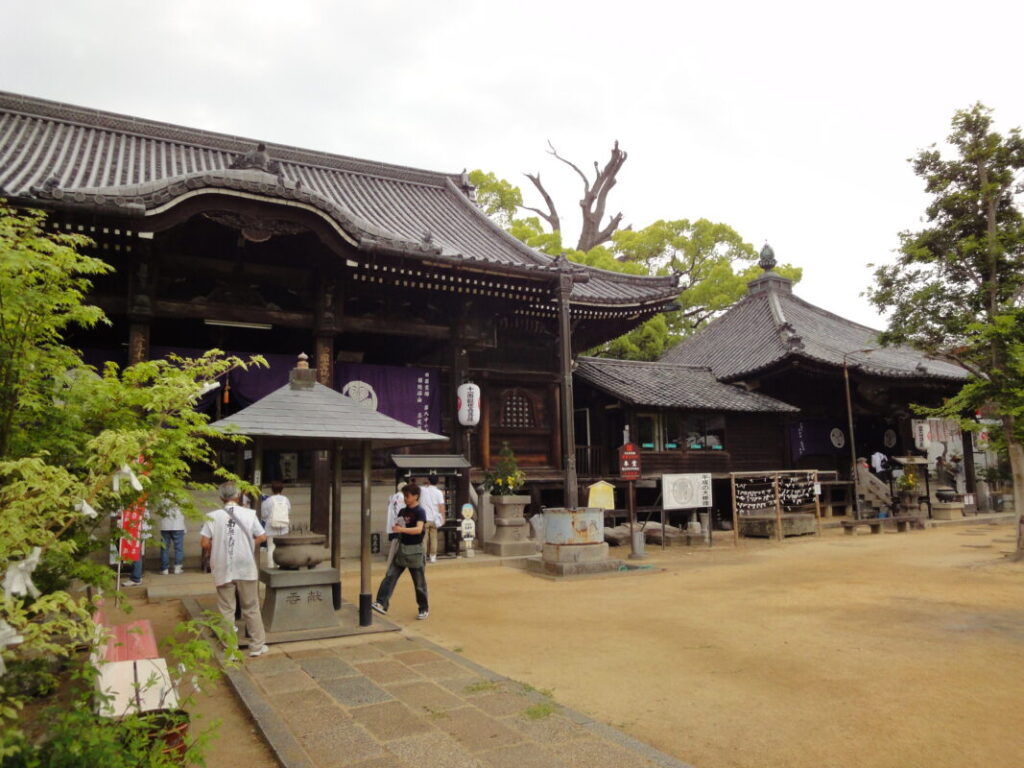
The Kyokusui-style Garden
One of the highlights of Shido-ji is its Kyokusui-style Garden, designated a Place of Scenic Beauty by the Japanese government.
The garden is believed to have been created during the Muromachi period. Its distinctive features include bold stone arrangements and a landscape that makes effective use of the natural terrain.
At a temple with such a long history, taking time to sit back and appreciate the garden is a pleasure in itself.
The Musen Garden
In front of the temple’s study hall lies the Musen Garden, a traditional dry landscape garden known as karesansui.
It was designed by Mirei Shigemori, one of Japan’s leading garden designers of the Shōwa era. White sand and carefully arranged stones create a quiet, contemplative space.
Within this historic temple, the garden offers a different kind of beauty from the surrounding architecture and sacred grounds. Being able to appreciate these varied landscapes while exploring the temple is part of what makes Shido-ji so special.
From Shido-ji to Kikaku Park
I finished visiting Shido-ji at around 3:30 p.m.
The next temple, Temple 87, Nagao-ji, was approximately 7 km away. The route was relatively easy to follow. The first part passed through the hills separating Shido and Nagao, and after walking about 4 km, I reached the plains around Nagao, where the landscape opened up into rice fields and farmland. There were also plenty of udon restaurants along the way, making this a pleasant stretch for enjoying the scenery of Sanuki.
The main concern was whether I could reach Nagao-ji before the temple office closed at 5:00 p.m.
If I picked up the pace, I might just make it in time.
On the other hand, skipping the visit today and going to Nagao-ji early the following morning would not interfere with my plans to visit Temple 88, Okubo-ji, afterward.
I spent some time weighing my options.
However, rushing through a temple visit did not feel right. If I was going to pay my respects, I wanted to do so without feeling hurried.
In the end, I decided to postpone my visit to Nagao-ji until the next day.
When walking the pilgrimage, things do not always go according to plan. If I could not make it in time, I could simply visit the temple tomorrow. I realized that having the flexibility to accept such changes was important, too.
I decided to head for Kikaku Park, where I planned to camp for the night.
By the time I passed near Nagao-ji, it was already past 5:00 p.m. I was glad I had made my decision early rather than rushing at the last minute.
Camping Overnight at Kikaku Park
I arrived at Kikaku Park at 6:00 p.m.
The park had toilets and a large covered gazebo, making it a convenient place to camp overnight.
Just as I arrived, it began to rain.
I was truly grateful for the spacious shelter.
After setting up for the night, I sat beneath the gazebo and watched the rain falling outside.
Tomorrow, I would visit Temple 88, Okubo-ji, and finally complete the pilgrimage.
I found myself reflecting on everything that had happened over the past 36 days.
As I sat there thinking, another pilgrim walking the route arrived.
“Excuse me, may I join you?”
He was a man perhaps ten years older than me.
“Of course.”
The gazebo was so large that it could easily accommodate two people and still have plenty of room to spare.
He was carrying an enormous backpack almost as big as himself. His legs were remarkably muscular, and his appearance reminded me of a seasoned mountaineer who spent much of his time in the mountains.
With practiced movements, he set up his tent and hung his rain-soaked clothes on clothespins to dry.
We chatted for a while.
“So, tomorrow is the big day. You’re finally completing the pilgrimage.”
As it turned out, he was primarily a mountaineer and had already completed the entire Shikoku Pilgrimage on foot once before.
“Let’s hope the rain stops tomorrow.”
We exchanged a few words, each hoping that we would be able to complete the pilgrimage safely the following day.
With the final day ahead of me, I turned in early once again to get some rest.
Temple Information
- No. 84
- No. 85
- No. 86
- No. 87


Comments