
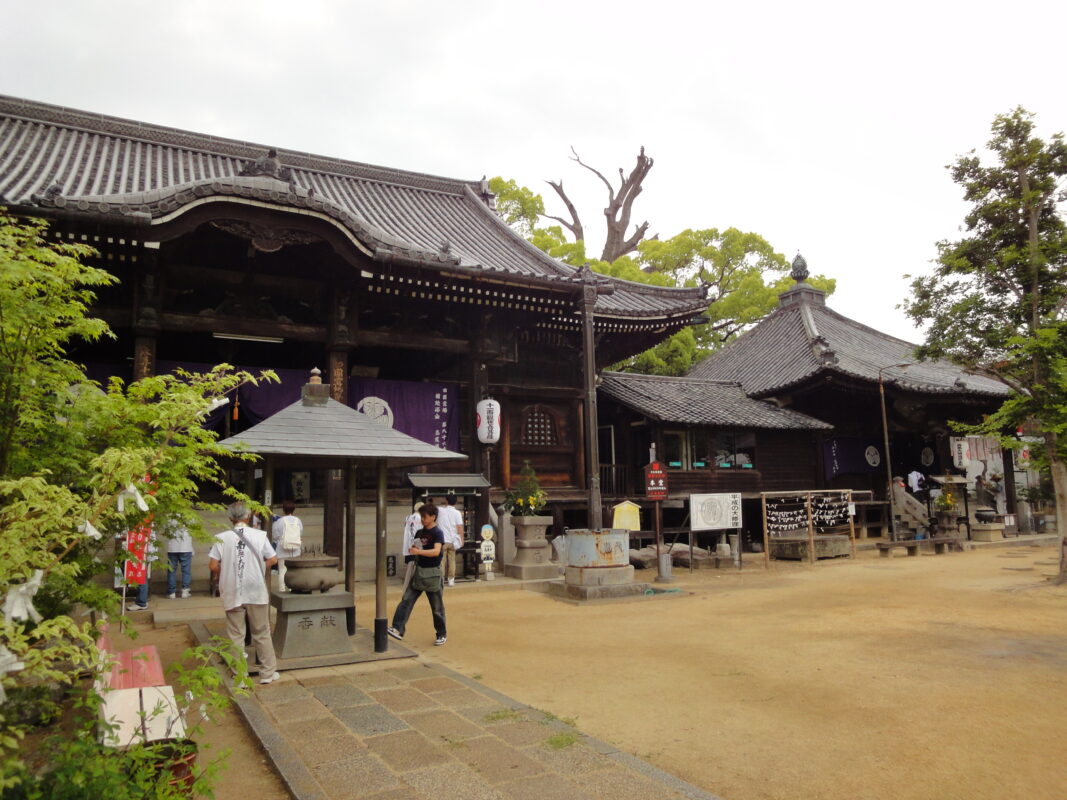
Shidoji Temple Information
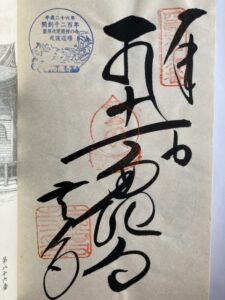
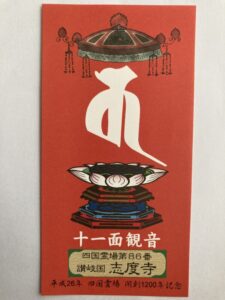
Goshuin
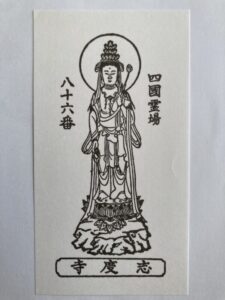
- Omie
- 1,200th Anniversary Edition
Basic Information
| Principal Deity | Eleven-Headed Kannon |
| Elevation | 1 m |
| Google Maps | MAP |
Accommodation
| Shukubo (Temple Lodging) | Not Available |
| Tsuyado (Free Pilgrim Shelter) | Not Available |
History & Highlights
Shidoji Temple is an ancient temple said to have been founded in 625 during the reign of Emperor Suiko. Its origins are traditionally attributed to a woman of the seafaring Ama people, Oshisonoko, who enshrined an image of Eleven-Headed Kannon. The temple later flourished through the efforts of Gyoki and others. It is also known as the setting of the Noh play Ama and was rebuilt with the support of the Ikoma and Matsudaira clans after suffering damage during periods of warfare.
Route Map, Distance & Travel Time
You can switch between the tabs to view the routes to the previous and next temples.
Select “Driving Route” from the map’s upper-left menu to display the driving route.
Click the Full Screen icon in the upper-right corner of the map to open it in Google Maps for a larger, easier-to-view map.
- From Previous Temple
- To Next Temple
Previous Temple: Yaguriji
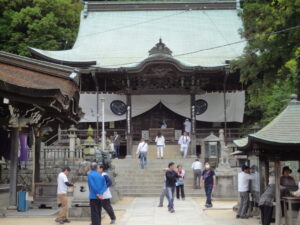
| Distance | 6.5 km |
| Walking | 2 hr |
| Driving | 15 min |
Next Temple: Nagaoji
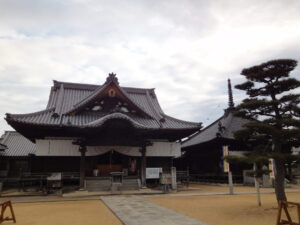
| Distance | 7 km |
| Walking | 2 hr |
| Driving | 15 min |
Transportation Guide
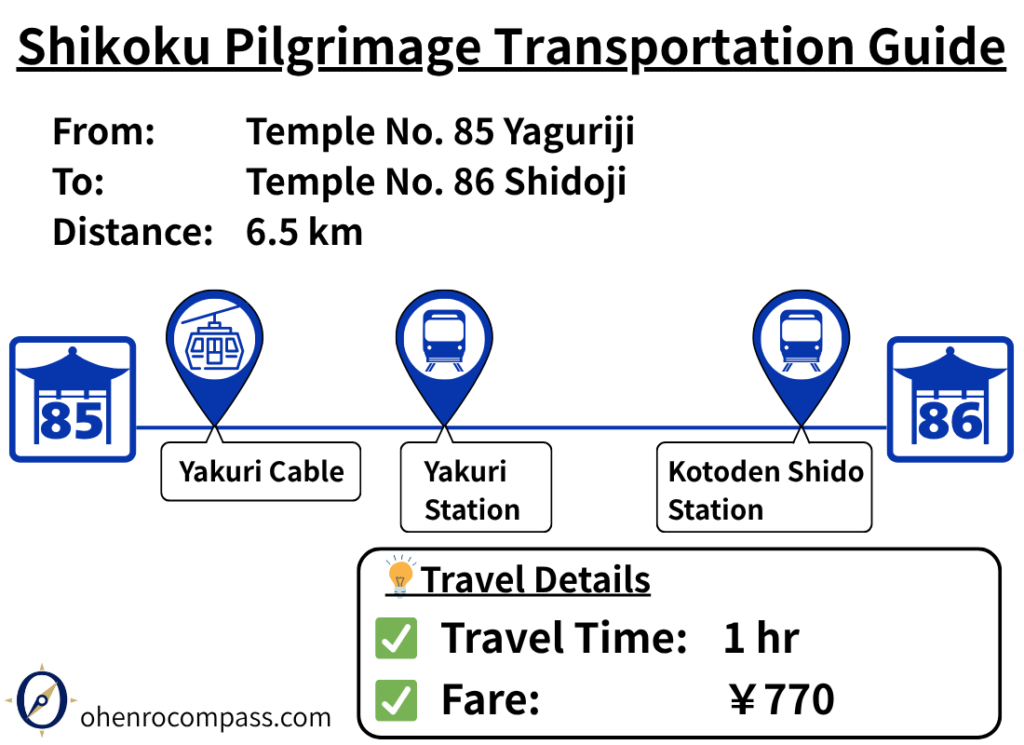
Travel from Temple 85, Yakuriji, to Temple 86, Shidoji, by cable car and train. Find fares, travel time, timetables, transfer information, and how this route compares with walking.
My Walking Experience
Shidoji Temple is located approximately 6 km southeast of Yaguriji Temple. After visiting Yaguriji, first descend Mount Gokenzan. Heading toward JR Sanuki-Mure Station is an easy way to navigate. After about 3 km, you will reach National Route 11, where you can continue east.
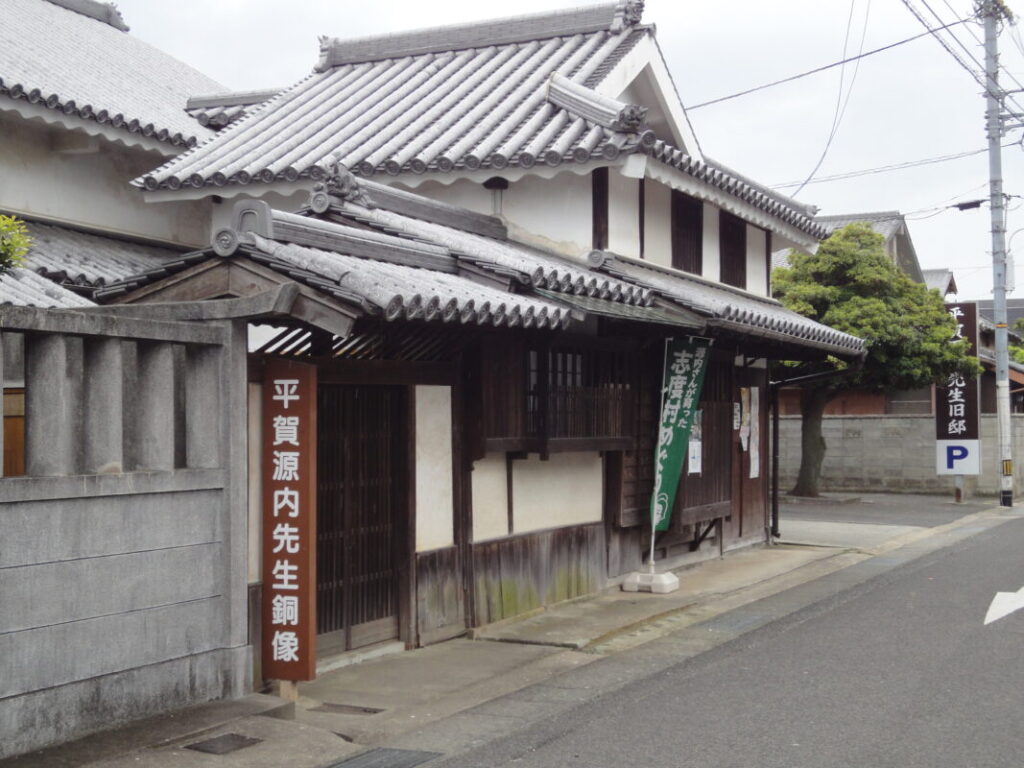
Along the way, you will find a roadside station and the former residence of Hiraga Gennai, who is famous for his work with the elekiter, an early electrical generator. If you have time, both are worth a visit.
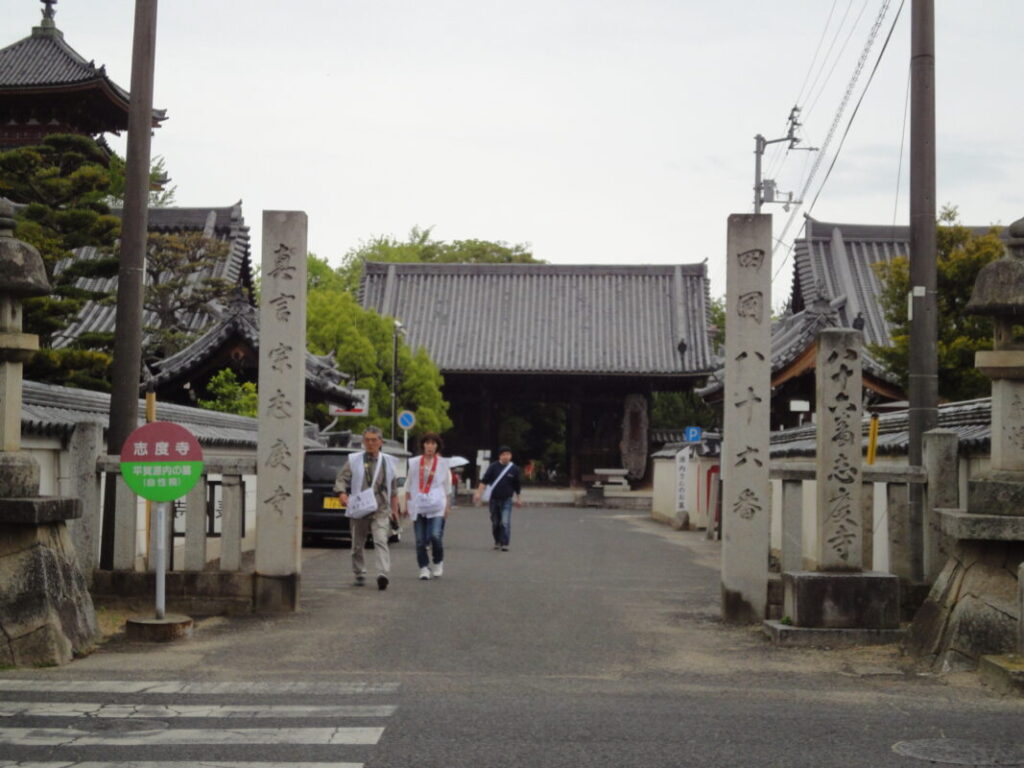
Shidoji is conveniently located about 500 meters from JR Shido Station. Although it stands in a residential neighborhood near Shido Bay, the atmosphere becomes quiet as soon as you enter the temple grounds. I found the peaceful surroundings particularly fitting for a temple in this seaside town.
A Place Connected to Hiraga Gennai
The area around Shidoji was also the hometown of Hiraga Gennai, an inventor and scholar of Western learning during the Edo period. On the way from Yaguriji to Shidoji, you can visit the Hiraga Gennai Former Residence and Memorial Museum if you have enough time.
The graveyard of the Hiraga family also remains within the grounds of Shidoji. Being able to encounter historical sites connected with an important local figure is another appealing aspect of this temple.
For me, this section of the pilgrimage offered more than just the Shikoku Pilgrimage itself—it was also an opportunity to experience the history and culture of Sanuki.
History and Highlights of Shidoji Temple
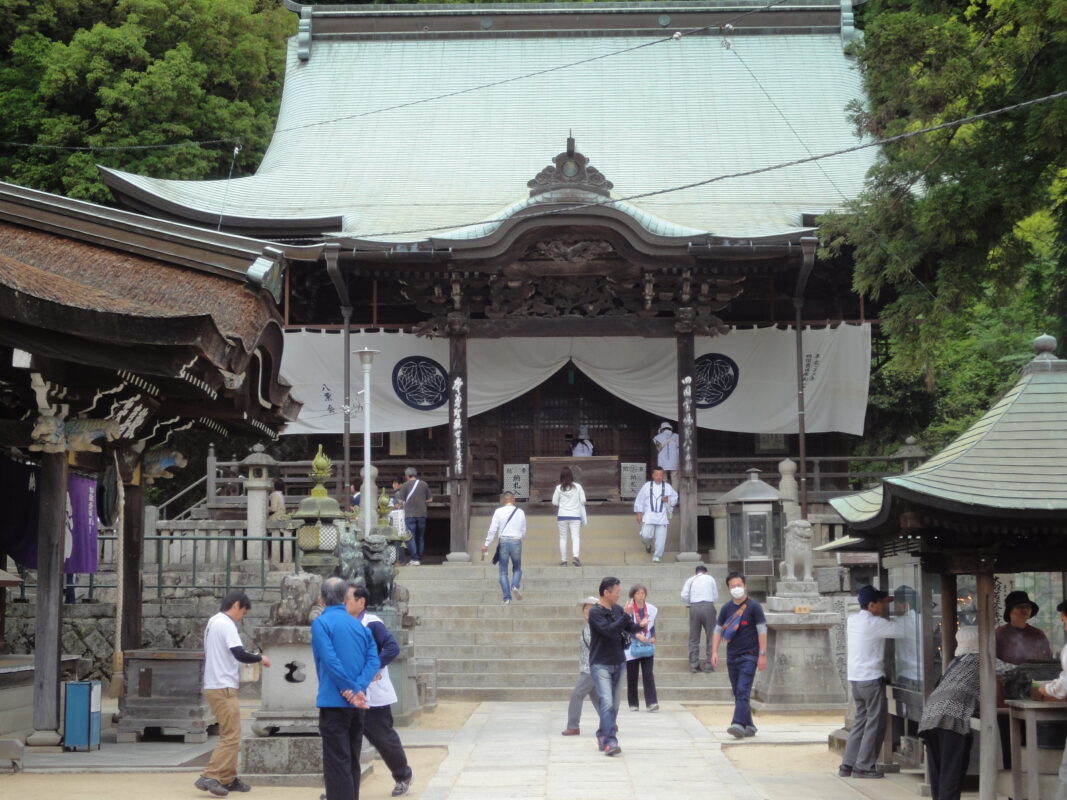
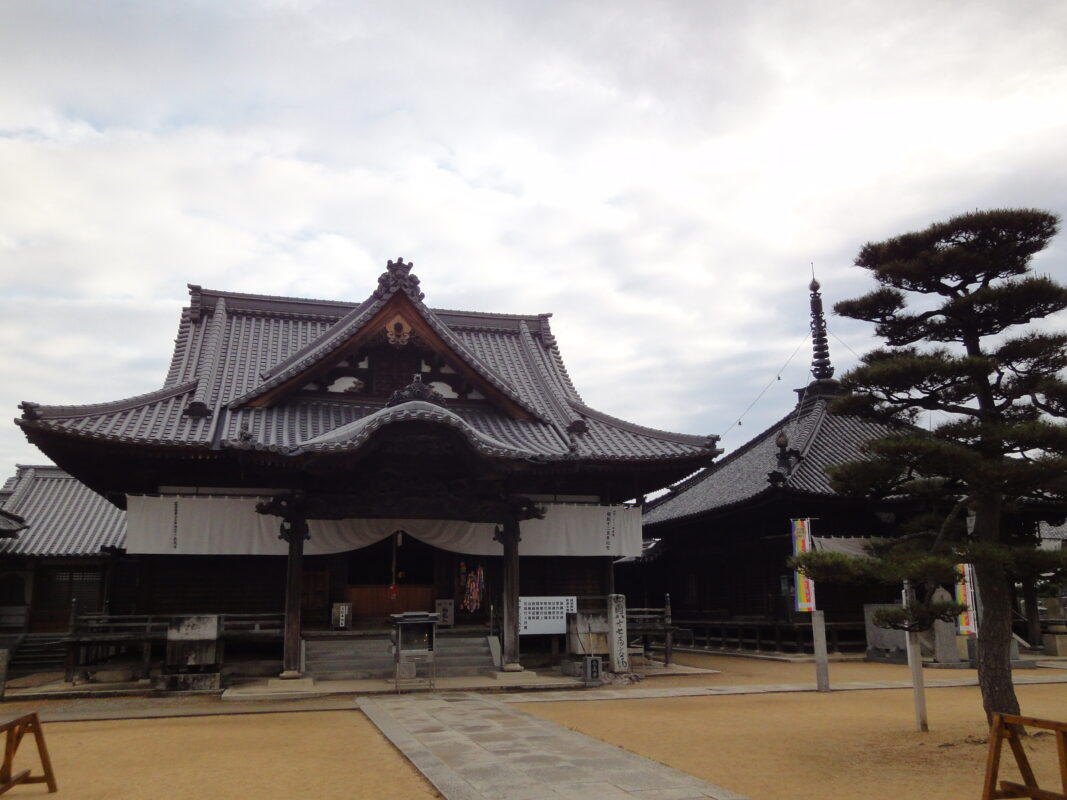
Shidoji Temple is an ancient temple with a history of approximately 1,400 years. According to tradition, its history began in 625, when a woman of the seafaring Ama people named Oshisonoko commissioned the creation of the temple’s principal image, an Eleven-Headed Kannon statue. The statue is designated an Important Cultural Property of Japan.
Shidoji has also long been associated with Enma Daio, the King of Hell. Because of this connection, the temple has been regarded as a place standing between this world and the afterlife, and numerous legends and traditional stories have developed around it.
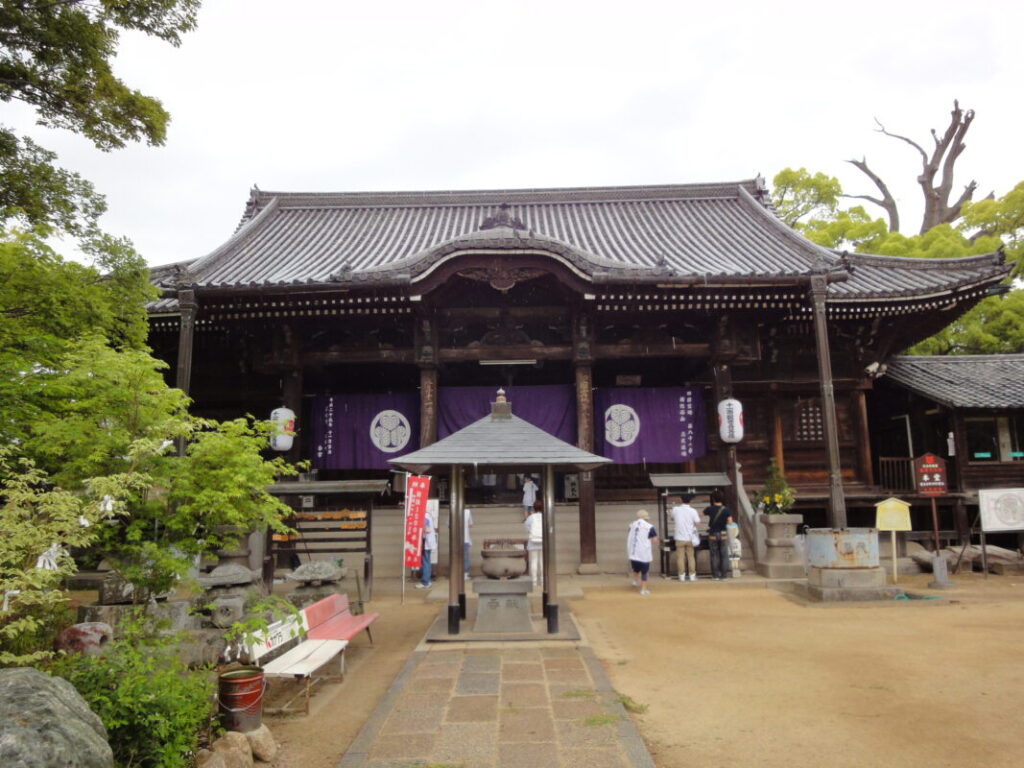
The temple suffered extensive damage during the wars of the Sengoku period, but was later restored under the protection of Matsudaira Yorishige, lord of the Takamatsu Domain, during the Edo period. The present Main Hall and Niomon Gate are both designated Important Cultural Properties of Japan.
Kyokusui-style Garden
One of Shidoji’s most notable attractions is its Kyokusui-style garden, designated a Place of Scenic Beauty by the Japanese government.
The garden is believed to have been created during the Muromachi period. Its powerful stone arrangements and skillful use of the natural terrain create a striking landscape.
Musen Garden
In front of the temple’s Shoin is Musen Garden, a dry landscape garden created by Mirei Shigemori, one of Japan’s leading garden designers of the Showa period.
The combination of white sand and carefully arranged stones creates a quiet, contemplative atmosphere reminiscent of a Zen temple.
Nearby Accommodation
If you plan to stay near Shidoji or between the surrounding pilgrimage temples, see the article below.

Related Articles
Shikoku 88 Temple Pilgrimage Route: Full List, Distance & Walking Time Guide.
Temple List and Full Route
Comments