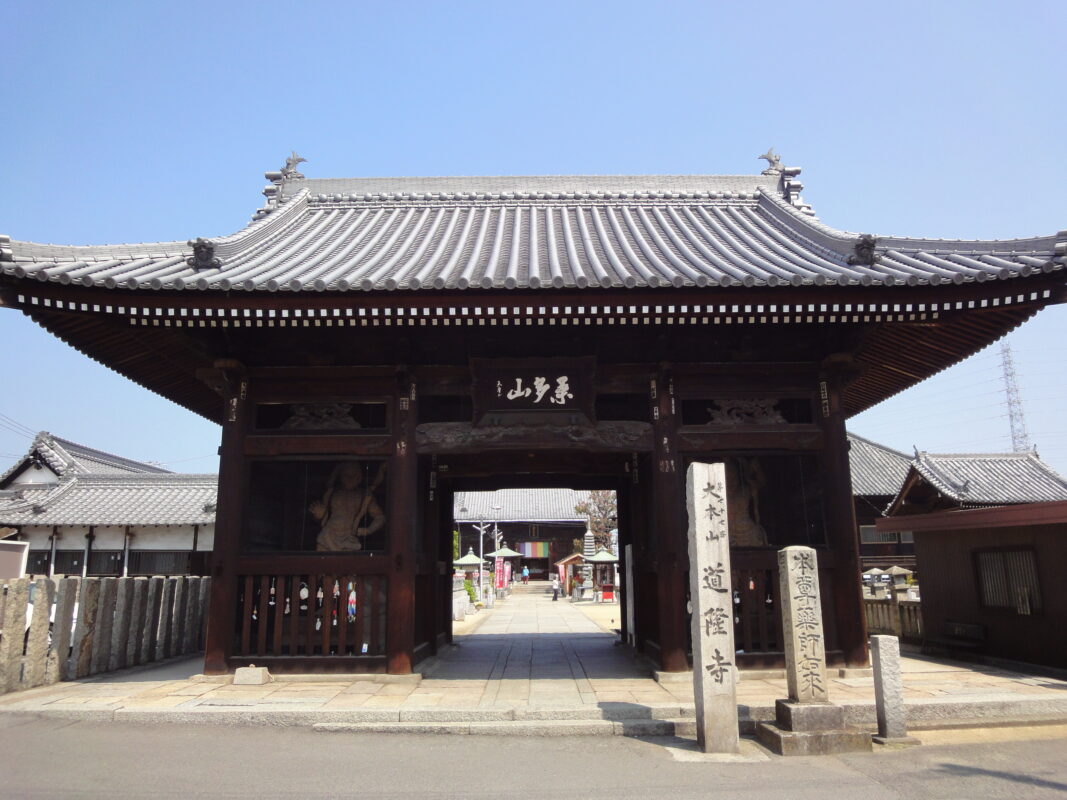
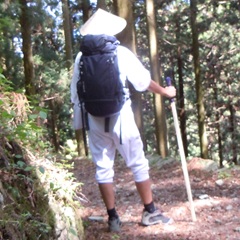
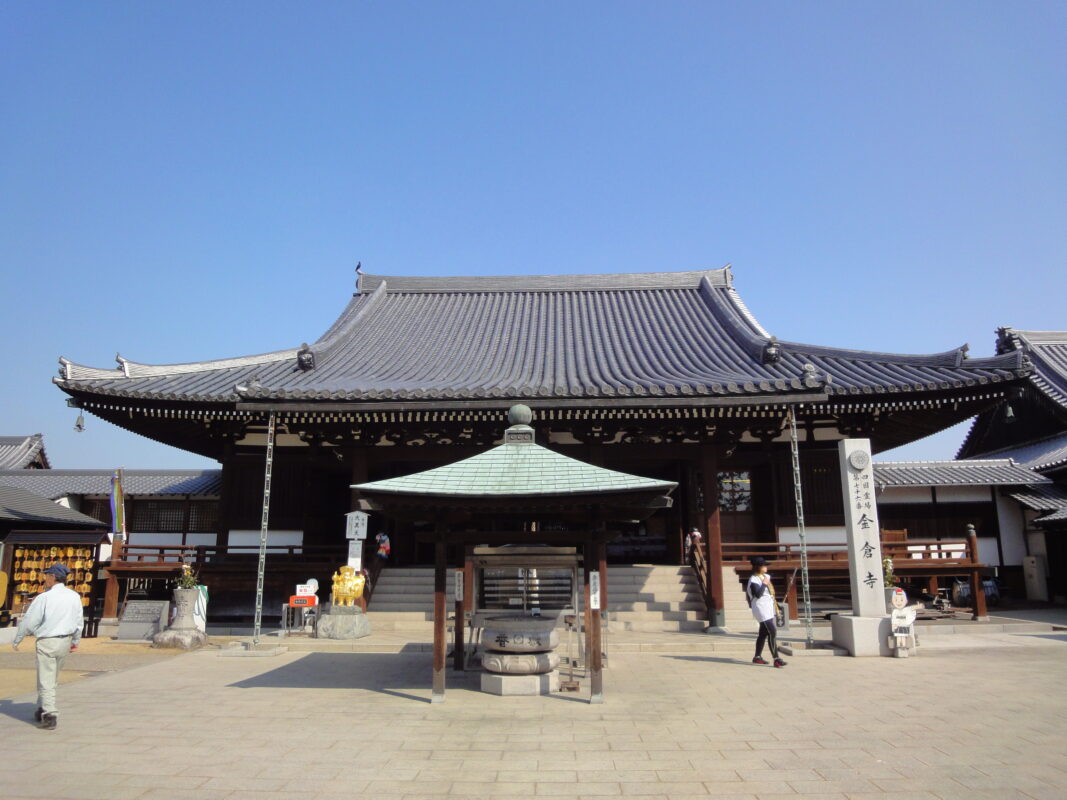
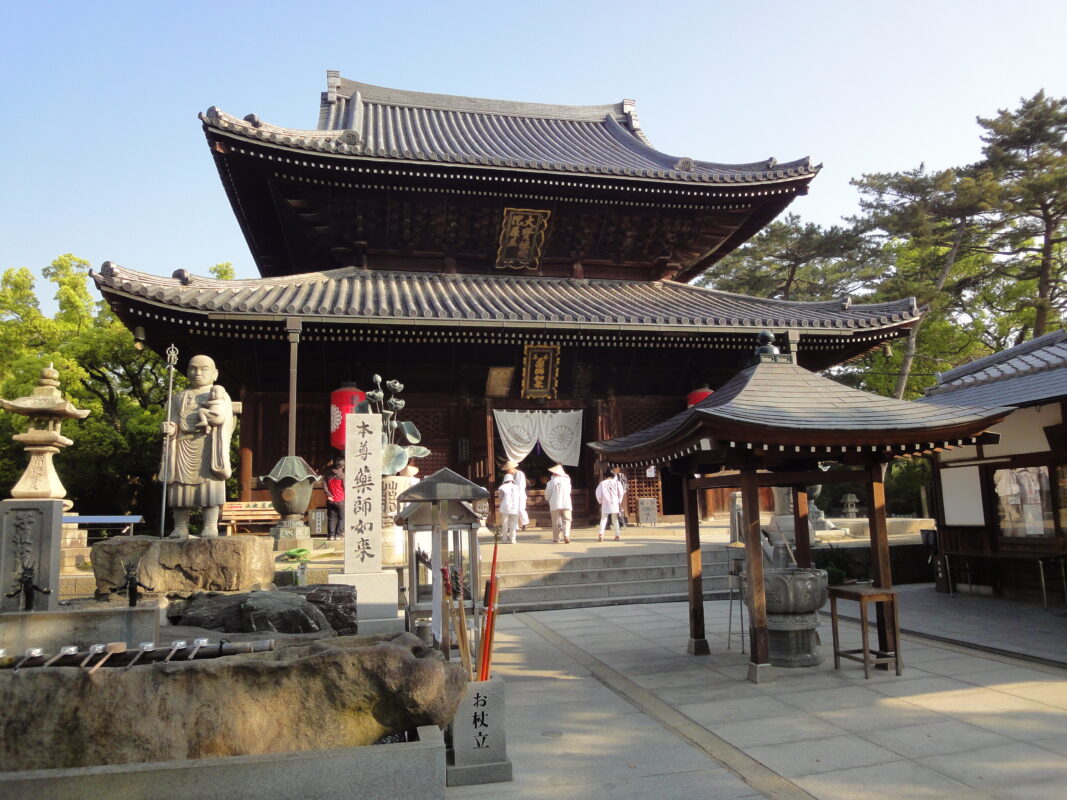
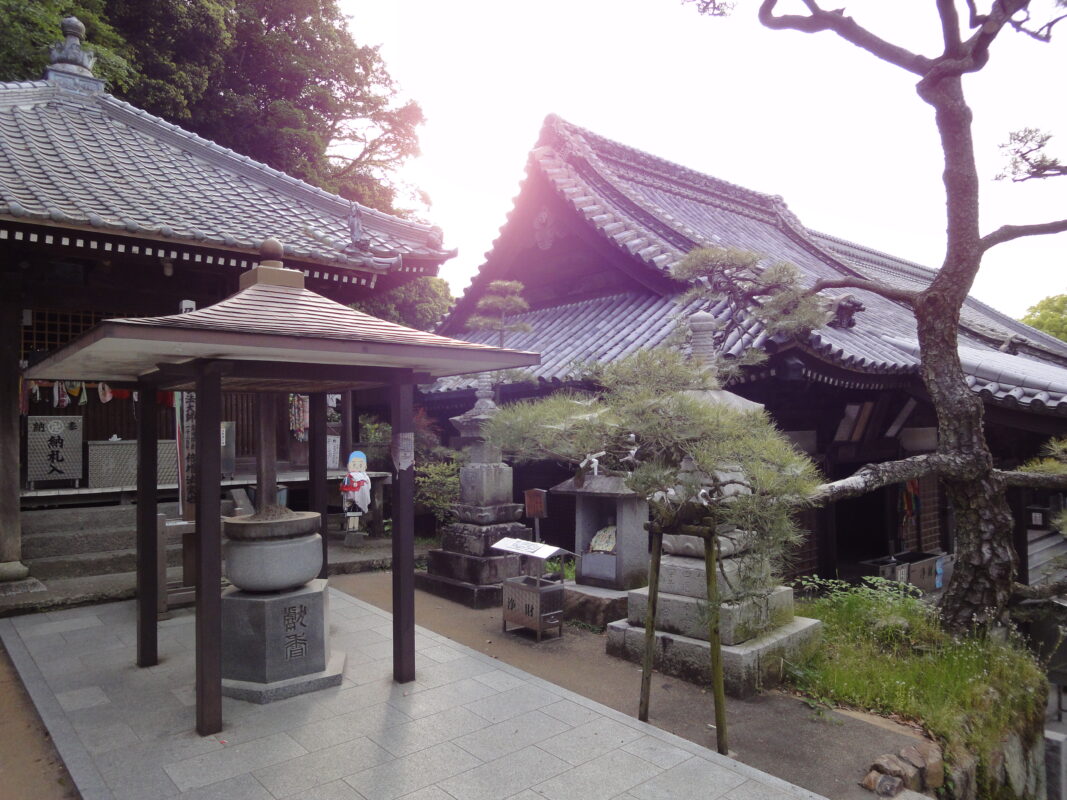
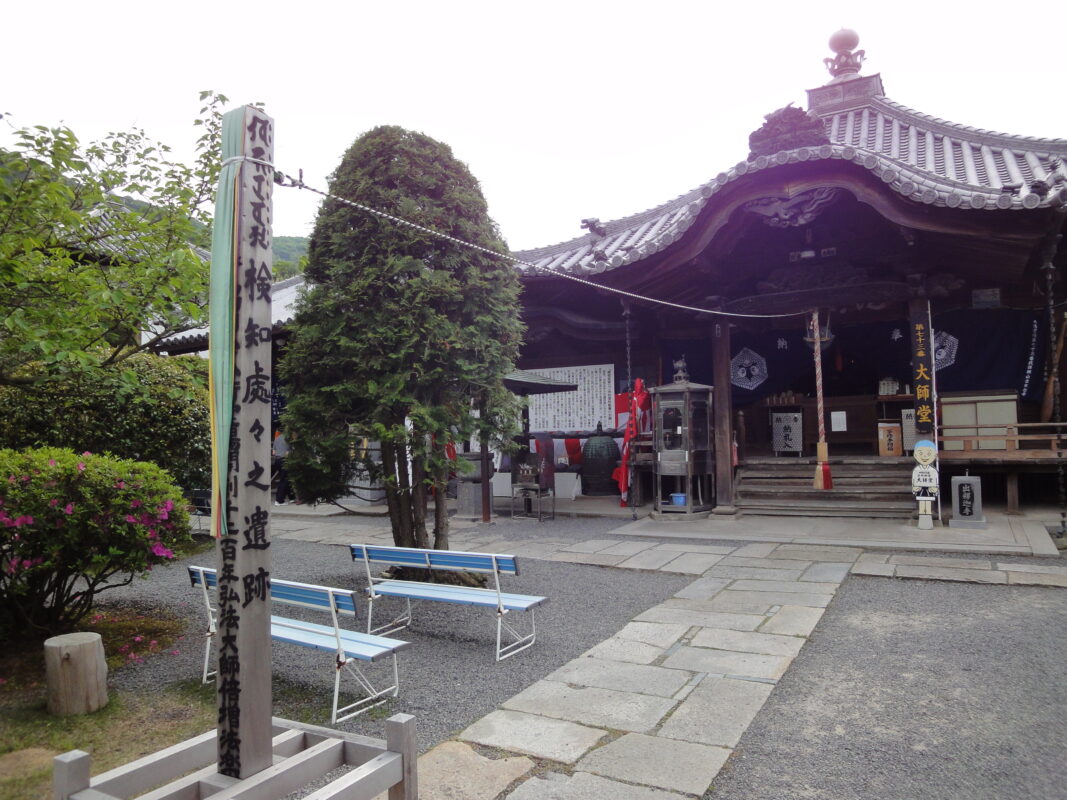
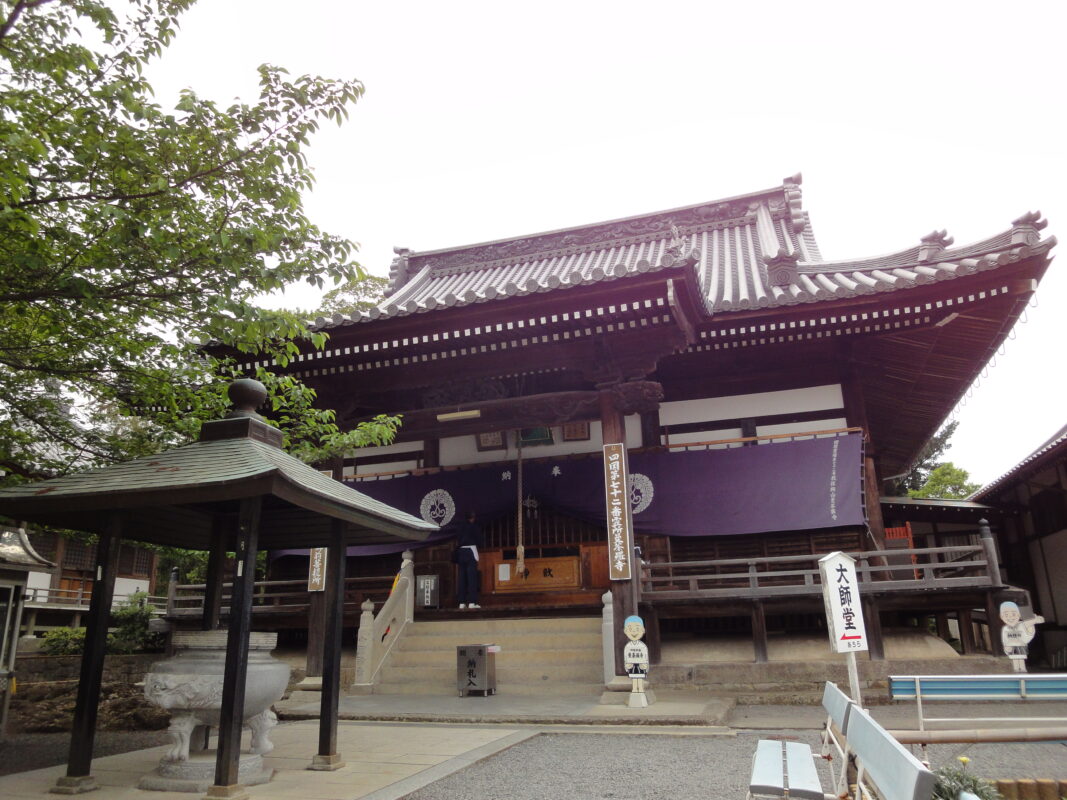
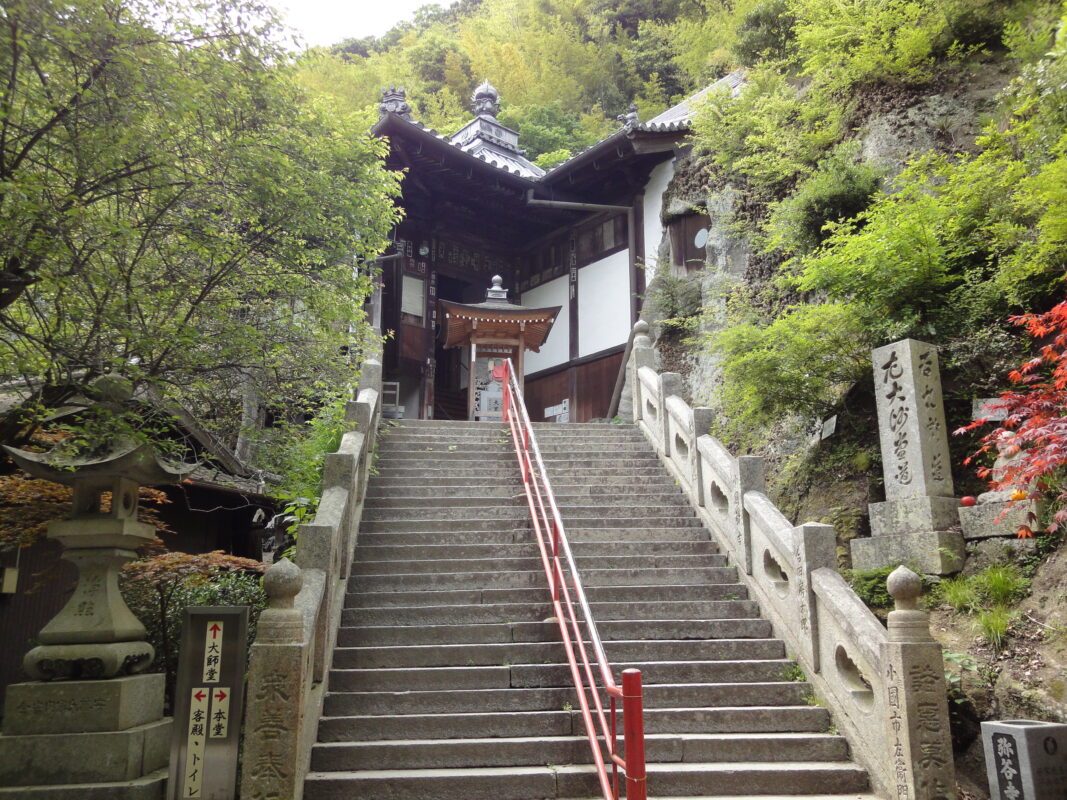
In Kagawa Prefecture, there is a unique pilgrimage route known as the Shichikasho Pilgrimage, which visits seven temples from Temple 71, Iyadaniji, to Temple 77, Doryuji, of the Shikoku 88 Temple Pilgrimage.
Unlike the full Shikoku Pilgrimage, which takes pilgrims around all 88 temples, the Shichikasho Pilgrimage is a shorter route that can be completed in one day. It is a popular way to experience the history, culture, and spiritual atmosphere of the Shikoku Pilgrimage while visiting temples connected to Kobo Daishi (Kukai).
About the Shichikasho Pilgrimage
The Shichikasho Pilgrimage is a local pilgrimage route in western Kagawa Prefecture that connects seven historic temples. Each temple has its own unique history and highlights, offering visitors a chance to experience the traditions of Japanese Buddhism in a compact area.
The route begins at Temple 71, Iyadaniji, a temple deeply connected with Kobo Daishi. The temple is home to Shishi no Iwaya (Lion Rock Cave), a sacred place where Kobo Daishi is said to have studied and practiced during his childhood.
Along the route, pilgrims visit Temple 75, Zentsuji, the birthplace of Kobo Daishi. Visiting Iyadaniji and Zentsuji together allows pilgrims to follow the early history of Kobo Daishi, from his childhood years to his birthplace.
The pilgrimage ends at Temple 77, Doryuji, where visitors can complete the seven-temple journey while experiencing the rich history and traditions of Kagawa.
The Seven Temples of the Shichikasho Pilgrimage
Temple 71: Iyadaniji
Iyadaniji is the starting point of the Shichikasho Pilgrimage. Located on a mountainside, the temple features impressive stone formations, Buddhist carvings, and sites connected to Kobo Daishi’s childhood.
Temple 72: Mandaraji
Mandaraji is one of the oldest temples on the Shikoku Pilgrimage. The temple is associated with Kobo Daishi and preserves many historical traditions.
Temple 73: Shusyakaji
Shusshakaji is famous for Syashin-ga-take, the cliff where Kobo Daishi is said to have performed a legendary ascetic practice as a child.
Temple 74: Koyamaji
Koyamaji is a temple founded by Kobo Daishi according to tradition. The temple is known for its peaceful atmosphere and historical connections.
Temple 75: Zentsuji
Zentsuji is one of the most important temples on the Shikoku Pilgrimage and is believed to be the birthplace of Kobo Daishi. The large temple grounds include the Mieido Hall and a five-story pagoda.
Temple 76: Konzōji
Konzōji is known as the birthplace of Chisho Daishi Enchin. The temple also has a deep connection with the Kobo Daishi family.
Temple 77: Doryuji
Doryuji is the final temple of the Shichikasho Pilgrimage. The temple is especially known for prayers related to eye health and attracts many visitors throughout the year.
How to Visit the Shichikasho Pilgrimage
The Shichikasho Pilgrimage can be completed on foot or by car.
Because the temples are located relatively close to each other, walking pilgrims can visit all seven temples in one day with proper planning. By car, visitors can take more time to explore each temple and enjoy the historical sites at a relaxed pace.
The route is also a great option for those who want to experience a smaller part of the Shikoku Pilgrimage or visit temples connected with Kobo Daishi.
Walking the Shichikasho Pilgrimage
The Shichikasho Pilgrimage offers a unique experience where visitors can discover Kobo Daishi’s history, mountain temples, and local Buddhist traditions within a short distance.
From the mountain temple of Iyadaniji to the birthplace of Kobo Daishi at Zentsuji and the final temple of Doryuji, this seven-temple route provides a deeper understanding of the history and spirituality behind the Shikoku Pilgrimage.
On this website, I introduce each temple with detailed information about its history, highlights, Goshuin (temple stamps), Omie (pilgrimage talismans), walking routes, distances, and my personal experiences from visiting these temples.